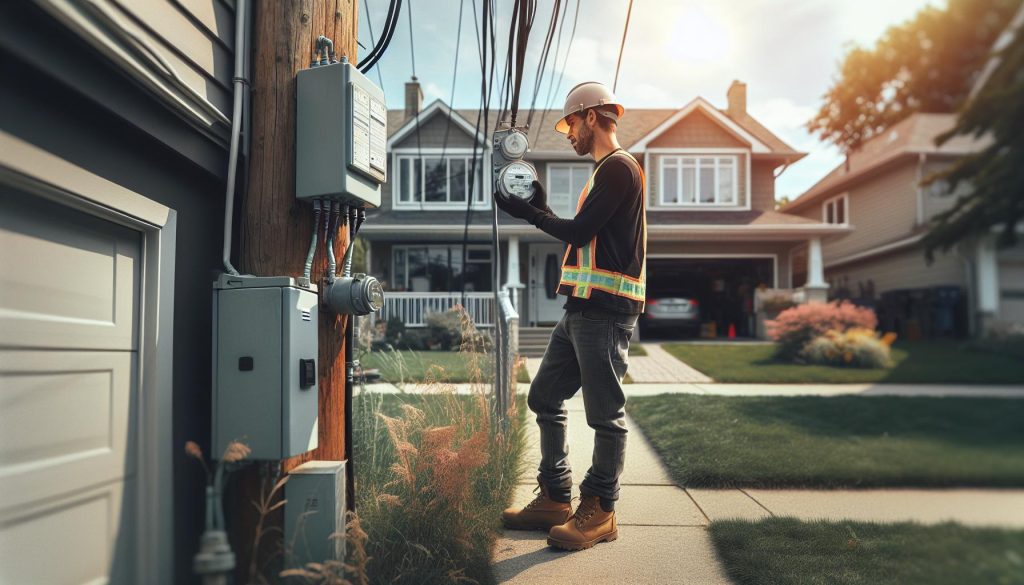
Understanding the voltage of residential power lines is crucial for anyone involved in home electrical systems, whether you’re a homeowner, an aspiring electrician, or a seasoned professional. In the U.S., most homes receive power at 120/240 volts, which is essential for safely operating appliances and ensuring energy efficiency. Knowing this voltage not only helps in making informed decisions about home renovations or electrical repairs but also enhances safety and compliance with electrical standards. This knowledge empowers you to manage modern energy demands, from high-efficiency appliances to smart home technologies, ensuring your electrical system is both safe and capable of supporting a connected lifestyle. As you delve deeper into this topic, you’ll gain valuable insights into load calculations, circuit design, and the importance of adhering to current regulations, making you better equipped to handle your electrical needs with confidence.
What Voltage is Used in Residential Power Lines?
In residential power lines, the commonly utilized voltages are primarily 120 volts and 240 volts. Understanding these voltage levels is crucial for homeowners and professionals alike, as they govern the safety and efficiency of electrical systems within homes. Typically, standard household outlets supply 120 volts, which is sufficient for most day-to-day appliances, such as lamps, toasters, and televisions. On the other hand, larger appliances, like electric dryers, ovens, or HVAC systems, often require 240 volts to operate efficiently. This dual-voltage system allows for versatility in meeting the energy demands of various devices while ensuring safety and compliance with electrical codes.
Residences are usually supplied with power via overhead or underground distribution lines that bring electricity from substations. These lines are connected to the service entrance of the home, where transformers reduce the higher distribution voltage-often around 4,000 volts or higher-to the usable 120/240-volt levels. Transformers play a vital role in this process, converting the electricity from a higher voltage needed for long-distance travel to the lower voltages suitable for household consumption. It’s essential for electricians, whether in training or experienced, to grasp how to work with these voltage levels to ensure correct installation and maintenance of electrical systems.
While homeowners may not always consider the intricacies of voltage distribution, it’s important to be aware of how to assess whether your home is compliant with current electrical standards. To determine if a home is wired for 120V or 240V in certain circuits, homeowners should check electrical panels and outlets, particularly in areas designed for heavy-duty appliances. Safe electrical practices necessitate periodic inspections, especially if you’re upgrading or adding new circuits. When in doubt, hiring a licensed electrician retains your safety and adherence to local codes.
In summary, knowledge of residential voltage systems empowers homeowners and professionals to make informed decisions regarding upgrades, purchases, and safety measures in house electrical systems. By remaining diligent and educated on voltage levels, one can ensure a home remains comfortable, safe, and energy-efficient while meeting the evolving demands of modern technology.
Understanding the Types of Voltage in Home Distribution
In the realm of home electrical systems, understanding the types of voltage used in residential distribution is critical for ensuring both functionality and safety. Most homes in North America operate on a dual-voltage system, primarily consisting of 120 volts for standard outlets and 240 volts for heavy-duty appliances. This configuration allows homeowners to support a broad range of devices, from daily electronics like toasters and lamps to more power-intensive equipment such as electric dryers and air conditioning units. Knowing how these voltage levels impact your home can significantly influence decisions regarding appliance purchases and home electrical upgrades.
Electricians, whether novices or seasoned professionals, must understand how voltage translates into daily use within the home. For example, a standard 120-volt outlet typically powers everyday electronics, making it sufficient for items like computers and phone chargers. However, larger appliances such as electric ovens and water heaters require 240 volts to operate efficiently. This requirement underscores the reason behind the dual-voltage system: to cater to different energy demands while adhering to safety standards.
The journey of electricity from the grid to a residential home involves critical processes, including voltage regulation through transformers. These devices play a pivotal role in stepping down the high-voltage electricity (which can be thousands of volts) delivered via power lines to the manageable 120 or 240 volts required for home use. Understanding these processes and how to troubleshoot or maintain them is essential for any electrician. Moreover, factors like load calculations and circuit requirements are equally vital when designing or modifying a home’s electrical system.
Lastly, awareness of your home’s electrical configuration is necessary for maintaining compliance with current electrical standards and safety practices. Homeowners should frequently assess their electrical panels and circuits to ensure they meet the necessary power demands. Regular inspections can identify potential overloads or wiring issues, allowing for timely interventions that can enhance both functionality and safety in home environments. By empowering yourself with knowledge about the voltage system in your home, you can make informed decisions that enhance energy efficiency and safeguard your home.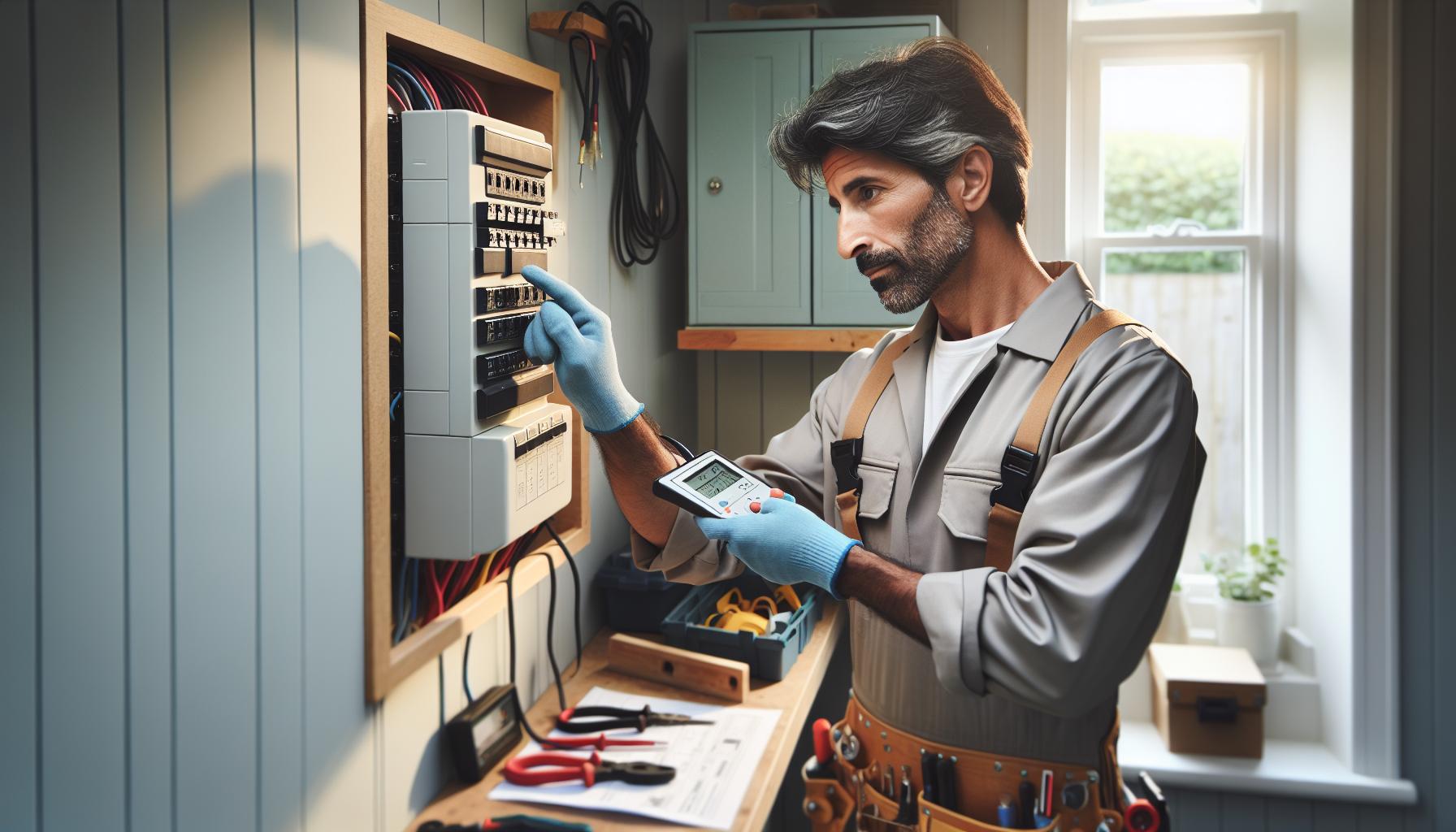
The Role of Transformers in Voltage Regulation
Transformers are essential components in the electrical distribution network, expertly stepping down high-voltage electricity from power lines to levels that are safe and usable within residential environments. Without these devices, the thousands of volts traveling across power lines would be unsafe for household use and could cause significant damage to home appliances, wiring, and even pose serious safety hazards. Understanding the mechanics and functionality of transformers is important for electricians and homeowners alike, as it impacts both performance and safety in residential electrical systems.
At their core, transformers operate based on the principles of electromagnetic induction. They consist of two coils of wire wrapped around a magnetic core, known as the primary and secondary coils. The alternating current (AC) flowing through the primary coil generates a magnetic field, which induces a voltage in the secondary coil. By varying the number of turns in each coil, transformers can increase or decrease voltage levels. For residential use, transformers typically reduce high transmission voltages of 7,200 volts or higher to more manageable levels of 120 or 240 volts, which can then power everyday devices and appliances safely.
Key Functions of Transformers in Home Distribution
- Step-Down Voltage: As mentioned, the primary function of transformers in the residential context is to decrease high-voltage electricity to levels suitable for household use. This is crucial for protecting appliances and ensuring safe operation within the home.
- Isolation: Transformers also provide electrical isolation, ensuring that fluctuations in one part of the system do not affect other components. This can enhance safety and improve the overall reliability of the electrical system.
- Load Management: Some advanced transformers can adjust their output based on the load requirements of the household, helping to optimize energy consumption and reduce costs. This is particularly useful in smart home systems that monitor and adjust energy usage dynamically.
To ensure that transformers are functioning correctly, homeowners should be vigilant about regular maintenance and inspections. Signs of transformer issues may include unusual appliance behavior, flickering lights, or tripped circuit breakers. Addressing these issues promptly can prevent more extensive damage or safety risks. Electricians should prioritize understanding transformer specifications and capacities when designing or upgrading a home’s electrical system, ensuring that all components work harmoniously to deliver reliable power safely.
By recognizing the pivotal role transformers play in home electrical distribution, both electricians and homeowners can make informed decisions regarding safety, efficiency, and compliance with electrical standards.
Common Voltage Levels for Various Appliances
Understanding the various voltage levels for appliances is critical for homeowners and electricians alike, as it ensures that devices operate safely and efficiently. Typically, residential electrical systems in the United States are designed to accommodate two main voltage levels: 120 volts and 240 volts. Each level corresponds to different types of appliances, which can greatly influence their performance and energy consumption.
Everyday household items like lamps, televisions, and kitchen appliances often operate on 120 volts, making this the most common voltage level in residential settings. These devices are generally used for lighter-duty applications and are widespread across nearly all homes. In contrast, heavier appliances that require more power, such as dryers, ovens, and central air conditioning units, typically operate at 240 volts. The increase in voltage for these devices allows them to function more efficiently, drawing less current for the same power output, which can reduce energy costs.
Common Voltage Levels for Appliances
- 120 Volts: Found in most common household devices. Examples include:
- Table lamps
- Laptops and computers
- Microwave ovens
- Televisions
- Small kitchen appliances (toasters, blenders)
- 240 Volts: Typically used for high-power appliances. Examples include:
- Electrical dryers
- Electric stoves and ovens
- Central air conditioning systems
- Water heaters
- Heavy-duty power tools (like table saws)
The distinction in voltage levels is significant not only for ensuring that appliances function correctly but also for the safety of the home’s electrical system. Misconnecting a device designed for 240 volts to a 120-volt outlet can lead to inefficient operation or even damage to the appliance, while connecting a 120-volt appliance to a 240-volt supply can pose serious safety hazards. Electricians should always verify the voltage requirements of appliances during installations and upgrades to ensure compliance with electrical standards and improve residential safety.
In summary, recognizing the proper voltage for various appliances allows homeowners to make informed decisions regarding purchases and installations, while also promoting energy efficiency and safety in their electrical systems.
Is Your Home Wired for 120V or 240V?
Determining whether your home is wired for 120V or 240V is crucial for appliance compatibility and overall electrical safety. This knowledge not only assists homeowners in effectively using their devices but also plays a significant role in preventing potential electrical hazards. Most homes in the U.S. are equipped with a split-phase electrical system that provides both 120 volts and 240 volts from the main service panel, allowing for a wide range of appliance usage.
If you are unsure of your home’s wiring, begin by inspecting your electrical panel, where you will find the main circuit breakers labeled according to the voltage they provide. Standard 120V circuits are typically used for general lighting and standard outlets while 240V circuits are often dedicated to higher-power appliances. You can also check the plugs and receptacles in your home: if the outlet has a larger opening or a vertical slot with a horizontal slot, it’s likely a 240V outlet, typically used for heavy appliances like dryers and ovens.
Additionally, knowing the age of your electrical installation can also provide clues. Older homes may primarily feature 120V wiring, whereas newer constructions often have a more balanced approach catering to both voltage levels. If you’re planning to add new high-powered appliances, assess your current wiring situation and consider whether you might need to upgrade your panel or circuits to handle increased loads. Consulting with a licensed electrician can ensure compliance with local codes and safety standards, providing peace of mind and optimal performance for your home’s electrical system.
In summary, understanding your home’s voltage wiring is an essential factor in safe appliance operation and energy efficiency. Regular checks not only facilitate proper appliance use but also align your home with modern electrical standards. By staying informed and proactive, homeowners can enhance both safety and functionality in their living spaces.
How to Ensure Your Home Meets Electrical Standards
Ensuring your home meets electrical standards is essential for safety, efficiency, and compliance with local regulations. Many homeowners may not realize that outdated wiring or improper installations can lead to serious hazards such as electrical fires or appliance malfunctions. One of the key steps is to familiarize yourself with the National Electrical Code (NEC), which sets the standard for safe electrical design, installation, and inspection to protect people and property from electrical hazards.
Regular inspections of your electrical system can help identify potential issues before they become serious problems. It’s advisable to have a qualified electrician conduct a comprehensive evaluation every few years or when undertaking major renovations. During this inspection, the electrician will check your wiring for signs of wear or damage, assess the capacity of your service panel, and look for any improperly grounded circuits. If your home has older aluminum wiring, for instance, this is particularly important as it can increase the risk of overheating.
Moreover, when making any electrical upgrades, ensure that all new installations adhere to current codes and standards. This includes using appropriate circuit breakers, installing GFCI (Ground Fault Circuit Interrupter) outlets in areas prone to moisture, and ensuring that your electrical system can handle modern loads. As technology advances, with more homes incorporating smart devices, EV chargers, and high-powered appliances, the need for sufficient power management becomes even more critical.
Should you encounter any issues, always consult with a licensed electrician. Not only will they ensure your work is compliant with local building codes, but they can also provide valuable insights into energy efficiency and suggest upgrades that can save you money in the long run. Educating yourself on electrical systems and being proactive about maintenance can significantly enhance your home’s safety and functionality, preparing it for the demands of modern living.
Safety Concerns Related to Home Voltage Levels
As households become increasingly reliant on electrical devices, the importance of understanding safety concerns related to voltage levels in residential power lines is paramount. High voltage levels can indeed pose significant risks, leading to accidents, meltdowns, and fire hazards if not properly managed. Homeowners should be aware of the typical voltages used in their systems-primarily 120V and 240V-and how these relate to safety and appliance compatibility.
A crucial concern arises from the potential for electrical overload. Each circuit in a home has a designated amperage rating, typically 15 or 20 amps for standard outlets. If appliances exceed this rating, the wiring may overheat, increasing the risk of electrical fires. Homeowners should routinely check the wattage ratings of their devices. Shared circuits, in particular, can become overloaded when multiple high-wattage appliances (like heaters or air conditioners) are used simultaneously. Installing dedicated circuits for high-draw appliances can mitigate these risks.
Another significant problem is faulty wiring or aging infrastructure, which can amplify safety hazards. Homes built decades ago may not meet current electrical standards, leaving outdated wiring prone to deterioration. Regular inspections by a qualified electrician can help identify compromised wiring before it leads to severe safety issues. Furthermore, using devices such as Ground Fault Circuit Interrupters (GFCIs) in areas such as kitchens and bathrooms-as mandated by the National Electrical Code-can provide additional protection against electrical shocks.
Finally, understanding the distinctive requirements of modern technology is vital as homes incorporate more smart devices and electric vehicles (EVs). While these innovations bring convenience and efficiency, they can also demand higher currents than traditional systems were designed to handle. Homeowners should be proactive about future-proofing their electrical systems-considering panel upgrades to accommodate increased load, implementing energy-efficient technologies, and ensuring that installations comply with the latest safety standards.
By staying informed and taking proactive steps, homeowners can significantly diminish the safety risks associated with voltage levels in residential power lines, aligning their homes with both current needs and future demands.
Impact of Voltage on Energy Consumption and Costs
The choice of voltage level in a residential power supply has a direct correlation with energy consumption and cost efficiency. In most homes, electrical systems are designed to operate with either 120V or 240V, which influences how energy is used across various appliances. Understanding these voltage levels can empower homeowners to make informed decisions that can lead to significant savings on energy bills and reduce the overall environmental impact.
When appliances are connected to a 120V circuit, they draw more current (amperage) to achieve the same power output as those connected to a 240V circuit. This relationship is governed by the formula: power (W) = voltage (V) × current (I). Consequently, if an appliance designed for 240V is operated on a 120V line, it will consume more energy due to increased current draw, leading to higher operational costs. Homeowners should evaluate their appliance needs; large devices such as dryers and electric ranges benefit from the efficiency of a 240V connection, as they can operate at lower amperes, thus generating less heat and reducing strain on the electrical system.
Beyond the immediate consumption concerns, the impact of voltage on long-term energy costs can’t be overlooked. Higher voltage appliances generally require less current for the same amount of energy use, allowing for smaller, more efficient wiring and reducing the risk of overheating. With the continued rise of smart home technologies and electric vehicles, many homeowners are transitioning to higher voltage systems to accommodate increased energy needs. For example, investing in a dedicated 240V circuit for an EV charger can not only ensure faster charging times but also lead to energy savings by optimizing the overall energy consumption of the home.
To maximize energy efficiency, consider these strategies:
- Regularly assess your electrical systems: Ensure appliances are connected to the appropriate voltage sources.
- Consider energy-efficient appliances: Newer models often offer better performance at lower voltages.
- Evaluate your home’s wiring: Upgrading to higher capacity circuits can enhance energy efficiency and safety.
- Monitor usage: Use digital monitoring systems to track energy consumption and adjust habits accordingly.
By understanding the implications of voltage levels and making proactive adjustments, homeowners can enhance the efficiency of their energy consumption while achieving cost savings on utilities. Ultimately, staying informed and aligning home electrical systems with modern demands will not only optimize energy use but also contribute to a more sustainable household.
Upgrading Your Home’s Electrical System: What to Consider
Upgrading your electrical system can significantly enhance your home’s efficiency, safety, and capacity to meet modern demands. With the increasing use of high-powered appliances and technologies, many homeowners are realizing the need for a robust electrical infrastructure that can support both current and future electrical loads. Properly addressing electrical upgrades can not only extend the life of your appliances but also minimize risks associated with electrical hazards.
When considering an upgrade, it’s crucial to evaluate your home’s current wiring and assess whether it supports the necessary voltage levels for your appliances. For instance, if your home is primarily wired for 120V, and you plan to add higher-demand devices like electric vehicle (EV) chargers or high-capacity kitchen appliances, upgrading your system to handle 240V may be essential. This transition often involves installing new circuits and breakers designed to accommodate the load without failure. Consulting with a licensed electrician is recommended to ensure the appropriate upgrades are made safely and in compliance with local codes.
Another important factor is the age and condition of your electrical panel. An outdated panel can restrict your electrical system’s capacity, resulting in potential overloads that may trigger outages or, worse, electrical fires. Upgrading to a panel with greater capacity allows for the addition of new circuits-perfect for accommodating modern smart home systems or dedicated circuits for energy-intensive appliances.
In addition to capacity and panel upgrades, homeowners should consider energy efficiency and safety. Installing features like GFCI outlets in wet areas, AFCI breakers, and energy-efficient lighting can further reduce risks and enhance energy savings. Moreover, taking the time to upgrade wiring can reduce heat build-up and voltage drops, which contribute to wear and tear on your devices. To summarize, a comprehensive approach to upgrading your home’s electrical system will not only improve functionality but also ensure a safer living environment for you and your family.
Future Trends: Smart Homes and Voltage Needs
As smart homes become more prevalent, the demands on residential electrical systems are evolving rapidly. The integration of smart devices-from intelligent thermostats and security systems to multifunctional appliances-requires a deeper understanding of voltage needs and the necessary infrastructure to support them. Homeowners are increasingly challenged to provide not just adequate power supply but also the right type of voltage to maximize the efficiency and performance of these advanced technologies.
To cater to the increasing load, many smart home devices operate efficiently on low voltage (typically 12V or 24V) while larger appliances often require standard 120V or 240V. For instance, electric vehicle (EV) chargers commonly necessitate a dedicated 240V circuit. Thus, planning for a future-proof electrical infrastructure involves assessing your current system’s capacity and likely upgrading to accommodate these new power requirements. Homeowners may need to implement additional circuits, higher-capacity panels, or specialized wiring solutions to ensure all devices operate safely and effectively.
Moreover, technologies such as IoT (Internet of Things) will demand consistent connectivity alongside power. Smart home ecosystems often rely on devices that can intercommunicate seamlessly, which means not only adapting to voltage needs but also ensuring robust network infrastructure to maintain functionality and security. This dual focus can enhance user experience across all smart devices, yielding significant savings in energy costs and improving overall home efficiency.
As these trends continue to unfold, homeowners should stay informed and prepared for significant shifts in how they think about and manage residential power lines. Keeping connectivity and power supply in sync is essential for creating a modern home that anticipates future energy needs, ensuring that it remains both functional and efficient. By prioritizing adaptability in your home’s electrical system, you not only meet today’s technological demands but also safeguard against future changes in energy consumption and distribution requirements.
Comparing Residential Voltage to Commercial and Industrial Systems
Understanding the differences in voltage systems between residential, commercial, and industrial applications is essential for homeowners and electricians alike. While residential power lines typically operate at standard voltages of 120V and 240V, commercial and industrial settings often use higher voltages that can range from 208V to 480V. This distinction is crucial not only for the type of devices powered but also for the electrical infrastructure needed to support them.
Residential systems are generally designed for smaller loads and energy-efficient devices, which is reflected in their lower voltage requirements. Appliances like refrigerators, microwaves, and standard lighting fixtures usually operate on 120V, while larger appliances such as electric dryers and ovens require 240V circuits. In contrast, commercial and industrial systems can handle a greater load due to their higher voltage, allowing for the operation of heavy machinery, HVAC systems, and high-powered lighting on more compact circuits. The table below summarizes common voltage standards across different types of electrical systems:
| Application | Common Voltage Levels |
|---|---|
| Residential | 120V, 240V |
| Commercial | 208V, 240V, 480V |
| Industrial | 480V, 600V |
When considering electrical upgrades or installations, it’s essential to recognize the additional complexities involved in commercial and industrial settings. These environments require rigorous compliance with safety standards and load calculations to avoid overloading circuits, which can lead to dangerous conditions or system failures. Electricians working in these arenas typically need higher levels of training and certification, as dealing with higher voltages necessitates a deeper understanding of electrical theory and practical applications.
Moreover, future trends in energy consumption hint at a gradual integration of smart technology across all types of systems. As residential areas begin to mimic commercial efficiency-utilizing smart devices, electric vehicle (EV) charging stations, and other high-capacity appliances-there may be a growing demand to reevaluate existing residential infrastructures. After all, understanding the comparative voltage relationships can empower homeowners to make informed decisions regarding energy efficiency and safety in a rapidly evolving technological landscape.
Tips for Homeowners: Maintaining Safe Voltage Levels
Maintaining safe voltage levels in your home isn’t just about using the right voltage; it’s essential for protecting your home and ensuring the ongoing efficiency of your electrical system. The disparity in voltage levels, especially between 120V and 240V circuits, can have significant implications for both safety and appliance longevity. Homeowners should prioritize a few key practices to ensure that their electrical systems remain safe and compliant with relevant standards.
Firstly, it’s crucial for homeowners to regularly inspect their electrical systems, focusing on circuit breakers and outlets. Overloading a circuit can lead to voltage fluctuations, potentially damaging appliances and posing fire hazards. Additionally, using extension cords or power strips should be a temporary solution; if you find yourself frequently relying on them, consider upgrading your wiring to accommodate your needs more safely. If you ever notice signs of electrical issues, such as flickering lights or tripped breakers, it’s your cue to consult a licensed electrician.
To keep voltage levels safe, familiarizing yourself with the major appliances in your home is also beneficial. Common appliances like refrigerators and air conditioners have specific amperage requirements; ensuring these devices have dedicated circuits can prevent overload situations. For instance, if a refrigerator wired on a shared circuit starts experiencing performance issues, it can potentially affect other devices and lead to costly repairs.
Lastly, as homes increasingly integrate smart technology, understanding the impact of appliances that demand higher voltages-like electric vehicle chargers-should inform any future electrical upgrades. Consider consulting with professionals about how these devices may affect your home’s overall electrical system. When planning upgrades, ensure all installations meet the National Electrical Code (NEC) standards, which provide guidelines that help maintain both safety and performance. With proactive management and a clear understanding of how voltage affects your home, you create a safer and more efficient living environment.
Frequently asked questions
Q: What is the standard voltage for residential electrical systems in the United States?
A: The standard voltage for residential electrical systems in the U.S. is typically 120 volts for general appliances and lighting, with some systems providing 240 volts for heavy-duty appliances like dryers and ovens.
Q: Why are residential power lines typically 120/240 volts?
A: Residential power lines are designed at 120/240 volts to balance efficiency and safety. This voltage range allows for adequate power supply for everyday appliances while minimizing energy loss in transmission.
Q: How do voltage levels affect home electrical safety?
A: Voltage levels significantly affect electrical safety. Properly wired homes, typically using 120 and 240 volts, ensure appliances operate safely, reducing the risk of electrical overloads and fires. Regular inspections are recommended to maintain safe standards.
Q: Can I upgrade my home’s voltage supply if I need more power?
A: Yes, upgrading your home’s voltage supply is possible, but it requires consulting a licensed electrician. They can assess if your electrical system can handle a higher load and ensure it meets safety standards.
Q: What role do circuit breakers play in home voltage distribution?
A: Circuit breakers protect home networks by interrupting the electrical flow when a fault is detected. This prevents overloads that can cause fires and damage, ensuring safe voltage distribution throughout the home.
Q: How does voltage drop affect household electricity usage?
A: Voltage drop can impact electricity usage by reducing the efficiency of appliances, potentially leading them to draw more power. Homeowners should ensure their wiring is adequate to minimize voltage drop, particularly for long cable runs.
Q: What is the difference between 120V and 240V circuits?
A: The primary difference is their application: 120V circuits are used for standard outlets and lighting, while 240V circuits are designed for high-power appliances, like air conditioners and electric ranges, which require more energy to operate efficiently.
Q: When should I consider a voltage upgrade for energy efficiency?
A: Consider a voltage upgrade if your home frequently experiences electrical issues, such as tripped breakers or flickering lights, or if you’re adding high-demand appliances that exceed your current system’s capacity. Consult an electrician to assess needs and options.
In Summary
Understanding voltage in residential power lines is crucial for both safety and efficiency in home distribution systems. By knowing the standard voltages-typically 120V and 240V-you can better manage your electrical appliances and maintain a safe home environment. If you found this information valuable, don’t hesitate to dive deeper into related topics such as our detailed guide on electrical safety tips and insights into choosing the right electrical tools for your home projects.
Ready to take the next step? Subscribe to our newsletter for exclusive content on electrical standards, the latest in smart home tech, and tips for advancing your electrical skills. Your journey towards mastering home electrical systems starts now! Share your thoughts or questions in the comments below, and join our community of informed homeowners. Explore more, learn more, and empower yourself with the knowledge to navigate your electrical needs confidently.