
When considering a move to France or planning an extended visit, understanding the local electrical system is essential. In France, the standard voltage is 230 V with a frequency of 50 Hz, which means that if you’re bringing appliances from home, you may need transformers or adapters to avoid damage. Not only does this impact your day-to-day convenience, but it also raises important questions regarding safety and compliance with local standards. Knowing the intricacies of French power specifications allows you to make informed decisions about your electrical needs, ensuring a seamless experience whether in your home, office, or when traveling. As you dive into this topic, you’ll uncover practical insights tailored to empower you in navigating the electrical landscape in France.
What is the Standard Voltage in France?
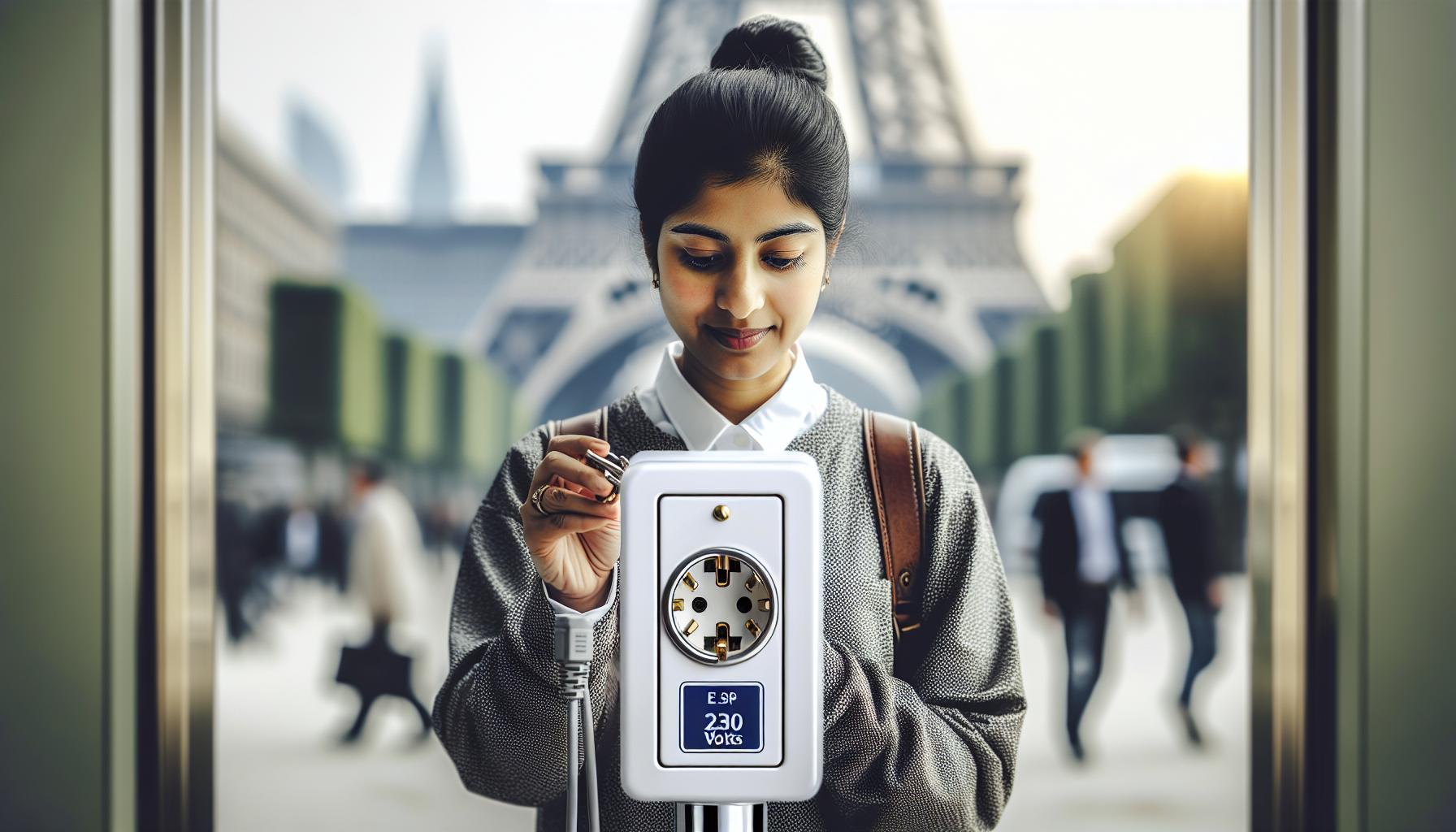
The electrical system in France operates on a standard voltage of 230 volts with a frequency of 50 hertz. This configuration is common throughout much of Europe and is crucial for anyone planning to travel or relocate to France. Understanding this voltage standard is essential for ensuring that electronic devices work effectively without the risk of damage.
In practice, the use of 230 volts means that many household appliances are designed to work efficiently at this level. However, if you are bringing devices from regions that operate on different voltages (such as North America, where 120 volts is typical), you will need a voltage converter or transformer to prevent damaging your appliances. It’s important to check the voltage rating on the power adapters of your devices and ensure compatibility before plugging them into French outlets.
Additionally, the French electrical system uses type C and E plugs, which have two round pins. The two-pin type C is the most common in Europe, while the type E socket, which has a hole for grounding, is also widely used. Travelers should consider investing in a universal adapter or specific type C/E adapters to facilitate the connection of devices from other regions.
- Voltage: 230V
- Frequency: 50Hz
- Plug Types: C and E
Being aware of these specifications can help you seamlessly integrate your electrical appliances into the French power system, avoiding potential inconveniences and ensuring the safety and longevity of your devices.
Understanding French Plug Types and Outlets
Understanding the types of plugs and outlets used in France is essential for anyone traveling or relocating to the country. France primarily utilizes two types of plugs: Type C and Type E. These plugs feature two round pins, with Type C being a two-pin plug often found across Europe, and Type E including an additional hole for grounding. The design of these plugs is essential for ensuring a secure connection and proper grounding, which enhances safety when using electrical appliances.
When using French outlets, it’s critical to recognize the standard voltage of 230V at 50Hz. This voltage is higher than that used in many countries, such as the United States, which typically operates at 120V. To avoid damaging your devices when you plug them into French outlets, ensure that your appliances are compatible with this voltage. For devices that only support 120V, a voltage converter or transformer is necessary. Additionally, many modern electronics, such as laptops and phone chargers, are designed to handle a range of voltages, making them suitable for international use without the need for converters-always check the label on your device.
Travelers should consider investing in a universal travel adapter that accommodates both Type C and Type E plugs. This will make it easier to connect multiple devices without the hassle of searching for specific adapters in stores. Moreover, adequate knowledge of these plug types can prevent potential issues with overloaded outlets or damaged appliances, promoting a safe and worry-free experience while enjoying all that France has to offer.
By familiarizing yourself with the intricacies of French plug types and electrical systems, you ensure seamless integration of your electronic devices while safeguarding your investments against common electrical mishaps.
Comparing French Voltage with Global Standards

France operates on a standard voltage of 230V with a frequency of 50Hz, a specification that places it among many European countries that utilize similar power systems. This voltage is notably higher than the 120V commonly found in North America and parts of South America, leading to potential compatibility issues when utilizing foreign appliances. Understanding this difference is crucial for travelers and expatriates to prevent equipment damage and ensure safety during use. For example, a device rated at 120V connected directly to a French outlet may overheat or even fail, while devices designed for nominal voltage ratings between 100V and 240V can typically handle both systems without any issues.
When , it becomes evident that there exists a diverse range of voltage specifications worldwide. Countries like Japan operate at 100V, while Australia and most of Europe fall in the 220-240V range. Each voltage level not only affects compatibility but also influences the design and durability of electrical appliances. For instance, appliances designed to operate at higher voltages tend to be more energy-efficient and compact, but they also require consideration for voltage fluctuations, which can vary with time of day and load demands.
Voltage compatibility considerations:
- Appliances designed for 120V may need a step-down transformer or voltage converter.
- Check labels on devices for operational voltage range; many modern chargers are compatible with 100-240V.
- Utilizing a universal travel adapter is recommended for seamless connectivity.
Awareness of differences in voltage standards is essential for ensuring that your appliances function safely and effectively abroad. Furthermore, it emphasizes the importance of consulting an electrician for any upgrades or installations in regions with varied voltage specifications. Employing professionals knowledgeable in local codes and power regulations can prevent hazardous experiences influenced by voltage-related discrepancies and equip users with the proper resources to adapt successfully.
Safety Regulations for Electrical Installations in France

Ensuring the safety of electrical installations in France is paramount, given the complexities associated with higher voltage systems and the potential risks they pose. The French electrical code, known as the NF C 15-100, establishes a comprehensive framework for safe installations, focusing on various aspects including design, equipment, and maintenance. This regulation aims not only to protect property but also to safeguard the lives of individuals who interact with electrical systems.
One of the primary requirements is the use of residual current devices (RCDs), which are designed to prevent electric shock by disconnecting the circuit when a fault is detected. These devices are crucial in environments where water is present, such as bathrooms and kitchens, further emphasizing the importance of location-specific regulations in electrical system design. Wiring must also be performed using cables that are adequately rated for the anticipated loads, considering factors like length, insulation, and installation method to mitigate the risk of overheating.
Electricians in France must hold relevant qualifications and certifications, ensuring they are well-versed in the local codes and practices. For expatriates looking to undertake electrical work themselves, it is essential to consult local regulations as doing so without proper knowledge can lead to unsafe conditions and legal consequences. Moreover, maintaining up-to-date records and employing quality materials can significantly enhance both safety and durability in electrical installations.
To further ensure safety, regular inspections are recommended. Professional electricians usually conduct these assessments every five years, which can identify and rectify potential issues before they escalate. By adhering to established safety regulations and engaging qualified professionals, residents can create a compliant and secure electrical environment amidst the demands of a modern lifestyle.
How to Safely Use Electrical Appliances in France

When using electrical appliances in France, it’s crucial to understand the specific voltage and power standards to ensure safety and functionality. France operates on a standard voltage of 230 volts with a frequency of 50 Hz. Most appliances designed for this voltage will work efficiently, but using devices rated for a different voltage can lead to serious issues, including damage to the appliance and the risk of electrical fires.
To safely operate your appliances, follow these guidelines:
- Check Voltage Ratings: Before plugging in any device, confirm that it is compatible with 230 volts. Look for labels or user manuals that specify voltage requirements. If an appliance is rated for 110 volts, you’ll need a step-up transformer to use it safely.
- Use Appropriate Adapters: France uses Type C and Type E plugs, which are different from those in many other countries. Invest in a quality travel adapter that can accommodate your appliance’s plug type while ensuring it supports the appropriate voltage.
- Inspect Cords and Plugs Regularly: Damaged cords can lead to electrical shock or fire. Regularly check the condition of cords and plugs for any signs of wear or damage, and replace them immediately if any issues are found.
- Avoid Overloading Circuits: Be mindful of the number of appliances plugged into a single outlet. Overloading circuits can cause breakers to trip or, worse, electrical fires. If you need to plug in multiple devices, use a power strip with built-in surge protection.
Using appliances safely in France requires a proactive approach to understanding local electrical standards and practicing regular maintenance. Following these steps will create a safer environment for your household and help prolong the lifespan of your electrical devices.
Impact of Voltage Variations on Appliance Performance
The performance of electrical appliances can be significantly influenced by variations in voltage. When utilizing devices designed for a specific voltage range, deviations from this range can lead to inefficiencies and damage. In France, the standard operating voltage is 230 volts, and while many appliances can tolerate minor fluctuations, consistent exposure to incorrect voltage levels can shorten their lifespan or lead to catastrophic failures.
For example, appliances rated for 230 volts that are subjected to higher voltage levels-such as 240 volts-may experience overheating, which can damage internal components. Conversely, appliances designed for lower voltages, such as 110 volts, when plugged into a 230-volt outlet without a transformer, are at risk of immediate burn-out or electrical fires. This is particularly crucial for sensitive electronics like computers or televisions, where precision in voltage is vital for optimal performance.
To mitigate these risks, users should always verify the voltage specifications of their appliances before use in a foreign country like France. It’s advisable to employ voltage converters or transformers for devices that do not conform to the local standards. Additionally, utilizing surge protectors specifically designed for local voltage can provide an extra layer of security, helping prevent damage from unexpected surges. Regular monitoring of electrical systems can also assist in identifying fluctuations that might indicate underlying issues, ensuring both safety and appliance longevity.
The implementation of smart home technology is another area where voltage stability is critical, as many of these systems rely on consistent power supply for optimal functionality. Thus, understanding the impact of voltage variations not only aids in preserving the functionality of appliances but also enhances the overall safety and reliability of electrical installations in the home.
Traveling to France: Adapting to Local Power Specifications
Traveling to France without considering local power specifications can lead to unexpected challenges, especially in terms of using your electronic devices. In France, the standard voltage is 230 volts with a frequency of 50 Hz, which may differ significantly from what you are accustomed to in other countries, particularly if you’re coming from regions that utilize 120 volts. This distinction is crucial for ensuring the safety and functionality of your appliances.
Before embarking on your journey, it’s essential to check the voltage compatibility of your devices. Many modern electronics are designed to handle a range of voltages, but older appliances might not fare as well. If your device is rated for a lower voltage, you will need a voltage converter to step down the power to safe levels. Additionally, investing in a good-quality surge protector can provide extra security against power spikes often found in older European electrical systems.
Moreover, be mindful of the plug types in France. French outlets typically use Type C or Type E plugs, characterized by their two round prongs. If your devices have a different plug shape, a plug adapter will be necessary. It’s advisable to purchase these adapters ahead of time or when you arrive, ensuring they meet the 230-volt standard to avoid any mishaps.
When using your devices in French electrical systems, it’s also wise to consider the power demands of your gadgets. High-powered items like hairdryers or kettles can draw significant current and may require specific devices to operate properly without risk of overheating. Always prioritize the safety of your appliances by adhering to local voltage specifications, thereby ensuring a smooth and enjoyable stay in France.
Common Electricity Issues Faced by Expats in France
Navigating the electrical landscape as an expat in France can be a complex journey, especially when it comes to understanding local power specifications. One common issue faced by newcomers is the compatibility of appliances. Many devices brought from home may not operate efficiently or safely due to the difference in voltage-France uses a standard of 230 volts at 50 Hz. If you’ve just arrived with appliances designed for 120 volts, such as certain hairdryers, coffee makers, or kitchen gadgets, you may find them either malfunctioning or at risk of damage without the necessary voltage converters.
Another frequent challenge is the availability and types of adapters and converters. French outlets primarily use Type C and Type E plugs, both featuring two round prongs. Expats often mistakenly believe plug adapters are sufficient without considering whether their devices can handle the 230 volts. It’s crucial to check your device’s specifications. If you need to run multiple gadgets, investing in a high-quality surge protector that can accommodate various plug types while providing protection against voltage spikes is advisable.
Moreover, engaging in the local wiring standards is essential to avoid potential hazards. Many older French buildings may have outdated electrical systems. As an expat, ensure that any rental or purchase aligns with modern safety regulations, or consider hiring a qualified electrician to evaluate and upgrade the system if necessary. Familiarizing oneself with the local power cycling and outages can also prepare you for occasional inconsistencies in electricity supply, particularly during adverse weather conditions or maintenance work.
Lastly, understanding the impact of local power fluctuations on appliance performance is key. Devices with sensitive electronics, such as computers and smartphones, may not only face issues due to voltage discrepancies but can also be affected by frequency variations. An efficient way to protect your investments is by using uninterruptible power supplies (UPS) that stabilize voltage and provide a buffer during brief outages. By addressing these common issues, expats can enjoy a seamless integration into their new lives in France, mitigating frustration over daily electrical usage.
The Role of Electricians in French Power Systems
Electricians are the backbone of electrical safety and functionality in France, especially given the country’s standard voltage of 230 volts at 50 Hz. With this higher voltage, the importance of hiring qualified professionals becomes even more critical, as improper installations can lead to efficient malfunctions or hazardous situations. To guarantee safety, electricians in France are required to adhere to strict codes of practice and standards laid out by regulatory bodies, ensuring that all installations meet modern safety requirements.
Becoming a licensed electrician in France involves several stages, including apprenticeships where aspiring electricians gain hands-on training. In addition to practical experience, they must complete relevant courses to understand the French electrical code and safety regulations. Upon finishing their training, electricians typically obtain a CAP Électricien (Certificat d’Aptitude Professionnelle) or a Brevet Professionnel (Professional Certificate), which qualifies them to work on residential and commercial electrical systems. For electricians seeking to practice in multiple countries, understanding mutual recognition agreements can facilitate easier certification and licensing processes.
The salary of electricians in France varies by experience and region. According to recent data, novice electricians may earn around €1,600 to €2,200 monthly, while those with extensive experience can command upwards of €3,500 per month. The demand for electricians is also boosted by the rise in smart home technologies and electric vehicle (EV) chargers, requiring additional skills and knowledge regarding modern electrical systems.
In terms of their essential role, electricians not only install and maintain the electrical infrastructure but also ensure compatibility with the existing systems, including adapting to local power specifications like the voltages and frequence. They provide valuable insights into choosing the right tools for the job, whether it’s for basic installations or integrating advanced technologies such as home automation systems. Their expertise helps prevent issues related to voltage variations and ensures the reliable operation of the electrical systems in homes and businesses alike.
By engaging a qualified electrician, individuals in France can rest assured that their electrical systems will operate safely and efficiently, avoiding common pitfalls that can lead to costly repairs or, more critically, safety hazards.
Innovations in French Electrical Infrastructure
The shift towards modern electrical infrastructure in France is not just a response to evolving energy demands but also a proactive approach to sustainability and smart technology integration. Technological advancements are reshaping the landscape, showcasing how French cities are adapting to the challenges of energy consumption and efficiency.
One notable innovation is the widespread adoption of smart grids, which enhance the management of energy supply and demand. These grids utilize information technology to monitor and control electricity flow, allowing for improved response times to outages and more efficient energy distribution. France’s move towards smart metering systems enables consumers to track their energy usage in real-time, fostering a culture of awareness and energy conservation.
Additionally, France has made significant strides in electric vehicle (EV) charging infrastructure. As the country pushes for a greener future, new charging stations are being installed in urban areas and along highways, supported by a growing network of renewable energy sources. This initiative is not only beneficial for reducing carbon emissions but also presents opportunities for electricians specialized in EV charger installation and maintenance.
Accessibility to renewable energy technologies, such as solar panels, has increased, offering both homeowners and businesses opportunities to reduce their environmental footprint. With government incentives promoting solar energy deployment, electricians with knowledge in photovoltaic systems are in high demand, ensuring installations are safe, efficient, and compliant with French regulations.
Adapting to these advancements requires ongoing education and training for professionals in the field. Electricians are encouraged to pursue certifications related to new technologies, keeping pace with innovations such as energy-efficient appliances and home automation systems. Engaging with the latest tools and techniques is essential for delivering high-quality service and upholding the safety standards mandated by French law.
In conclusion, the innovations shaping France’s electrical infrastructure promise to enhance energy efficiency, support environmental goals, and create a dynamic field for electricians. Embracing modern technologies will not only help professionals advance their careers but also contribute to a sustainable and electrifying future for the nation.
Resources for Understanding French Electrical Standards
Understanding electrical standards in France is essential for both residents and visitors, especially in a world increasingly reliant on diverse electronic devices. With a standard voltage of 230V and a frequency of 50Hz, France aligns with many European standards, but this can be different from other regions, notably North America, which typically operates at 120V. Familiarizing yourself with these specifications-and how they affect appliance usage-is crucial for preventing damage and ensuring safety.
To navigate the complexities of French electrical standards, several resources offer invaluable information and guidance:
- Government Agencies: The French government provides resources through agencies focused on electrical safety and standards compliance, such as the LegiFrance website, which outlines laws and regulations related to electrical installations.
- Local Electrical Unions and Associations: Organizations such as the Fédération Française du Bâtiment empower electricians with up-to-date industry information, certification pathways, and training on new technologies.
- Technical Standards Publications: Publications from the International Electrotechnical Commission (IEC) and the Association Française de Normalisation (AFNOR) help understand national and international standards for electrical installations.
- Trade Schools and Training Programs: Many vocational schools in France offer specialized training for electricians, covering topics from safety regulations to modern technologies like smart home systems and EV charging stations.
- Online Forums and Communities: Engage with online communities such as the Electricians Forum, where professionals share insights, challenges, and tips related to French electrical standards and practices.
Professionals looking to advance their careers in the electrical field in France should consider obtaining certifications that demonstrate competence in these standards. Familiarizing yourself with local regulations not only enhances the quality of service provided but also ensures compliance with safety laws, ultimately fostering a responsible and proficient electrical profession. Furthermore, understanding the trends, such as the integration of renewable energy and smart technologies, positions electricians to effectively meet future demands while supporting environmental initiatives.
Frequently asked questions
Q: What is the standard voltage used in France for electrical appliances?
A: The standard voltage in France is 230 volts, with a frequency of 50 hertz. This is suitable for most European appliances, so ensure that any devices you bring are compatible with this voltage to avoid damage.
Q: Do I need a power adapter for France?
A: Yes, if your device has a different plug type, you’ll need a power adapter. France uses type C and E plugs, which have two round pins. Check your appliances before traveling to ensure compatibility.
Q: Are there any voltage variations in France that I should be aware of?
A: Typically, the voltage in France is stable at 230 volts; however, slight variations can occur. It is advisable to use voltage stabilizers for sensitive electronic devices to guard against fluctuations.
Q: Can I use my American appliances in France?
A: Most American appliances operate at 120 volts and may not work properly in France without a transformer. If you plan to use them, ensure you have a voltage converter or check if they are dual voltage.
Q: What should I do if my electrical appliance isn’t working in France?
A: Check if the appliance is compatible with the French voltage (230 volts). If not, consider using a voltage converter or ensure you’re using the correct plug adapter. If the issue persists, consult an electrician.
Q: Is electricity in France reliable?
A: Yes, electricity in France is generally reliable. However, in rural areas, occasional outages may occur. It’s wise to have backup options such as surge protectors for sensitive electronics.
Q: How do French electrical safety regulations affect my appliances?
A: French regulations ensure that electrical installations are safe. When traveling, make sure your appliances are certified for safety to prevent electrical hazards. Always look for compliance marks.
Q: How can I find an electrician in France?
A: To find a qualified electrician in France, consider local directories, online reviews, or recommendations from expats. Ensure they are registered and experienced in handling local electrical standards.
Insights and Conclusions
Understanding the voltage specifications used in France is essential for anyone engaging with the country’s electrical systems, whether you’re a resident, traveler, or professional. Remember, the standard voltage in France is 230V with a frequency of 50Hz, which can differ significantly from what you may be used to. For further insights into electrical currents and effective practices, consider exploring our articles on electrical safety tips and voltage conversion tools designed for travelers.
Don’t hesitate to dive deeper into related topics! Check out our guides on the electrical components crucial for smart homes or the latest in EV charger installations. Stay informed about the electrical profession’s latest trends, including licensing and certification requirements, to enhance your expertise and career prospects.
If you found this information helpful, please share your thoughts in the comments below, and sign up for our newsletter to get the latest updates right in your inbox. Your engagement supports our community, making it easier for everyone to navigate the complexities of electrical systems confidently. Explore further and empower yourself with knowledge today!