Connecting wires to an electrical outlet is a fundamental skill that every DIY enthusiast and homeowner should master. Did you know that improper wiring can lead to electrical fires or equipment damage? Understanding safe methods to make these connections not only ensures your safety but also enhances your home’s electrical efficiency. In this guide, we’ll walk you through the essential steps to safely connect wires to an outlet, addressing common concerns and providing practical tips for success. Whether you’re looking to replace an outlet or install new devices, this knowledge empowers you to take charge of your home’s electrical needs confidently. Prepare to gain valuable insights that will help you navigate this common task with professionalism and care.
Choosing the Right Tools for Electrical Outlet Connection
Choosing the appropriate tools is a critical first step for anyone looking to safely and efficiently connect wires to electrical outlets. Having the right equipment not only enhances your efficiency but also ensures your safety during the wiring process. Essential tools for electrical work generally include a variety of screwdrivers, pliers, wire strippers, and multimeters, among others. Each tool serves a unique purpose that addresses specific aspects of the installation.
A few fundamental tools that are indispensable for connecting wires to electrical outlets include:
- Wire Strippers: These are crucial for removing insulation from wires without damaging the metal conductor.
- Phillips and Flathead Screwdrivers: Essential for securing the outlet into the electrical box and connecting the wires to the terminal screws.
- Needle-nose Pliers: Useful for bending and twisting wires into the correct shape for secure connections.
- Voltage Tester: A must-have for ensuring that power is off before you begin working, preventing hazardous electrical shocks.
- Multimeter: For measuring voltage, current, and resistance, ensuring that the outlet is functioning properly post-installation.
When selecting your tools, consider not just the basic ones but also specialized equipment that can elevate your work quality. For instance, using an electrical crimper can provide stronger connections for outlets that require a tighter wiring configuration. Investing in high-quality tools may also save you money in the long run by reducing the number of replacements needed due to wear and tear.
Moreover, staying updated with modern tools is vital, especially as technology evolves with advances such as smart outlets requiring additional capabilities for installation. Modern tools designed for working with smart technology not only facilitate smoother installations but also might integrate helpful features like built-in testers that can indicate if the outlet is functioning correctly. In your toolkit, ensure that you have the latest advancements alongside indispensable classic tools to tackle any wiring job effectively.
Understanding the Basics of Electrical Outlet Wiring
Understanding the fundamentals of electrical outlet wiring is essential for anyone looking to work safely and effectively with electricity. At its core, electrical wiring involves creating a pathway for electrical current to flow, connecting different components like outlets, switches, and fixtures. An electrical outlet, or receptacle, serves as a connection point for devices that require power, such as lamps, laptops, and appliances. Knowing how to wire these outlets not only enhances your technical skill set but also significantly contributes to ensuring household safety and compliance with building codes.
The basic principles involve recognizing the wiring system that powers the outlet, which typically consists of three wires: hot (usually black or red), neutral (white), and ground (bare or green). The hot wire carries electricity from the source, while the neutral wire returns it. The ground wire acts as a safety feature, providing a path for excess electricity to reduce the risk of electrical shock or fire. When installing or connecting an outlet, it’s crucial to connect these wires correctly, as improper wiring can lead to circuit overloads or dangerous short circuits.
To achieve effective connection, one should also be familiar with the wiring methods employed in residential systems, including the use of Romex cables or conduit systems. The National Electrical Code (NEC) lays out specific regulations to ensure safety and reliability. For instance, it mandates the use of properly rated materials and devices that can handle the electrical load they will support. Understanding these regulations not only enhances the quality of your installation but also ensures adherence to legal standards, reducing the risk of problems during home inspections.
As you navigate the complexities of electrical wiring, consider the importance of continual education in this field. Pursuing advanced certifications and training can open doors to new career opportunities and empower you with the latest knowledge on evolving technologies, such as smart home devices and energy-efficient systems. Embracing modern tools and technologies, while adhering to fundamental wiring principles, positions you at the forefront of the electrical trade, capable of tackling any wiring project with confidence and precision.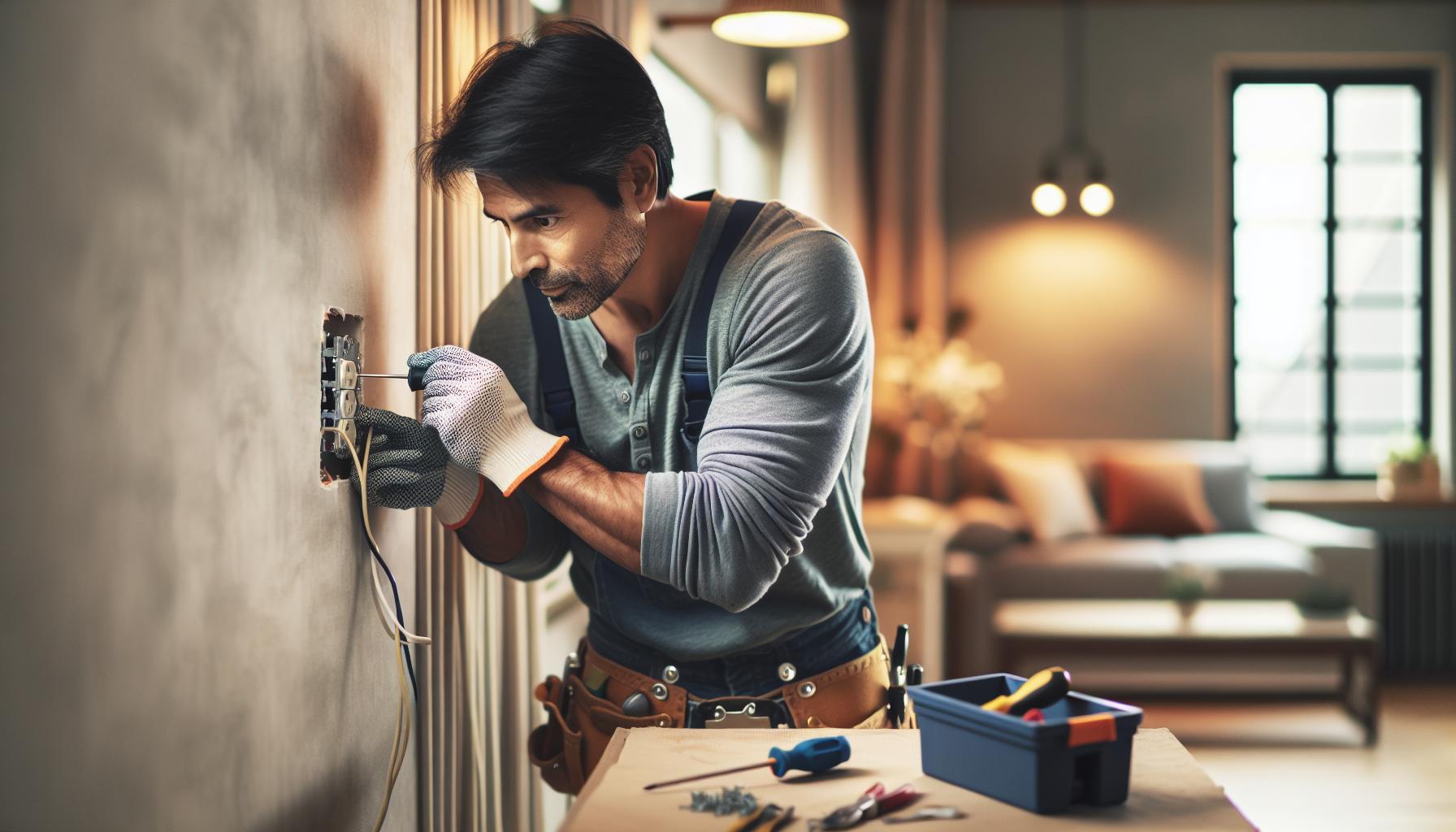
Identifying Common Electrical Outlet Types
Understanding the variety of electrical outlet types is crucial for both safety and efficiency when connecting wires. Each outlet type is designed to serve specific purposes and environments, which can significantly impact how you approach wiring tasks. Familiarity with these types will enable you to select the right outlet for your needs and ensure a reliable connection for your devices.
Among the most common outlet types are the standard 15-ampere and 20-ampere duplex outlets. The 15-amp outlet, typically used for general lighting and household devices, features two vertical slots and is capable of handling standard appliances. In contrast, the 20-amp outlet, identifiable by a T-shaped slot, is suitable for heavier appliances such as refrigerators and power tools. Understanding the amperage rating is essential, as using a 15-amp outlet for a device requiring 20 amps can result in circuit overloads and potential fire hazards.
Specialized Outlets
In addition to standard outlets, specialized outlets are designed for specific functions and environments. Here are a few notable types:
- GFCI (Ground Fault Circuit Interrupter): Commonly found in kitchens and bathrooms, GFCI outlets protect against electrical shock by shutting off power if they detect a ground fault.
- AFCI (Arc Fault Circuit Interrupter): Designed to prevent electrical fires caused by arcing faults, AFCI outlets are typically installed in living areas and bedrooms.
- USB Outlets: These modern outlets incorporate built-in USB ports, providing a convenient way to charge devices without needing a separate adapter.
- Smart Outlets: Connected to Wi-Fi, smart outlets allow for remote control and automation of plugged-in devices, enabling enhanced energy management and functionality.
Recognizing these outlet types not only improves the quality of your installation but also ensures safety and compliance with electrical codes. When selecting an outlet, always consider the load requirements of the devices you plan to connect, and ensure that the outlet’s amp rating can accommodate these needs. Proper identification and utilization of outlet types lay a solid foundation for safe and effective electrical work, making it an essential skill for any electrician.
Essential Safety Precautions While Wiring
Safety is paramount when working with electrical outlets, as improper handling can lead to hazardous situations, including electrical shocks, fires, and equipment damage. Before you start any wiring project, ensure you implement the following essential safety precautions to protect both yourself and your property.
First and foremost, always disconnect the power supply before beginning any electrical work. This can be done by turning off the circuit breaker that supplies power to the outlet you’ll be working on. It’s recommended to use a voltage tester to confirm that the outlet is indeed de-energized. Even if you believe the power is off, taking this extra step can prevent accidental shocks, which can be fatal.
Wear the appropriate personal protective equipment (PPE). Use insulated gloves and safety goggles to safeguard yourself from any accidental contact with live wires or flying debris. It may also be prudent to ensure your working environment is dry, as moisture can significantly increase the risk of electrical shock.
When connecting wires, pay close attention to the color coding of the wires-typically black or red for hot wires, white for neutral, and green or bare for ground. Incorrect connections not only pose safety hazards but can also lead to malfunctions in your electrical devices. Always secure connections tightly to prevent wires from becoming loose, which can result in overheating or short circuits.
Finally, be aware of local building codes and regulations regarding electrical work. These codes are in place to ensure safety and consistency in electrical installations. If you’re unsure about certain aspects of the wiring process or if the job appears complex, consider consulting a licensed electrician. This is particularly important in cases where specialized outlets like GFCI or AFCI are needed.
By following these precautions and remaining vigilant throughout the process, you can mitigate risks and ensure a safe, efficient installation of electrical outlets. Remember, safety is not just a step in the process; it’s a commitment to yourself and your home’s integrity.
Step-by-Step Guide to Connecting Wires
Connecting wires to an electrical outlet may seem like a straightforward task, but understanding the intricacies of the process can make all the difference in safety and efficacy. Whether you’re a seasoned electrician or a homeowner looking to undertake a DIY project, following a systematic approach is key. From preparation to final checks, each step plays an essential role in ensuring a safe and functional electrical outlet.
Begin by ensuring you have all necessary tools at hand, including a wire stripper, screwdriver, voltage tester, and pliers. Familiarizing yourself with the components of the outlet-such as the terminal screws (typically labeled for hot, neutral, and ground connections)-is also critical before starting.
Start with the following systematic steps:
1. Prepare the Wiring
- Strip the Wires: Using a wire stripper, remove about ¾ inch of insulation from the ends of each wire, ensuring not to damage the conductor itself.
- Twist the Wires: For better connectivity, twist the wire strands together. This is especially important for copper wires, which can fray if not secured properly.
2. Connect the Wires to the Outlet
- Identify Wire Colors: Connect the black or red wires (hot) to the brass screws on the outlet. The white wire (neutral) should go to the silver screw, and the green or bare wire (ground) will connect to the green screw.
- Secure the Connections: Ensure each wire is tightly connected. Loose connections can lead to overheating, arcing, or even fires.
3. Final Assembly
- Check Your Work: Before screwing the outlet back into the wall, double-check all connections. Ensure that no bare wire is exposed outside the screw terminals and that each connection is tight.
- Install the Outlet: Carefully push the outlet back into the electrical box, ensuring that the wires are not pinched. Secure the outlet with screws provided.
4. Test the Outlet
- Restore Power and Test: Once everything is secured, turn the circuit breaker back on and use a voltage tester to ensure that the outlet is functioning correctly. The tester should show a good reading indicating that the outlet is active and safe to use.
By adhering to these steps, you lay a solid foundation for a reliable and safe electrical system. Ensuring proper connections and usage of effective practices not only enhances the safety of your electrical installations but also boosts your confidence as a practitioner in the field. Remember, continuous education and staying updated with local codes is crucial for electrical work, reflecting a professional commitment that further enhances both safety and competency.
Troubleshooting Common Wiring Issues
Electrical wiring can often seem tricky, especially when common issues arise during or after installation. Knowing how to troubleshoot these problems effectively not only enhances your safety but also reinforces your competence as a DIY enthusiast or professional electrician. Awareness of frequent wiring issues and their solutions will empower you to tackle electrical projects with confidence and proficiency.
One of the most common issues encountered is the outlet not functioning after installation, often due to loose wire connections. If an outlet feels warm to the touch or shows signs of burning, it’s vital to shut off the power immediately and inspect the wiring. Check the screws on the outlet; they may need tightening to ensure a solid connection. Moreover, ensure that the wires are stripped correctly and making proper contact with the terminals. Remember to verify the circuit hosting the outlet, as a tripped breaker or blown fuse can also lead to non-functional outlets.
Another problem often arises from misidentifying wire colors during the connection process. For instance, connecting the hot wire to the neutral terminal can lead to circuit failures or even electrical fires. Carefully review the installation guide, and refer to the standard color coding: black or red for hot, white for neutral, and green or bare for ground. If you notice flickering lights or frequent tripping of circuit breakers, it may indicate an overload situation or an improper connection somewhere in the system.
In scenarios where the outlet works intermittently, it may signal internal corrosion or poor contact inside the outlet itself. If you suspect this is the case, consider replacing the outlet. It’s crucial to use a quality outlet rated for the electrical load and conditions of your home. In some cases, installing surge protectors or GFCI outlets can help prevent further issues, especially in areas prone to circuit fluctuations or moisture.
Finally, never underestimate the importance of proper testing. Utilize a voltage tester after completing your connections, ensuring that each outlet performs as expected. By staying ahead of these common wiring issues and understanding how to troubleshoot them, you can ensure a safer and more efficient electrical setup in your home or workspace.
Upgrading Your Electrical Outlet Safely
Upgrading electrical outlets is not only about improved aesthetics and functionality; it is also crucial for safety and efficiency in your home. When choosing to replace or upgrade your outlets, it’s imperative to select the right type for your needs, ensuring that they can handle the required voltage and amperage. For instance, residential outlets are typically rated at 15 or 20 amps and are designed for 120-volt circuits, but certain appliances may require outlets rated for 240 volts. Understanding these ratings helps prevent overloads that can cause short circuits or fires.
Before initiating the upgrade, always prioritize safety by turning off the power at the circuit breaker. Double-check with a voltage tester to ensure that the outlet is not live. Once you’re sure it’s safe, remove the existing outlet carefully, noting the wiring configuration. A critical step during installation is to adhere to the color-coding: connect black or red wires to the brass terminals, white wires to the silver terminals, and green or bare wires to the ground terminal. This ensures a correct and safe connection. Using outlets with built-in safety features, such as GFCI (Ground Fault Circuit Interrupter) or tamper-resistant designs, can further enhance safety, particularly in moisture-prone areas like kitchens and bathrooms.
When upgrading outlets, also consider modern technology. Installing smart outlets can provide benefits such as remote access, energy monitoring, and integration with home automation systems. These outlets often come equipped with features that enhance safety, such as surge protection and energy management capabilities. Research local building codes and regulations to ensure that the upgrades meet necessary safety standards, as improper installations can lead to legal issues or accidents.
Lastly, if you encounter any complications, such as unexpected wiring configurations or circuit complexities, don’t hesitate to consult with a licensed electrician. Upgrading your electrical outlets should enhance your home’s safety and convenience, ensuring that your electrical system meets contemporary standards and demands. Prioritize careful inspection, proper installation, and adherence to safety protocols to make your upgrade process smooth and secure.
The Importance of Proper Electrical Ratings
Understanding the specifications of electrical ratings is essential for anyone involved in wiring or upgrading electrical outlets. Using appropriate voltage and amperage ratings not only ensures the effective operation of devices but also significantly reduces the risk of electrical hazards. For example, a standard residential outlet is typically rated for either 15 or 20 amps on a 120-volt circuit. However, if a homeowner mistakenly connects a high-load appliance, like an air conditioner, which needs a 240-volt circuit to a standard outlet, it can lead to overheating and potential fire hazards.
Selecting the right outlet based on electrical ratings involves more than just meeting the device requirements. It reflects an understanding of the entire electrical circuit and its capacity. As such, professionals must be aware of factors like load calculations, which determine the optimal amperage required for various circuits. This ensures that circuits are not overloaded, minimizing the risk of tripped breakers or worse, electrical fires.
One helpful practice is to always check local building codes and regulations, as they often dictate minimum standards for electrical installations. Adhering to these codes is crucial for both safety and legality. For instance, GFCI (Ground Fault Circuit Interrupter) outlets, while offering additional safety, also come with specific ratings and installation instructions that need to be followed diligently.
Moreover, advancing technologies such as smart outlets, which can monitor energy consumption and provide safety features like surge protection, come with their own set of ratings that must be respected. When upgrading to these modern solutions, it is vital to ensure that existing systems can support the new technology. In the end, being well-informed about electrical ratings empowers individuals to make safer, more efficient choices in their electrical installations and upgrades.
Using Smart Outlets: Benefits and Installation Tips
Modern smart outlets are rapidly becoming a staple in homes, providing not just convenience but also enhanced security and energy efficiency. With the ability to control your devices remotely via smartphone apps or voice assistants, smart outlets offer a level of functionality that traditional outlets cannot match. For instance, they can help reduce energy waste by allowing users to schedule when devices turn on and off, which is particularly beneficial for managing devices such as lamps and appliances. Additionally, many smart outlets come equipped with safety features like surge protection and can monitor energy consumption, providing insights that help users make smarter energy choices.
When installing smart outlets, there are several important tips to ensure a safe and effective setup. Begin by checking compatibility with your existing electrical system; this is crucial to avoid overloading circuits. Make sure to power off the circuit at your electrical panel before starting the installation process. Most smart outlets will require a neutral wire for operation, which is not present in older wiring systems. If your home does not have a neutral wire, consider consulting a professional for the best course of action.
Here’s a concise step-by-step guide to installing a smart outlet:
- Turn off Power: Ensure the circuit breaker is turned off to avoid any accidents.
- Remove the Old Outlet: Unscrew and remove the cover plate and existing outlet, taking care to note the wiring connections.
- Wire the Smart Outlet: Connect the wires according to the manufacturer’s instructions-typically, black (live), white (neutral), and green or bare (ground).
- Secure and Test: Secure the outlet back into the junction box, attach the cover plate, and turn the power back on. Test the outlet with a voltage tester to ensure proper installation.
Additionally, it’s crucial to regularly check for firmware updates on your smart outlet and ensure your Wi-Fi connection is stable, as these are integral for optimal performance. In aligning with the ongoing trends towards safer, smarter homes, incorporating smart outlets not only enhances convenience but contributes to a more energy-efficient living environment.
Maintenance Tips for Optimal Outlet Performance
Regular maintenance of electrical outlets is crucial for ensuring safety, functionality, and longevity. A well-maintained outlet not only provides reliable power but also minimizes risks associated with electrical hazards such as shorts or fires. As modern homes increasingly incorporate smart outlets and other advanced devices, understanding how to maintain these systems becomes even more critical.
One of the most important maintenance practices is to conduct periodic visual inspections of your outlets. Look for signs of wear, such as discoloration, looseness, or cracks in the outlet casing, which may indicate overheating or damage. Additionally, ensure there are no exposed wires and that the outlet is firmly secured in the wall. If you notice any issues, replace the outlet to prevent potential hazards.
It’s also wise to periodically test your outlets using a receptacle tester to ensure they are wired correctly and safely. This simple tool can identify wiring issues, such as reverse polarity or an open ground, providing peace of mind that your home’s electrical system is functioning properly. If you have smart outlets, ensure you check their connectivity through the respective app periodically, as software updates may enhance functionality and security features.
Lastly, proper cleaning around outlets can prevent dust and debris from accumulating, which can create fire hazards. Use a damp cloth to wipe the exterior, ensuring the outlet remains cool and well-ventilated. Avoid using harsh chemicals that could damage the outlet surface. Especially in homes with children or pets, implementing a routine cleaning schedule helps to keep outlets safe and functional, contributing to the overall electrical safety of the home.
By following these straightforward maintenance tips, homeowners can ensure optimal outlet performance, extend the life of their electrical devices, and maintain a safe living environment.
When to Call in a Professional Electrician
Determining can sometimes be unclear, especially for DIY enthusiasts. However, some situations require experienced hands to ensure safety and compliance with electrical standards. If you’re dealing with persistent electrical issues, such as frequent circuit breaker trips or flickering lights that don’t resolve with simple fixes, it’s time to seek professional help. This can indicate underlying problems like overloaded circuits or faulty wiring, both of which can pose serious safety risks.
- Complex Wiring Projects: If your project involves adding new circuits, integrating smart home devices, or significantly upgrading home electrical systems, a licensed electrician should handle these installations. Not only do they bring expertise, but they also ensure adherence to local codes.
- Major Renovations: When undertaking extensive renovations that interfere with existing electrical systems, an electrician’s knowledge is crucial to prevent hazards and ensure a safe setup.
- Code Compliance: Electrical codes vary by region, and failing to comply can lead to fines or safety hazards. An electrician will ensure all installations are up to code, providing peace of mind.
- Inspection and Testing: For older homes, it’s wise to call in a professional to inspect wiring, especially if the home hasn’t been updated in years. An electrician can conduct thorough testing to catch any hidden issues, like outdated wiring that may not support modern electrical loads.
It is also essential to consider your own comfort level with electrical work. If you’re uncertain about your ability to complete a task safely, it’s always better to err on the side of caution and consult a professional. Even experienced homeowners should recognize their limits; hiring an electrician can save time, ensure compliance with industry standards, and ultimately protect your home and family from electrical hazards. With the rise of smart home technologies, knowledgeable electricians are increasingly adept at integrating these systems, providing a seamless and safe operation of devices ranging from smart outlets to home automation systems.
Legal Considerations and Codes for Home Wiring
Compliance with local electrical codes is not just a bureaucratic hurdle; it’s a vital aspect of ensuring safety in your home. Many do-it-yourself enthusiasts may underestimate the importance of understanding and adhering to these regulations when connecting wires to electrical outlets. Each region has specific codes that dictate everything from the type of wiring materials you can use to the placement and grounding of outlets. Ignoring these can lead to unsafe conditions, including fire hazards, and can complicate insurance claims following electrical incidents.
Understanding Electrical Codes
One of the most commonly referenced standards in the United States is the National Electrical Code (NEC), which sets the foundational guidelines for electrical installations. Local codes can vary significantly, so it’s crucial to check with relevant state or municipal authorities before starting any wiring project. Compliance not only protects you and your family but also boosts the resale value of your home by demonstrating that safety standards have been met.
- Permits: Obtaining the necessary permits for electrical work is essential. This generally involves submitting plans for your project and passing inspections to confirm adherence to codes.
- Qualified Personnel: In many jurisdictions, considerable electrical work requires licensed electricians. Relying on professionals reduces the risk of code violations and ensures that your installations are both safe and legal.
- Documentation: Keep records of all permits and inspections. This documentation is invaluable when selling your home, providing potential buyers with proof that the electrical work was done to code.
Legal Responsibilities
Failing to comply with electrical codes can lead to legal ramifications. In the event of an electrical fire or shock, investigations will often scrutinize your compliance with local codes. Homeowners may face fines or penalties, and insurance companies may deny claims if they find that unpermitted work was performed or if safety standards were ignored. Moreover, if you rent out a portion of your home or if the home is used as a short-term rental, ensuring compliance with local building codes is crucial for avoiding liability issues.
Ultimately, prioritizing legal considerations and following the codes not only promotes a safer living environment but also protects you from financial and legal repercussions. Being proactive about understanding and complying with electrical codes elevates your home’s safety and integrity, giving you peace of mind.
FAQ
Q: What tools do I need to connect wires to an electrical outlet?
A: To connect wires to an electrical outlet safely, ensure you have a screwdriver, wire stripper, voltage tester, electrical tape, and safety goggles. These tools will help you prepare, connect, and secure the wires properly while maintaining safety standards.
Q: How can I ensure my electrical outlet wiring is safe?
A: To ensure safety, always turn off the power at the circuit breaker before starting any electrical work. Use a voltage tester to confirm that the outlet is not live. Additionally, follow established wiring codes and guidelines throughout the process.
Q: What should I do if the wires are frayed while connecting to an outlet?
A: If the wires are frayed, do not attempt to connect them. Instead, trim back the damaged section with a wire stripper to reveal clean, intact wire. If damage is extensive, consider replacing the entire section or consult a professional.
Q: Can I connect a smart outlet to existing wiring?
A: Yes, you can connect a smart outlet to existing wiring, provided the outlet is compatible. Follow the manufacturer’s installation instructions carefully and ensure the wiring matches your current outlet type to avoid electrical hazards.
Q: How do I know if my electrical outlet is grounded?
A: To check if an electrical outlet is grounded, use a voltage tester or circuit tester. A tester will show whether the outlet is properly grounded, as it should display correct readings. If in doubt, consult an electrician for further assessment.
Q: What are the consequences of improper electrical outlet wiring?
A: Improper wiring can lead to electrical shocks, short circuits, or even fires. Overloading an outlet due to incorrect connections also poses risks, emphasizing the importance of adhering to safety standards and proper techniques.
Q: How often should I check my electrical outlets for safety?
A: It’s advisable to inspect your electrical outlets at least once a year. Look for signs of wear, discoloration, or unusual heat. Early detection of issues helps prevent electrical hazards and maintains a safe home environment.
Q: When is the best time to upgrade my electrical outlets?
A: Consider upgrading your electrical outlets when you install new appliances, notice frequent power outages, or require more energy-efficient options. Upgrading to modern, grounded outlets is essential for safety and to meet current electrical standards.
The Conclusion
Now that you’ve learned how to safely connect wires to an electrical outlet, it’s time to put your knowledge into practice! Remember, safety is paramount-always double-check your connections and follow proper precautions. For further learning, check out our guides on electrical fundamentals like voltage and amperage, and explore tool reviews to ensure you have the right equipment for any project.
Don’t forget to subscribe to our newsletter for updates on the latest techniques and tips in electrical work. Have questions or need clarification? We welcome your comments below! Your engagement helps us tailor content that matters to you. Dive deeper into our resources, and empower yourself with the skills to tackle future electrical projects confidently!