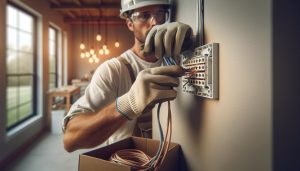
Did you know that a standard residential outlet typically operates at 120 volts in the United States? Understanding the voltage of your outlets is crucial for electrical safety and efficiency in your home. Whether you’re a homeowner looking to upgrade your electrical system or an aspiring electrician eager to sharpen your skills, knowing what constitutes a normal outlet voltage can help you troubleshoot issues and make informed decisions. This foundational knowledge not only enhances your home’s safety but can also guide you in integrating modern technologies like EV chargers and smart devices. Dive into this article to explore the intricacies of residential power, ensuring you’re well-equipped for any electrical endeavor!
What Is the Standard Voltage for Residential Outlets?
In nearly all residential settings across the United States and Canada, the standard voltage level for electrical outlets is typically 120 volts. This voltage is designed to provide safe and efficient power for a wide range of household appliances and electronic devices. Understanding this standard is crucial, as it relates directly to how appliances operate and ensures compatibility with the electrical infrastructure of homes.
In addition to the common 120-volt outlet, many homes also feature 240-volt outlets, which are used for higher voltage appliances like dryers, ovens, and electric vehicle chargers. These outlets require specialized wiring and circuit breakers to handle the increased power safely. The choice between outlet types ultimately depends on the appliance requirements and the home’s electrical system design.
When considering your household’s power needs, it’s important to recognize that appliances are built to operate within specific voltage ranges. For instance, devices like laptops and televisions typically function well on 120 volts, while heavy-duty appliances can require that additional voltage supplied by 240-volt outlets. Failing to use the correct voltage can lead to appliance malfunction, hazards, or even electrical fires.
To ensure optimal performance and safety, it’s wise to consult with a licensed electrician if you’re considering upgrading existing outlets or adding new circuits to accommodate high-demand appliances. Understanding your home’s voltage supply is a key step in maintaining safety and efficiency in its electrical systems.
Understanding Different Outlet Types and Their Voltages
In today’s homes, understanding the different outlet types and their corresponding voltages is crucial for both safety and efficiency. The most common outlets found in residential properties in the United States deliver a standard voltage of 120 volts, primarily designed for general household appliances like lamps, toasters, and televisions. These outlets are equipped with the familiar Type A and Type B plugs, which are widely used across various devices.
Types of Outlets and Their Voltages
There are several types of outlets, each serving specific purposes based on the voltage requirements of different appliances. Here are the primary types:
- 120-Volt Outlets: These are the regular outlets used in most residential settings. They are ideal for low to moderate power devices like smartphones and small kitchen appliances.
- 240-Volt Outlets: Designed for high-demand appliances such as dryers, ovens, and electric vehicle chargers, these outlets require specialized wiring and circuit breakers to accommodate the increased power safely.
Additionally, specialized outlets, such as GFCI (Ground Fault Circuit Interrupter) outlets, are essential in areas exposed to moisture, like kitchens and bathrooms, to prevent electrical shocks.
Importance of Correct Outlet Usage
Using the correct outlet type for your appliances is vital. Connecting a 240-volt appliance to a 120-volt outlet will not only prevent it from functioning correctly but can also cause damage. Similarly, plugging a 120-volt device into a high-voltage outlet can lead to severe electrical hazards such as fires or equipment damage.
When considering updates or alterations to your home’s electrical system, it’s beneficial to consult a licensed electrician. They can evaluate your existing wiring, recommend appropriate outlet types based on your appliance needs, and ensure that installation meets current safety standards.
Understanding the types of outlets and their voltages not only enhances the safety of your home but also promotes better use of electrical devices, ultimately leading to energy efficiency and reduced utility costs. Employing the right outlet for each appliance ensures that your home functions efficiently while minimizing the risk of electrical issues.
How Voltage Levels Impact Your Home Appliances
The performance and longevity of home appliances heavily depend on the voltage delivered by residential outlets. Incorrect voltage levels can lead to inefficient operation, premature wear, or even catastrophic failure. In the United States, most household appliances are designed to operate optimally on either 120 volts or 240 volts, which cater to different power needs. Using the appropriate voltage not only ensures the safety of your devices but also improves energy efficiency, ultimately saving you money on electricity bills.
When appliances are connected to a power source with the correct voltage, they operate at their intended capacity. For instance, a standard microwave or toaster typically operates on 120 volts, providing sufficient power for routine cooking tasks. However, larger appliances like electric dryers and ovens require 240 volts to function efficiently due to their higher energy demands. If you were to connect a 240-volt appliance to a 120-volt outlet, it would underperform or fail to operate altogether, while plugging a 120-volt device into a 240-volt outlet could result in overheating and damage.
It’s also important to recognize how voltage levels influence energy consumption. Appliances that run on the appropriate voltage tend to use energy more effectively, contributing to reduced utility costs and lower environmental impact. Moreover, advancements in technology-such as energy-efficient models and smart appliances-are often designed with specific voltage requirements in mind, enhancing performance and sustainability. As homes increasingly incorporate smart technologies and electric vehicle charging stations, understanding and managing outlet voltage becomes paramount for both safety and operational efficiency.
In conclusion, ensuring that your appliances are matched with the correct voltage outlet is essential to maintain their functionality and longevity. Homeowners should remain vigilant about their appliance specifications and consider consulting with a licensed electrician for any upgrades or modifications to their electrical systems. This proactive approach can help avoid common electrical issues related to outlet voltage, enhance the overall safety of your home, and support the efficient use of electricity in daily life.
Comparing North American and International Outlet Standards
In today’s interconnected world, understanding the nuances of electrical outlet standards is crucial for any homeowner, especially those who frequently travel or engage with international electronics. In North America, the standard voltage for residential outlets hovers around 120 volts, while many other countries operate at much higher voltage levels, typically between 220 to 240 volts. This discrepancy holds significant implications not only for appliance compatibility but also for energy efficiency, safety, and compliance with local electrical codes.
In North America, outlets are designed to accommodate devices that run on 120 volts, with some higher-demand appliances functioning on 240 volts. In contrast, European countries, for instance, predominantly utilize 230 volts, which means that appliances designed for these systems are optimized for higher voltage, impacting their design and energy consumption. The adaptability of devices to different voltages often necessitates the use of transformers or voltage converters when transferring equipment across borders, emphasizing the importance of being informed about the specifications of both your devices and the electrical systems in the country.
- Voltage Compatibility: It’s essential to check whether your appliance can handle both 120 volts and 240 volts. Many modern gadgets are built with dual-voltage capability, allowing them to function in various regions.
- Plug Types: The configuration of plugs also differs significantly; North America typically uses Type A and B plugs, while Europe commonly employs Type C, E, and F plugs.
- Energy Efficiency: Running appliances on their designated voltage enhances energy efficiency. For example, a 120-volt device may operate less efficiently when plugged into a higher voltage outlet, leading to energy waste.
In the realm of electrical safety, understanding these standards becomes paramount. Incorrect voltage connections can lead to device damage, potential hazards, or even fire. Electricians working in international domains need to stay informed about different regulations, as compliance with local electrical codes is a must. A thorough understanding of both North American and international outlet standards ensures that you are well-equipped to handle a variety of electrical challenges, whether you are installing outlets or managing the unique demands of global travelers or expatriates living abroad.
The Role of Amperage in Electrical Systems
Understanding amperage is crucial for anyone working with residential electrical systems. Often overlooked, amperage-measured in amperes (amps)-directly influences how much electric current can flow through your outlets and circuits. In North America, standard residential circuits typically provide 15 or 20 amps at 120 volts, depending on the circuit design and the intended load. This means that the amount of current available will dictate what devices you can safely use without the risk of overloading the circuit.
When it comes to appliances, the amperage rating is vital to ensure proper operation and safety. Each device has a designated amperage requirement, and exceeding this can lead to tripped breakers or even overheating, potentially causing electrical fires. For instance, a standard refrigerator might require around 6-10 amps, while more powerful devices-like air conditioners-can demand 20 amps or more. It’s common for homeowners to underestimate the cumulative amperage drawn by multiple devices operating simultaneously on the same circuit, which can inadvertently lead to dangerous situations.
Load Calculations and Circuit Design
Proper load calculations are essential for preventing issues associated with insufficient amperage. A general rule is to not exceed 80% of a circuit’s rated capacity to maintain a safety buffer. For example, if you have a 15-amp circuit, the safe limit is 12 amps for continuous use. By performing load calculations, electricians can design circuits that accommodate specific household needs while adhering to the National Electrical Code standards. Understanding how to calculate and distribute loads among multiple circuits promotes efficiency and safety throughout the home.
Upgrading and Expanding Capacity
If you find that your household appliances frequently trip circuits or cause the breaker to flip, it may be time to evaluate your amperage capacity. Upgrading to circuits with higher amperage ratings or dedicated circuits for heavy-duty appliances can provide a safer, more reliable electrical environment. For example, dedicated 20-amp circuits are often used in kitchens and laundry rooms where high power is typically needed for appliances like microwaves, toasters, and dryers.
Ultimately, a thorough understanding of amperage not only helps in effective circuit management but also ensures compliance with safety standards and enhances your home’s electrical efficiency. As you work with or conduct any electrical installations or upgrades, considering both voltage and amperage will empower you to create a secure and optimized residential power system that meets your daily needs.
Common Electrical Issues Related to Outlet Voltage
Many homeowners may not realize that outlet voltage issues can lead to various operational problems, often manifesting in frustrating ways. When outlets do not produce the standard 120 volts commonly associated with residential power, appliances can underperform or even sustain damage. For example, devices designed to operate at a specific voltage may draw more current than intended when the voltage is too low, leading to overheating and failure. Conversely, excessive voltage can cause immediate failure of sensitive electronics, highlighting the critical nature of maintaining correct outlet voltage.
One common issue is voltage drop, which can occur when a circuit is overloaded or the wiring is inadequate for the demand. This typically happens in older homes where wiring may not have been upgraded to accommodate modern electrical loads. Homeowners may notice flickering lights or appliances that operate inconsistently when the voltage drops below optimal levels, indicating that the electrical system may need attention. Additionally, voltage surges can occur due to lightning strikes or sudden spikes in electricity usage in the neighborhood, posing a risk to electronic devices. Using surge protectors is essential to prevent damage during these events.
Regular maintenance and monitoring can mitigate these issues. Homeowners can perform basic voltage checks with a voltmeter to confirm that outlets are supplying the expected voltage. Should irregularities be noted, immediate investigation is warranted. It’s advisable to consult a licensed electrician to assess potential underlying problems, such as defective wiring, circuit overloads, or malfunctioning breakers. Understanding the implications of outlet voltage not only enhances the safety and longevity of electrical systems but empowers homeowners to take proactive measures in maintaining their electrical infrastructure.
In conclusion, being aware of can prevent significant problems down the line. By taking the time to monitor and maintain electrical systems, homeowners ensure safe and reliable power for their homes.
DIY Safety Tips for Working with Outlets
Working with electrical outlets can be a straightforward task, but safety must always be your top priority. Electrical accidents can occur quickly and lead to severe injuries or damage. To minimize risks while handling outlets, remember these essential DIY safety tips.
First and foremost, always turn off the power to the outlet before beginning any work. This step is crucial for preventing electrical shocks. Use a circuit tester or voltage meter to verify that the power is off before touching any wires or connections. Always work with one hand when handling electrical components to reduce the risk of creating a circuit through your body.
Additionally, be mindful of the tools and equipment you use. Insulated tools are recommended when working on live circuits, as they provide a necessary barrier against electrical shock. Always wear appropriate personal protective equipment (PPE), such as rubber-soled shoes and safety glasses, to further decrease your risk during electrical work.
Understand the type of outlet you are working with, as this can determine the methods and tools you’ll need. In North America, most standard outlets operate at 120 volts, but high-power outlets designed for large appliances may require 240 volts. Always double-check the voltage requirements and outlet types for your specific application to avoid damaging your equipment or causing electrical fires.
Lastly, if you encounter any issues or if you are uncertain about any procedure, don’t hesitate to call a professional electrician. Attempting complex or hazardous tasks beyond your skill level can lead to dangerous outcomes. Skilled electricians not only ensure safety but also provide insights into modern electrical systems, including smart home integrations and energy-efficient upgrades.
By adhering to these safety practices, you not only protect yourself but also maintain the integrity and functionality of your home’s electrical system. Empower yourself with knowledge, and always prioritize safety when working with electricity.
How to Measure Voltage in Your Outlets
Measuring the voltage in your outlets is a fundamental skill that every homeowner and aspiring electrician should master. In North America, standard household outlets typically operate at 120 volts, but understanding how to accurately measure voltage is essential for troubleshooting electrical issues and ensuring your devices are operating safely. To perform this task, you’ll need a multimeter, which is an invaluable tool for diagnosing electrical systems.
First, ensure your multimeter is set to measure AC voltage. Carefully insert the probes into the outlet: the black probe should go into the neutral slot (larger slot), and the red probe should enter the hot slot (smaller slot). A common misconception is that any reading below 120 volts in a North American outlet is adequate; however, ideal readings should be between 115V and 125V. If you measure a voltage significantly lower or higher than this range, it may indicate a wiring issue or a problem with your electrical supply, prompting further investigation.
For those who may not be as familiar with the workings of outlets, it’s important to understand common readings you might encounter. A reading of 0 volts means no power is reaching the outlet, while a reading near 240 volts usually suggests that you have mistakenly plugged into a high-power outlet, which could be dangerous for standard devices. It’s crucial to recognize these abnormal readings and take appropriate action to prevent damage to your appliances.
Lastly, remember to prioritize safety when measuring voltage. Always work with one hand, avoid touching the metal parts of the probes, and ensure the multimeter is in good condition. If you’re uncertain about any readings or the condition of your electrical system, don’t hesitate to consult a licensed electrician. This might not only save time and potential hazards but also provide you with peace of mind knowing your home’s electrical system is functioning properly.
When to Call a Professional Electrician
Determining whether to call a professional electrician is a vital aspect of maintaining your home’s electrical systems. Many homeowners are tempted to troubleshoot electrical issues themselves, but certain situations are best left to the professionals to avoid safety risks or further complications. Understanding the signs that indicate when to seek assistance can save you time, money, and potential dangers.
If you notice persistent problems such as frequent circuit breaker tripping, constant flickering of lights, or burning odors near outlets, it’s essential to contact a licensed electrician immediately. These symptoms can point to underlying issues such as overloaded circuits, faulty wiring, or even malfunctioning appliances. Ignoring these problems may lead to more severe safety hazards, including electrical fires. A professional can thoroughly assess the situation, conduct necessary repairs, and provide recommendations for safer usage.
Moreover, if you are planning to upgrade your outlet voltage or install new electrical systems (like EV chargers or smart home technology), it’s crucial to enlist a qualified electrician. Upgrading voltage levels involves understanding load calculations and ensuring compliance with local electrical codes. A certified electrician has the expertise and certifications to perform these installations safely and efficiently, preventing future electrical issues and maintaining optimal functionality.
When in doubt about your electrical system’s safety or functionality, never hesitate to seek professional help. An electrician’s expertise not only ensures compliance with industry standards but also protects your home and family. Remember, the cost of hiring a professional is often minimal compared to the risks of DIY electrical work gone wrong. Trust the experts to keep your home safe and efficient.
Upgrading Outlet Voltage: What You Need to Know
Upgrading from standard household voltage can significantly enhance the performance of high-demand appliances but requires careful evaluation and planning. For instance, North American homes typically operate on a 120V outlet for standard appliances, while specialized devices such as electric vehicles (EVs) or heavy-duty machinery may necessitate a 240V outlet. Understanding the differences in voltage requirements is critical for ensuring that the correct outlet is installed, safeguarding your appliances and overall electrical system.
When contemplating an upgrade, it’s essential to conduct thorough load calculations to ascertain the necessary amperage and wattage of your devices. Oversizing or undersizing your voltage can lead to electrical hazards or inefficient performance. For instance, running a 240V appliance on a 120V circuit not only hampers its functionality but can also damage the appliance or pose fire risks. Engage a licensed electrician to evaluate existing wiring and circuit breaker capacity; they can determine if upgrades to your electrical panel are required to accommodate higher voltages.
Code Compliance and Safety
Compliance with local electrical codes is not only a legal obligation but also a critical aspect of ensuring safety during and after the upgrade process. Even small discrepancies can lead to disastrous outcomes, including electrical shock or fire hazards. Electricians often require specialized certifications for higher-voltage work, particularly to install outlets for high-demand devices. Always verify that your electrician is licensed and insured and that connections meet the standards set by the National Electrical Code (NEC).
Upgrading your outlets could also impact your home’s insurance status-certain changes might necessitate notifying your insurance provider to keep your coverage valid. Consider this as an opportunity to integrate modern technology into your home, like smart home devices that require specialized outlets. With the rise of smart technology and electric vehicles, upgrading your voltage not only enhances functionality but can also add long-term value to your property.
The Future of Residential Electrical Systems
The landscape of residential electrical systems is undergoing a significant transformation, spurred by advancements in technology and changing consumer needs. As we increasingly integrate devices that demand higher power levels, such as electric vehicles (EVs) and smart home technology, the traditional wiring and voltage systems in homes are being re-evaluated and upgraded. In North America, standard outlets typically provide 120 volts, but with an increasing reliance on high-wattage appliances, there is a growing conversation around the necessity of 240-volt outlets in more areas of the home.
Electricians are now finding themselves at the forefront of this evolution, needing to be well-versed not just in traditional electrical standards, but also in modern demands for energy efficiency and smart technology compatibility. This requires ongoing education on the latest technological trends and innovative solutions in electrical systems. For instance, the installation of smart outlets-capable of monitoring energy consumption and remotely controlling power-offers homeowners a means to optimize energy use and promote sustainability. Electricians with specialized training in smart technologies may find themselves commanding higher salaries and enjoying new career opportunities as homeowners look to future-proof their residences.
In this evolving environment, electrical professionals must prioritize safety and compliance with contemporary electrical codes. As they engage in upgrading systems-such as increasing voltage for specialized outlets-they must conduct comprehensive load calculations to ensure that the electrical infrastructure can handle heightened demands. Failing to do so not only poses risks to the devices connected but can also lead to potential hazards like electrical fires or shorts. By staying current with licensing requirements and necessary certifications, electricians can safeguard both their work and their clients’ investments, ensuring that installations meet the rigorous standards set by the National Electrical Code (NEC) and local regulations.
As more households adopt energy-efficient appliances and renewable energy sources, is geared towards sustainability. Homeowners are increasingly looking to integrate solar panels and battery storage systems into their electrical setups, further necessitating enhanced voltage management and innovative wiring solutions. For electricians, embracing this shift can open doors to new client bases and projects that focus on green technology. By understanding these trends and equipping themselves with the technical Know-how, electricians can not only elevate their professional expertise but also contribute to the broader goal of creating more sustainable living environments.
Frequently asked questions
Q: What is the typical voltage for residential outlets in North America?
A: The typical voltage for residential outlets in North America is 120 volts. This standard voltage is used for most household appliances and lighting fixtures, ensuring compatibility across a wide range of devices.
Q: Are there different voltages for appliances in the home?
A: Yes, different appliances may require different voltages. While most standard outlets supply 120 volts, larger appliances like dryers and ovens typically utilize 240 volts. It’s important to check the specifications of each appliance to ensure proper voltage supply.
Q: Why is it important to know the voltage of an outlet?
A: Understanding outlet voltage is crucial for appliance compatibility and safety. Using an appliance with the wrong voltage can lead to malfunctions or even electrical hazards. Always verify outlet voltage before plugging in high-wattage appliances.
Q: How can I safely check the voltage of my outlets?
A: You can safely check the voltage of your outlets using a multimeter. Set the multimeter to measure AC voltage, insert the probes into the outlet slots, and read the display. Always exercise caution and consider hiring a professional if unsure.
Q: What should I do if my outlet is providing the wrong voltage?
A: If your outlet is providing incorrect voltage, it can be a sign of wiring issues. It’s essential to stop using the outlet immediately and consult a licensed electrician to diagnose and fix the problem safely.
Q: Can I use a 240-volt appliance in a 120-volt outlet?
A: No, you cannot use a 240-volt appliance in a standard 120-volt outlet. Doing so can damage the appliance and create safety hazards. Always use appliances with the correct outlet type and voltage specifications.
Q: What could cause a drop in voltage at an outlet?
A: A drop in voltage at an outlet can be caused by overloaded circuits, poor wiring connections, or malfunctioning appliances. If you notice persistent voltage drops, it’s advisable to have a qualified electrician inspect your wiring.
Q: How do outlet voltages differ in other countries?
A: Outlet voltages can vary significantly in other countries. For example, many European countries use 220-240 volts, while others may use different standards. Always check voltage specifications when using electronics abroad to avoid damage or risks.
Future Outlook
Understanding the voltage of a normal outlet is just the beginning of your journey into residential power basics. Remember, a standard outlet typically operates at 120 volts, crucial for many household appliances and devices. Before you plug in that new gadget, ensure you’re aware of the necessary electrical safety practices to optimize your home’s efficiency.
If you’re curious about more on electrical fundamentals or want to dive deeper into topics like load calculations, smart home tech, and the latest in electrical tools, check out our related articles on electrical load calculations and smart home innovations. Don’t miss out-sign up for our newsletter for ongoing insights that can empower your electrical knowledge and safety practices.
Feel free to comment below with your questions or share your experiences. Your future explorations in understanding electricity and its applications will be key to advancing your skills in this vital field. Let’s keep the conversation going!