
In New York, electricians are not just vital to maintaining our homes and businesses but are also among the top earners in the skilled trades. Understanding the potential earnings in this profession can significantly impact your career decisions, whether you are just starting or seeking to advance. From wiring up the latest smart home systems to ensuring safe electrical installations, skilled electricians play a crucial role in modern society. Curious about what factors influence their salaries? In this article, we will explore how much electricians make in New York, detailing the variations based on experience, specialization, and other key elements. By the end, you’ll gain valuable insights that can empower you to navigate your career path effectively in this rewarding field.
Understanding Electrician Salaries in New York
As one of the largest and most economically vibrant states in the U.S., New York offers a promising landscape for electricians regarding salaries and career growth. The average salary for electricians in New York is significantly higher than the national average, often reaching upwards of $70,000 per year, depending on experience, location, and specialization. In metropolitan areas such as New York City, where the cost of living is higher, electricians may earn even greater wages, sometimes exceeding $90,000 annually. Understanding the intricacies of these earnings is crucial for aspiring electricians and those seeking to advance their careers in the state.
Several factors influence electrician earnings in New York, including the type of work performed (residential vs. commercial), certifications held, and local demand. Electricians specializing in emerging technologies like solar energy systems and smart home installations typically command higher salaries due to the specialized skills and knowledge required. Furthermore, electricians who have taken additional courses or obtained certifications in areas like electrical safety or green technology often see a substantial boost in their income potential.
It’s also essential to consider the impact of experience on salary. Entry-level electricians, typically those just starting their careers or completing apprenticeships, might earn between $40,000 and $50,000 annually. However, as they gain more experience, their salaries can increase significantly. For example, mid-career electricians may earn between $60,000 and $80,000, while seasoned professionals, particularly those in supervisory or specialized roles, can make over $100,000 per year. Being strategic about gaining experience in high-demand sectors can position electricians for higher earnings in the competitive New York market.
Factors Influencing Electrician Earnings
The earnings potential for electricians in New York is shaped by a confluence of factors that underscore the importance of strategic career planning. Experience level plays a pivotal role in determining salary, as seasoned professionals can command significantly higher pay compared to their entry-level counterparts. Additionally, the variety of work environments, such as residential, commercial, or industrial settings, influences salary brackets, with electricians in commercial sectors often earning more.
One crucial element is specialization. Electricians who hone their skills in high-demand areas like renewable energy systems, including solar and wind energy installations, or those who are proficient in smart home technology, can see substantial increases in their earnings. This specialization not only enhances job prospects but also aligns with the growing trend toward sustainable practices and energy efficiency in the construction sector.
The geographical location within New York also dictates earnings. Urban areas, particularly New York City, generally offer higher wages to compensate for the higher cost of living and the complexity of electrical systems in multifamily dwellings and commercial skyscrapers. Conversely, rural areas might present lower average salaries but could also afford lower living costs, balancing the economic equation differently.
Lastly, electricians who invest in obtaining certifications and engaging in ongoing professional development tend to experience elevated income trajectories. Certifications related to electrical safety, building codes, or specialized equipment operation can create a competitive edge in the job market. As the electrical industry continues to evolve with advancements in technology and energy demands, those who embrace continuous learning will be best positioned for financial success and career satisfaction.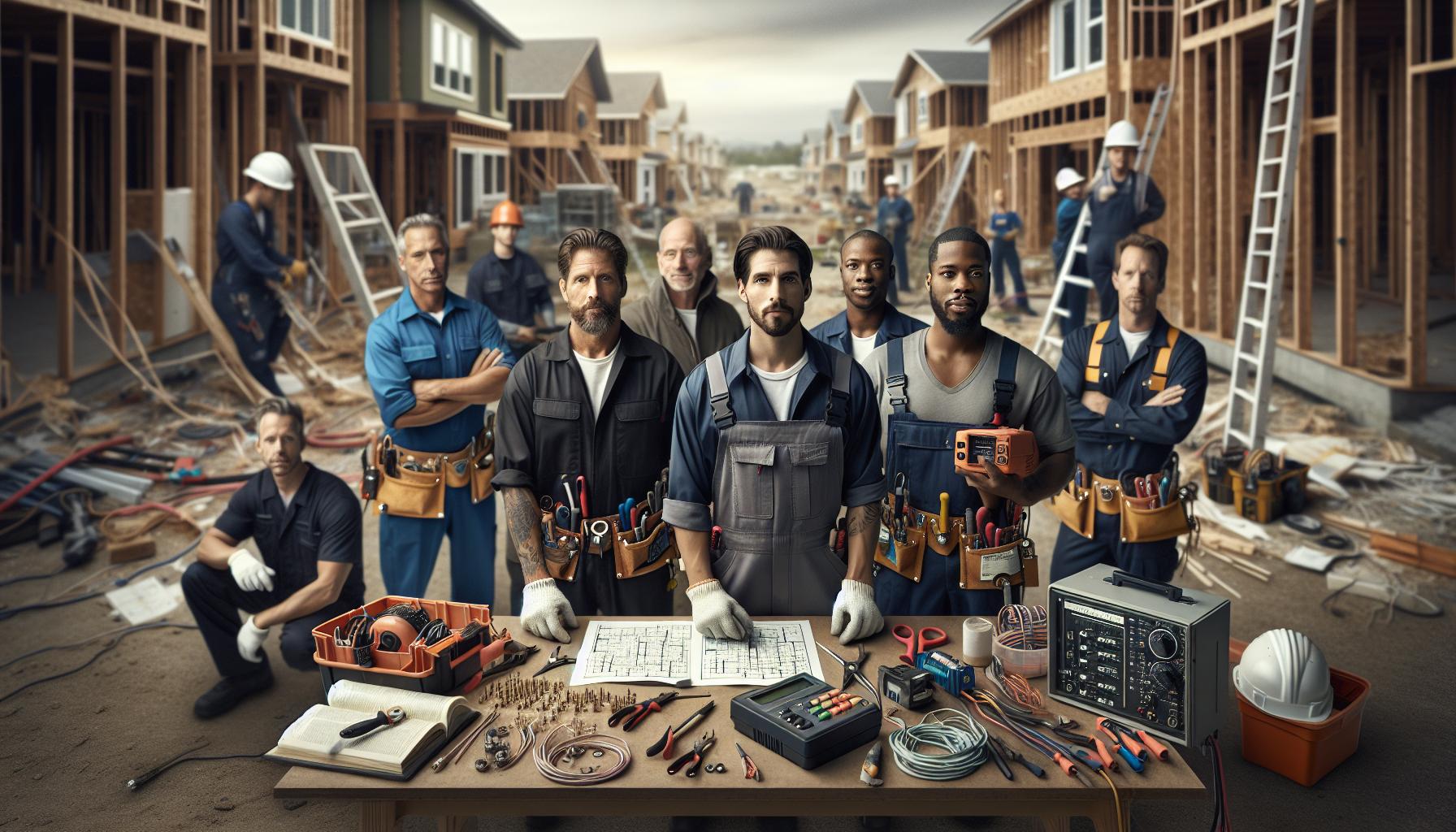
Electrician Pay by Experience Level
Electricians in New York enjoy a wide variance in pay, largely influenced by experience levels. Entry-level electricians, often fresh from their apprenticeships, can expect to earn between $40,000 to $50,000 annually. This salary range reflects ongoing skill development and the essential hands-on training they receive during their initial years. As they gain practical experience and refine their technical skills, electricians typically see significant pay increases.
After reaching the journeyman level, which generally takes about four to five years of experience, electricians in New York can earn between $60,000 to $80,000 per year. This level of experience not only brings improved technical proficiency but also a greater understanding of the complexities involved in electrical installations and repairs across various settings. Many electricians at this stage start to specialize in areas that can further enhance their earning potential.
Highly experienced electricians, especially those who take on supervisory roles or hold specialized certifications, can earn upwards of $90,000 to over $100,000 annually. These professionals often oversee projects, mentor apprentices, and handle high-stakes tasks in commercial or industrial environments. They possess in-depth knowledge of electrical codes, safety regulations, and advanced technologies like smart home systems and renewable energy solutions.
Investing in certifications can also significantly impact salary potential. Electricians who earn additional credentials in niche areas-such as renewable energy systems, specialized equipment operation, or electrical safety-position themselves as experts, further increasing their marketability and potential earnings. The combination of experience, specialization, and ongoing professional development often leads to lucrative career advancement opportunities in the dynamic field of electrical work.
Salary Trends in Different New York Regions
Electricians in New York experience varied salary trends across different regions, influenced by factors like cost of living, demand for skilled labor, and competition within the local market. For instance, electricians based in urban areas, such as New York City, tend to command higher wages due to increased living expenses and a higher concentration of commercial and residential projects. It’s not uncommon for skilled electricians in the city to earn upwards of $85,000 annually, and this figure can swell significantly with experience and specialization.
In contrast, electricians working in rural areas or towns outside the metropolitan hub typically see lower salaries, often ranging from $50,000 to $70,000. Though the lower cost of living in these areas can be appealing, the reduced number of job opportunities and projects may limit earnings potential. Regions such as upstate New York might offer a more stable job environment but often with lesser pay compared to downstate counterparts.
Salary Comparison by Key Regions
| Region | Entry-Level Salary | Journeyman Salary | Highly Experienced Salary |
|---|---|---|---|
| New York City | $45,000 – $55,000 | $70,000 – $85,000 | $100,000+ |
| Westchester County | $40,000 – $50,000 | $65,000 – $80,000 | $95,000+ |
| Upstate New York | $35,000 – $45,000 | $55,000 – $70,000 | $80,000+ |
Understanding these regional dynamics is pivotal for electricians when considering job opportunities and negotiating salaries. Factors such as the demand for electric vehicle (EV) charger installation, renewable energy projects, and residential rewiring are augmenting the need for skilled trade professionals. Electricians who remain informed about local market trends, continuously upgrade their skills, and potentially pursue certifications in high-demand areas are better positioned to maximize their earning potential across New York.
Effect of Certifications on Electrician Income
Obtaining certifications can significantly enhance an electrician’s income potential in New York, reflecting the growing importance of specialized skills in a competitive job market. In an industry where advanced knowledge of technology and regulations is critical, certifications not only validate expertise but can also lead to higher pay. Electricians with certifications such as the National Electric Code (NEC), Occupational Safety and Health Administration (OSHA) safety, and specialized training in renewable energy technologies can command salaries at the upper end of the scale.
Moreover, specialized certifications related to emerging technologies, like electric vehicle (EV) installation and smart home systems, position electricians favorably in the marketplace. As demand for energy-efficient solutions rises, those electricians equipped with relevant certifications associated with these technologies can leverage higher pay. For instance, installation of EV charging stations, a rapidly growing segment, often requires specific training that certified electricians can charge a premium for, further enhancing their income potential.
In addition to direct salary enhancements, acquiring certifications can open doors to numerous job opportunities across various sectors, including construction, renewable energy, and residential services. Employers often prefer candidates who not only hold state licensure but also possess certifications that demonstrate a commitment to ongoing learning and adherence to industry standards. This preference can place certified electricians at a significant advantage when competing for lucrative freelance contracts or positions within established firms.
Ultimately, investing time and resources into obtaining certifications pays dividends, enabling electricians to navigate upward on the wage spectrum while also fostering career stability and advancement. Maintaining awareness of evolving certification requirements and industry standards is crucial for adapting to the ever-changing landscape of electrical work in New York.
Licensing Requirements for Electricians in New York
To practice as an electrician in New York, having the appropriate licensing is not just a formality; it’s a legal requirement that ensures safety and proficiency in the field. New York has specific regulations in place governing the licensing of electricians, which are vital for anyone looking to establish a reputable career in electrical work. Generally, there are two primary types of licenses: a Master Electrician’s License and an Installation License.
To obtain a Master Electrician’s License, candidates typically need to meet certain prerequisites, including a combination of education and hands-on experience. This often involves completing a minimum of 7-10 years of supervised work under a licensed electrician, alongside passing a comprehensive examination that assesses knowledge of electrical codes, safety procedures, and practical skills. For the Installation License, the process is usually shorter, requiring fewer hours of experience and a simpler exam.
It’s also important to note that various local jurisdictions within New York may have additional requirements or different classifications for electricians, emphasizing the need for prospective electricians to familiarize themselves with their specific locality’s rules. For instance, New York City has its own set of stringent requirements governed by the Department of Buildings, including separate exams and additional documentation.
In addition to state licensure, continuing education plays a crucial role in maintaining licensure and staying current in the field. Electricians are often required to complete ongoing training to keep their knowledge updated with the latest electrical codes, safety protocols, and technological advancements. This continuing education can also significantly enhance a professional’s ability to adapt to changing market demands, especially with the rise of smart home technology and renewable energy applications.
Compliance with licensing and continuing education not only promotes professionalism in the electrical trade but also provides potential clients with the assurance that their electrical projects are being handled by skilled, knowledgeable practitioners. This can also translate into higher salary potential, as clients are generally willing to pay a premium for certified expertise. Thus, successfully navigating the licensing requirements is a fundamental step toward a rewarding and lucrative career in New York’s electrical industry.
Top Industries Hiring Electricians in New York
The demand for skilled electricians in New York is growing across a variety of sectors, reflecting the critical nature of electrical work in modern society. In particular, industries such as construction, manufacturing, renewable energy, and information technology are ramping up their hiring efforts to meet both traditional and evolving energy needs.
Construction and Renovation
One of the most significant employers of electricians is the construction industry. With New York City constantly expanding and renovating its skyline, electricians are essential during both the construction of new buildings and the renovation of existing structures. This includes tasks ranging from installing electrical systems in residential homes and commercial buildings to upgrading outdated wiring in older properties. Electricians in this sector typically find robust opportunities, especially during peak seasons when construction projects are abundant.
Manufacturing and Industrial
Another critical area for electricians is the manufacturing sector. Factories rely heavily on electricity for machinery, assembly lines, and various operational systems. Electricians in this field are tasked with ensuring that equipment functions safely and efficiently while performing regular maintenance and repairs. As automation increases, the demand for electricians who can service complex control systems and robotics is also rising, making this a lucrative option for those with the right skillset.
Renewable Energy
The move toward sustainable energy sources has created a rapidly growing niche for electricians specializing in renewable technologies. Solar and wind energy installations have gained significant traction in New York, requiring qualified electricians to install and maintain solar panels, wind turbines, and associated infrastructures. This emergent field not only offers competitive salaries but also allows electricians to engage in work that actively contributes to environmental sustainability.
Information Technology and Smart Homes
As smart home technology becomes a standard feature in residential properties, electricians are increasingly tasked with integrating advanced electrical systems that support IoT devices and home automation. Jobs in this arena often require additional training and certifications, but they can lead to higher pay and a dynamic work environment. Electricians who can navigate the intersection of traditional electrical work and modern technology will find themselves at a competitive advantage.
Understanding these industries can help prospective electricians identify potential career paths and prepare themselves accordingly, whether through targeted training, certifications, or practical experience. By aligning their skills with the needs of these growing sectors, electricians in New York can ensure a successful and rewarding career.
The Role of Specializations in Salary Potential
Specializing in a particular area of electrical work can significantly influence an electrician’s earning potential in New York. As the electrical industry evolves, certain niches have emerged that not only address current technological demands but also offer higher pay due to the specialized skills required. Electricians who choose to focus on areas such as renewable energy, high-voltage systems, or smart home installations often find themselves at the forefront of increased salary opportunities.
Consider the booming field of renewable energy, where electricians are being sought after for their expertise in solar panel installation, wind turbine maintenance, and energy-efficient systems. These specialists can command higher wages, often due to the necessity for advanced certifications and an in-depth understanding of complex systems. For instance, electricians proficient in solar technology might earn 10-20% more than their generalist counterparts, reflecting a growing emphasis on sustainable practices and energy efficiency in building projects.
Additionally, expertise in smart home technologies positions electricians to tap into an expanding market. With the rise of Internet of Things (IoT) devices and home automation systems, electricians who can integrate these technologies are highly valued. Not only does this specialization require continuous learning and adaptation to new systems, but it also often attracts premium rates for installation and troubleshooting services. Electricians adept at installing smart wiring and managing energy systems can expect to see their income rise substantially, especially in affluent areas where smart home upgrades are increasingly common.
As electricians advance in their careers, pursuing certifications in specialized fields and staying informed about emerging technologies can greatly enhance their marketability and salary prospects. Making the effort to master specific systems or gaining recognition as an expert in a particular niche can set electricians apart in a competitive job market and lead to a more lucrative career path. Building a portfolio that highlights these specializations not only showcases their skills but also enables electricians to command higher wages in an ever-evolving industry.
Electrician Tools and Equipment Costs
The financial landscape for electricians in New York is not just determined by experience and specialization; the cost of tools and equipment plays a crucial role in shaping their overall earnings. Electricians rely on a variety of tools-ranging from basic hand tools to advanced diagnostic equipment-to perform their jobs efficiently and safely. This investment in tools is necessary not only for functionality but also for establishing credibility and professionalism in their work.
Electricians typically find themselves investing significantly in their toolkits, which can average anywhere from $1,000 to $3,000 depending on their specialty. Essential tools include:
- Multimeters: Used for measuring voltage, current, and resistance, which can range from $50 to $300.
- Wire strippers and cutters: Basic versions cost around $10 to $30, while higher-end options can go up to $100.
- Drills and power tools: A reliable drill can set an electrician back $100 to $500, based on brand and capabilities.
- Safety equipment: This includes gloves and insulated tools, which can range from $50 to $150.
Maintaining and upgrading tools regularly is essential as well. Not only do tools wear out over time, but advancements in technology can also create the need for new equipment. Electricians focusing on modern technologies like electric vehicle (EV) chargers or smart home systems may require specialized tools that are more expensive but yield higher pays due to the advanced services they provide.
In summary, while the upfront costs of gear may seem daunting, the right tools enable electricians to perform their jobs effectively, thus enhancing their earning potential in New York’s competitive electrical market. Investing in quality equipment not only ensures compliance with safety regulations but can also lead to increased efficiency and profitability over time.
Emerging Technologies Impacting Electrician Wages
The rapid advancement of technology is reshaping the electrical trade, and electricians in New York are increasingly impacted by these changes in their earnings potential. With the rise of smart home technology, renewable energy systems, and electric vehicles (EVs), electricians who can navigate these emerging sectors are often rewarded with higher wages. For example, electricians specializing in the installation of smart home systems or EV chargers are not only filling a growing demand but often charging premium rates for their expertise. According to industry reports, electricians involved in EV infrastructure can see pay increases of 10-20% compared to traditional wiring jobs due to the specialized knowledge and skillsets required.
Furthermore, the integration of new technologies also necessitates continuous learning and adaptation. Electricians who invest in training for these emerging technologies frequently find themselves positioned at the forefront of the industry, enabling them to command higher salaries. For instance, those certified in solar panel installation or energy management systems not only enhance their employability but often find opportunities with leading companies in renewable energy, which tend to offer competitive pay scales. As the energy landscape shifts towards sustainability, electricians skilled in green technologies may achieve significant wage increases, highlighting the importance of adaptability and continuous education.
Moreover, it’s essential to recognize that the tools required to support these modern applications can be expensive. Electricians need to invest in advanced diagnostic tools and software that assist in the installation and troubleshooting of smart and sustainable systems. As these tools become standard, they enhance productivity and ensure compliance with safety standards, further positioning electricians for lucrative contracts and projects. The upfront costs can be substantial, but the long-term payoff through enhanced earning potential and a competitive edge in the market can make it a worthwhile investment.
In summary, the evolving landscape of technology in the electrical trade offers significant opportunities for electricians in New York. By embracing these changes and enhancing their skills, electricians can not only improve their knowledge base but also secure better-paying positions and elevate their professional profiles in an increasingly competitive environment.
Career Advancement Opportunities for Electricians
With the electrical trade consistently evolving, electricians in New York have numerous pathways for career advancement that can lead to substantial increases in income and job satisfaction. As professionals gain experience and specialize in in-demand areas, they not only boost their earning potential but also enhance their reputation and opportunities within the industry.
One of the most effective strategies for career growth is pursuing advanced certifications and licenses. Electricians can start by obtaining a master electrician license, which can significantly elevate their income potential, often exceeding $90,000 annually in metropolitan areas. Moreover, certifications in emerging technologies-such as solar panel installation, EV charging systems, or smart home technologies-open doors to lucrative niche markets where skilled electricians are in high demand. These certifications not only validate an electrician’s expertise but also empower them to negotiate higher wages and secure more complex projects.
Networking and joining professional organizations can also provide invaluable resources for career advancement. Organizations such as the National Electrical Contractors Association (NECA) and the International Brotherhood of Electrical Workers (IBEW) offer training programs, industry insights, and job placement services. Engaging in these communities enhances professional visibility and fosters relationships that can lead to mentorship or partnerships on significant projects.
Additionally, the increasing reliance on technology in the electrical field requires electricians to stay current with industry trends. Continuous training in topics such as building information modeling (BIM), automated systems, and energy efficiency measures equips electricians with the skills necessary to tackle modern challenges, further setting them apart in a competitive job market. Employers are actively seeking professionals who can integrate these advanced technologies into their work, making it critical for electricians to not only embrace learning but also to seek leadership roles where they can guide teams toward adopting innovative practices.
In summary, the path to career advancement for electricians in New York is rich with opportunities that can lead to both personal fulfillment and substantial financial rewards. By pursuing advanced certifications, engaging with professional organizations, and staying ahead of technological trends, electricians can position themselves as leaders in the industry, ultimately reaping the benefits of their dedication and expertise.
Preparing for a Successful Electrician Career
Embarking on a career as an electrician in New York offers not just the opportunity to earn a competitive salary but also the potential for significant career advancement in a rapidly evolving field. The key to a successful career lies in understanding the necessary steps to become a skilled professional, starting with robust training and securing the appropriate licenses and certifications.
To begin your journey, enrolling in a comprehensive electrician training program is essential. Many vocational schools and community colleges across New York offer programs that combine theoretical knowledge with hands-on experience. This training lays the foundation for understanding core electrical principles, such as voltage, amperage, and load calculations, critical for safety and efficiency on the job. Upon completion of a program, aspiring electricians typically enter into an apprenticeship, which allows them to gain practical experience under the mentorship of seasoned professionals.
Licensing and Certifications
In New York, obtaining a state license is a crucial step toward becoming a practicing electrician. Electricians must ensure they are familiar with the different licensing levels, which include electrician trainee, journeyman, and master electrician licenses. The requirements often include completing a specific number of apprenticeships, hands-on experience, and passing an exam that tests both practical skills and knowledge of the National Electrical Code (NEC). Certifications in specialized areas, such as solar energy installation or smart home technologies, can further enhance job prospects and increase earning potential. Professionals who invest in these additional qualifications often position themselves favorably in a competitive job market.
Tools and Equipment
Equipped with the right tools is not only essential for performing tasks effectively but also for upholding safety standards. Investing in high-quality tools-notable ones include multimeters, wire strippers, and voltage testers-can significantly impact performance and efficiency. Furthermore, being knowledgeable about emerging technologies such as electric vehicle (EV) charging stations and energy-efficient systems can help electricians stay ahead of industry trends and cater to the growing demand for modern electrical solutions.
Ultimately, a successful electrician career in New York requires a commitment to ongoing education and adaptation to industry advancements. By prioritizing comprehensive training, obtaining necessary licenses, and continually updating skills through specialized certifications, electricians can enhance their job security, increase their earning potential, and secure leading roles in a job market that is increasingly reliant on skilled professionals. The path may be rigorous, but the rewards it offers-both in terms of income and personal fulfillment-make the effort worthwhile.
FAQ
Q: What is the average salary of an electrician in New York?
A: The average salary of an electrician in New York varies but typically ranges from $60,000 to $85,000 annually, depending on experience and specialization. This average can significantly increase with certifications and advanced training, making it a lucrative career choice in the state.
Q: How do electrician salaries in New York compare to national averages?
A: Electrician salaries in New York are generally higher than the national average, which is around $56,000. Factors such as higher living costs and increased demand for skilled labor contribute to these elevated salaries, particularly in major urban areas.
Q: What factors can increase an electrician’s pay in New York?
A: An electrician’s pay in New York can increase based on experience level, certifications, specialized skills (like working with smart home technology or EV chargers), and demand in specific industries. Continuing education and obtaining advanced licenses also play crucial roles.
Q: Are there regional differences in electrician salaries within New York?
A: Yes, regional differences exist; for example, electricians in New York City typically earn more compared to those in upstate regions due to the higher cost of living and greater demand for electrical services. Geographic location significantly impacts salary scales.
Q: Is it necessary to have a certification to work as an electrician in New York?
A: Yes, obtaining a certification is necessary to work as an electrician in New York. Electricians must be licensed through the state, which requires passing an exam and demonstrating relevant experience. This certification not only legitimizes their skills but can also enhance earning potential.
Q: What types of electricians earn the highest wages in New York?
A: Specialized electricians, such as those skilled in renewable energy systems, industrial electricians, and high-voltage electricians, typically earn the highest wages in New York. Their expertise allows them to command higher rates than standard residential or commercial electricians.
Q: Can electrician salaries in New York change over time?
A: Yes, electrician salaries in New York can change due to market demand, advancements in technology, or changes in building codes and regulations. Electricians who continuously update their skills and adapt to industry changes often see their salaries increase over time.
Q: What industries are hiring electricians in New York?
A: Various industries are hiring electricians in New York, including construction, manufacturing, renewable energy, and technology sectors. Demand in these fields typically drives salaries up, especially for those with specialized training or certifications.
Closing Remarks
In summary, understanding electrician salaries in New York not only highlights earning potential but also informs your career trajectory in this vital industry. Whether you’re considering entering the field or looking to advance, being aware of average pay by experience level is essential. Don’t wait-explore your next steps today. Consider checking out our guides on electrical licensing requirements and upcoming technologies, such as EV chargers and smart home systems, which can enhance your skill set and marketability.
For more expert insights, be sure to subscribe to our newsletter for updates on trends and tools in the electrical profession. Have questions or thoughts? Join the conversation in the comments below. Your journey in the electrical field can lead to rewarding opportunities-let’s empower each other to succeed!