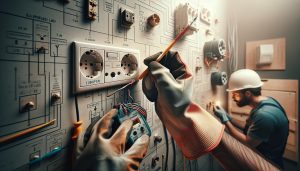
Becoming an electrician in New York can lead to a rewarding and stable career, especially as the demand for skilled tradespeople continues to grow. With the rise of renewable energy systems, smart home technologies, and increasing infrastructure needs, the opportunities are vast. This guide demystifies the essential steps to embark on this path, covering everything from necessary education and licensing requirements to tips for mastering key skills and technologies. Whether you’re starting your career or seeking to advance it, understanding the landscape of the electrical profession in New York is crucial. Join us as we explore the requirements and best practices that will empower you to succeed in this dynamic field.
How to Become an Electrician in New York: An Overview of Requirements

Becoming an electrician in New York can provide a rewarding career characterized by stability and the opportunity to work in diverse environments. The path to this profession requires a combination of education, hands-on experience, and compliance with legal regulations. To embark on this journey, aspiring electricians must familiarize themselves with the basic requirements, which generally include obtaining a high school diploma or equivalent, gaining relevant experience through apprenticeships, and meeting specific state licensing criteria.
To start, completing high school is crucial as it lays the foundational knowledge needed in the electrical field. Subjects such as mathematics, physics, and technical education can significantly benefit students. Next, prospective electricians usually engage in an apprenticeship program, which typically lasts four to five years. These programs combine classroom instruction and on-the-job training, offering invaluable hands-on experience under the guidance of seasoned professionals. Apprenticeships may be available through various trade unions, electrical contracting companies, or independent training programs.
Once the apprenticeship is completed, the next step is to obtain a license to practice as an electrician in New York. The process includes passing a written examination that tests knowledge of electrical theory, safety practices, and the New York State Electrical Code. This license is crucial not only for legal reasons but also for establishing credibility in the field. Electricians can pursue further certifications, such as becoming a master electrician, which opens up additional career opportunities and potentially higher earnings.
The journey to becoming an electrician is not merely about technical skills; it also requires soft skills such as problem-solving, attention to detail, and effective communication with clients and team members. Understanding modern technologies, including smart home systems and electric vehicle (EV) charging stations, can further enhance an electrician’s marketability. As the industry continues to evolve, staying updated through continuing education and professional development can also aid in career advancement and ensure safety protocols are rigorously followed.
Understanding the Different Types of Electricians in New York
The electrical trade encompasses a variety of specializations, each with unique roles and responsibilities. In New York, understanding the distinctions among the types of electricians is crucial for both aspiring professionals and those seeking to hire an electrician for specific projects. The main categories of electricians include residential, commercial, and industrial electricians, each tailored to perform specific tasks suited to their environment.
Residential Electricians
Residential electricians focus on wiring and repairing electrical systems in homes. They handle tasks such as installing lighting fixtures, circuit breakers, and outlets. These professionals often work directly with homeowners, understanding their needs and providing solutions that enhance safety and functionality. Familiarity with building codes and regulations is vital, as residential electricians ensure that installations are compliant with local safety standards. Typical projects may involve upgrading electrical panels or installing smart home technologies.
Commercial Electricians
Commercial electricians operate in business environments and larger structures, such as office buildings and retail establishments. Their work often involves installing complex electrical systems that support a variety of commercial operations, including power distribution, lighting, and security systems. These electricians must stay updated with the latest energy-saving technologies and electrical regulations, as commercial installations often require adherence to rigorous industry standards. Common tasks may include setting up emergency systems and integrating advanced data networking setups.
Industrial Electricians
Industrial electricians are specialized in the maintenance and installation of electrical systems in manufacturing plants, factories, and other large-scale industrial facilities. This role demands a deeper understanding of machinery and automation systems, requiring electricians to troubleshoot complex issues and perform preventative maintenance. Industrial electricians often work with high-voltage systems and must be familiar with process control technologies, making safety standards and compliance with OSHA regulations crucial in their daily functions.
Emergency and Maintenance Electricians
In addition to the primary categories, emergency and maintenance electricians play vital roles in the industry. Emergency electricians are available around the clock to address electrical failures, ensuring that facilities remain operational and safe. Maintenance electricians focus on ongoing repairs and preventive measures to avoid future breakdowns. Their expertise can save businesses money and promote safety within facilities.
Each specialization within the electrical field in New York presents unique career pathways, requiring specific training, skills, and licensure. Understanding these distinctions not only helps aspiring electricians choose their focus but also enables consumers to select the most qualified professionals for their projects. Continued education and certification in emerging technologies, such as solar power systems or electric vehicle (EV) charging installations, can also enhance career prospects in this dynamic field.
Educational Pathways: High School, Trade Schools, and Apprenticeships

A strong foundational education is crucial for anyone aspiring to become an electrician in New York. The journey typically begins in high school, where students are encouraged to take courses in mathematics, physics, and shop classes. These subjects build essential skills and knowledge that will be beneficial in the electrical field, including an understanding of voltage, current, and circuitry. Many high schools offer vocational training programs that provide practical experience, setting the stage for further education and training.
Following high school, prospective electricians often pursue specialized training through trade schools or technical colleges. These programs typically cover the core principles of electricity, safety protocols, the National Electrical Code, and hands-on practices. Programs can vary in length, but many offer certificates or diplomas after completing a one- or two-year curriculum. Some of the notable benefits of attending trade schools include access to experienced instructors, networking opportunities, and potential job placement assistance upon graduation.
Apprenticeships form the final and arguably the most critical step toward becoming a licensed electrician. They offer a mix of classroom instruction and on-the-job training under the supervision of experienced electricians. In New York, the average apprenticeship lasts around four years and is often sponsored by unions or contractor organizations. This practical training is indispensable, as it allows aspiring electricians to develop their skills in real-world settings while earning a wage. By the end of the apprenticeship, candidates will have logged a considerable number of hours in the field, which counts toward the licensing requirements.
In summary, the path to becoming an electrician in New York involves a blend of high school education, specialized training at trade schools, and extensive hands-on experience through apprenticeships. This structured approach not only prepares individuals for a successful career in electrical work but also ensures they are well-equipped to meet the demands of this constantly evolving field, particularly with the growing emphasis on modern technologies like EV charging stations and smart home systems.
Essential Skills and Competencies for Aspiring Electricians
Aspiring electricians in New York must cultivate a diverse skill set that combines technical knowledge, problem-solving abilities, and strong interpersonal skills. The electrical trade is not merely about understanding wires and circuits; it’s about ensuring safety, compliance with regulations, and effective communication with clients and team members. An electrician’s job can vary significantly, from residential electrical installations to complex commercial projects, which necessitates adaptability and a wide-ranging knowledge base.
Technical Proficiency
At the core of an electrician’s competence is a thorough understanding of electrical theory and systems. This includes knowledge of key concepts such as voltage, amperage, resistance, and circuit design. Aspiring electricians must be adept at reading blueprints and technical diagrams, allowing them to visualize layouts and install systems accurately. Familiarity with the National Electrical Code (NEC) is critical, ensuring that all work complies with safety standards and regulations aimed at preventing electrical hazards.
Problem-Solving Skills
Electrical issues can often be complex and require critical thinking to diagnose effectively. Aspirants should develop strong problem-solving skills to troubleshoot faulty wiring, malfunctioning fixtures, or non-compliant installations. By practicing systematic approaches to identify root causes, they can devise effective solutions while minimizing downtime and enhancing client satisfaction.
- Understanding troubleshooting techniques
- Using diagnostic tools for quick assessments
- Prioritizing safety while resolving issues
Interpersonal Skills
Effective communication is vital for any electrician, as they must interact with clients, contractors, and colleagues. The ability to clearly explain technical concepts to non-technical stakeholders can significantly enhance service delivery. Additionally, electricians must demonstrate professionalism, reliability, and the capacity to work as part of a team, particularly during large projects where coordination and collaboration are essential.
By developing these essential competencies-technical knowledge, problem-solving capabilities, and communication skills-aspiring electricians in New York can lay a solid foundation for a successful career. They will not only meet industry standards but also be well-prepared to adapt to emerging technologies such as EV chargers and smart home systems, which are becoming increasingly integral to modern electrical work.
Navigating New York’s Licensing Requirements: A Step-by-Step Guide
Becoming a licensed electrician in New York can seem daunting due to the variety of requirements, but understanding each step can streamline the process significantly. To kick off your journey, it’s essential to determine the type of electrician you want to become, as licensing requirements can vary based on whether you aim to work as a residential, commercial, or industrial electrician. In many cases, you will likely need to complete a combination of education, work experience, and additional requirements to be licensed officially.
The first step typically involves completing a formal education program, which can include high school diplomas or equivalency, followed by specialized training through trade schools or apprenticeships. Many effective programs emphasize the critical areas of electrical theory, safety standards, and the National Electrical Code (NEC). After acquiring the necessary education, gaining real-world experience through an apprenticeship under a licensed electrician is crucial. This stage usually lasts about four years, providing hands-on training while you work toward your own license.
Once you have the required work experience, you’ll need to apply for the appropriate electrician’s license, which may involve passing a comprehensive examination that tests your knowledge of electrical theory, NEC, and local codes. In New York City, for instance, the exam includes both technical and practical questions, ensuring you’re fully prepared to handle a variety of scenarios you may encounter on the job.
After obtaining your license, keep in mind the importance of ongoing education. New York requires licensed electricians to complete continuing education courses to ensure they stay updated with new regulations and technologies. Additionally, New York participates in reciprocity agreements with several other states, allowing licensed electricians to work in those states without having to retake exams-an attractive aspect for those considering relocation.
In summary, successfully navigating the licensing maze in New York requires careful planning through educational pathways, diligent work experience, and ongoing professional development. By adhering to these structured steps, you’ll position yourself for a successful career as a licensed electrician in the Empire State.
The Application Process for an NY Electrician’s License
To embark on the journey of becoming a licensed electrician in New York, understanding the application process is crucial, as it serves as the bridge between educational preparation and professional practice. The path begins once you’ve completed your educational requirements and accrued the necessary hands-on experience through an apprenticeship. The application process involves several clear steps designed to assess your knowledge and readiness for the field.
Start by gathering all the necessary documentation required for the application. This typically includes proof of your education (such as diplomas or certificates from trade schools), verification of your apprenticeship hours, and identification details. Once your documents are in order, you’ll need to fill out the application form provided by the New York State Department of Labor or the pertinent local authority, depending on where you intend to work (e.g., New York City has its own set of guidelines).
Examination Requirements
After submitting your application, the next critical step is scheduling and preparing for the licensing examination. This exam is comprehensive, testing your knowledge of electrical theory, the National Electrical Code (NEC), and local codes. It’s advisable to use study materials and practice tests available online or through local electrician associations to ensure you’re well-prepared. Take note that, particularly in New York City, the exam will involve both technical and practical components.
Upon successfully passing your exam, ensure you complete any associated requirements, such as paying applicable fees. The final step is having your license issued, which frequently involves further verification of your qualifications and successfully passing a background check.
Key Considerations
- Stay Informed: It’s important to keep abreast of any changes in local laws or requirements that may affect your licensing status.
- Continued Education: Once licensed, staying updated through continuing education is not only a requirement but essential for professional advancement and staying compliant with new electrical technologies and safety standards.
Navigating the application process with diligence and thorough preparation ensures that you transition smoothly from an aspiring electrician to a fully licensed professional, ready to take on the challenges and opportunities within New York’s dynamic electrical industry.
Reciprocity Agreements: Working in Other States with Your NY License
Navigating the complexities of reciprocity agreements can significantly impact your career as an electrician, especially if you’re looking to expand your job opportunities across state lines. Reciprocity agreements are formal arrangements between states that recognize the licensing requirements and qualifications of electricians from one state in another. For those holding a New York electrician’s license, this can open doors to working in states with similar labor standards and electrical codes.
Many states appreciate the rigorous training and licensing process that New York requires, which can lead to easier transitions. However, it’s crucial to understand that not all states participate in reciprocity agreements, and specifics can vary. For instance, some states may require you to pass additional examinations or fulfill local requirements before you can begin working. Therefore, it’s advisable to research the specific reciprocity policies of the state where you intend to work. Engaging with local electrician unions or state licensing boards can provide updated information and guidance tailored to individual circumstances.
When considering a move or employment opportunity in another state, keep in mind that maintaining good standing with your New York license through continuing education and compliance with local codes is beneficial. This preparedness not only enhances your reputation but can also ease your transition into new jurisdictions. Staying connected with professional networks and local electrician associations across different states can provide valuable insights and resources, helping you adapt successfully to various regional practices and regulations.
In summary, while your New York electrician’s license can be a valuable asset in pursuing work elsewhere, understanding the nuances of reciprocity agreements will require diligent research and proactive communication with potential employers or local licensing authorities. Such preparations will ensure a smoother transition and open the door to broader career opportunities as you navigate your professional journey.
Salary Expectations for Electricians in New York by Experience
In New York, the financial rewards of becoming an electrician are significant and vary widely based on experience, specialization, and location. As electricians gain experience, their earning potential increases dramatically. Entry-level electricians, often in apprenticeship roles, can expect to earn between $40,000 and $55,000 annually. However, as they progress through their careers and obtain the necessary licenses and certifications, salaries can rise sharply.
Salary Breakdown by Experience
| Experience Level | Average Salary Range |
|---|---|
| Apprentice Electrician (0-2 years) | $40,000 – $55,000 |
| Journeyman Electrician (2-5 years) | $55,000 – $75,000 |
| Master Electrician (5+ years) | $75,000 – $100,000+ |
| Specialized Electrician (EV charging, smart homes, etc.) | $80,000 – $120,000+ |
Apprentices starting in New York benefit from hands-on training and coursework, gaining about 70% of the wage of a journeyman electrician while they learn. The most substantial salary increases typically occur as electricians obtain their journeyman licenses. With around 2 to 5 years of experience, many electricians earn between $55,000 and $75,000.
Once electricians reach the status of master electrician, often requiring at least five years of substantive work experience and passing further examinations, salaries can exceed $100,000. Additionally, those who specialize in emerging technologies like EV charging stations or smart home installations can command even higher salaries, as these skills are in high demand in an evolving marketplace.
Factors Influencing Salary
Salary expectations for electricians can also depend significantly on the region within New York. Urban areas such as New York City typically offer higher wages due to the cost of living and demand for skilled labor, while rural areas may reflect lower average salaries. It’s essential for aspiring electricians to consider both location and specialization as they plan their career paths.
Investing in ongoing education, certifications, and specialization in high-demand areas can help maximize earning potential and ensure long-term career growth in this rewarding field.
Advancing Your Career: Certifications and Specializations
Advancing in the electrician profession isn’t just about gaining experience; it also hinges on acquiring certifications and specializations that can set you apart in a competitive field. As technology evolves and the demand for electrical expertise grows, targeted training becomes essential. Electricians in New York who pursue certifications in specialized areas like renewable energy, advanced wiring systems, or smart home technologies not only bolster their skill set but also enhance their earning potential. For instance, an electrician certified in installing electric vehicle (EV) charging stations can earn a significantly higher salary than those with general qualifications, reflecting the industry’s shift towards sustainable energy solutions.
To maintain competitiveness, electricians should consider obtaining certifications from recognized organizations, such as the National Institute for Certification in Engineering Technologies (NICET) or the Electrical Training Alliance. These certifications may cover various fields, from commercial lighting to renewable energy systems. One popular pathway is the LEED (Leadership in Energy and Environmental Design) certification, which focuses on sustainable building practices. Electricians who showcase their expertise in energy-efficient technologies and methods often secure higher-paying positions and gain greater job stability.
Continued education and training play a vital role in career advancement. Many electricians choose to enroll in specialized courses that address emerging technologies, such as smart home installations and automated systems. For example, training in smart home technology not only equips electricians with relevant skills but also positions them to tap into a rapidly growing market, as homeowners increasingly seek automation solutions to enhance convenience and energy efficiency.
Investing in these certifications and specializations not only broadens your service offerings but also demonstrates commitment to professional development-an essential trait that employers value. As the electrical industry continues to evolve, those who proactively seek advanced training and stay abreast of industry changes will stand at the forefront of career opportunities, setting themselves up for impressive growth.
Tools and Equipment Every Electrician Should Have
To be a successful electrician, having the right tools and equipment is crucial. These items not only enhance productivity but also ensure safety and compliance with industry standards. Investing in quality tools can significantly impact your efficiency and effectiveness on the job, especially in a state like New York where electrical codes are strictly enforced.
Essential tools include a high-quality multimeter for measuring voltage, current, and resistance, allowing electricians to troubleshoot electrical issues accurately. A reliable wire stripper comes in handy for safely removing insulation from wiring without damaging the conductor. Additionally, a sturdy circuit tester is necessary for verifying the integrity of electrical circuits, enabling electricians to identify potential faults before they become significant problems.
Electricians should also consider investing in a robust set of screwdrivers, including both flat-head and Phillips types in various sizes, and an impact driver for more challenging installations. A well-organized tool belt or a portable toolbox can dramatically enhance mobility and ensure that all necessary tools are at hand, reducing downtime during tasks. Furthermore, personal protective equipment (PPE), such as insulated gloves, safety glasses, and hard hats, is paramount when working with live wires or in hazardous environments.
Lastly, with the rise of smart home technology and electric vehicles, electricians should also start incorporating tools specific to these modern installations, such as EV charger installation kits and diagnostic software for smart devices. Staying updated with the latest electrical tools will not only improve service efficiency but also position you as a knowledgeable and skilled electrician in a rapidly evolving market.
By equipping yourself with the right tools and consistently upgrading your equipment, you will not only meet the current demands of the industry but also set the foundation for a successful and advancement-driven career.
Key Electrical Fundamentals: Safety and Best Practices
In the world of electrical work, safety isn’t just a guideline; it’s a foundational principle that every electrician must take seriously. Whether you’re working in residential homes or large commercial buildings in New York, understanding critical safety practices can mean the difference between a successful day on the job and a potentially life-threatening accident. Electricians must be adept at identifying hazards, using protective gear, and following industry standards to ensure both personal safety and that of clients.
Understanding Electrical Safety
The basics of electrical safety involve familiarity with key concepts like voltage, current (amperage), and grounding. Voltage is the pressure that pushes electrical current through a conductor, while amperage measures the flow of current itself. Understanding these elements helps electricians gauge the risks associated with different systems and ensure proper protection measures are in place. Keeping equipment grounded is also crucial in preventing electric shocks; grounding directs stray electricity safely into the earth, minimizing risks during faults.
Safety practices include regularly inspecting tools and equipment for wear and damage. For instance, using a non-contact voltage tester can identify live wires without direct contact. Electricians should always employ personal protective equipment (PPE), including insulated gloves, eye protection, and hard hats, especially in environments where live circuits are present. Training in the correct use of this gear cannot be overstated; it not only enhances safety but also ensures compliance with regulations such as the National Electrical Code (NEC).
Best Practices in Electrical Installations
Beyond the basics, implementing best practices is vital for maintaining a safe working environment. Always adhere to specific load calculations that determine the capacity of circuits; this prevents overloads and potential fires. Moreover, labeling circuits correctly ensures that anyone working on or near electrical systems can identify functions quickly, reducing the risk of mishaps during repairs or upgrades.
Another best practice involves maintaining workspace organization. Keeping tools and materials tidy not only aids efficiency but also minimizes trip hazards. Using high-quality, appropriately rated equipment protects not just the electrician but also the installation from failures that can lead to injury.
By committing to these fundamentals of safety and best practices, electricians in New York can cultivate not only their professional abilities but also a culture where safety is prioritized. This commitment not only enhances one’s reputation in the industry but is essential for client trust and personal job satisfaction.
Emerging Technologies: EV Chargers and Smart Home Installations
As the landscape of residential and commercial spaces evolves, electricians play a crucial role in integrating new technologies, particularly in the realms of electric vehicle (EV) charging and smart home installations. The adoption of EVs is surging, with projections indicating that by 2030, a significant percentage of automobiles on the road will be electric. This shift creates a plethora of opportunities for electricians skilled in installing and maintaining EV charging stations, ensuring safe and efficient power delivery for consumers eager to transition to electric vehicles.
Understanding the different types of EV chargers-Level 1, Level 2, and DC fast chargers-is essential for any electrician looking to specialize in this field. Level 1 chargers, which plug into a standard household outlet, are usually suitable for overnight charging at home. Level 2 chargers, requiring a 240-volt outlet, are ideal for residential homes and commercial settings where faster charging is needed. Installation of DC fast chargers, predominantly in commercial locations and highway corridors, demands additional expertise and adherence to stringent safety standards. Electricians must be adept not only in the installation process but also in guiding clients through choosing the appropriate charging solution based on their specific needs and usage patterns.
Simultaneously, the rise of smart home technology has transformed how families interact with their living spaces. Integrating smart devices-such as smart thermostats, lighting systems, and security cameras-requires electricians to stay abreast of current technologies and best practices. In many cases, smart home installations require upgrading existing electrical systems to support the new technology, making knowledge of both traditional and modern electrical systems vital. Generally, smart devices operate over standard electrical circuitry but may necessitate additional considerations regarding load calculations and circuit distribution to prevent overloading.
Electricians should also be familiar with protocols such as Wi-Fi, Zigbee, and Z-Wave, which facilitate communication between devices. A thorough understanding of these technologies not only aids in effective installation but also enables electricians to provide exceptional client service by troubleshooting and maintaining these systems. By embracing these emerging technologies, electricians can significantly enhance their marketability in New York’s evolving job landscape, paving the way for a successful and sustainable career in the electrical trade.
Frequently Asked Questions
Q: What are the initial steps to become an electrician in New York?
A: To start your career as an electrician in New York, you should complete high school or a GED, followed by enrolling in an electrical trade school or an apprenticeship program. This combination provides foundational knowledge and practical training essential for the profession.
Q: How long does it take to become a licensed electrician in New York?
A: Becoming a licensed electrician in New York typically takes 4-5 years. This includes 1-2 years of education and training through a trade school or apprenticeship, followed by a minimum of two years of on-the-job experience before applying for a license.
Q: Are there different types of licenses for electricians in New York?
A: Yes, New York offers various electrician licenses, including the Apprentice License, Journeyman License, and Master License. Each level has different requirements regarding education, experience, and examinations that must be passed.
Q: What kind of apprenticeship programs are available for aspiring electricians in New York?
A: Aspiring electricians can apply for apprenticeship programs through local unions, trade schools, or community colleges. These programs combine classroom instruction with hands-on training, often lasting 4-5 years, helping you gain the necessary skills and experience.
Q: How do reciprocity agreements work for electricians moving from other states to New York?
A: Reciprocity agreements allow electricians licensed in other states to obtain a New York license more easily, depending on their qualifications. Applicants must verify their credentials meet New York’s standards and may need to pass specific tests.
Q: What are the continuing education requirements for electricians in New York?
A: Electricians in New York are typically required to complete continuing education courses to maintain their licenses. The exact number of hours varies by license type, but it is essential for staying updated on codes and industry practices.
Q: Can I start working as an electrician without a license in New York?
A: Yes, you can work as an apprentice without a license, but to perform electrical work independently, you must obtain a Journeyman or Master Electrician license. Working under a licensed electrician during your apprenticeship is crucial for gaining experience.
Q: What are the salary expectations for electricians at different experience levels in New York?
A: Entry-level electricians in New York can expect to earn around $45,000 annually, while those with 5-10 years of experience can make $65,000-$85,000. Master Electricians or those with specialized skills may earn over $100,000 annually, depending on the region and demand.
Key Takeaways
As you embark on your journey to become an electrician in New York, remember that this profession not only offers lucrative salaries based on experience and region but also plays a crucial role in our increasingly digital world. With the rise of smart homes and electric vehicles, the demand for skilled electricians is only set to grow. Don’t wait-take the next step towards your electrical career today by exploring our in-depth guides on electrical fundamentals and modern tools.
For those interested in further resources, check out our articles on obtaining licenses and certifications, as well as the essential tools every electrician should have. If you have any questions or need guidance, feel free to leave a comment below or sign up for our newsletter for the latest updates in the electrical field. Your path to professional success starts here-let’s light the way together!