
Did you know that New York City’s electricians are among the highest-paid in the nation, with salaries often reflecting the city’s high cost of living? Understanding how much electricians make in the Big Apple not only sheds light on a rewarding career path but also helps potential electricians navigate their future in this essential trade. As the demand for skilled electrical professionals continues to grow-especially with advancements in smart home technology and electric vehicle infrastructure-it’s crucial for aspiring electricians to grasp the financial prospects tied to experience, licensing, and certifications in this dynamic city. In the following sections, we’ll explore the average salaries, factors influencing pay, and actionable insights for anyone considering this vital profession. By the end, you’ll have a clearer picture of what it means to build a career as an electrician in NYC and how you can position yourself for success.
Electrician Salary Overview in NYC
Electricians in New York City can expect competitive salaries that reflect both the high cost of living and the demand for skilled labor in the region. Average annual earnings for electricians in NYC generally range from $60,000 to $90,000, with the potential for experienced professionals to surpass the $100,000 mark, particularly in specialized areas such as commercial electrical work or where advanced certifications are held. According to the Bureau of Labor Statistics, the median wage for electricians in the New York metropolitan area is significantly higher than the national average, indicating strong job opportunities and financial rewards.
Several factors influence these salary levels, including years of experience, specific skills, and various certifications. Apprenticeships can offer a path into the profession with a lower starting salary, often around $35,000 to $45,000 in the early stages. As electricians gain experience, they can expect their earnings to rise steadily-those with 5-10 years of experience typically earn between $70,000 and $80,000, while seasoned electricians with 10 years or more can earn $90,000 and above.
In addition to experience, certifications also play a critical role in salary potential. Electricians who have obtained licenses and specialized training-such as in renewable energy technologies or smart home installations-are better positioned to command higher wages. With the growing adoption of technologies like EV chargers and smart systems, the demand for electricians who are proficient in these areas is expected to rise, thereby enhancing their earning potential.
To maximize earnings, aspiring electricians should consider obtaining relevant certifications, staying updated on industry trends, and pursuing ongoing education to enhance their skill set. Networking within the industry and exploring various job opportunities can also lead to better pay and job security in this dynamic field.
Factors Influencing Electrician Salaries
Electricians in New York City navigate a complex landscape of salary determinants that reflect both their professional journey and the unique demands of the region. One of the foremost factors impacting earnings is experience. Entry-level electricians, who typically start as apprentices, can expect to earn between $35,000 to $45,000 annually. As they gain experience, particularly with 5 to 10 years under their belt, salaries tend to climb to between $70,000 and $80,000. Those with over 10 years of experience often exceed $90,000, demonstrating a clear trajectory where expertise and time invested in the field pay off significantly.
Additionally, the specific type of work an electrician undertakes substantially influences pay scales. Electricians specializing in commercial versus residential work may find differing salary ranges due to the complexities and liabilities associated with commercial projects. Urban development in New York often demands knowledge of advanced technologies and awareness of structural regulations, which can further enhance an electrician’s earning potential. There’s also a growing trend towards renewable energy and smart home technologies, with electricians possessing skills in solar installations or EV charger setup able to command higher rates.
Certifications and licenses are critical in determining salary as well. Electricians who pursue additional certifications-whether it’s in green technologies, new wiring methods, or in-depth safety courses-set themselves apart in a competitive market. Many employers are willing to pay a premium for verified skill sets that alleviate the risk of errors and promote compliance with codes and standards.
Lastly, geographic factors play a crucial role. Within greater New York City, salary variations can exist between boroughs. For instance, electricians working in Manhattan may earn more than those in Staten Island due to the higher cost of living and demand for specialized services. Understanding these elements can empower electricians to navigate their careers strategically, maximizing both job satisfaction and financial returns.
Range of Salaries for Electricians by Experience

Understanding the pay scale for electricians in New York City reveals a rewarding career trajectory tied closely to experience and skill level. In the bustling job market of NYC, entry-level positions, typically occupied by apprentices, start with salaries ranging from $35,000 to $45,000 annually. This foundational phase is crucial, as apprentices not only learn the trade through hands-on experience but also become familiar with the city’s unique electrical codes and standards.
As electricians gain experience, their earning potential escalates significantly. Those who hold 5 to 10 years of experience can expect salaries between $70,000 and $80,000. This stage often involves taking on more complex projects, whether in residential settings or larger-scale commercial jobs. The increase in responsibilities and mastery over the craft allows these electricians to negotiate better wages, reflecting their growing expertise and the value they bring to employers.
For seasoned professionals, with over 10 years of experience, the compensation typically exceeds $90,000. At this level, many electricians not only work independently but also engage in advanced tasks such as designing electrical systems, managing projects, or specializing in emerging technologies like smart home integrations and renewable energy solutions. This specialization not only enhances job security but also opens doors to lucrative opportunities in an evolving market driven by innovation.
A practical approach to maximizing earnings in this profession involves continuous learning and skill development. Electricians who invest in certifications-whether in safety protocols, advanced wiring techniques, or new technology trends-often place themselves at a competitive advantage. Thus, as the demand for skilled electricians remains robust in New York City, understanding these salary ranges, combined with strategic career moves, can put professionals on a path to success and financial stability.
Impact of Certifications on Electrician Earnings
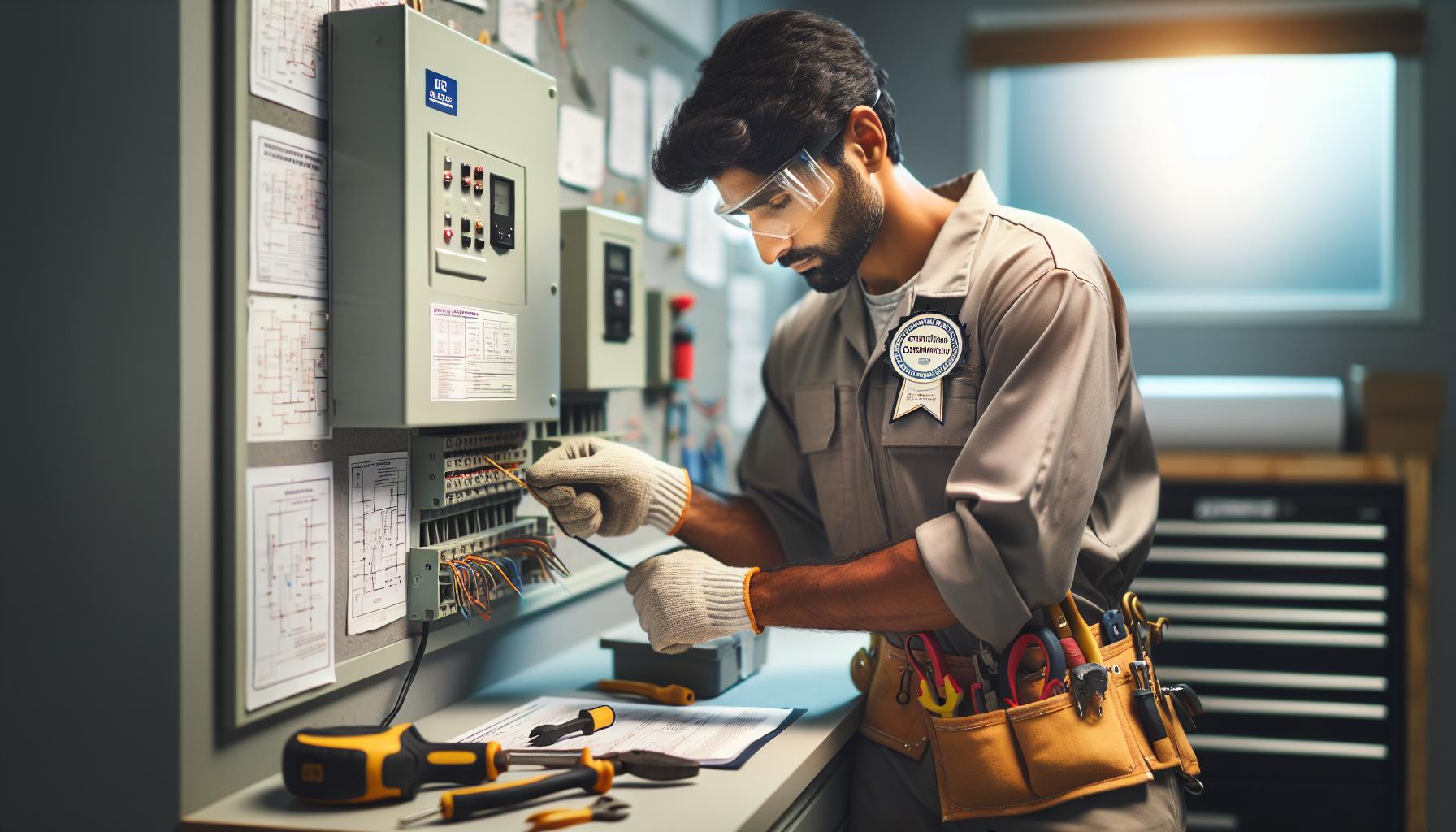
In today’s competitive landscape of the electrical trade in New York City, obtaining certifications can significantly impact an electrician’s earnings. Professionals who proactively acquire specialized certifications not only elevate their skill sets but also position themselves favorably in the job market, often leading to higher wage opportunities. Qualifications in areas like renewable energy systems, smart home technologies, or advanced safety protocols can differentiate electricians from their peers, ensuring that they are among the first choices for employers seeking skilled labor.
Investing in certifications can result in substantial financial rewards. For instance, electricians who hold certifications from recognized organizations, such as the National Institute for Certification in Engineering Technologies (NICET) or those specializing in electrical safety, can often command salaries 10% to 20% higher than their non-certified counterparts. This distinction not only reflects their superior knowledge and adherence to current practices but also assures employers that they are hiring an individual who has demonstrated a commitment to maintaining high standards and staying abreast of industry advancements.
Moreover, certifications often lead to opportunities in niche markets where specialized knowledge is paramount. Electricians certified in emerging technologies, such as electric vehicle (EV) charging stations or energy-efficient building designs, are increasingly sought after as cities move toward greener infrastructures. Therefore, those who diversify their skills through continuous education and certification programs are well-positioned to tap into these lucrative sectors, ultimately enhancing their earning potential and job security.
Overall, the emphasis on ongoing education and certification in the electrical field supports not only personal career growth but also plays a crucial role in maintaining safety and compliance in an evolving regulatory landscape. Electricians who prioritize certifications can leverage them to negotiate better salaries, making strategic professional development a cornerstone of their career advancement in NYC’s dynamic electrical industry.
Licensing Requirements for Electricians in NYC

In New York City, becoming a licensed electrician is not just a legal formality; it’s a pivotal step in ensuring safety, quality, and professionalism in the electrical trade. To engage in electrical work legally within the city, electricians must navigate a structured licensing system governed by the NYC Department of Buildings (DOB). This system comprises multiple levels of licenses, starting from the lowest tier of “Registered Electrician” to the more advanced “Master Electrician,” each with specific requirements to ensure that only qualified individuals perform significant electrical work.
To obtain a Master Electrician license, candidates typically must have at least seven years of experience, including a combination of formal training and on-the-job experience. Additionally, they must pass a rigorous examination that tests their knowledge of electrical theory, local electrical code, and safety standards. This ensures that licensed electricians not only possess practical skills but also an in-depth understanding of local regulations, which is crucial for maintaining safety in densely populated urban environments like NYC.
For those just starting, the journey often begins with becoming an electrician apprentice. Apprentices typically need to enroll in a recognized apprenticeship program, often run by unions or trade organizations, which combines classroom instruction with hands-on work. After completing the apprenticeship, which usually lasts four to five years, individuals can apply for a journeyman license. This intermediate level allows electricians to work independently but still under the oversight of a master electrician.
Furthermore, NYC electrical licensing requires ongoing education to maintain licenses and stay updated with the evolving National Electrical Code (NEC) and local amendments. Electricians are encouraged to pursue certifications in specialized areas such as solar energy installation or home automation, enhancing their credentials and marketability. This commitment to ongoing training can also lead to higher earnings; those with advanced training often find themselves in demand for increasingly complex jobs associated with modern technologies, such as electric vehicle charging stations and smart home systems. Ultimately, obtaining and maintaining appropriate licenses and certifications not only ensures compliance with the law but also sets the foundation for a successful and lucrative career in the electrical field.
Regional Salary Variations in the Greater NYC Area
In the Greater New York City area, salary variations for electricians can be significant, influenced by multiple factors such as geography, specific boroughs, and local demand for electrical work. For instance, electricians in Manhattan and Brooklyn often earn higher wages compared to their counterparts in the outer boroughs, such as Staten Island or parts of the Bronx. This is largely due to the cost of living in these areas, which is typically higher, alongside a greater concentration of buildings requiring skilled electrical work.
Electricians can expect to see a salary range that varies widely based on experience and specialty. Entry-level positions in the outer boroughs may start at around $40,000 annually, while seasoned electricians, particularly those with Master licenses, can earn upwards of $100,000 in areas like Manhattan where demand is high. Moreover, electricians who specialize in emerging technologies, such as solar panel installation and smart home systems, may command even higher salaries, reflecting the growing trend towards sustainable building practices and home automation.
Another critical aspect that affects salary is the type of employment. Electricians working for large commercial contractors may have different pay scales than those in residential or public sector roles. Additionally, factors such as union affiliation can also play a role; electricians who are members of unions tend to enjoy better wage benefits and job security compared to non-union workers.
In conclusion, understanding the regional disparities in electrician salaries across the Greater NYC area is vital for professionals in the field. By staying informed about local market demands and pursuing specialized training and certifications, electricians can position themselves to take advantage of the opportunities available in this dynamic job market.
Emerging Technologies for Electricians in NYC
In an era where technology is advancing at breakneck speed, electricians in New York City should be keenly aware of emerging technologies that are reshaping the electrical industry. These innovations not only enhance the efficiency of traditional electrical work but also open new avenues for higher earnings. For instance, the proliferation of smart home systems has become a significant area of focus. Electricians who are trained to install and maintain devices such as smart thermostats, intelligent lighting systems, and automated security solutions are finding themselves in high demand. With the ongoing shifts towards automation and environmental sustainability, the ability to manage these technologies can substantially elevate an electrician’s earning potential.
Another prominent trend is the growing market for electric vehicle (EV) chargers. As more consumers make the switch to electric vehicles, the demand for EV charging stations in both residential and commercial spaces is surging. Electricians equipped with the skills to install and maintain these charging solutions are likely to see a boost in their salary as businesses and homeowners look for certified professionals to meet their needs. By specializing in EV charging infrastructure, electricians can significantly differentiate themselves in a competitive job market.
Moreover, renewable energy solutions, particularly solar panel installation, are gaining traction in NYC. As the city pushes toward sustainability goals, there’s an increasing need for trained electricians to handle solar technologies. According to reports, specialists in this field can command high wages, reflecting the industry’s growth. Electricians who pursue additional certifications in solar energy systems not only enhance their skill set but also position themselves as sought-after professionals capable of navigating the complexities of modern electrical demands.
To stay ahead, electricians should continuously seek professional development opportunities in these emerging fields. Engaging in training programs and obtaining relevant certifications can directly impact career advancement and salary growth. By staying informed on the latest technologies and trends, electricians can secure their place in a rapidly evolving industry.
Job Outlook and Opportunities for Electricians
The demand for electricians in New York City is on a solid upward trajectory, bolstered by ongoing infrastructural developments, the expansion of green technologies, and an overall population increase. With the city’s commitment to modernizing its electrical systems and embracing renewable energy solutions, the job market is expected to remain robust in the coming years. In fact, the Bureau of Labor Statistics projects a job growth rate of about 11% for electricians nationwide from 2020 to 2030, indicating a vibrant and expanding profession that shows no signs of stagnation.
Electricians who specialize in emerging fields such as smart home technologies, electric vehicle (EV) charging installations, and renewable energy systems can direct their career paths toward lucrative opportunities. For instance, the expanding market for EV chargers promises substantial earnings as residential and commercial demand surges. Electricians who invest time in training and certification for these specific technologies will not only enhance their skill sets but also position themselves as leaders in a competitive job market. Likewise, electricians trained in solar panel installation and maintenance are becoming increasingly valuable as more homeowners and businesses look to invest in sustainable energy solutions.
In NYC, networking and professional development also play crucial roles in career advancement. Local trade organizations and unions often offer additional training and certification programs that can give electricians an edge. Participation in these organizations can lead to mentoring opportunities, access to job postings, and knowledge of the latest industry trends. Additionally, gaining experience in diverse environments-from commercial to residential sectors-ensures that electricians are well-rounded and adaptable to various job requirements.
As the electrical landscape continues to evolve, it’s essential for electricians in NYC to stay informed about technological advancements and market demands. By embracing continuous education, seeking out certifications, and following industry trends, electricians can enhance their job prospects and earnings potential significantly in this bustling metropolitan environment.
Common Tools and Equipment for Electricians
Electricians are akin to modern-day artists, wielding tools that not only enhance safety but also shape the environment with creativity and skill. To navigate their daily tasks effectively, electricians rely on a robust set of tools and equipment, each serving a specific purpose. Understanding these tools is crucial not only for new entrants into the profession but also for seasoned professionals aiming to optimize their workflow and outcomes in New York City’s dynamic landscape.
Essential tools that every electrician should have include:
- Multimeter: A versatile tool for measuring voltage, current, and resistance, allowing electricians to troubleshoot issues efficiently.
- Screwdrivers: A set of insulated screwdrivers is critical for safely working with live circuits.
- Pliers: Needle-nose and slip-joint pliers assist in gripping, twisting, and cutting wire.
- Wire Strippers: These specialized tools remove insulation from electrical wires without damaging the conductor.
- Cable Cutters: Essential for cutting through various types of cables, particularly in larger-scale installations.
- Tape Measure: An indispensable tool for ensuring accurate measurements when installing fixtures or layout planning.
- Drills and Bits: Used for making holes for wires and mounting hardware; a cordless drill enhances mobility.
In addition to these fundamental tools, electricians in NYC increasingly incorporate advanced equipment aimed at efficiency and safety. For instance, thermal imaging cameras can detect hotspots in electrical systems, preventing potential hazards before they escalate. Furthermore, in homes with smart technologies, electricians often require specialized tools for the installation and maintenance of smart home systems and electric vehicle (EV) chargers, which are becoming increasingly prevalent as the demand for green technologies grows.
Safety gear also plays a vital role in an electrician’s toolkit. Proper personal protective equipment (PPE), including insulated gloves, safety glasses, and hard hats, ensures that electricians remain safe while on the job. As the industry evolves and more electricians work with renewable energy systems and smart home technologies, keeping abreast of new tools and techniques is essential for remaining competitive and effective in the field. By investing in quality tools and continuously updating their skills, electricians can enhance their efficiency, reduce errors, and ultimately, drive their earnings potential in the competitive New York City market.
Understanding Electrical Fundamentals for Success
Every electrician’s success hinges on a foundational understanding of electrical principles and applications, which are vital for both safety and quality workmanship. Familiarity with concepts such as voltage, amperage, resistance, and load calculation is critical. For instance, voltage, measured in volts (V), represents the electrical potential that drives current through a circuit, while amperage, or current, measured in amperes (A), indicates the flow of electricity. The relationship among these elements is articulated in Ohm’s Law: V = I × R, where R is the resistance measured in ohms (Ω). Understanding this relationship helps electricians diagnose issues quickly and design effective systems for residential and commercial applications.
Another crucial aspect is conducting accurate load calculations to ensure that electrical systems can handle the expected loads without risk of overload. Load calculations help determine the appropriate sizing of circuit breakers, fuses, and wiring. This practice not only reinforces safety but maximizes efficiency. For example, improperly sized circuits can lead to overheating and potential fire hazards, making it imperative for electricians to evaluate all loads-lighting, appliances, and specialized equipment-before tenaciously designing or modifying electrical systems.
Moreover, as technology evolves, electricians in New York City increasingly encounter installations involving smart home features and electric vehicle (EV) charging stations. These emerging technologies require specialized knowledge and skills. Electricians should familiarize themselves with the necessary wiring configurations and installation standards for these systems, as they are rapidly becoming a norm in urban living. For instance, installation of Level 2 EV chargers demands not only an understanding of the electrical load but also compliance with local codes and standards to ensure safety and reliability.
To stay competitive, electricians must continually educate themselves about evolving technologies and industry regulations. Participation in ongoing training and certification programs enhances competencies, supporting career advancement opportunities. By not only mastering the core fundamentals but also integrating contemporary practices and tools, electricians can amplify their expertise, lead projects confidently, and ultimately increase their earning potential in the Big Apple’s vibrant job market.
Career Advancement Paths for NYC Electricians
As the electrical industry evolves, so too do the opportunities for electricians in New York City. Advancing your career in this vibrant market is not only achievable but essential for maximizing earnings and job satisfaction. Electricians often find that continuous education, certifications, and career specialization can significantly impact their career trajectories. Embracing these avenues can lead to roles such as project managers, electrical inspectors, or specialized technicians in emerging technology fields.
To facilitate career advancement, electricians should first focus on obtaining the necessary licenses and certifications. In New York, becoming a licensed journeyman or master electrician opens doors to more prestigious positions and higher salaries. Furthermore, pursuing additional certifications can provide an edge in the job market. For example, certifications in photovoltaic systems or smart home installation are particularly valuable as they align with the increasing demand for renewables and automated homes. Electricians can also consider participating in union programs or apprenticeships that offer structured paths to advancement and access to exclusive job opportunities.
Networking is another vital component of career growth. Joining local electrician associations or attending industry conferences in the NYC area can help build relationships with peers and decision-makers. These connections may lead to referrals, mentorship opportunities, and insights into job openings that are not widely advertised. Additionally, staying informed about industry trends-such as the integration of EV charging solutions and energy-efficient technologies-allows electricians to position themselves as experts in in-demand skill sets.
In terms of earnings, the level of expertise not only correlates with salary but also with job stability. According to industry reports, experienced electricians can expect to earn upwards of $80,000 per year in NYC, while those in specialized roles may command even higher wages. The critical takeaway is to remain proactive-investing in education, seeking certifications, leveraging networks, and embracing new technologies will pave the way for success in this ever-evolving field.
Tips for Maximizing Your Earnings as an Electrician
Maximizing earnings as an electrician in New York City requires a strategic approach, rooted in both skill enhancement and market awareness. With NYC being one of the most competitive job markets for tradespeople, focusing on specialization can set you apart. Embrace training in trending technologies such as photovoltaic systems or smart home automation. Electricians with expertise in these areas are increasingly sought after, and as a result, they can demand higher wages than their peers.
Networking and professional relationships are key components of career growth. Attend industry events, join local electrician associations, and engage with professionals on platforms like LinkedIn. These networks are not just for job leads; they provide valuable insights into industry standards and emerging trends. Referrals can also lead to lucrative job opportunities. For instance, many high-paying jobs in NYC are not advertised publicly, and personal connections can give you an edge in securing these positions.
Furthermore, obtaining additional certifications can have a significant impact on your salary. Certifications related to safety practices, advanced electrical systems, or specific tools increase your value in the eyes of employers. Consider pursuing roles that require specialized knowledge, such as becoming a certified electrical inspector or a project manager. These roles often come with higher salary brackets and job stability.
Lastly, effective utilization of tools and technology is crucial for operational efficiency and safety, which can also enhance your earnings. Staying updated on the latest tools can improve your productivity on the job, allowing you to take on more projects and increase your overall income. Invest time in mastering essential skills such as load calculations and understanding fundamental electrical principles. Being well-versed in these areas not only boosts your confidence-making you more appealing to employers-but also lays a solid foundation for advanced work. By strategically enhancing your skills, expanding your professional network, and embracing specialization, you can significantly increase your earning potential as an electrician in NYC.
Q&A
Q: What is the average salary of an electrician in New York City?
A: The average salary for an electrician in New York City is approximately $70,000 to $85,000 per year, depending on experience and specialization. This can vary significantly based on the specific type of electrical work and the demand in different NYC neighborhoods.
Q: What factors affect an electrician’s salary in NYC?
A: Several factors influence an electrician’s salary in NYC, including years of experience, level of certification, type of electrical work (residential vs. commercial), and the current demand for electricians in the area. Additional skills in emerging technology can also increase earning potential.
Q: How does certification impact electrician earnings in NYC?
A: Certification can significantly boost an electrician’s earnings in NYC. Electricians with specialized certifications (like those for renewable energy technologies) typically command higher wages due to their expertise. Investing in ongoing education can lead to better job opportunities and salary growth.
Q: What is the salary range for entry-level electricians in NYC?
A: Entry-level electricians in NYC usually earn between $40,000 and $55,000 annually. This range can vary based on the specific employer, industry demand, and any additional apprenticeships or training undertaken prior to full employment.
Q: Are electricians in NYC compensated differently in various boroughs?
A: Yes, electrician salaries can vary significantly across NYC boroughs. For example, electricians in Manhattan may earn more due to the higher cost of living and increased demand, whereas those in the Bronx or Staten Island may have slightly lower average wages.
Q: What are the job prospects for electricians in New York City?
A: The job prospects for electricians in NYC are promising, with a steady demand driven by ongoing construction projects and the city’s aging infrastructure. Emerging technology sectors, such as smart homes and renewable energy, create additional opportunities for skilled electricians.
Q: How can electricians maximize their earnings in NYC?
A: Electricians can maximize their earnings in NYC by obtaining additional certifications, specializing in high-demand areas like renewable energy, networking within the industry, and seeking out diverse job opportunities in both residential and commercial sectors.
Q: What is the impact of the cost of living on electrician salaries in NYC?
A: The high cost of living in NYC directly impacts electrician salaries, as employers often adjust wages to attract and retain skilled workers. Electricians earning competitive salaries still need to budget carefully to accommodate living expenses, which can be significantly higher than in other regions.
Insights and Conclusions
As you’ve discovered, becoming an electrician in NYC offers not just a rewarding career but also competitive salaries that reflect your skill level and experience. Whether you’re just starting or looking to advance, understanding the nuances of licensing, certifications, and industry standards is crucial for success. Consider exploring our in-depth articles on electrician career stages and the latest in electrical technology, including smart home systems and EV chargers, to enhance your expertise further.
Don’t wait to take the next step-subscribe to our newsletter for the latest industry updates and tips that empower your career advancement. Join the conversation by sharing your thoughts in the comments or asking questions; we love hearing from you! Remember, the more you know, the more you earn-so dive into our resources to maximize your potential in this thriving field.