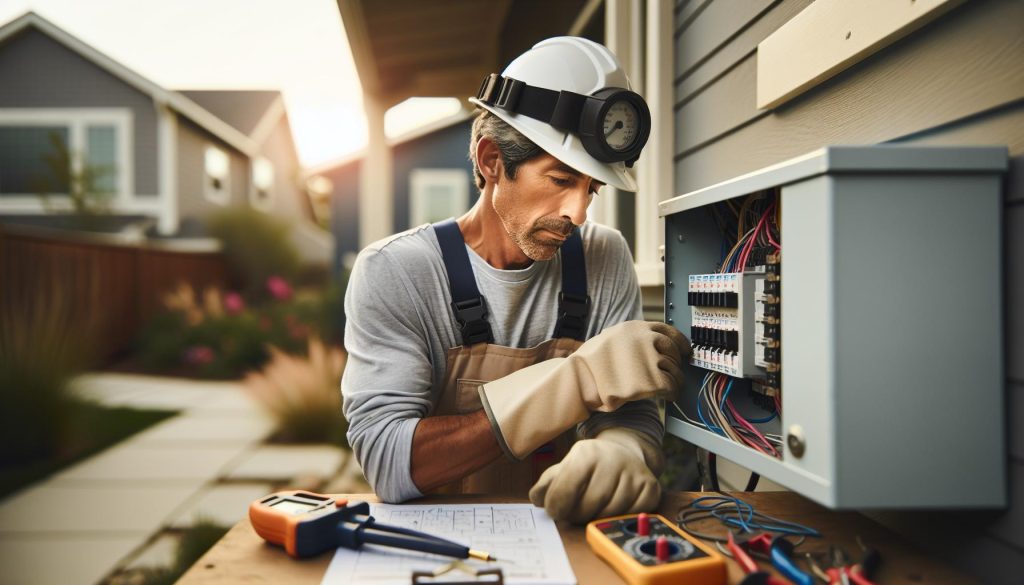
Are you tired of tripping breakers and flickering lights every time you use multiple appliances? Increasing the amperage in your house can be a game-changer, providing the necessary power for modern devices and ensuring a safer electrical system. In this guide, we’ll delve into the essentials of service upgrades, exploring how to assess your current usage and when it’s time to call in a professional. By understanding the significance of proper amperage, you can enhance your home’s energy efficiency, improve safety standards, and elevate your overall comfort. Ready to power up your living space? Let’s explore the pivotal steps to make it happen.
How Amperage Affects Your Home’s Electrical System
Amperage plays a crucial role in determining how effectively your home’s electrical system supports your lifestyle. Essentially, amperage, or the flow of electric current, dictates the amount of electricity available for use in your home. When your electrical service is insufficient, you risk strain on circuits, which may lead to tripped breakers, or worse, fires. Therefore, understanding how amperage impacts your electrical system is key to maintaining both safety and functionality.
Modern households are increasingly reliant on electrical devices, from high-efficiency appliances to electronic home entertainment systems. Each of these devices requires a certain amount of amps to function efficiently. For instance, a refrigerator may require about 6-8 amps, while a central air conditioning unit can demand upwards of 30 amps. Without adequate amperage, you may encounter overloads, resulting in frequent circuit interruptions. This illumination of the amperage’s importance not only underscores the necessity for a service upgrade but also highlights why assessing your current usage is critical in identifying potential deficiencies.
Moreover, as we shift toward a more electrified lifestyle-think electric vehicle (EV) chargers and smart home technologies-the demand for increased amperage will likely continue to grow. Homeowners may find themselves needing to upgrade their existing electrical panels from 100 amps to 200 amps or more to accommodate these modern amenities. Understanding this relationship between amperage and your home’s electrical needs empowers homeowners to make informed decisions regarding upgrades and ensures that their systems are not only safe but capable of supporting future enhancements as well.
Key Considerations
- Identify Heavy Loads: Catalog all devices and their amperage requirements.
- Monitor Circuit Performance: Watch for tripping breakers or dimming lights, which indicate an overloaded circuit.
- Planning for the Future: Consider anticipated electrical needs when evaluating your service capacity.

Understanding the Benefits of a Service Upgrade
Upgrading your electrical service can be one of the smartest moves for a modern homeowner, providing both immediate benefits and long-term peace of mind. A recent surge in smart home technology, electric vehicles, and high-demand appliances has increased the electrical load in households significantly. This shifting landscape makes it essential to ensure that your electrical system can accommodate new energy needs, thus avoiding costly issues like electrical fires or frequent circuit interruptions.
One key benefit of a service upgrade is enhanced safety. Older electrical systems often operate at capacity or near it, which poses a risk of overheating and potential fire hazards. By increasing your amperage, you enhance the reliability of your home’s electrical system, ensuring it can safely support all devices in use. In addition, insurance companies recognize upgraded systems as lower risk, which may lead to more favorable coverage rates.
Moreover, higher amperage expands your home’s future potential. If you’re planning to install additional appliances, like a home theater system or an electric car charger, a service upgrade positions your home well for these changes. For example, upgrading from a 100-amp to a 200-amp service not only meets today’s demands but prepares your home for tomorrow’s technology needs, helping to avoid another disruptive upgrade down the line.
A practical consideration is the financial return on investment. While upfront costs can appear significant, the improved functionality and safety of an upgraded service can lead to reduced electricity bills due to enhanced energy efficiency. Furthermore, homes with updated systems are often valued higher on the market, appealing to prospective buyers who prioritize modern electrical capabilities.
By upgrading your electrical service, you ensure that your home remains not just functional, but optimized for current and future electrical demands. Whether driven by safety, functionality, or investment potential, understanding these benefits helps guide homeowners in making informed decisions about their electrical systems.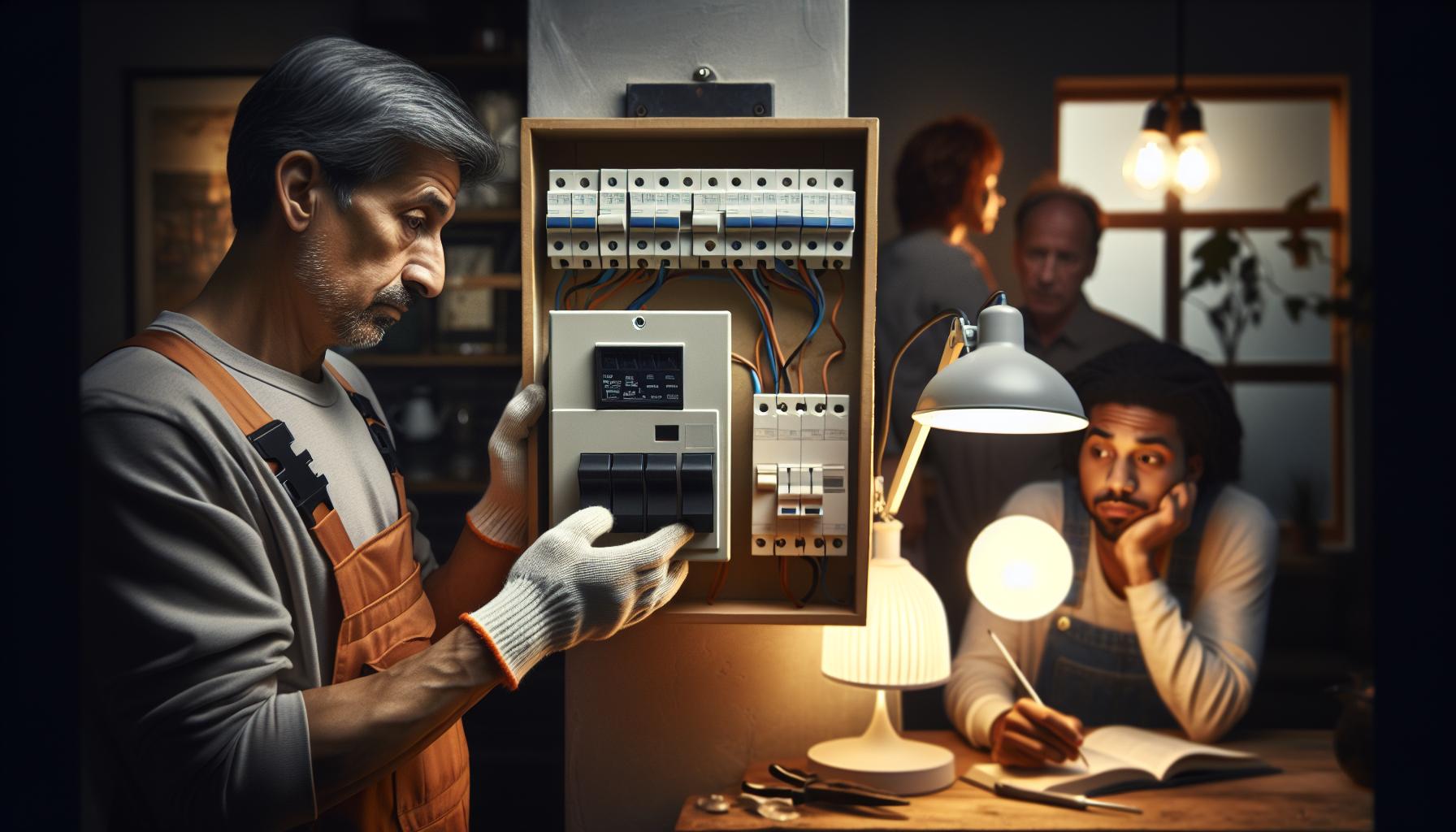
Identifying Signs You Need More Amperage
Households today are increasingly reliant on a multitude of electronic devices, often leading to questions about the adequacy of existing amperage. Recognizing the signs that indicate you need more amperage can prevent potential hazards and enhance the overall efficiency of your electrical system. One major indicator is flickering or dimming lights, especially when appliances like refrigerators or air conditioners kick on. If your lights dim momentarily with each surge, it’s a strong signal that your current service might be overwhelmed, and an upgrade could be necessary.
Another sign is frequently tripped circuit breakers. While it’s normal for breakers to trip occasionally, frequent occurrences can indicate that your circuits are overworked. If you find yourself constantly resetting breakers, it may be time to evaluate your amperage capacity and consider an increase. Additionally, if you regularly experience burnt-out light bulbs or malfunctioning electronics, these issues could stem from voltage drops related to insufficient amperage supporting your circuits.
Modern appliances often come with high power demands. If your home has added significant appliances or technologies, such as electric vehicle chargers, advanced HVAC systems, or home theaters, you may outgrow your original amperage capacity. Homeowners should also take stock if they plan to add further appliances in the future; an early assessment ensures that the electrical system can accommodate future demands, rather than forcing reactive adjustments later.
Lastly, the age of your electrical system is critical. Homes built several decades ago often had a standard amperage of 60 or 100 amps, which is inadequate for today’s requirements. If you are living in an older home, it might be wise to consult with an electrician to determine if an upgrade to a 200-amp service is warranted. This proactive step not only amplifies your capacity to handle modern loads but also enhances safety by reducing the risk of overheating and electrical fires.
Essential Steps to Evaluate Your Electrical Needs
Evaluating your electrical needs is a crucial step in determining whether a service upgrade is necessary. A systematic approach will enable you to assess your current electrical capacity, understand your power requirements, and anticipate future demands that may arise from modern appliances and technology. Begin by taking stock of all the devices and appliances currently in use. Create a list that highlights their wattage requirements; this information can typically be found on the appliance tags or in their manuals. Knowing the power needs of your household will assist in making informed decisions regarding amperage requirements.
Next, consider the concept of load calculation. This process involves calculating the total electrical load in your home to ensure that your current system can handle it safely. To perform a basic load calculation, add up the wattage of all the circuits in use, then divide this total by the voltage of the system (usually 120 volts for standard outlets). The result will provide you with an estimated amperage requirement, guiding you in determining whether your current service is sufficient. It’s advisable to consult the National Electrical Code (NEC) guidelines to assist in these calculations for compliance and safety.
In addition to the current load, consider potential future expansions. If you plan to add high-demand appliances in the near future, such as electric vehicle (EV) chargers or smart home systems, it’s prudent to factor these into your calculations now. Failing to prepare for future needs could lead to overloading your system later, resulting in costly repairs or hazardous situations.
Lastly, don’t overlook the importance of consulting with a qualified electrician. Their expertise can help identify potential sources of power inefficiency and ensure your calculations align with local codes and standards. Additionally, an electrician can provide insights into the best practices for upgrading your system to accommodate modern demands. By taking these essential steps, you can confidently determine your home’s electrical needs and make informed decisions about service upgrades.
How to Choose the Right Electrical Service Size
Choosing the appropriate electrical service size is critical in ensuring that your home can handle its current and future electrical demands without risks of overload or insufficient power supply. Understanding your household’s electrical consumption is the first step in making an informed decision. Consider how modern living has evolved; a typical home is now equipped with numerous high-demand devices, such as smart appliances, gaming consoles, and electric vehicles. Therefore, opting for a higher amperage can not only accommodate these needs but also ensure efficiency and safety.
Start by evaluating your current power usage through a detailed load calculation. This entails listing all major appliances and electronic devices, along with their wattage and the duration of operation. The calculation is straightforward: combine the wattage of all appliances you expect to use simultaneously, then divide by the voltage (typically 120 or 240 volts) to estimate your required amperage. For instance, if you have a total wattage of 10,000 watts running simultaneously, dividing by 240 volts tells you that you need approximately 42 amps. This method can help clarify if your existing service size suffices or if an upgrade to a 200-amp service is warranted.
It’s essential to consider future needs during this assessment, as upgrades can be costly and disruptive. If you anticipate installing high-powered devices like an electric vehicle charger, or if your family is likely to expand, factor these into your calculations. Additionally, reviewing local electrical codes is crucial, as they dictate minimum service sizes for various types of homes. Some areas might mandate a minimum of 150 amps for newly built residences, making this a helpful particularity to assess before deciding.
Once you have a firm understanding of your current and future needs, selecting the right electrical service size becomes more straightforward. Collaborate with a licensed electrician to review your calculations and ensure compliance with local regulations. Their expertise will provide you with insights into optimal panel sizes and configurations that align with your home and lifestyle. A qualified electrician can also guide you in navigating the complexity of electrical upgrades, including necessary permits and codes, ensuring a safer and more efficient electrical system for your home.
Navigating Local Electrical Codes and Permits
Navigating the landscape of local electrical codes and permits can often feel like a daunting task, especially when planning a service upgrade to increase your home’s amperage. Each municipality has its own regulations that are designed to ensure safety and compliance, which is crucial for both your safety and the integrity of your electrical system.
Understanding your local electrical codes begins by consulting the guidelines set forth by your city or county government, as well as the National Electrical Code (NEC) standards. These codes will specify the minimum allowable amperage for different types of residences and dictate the installation processes for upgrades, including panel changes and additional circuitry. Before starting any electrical work, it’s advisable to check if your jurisdiction mandates that specific certifications or licenses are held by the electrician performing the work. Additionally, these codes may outline any necessary inspections during and after the upgrade, which most municipalities require to confirm compliance and safety.
Permits are another essential aspect of the upgrade process. Generally, a permit will be required for significant alterations to your home’s electrical system, which includes increasing amperage. Applying for a permit often entails submitting detailed plans of the proposed work along with your application. Some areas may require a licensed electrician to pull the permit on your behalf, ensuring that all work is coordinated and complies with local standards. The permitting process can vary in length, so it is wise to factor this into your overall timeline and budget for the upgrade.
Incorporating renewable technologies, such as solar panels or electric vehicle chargers, may also require additional permits or adherence to specific codes. Homeowners should stay informed about evolving standards especially as the energy landscape changes, so ongoing education and communication with your local building department can be advantageous.
In summary, thorough knowledge of local codes and the permit process is critical when planning to increase the amperage to your home. Staying proactive in understanding and complying with these regulations not only promotes safety but also protects your investment, ensuring your electrical system can sustainably support your modern lifestyle.
The Cost Breakdown of a Service Upgrade
Upgrading your home’s electrical service is not just a matter of convenience; it is also a financial investment that can significantly improve your home’s functionality and safety. Homeowners can expect to pay anywhere from $1,500 to $3,000 or more for a substantial service upgrade, depending on various factors such as the current amperage, the desired increase, and the specific requirements of the job. Understanding how to navigate these costs will help ensure your investment is both efficient and effective.
Several components contribute to the overall cost of a service upgrade. These include:
- Labor Costs: Hiring a qualified electrician is imperative for the safety and compliance of your home’s electrical system. Labor rates can vary, but you might pay between $50 and $100 per hour. This cost can be influenced by the electrician’s experience, regional rates, and the complexity of the work.
- Materials: The materials required for the upgrade can range from circuit breakers, wiring, and a new electrical panel, all of which can add up. For example, a new panel might cost between $800 and $1,500, based on its capacity and brand.
- Permits and Inspections: Local jurisdictions often require permits for electrical work, which can cost from $50 to several hundred dollars, depending on your area’s regulations. Inspections might also incur separate fees, adding to the total cost.
- Upgrades to Electrical Fixtures: If your upgrade involves adding new circuits for modern appliances or systems like EV chargers or smart home devices, factor in these additional costs as they can significantly increase the overall budget.
Budgeting for unexpected expenses during the upgrade is also wise. Issues may arise, such as outdated wiring that needs to be replaced or unforeseen permitting conditions, which can further increase costs. For homeowners seeking to enhance their electrical capacity for modern demands-like high-demand kitchen appliances or home office equipment-a service upgrade is not merely a luxury but a necessity. By accurately considering the components outlined above and planning accordingly, you can ensure your electrical system evolves with your lifestyle while maintaining both safety and performance.
Choosing the Right Electrician for Your Upgrade
When it comes to upgrading your home’s electrical service, selecting the right electrician is crucial for ensuring safety, compliance, and performance. A skilled professional not only understands the intricacies of electrical systems but also possesses the necessary licenses and certifications to handle complex tasks, particularly those involving an increase in amperage. In the United States, the average salary for an electrician varies significantly depending on factors like region and experience; those just starting in the field can earn around $40,000, while seasoned electricians can make upwards of $70,000 annually. By investing in a qualified electrician, you can save on future repairs and enhancements that might arise from hiring an inexperienced individual.
To make an informed choice, start by checking their credentials. Qualified electricians should hold proper licenses required by your state and be insured to protect against accidental damages. Additionally, look for electricians who are certified by recognized bodies like the National Electrical Contractors Association (NECA) or similar organizations, as these certifications indicate a commitment to ongoing education and adherence to industry standards.
It’s also beneficial to evaluate the electrician’s experience with service upgrades specifically. Not all electricians have the same level of expertise in this area, so ask about their past projects and request references where possible. A knowledgeable electrician should be familiar with local building codes and be able to navigate the permit process on your behalf, which can save you time and trouble.
Lastly, gather multiple quotes to compare pricing structures. While the lowest bid may seem appealing, it’s essential to consider the quality of materials and workmanship included in the quote. A comprehensive estimate should encompass labor costs, materials, permitting, and any potential unforeseen expenses. By focusing on these aspects, you can ensure you make a well-rounded choice, ultimately leading to a safer and more efficient electrical system that meets your growing needs.
DIY Considerations for Increasing Amperage
Increasing your home’s amperage can significantly enhance your capacity to power modern appliances, yet undertaking this task yourself requires careful consideration. Many homeowners gravitate toward DIY projects to save on costs, but amperage upgrades are complex and potentially hazardous if not approached with a comprehensive understanding of electrical systems. Understanding the principles and legalities surrounding electrical work is crucial as it can impact both safety and functionality.
Before deciding to increase amperage on your own, it’s vital to assess your current electrical setup thoroughly. Begin by reviewing your existing panel and circuits. You’ll want to identify any outdated components that may not handle increased loads. For instance, older wiring often cannot handle the demands of today’s high-energy appliances. Additionally, you must ensure that your main panel has enough vacant slots to accommodate new circuit breakers, as increasing amperage typically requires adding circuits. Using a simple load calculation can help determine your home’s total current needs; sum the amperages of all devices you plan to use concurrently and see if your current setup can support it.
Equally important are local codes and regulations. Electrical work, especially alterations that modify the amperage, often requires permits and must adhere to the National Electrical Code (NEC) or local amendments to ensure safety and compliance. It is highly recommended to contact your local building authority to understand what is needed for your specific situation. Failure to do so can result in fines or mandatory alterations that could negate your DIY efforts.
Finally, remember that while the allure of saving money might inspire a DIY approach, the stakes are high in electrical work. If you encounter a situation beyond your expertise, consider enlisting a licensed electrician. Investing in a professional not only ensures compliance but also grants peace of mind knowing that the work is performed safely and correctly. The cost savings gained from a DIY project could be overshadowed by the dangers of improper handling or the financial burden of rectifying mistakes.
Upgrading Your Panel: What to Expect
Upgrading your electrical panel is a crucial step to ensuring that your home can meet the demands of modern living. It’s not just about increasing the amperage; it involves updating the infrastructure that keeps your home powered safely and efficiently. When you decide to undertake this upgrade, you can expect a series of systematic procedures, from assessing current capabilities to installing new components, all while adhering to local codes and safety regulations.
First and foremost, prepare for a comprehensive evaluation of your existing panel. An electrician will inspect not just the panel itself but also the wiring and power supply to ensure that your system can handle a higher amperage. This includes determining the condition of the existing circuits, identifying any outdated breakers, and inspecting wiring to guarantee that everything meets current electrical standards. It’s essential to communicate your power needs clearly, as these will heavily influence what upgrades are necessary. For instance, if you’re planning on adding appliances like an electric vehicle (EV) charger or a high-capacity HVAC system, the amperage may need to be significantly increased.
What the Upgrade Process Looks Like
The actual upgrade process often includes the following steps:
- Shutting Off Power: Safety is paramount-an electrician will turn off the main power supply before beginning any work.
- Removing the Old Panel: This involves detaching your old electrical panel and any outdated breakers and wiring.
- Installing the New Panel: The new electrical panel will be mounted, with space for additional circuit breakers, accommodating higher amperage.
- Rewiring: New wiring may be necessary if existing circuits do not meet the demands of your system.
- Testing: Once installed, the entire system will be tested to ensure everything functions correctly and safely.
Throughout this process, compliance with the National Electrical Code (NEC) is vital, as is obtaining any necessary permits. The electrician should take care of these details, ensuring that all work is documented and inspected where required. Additionally, the total time for the upgrade could range from a few hours to a couple of days, depending on the complexity of the job and whether any unforeseen issues arise.
Finally, expect some investment in this upgrade-not just in financial terms but also in potential disruptions to your daily routine. However, the benefits of increased capacity for modern appliances, enhanced safety, and improved energy efficiency will make the upgrade worthwhile. With the correct setup, your home will be future-proofed, ready to accommodate technological advancements for years to come.
The Impact of Modern Appliances on Amperage Needs
In today’s technologically advanced world, the demand for electrical power in residential settings is rapidly increasing, significantly impacting the amperage needs of homes. Modern appliances such as electric vehicles (EVs), high-efficiency HVAC systems, and energy-hungry kitchen gadgets all require a substantial amount of electricity, necessitating upgrades to existing electrical panels to handle the extra load. For instance, while older homes might have been designed to accommodate a mere 60 or 100 amp service, contemporary households often need 200 amps or more to ensure efficiency and safety.
Electric vehicles are a prime example of changing energy needs. The installation of a Level 2 home charging station can require upwards of 40 amps alone, which may exceed the capacity of outdated electrical systems. Similarly, high-capacity appliances like electric dryers, induction cooktops, and even home automation systems that integrate smart technologies can dramatically increase the total load on your electrical system. As a result, homeowners must re-evaluate their current infrastructure to accommodate these essential appliances, ensuring that not only does the panel have sufficient capacity, but that wiring and breakers are also rated appropriately.
Evaluating Your Power Needs
To determine whether your home’s electrical system can handle modern appliance demands, consider conducting a load calculation. This involves assessing the total wattage of all appliances you intend to use simultaneously and converting that into amperage using the formula: Amperage = Watts/Voltage. For example, if you plan to run a 5,000-watt oven while also charging an EV at 40 amps, the total demand could quickly surpass your panel’s capacity, leading to potential safety hazards.
By understanding how the surge in appliance power requirements influences overall amperage needs, homeowners can make informed decisions about their electrical service upgrades. Additionally, an experienced electrician can provide insights into the latest technology, such as smart panels that integrate renewable energy sources and enhance energy efficiency, allowing you to be well-prepared for future developments in home electrification.
Future-Proofing Your Home’s Electrical System
In the rapidly evolving landscape of home technology, future-proofing your electrical system is not just a luxury-it’s a necessity. As power demands continue to accelerate due to smart home devices, energy-efficient appliances, and electric vehicles, ensuring that your home is equipped to handle these changes is crucial. A well-designed electrical system can save homeowners from costly upgrades down the line and enhance the overall safety and functionality of their living spaces.
One effective strategy for future-proofing is to upgrade your electrical service capacity. When planning your upgrade, aim for a minimum of 200 amps, which is generally considered the standard for modern homes. This capacity not only accommodates current electricity demands but also allows for the addition of future devices without significant system overhauls. Homeowners should work with a qualified electrician to evaluate their unique power needs, considering all potential appliances and technologies, and conduct a comprehensive load calculation. This proactive approach ensures that your system will be robust enough to support emerging technologies and appliances.
Moreover, integrating smart technology into your electrical system can enhance its efficiency and usability. Smart panels and home automation systems can provide real-time monitoring of your electrical usage, helping to identify potential overloads before they become an issue. Installing Level 2 EV chargers and renewable energy sources like solar panels can also contribute to a sustainable and efficient energy system, further reducing dependency on traditional power sources. By investing in these technologies now, homeowners can mitigate future energy needs while promoting a greener lifestyle.
Lastly, staying informed about local electrical codes and regulations is essential for any upgrade. Regulations can change, particularly with advancements in technology and energy sources. Ensuring compliance not only enhances safety but may also avoid legal complications and fines. Consulting with a certified electrician who is up-to-date with the latest codes will help ensure your upgrades meet all necessary requirements while aligning with best practices for energy efficiency and safety.
Frequently Asked Questions
Q: How can I determine if my electrical panel needs an upgrade?
A: To determine if your electrical panel needs an upgrade, check for signs like frequent breaker trips, flickering lights, or outlets that feel warm. Also, consider your appliance load. If you regularly exceed your panel’s capacity, it might be time for an upgrade. Refer to the “Identifying Signs You Need More Amperage” section for more details.
Q: What type of electrician should I hire for an amperage upgrade?
A: Hire a licensed electrician with experience in service upgrades. Look for professionals who are knowledgeable about local codes and have positive reviews or references. The “Choosing the Right Electrician for Your Upgrade” section provides tips on how to find the right expert for your needs.
Q: How do local electrical codes affect my amperage upgrade?
A: Local electrical codes dictate safety standards and specifications for electrical work. Complying with these codes is crucial for legal and safety reasons. Before proceeding, consult your local building department to ensure your planned upgrade adheres to regulations, as discussed in the “Navigating Local Electrical Codes and Permits” section.
Q: What are the costs associated with increasing my home’s amperage?
A: The cost of increasing your home’s amperage varies widely depending on your current system, the desired upgrade, and labor costs. Typical expenses include new wiring, circuit breakers, and labor fees. For a detailed breakdown, refer to the “Cost Breakdown of a Service Upgrade” section.
Q: How can upgrading my amperage improve home safety?
A: Upgrading your amperage can improve home safety by reducing the risk of electrical fires and ensuring that your system can handle modern appliances’ demands. An updated system also minimizes overheating and potential equipment damage, providing better overall home safety.
Q: When is the best time to consider an amperage service upgrade?
A: The best time to consider an amperage service upgrade is when you plan to remodel, add significant new appliances, or if your current system frequently trips breakers. Evaluate your electrical needs regularly, especially when installing new technology or renovation, for optimal efficiency.
Q: What if I attempt to upgrade my amperage on my own?
A: Attempting a DIY amperage upgrade can be dangerous and may violate local codes. Without proper knowledge, you could risk safety hazards or insufficient upgrades. It is strongly recommended to hire a qualified electrician to ensure compliance with safety standards and codes.
Q: How do modern appliances impact my amperage requirements?
A: Modern appliances often require significantly more power than older models, increasing your amperage needs. When upgrading, consider the total load from all devices, especially high-demand items like HVAC systems and electric vehicles. The “Impact of Modern Appliances on Amperage Needs” section elaborates on this.
For additional insights, consider exploring the various topics covered in the main article, which provide comprehensive information on electrical system enhancements and safety measures.
In Summary
As you consider increasing the amperage to your home, remember that a service upgrade is not just an enhancement; it’s an essential step towards accommodating modern electrical needs. By following the tips outlined, you can ensure that your home remains safe, efficient, and ready for today’s technology demands. Don’t wait-taking action now can prevent potential electrical issues down the line.
For more insights, explore our detailed guides on electrical safety standards and DIY electrical projects that can empower your home improvement journey. Additionally, if you’re interested in understanding the latest advancements in smart home tech, we’ve got you covered there too!
Join our community by signing up for our newsletter to stay updated on best practices and cutting-edge developments in the electrical field. Your questions and experiences matter-share your thoughts in the comments below. Together, let’s elevate your home’s electrical capabilities!