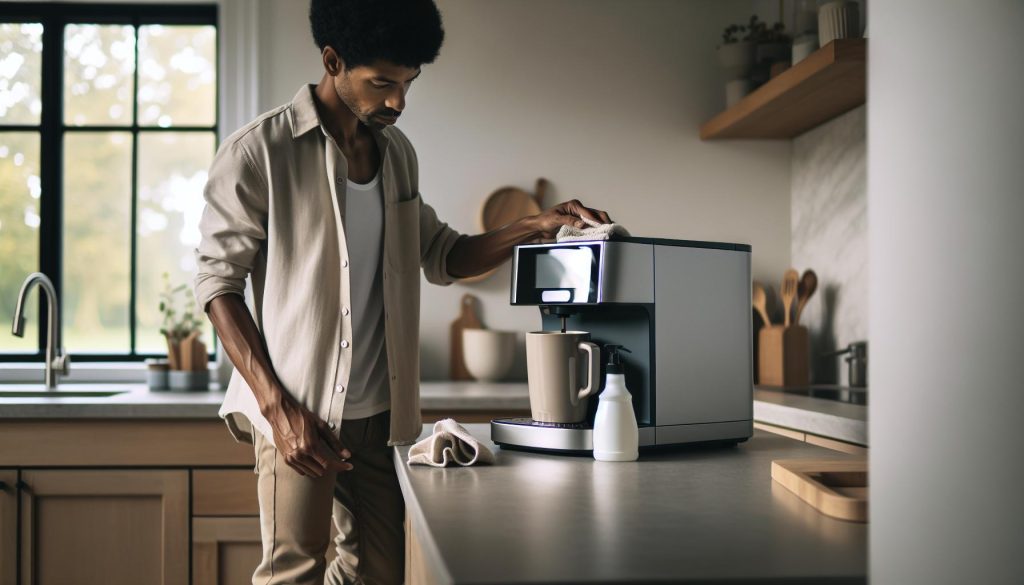
Did you know that a dirty coffee maker can significantly impact the taste of your favorite brew? Regular maintenance, specifically cleaning your electric coffee maker, is essential not only for the quality of your coffee but also for the longevity of the machine. Over time, mineral buildup and coffee residue can lead to clogs and malfunctions, which may frustrate even the most dedicated coffee enthusiasts. By implementing a proper cleaning routine, you’ll ensure every cup of coffee tastes fresh, and you’ll enhance the efficiency of your appliance. Keep reading to discover professional maintenance tips that will help you keep your coffee maker in optimal condition, so you can enjoy your daily caffeine fix without a hitch!
How to Identify Your Coffee Maker’s Cleaning Needs
Identifying when your coffee maker requires cleaning is essential for maintaining optimal performance and ensuring that every cup of coffee tastes its best. Over time, coffee makers can accumulate mineral deposits, oil residues, and coffee grounds, all of which can affect the flavor of your brew. One critical indicator that your coffee maker may need a thorough cleaning is a noticeable change in taste-in particular, a bitter or stale flavor in freshly brewed coffee. This can flag the buildup of coffee oils and mineral deposits that interfere with your machine’s functionality.
Another sign to watch for is the presence of coffee grounds in your cup despite proper use of a filter. This can indicate that the filter holder or brew basket is dirty or clogged, necessitating immediate attention. Pay attention to brewing times as well; if your coffee maker is taking significantly longer to brew than usual, it may be an indication that it’s time for a deep clean. Additionally, watch for any unusual noises during the brewing process. Strange or unexpected sounds can suggest that your machine’s internal components are struggling due to mineral buildup.
To keep your coffee maker in optimal condition, adopt a proactive approach. Regularly check the water reservoir and other components for any signs of scaling or buildup. Utilize a simple routine that involves cleaning your coffee maker after every few uses-this can include rinsing the brew basket and reservoir and wiping down the exterior. For deeper cleanings, a thorough inspection every month or so, combined with a descaling solution, can help prevent buildup and extend the life of your coffee maker. By recognizing these signs and adhering to a cleaning schedule, you’ll ensure a consistently great tasting cup of coffee and maintain your coffee maker’s longevity.
Essential Supplies for Effective Coffee Maker Cleaning
Cleaning your coffee maker effectively requires some essential supplies that can make the process smooth and thorough. To start, you’ll need a few basic materials that not only aid in the cleaning but also help restore the machine’s functionality and flavor-enhancing properties.
First on your list should be white vinegar. This versatile, eco-friendly cleaning agent is excellent for breaking down mineral deposits that accumulate over time. Use a solution of equal parts vinegar and water to run through the machine as a deep clean. It’s an effective and inexpensive method to keep your coffee maker in prime condition. Another vital supply is baking soda, which serves as a gentle abrasive to tackle stubborn stains and odors. Mix a few tablespoons with water to create a paste that can scrub various parts of the coffee maker without scratching surfaces.
Additionally, having paper filters or a reusable filter on hand is crucial for flushing out residues and ensuring no leftover debris affects your future brews. You might also consider dish soap and a soft sponge for wiping the exterior and parts like the carafe and brew basket. A clean, lint-free cloth is ideal for drying and buffing your coffee maker to a polished finish after cleaning.
Lastly, implementing descaling solutions specifically designed for coffee makers can significantly enhance maintenance. These solutions are tailored to dissolve build-up and keep your machine performing well without any harsh chemicals. By being equipped with these essential supplies, you’ll be well-prepared to maintain the performance and taste quality of your coffee maker, ensuring each cup is as delightful as the last.
Step-by-Step Guide to Cleaning Different Types of Coffee Makers
Cleaning different types of coffee makers can seem daunting, but following a straightforward, methodical approach can make the process efficient and effective. Start by identifying the specific type of coffee maker you have, as the cleaning methods may vary. Here’s a detailed guide tailored for various popular coffee maker types: drip coffee makers, single-serve machines, and French presses.
For drip coffee makers, the cleaning process begins with emptying the carafe and removing the used coffee grounds. Fill the water reservoir with a solution of equal parts white vinegar and water. Run a brewing cycle to clean the internal components. After the cycle is complete, allow the machine to sit for about 15-30 minutes, letting the vinegar solution tackle any stubborn mineral buildup. Finish by running two to three cycles with plain water to flush out any remaining vinegar smell or residue.
Single-serve coffee makers, such as those using K-Cups, require a slightly different approach. Begin by removing and cleaning the water reservoir, lid, and drip tray with warm soapy water. For the internal components, run a cycle with a vinegar and water mixture as mentioned earlier. Additionally, consider running a cycle with just water to rinse. Regularly clean the needle used for piercing the coffee cartridges-this is often overlooked but crucial for maintaining flavor. A simple paperclip can help remove any clogged coffee grounds.
When it comes to French presses, the cleaning process is straightforward but often neglected. After your brew, immediately dispose of the coffee grounds (composting them can be a good option). Disassemble the press and wash the carafe and filter with warm soapy water. A gentle scrub with a sponge is often enough, but for tough stains, consider using baking soda as a mild abrasive. Rinse thoroughly to ensure no soap residue remains before reassembling and using again.
To keep your coffee makers in prime condition, develop a routine that includes these cleaning practices tailored to your specific machine. Regular maintenance not only ensures a better tasting cup of coffee but also prolongs the lifespan of your coffee makers.
Cleaning the Coffee Maker: Daily vs. Deep-Cleaning Practices
Keeping your coffee maker clean is essential not only for the longevity of the machine but also for ensuring a flavorful cup of coffee every time. Daily maintenance may seem tedious, but it lays the groundwork for intensive deep-cleaning practices. The benefits are multifaceted; a regularly cleaned coffee maker can lead to better tasting coffee, reduce potential for malfunction, and minimize the buildup of mold or bacteria that could affect your health.
For everyday upkeep, you should adopt a routine that helps maintain the freshness of your machine. Simple actions can make a big difference: rinse the carafe after each use, remove old coffee grounds, and wipe down the exterior with a damp cloth to clear away any spills or stains. You might also want to run a quick water cycle through the machine every few days, which can help eliminate any residual oils or coffee particles that may cling to the inner components. This brief maintenance can often suffice to keep your coffee maker operational and smelling fresh.
When it comes to deep-cleaning, this is usually done on a less frequent basis, typically every month or two, depending on your usage. This process involves a thorough cleaning of all parts of the coffee maker, including descaling to eliminate mineral deposits. For a deep clean of drip coffee makers, use a vinegar-water solution, as it effectively breaks down limescale and other gunky residues. Remember to disassemble any removable parts, such as the brew basket and filter, and wash them with warm, soapy water. For single-serve machines, don’t forget to clean the piercing needle and other internal components, which are often neglected but hold onto residual coffee oils.
In summary, blending daily maintenance with regular deep-cleaning practices not only enhances your coffee experience but also ensures that your coffee maker operates at peak efficiency. Make these cleaning rituals an essential part of your routine, and enjoy the benefits of delicious, aromatic coffee prepared with a well-maintained machine.
Common Mistakes to Avoid When Cleaning Your Coffee Maker
Keeping your coffee maker clean is essential for both the longevity of the appliance and the quality of your coffee. However, many coffee lovers inadvertently make mistakes during the cleaning process that can lead to poor maintenance or even damage their machines. One common error is neglecting the complete disassembly of removable parts, such as the brew basket and carafe. Failing to clean these components regularly can result in a buildup of residues and oils that alter the flavor of your coffee, making it taste stale or rancid over time.
Another frequent misstep is using harsh chemicals or abrasive materials when cleaning. While it might seem efficient to use a strong cleaner, these products can damage the internal components of your coffee maker or leave harmful residues that could be detrimental to your health. Instead, opting for a simple vinegar and water solution is often the safest and most effective way to descale your machine and remove buildup without causing harm.
Moreover, many users overlook the impact of water quality on their coffee makers. Using hard water can lead to limescale buildup and mineral deposits that can clog the machine, making it less efficient. Regularly using filtered or distilled water can help mitigate this issue and prolong the lifespan of your machine. Lastly, ignoring the recommended cleaning frequency is another pitfall. Skipping deep cleaning can lead to significant problems, so establishing a regular cleaning routine is vital for optimal performance. Incorporating these practices can keep your machine running smoothly and ensure a great cup of coffee each time.
Pro Tips for Maintaining Your Coffee Maker’s Performance
Keeping your coffee maker in optimal working condition isn’t just about cleanliness; it’s about ensuring that every cup of coffee you brew is as delicious as the last. One of the most effective ways to maintain your coffee maker’s performance is through routine care and strategic practices that enhance its longevity and efficiency. For instance, using filtered water can significantly reduce mineral buildup, which is crucial for preventing clogs and ensuring consistent brewing temperatures. Additionally, employing regular descaling treatments-approximately every one to three months, depending on usage-can further stave off limescale accumulation.
Regular Cleaning and Inspection
Implementing a clean-as-you-go approach can go a long way. After each brew, wipe down the exterior and any drip areas to prevent residue buildup. Every week, remove and clean the brew basket and carafe in warm, soapy water. Pay close attention to the coffee maker’s internal components, such as the water reservoir and the filter area. It’s important to routinely check for any signs of mold or unusual odors, which can indicate more significant problems, and these areas should also be thoroughly dried to avert bacterial growth.
Use the Right Cleaners
When it comes to cleaning your coffee maker, the materials you choose matter significantly. Steer clear of harsh chemicals that can damage components or leave unwanted residues. Instead, opt for natural cleaning solutions like vinegar, which is a powerhouse against mineral deposits and oils. To tackle stubborn stains or coffee oils, baking soda can serve as an excellent abrasive cleaner that’s safe for your coffee maker, allowing you to maintain aesthetic freshness as well.
Mind Your Water
Water quality directly impacts not just the taste of your coffee but also the lifespan of your machine. Tap water containing high mineral content, or “hard water,” can lead to limescale build-up, affecting performance over time. If your area is known for hard water, consider using distilled or filtered water. Additionally, using water that is too hot can damage internal parts, so it’s advisable to follow manufacturer recommendations regarding temperature.
Adhering to these pro tips can help you maintain your coffee maker’s peak performance, ensuring that you enjoy rich, flavorful coffee with every pot brewed. By investing a little time in these practices, you’re not just enhancing your coffee enjoyment, but you’re also extending the lifespan of your appliance, ultimately saving you money and hassle.
How to Eliminate Coffee Odors and Residue
Eliminating persistent coffee odors and residue from your coffee maker not only enhances your coffee’s flavor but also prolongs the machine’s life. Even the most reliable coffee makers can develop unpleasant smells if they aren’t cleaned regularly or if leftover coffee residue is allowed to linger. Fortunately, there are several effective strategies you can employ to tackle this problem head-on, ensuring your coffee maker stays fresh and functioning optimally.
One of the simplest and most effective ways to remove odors and residue is to use a mixture of equal parts water and white vinegar. Fill the water reservoir of your coffee maker with this solution and run a full brewing cycle without any coffee grounds. The acidic properties of vinegar break down coffee oils and minerals that can build up over time, neutralizing unpleasant smells. After the cycle, make sure to run two or three full cycles with just water to rinse away any residual vinegar taste.
In addition to vinegar, baking soda is another great option. Create a paste with water and baking soda, applying it directly to areas that tend to retain coffee oils, such as the brew basket and carafe. Allow it to sit for a few minutes before scrubbing gently with a non-abrasive sponge. Rinse thoroughly to remove any traces of baking soda, which can also absorb odors. Consider routinely cleaning your machine with these natural agents to maintain a fresh and odor-free environment.
Lastly, proper storage of your coffee and accessories plays a crucial role in avoiding odor buildup. Always store coffee grounds in an airtight container away from moisture and light. Additionally, after each use, separate and clean all parts of your coffee maker, including the carafe and filter holder, to prevent old coffee residue from lingering. By implementing these practices, you’ll ensure a clean, welcoming coffee maker that enhances your daily brew experience while keeping those unwelcome odors at bay.
Understanding Water Quality and Its Impact on Your Coffee Maker
The quality of water you use in your coffee maker can significantly affect not only the flavor of your coffee but also the longevity and performance of your machine. Hard water, which contains high levels of minerals like calcium and magnesium, can lead to mineral buildup in the internal components of your coffee maker. This buildup not only alters the taste of your coffee-often leaving it flat or bitter-but can also result in blocked pipes and other mechanical issues over time.
Using filtered or distilled water can mitigate these problems. Filtered water has fewer impurities and minerals, leading to a cleaner taste and less scale buildup. If you live in an area with particularly hard water, investing in a water filter can be a simple and effective way to maintain both the quality of your coffee and the health of your coffee maker. Regular maintenance becomes even more crucial with hard water; using descaling solutions every few months can help dissolve any mineral deposits that form inside the machine.
To test your water quality, consider using test strips available at most grocery stores. These strips can indicate the hardness of your water, which can guide you in making better choices for your coffee-making process. Ideally, aim for water with a hardness level below 60 mg/L. A table summarizing common types of water hardness and their potential impact on coffee making is as follows:
| Water Hardness Level (mg/L) | Impact on Coffee |
|---|---|
| 0 – 60 | Ideal for brewing; enhances flavor. |
| 61 – 120 | Moderately hard; may start affecting taste. |
| 121 – 180 | Hard; often leads to scale buildup. |
| Over 180 | Very hard; significant adverse effects on taste and machine. |
Incorporating these practices into your routine can extend the life of your coffee maker while ensuring that every cup of coffee you brew is flavorful and enjoyable. Prioritizing water quality may seem like a small detail, but it has far-reaching implications for both your coffee’s taste and the performance of your machine.
Frequency of Cleaning: How Often Should You Clean Your Coffee Maker?
Neglecting the routine cleaning of your coffee maker can lead to diminished performance and subpar flavor, undermining all your efforts to enjoy that perfect cup. Regular maintenance is essential to keep your machine brewing at its best. As a general rule, how often you clean your coffee maker depends on usage, but there are some baseline recommendations that can help maintain both the quality of your coffee and the longevity of your machine.
For optimal results, you should aim to perform a basic cleaning once a month. This involves running a mixture of equal parts vinegar and water through the machine to help remove mineral buildup. If you use your coffee maker daily, consider deep-cleaning every three to six months to tackle any more significant deposits and maintain its efficiency. Additionally, if you notice any changes in the taste of your coffee-like bitterness or a flat flavor profile-it’s a sign that your machine may need attention sooner rather than later.
For coffee enthusiasts who brew multiple times a day or use their machine for a variety of beverages, daily maintenance is also important. After each use, it’s recommended to clean removable parts like carafes and filters to prevent oils and residues from accumulating. Using filtered water can also reduce mineral deposits and lessen cleaning frequency since pure water minimizes scale buildup.
Ultimately, adopting a proactive cleaning routine allows you to enjoy every cup without compromise while protecting your investment in quality coffee equipment. By establishing a clear cleaning schedule tailored to your coffee consumption habits, you can ensure that your coffee maker continues to perform optimally, delivering the rich, flavorful brews you love.
Troubleshooting Coffee Maker Issues Related to Cleaning
Neglecting cleaning can introduce a host of unexpected issues with your coffee maker, transforming your daily brew into a frustrating experience. For instance, if you notice that your coffee tastes off-perhaps overly bitter or oddly weak-this could indicate that oils and residues are clinging to the internal components of your machine. Such flavor problems often arise when coffee oils build up, obscuring the natural flavors of the coffee beans. Consequently, regular and thorough cleaning is essential not only to preserve the quality of your coffee but also to prevent these taste issues from arising in the first place.
When facing common coffee maker troubles linked to inadequate cleaning, it’s essential to troubleshoot systematically. If your coffee maker is leaking, dirty water might be obstructing the water pathways. Check for blockages in the water reservoir or brewing basket and clean any mold or residue that has accumulated. Additionally, an unusual buzzing or grinding noise can signal that coffee grounds are lodged in the machine. Regularly decalcifying your coffee maker by running vinegar through it can help avoid such clogs while ensuring that your unit operates smoothly.
Another common dilemma is the appearance of residue in your brewed coffee, often due to not cleaning the filter basket or the carafe adequately. To rectify this, ensure that all removable parts are washed with soapy water after each use, and consider running a mixture of vinegar and water through the machine if you suspect that built-up oils may be affecting the brew. Keeping the machine clean also helps prolong its life and ensures optimal performance, eliminating unwanted aromas and flavors that could hinder your coffee experience.
Lastly, if your machine is showing a “clean” indicator or warning light, don’t ignore it, as this feature suggests that routine maintenance is overdue. Follow the manufacturer’s recommendations on cleaning cycles to ensure your machine stays in prime condition. Adopting a proactive approach to cleaning not only enhances the coffee flavor but can also save you from costly repairs down the line.
Eco-Friendly Cleaning Solutions for Your Coffee Maker
Using not only safeguards the environment but also enhances the quality and taste of your coffee. Many traditional cleaning methods utilize harsh chemicals that can leave residues, affecting the flavor of future brews. Thankfully, there are several effective and sustainable alternatives to maintain your machine while being kind to the planet.
One of the most effective and eco-conscious solutions is vinegar. This natural product is a powerhouse for breaking down mineral deposits and eliminating odors. To use it, simply mix equal parts of water and white vinegar, then run this solution through your coffee maker as if you were brewing a pot. After that, run a couple of cycles with plain water to rinse out any remaining vinegar. This method not only removes buildup but also freshens the machine, ensuring a clean brew every time.
Baking soda is another excellent option for cleaning your coffee maker. It acts as a gentle abrasive, making it perfect for scrubbing away stubborn stains in your carafe or on removable parts. Create a paste using baking soda and a small amount of water, and apply it to the affected areas, then scrub with a soft sponge. Rinse thoroughly afterward to prevent any lingering baking soda taste.
For a holistic approach, you might consider using citric acid, often available in powdered form at grocery stores. It’s a natural descaler that can effectively remove calcium buildup. Dissolve a couple of tablespoons of citric acid in water, run it through the machine, and follow with several clean water cycles to ensure no residue remains.
Incorporating these eco-friendly cleaning solutions into your coffee maker maintenance routine not only helps preserve its performance but also aligns with sustainable practices. By choosing natural over chemical cleaners, you can enjoy your favorite brews with minimal environmental impact, ensuring each cup is as refreshingly clean as it is delicious.
Signs It’s Time to Replace Your Coffee Maker
It’s not uncommon for coffee lovers to develop a strong attachment to their coffee makers, but all good things must come to an end. Recognizing the signs that indicate your coffee maker needs replacement is crucial to ensuring that you continue enjoying high-quality brews. If your coffee tastes bitter or burnt even after thorough cleaning, or if you notice inconsistencies in brewing times, these could be red flags. Over time, the internal components of a coffee maker can degrade, leading to uneven heating or malfunctioning parts.
Another sign is physical wear. If you observe leaks from your coffee maker or persistent issues with the warming plate, it might be time for an upgrade. Additionally, strange noises or excessive steam can indicate a malfunction that proper maintenance cannot address. Maintaining your coffee maker may extend its life, but certain problems signal obsolescence.
Moreover, evaluate the age of your machine. Many coffee makers have a lifespan of around 5 to 10 years, depending on usage and maintenance. If your coffee maker falls into this category and begins displaying problems, it might be more cost-effective to invest in a new model rather than continuing repairs. Newer machines not only offer advanced technology but can also provide enhanced coffee flavor, customized settings, and energy efficiency, making the upgrade worthwhile.
Lastly, if your coffee maker no longer meets your brewing needs, it’s a clear indicator for change. Styles and preferences evolve, and with the availability of a wide variety of brewing systems, investing in a newer model can significantly enhance your coffee experience. A replacement not only ensures better tasting coffee but can also revolutionize your morning ritual.
Faq
Q: How often should I clean my electric coffee maker?
A: You should clean your electric coffee maker at least once a month for regular maintenance. If you use it daily or if you notice buildup, consider more frequent cleanings. Refer to the “Frequency of Cleaning” section in the article for detailed guidelines.
Q: What is the best way to remove mineral buildup from a coffee maker?
A: The best method to remove mineral buildup is to use a solution of equal parts water and white vinegar. Run a brewing cycle with this mixture, followed by plain water cycles to rinse. This process is essential for maintaining your coffee maker’s performance.
Q: Can I use bleach to clean my coffee maker?
A: No, using bleach to clean your coffee maker is not recommended as it can leave harmful residue and affect the taste of your coffee. Instead, opt for vinegar or baking soda for effective cleaning without risks.
Q: How can I tell if my coffee maker needs deep cleaning?
A: Signs your coffee maker needs deep cleaning include a slow brewing process, unusual odors, or poor-tasting coffee. A visual inspection for mineral deposits and coffee stains can also indicate it’s time for a deep clean.
Q: What are some eco-friendly options for cleaning coffee makers?
A: Eco-friendly cleaning options include using vinegar or baking soda mixed with water. These natural ingredients can effectively dissolve buildup and neutralize odors without harmful chemicals. For more tips, see the “Eco-Friendly Cleaning Solutions” section of the article.
Q: Is it safe to clean my coffee maker with citrus solutions?
A: Yes, citrus solutions like lemon juice can be used to clean coffee makers. They help combat odors and mineral buildup, but make sure to follow up with regular water rinses to prevent residue buildup.
Q: What should I avoid when cleaning my coffee maker?
A: Avoid using abrasive cleaners or scrubbing pads, as these can damage the coffee maker’s surfaces. Also, don’t submerge the entire machine in water. Refer to the “Common Mistakes to Avoid” section for comprehensive insights.
Q: How do I maintain my coffee maker to prevent future cleaning issues?
A: Regular maintenance includes running a water and vinegar mixture every month and ensuring you empty the coffee pot after each use. Additionally, descale your machine according to the manufacturer’s recommendations to prevent buildup. For detailed tips, see the “Pro Tips for Maintaining Your Coffee Maker’s Performance” section.
To Wrap It Up
Thank you for joining us in this comprehensive guide on cleaning your electric coffee maker! To keep your machine brewing delicious coffee and functioning optimally, remember to regularly maintain it with the tips we’ve shared today. Don’t wait-schedule your next cleaning today to enjoy a richer, fresher cup tomorrow!
Looking for more helpful insights? Check out our articles on “Essential Coffee Maker Accessories You Need” and “Top 10 Coffee Brewing Techniques,” which are packed with great tips to enhance your coffee experience. And, if you have any questions or want to share your own maintenance tips, feel free to comment below!
For more valuable resources and expert advice, don’t forget to subscribe to our newsletter and stay updated with the latest on home brewing tips and tricks. Your coffee deserves the best!