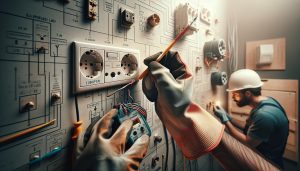
Did you know that an open electrical circuit can halt operations and lead to costly downtime in both residential and industrial settings? Understanding what constitutes an open circuit-the interruption in the path that prevents electrical flow-is crucial for anyone involved in electrical work. This knowledge not only enhances your troubleshooting skills but also ensures safety and efficiency in your projects. Whether you’re an aspiring electrician or a seasoned professional, grasping the causes of open circuits and their solutions empowers you to resolve issues swiftly and effectively. Join us as we delve into the essential aspects of open electrical circuits, uncovering their impact and providing actionable steps to reconnecting the flow of electricity. Your expertise in this area could not only improve your career prospects but also the safety and functionality of electrical systems in your daily work.
Understanding Open Electrical Circuits: A Comprehensive Guide
Open electrical circuits are a critical concept for anyone working with electrical systems, as they can result in failure or malfunction of devices and systems. An open circuit occurs when there is a break in the path for the electrical current to flow, preventing it from completing the loop necessary for operation. This can happen for various reasons, including loose connections, broken wires, or faulty components. Understanding open circuits is essential for both electricians and DIY enthusiasts to prevent prolonged outages and ensure electrical safety.
When dealing with open circuits, it’s important to recognize how they can disrupt functionality in everyday devices. For example, if a lightbulb is not turning on, it could be due to a disconnected wire, indicating an open circuit. Additionally, the effectiveness of modern technology, such as smart home devices or electric vehicles, can also be impacted by open circuits. Investing time in understanding circuit design principles, such as how components interact within the circuit, can significantly improve troubleshooting skills and foster a deeper understanding of electrical systems.
The resolution of open circuit issues often requires methodical investigation and diagnostic testing. Electricians must be well-versed in using tools like multimeters to measure voltage and continuity, identifying where the current path is interrupted. Each step taken in diagnostics and repair not only restores functionality but also enhances knowledge and procedural skills, which are invaluable for career advancement in electrical fields. This understanding can pave the way for mastering more complex aspects of electrical work, from designing circuits to integrating advanced technology in homes and workplaces.
Common Causes of Open Electrical Circuits

An open electrical circuit can be a frustrating problem for both professional electricians and DIY enthusiasts alike. This condition occurs when there is a break in the circuit path, leading to an interruption of the current flow necessary for electrical devices to operate. Various factors contribute to the formation of open circuits, and understanding these causes is critical for effective troubleshooting and prevention.
One of the most common causes of open circuits is loose or corroded connections. Over time, connections can become loose due to vibration, thermal expansion, or material fatigue. When components are not securely connected, the path for electrical current is compromised, resulting in an open circuit. Regular inspections of terminals, plugs, and connectors can help mitigate this issue.
Another significant cause is damaged wiring. Wires can suffer damage from several sources, including rodent infestations, excessive heat, or physical wear and tear. In many cases, the insulation on wires can degrade, leading to exposure and eventual breakage. If you suspect damaged wiring, it is crucial to replace it promptly to prevent further complications and ensure safety.
Additionally, faulty components such as switches, circuit breakers, or devices can also lead to open circuits. If a component fails internally and stops conducting electricity, it creates an open circuit condition. Keeping a well-stocked toolbox that includes replacement parts can expedite repairs and reduce downtime.
Other factors include moisture ingress, which can corrode connections and wires, leading to failures. Ensuring that all outdoor or exposed connections are properly sealed and protected from the elements is essential for maintaining circuit integrity.
In summary, recognizing and understanding these common causes of open circuits empowers electricians and homeowners alike to take proactive measures, ensuring safer and more reliable electrical systems. Regular maintenance checks and timely repairs can greatly reduce the risk of encountering open circuit issues.
Symptoms Indicating an Open Circuit Issue

Experiencing an open electrical circuit can lead to a myriad of operational issues, often leaving users puzzled and frustrated. Recognizing the symptoms of an open circuit is critical in troubleshooting and ensuring that electrical devices function properly. One of the most notable indicators is an unexpected shut-off of appliances. When a device stops working suddenly, it often signals an interruption in the electrical flow, potentially due to a break in the circuit.
Another clear symptom is the presence of flickering lights. If you notice that your lights dim sporadically or flicker when appliances are turned on or off, it may suggest a loose connection somewhere within the circuit. This flickering can sometimes serve as an early warning sign of an open circuit developing, allowing for preventative measures to be taken before more significant issues arise.
Additionally, unusual noises such as popping or buzzing sounds from outlets or fixtures can indicate a fault in the circuit. This auditory distress is often a signal of overheating or electrical arcing, both of which may be linked to an open circuit condition. Addressing these symptoms promptly is essential, as they may escalate into more severe electrical hazards if left unchecked.
Finally, an increased electricity bill might also be a hidden symptom of an open circuit. This may seem counterintuitive, as you’d expect lower usage with non-functional devices. However, if a circuit is open due to faulty components, it can cause other devices to draw excess current to compensate, ultimately leading to higher energy consumption. Regularly monitoring and understanding these symptoms not only enhances safety but is key to maintaining effective and efficient electrical systems in your home or workplace.
Essential Tools for Diagnosing Open Circuits
To effectively diagnose an open electrical circuit, having the right tools is crucial. These instruments not only enhance the efficiency of troubleshooting efforts but also bolster safety by minimizing the risks associated with electrical work. A strong understanding of these essential tools can empower both novice and experienced electricians to swiftly identify and rectify circuit issues.
One of the most important tools in an electrician’s arsenal is the multimeter. This device allows users to measure voltage, current, and resistance, making it invaluable for detecting breaks in the circuit. When faced with a suspected open circuit, a multimeter can be used to check continuity across various components. This means you can quickly identify whether electricity is reaching its intended path or if there’s an interruption somewhere along the line.
In addition to a multimeter, circuit testers are particularly useful for checking the presence of voltage without risk to the operator. These tools come in handy for identifying powered circuits or confirming that power is cut off before beginning repairs. A non-contact voltage tester is an excellent choice for safety because it alerts users to live wires without needing direct contact.
Another handy tool is the wire tracer. This device can help locate specific wires behind walls or in complex installations, which is essential when troubleshooting open circuits in less accessible areas. By employing a wire tracer, electricians can efficiently identify the path of the circuit and locate the points where faults may have occurred.
For more advanced diagnostics, an oscilloscope may be warranted. This sophisticated instrument can analyze the waveform of electrical signals, providing deeper insights into potential issues with timing or signal integrity that might not be apparent with simpler tools. While this tool is typically used in more complex scenarios, understanding its functionality can enhance a technician’s capability when faced with difficult diagnostics.
Finally, proper safety equipment cannot be overlooked. Personal protective equipment (PPE), including insulated gloves and safety glasses, is crucial when working on electrical circuits to protect against shock and other hazards. By adequately equipping themselves with the right tools and safety gear, electricians can tackle circuit diagnoses more effectively and with greater assurance of their own safety.
Incorporating these tools into one’s toolkit not only facilitates better diagnostic practices but also sets the foundation for pursuing higher levels of expertise and professionalism within the electrical trade.
Step-by-Step Process to Fix Open Circuits
When confronted with an open circuit, knowing the correct series of actions to restore proper functioning is crucial. The first step is to ensure safety: always turn off the circuit breaker supplying the power to the affected area and verify this using a non-contact voltage tester. Once safety is confirmed, you can begin the diagnostic process.
Start by inspecting visible components of the circuit, including connectors, switches, and terminals. Look for any signs of damage such as frayed wires, burnt connections, or corrosion. If you notice any physical issues, repair or replace the damaged elements at this stage. For persistent problems, utilize a multimeter to check for continuity across the circuit. To do this, set the multimeter to the continuity setting and touch the probes to each end of the wire or component being tested. A beep or reading indicates continuity; no sound or reading means that section of the circuit is open.
Once you’ve identified the location of the fault, proceed to repair it. This could involve soldering a broken wire, replacing a faulty switch, or reconnecting loose terminals. When working with wire connections, ensure to use appropriate techniques like twisting and soldering for a secure bond, followed by insulating the joint with electrical tape or heat shrink tubing to prevent future shorts.
After completing repairs, turn the circuit breaker back on and test the circuit. Use the multimeter to ensure that voltage is present at critical points in the circuit, confirming that it is functioning correctly. Finally, it’s advisable to monitor the circuit during initial use to catch any further issues early, ensuring it operates reliably going forward.
Preventive Measures to Avoid Open Circuit Problems
Ensuring that electrical circuits remain functional and free from interruptions is vital for both safety and efficiency. One of the most effective strategies in preventing open circuit problems lies in implementing a proactive maintenance routine. Regular inspections of wiring, connections, and electrical components can help identify potential issues before they escalate. Pay special attention to areas prone to wear and tear, such as junction boxes and circuit breakers, where loose connections or corrosion may develop over time.
Using high-quality materials during installation can significantly reduce the risk of open circuits. Opt for insulated wires that can withstand environmental factors and are less susceptible to damage. Additionally, employing proper installation techniques-like ensuring tight connections and using appropriate gauge wire for the specific load-will enhance circuit reliability. Documenting your circuit designs and amendments can also aid in future maintenance efforts, making it easier to identify and rectify problems.
Another key preventive measure is the use of circuit protection devices like circuit breakers and fuses. These devices not only safeguard against overloads but can also help to identify open circuits through their tripping mechanisms. Regular testing of these devices can ensure they are functioning correctly, providing an added layer of protection for your circuits.
Finally, education plays a crucial role in preventing circuit issues. For both novice and experienced electricians, ongoing training on the latest technologies, such as smart home systems and energy-efficient devices, can enhance understanding of circuit behavior and reduce the likelihood of errors that lead to open circuits. Embracing modern tools like multimeters for regular checks will keep your circuits in optimal condition and ensure they perform as intended. Taking these steps not only prevents costly repairs but also promotes a safer work environment.
When to Call a Professional Electrician
When dealing with electrical circuits, there are instances when the expertise of a professional electrician is essential. An open circuit can lead to safety hazards, equipment malfunction, and unexpected repair costs. Understanding when to call in a professional not only ensures a safe and effective diagnosis and repair but also saves time and potential frustrations. If you find yourself unable to isolate the issue after basic troubleshooting, or if you encounter persistent symptoms such as flickering lights, tripped breakers, or dead outlets, it is crucial to contact a licensed electrician.
Signs You Need Professional Help
Consider reaching out to an electrician in the following situations:
- Frequent Circuit Breaker Tripping: If your circuit breaker trips repeatedly, it may indicate an underlying issue that could be dangerous.
- Burning Smells or Discoloration: Any signs of burning or charred outlets suggest a serious electrical problem that requires immediate attention.
- Inconsistent Power Supply: Issues like lights dimming or buzzing could point to a larger system malfunction and necessitate expert evaluation.
- DIY Troubleshooting Falls Short: If you’re unable to identify the problem after your own efforts, it’s time to call in a professional who has the tools and knowledge to get to the root of the issue.
Moreover, some electrical jobs, such as rewiring or installing new circuits, require not only skill but also appropriate licensing and adherence to local codes. Undertaking such tasks without proper qualifications could place you at risk of non-compliance with safety regulations, leading to not just fines, but potential damage to your property or personal injury. By investing in quality electrical work now, you can avoid costly repairs in the future and ensure your home or business is safe and up to code.
Cost Considerations
Hiring a qualified electrician might seem costly upfront, but their expertise can save you money and headaches down the line. On average, electrical work can range from $50 to $100 per hour depending on the region and the electrician’s experience level. While the price might vary, the assurance of safety, reliability, and compliance with standards provides invaluable peace of mind. If you are uncertain about maintenance or upgrades for smart home systems or EV chargers, for example, a professional can provide sound advice tailored to your specific needs, ensuring that your investments are both safe and effective.
In summary, while minor circuit issues can often be resolved independently, recognizing the limits of your skill set and the need for professional assistance is paramount. A professional electrician not only fixes problems but also enhances the longevity and reliability of your electrical systems, providing security and efficiency in your home or business.
Advanced Troubleshooting Techniques for Open Circuits
When tackling an open circuit issue, advanced troubleshooting techniques can make all the difference between a quick fix and a prolonged headache. One effective method involves utilizing a multimeter to check continuity in your electrical pathways. Begin by isolating the circuit you’re examining and turning off the power supply for safety. Next, set the multimeter to the continuity setting, and touch the probes to the two ends of the circuit. If the meter beeps or shows a reading close to zero ohms, the circuit is intact. However, if there’s no response, it indicates an open circuit which could be due to a break in a wire, a poorly connected terminal, or a malfunctioning device.
Another technique to identify open circuits is the process of elimination. Start by inspecting any visible wiring for signs of wear or damage. Next, disconnect any components or devices along the circuit one at a time while checking for continuity each time. This systematic approach can help narrow down the source of the problem efficiently. For instance, if disconnecting a specific device restores continuity, you’ve likely found the culprit.
Utilizing advanced diagnostic tools such as circuit tracers can also significantly enhance your troubleshooting capabilities. These devices emit a signal that can be detected along the wiring, allowing you to trace the path of the circuit without direct access. This is particularly useful in complex systems where wires may be hidden behind walls or in ceilings.
Always remember to document your findings and repairs as you progress, as this can aid in future troubleshooting and provide valuable context for any necessary follow-up work. Ultimately, being methodical and patient in your approach will lead to faster solutions and minimize the risk of overlooking potential issues in your electrical system.
Safety Precautions for Circuit Repair and Maintenance
In the world of electrical repair, safety is paramount. Every year, thousands of accidents occur due to lack of caution and failure to adhere to safety protocols. To minimize risks when addressing circuit issues, it’s critical to establish and follow stringent safety measures. Basic safety practices include always disconnecting power before starting any repair work, using insulated tools, and wearing appropriate personal protective equipment (PPE) such as gloves and safety glasses. It’s equally important to have a clear workspace free of clutter to avoid tripping hazards or accidentally touching live wires.
Understandably, many are aware of the dangers associated with electrical repairs; however, awareness about proper procedures is just as crucial. One indispensable step is to use a non-contact voltage tester to ensure that circuits are de-energized. This tool allows you to check for voltage without making direct contact with wires, significantly reducing the risk of electrical shock. Furthermore, ensure that your hands are dry and that you’re standing on a non-conductive surface while working, such as a rubber mat, to further decrease the likelihood of an accident.
Proper labeling and organization of circuits can also enhance safety during repairs. Prior to working on a circuit, take the time to label breakers or fuses in your electrical panel. This not only facilitates quick identification but also ensures that you or any other person can easily manage them in case of emergencies. Documenting previous repair efforts and noting any ongoing issues can provide context that aids in troubleshooting while also improving safety by keeping your work path clear and concise.
Ultimately, maintaining a safety-first mindset will cultivate good habits that can greatly benefit both amateur and seasoned electricians alike. By adhering to safety protocols, you not only protect yourself but also enhance the integrity of the entire electrical system, ensuring it operates efficiently and safely.
Understanding Circuit Design: How Open Circuits Occur
Understanding the design of electrical circuits is crucial to grasp how open circuits can occur. An open circuit happens when the flow of electricity is interrupted, leading to non-functionality in the connected devices. Typically, this disruption arises from a break in the conductors, a faulty component, or even unintentionally opened switches, all of which prevent current from completing the circuit. For instance, consider the scenario of a light bulb not illuminating due to a burnt-out filament-this represents an open circuit condition where the path of electricity is severed.
The fundamental principle behind circuit design involves connecting electrical components in a continuous loop, facilitating smooth current flow. Circuit designers must account for various factors, including voltage levels, the types of materials used in wires, and the potential challenges posed by environmental conditions. For example, a circuit exposed to extreme temperatures may undergo expansion or contraction that can lead to loosening connections or wire breaks, subsequently resulting in an open circuit.
In practice, the layout of a circuit-including how components are wired-plays a pivotal role in its reliability. Employing a well-organized configuration can minimize the risk of open circuits. Moreover, professionals should advocate for the use of quality connectors and insulation to protect against wear and tear. Electrical junctions, where connections are made, should be carefully constructed to prevent gaps that might cause an accidental open circuit. When designing circuits, it’s also essential to incorporate proper circuit protection devices, such as fuses or circuit breakers, which will cut off the current flow in case of dangerous conditions, thereby reducing the risk of an open circuit scenario.
Ultimately, understanding the intricacies of circuit design not only aids in identifying potential failure points but also equips electricians and engineers with the knowledge to implement effective solutions, ensuring the longevity and safety of electrical systems. Design considerations should always prioritize the minimization of interruptions in current flow, thus preventing a wide range of issues related to open circuits.
The Role of Circuit Breakers in Preventing Open Circuits
In electrical systems, circuit breakers serve as an essential safety mechanism that protects both the circuit and its components from damage due to overloads or faults. Understanding their role not only enhances your knowledge of electrical safety but also equips you to maintain efficient circuit operations. When a circuit experiences an overload-where the current exceeds its designed capacity-circuit breakers immediately detect the anomaly and interrupt the flow of electricity. This rapid response minimizes the potential for damage that could lead to an open circuit condition.
The effectiveness of a circuit breaker lies in its design. Incorporating both thermal and electromagnetic mechanisms, these devices can respond to varying current levels. For instance, in a household setting, a circuit breaker will trip when too many high-powered appliances are used simultaneously, preventing overheating of wiring that could create an open circuit. The integration of ground fault circuit interrupters (GFCIs) is another crucial advancement, providing an added layer of protection by shutting off the circuit when it detects an imbalance between the incoming and outgoing current, further safeguarding against conditions that could lead to open circuits.
Moreover, selecting the correct type of circuit breaker for specific applications is vital for preventing open circuits in both residential and commercial settings. You might find standard circuit breakers for everyday use, while in industrial environments, you may encounter more specialized breakers designed to handle higher loads and provide more precise control. Installation and regular maintenance of these devices are also key; professional electricians should routinely inspect and test breakers to ensure they function correctly, allowing for any necessary adjustments or replacements to be made proactively.
In summary, circuit breakers are indispensable in the design and management of electrical systems. By understanding their operation and proactive maintenance requirements, electricians and homeowners alike can prevent the conditions that lead to open circuits, ensuring the longevity and safety of electrical installations while also promoting a more efficient use of energy. Proper training in the installation and troubleshooting of these devices is crucial, as it not only enhances career prospects but also reinforces safety standards within the electrical profession.
Real-Life Scenarios: Open Circuit in Everyday Devices
In today’s modern world, encountering an open circuit in everyday devices can be surprisingly common and often frustrating. A simple act, like plugging in your phone charger, should be straightforward, yet an unexpected halt in power can leave you puzzled. Open circuits can occur in various appliances, and understanding the scenarios in which they happen can empower you to troubleshoot effectively before calling in a professional.
Consider the ubiquitous household toaster. You place it on your counter, plug it in, and set it for a crispy batch of toast. However, if you notice that the toaster doesn’t heat up, you might be facing an open circuit. The most likely causes could include a malfunctioning power cord, a blown internal fuse, or a damaged heating element. To identify the problem, inspect the power cord for frays and use a multimeter to check continuity in the toaster. If too much debris has built up in the appliance, it may also disrupt electrical flow, effectively creating an open circuit.
Another common scenario involves your washing machine. Imagine starting a load, only to find that mid-cycle it stops functioning. This might be due to an open circuit caused by a faulty lid switch, which prevents the machine from operating if the lid is ajar. Additionally, older washing machines may have corroded wires that disrupt the current. In such cases, checking the lid switch’s operation and assessing the wiring can help determine if you need to replace any components.
Additionally, modern technology like smart home devices, such as smart thermostats or security cameras, can also exhibit open circuit issues. If your smart thermostat fails to communicate with your HVAC system, it might be indicative of an open circuit created by damaged wiring or loose connections. Regularly checking these connections, especially after any home renovations or electrical adjustments, can prevent future inconveniences.
Understanding these everyday situations equips you with the knowledge to address minor issues without professional help. However, knowing when to seek an electrician is just as important. If inspections reveal more significant issues or if you’re uncomfortable working with electrical systems, it’s best to contact a professional to prevent further complications or hazards. Recognizing the signs and knowing how everyday interactions with your devices can lead to open circuits is crucial for maintaining your home’s electrical health.
Frequently Asked Questions
Q: What are the signs of an open electrical circuit?
A: Signs of an open electrical circuit include flickering lights, appliances not running, circuit breakers tripping frequently, or visible breaks in wiring. If you notice any of these symptoms, it’s essential to investigate further to determine if an open circuit is the cause.
Q: How do I identify an open circuit in my home?
A: To identify an open circuit, use a multimeter to check for continuity across the circuit. If there’s no continuity, it’s likely an open circuit. Also, inspect the circuit for any disconnected wires or damaged components that could cause the break.
Q: Can an open electrical circuit cause damage to appliances?
A: Yes, an open electrical circuit can potentially cause damage to appliances by interrupting power supply, leading to overheating or dysfunction. Always address open circuit issues promptly to prevent damage and ensure safety.
Q: What tools do I need to diagnose an open electrical circuit?
A: Essential tools for diagnosing an open electrical circuit include a multimeter, a continuity tester, and basic hand tools like screwdrivers and pliers. These tools help measure voltage, identify breaks, and make necessary repairs safely.
Q: How can I temporarily fix an open electrical circuit?
A: A temporary fix for an open electrical circuit is to reconnect any loose wires if visible and accessible. Ensure power is turned off before attempting any repairs. However, for permanent solutions or complex issues, consult a professional electrician.
Q: What are common causes of open circuits?
A: Common causes of open circuits include damaged wires, loose connections, blown fuses, or faulty circuit breakers. Regular inspections can help identify potential problems before they lead to open circuits.
Q: Is it safe to repair an open circuit myself?
A: Repairing an open circuit can be safe if you possess the necessary knowledge and tools. However, if you’re unsure, it’s best to call a licensed electrician to avoid risks of shock or further damage.
Q: How can circuit breakers prevent open circuits?
A: Circuit breakers prevent open circuits by breaking the circuit flow during overloads or short circuits, which protects the wiring and connected devices. Regularly testing and maintaining circuit breakers can enhance their effectiveness.
In Retrospect
Understanding the nuances of an open electrical circuit equips you with the knowledge to identify and resolve potential issues effectively. Remember, whether dealing with voltage, amperage, or load calculations, addressing electrical problems promptly is crucial for safety and efficiency in your home or business. If you want to dive deeper, check out our articles on essential Electrical Fundamentals or explore the latest in Smart Home Technology.
Don’t miss out on our expert tips and insights-sign up for our newsletter for regular updates on the electrical profession, including key industry standards and certifications. If you’re ready to take the next step in your electrical expertise, consider scheduling a consultation with our certified professionals, who can help you navigate your challenges and elevate your skills. Your journey to becoming a more proficient electrician starts here. Share your thoughts or questions in the comments below, and keep exploring our site for more valuable resources!