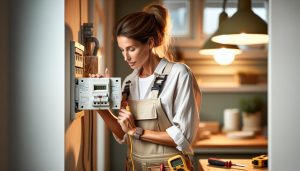
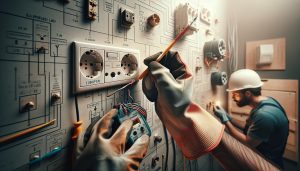
Replacing an electrical breaker can seem intimidating, but it’s a crucial skill that empowers homeowners and DIY enthusiasts to enhance their electrical safety and functionality. Did you know that a tripped breaker is often a sign of an overloaded circuit or a malfunctioning appliance? Understanding how to replace a breaker not only saves you money on professional services but also equips you to address common electrical issues confidently. In this guide, we will walk you through safe, step-by-step instructions, ensuring that you can perform this task with precision and care. By mastering this essential skill, you’ll not only protect your home but also gain insights into the inner workings of your electrical system. Let’s delve into the practical steps and safety measures that will allow you to take control of your electrical maintenance effectively.
How to Identify the Right Electrical Breaker for Your Needs
Identifying the right electrical breaker for your needs is crucial for ensuring both safety and functionality in your electrical system. Several factors come into play when choosing a breaker, including the type of appliances you use, the total electrical load, and the existing wiring in your home or business. For instance, standard breakers are adequate for typical household circuits, while AFCI (Arc Fault Circuit Interrupter) breakers are recommended for living areas to prevent electrical fires caused by arc faults.
When selecting a breaker, first assess the amperage that your circuit requires. This is usually determined by the total wattage of the devices connected to that circuit. To calculate this, add up the wattage of all appliances, then divide by the voltage (typically 120V in residential settings). Ensure the breaker you choose matches or exceeds this amperage while being mindful not to exceed the capacity of your wiring. Also consider the physical size and compatibility of the breaker with your existing panel. Most breakers are designed to fit specific panel types, and using the wrong size could result in ineffective protection.
Additionally, it’s essential to take into account any specific features that may be relevant to your situation. For instance, GFCI (Ground Fault Circuit Interrupter) breakers are designed for circuits that connect to areas where water is present, such as bathrooms and kitchens, providing added protection against electric shock. If you plan on upgrading your home with smart appliances or installing electric vehicle (EV) chargers, consider a breaker that can handle increased loads and offers modern safety features.
In summary, to identify the right electrical breaker: assess your total load, check the panel compatibility, and consider the specific needs based on safety features and usage. Taking these steps not only ensures a secure installation but also enhances the efficiency of your electrical system, catering to today’s demanding energy needs.
Essential Tools for Safe Breaker Replacement
To ensure a safe and efficient breaker replacement, having the right tools at your disposal is critical. Using appropriate equipment not only enhances safety but also streamlines the process, allowing you to handle the task with confidence. A well-equipped electrician is more prepared to tackle unexpected situations that may arise during the replacement.
Essential tools for breaker replacement include the following:
- Voltage Tester: This tool is crucial for verifying that the power is off before you begin work. A non-contact voltage tester is particularly useful as it allows you to check for live wires without direct contact.
- Screwdrivers: You’ll need both flat-head and Phillips screwdrivers for removing and securing screws in the breaker panel. A magnetic screwdriver can simplify this process by helping hold screws in place.
- Wire Strippers: These are essential for preparing wires for reattachment. Ensure you have a good quality wire stripper suitable for the gauge of the wires you’ll be working with.
- Pliers: Needle-nose pliers can be handy for gripping and twisting wires securely. A pair of insulated pliers should always be used for safety.
- Flashlight: Adequate lighting is crucial, particularly in dimly lit areas like basements or behind panels. A headlamp can also be helpful since it allows you to keep your hands free.
- Safety Gear: Personal protective equipment, such as safety glasses and insulated gloves, should always be worn to protect against accidents.
Before starting the replacement, it’s advisable to familiarize yourself with local electrical codes and regulations, which can vary by region. Moreover, gaining hands-on experience through an apprenticeship or by working alongside a licensed electrician is invaluable for enhancing your skills and knowing how to utilize your tools effectively. This approach not only improves proficiency but also ensures adherence to safety protocols that mitigate risks.
Equipping yourself with the right tools, combined with a solid understanding of electrical fundamentals, empowers you to replace breakers safely and efficiently. Whether you’re an aspiring electrician or a DIY enthusiast, maintaining a well-organized toolkit is a hallmark of professionalism in the electrical field.
Step-by-Step Guide to Shutting Off Power Safely
Before embarking on the important task of replacing an electrical breaker, ensuring that the power is safely shut off is crucial. Neglecting this critical step can lead to severe electrical accidents, so it’s vital to approach this process with caution and diligence. The process involves more than just flipping a switch; it requires careful evaluation of your breaker panel and an understanding of your home’s circuitry.
Begin by locating your main electrical panel, typically found in basements, garages, or utility rooms. Before opening the panel, inform anyone in the home that you will be working on the electrical system and that the power will be off. This will help prevent any accidental use of electrical appliances while you are working. Once everyone is aware, ensure that the lights in the area where you will be working are also off before proceeding.
Steps to Safely Shut Off Power
- Use a Voltage Tester: Always start with a voltage tester to confirm that there is no power flowing to the area where you’ll be working. A non-contact voltage tester is ideal for this purpose, as it allows you to check live wires without direct contact, providing an added layer of safety.
- Turn Off the Main Breaker: Locate the main circuit breaker switch at the top or bottom of the panel, depending on your panel’s layout. Flip the main breaker off. This action will shut off power to the entire house, ensuring maximum safety during your work.
- Verify Power is Off: After turning off the main breaker, recheck with the voltage tester to verify that power is indeed off in the breaker panel. Double-check all circuits, especially the one you intend to work on, to ensure there are no live wires.
- Secure the Area: Use tape or a lockout/tagout device to secure the main breaker in the off position. This prevents accidental re-energizing while you’re working. If you’re working in a busy environment or within a shared space, especially in commercial settings, this step is crucial.
Final Safety Checks
Once you’ve completed these steps and confirmed that the power is off, you can safely proceed to remove and replace the breaker. Always remain aware of your surroundings, and don’t hesitate to consult an experienced electrician if you feel uncertain at any point. Remember, safety is paramount in electrical work, and taking these precautions not only safeguards you but also ensures the integrity of the electrical system in your home.
Understanding Breaker Panel Layouts and Functions
Understanding your breaker panel is essential for anyone looking to safely replace an electrical breaker. The layout of a breaker panel plays a crucial role in how electricity is distributed throughout your home. Typically, a breaker panel consists of multiple circuit breakers, each tasked with managing the electrical load for specific circuits. Understanding which breaker controls what can prevent confusion and potential electrical hazards when performing a replacement.
Most breaker panels feature a grid-like structure, with breakers mounted vertically in slots. Each breaker corresponds to a particular electrical circuit in your residence, often labeled to indicate the areas or appliances they power, such as lights, outlets, or larger appliances like HVAC systems. The main circuit breaker, usually positioned at the top or side of the panel, controls power to the entire home. It is essential to familiarize yourself with the layout of your panel before you begin, as this knowledge will aid in identifying the specific breaker that needs replacing while ensuring you do not inadvertently affect other circuits.
Keys to Remember
- Types of Breakers: Familiarize yourself with different breaker types, such as standard, GFCI (Ground Fault Circuit Interrupter), and AFCI (Arc Fault Circuit Interrupter) breakers. Each serves specific functions and is crucial for safety in different areas of your home.
- Amperage Rating: Each breaker has an amperage rating, typically ranging between 15 to 50 amps. It’s vital to match the new breaker’s rating with the existing one to prevent overloading the circuit.
- Circuit Labels: Take note of how the circuits are labeled within the panel. If your panel isn’t labeled, consider making a diagram of which breaker controls which part of your home. This step will save time and confusion during installation.
In summary, understanding breaker panel layouts and their functions not only enhances your safety when replacing a breaker but also empowers you with the knowledge needed to manage your home’s electrical system more effectively. By familiarizing yourself with panel components, you’re better prepared to face any challenges that may arise during the replacement process and maintain a safer living environment.
How to Remove the Old Breaker Securely
Removing an old electrical breaker requires precision and care, as a critical aspect of any electrical service task. Before you even think about touching the breaker panel, ensure you wear appropriate safety gear, such as insulated gloves and safety goggles, to protect yourself from potential electrical hazards. Shutting off the main power to the breaker panel should be prioritized-this minimizes risks of electrical shock while performing the replacement.
To safely remove the old breaker, start by ensuring that the appropriate tools are on hand. You will typically need a flat-head screwdriver, insulated pliers, and an appropriate socket wrench, depending on your breaker type. Once you have confirmed that power is off, use the screwdriver to gently pry off the panel cover, if applicable. Locate the breaker you intend to replace; it should be easy to identify as it’s typically labeled.
Carefully disconnect the wires from the old breaker. Use the insulated pliers to grasp the wire terminals and loosen the screw holding them in place. Take note of how the wires are connected, as this will guide you during the new breaker’s installation. If possible, take a photograph or sketch the configuration to prevent confusion later. Once the wires are removed, you can detach the breaker itself. It typically snaps out of place easily-apply a small amount of pressure to release it from the panel’s track.
After successfully removing the old breaker, inspect the surrounding area for any signs of wear, damage, or corrosion that could be indicative of larger issues within the electrical system. Cleaning this section can also provide a safer installation environment for the new breaker. Keeping the workspace tidy and organized will not only assist in the smooth installation of the new breaker but also contribute to your overall safety and efficiency during the replacement process.
Installing the New Breaker: Tips for Success
When it comes to installing a new breaker, precision and attention to detail are crucial for ensuring a safe and effective installation. Before inserting the new breaker into the panel, double-check that you have the correct type and model which corresponds to the amperage and voltage specifications required for your electrical system. This not only ensures compatibility but also contributes to the overall safety and functionality of your electrical setup.
Begin the installation by aligning the new breaker with the slots in the panel. Apply gentle pressure to secure it into place, ensuring it clicks firmly. Each outlet is typically designed for a specific type of breaker, so you should feel resistance as it properly engages. Once seated, fasten the wires onto the corresponding terminals, usually marked with “line” and “load.” Using insulated pliers, connect the wires firmly, ensuring that the screws are tightened adequately without overtightening, which can strip the terminals.
Key steps for a successful installation include:
- Ensure the panel cover is adequately reattached. This provides an additional layer of safety.
- Before turning the power back on, double-check that there are no loose wires and that the breaker is positioned correctly.
- Use a voltage tester to verify that the power is off at the breaker before you proceed with any adjustments.
Once the new breaker is securely installed, close the panel cover and restore power to the circuit. After turning the power back on, monitor the breaker for a few moments to ensure it maintains its position without tripping or exhibiting unusual behavior. By following these careful steps, you ensure not just compliance with electrical standards, but also a safe environment for you and your family, reflecting the expertise required in the electrical profession.
Common Mistakes to Avoid During Breaker Replacement
Ensuring a safe and effective electrical breaker replacement is essential, but many DIY enthusiasts make critical errors that can lead to costly repairs or even safety hazards. One of the most common mistakes is neglecting to verify the power is completely shut off before beginning work. Even if you think you’ve turned off the correct breaker, a simple test with a voltage tester can confirm that there is no electricity flowing to the circuit. This extra step can be a lifesaver, preventing possible electrocution or equipment damage.
Another frequent pitfall occurs with the breaker selection process. Using the wrong type or amperage rating can lead to circuit overloads, which could result in fire hazards. Always check the specifications of your home’s electrical system and ensure compatibility. Additionally, overlooking manufacturer instructions can also be detrimental; every breaker has unique installation specifications that must be followed closely to ensure safety and functionality.
Installation errors are another area where mistakes commonly occur. Many people do not seat the breaker properly into the panel, which can create loose connections that may lead to arcing or failure. Be sure to apply adequate pressure until you hear a click, indicating it is firmly in place. Misplacing wires is also an issue; ensure wires are attached to the corresponding terminals and double-check that no bare wire is exposed after installation.
Finally, failing to secure the panel cover after installation is a mistake that shouldn’t be overlooked. A properly reattached cover protects the wiring from physical damage and minimizes the risk of accidental contact. By avoiding these common mistakes, you not only enhance your safety but also ensure that the breaker functions as intended, supporting the overall integrity of your electrical system. Always remember that when in doubt, consulting a licensed electrician is the safest route.
Testing the New Breaker for Proper Functionality
Verifying the functionality of your new electrical breaker is a crucial step that ensures your electrical system operates safely and effectively. Once the installation is complete, it is imperative to confirm that the breaker is not only properly seated but also capable of handling the load it is designed to protect. A malfunctioning breaker can lead to a multitude of issues, including electrical fires or permanent damage to your devices.
Start by restoring power to the circuit. Go to your electrical panel and flip the breaker back to the “ON” position, ensuring it is fully engaged. You should hear a click, indicating a secure connection. Next, check for any obvious signs of issues-look for flickering lights or unusual noises, which can signal problems with the installation. Afterward, it is wise to use a multimeter to test the voltage at the outlets on the same circuit. The standard voltage for most household circuits in the U.S. should read between 110V to 120V. If the readings are significantly lower or higher, this could indicate a problem with the new breaker or an underlying issue within the circuit itself.
To further ensure safety, consider conducting a load test. This involves plugging in devices that you know work well, ideally ones that draw a moderate amount of current, such as lamps or appliances. Observe how the breaker responds: it should not trip under normal usage conditions. If it trips, this could suggest that the circuit is overloaded-or you may have installed an incorrectly rated breaker. Always refer to the manufacturer’s specifications, ensuring the breaker is rated for the load intended.
Finally, remember to regularly monitor your new breaker after installation to catch any irregularities early. For instance, if you notice the breaker trips frequently or feels warm to the touch, it could be a sign of excessive load or component failure. By proactively testing and monitoring your electrical breaker, you not only safeguard your home against potential hazards but also enhance your knowledge and skills in maintaining your electrical system. Always consult with a licensed electrician if you have any concerns or if you encounter persistent issues, as their expertise can save you time and ensure your safety.
Signs It’s Time to Replace Your Electrical Breaker
A faulty electrical breaker can lead to frustrating power interruptions or even hazardous situations like electrical fires. Recognizing the signs that indicate it’s time for a replacement is essential for ensuring the safety and efficiency of your home’s electrical system. One of the most noticeable indicators is persistent tripping. If a breaker frequently trips even under normal load conditions, it could mean the breaker is failing or that your circuit is being overloaded consistently. Breakers are designed to protect your electrical system by cutting off power when they detect excessive current flow, but continuous interruptions signal that the breaker may no longer be reliable.
Another significant sign is physical damage or signs of wear. If you notice discoloration, burn marks, or a burning smell emanating from your breaker panel, these are red flags indicating that your breaker may be malfunctioning. Additionally, if the breaker feels unusually warm to the touch after being in use, it illustrates potential overheating-another strong indicator that replacement is necessary. Ignoring these signs could lead to more severe issues, such as electrical fires or damage to your appliances.
Age Matters
It’s also essential to consider the age of your breakers. Most breakers have a lifespan of about 15 to 20 years, and after this period, the likelihood of failure increases. If your home is older and has not upgraded its electrical system, the existing breakers may not be up to modern standards, impacting both safety and performance. When performing any upgrades to your electrical system, you should evaluate and replace old breakers to ensure compatibility with increasing electrical demands.
Strange Noises and Flickering Lights
Unusual sounds, like buzzing or crackling, can also indicate that a breaker is on the verge of failure. Flickering lights, particularly when not caused by bulb issues, can suggest that a breaker is not maintaining a secure connection to the circuit.
Recognizing these signs early can help prevent potential hazards and ensure your electrical system runs smoothly, emphasizing the importance of regular inspections and maintenance. If you observe any of these symptoms, take action by assessing your breaker needs or considering consulting a licensed electrician for a comprehensive evaluation and effective solutions. Always prioritize safety when dealing with electrical components, as consulting with a professional can provide peace of mind and assurance that your home is protected.
When to Call a Professional Electrician
If you’re experiencing issues with your electrical breaker, knowing when to bring in a professional electrician can make a significant difference between a minor fix and a potential safety hazard. Understanding the complexities of electrical systems is vital, as mishandling these components can lead to severe consequences, including electrical fires or serious injury. When in doubt, exercising caution is the best policy, especially if you encounter any of the following situations.
One of the primary indicators that it’s time to consult a professional is persistent circuit tripping. While occasional tripping can be expected, frequent occurrences may suggest an underlying problem with the circuit itself, such as a short circuit or an overload that requires an expert assessment. Similarly, if you notice signs of physical damage-like burn marks, a burning odor, or unusual heat emanating from the breaker panel-it’s essential to seek professional assistance immediately. These symptoms often indicate critical issues that could escalate without proper intervention.
Complicated Electrical Systems
As homes become more technologically advanced, the complexity of electrical systems increases. If you’re considering installing new appliances that require more power or integrating smart home technology, it’s prudent to consult a licensed electrician. They can evaluate your breaker box’s capacity and ensure that your system can handle the additional load safely. Additionally, professionals can provide valuable insights on upgrading to modern technology, such as circuit breakers that can better support energy-efficient appliances or electric vehicle chargers.
Addressing Age and Compliance Issues
If your home has older wiring or breakers that are nearing the end of their expected lifespan, it may be time to connect with an electrician. Professionals are not only equipped to replace outdated components but also to ensure that your electrical system complies with current safety codes and standards. This is particularly important if you live in a region with stringent regulations, as non-compliance can lead to legal repercussions and increased insurance costs.
Overall, prioritizing safety and proactive maintenance of your electrical system cannot be overstated. Engaging a licensed professional ensures that the work is done correctly, provides peace of mind, and ultimately protects both your home and your investment.
Maintaining Your Electrical System for Safety
Maintaining the safety of your electrical system is crucial, especially as it encounters a variety of stresses throughout its lifespan. Regular maintenance not only extends the life of your electrical components but also significantly reduces the risk of hazards such as electrical fires or system failures. One important aspect of electrical system upkeep is to schedule periodic inspections conducted by a licensed electrician. These professionals can assess potential issues before they escalate, ensuring adherence to current electrical codes and standards.
As technology evolves, so do the demands on your electrical system. Smart home gadgets and high-energy appliances can tax older wiring and circuits. Therefore, regularly upgrading your system can make a substantial difference. Utilizing modern circuit breakers that offer enhanced functionality, such as ground fault and arc fault protection, can safeguard your home against specific electrical hazards. These breakers are not only safer but also contribute to energy efficiency, making them a wise investment in your home infrastructure.
Another key factor to consider is the environment in which your electrical system operates. Moisture, dust, and extreme temperatures can all cause degradation over time. Implementing protective measures such as sealing electrical boxes and keeping areas free of clutter around breaker panels can help mitigate these risks. Furthermore, maintaining awareness of any unusual electrical behaviors-like flickering lights or strange noises from the breaker panel-can also alert you to underlying issues that may require immediate attention.
In summary, regularly maintaining your electrical system through inspections, modern upgrades, and environmental precautions is essential for ensuring long-term safety and efficiency. By taking an active role in your system’s upkeep, you can provide a safe living environment and enhance the overall performance of your home’s electrical network.
Upgrading Your Breakers: Benefits of Modern Technology
Upgrading your electrical breakers is not just a matter of keeping up with the latest trends; it’s a critical step in enhancing safety, optimizing performance, and adapting to modern energy demands. Modern circuit breakers boast advancements that significantly reduce the risks associated with electrical faults, making your living space safer and more efficient. For instance, *arc fault circuit interrupters (AFCIs)* detect potentially dangerous arc faults that could lead to fires, while *ground fault circuit interrupters (GFCIs)* prevent electrical shock by interrupting the current when it detects an imbalance.
Enhanced Safety Features
One of the most compelling reasons to switch to modern circuit breakers is the added safety features. Traditional circuit breakers only interrupt power during overloads but lack the capacity to detect breakdowns in electrical insulation or unsafe ground conditions. In contrast, smart breakers can sense these issues in real-time and take necessary action. This proactive approach can not only avert electrical mishaps but also protect valuable electronics throughout your home.
Energy Efficiency
Modern technology facilitates better energy management in your electrical system. By upgrading to intelligent breakers, you can gain insights into energy consumption patterns. This means you can identify appliances that consume excessive energy and make informed changes to reduce your utility bills. Additionally, many modern breakers support integration with home automation systems, allowing for remote management of your electrical loads, further enhancing efficiency.
Future Compatibility
As more households invest in smart devices and electric vehicles, it is paramount to ensure your electrical system can accommodate these advancements. Many of the new breakers support higher amperage and amperage distribution capabilities, which prevents overloading the system with modern appliances. By planning for future energy demands, you safeguard your home from being outpaced by technological advancements, providing peace of mind and financial savings in the long run.
Upgrading your circuit breakers not only assures compliance with current electrical codes and safety standards but also empowers you to take control of your home’s energy usage. As technology continues to evolve, investing in modern electrical breakers becomes not just a choice but a necessity for any homeowner wishing to ensure safety and functionality.
Frequently asked questions
Q: How do I know if my electrical breaker needs to be replaced?
A: You should consider replacing your electrical breaker if you frequently experience tripped breakers, signs of overheating, or if it’s making unusual noises. Additionally, if your appliances are not functioning as they should, it may indicate that the breaker is failing. Refer to the section on “Signs It’s Time to Replace Your Electrical Breaker” for detailed guidance.
Q: Can I replace an electrical breaker myself or do I need a professional?
A: While you can replace an electrical breaker yourself if you are familiar with electrical systems, it is often safer to hire a professional electrician. A licensed electrician ensures compliance with local codes and minimizes the risk of electrical hazards. Consult the section “When to Call a Professional Electrician” for more information.
Q: What safety precautions should I take when replacing an electrical breaker?
A: Always turn off the main power before starting any work. Wear insulated gloves and use tools with rubber grips. Ensure the area is dry and free of clutter. For a complete list, see the section on “Step-by-Step Guide to Shutting Off Power Safely.”
Q: Are there different types of electrical breakers?
A: Yes, there are several types of electrical breakers, including standard, double-pole, GFCI, and AFCI breakers. Each serves a specific purpose and is designed for different applications. For more on identifying the right breaker, check the section on “How to Identify the Right Electrical Breaker for Your Needs.”
Q: What tools do I need to replace an electrical breaker?
A: Essential tools include a screwdriver, voltage tester, insulated gloves, and pliers. It’s important to ensure the tools are in good condition. For a complete list of necessary tools, refer to the “Essential Tools for Safe Breaker Replacement” section.
Q: How long does it take to replace an electrical breaker?
A: The actual process of replacing an electrical breaker typically takes about 15 to 30 minutes, depending on your experience. However, it’s important to take the time to follow all safety precautions and confer with your setup. For more tips, refer to the section on “Installing the New Breaker: Tips for Success.”
Q: What happens if I install the wrong type of electrical breaker?
A: Installing the wrong type of electrical breaker can lead to serious electrical hazards, including overheating, short circuits, or even fires. Always consult the specifications of your electrical panel and refer to the section on “Understanding Breaker Panel Layouts and Functions” to ensure proper installation.
Q: How can I maintain my electrical system after replacing a breaker?
A: Regular maintenance involves checking the breaker panel for dust and debris, ensuring connections are secure, and monitoring the performance of your breakers. Implementing routine inspections can help prolong the life of your electrical system. Check out “Maintaining Your Electrical System for Safety” for more insights.
Key Takeaways
Thank you for exploring our comprehensive guide on how to safely replace an electrical breaker. Remember, tackling electrical projects can be daunting, but with the right knowledge and steps, you can confidently make these changes in your home. If you’ve found this guide helpful, consider checking out our related articles on electrical safety tips and troubleshooting circuit issues to deepen your understanding and ensure a safer environment.
Don’t hesitate to dive into the world of electrical work further! Explore our resources on electrician career paths, licensing requirements, and voltage fundamentals to enhance your expertise. Whether you’re looking to become a professional electrician or simply improve your home’s electrical system, our content is designed to empower you.
For ongoing insights and updates, subscribe to our newsletter and stay connected. Your journey with electricity doesn’t have to end here-let’s keep the conversation going! If you have any questions or need clarification, please leave a comment below; we’re here to help.