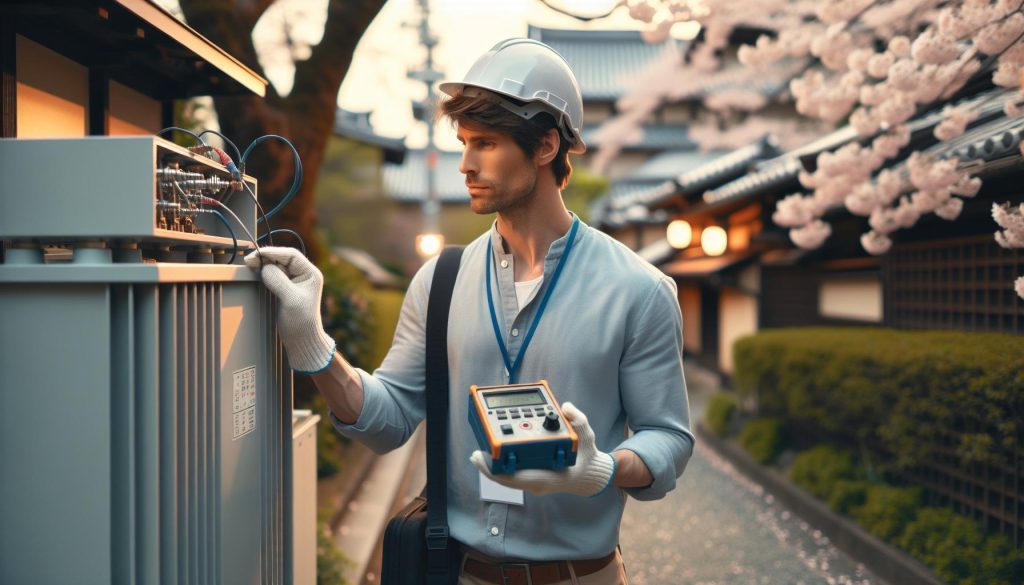
Japan operates on a unique electrical grid that typically uses 100 volts, which may differ significantly from the standards set in many other countries. Understanding these voltage specifications is crucial for travelers, expatriates, and professionals working in or with Japan’s electrical systems. If you’re planning a trip, ensuring your devices are compatible with 100 volts can save you from damaging electronics or experiencing inconvenience. Moreover, knowing these grid specifics is essential for electricians looking to work in Japan, as it impacts everything from wiring practices to safety standards. As the world increasingly embraces advanced technologies, such as smart homes and electric vehicles, being informed about Japan’s electrical framework opens doors to opportunities and ensures safety in both personal and professional contexts. Continue reading to discover more about the intricacies of Japan’s electrical voltage and grid standards, and how this knowledge can benefit you in various situations.
What is the Standard Voltage in Japan?
Japan operates on a standard voltage of 100 Volts, which is notably different from the higher voltages used in many other countries, such as the 120V standard in North America and 230V in most of Europe. This lower voltage can significantly influence your choice of electrical appliances and devices. Understanding this specification is crucial for anyone planning to move to or visit Japan, especially if you intend to bring electrical appliances from abroad.
When dealing with electrical systems, voltage compatibility is vital. Using a device rated for a higher voltage with the Japanese system can lead to device malfunction or damage. For example, assume an American appliance designed for 120V is plugged into a 100V outlet; it may not operate efficiently, leading to reduced performance or potential failure. Conversely, devices specifically designed for Japan’s 100V can safely operate without the risk of overvoltage.
Moreover, Japan’s unique electrical infrastructure includes two different frequency standards-50Hz in the eastern regions (including Tokyo) and 60Hz in the west (including Osaka). This frequency variation adds another layer of complexity for residents and travelers alike. Appliances requiring a specific frequency may perform poorly or malfunction when operated outside their designated frequency zone.
To ensure the safe use of your devices within Japan, consider the following tips:
- Always check the voltage and frequency specifications of your appliances before use.
- Use a voltage transformer for devices not compatible with the 100V standard.
- Invest in appliances that are marked as dual-voltage, allowing flexibility in usage across different regions.
Understanding Japan’s electrical specifics ensures that you can use your devices safely and effectively, avoiding costly mistakes and ensuring compliance with local standards.
Understanding Japanese Power Grid Specifications
Japan’s power grid operates on a unique framework that is essential for both residents and visitors to understand, particularly in our electrically dependent lives. At the core of this system is its standard voltage of 100 volts, significantly lower than many other countries. This voltage specification is critical, especially when considering the compatibility of home appliances and electronic devices brought from abroad. The distinct choice of 100 volts impacts every facet of electrical consumption, from lighting and heating to communication technologies.
The Japanese electrical grid is divided into two frequency zones: eastern Japan, including Tokyo, operates at 50Hz, while western Japan, encompassing Osaka and surrounding areas, runs at 60Hz. This division is a historical quirk stemming from the early days of electrification when different technologies were imported from Europe and the United States. As a result, many appliances have adjusted to these standards, yet this dual-frequency presence can pose challenges. Devices designed for 60Hz may malfunction when used in a 50Hz area and vice versa, leading to inefficiencies or even damage.
For those intending to use their devices in Japan, an understanding of the local electrical layout can save significant hassle and expense. It’s advisable to check the specifications of any devices beforehand to mitigate risks. Since many modern appliances now contain transformers that make them multi-voltage friendly, seeking out these options can offer flexibility. However, this isn’t foolproof; using devices at incorrect frequencies can still jeopardize performance.
Ultimately, acknowledging Japan’s unique electrical specifications not only ensures the safety and efficiency of appliances but also enhances the overall living experience, particularly for expatriates and travelers. By recognizing the distinctions in voltage and frequency, you empower yourself to navigate Japan’s electrical landscape effectively while taking full advantage of its technological advancements.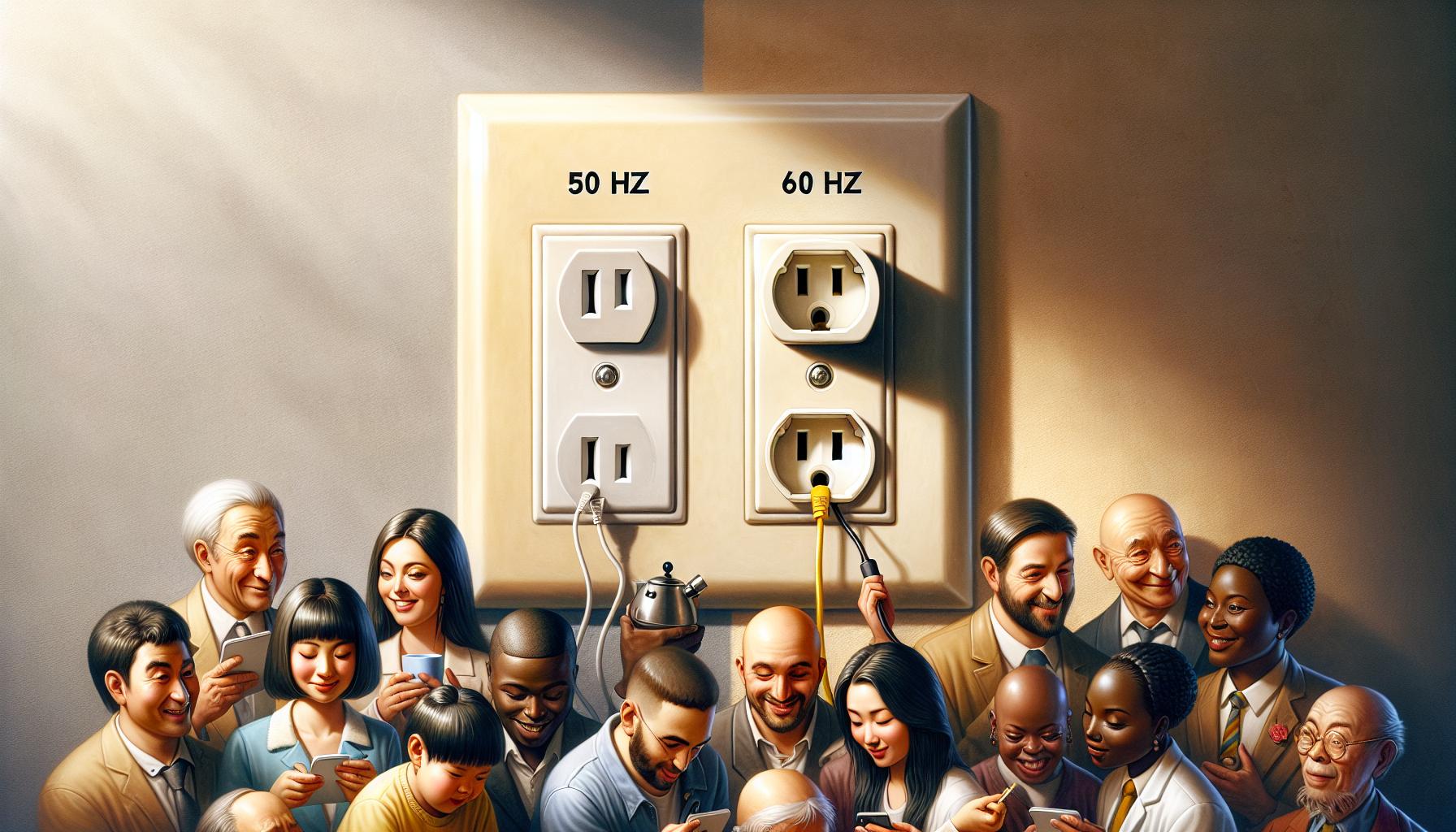
Differences in Voltage Across Regions in Japan
Understanding the nuances of voltage across Japan’s distinct regions is crucial for both residents and visitors navigating the country’s electrical landscape. While Japan adheres to a standard voltage of 100 volts, the situation becomes more intricate when considering the different frequency classifications that segment the country into two main areas: eastern and western Japan.
In eastern Japan, which includes major urban centers like Tokyo and Yokohama, the electrical infrastructure operates at a frequency of 50Hz. Conversely, in western Japan, encompassing cities such as Osaka and Kyoto, the frequency is set at 60Hz. This split leads to significant implications for electrical device compatibility. For instance, using a device designed for the 60Hz frequency in a 50Hz zone can result in performance degradation or malfunction, demonstrating the importance of being aware of the regional specifications.
Travelers planning to use high-tech gadgets or household appliances must be vigilant about checking their devices. Many modern electronics are designed to handle a range of voltages, but each device should be evaluated individually. An effective practice is to seek equipment labeled as dual-voltage capable, which can operate within both frequencies. Furthermore, power adapters and transformers can serve as handy solutions, enabling users to bridge the gap when transitioning voltage levels. However, it is essential to remain cautious, as mismatches can still lead to inefficiencies or risks of overheating.
In conclusion, familiarizing oneself with the voltage variations across Japan not only aids in preventing mishaps but also enhances the overall technological experience in a country renowned for its advanced electrical infrastructure. Understanding this differentiation can empower individuals to make informed choices regarding their electrical devices while navigating the exquisite landscapes of Japan.
Impact of Voltage on Electrical Appliances
In Japan, where the standard voltage is set at 100 volts, the impact on electrical appliances is significant, particularly for those unaccustomed to this specification. Unlike many countries that utilize higher voltage levels (usually around 220-240 volts), the lower voltage in Japan presents both advantages and challenges for consumers and manufacturers alike. For example, the reduced voltage can lead to lower energy consumption in appliances designed for this environment, which often results in a more energy-efficient operation overall. However, this same design can pose compatibility issues for travelers bringing their devices from higher-voltage countries.
Electrical appliances designed to operate at 100 volts are prevalent in Japan, including a wide range of household items such as microwaves, toasters, and hairdryers. These devices are specifically engineered for optimal performance at this voltage, which means that using them at a higher voltage can result in overheating, damage, or even electrical fires. Conversely, appliances designed for higher voltages can struggle and perform inefficiently at the lower voltage. The performance drop can include longer cooking times for food-oriented devices or reduced power output in tools and gadgets.
Adapting to Voltage Differences
Many modern appliances now come with dual-voltage capabilities that allow them to function effectively in various electrical environments. This feature is particularly useful for international travelers or expatriates living in Japan. However, not all appliances are equipped for this flexibility. Prior to any trip or relocation, it is crucial to verify each device’s compatibility with Japan’s voltage and frequency specifications.
For travelers, using transformers and voltage adapters can bridge the gap between different electrical systems. But users must be cautious; relying on an adapter alone for high-wattage appliances could lead to inadequate performance or device damage, as power ratings vary considerably. Where possible, choosing appliances tailored for Japan’s 100 volts ensures safety and reliability, particularly when using essential items like medical devices or high-end electronic gadgets that require precise operational parameters.
The intricate relationship between voltage level and appliance effectiveness highlights a crucial consideration for anyone moving to or visiting Japan. Where possible, investing in local devices or ensuring that travel gear is rated for dual-voltage operation will facilitate a smoother experience, avoiding the risks associated with voltage mismatches and enhancing overall safety in electrical usage.
Frequency Variations: Japan’s Unique 50/60Hz Split
In Japan, the electrical frequency presents a unique characteristic that often surprises visitors and expatriates alike. The country operates on a split frequency system: the eastern regions, including Tokyo, utilize a frequency of 50 Hz, while the western regions, such as Osaka, operate at 60 Hz. This division primarily stems from historical developments in the early 1900s, when different types of electrical equipment were imported from Europe and the United States, leading to the adoption of these two frequencies.
Understanding the implications of this split is crucial for both residents and travelers. For instance, certain appliances, especially those with motors, are designed to operate efficiently on a specific frequency. Using a 50 Hz appliance in a 60 Hz area, or vice versa, can result in performance issues such as overheating, increased noise, or reduced lifespan of the device. It is essential to check the frequency specification marked on the appliance-most devices indicate whether they can handle multiple frequencies or if they are limited to either 50 Hz or 60 Hz operation.
Adapting to Frequency Differences
When relocating to or visiting Japan, it’s advisable to adapt your electrical appliances accordingly. A few strategies can help mitigate frequency-related issues:
- Purchase Local Appliances: Investing in appliances that are designed specifically for Japan’s electrical specifications ensures optimal efficiency and safety.
- Use Frequency Converters: For those who need to use a device designed for a different frequency, consider a frequency converter. However, these can be expensive and are typically only advisable for high-wattage appliances.
- Dual-Frequency Devices: Whenever possible, seek out dual-frequency appliances that can automatically adjust to the local frequency.
This split system also highlights the importance of understanding local regulations and practices related to electrical systems. Electricians and electrical engineers working in Japan must be adept at identifying and addressing these frequency variations to ensure safe and reliable installations. Whether you’re an expatriate setting up a new home or an electrical professional dealing with foreign appliances, familiarity with this unique aspect of Japan’s power grid is essential for effective electrical management.
Safeguarding Your Devices: Voltage Compatibility Tips
When using electrical devices in Japan, understanding voltage compatibility is crucial. Japan predominantly operates on a standard voltage of 100 volts with a frequency of either 50 Hz or 60 Hz, depending on the region. This can lead to compatibility issues for devices designed for higher voltages typically found in other countries, such as 110V, 120V, or 220V. Utilizing devices that do not match Japan’s voltage standards can potentially cause damage to your appliances or lead to safety hazards.
To ensure a seamless experience with your electrical devices in Japan, consider the following tips:
- Check Appliance Ratings: Always verify the voltage and frequency ratings of your appliances before using them in Japan. Look for a label indicating whether they are rated for 100V use or if they can handle a wider voltage input.
- Utilize Voltage Converters: If your devices are rated for a higher voltage, a voltage converter or transformer can allow safe operation. Choose a converter suitable for your device’s wattage to prevent overheating and damage.
- Invest in Dual Voltage Appliances: Many modern appliances are designed to operate on multiple voltages. If you frequently travel to Japan or plan to stay long-term, consider investing in dual voltage appliances that automatically adapt to varying electrical standards.
- Purchase Local Equipment: For long-term stays, purchasing locally made devices can be a cost-effective solution. These appliances are inherently designed to operate efficiently within Japan’s grid specifications.
Engaging with the unique electrical standards of Japan offers a great learning opportunity for travelers and expats alike. Understanding voltage compatibility not only helps in protecting your equipment but also enhances your overall experience in navigating Japanese daily life. By taking these proactive steps, you’ll ensure that your devices function optimally while safeguarding against potential damage or hazards.
The Role of Transformers in Japanese Electrical Systems
Transformers play a vital role in managing the unique voltage specifications of Japan’s electrical system, which operates primarily at 100 volts. These devices are essential for adapting electrical power to meet the varying requirements of different appliances, ensuring they operate safely and efficiently within the grid’s parameters. The ability of transformers to either step up or step down voltage is particularly useful in a country where electrical standards create potential mismatches for travelers and expats using foreign appliances.
In the context of Japan’s two frequency standards-50 Hz in the eastern regions and 60 Hz in the west-transformers are particularly beneficial for devices that are not inherently compatible with local voltage or frequency. For instance, a traveler bringing a device designed for 120 volts from the United States can utilize a transformer to safely adjust the voltage to 100 volts. It’s crucial, however, to select a transformer that can handle the device’s wattage to prevent overheating or damage.
Additionally, the use of transformers contributes to power revenue systems by facilitating the efficient transmission of electricity across distances. High-voltage lines transmit power over long miles by reducing energy losses, which transformers then step down to household levels. This systematic approach not only enhances efficiency but ensures that everyday appliances can safely connect to the grid.
For those involved in the electrical profession, understanding the different types of transformers-such as isolation transformers, auto-transformers, and multi-winding transformers-can significantly enhance their expertise. Knowledge of how these devices operate within local contexts not only boosts career opportunities but also aligns with safety standards and best practices essential for maintaining electrical integrity in various settings. As the use of smart technologies and electric vehicles grows, the role of transformers will continue to evolve, shaping how Japan manages its electrical infrastructure efficiently.
Understanding Electrical Safety Standards in Japan
Experiencing electrical safety standards in Japan reveals a framework finely tuned to protect users and ensure systems operate efficiently. One of the cornerstones of these standards is that all residential and commercial electrical installations must conform to the regulations outlined by the Electrical Safety Law (電気事業法), which mandates that electrical products are tested and certified before they can enter the market. This is crucial in a nation where the standard voltage is 100 volts, significantly lower than many countries. Therefore, appliances designed for higher voltages may pose safety risks if used without proper adaptations.
Compliance with the Japanese Industrial Standards (JIS) is essential for manufacturers and importers. All electrical appliances must carry certification marks that signify adherence to safety regulations. For electrical professionals, understanding these certifications ensures that they are providing safe and reliable options for clients. Regular inspections of electrical installations, including wiring, circuits, and appliances, are also mandated to reduce the risk of fire or electrical shock incidents.
Beyond compliance, it’s vital for electricians and consumers alike to stay informed about the unique safety measures in Japan related to electrical grounding and circuit protection. Ground fault circuit interrupters (GFCIs) are widely used to prevent electrical shock, particularly in wet areas like kitchens and bathrooms. Moreover, the use of double-insulated appliances is another safety measure that minimizes the chances of shocks, making them particularly suited for Japanese voltage standards.
For those in the electrical profession, pursuing ongoing education about emerging technologies and safety practices is imperative. As smart homes and electric vehicles gain prevalence, local regulations continue to evolve. Being knowledgeable about these standards not only enhances an electrician’s qualifications but also empowers them to ensure that installations meet contemporary safety and efficiency requirements. In this way, safety and compliance create a solid foundation for advancing in Japan’s electrical industry while ensuring public safety and trust in electrical systems.
How Japan’s Voltage Affects Electric Vehicle Charging
In Japan, where the standard voltage is 100 volts, this unique specification significantly influences the infrastructure and equipment associated with electric vehicle (EV) charging. Given that most global electrical systems operate at higher voltages, this discrepancy necessitates specific adaptations in EV charging solutions. As the demand for electric vehicles continues to rise, understanding how Japan’s voltage standards affect EV charging becomes crucial for residents, businesses, and electricians.
Electric vehicle chargers in Japan are designed to accommodate the 100-volt standard, which translates into a few critical considerations for both manufacturers and users. Most home charging stations are meant for lower voltage output, often resulting in longer charging times compared to those available in countries with higher voltage supplies. For instance, a Level 1 charger running on the standard 100 volts can take significantly longer to fully charge a vehicle than a Level 2 charger operating at 240 volts found elsewhere. Electricians working with EV charging installations must be aware of these limitations and educate users on the charging speed they can expect.
Moreover, Japan’s electrical grid has adapted to include specialized EV charging stations that utilize a standard connection protocol to facilitate efficient charging. Compatibility with these systems is essential for convenience and reliability. Engineers and electricians must also install ground fault protection and consider circuit load calculations to ensure that the existing home or business wiring can handle the additional load without safety risks. This knowledge is critical as electricians take on new projects involving the integration of EV charging stations into residential and commercial buildings.
As Japan continues to navigate the shift towards electric vehicles, the infrastructure for EV charging is expected to evolve, potentially incorporating faster charging solutions that maintain compliance with voltage standards while enhancing user experience. For industry professionals, staying updated on advancements in charging technology and understanding the implications of Japan’s voltage specifications will be key to successfully meeting the needs of this growing market.
Comparative Analysis: Japan vs. Other Country Voltages
In the global landscape of electrical standards, Japan’s unique voltage specification of 100 volts stands out markedly, especially when contrasted with common international standards. For instance, most of Europe utilizes a standard voltage of 230 volts, while North America operates at 120 volts. This significant variation can lead to compatibility issues for electrical appliances brought into Japan from abroad.
Consider the implications this has for travelers and expatriates. When individuals bring devices designed for 240 or 120 volts, they often find that they are in need of step-down transformers or specific adapters to safely use their common appliances such as hair dryers or laptops. This necessity not only adds to the cost of travel but also presents a potential safety hazard if incompatible devices are used without proper voltage modifications, resulting in equipment damage or malfunction.
Moreover, the lower voltage standard in Japan also reflects on the design of electric vehicles and their charging infrastructure. With electric vehicle chargers in Japan operating under the same 100-volt constraint, charging times can be notably longer compared to regions with higher voltage systems. For example, a Level 1 EV charger in Japan only offers a fraction of the efficiency seen in Level 2 chargers found in countries where 240 volts is standard. This context is essential for electric vehicle manufacturers and users alike as they navigate the unique Japanese market.
Classically, electricians must remain vigilant regarding the distinct characteristics of Japan’s electrical grid. Understanding these differences is critical for anyone planning to work in or do business in Japan. Static load calculations, circuit design, and the implementation of safety standards need to be tailored to this 100-volt system. Ultimately, recognizing and adapting to these voltage disparities not only ensures compliance but also enhances safety and operational efficiency in electrical installations across the globe.
Future Trends in Japan’s Electrical Grid Technologies
In a rapidly evolving energy landscape, Japan is at the forefront of integrating advanced technologies to enhance its electrical grid. With the growing emphasis on renewable energy and environmental sustainability, future trends are poised to reshape the efficiency and reliability of the nation’s unique 100-volt system. Innovative approaches, such as the implementation of smart grid technologies, are being utilized to optimize energy distribution and improve real-time monitoring capabilities.
One of the most significant developments is the expansion of distributed energy resources (DERs). These include solar panels, wind turbines, and energy storage systems that can be deployed closer to consumers. This shift not only promotes local energy production but also increases grid resilience. By utilizing energy storage solutions, Japan can effectively manage surplus energy produced during peak production periods, reducing reliance on traditional power sources. As these technologies become more widespread, electricians will need to focus on skills related to installation, maintenance, and optimization of these systems to meet growing consumer demand.
Moreover, the push towards electric vehicles (EVs) is shaping Japan’s electrical infrastructure. With a significant increase in EV adoption, the necessity for fast-charging stations and advanced grid integration will become imperative. Electrification of transportation is expected to create a surge in electricity demand, prompting utility companies to upgrade their systems for handling higher loads while ensuring stability. This presents electricians with opportunities for specialized training in EV infrastructure, equipping them to install and maintain charging stations that meet the unique requirements of the Japanese grid.
Lastly, innovations in energy management systems are gaining traction. These systems utilize artificial intelligence (AI) and machine learning to analyze energy consumption patterns, predict demand spikes, and optimize energy distribution. Electricians will play a vital role in implementing these systems, requiring knowledge of both electrical systems and IT infrastructure. As Japan navigates its future in electrical technologies, professionals who can adapt to these advancements will be invaluable in enhancing not only operational efficiency but also safety and sustainability.
Q&A
Q: What is the standard voltage and frequency used in Japan?
A: The standard voltage in Japan is 100 volts, with a frequency of 50 Hz in Eastern Japan (including Tokyo) and 60 Hz in Western Japan (including Osaka). This dual-frequency system can affect the compatibility of electrical appliances across different regions.
Q: Why does Japan use a different voltage than other countries?
A: Japan’s voltage setup is largely historical and stems from its early electrical infrastructure development. The choice of 100 volts was made to enhance safety and minimize electrical shock risks, while neighboring countries developed their systems independently, leading to varying standards.
Q: Can I use my foreign electrical appliances in Japan?
A: You can use foreign appliances in Japan, but it’s crucial to check voltage compatibility. Many devices designed for 110-240 volts can work; however, those made specifically for 220-240 volts may require a voltage converter to prevent damage.
Q: How do voltage differences affect electric vehicles in Japan?
A: The lower voltage in Japan (100V) can impact charging times for electric vehicles designed for higher voltages. Many EVs can adapt to various charging systems, but it’s essential to ensure compatibility with Japan’s charging stations to optimize charging efficiency.
Q: What should travelers know about electrical safety in Japan?
A: Travelers should use plug adapters for their devices as Japan uses Type A and Type B plugs. Additionally, be mindful of voltage differences to avoid damaging appliances. It’s wise to carry a voltage converter if your devices are not compatible with 100 volts.
Q: Are there transformers readily available in Japan?
A: Yes, transformers and voltage converters are commonly available in electronics stores and online retailers in Japan. Travelers and expatriates can easily find options to ensure their devices can operate safely on 100 volts.
Q: How can I check if my appliance is compatible with Japan’s voltage?
A: Check the appliance’s label or user manual for its voltage rating. If it states a range that includes 100V or is labeled as “dual voltage” (110-240V), it is compatible with Japan’s electrical system. If not, a voltage converter may be necessary.
Q: What are the implications of Japan’s unique 50/60Hz frequency on appliances?
A: Appliances designed for one frequency may not function properly on the other. Devices like clocks and some motorized products may not work accurately if switched between regions with different frequencies. Always verify compatibility before usage.
Concluding Remarks
As we wrap up our exploration of the voltage specifications in Japan, it’s essential to understand how this unique landscape impacts not just daily life but also technological advancements and energy efficiency. Whether you’re looking to adapt your devices for international travel or simply keen to learn more about the intricacies of the Japanese electrical system, we invite you to delve deeper into related topics. Explore our articles on the differences in voltage around the world and safety tips for using appliances abroad.
Don’t miss out-sign up for our newsletter to stay updated on electrical standards and innovations. Your insights and comments are valuable to us, so feel free to share your thoughts or questions below. Continue your learning journey with us by checking out our resources on electric vehicle chargers and smart home technology. The world of electrical engineering is vast, and we’re here to guide you every step of the way!