When it comes to tattooing, precision is paramount, and understanding voltage settings for your tattoo liner can significantly impact your results. The ideal voltage not only influences the quality of your line work but also affects the machine’s performance and the comfort of the client. Many artists wrestle with the question of what voltage to use, seeking that perfect balance between speed and control. Throughout this article, we’ll delve into how voltage levels can enhance your tattooing process, ensuring you deliver crisp, clean lines efficiently. Whether you’re a seasoned professional or an aspiring artist, mastering this aspect of your craft will elevate your skills and improve your overall tattooing experience. Join us as we explore the nuances of voltage settings and their role in achieving tattoo perfection.
What Is the Ideal Voltage Range for Tattoo Liners?
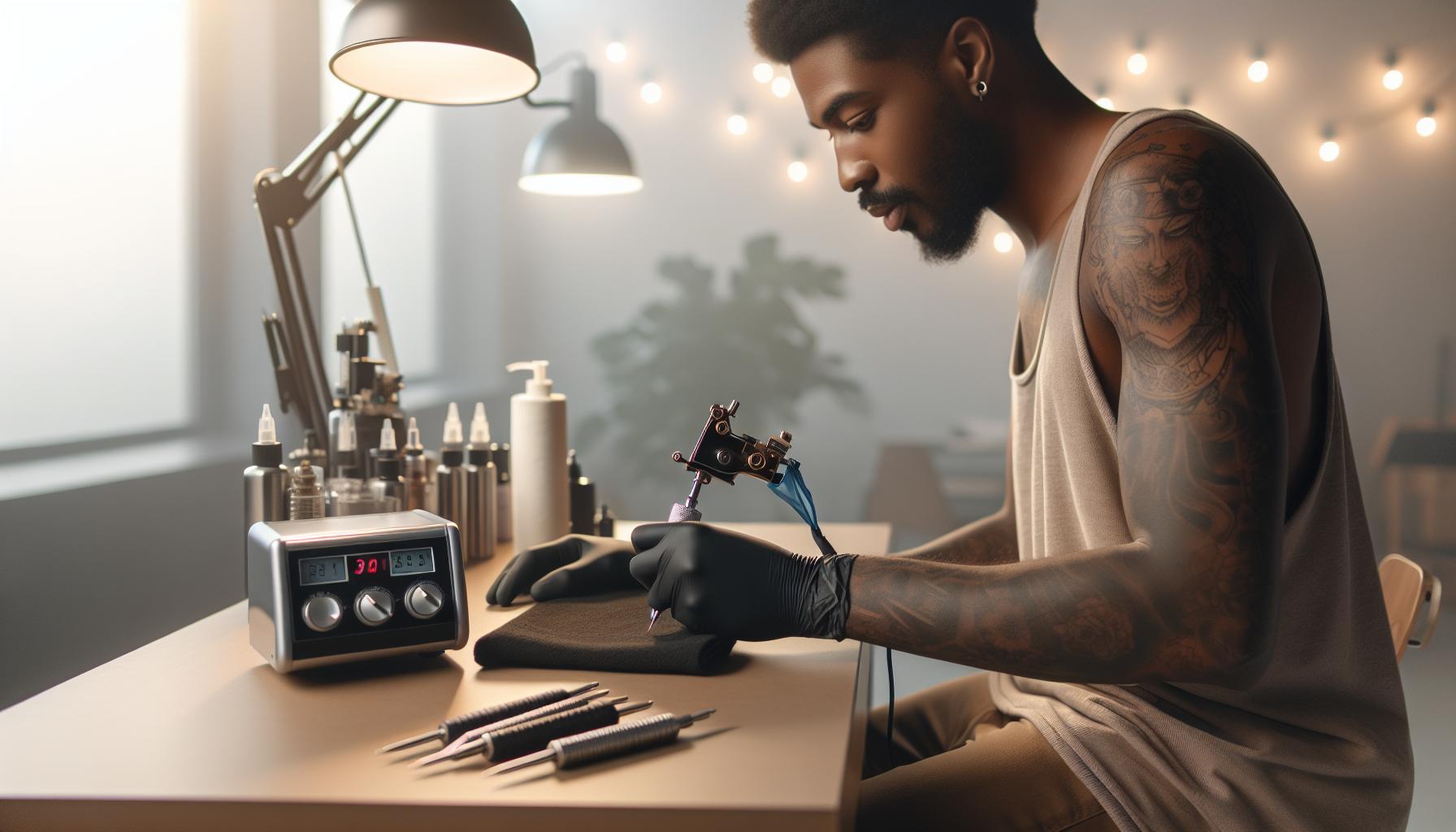
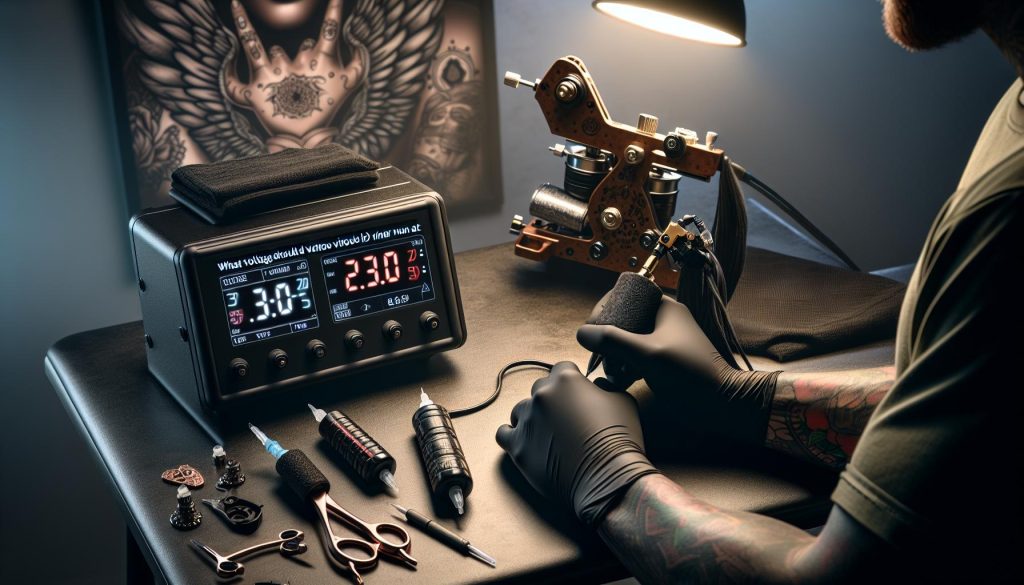
Finding the right voltage for tattoo liners is crucial for achieving precision and quality in your work. Tattoo machines typically operate at a voltage range of 6 to 12 volts. However, many artists find their sweet spot lingering around 7 to 9 volts when lining, as this range provides a balance between power and control. This helps to create sharp, clean lines while minimizing skin trauma, ensuring both aesthetic appeal and client comfort.
Understanding how voltage affects the performance of tattoo liners is vital. Higher voltages result in faster needle movement, which can be beneficial for larger areas or shading; however, for precise line work, too much power can lead to excessive skin damage and poor ink deposits. Conversely, lower voltages may provide better control but could slow the needle’s action, requiring more passes and increasing the potential for irritation. Therefore, artists are encouraged to test their machines with different voltage settings to discover individual preferences and styles.
It’s important to keep in mind that factors such as needle type, skin type, and ink viscosity can also influence the ideal voltage. For example, using a rigid needle may require slightly higher voltage to achieve the desired depth and flow of ink, while softer needles might perform better at lower voltages. Always pay attention to your machine’s feedback and the outcome of your lines, making adjustments as necessary to maintain the quality of your work.
Understanding Tattoo Liner Machines and Their Functionality
Tattoo liner machines are sophisticated tools that play a crucial role in the art of tattooing, specifically for creating clean, precise lines. Understanding the mechanics of these machines is essential for any tattoo artist aiming to master their craft. Tattoo liner machines operate by electromagnetism, which drives a needle in rapid up-and-down motions. This mechanism is what delivers ink into the skin, and the speed at which the needle moves is directly influenced by the voltage setting.
Most tattoo artists quickly learn that the voltage range typically falls between 6 to 12 volts. However, for line work, many prefer a sweet spot around 7 to 9 volts. This range offers a harmony of power and control that ensures lines are sharp without causing excessive trauma to the skin. An important aspect of how these machines function lies in their settings: low voltage provides precision but can lead to slower needle movement, which may require multiple passes to achieve the desired outcome. In contrast, higher voltages yield faster needle action, beneficial for filling in larger areas but potentially damaging for detailed line work if not monitored carefully.
To really harness the full potential of a tattoo liner machine, artists have to be adept at making real-time adjustments. Variables such as needle configuration, skin type, and tattoo location can markedly impact the ideal voltage setting. For instance, when using a round liner needle designed for intricate detailing, a stable voltage that allows for fine control can minimize irritation and enhance the ink’s deposition. Conversely, when using shaders or filling in solid areas, slight voltage increases may be necessary to achieve a uniform finish. Regularly testing different voltage levels during practice can help artists find what works best for their techniques and individual styles, ultimately resulting in a higher quality tattooing experience.
In summary, understanding the functionality of tattoo liner machines is a foundational skill for artists. By mastering the interplay of voltage and machine settings, they can produce artwork that displays both vibrancy and longevity while ensuring client comfort and satisfaction.
Factors Influencing Voltage Settings for Tattoo Liners
When it comes to achieving precision in tattoo lining, voltage settings are critical, influenced by several factors that tattoo artists must consider. The choice of voltage not only determines the speed of the needle but also impacts the overall quality and durability of the lines. Understanding these influence factors can enhance an artist’s ability to tailor their approach to different styles and techniques.
A primary factor impacting voltage is the needle configuration. Different needle types, such as round liners or flat shaders, operate more effectively at specific voltages. For instance, using a round liner needle typically requires a lower voltage for finer detail work, allowing for precise ink deposition with minimal trauma to the skin. Conversely, shaders may require higher settings to effectively push the ink through a greater surface area.
Another significant consideration is the skin type of the client. In areas where the skin is thinner or more sensitive, such as the inner arm, a lower voltage setting is advisable to reduce discomfort and minimize damage. On the other hand, thicker skin may tolerate slightly higher voltages without compromising quality or safety.
Furthermore, the location on the body also dictates adjustments in voltage. Tattoos placed over muscle may require more power to penetrate adequately compared to more delicate areas on bony structures. Artists need to be attentive to these variations, adjusting on-the-fly to achieve optimal results.
Lastly, the experience level of the artist cannot be overlooked. Novice artists might prefer to stay within safer voltage ranges to avoid unintended outcomes, while more seasoned professionals often experiment with higher settings to achieve desired effects with greater efficiency. Regular practice and familiarity with various setups empower artists to make educated decisions about voltage that match their unique style and the specific needs of each tattoo.
By paying attention to these influencing factors, tattoo artists can enhance their line work precision while ensuring the comfort and safety of their clients, ultimately leading to a more successful tattooing experience.
How Voltage Affects Tattoo Line Precision and Quality
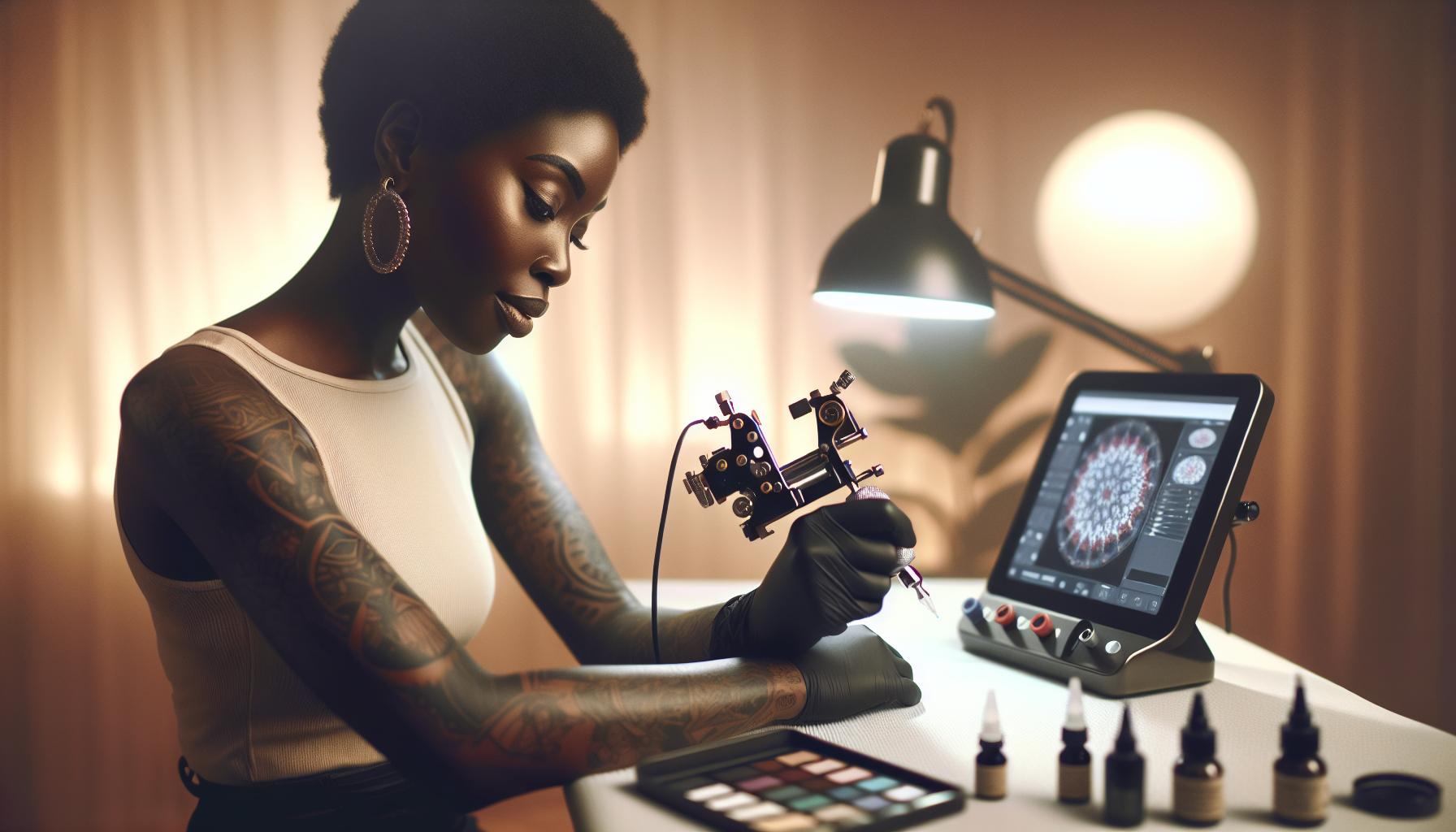
Voltage is a critical element that directly influences the precision and quality of tattoo lines, acting as the power source that drives the needle’s movement. The ideal voltage setting varies depending on several factors, including the needle configuration, technique, and the client’s skin type, but understanding how voltage affects performance can greatly enhance an artist’s ability to produce clean, crisp lines. Generally, lower voltages are preferred for fine detail work-typically between 7 to 9 volts-as they allow for more controlled movement of the needle, reducing the risk of excess trauma to the skin and preventing blurring or bleeding of the ink.
With higher voltage settings, usually exceeding 9 volts, tattoo artists can achieve quicker needle movement, which is beneficial for filling in larger areas or when working with shader needles. However, excessive voltage can lead to overworking the skin and may result in less defined lines, increasing the risk of blowouts-when ink spreads out beneath the skin, ruining the design’s integrity. Thus, a careful balance must be struck; artists must adjust voltages based on their specific style and the demands of each tattoo.
Moreover, the quality of the ink and the configuration of the needles play vital roles. For instance, round liner needles, which are ideal for outlining, require a different voltage than magnum shaders designed for color packing. It’s crucial to experiment and find the optimal voltage for each setup to ensure that the ink flows smoothly without skipping or splattering, leading to the desired sharpness and detail. In practice, this means artists should regularly assess their equipment and adjust their techniques depending on the project’s specific requirements, thus enhancing their overall craftsmanship and ensuring client satisfaction.
Comparing Voltage for Different Tattoo Styles and Techniques
When it comes to tattooing, precision and style go hand in hand, especially regarding the voltage settings for different techniques. Each tattoo style has its unique requirements, and understanding how voltage influences the outcome is essential for any tattoo artist striving for excellence.
For line work, lower voltage settings, typically between 7 to 9 volts, are preferable. This range allows the needles to move smoothly and slowly, providing better control over the depth and speed of the needle puncturing the skin. In designs featuring intricate details or sharp lines, a precise voltage is vital to prevent ink bleed and ensure that the lines retain their clarity. Artists focusing on traditional tattoos, which often involve bold outlines and vibrant colors, must be adept at toggling voltage to maintain line weight without sacrificing quality.
On the other hand, for shading and filling, artists often require higher voltage settings, generally exceeding 9 volts. Higher voltages accelerate the needle’s movement, which is particularly advantageous when covering larger areas or employing magnum shaders designed for color packing. However, it’s essential to climb the voltage cautiously, as excessive power can lead to overworking the skin, resulting in blowouts that ruin the tattoo’s integrity. Additionally, artists must adjust their approach based on the tattoo’s complexity; for instance, watercolor tattoos may necessitate a balance where the artist can achieve soft gradients without losing the vibrancy of the colors.
Lastly, the combination of needle type and ink quality also plays a significant role in determining the appropriate voltage for various styles. As a general guideline, artists should experiment with their equipment, noting how different voltages affect their techniques for each specific tattoo style, refining their settings until they can achieve the desired result consistently. Regular assessments and adjustments based on client skin types and tattoo demands will enhance an artist’s ability to create stunning, precise work, regardless of the style being executed.
Common Misconceptions About Tattoo Machine Voltage
Many tattoo artists and enthusiasts hold misconceptions about the voltage required for tattoo machines, particularly regarding how it impacts performance and outcome. One common myth is that higher voltage always correlates with better results. This belief can lead artists to default to higher settings, risking overworking the skin and potentially causing blowouts-an undesirable outcome where ink spreads beneath the skin, ruining the design. In reality, the optimal voltage varies depending on the technique. For instance, while outlining usually benefits from lower voltages of around 7 to 9 volts for greater control, shading may require slightly higher voltages to maintain efficiency without damaging the client’s skin.
Another prevalent misunderstanding is that all machines function identically, meaning any power supply would suffice for every artist’s needs. Each tattoo machine has specific voltage requirements based on its design, type of needle utilized, and intended application. It’s essential for artists to familiarize themselves with their equipment, understanding that adjustments are necessary not only for voltage but also for needle type and skin sensitivity. This personalized approach facilitates a higher quality outcome and enhances the overall experience for both the artist and client.
Additionally, some believe that consistently using the same voltage across all tattoo styles will yield uniform results. However, the nuances of different tattoo styles demand varied voltage adjustments. For instance, intricate line work requires careful manipulation at lower voltages for precision, while expansive areas, like filling or shading, can tolerate higher settings. Artists should embrace experimentation-a practical strategy that fosters skill development and leads to better mastery of their craft.
Finally, voltage is not a standalone metric; it interacts with various factors such as needle depth and ink viscosity. Artists must consider how these elements influence their machine’s performance, prioritizing a collaborative approach where voltage settings are optimized for each unique design. This level of customization ensures that the final artwork is both stunning and well-executed, highlighting the artist’s skill and attention to detail. By addressing these misconceptions and adopting a more informed perspective on voltage management, artists can significantly enhance their tattooing practice.
Testing and Adjusting Voltage for Optimal Performance

To achieve optimal performance in tattoo lining, artists must engage in a systematic approach to testing and adjusting voltage. The ideal voltage settings not only enhance the precision and quality of the lines but also significantly affect the overall comfort of the client. Starting with a voltage range of 7 to 9 volts is generally recommended for fine line work. This lower voltage allows for greater control, ensuring that the needle makes precise punctures without over-penetrating the skin, which can lead to excessive damage and scarring.
First, artists should utilize a power supply with adjustable settings. Connecting your tattoo liner to a voltage meter can help monitor the output accurately. Begin your practice by testing the machine on a fake skin material, which closely simulates the resistance of human skin. This allows you to gauge the machine’s responsiveness and make necessary adjustments without risking client discomfort or tattoo quality. Once the desired results are achieved on the practice material, gradually apply the same settings on a client, adjusting based on the skin’s texture and sensitivity.
It’s also vital to maintain an open mind about adjusting voltage based on the specific style and technique being employed. For example, when working on shaded areas or larger fills, incrementally increasing the voltage can help maintain ink flow and speed up the process. Conversely, intricate details might require steady hands at lower settings for maximum precision. Thus, documenting settings that yield the best results for different techniques in a personalized log could serve as a valuable reference for the future.
In addition to voltage adjustments, artists should regularly check their equipment for wear and tear, as issues with needles or power supplies can impact performance. Consistency in voltage delivery can be influenced by factors such as power supply quality and cable integrity. By regularly testing and fine-tuning these settings and equipment, tattoo artists can ensure that each session meets the highest professional standards, ultimately leading to more satisfied clients and superior artwork.
Tips for Maintaining Consistent Power Delivery
To keep tattoo machines running smoothly and effectively, maintaining consistent power delivery is crucial. Power fluctuations can drastically affect the precision and outcome of tattoo work, leading to inconsistent lines and, ultimately, dissatisfaction for both the artist and the client. One key element is ensuring your power supply is top-notch; consider using a power supply with stable output and low ripple voltage to prevent interruptions during your session.
Regular maintenance of the wiring and connections is equally important. Ensure that all cables are in good condition, free from frays and corrosion, and firmly attached to the machine. Loose or damaged connections can lead to intermittent power delivery, affecting the machine’s performance. Conduct routine checks and replace any worn-out components promptly to avoid inconsistencies in voltage delivery.
Furthermore, utilizing a voltage meter can enhance your control over the machine. Having real-time feedback allows artists to adjust settings instantaneously based on performance. Starting at a lower voltage and gradually increasing it while monitoring the output ensures optimal performance tailored to different styles and techniques.
Lastly, artists can create an ideal environment by maintaining room temperature and humidity levels. Extreme conditions can impact machine performance, so keep your workspace stable. Investing time in these practices will not only improve the quality of your work but will also enhance the overall experience for your clients, fostering a sense of professionalism and care.
How to Choose the Right Power Supply for Your Tattoo Machine
Choosing the right power supply for your tattoo machine is critical to achieving the precision and quality you desire in your work. An optimal power supply not only ensures consistent voltage delivery but also has features tailored to the specific needs of tattoo artists. A high-quality power supply unit (PSU) can directly enhance the performance of your tattoo liner, allowing for smoother operation and better control over linework.
When selecting a power supply, consider the following key factors:
- Voltage Range: Look for a PSU that accommodates the voltage range suitable for your tattoo machine, which is typically between 6 to 12 volts. It’s essential to ensure that the power supply can deliver stable voltage levels without fluctuations.
- Output Stability: A power supply with low ripple will deliver a consistent current, which reduces the risk of machine stalling or erratic behavior while tattooing.
- Portability: Depending on whether you work in a studio or travel for tattoos, consider a lightweight and compact power supply that can be easily transported while still maintaining reliability.
- Digital vs. Analog: Many artists prefer digital power supplies for their precise voltage adjustments and easier monitoring of output, though analog models can offer a more traditional feel.
- Safety Features: Look for PSUs with built-in protection against overheating and overloading to ensure the longevity of both the machine and the power supply.
In addition to these specifications, pay attention to user reviews and brand reputation. Investing in a reputable power supply can prevent headaches down the line, offering peace of mind that your equipment will perform consistently. With the right power supply in place, you’ll be better equipped to create stunning, intricate tattoos with unmatched precision. By prioritizing quality and compatibility, you set the stage for success in every tattooing session.
The Role of Needles and Ink in Voltage Settings
The effectiveness of a tattoo liner not only hinges on the power supply and voltage but also significantly depends on the needles and ink being used. The right combination of these elements is crucial for achieving optimal performance and the desired visual quality. Needles, available in various configurations, affect how ink penetrates the skin and the ease with which lines are drawn. For instance, finer needles typically require a lower voltage because they create more precise lines and are more sensitive to voltage fluctuations. Conversely, thicker needles may need a higher voltage to ensure that they have enough force to deposit ink effectively.
When it comes to ink, the viscosity and formulation can also influence voltage settings. Thinner inks generally flow better and can be effectively used at lower voltages, while thicker inks may necessitate a boost in voltage to achieve consistent ink flow. It’s essential for tattoo artists to experiment with voltage adjustments while considering the specific characteristics of both their needles and inks. This custom setup allows for greater control over the tattooing process, resulting in cleaner lines and smoother shades.
Moreover, the interaction between the needle and the ink can produce varying line qualities depending on the tattoo style. For instance, traditional tattoos may benefit from higher voltage and a different needle choice to achieve the bold, solid lines characteristic of the style. In contrast, delicate styles like fine line or watercolor tattoos might require lower voltages and finer needles, underscoring the need for artists to understand how these components work together. Investing time in understanding this relationship not only enhances technique but also significantly elevates the overall artistry in tattooing.
Troubleshooting Voltage Issues in Tattoo Liner Machines
Confusion over voltage settings can lead to inconsistent tattoo lines and diminished artwork quality. Understanding how to troubleshoot voltage issues is essential for tattoo artists seeking to achieve precision with their liner machines. The first step is to ensure that the power supply is functioning properly. Always verify connections and inspect for frayed wires or faulty plugs, as these can cause erratic voltage delivery. If the machine runs inconsistently, applying a multimeter to check the output voltage can provide insight into any discrepancies.
If your liner is experiencing skipping or uneven ink flow, it may indicate that the voltage is set too low for the needle and ink combination being used. Experimenting with slight voltage adjustments in increments-typically between 0.5 to 1 volt-can often resolve these issues. For artists using finer needles, keep in mind they may require lower voltage for cleaner results, while larger needles usually require a bit more to maintain a strong ink flow. Additionally, consider the type of ink; thicker inks might necessitate higher voltage settings to ensure consistent delivery.
Regular maintenance of your equipment can prevent voltage issues from arising altogether. Clean the machine frequently to avoid build-up that can affect performance. It’s also wise to keep the power supply in a stable, undisturbed environment, as extreme temperatures or humidity can impact voltage delivery. Keeping an organized workspace can help mitigate accidental damages to your setup.
Lastly, documenting your voltage settings along with the needle and ink combinations used for various tattoo styles can serve as a useful reference. This practice not only assists in troubleshooting but also aids in fine-tuning your technique over time, promoting a consistent outcome in your art. As you become more familiar with your equipment, troubleshooting will become more intuitive, improving both your efficiency and the quality of your tattoos.
Best Practices for Power Safety in Tattooing
Ensuring power safety in tattooing is more than just a precaution; it’s a cornerstone of professional tattoo practice. A safe workspace minimizes risks to both the artist and the client, paving the way for quality work without interruptions. Electric shocks can be a harsh reality in poorly maintained environments, which is why adhering to best practices in power safety is critical for any tattoo artist.
One fundamental practice is to consistently inspect all electrical equipment before use. Regularly check power supplies for signs of wear and tear, such as frayed wires or loose connections. A faulty power supply can lead not only to inconsistent voltage delivery but also create hazardous situations. If you encounter any equipment that appears damaged or shows erratic behavior, it’s best to replace or repair it promptly.
Additionally, it’s crucial to operate within the recommended voltage range specific to each machine and needle type to safeguard against overheating. Tattoo machines typically operate between 6 to 10 volts, but always consult the manufacturer’s specifications. Use a multimeter to double-check voltage stability during sessions, ensuring you maintain control over the power delivery. A stable power supply will vastly improve your tattoo work’s precision and safety.
Furthermore, creating a safe workspace involves organizing your tools and equipment to avoid accidents. Keep electrical cords secured and out of foot traffic areas to reduce the risk of tripping or unintentional disconnections. Implementing these practices not only promotes safety but also contributes to a more efficient workflow, allowing you to focus on your artistry rather than potential hazards.
Lastly, educate yourself and your team on electrical safety practices regularly. Consider participating in workshops or certification courses that cover the essentials of operating electrical equipment safely-knowledge that empowers you to identify potential risks and address them proactively. By prioritizing power safety, tattoo artists ensure a safe environment that enables creativity and high-quality work without compromising well-being.
Q&A
Q: What is the best voltage for a tattoo liner machine?
A: The ideal voltage for a tattoo liner typically ranges between 6 to 9 volts. Adjusting the voltage within this range allows for better control over the needle’s speed and depth, ensuring precise and clean lines. Experimentation may be required for optimal results based on individual techniques and skin types.
Q: How does voltage affect the performance of a tattoo liner?
A: Voltage significantly influences how the needle penetrates the skin. Higher voltages can increase the speed and puncture depth, which may be beneficial for bold lines, while lower voltages allow for greater control, making them suitable for fine details and delicate shading.
Q: When should I adjust the voltage on my tattoo liner?
A: Adjust the voltage on your tattoo liner when you notice issues such as inconsistent line quality, skipping, or if you’re switching between different techniques or ink types. Regular adjustments can help maintain optimal performance and adapt to different skin textures.
Q: What should I consider when selecting a voltage for lining versus shading?
A: For lining, a slightly higher voltage (around 8-9 volts) is favorable for crisp lines, while shading typically requires lower voltage (6-7 volts) for smoother gradients. Understanding these differences can enhance your overall tattooing technique.
Q: Is there a risk in using too high of a voltage in tattooing?
A: Yes, using too high of a voltage can lead to over-penetration, causing excessive trauma to the skin. This can result in fading, scarring, and longer healing times. It’s crucial to find a balanced setting that maximizes efficiency while minimizing harm.
Q: How do different needle configurations affect voltage settings?
A: Different needle configurations require varying voltage settings; for example, round liners may need higher voltage for defined lines, while shaders often function best at lower voltages for blending. Consumer preferences can adjust settings as well, depending on desired results.
Q: Can voltage settings vary based on the tattoo machine?
A: Yes, voltage settings can vary by machine type (coil vs. rotary). Each machine may have different power requirements, so it’s important to consult the manufacturer’s guidelines and test settings to find what works best for your specific machine model.
Q: What impact does ink viscosity have on voltage preferences?
A: Ink viscosity directly affects how the ink flows through the needle. Thicker inks may require higher voltages to ensure proper delivery, while thinner inks may work well at lower voltages. Adjusting voltage can optimize performance based on ink characteristics.
Wrapping Up
As you refine your tattoo artistry, understanding the optimal voltage for a tattoo liner is crucial to achieving precision and consistency in your work. By applying the right power control, you can enhance your technique and provide clients with stunning results. Don’t wait to elevate your skills-experiment with different settings today!
If you’re eager to learn more about tattoo techniques, check out our resources on traditional tattoo ideas and popular designs to spark your creativity. Explore our gallery, and remember to subscribe to our newsletter for the latest insights and tips that can help you thrive in your tattoo career. Share your experiences or ask questions in the comments below-we’re here to support your journey!