
Did you know that proper grounding in electrical systems is crucial for preventing equipment damage and ensuring personal safety? An Equipment Grounding Conductor (EGC) plays a vital role in maintaining electrical integrity by providing a low-resistance path for fault currents. Understanding the National Electrical Code (NEC) requirements for EGCs is essential for electricians and industry professionals alike. Compliance not only protects users but also promotes the reliability of electrical systems in homes and workplaces. As you delve into the specifics of EGCs, you’ll discover how adherence to these codes can enhance your skills, support your professional growth, and ensure the safety of the environments in which we live and work. The knowledge you gain here will empower you to implement best practices in your projects and contribute to a safer electrical landscape.
What is an Equipment Grounding Conductor?
An equipment grounding conductor (EGC) is a crucial safety component in electrical systems, designed to protect both people and equipment from electrical faults. Functioning as a low-resistance pathway, the EGC allows fault currents to flow safely to ground, minimizing the risk of electric shock, fire, and equipment damage. By effectively directing potentially hazardous currents away from users and sensitive components, an EGC plays a vital role in enhancing overall electrical safety.
EGCs can vary in size and material, often made from copper or aluminum, depending on specific applications and the anticipated electrical load. They can be either separate wires or incorporated within multi-conductor cables. The installation of EGCs must adhere strictly to the National Electrical Code (NEC) guidelines to ensure compliance and safety. Proper grounding practices not only protect equipment from damage due to electrical surges but also enhance the reliability of electrical systems, ensuring that sensitive devices operate within their intended parameters.
In practical terms, understanding the role and function of equipment grounding conductors is essential for electricians and engineers alike. Familiarity with EGCs aids in diagnosing electrical issues, evaluating safety protocols, and making informed choices about equipment and installations. For instance, incorporating GFCIs (Ground Fault Circuit Interrupters) effectively in conjunction with EGCs can drastically increase safety in wet or damp environments, illustrating how grounding practices can evolve with technology to enhance protection standards further.
By recognizing the importance of EGCs in modern electrical systems, professionals can contribute to safer installations, reduce liability risks, and protect lives through effective electrical design and maintenance practices.
The Importance of Equipment Grounding Conductors
The significance of equipment grounding conductors (EGCs) cannot be overstated, as they serve as a critical line of defense against electrical hazards. In an era where electrical systems power increasingly complex technology, the role these conductors play in enhancing safety and preventing equipment damage is more crucial than ever. An effective EGC provides a low-resistance path for fault currents, ensuring that they are safely diverted to ground instead of flowing through unintended paths, which could potentially harm individuals or damage sensitive electrical components.
In practical terms, a well-installed EGC is essential for mitigating risks in various settings, from residential circuits to industrial installations. For instance, consider a construction site where workers use multiple tools powered by electricity. The presence of EGCs becomes vital when considering the fluctuating nature of heavy equipment and tools. In the event of a ground fault-when electricity deviates from its intended path-the EGC directs this unintended current away from personnel and sensitive equipment, thus minimizing the risks of electric shock and ensuring worker safety. Moreover, modern installations often incorporate Ground Fault Circuit Interrupters (GFCIs) in conjunction with EGCs to further enhance safety, particularly in wet or hazardous environments.
Additionally, understanding the importance of EGCs aligns with the National Electrical Code (NEC) requirements, which mandate their proper installation and sizing. Electricians and engineers must be well-versed in these regulations to ensure compliance and maintain safety standards. The right size for an EGC depends on several factors, including the circuit’s overcurrent protection and the type of system being used. For example, residential circuits may require different specifications compared to commercial installations, underscoring the need for electrical professionals to stay updated on the NEC guidelines.
Tying in the knowledge of EGCs with real-world applications not only enhances job safety but also contributes to the overall reliability of electrical systems. Professionals in the electrical field should continuously educate themselves on best practices for choosing and installing EGCs, ensuring they can effectively navigate the complexities of electrical safety in today’s fast-evolving technological landscape.
NEC Requirements for Grounding Conductor Installation
To ensure electrical safety and compliance, adherence to the National Electrical Code (NEC) regarding Equipment Grounding Conductors (EGCs) is paramount. The NEC outlines specific requirements for the installation and sizing of EGCs, which serve as a crucial safety measure, directing fault currents safely to the ground. Understanding these regulations not only upholds safety standards but also protects electric and electronic equipment from damage.
The NEC mandates that EGCs be appropriately sized based on the overcurrent protection device rating and the specific characteristics of the electrical installation. For instance, the conductor’s size must be sufficient to handle potential fault currents without exceeding temperature ratings, ensuring that it does not fail during an electrical fault. Generally, a qualified electrician must determine the suitable size for grounding conductors, taking into account various installation types, whether residential, commercial, or industrial.
According to NEC guidelines, EGCs must be connected to equipment frames, mounting plates, and other conductive surfaces that could carry fault currents, forming a comprehensive grounding system. Furthermore, the code specifies that EGCs must be installed in a manner that prevents mechanical damage, which is often achieved by routing these conductors through protective conduit or cable assemblies. Special attention must also be given to connections, which should be made with corrosion-resistant fittings and maintained in good condition to ensure electrical continuity.
Regular inspections and adherence to the newest NEC amendments are crucial for electrical safety practitioners. Staying updated on changes, such as those related to emerging technologies like solar energy installations and electric vehicle (EV) charging stations, ensures that professionals can provide safe, compliant, and efficient electrical systems. As electrical codes evolve, so too must the knowledge and practices of electricians, equipping them to navigate the complexities of modern electrical installations while safeguarding both public safety and industry standards.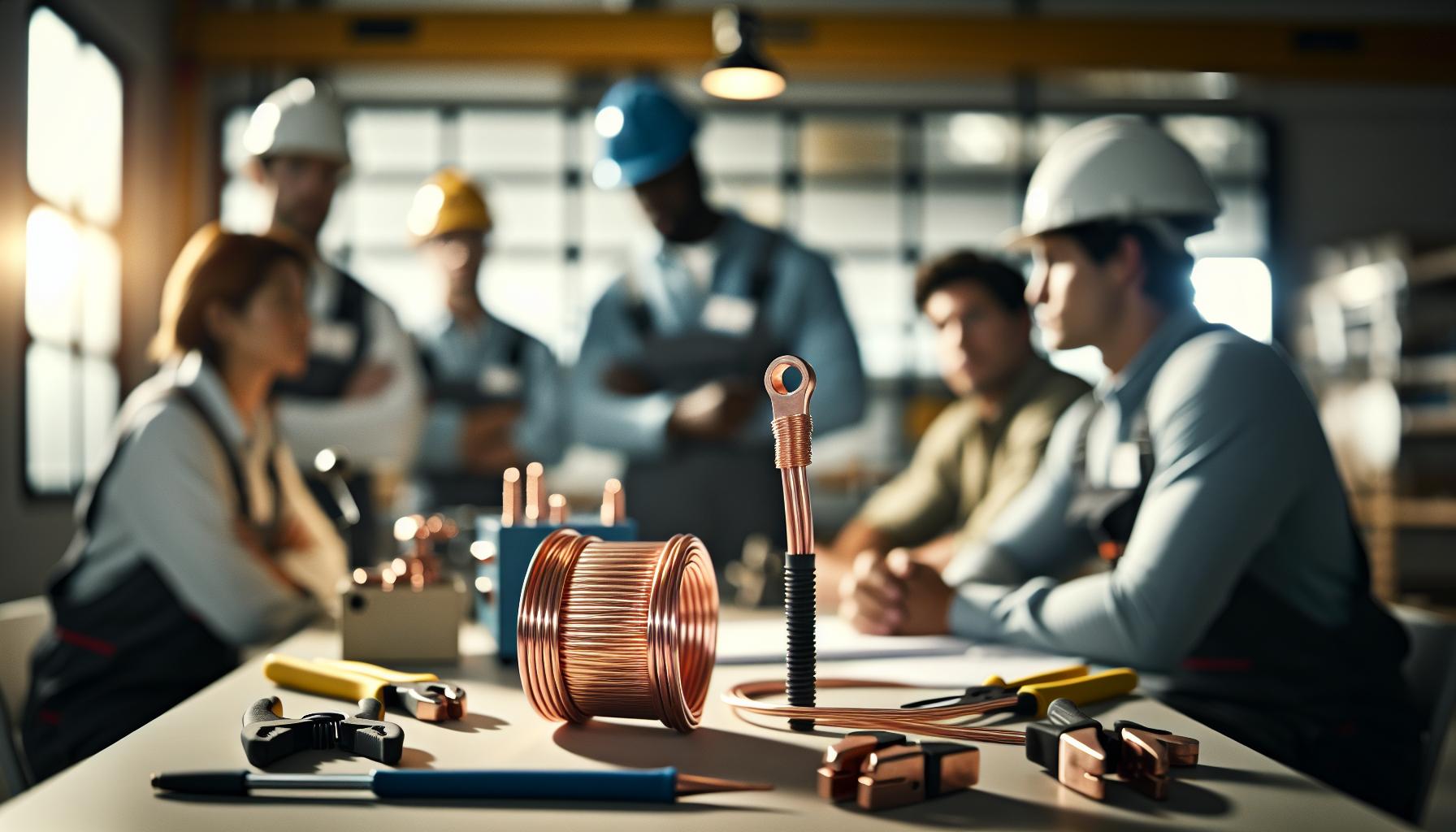
Common Types of Equipment Grounding Conductors
Ensuring the safety and longevity of electrical systems hinges on the effective use of equipment grounding conductors (EGCs). These conductors play a pivotal role in providing a path for fault currents, preventing electric shock and minimizing equipment damage. Understanding the different types of EGCs is vital for electricians and engineers, as it allows for tailored applications based on project requirements.
The most include:
- Solid Copper Wires: Frequently used due to their excellent conductivity and resistance to corrosion, solid copper wires are ideal for grounding electrical panels and systems in residential and commercial projects.
- Stranded Copper Wires: This type offers more flexibility, making it suitable for installations where the conductor needs to bend or wrap around corners. Stranded wires are commonly used in construction sites and portable equipment.
- Aluminum Conductors: While less common, aluminum grounding conductors are lightweight and cost-effective. They must be appropriately sized to handle higher currents and require special connectors to prevent galvanic corrosion.
- Grounding Bus Bars: These are metallic bars where multiple grounding conductors can be securely connected. Bus bars are often employed in larger commercial installations, providing a central point for grounding connections.
- Flexible Conductors: Often used in temporary installations or in areas with frequent movement, flexible grounding conductors can absorb mechanical stress and avoid damage in less secure environments.
When selecting a type of EGC, it’s essential to consider factors such as environmental conditions, system requirements, and installation methods. Each type has its own strengths and applications, making it crucial for professionals to assess the operational context carefully. By doing so, electricians can ensure compliance with NEC regulations while enhancing the overall safety and reliability of electrical systems.
In addition to understanding the types, holding relevant licenses and certifications can empower electricians to implement best practices effectively. Familiarity with current standards, ongoing education, and real-world experience are pivotal to advancing in this field and adapting to innovations, such as smart technology and renewable energy systems.
Grounding Conductors: Sizing and Selection Guidelines
Sizing and selecting the appropriate equipment grounding conductor (EGC) is critical to ensuring electrical safety and system reliability. Properly sized EGCs serve as a vital path for fault currents, which helps prevent electric shock and equipment damage. As a rule of thumb, the size of the EGC must be proportional to the size of the overcurrent protection device (OCPD) and the type of wiring system being used. Following the National Electrical Code (NEC) guidelines can assist electricians in making informed decisions about sizing and selecting the correct EGCs for various applications.
One of the key factors to consider is the ampacity of the grounding conductor, which can be derived from the tables provided in the NEC or the American Wire Gauge (AWG) standards. For instance, an EGC must typically be at least 8 AWG for copper conductors and 6 AWG for aluminum conductors serving feeders, based on the size of the OCPD. Generally, it is advisable to use the largest wire that fits the application and environment, as a larger conductor presents lower resistance and offers greater survivability in the case of fault conditions.
Factors Influencing EGC Selection
When selecting the proper EGC, several factors must be considered:
- Conductivity: Copper has better conductivity than aluminum and is generally preferred, but the specific application and costs may dictate the choice.
- Environmental Conditions: EGCs may be exposed to moisture, chemicals, or sunlight, making the choice of conductor insulation crucial for durability.
- Installation Method: The method of installation-whether in conduit, cable tray, or direct burial-can affect the size and type of EGC selected.
- Length of Run: Longer runs may require larger conductors to account for voltage drop, even though this is less critical for grounding conductors compared to current-carrying conductors.
By thoroughly understanding these criteria, electricians can ensure compliance with NEC standards while optimizing the safety and performance of electrical installations. Moreover, staying updated on changes to NEC regulations regarding grounding practices and EGC sizing is an essential aspect of professional development. Electricians should consider obtaining relevant certifications and licenses to enhance their expertise and career opportunities in the ever-evolving electrical landscape.
Best Practices for Installing Grounding Conductors
Installing grounding conductors correctly is not just a best practice; it is essential for ensuring electrical safety and system reliability. Grounding conductors serve as the pivotal path for fault currents, shielding both people and equipment from electric shock and damage. When undertaking installation, it is critical to stay aligned with the National Electrical Code (NEC) standards, as well as employ a series of practical strategies to enhance safety and efficiency.
One key best practice is to ensure all connections are tight and corrosion-resistant. Loose or corroded connections can significantly hinder the effectiveness of grounding systems. Utilization of appropriate grounding terminals and equipment, such as grounding clamps, helps maintain robust connections. Regular inspections and maintenance routines are advisable to check the integrity of these connections, particularly in environments with harsh conditions like moisture or chemical exposure.
Materials and installation methods greatly influence the effectiveness of grounding conductors. It is generally advisable to use copper conductors for their superior conductivity, although aluminum may be appropriate in specific applications due to cost considerations. The insulation type should be chosen based on environmental factors; for example, sunlight-resistant insulation is critical in outdoor installations. It is also essential to follow the manufacturer’s guidelines for installation methods-whether embedding in concrete or routing through conduit-as these will have direct implications on performance.
Moreover, understanding local code variations can enhance compliance during installation. While the NEC provides a robust framework, states or municipalities may have additional stipulations that must be followed. For electricians looking to advance their careers, staying informed about these codes not only ensures safety and compliance but also enhances one’s professional credibility. Consider pursuing additional certifications or specialized training in grounding and bonding, which can set you apart in a competitive job market.
Establishing a comprehensive grounding strategy goes beyond initial installation; it should include ongoing education about evolving standards and technologies such as smart home systems and renewable energy setups. These systems often come with their own grounding requirements. As you engage with emerging technologies, the imperative to maintain rigorous standards in grounding practices only grows stronger, underscoring the importance of continuous learning within the electrical profession.
Understanding Ground Fault Circuit Interrupters (GFCIs)
In the realm of electrical safety, Ground Fault Circuit Interrupters (GFCIs) play a pivotal role in protecting users from electric shocks. These devices monitor the flow of electricity through a circuit and are designed to detect any discrepancies, such as current leakage to the ground, which often occurs if a person makes contact with a live wire. According to the National Electrical Code (NEC), GFCIs are essential in areas where water and electricity are in close proximity, such as kitchens, bathrooms, and outdoor spaces. By interrupting the circuit within milliseconds of detecting a ground fault, GFCIs significantly reduce the risk of serious injury or death.
When installing GFCIs, electricians must be mindful of several key considerations. Location is critical; GFCIs must comply with local codes regarding their deployment in wet or damp locations. Furthermore, understanding the GFCI’s rating in terms of current and voltage can help ensure optimal performance. Electricians should also educate clients about the importance of testing GFCIs monthly, as the devices can wear out over time. This proactive measure ensures that GFCIs function effectively, reinforcing the safety of the electrical system.
GFCIs also foster compliance with NEC requirements, making their installation not only beneficial for safety but also a professional necessity. Electricians should leverage additional training on GFCI applications and their installation, as this expertise can enhance a professional’s marketability and address common client concerns. Staying current on the latest advances in GFCI technology, such as smart GFCIs which offer additional features like remote monitoring, ensures that electricians are well-positioned to install systems that not only meet but exceed safety standards.
Incorporating GFCIs into electrical systems plays a crucial role in achieving a robust grounding strategy. These devices exemplify how modern electrical safety measures evolve to meet contemporary demands, thereby safeguarding occupants in increasingly complex living environments. Keeping abreast of NECode changes, such as enhanced grounding and bonding requirements that affect GFCI installations, empowers professionals in the electrical field to provide the highest standard of safety and compliance.
Troubleshooting Grounding Issues in Electrical Systems
Identifying grounding issues in electrical systems can seem daunting, but understanding the fundamentals of equipment grounding conductors can simplify the troubleshooting process significantly. Grounding issues can compromise safety and performance, making it crucial for electricians to adopt a methodical approach. According to the National Electrical Code (NEC), a properly installed equipment grounding conductor (EGC) forms the backbone of electrical safety, providing an effective pathway for fault currents to return to the ground, thus reducing the likelihood of electric shock and equipment damage.
When investigating grounding problems, the first step is to perform a continuity test on the grounding conductor. This involves using a multimeter to verify that the conductor is properly connected at the ground rod and that all connections are secure throughout the electrical system. If the reading indicates a break in the circuit, it’s vital to inspect connections, junction boxes, and ground rods. Also, consider checking for corrosion or physical damage to the wires, as these can significantly impact conductivity.
Another common grounding issue is the presence of induced voltages, which can occur when grounding conductors run parallel to ungrounded conductors. This can lead to misleading voltage readings and potential equipment malfunction. To mitigate this, electricians should ensure separation between grounding and power conductors wherever possible, adhering to NEC specified clearances. Installation of ground fault circuit interrupters (GFCIs) in areas prone to moisture can further enhance safety by detecting faults before they cause injury.
Lastly, understanding the difference between grounding and bonding is essential in troubleshooting. Grounding creates a direct connection to the earth, while bonding ensures that all metallic parts are at the same potential to prevent shocks. If systems are improperly bonded, it can lead to hazardous conditions despite proper grounding. Therefore, always confirm that bonding conductors are appropriately sized and connected. By following these guidelines and employing a systematic approach to troubleshooting, electricians can ensure safe, compliant, and effective grounding systems, enhancing overall electrical safety standards.
Differences Between Grounding and Bonding
Understanding the nuances between grounding and bonding is crucial for any electrician aiming to enhance electrical safety and compliance with the National Electrical Code (NEC). Grounding and bonding serve different but complementary roles in an electrical system, and misinterpreting these functions can lead to severe safety hazards. Grounding provides a direct path for electrical faults to dissipate safely into the earth, while bonding ensures that all conductive surfaces are at the same electrical potential, effectively reducing the risk of shock.
Grounding involves connecting electrical equipment and systems to the earth or a grounding electrode. This connection is designed to prevent electric shock by allowing excess current from a fault to flow safely into the ground. For example, if there’s a short circuit, the grounding electrode will help divert the fault current, minimizing the potential for electric shock to individuals interacting with the system. It’s critical to check that grounding conductors are properly sized and installed according to NEC guidelines to ensure effectiveness.
On the other hand, bonding links various conductive parts of an electrical system, such as metal enclosures, raceways, and equipment frames, to maintain them at a similar voltage potential. This directly mitigates the chances of a shock hazard by eliminating any voltage difference that could arise due to a fault or stray current. For instance, if a metal conduit is not bonded correctly, it could carry a voltage during a fault condition, posing a serious risk to anyone nearby. Electricians must ensure that bonding conductors are appropriately sized and that bonding connections are both secure and corrosion-free.
In summary, grounding and bonding work hand in hand to create a safer electrical environment. Grounding directs excess electricity into the earth, while bonding ensures all parts of an electrical system maintain the same potential. By establishing a clear understanding of these concepts, electricians can troubleshoot effectively, ensuring that systems not only comply with NEC standards but also safeguard against electrical hazards.
Impact of Grounding on Electrical Safety Standards
Ensuring the safety of electrical systems requires a robust understanding of grounding and its implications on safety standards. Grounding not only protects equipment but also serves a critical function in preventing electrical shock hazards. When properly implemented, grounding provides a pathway for fault currents, directing them safely into the earth. This minimizes the risk of electric shock to personnel and protects sensitive electronic devices from damage. Notably, the National Electrical Code (NEC) mandates specific grounding practices to uphold safety in residential, commercial, and industrial settings.
One significant impact of effective grounding is the enhancement of electrical safety standards. By adhering to NEC guidelines for grounding conductors, electricians can significantly reduce regulatory non-compliance risks. These standards dictate that all electrical equipment must have a reliable connection to ground, ensuring that any fault current does not cause serious harm. For instance, in a fault condition, such as a short circuit, a well-grounded system will allow the excess current to dissipate into the earth instead of flowing through unintended pathways, thus protecting both individuals and equipment.
Moreover, grounding systems require regular inspection and maintenance, especially in environments with high moisture or corrosive elements, where deterioration can lead to increased resistance and compromised safety. Implementing best practices such as periodic testing of grounding resistance and ensuring all connections remain secure and corrosion-free is essential for maintaining system integrity. Electricians should be proactive in identifying potential grounding issues that could adversely affect safety compliance.
Understanding the is not only vital for compliance with NEC requirements but also forms the foundation of effective troubleshooting. Electricians can leverage this knowledge to enhance their careers, ensuring they are equipped to handle contemporary challenges such as integrating modern technologies like EV chargers and smart home systems that also rely heavily on proper grounding practices. By doing so, they can not only safeguard their work environment but also enhance their professional reputation as experts committed to electrical safety.
Recent Changes in NEC Codes Regarding Grounding
As the electrical industry evolves to address emerging technologies and safety challenges, recent changes to the National Electrical Code (NEC) have underscored the importance of grounding in electrical systems. Among the most significant updates is the increased emphasis on equipment grounding conductors (EGC). The NEC now mandates that all metallic enclosures and equipment of a circuit must be properly grounded to reduce the risk of electrical shock and equipment failure. These changes reflect a proactive stance on safety, as grounding plays a critical role in providing a low-resistance path for fault current, allowing circuit breakers to trip more effectively.
In addition to broadening the scope of items requiring grounding, the latest NEC revisions have specified new minimum sizing requirements for grounding conductors. This change aims to accommodate the increased current capacities of modern electrical systems, which necessitate enhanced grounding efficiency. Electricians must ensure that EGCs are sized correctly based on the branch circuit conductors to maintain compliance and ensure safety at all times. This attention to detail can prevent overloads, which may otherwise lead to serious hazards in residential, commercial, and industrial settings.
Furthermore, the NEC has introduced guidelines for grounding conductors in specific applications such as photovoltaic systems and electric vehicle (EV) charging stations. These areas have seen rapid growth, and having explicit grounding requirements ensures not only safety but also compliance with local regulations. For instance, the codes now clarify how to ground solar panel systems effectively, which differ from traditional setups owing to their unique nature.
Electrical professionals must stay ahead of these NEC changes to fortify their skills and maintain compliance with safety standards. Regular training sessions and current education on these updates are essential for electric professionals to enhance their expertise, which is critical for their career development and ensuring the safety of the environments in which they work. As the industry adapts to new technologies, grounding practices remain a cornerstone of electrical safety, warranting continuous attention and adherence to the most recent NEC codes.
Future Trends in Grounding and Electrical Safety
As the electrical landscape continues to evolve, new technologies and safety imperatives are shaping the future of grounding practices. One significant trend is the integration of smart technology within electrical systems, compelling electricians to rethink traditional grounding methods. With the rise of smart homes and IoT devices, precise and efficient grounding has become more critical than ever to prevent electrical interference and enhance safety. This shift underscores the need for grounding conductors that accommodate higher frequencies and improved safety standards in progressively complex electrical environments.
Another emerging trend is the growing emphasis on renewable energy systems, such as solar and wind power. These systems present unique grounding challenges, which necessitate updated guidelines and installation practices. The NEC has already begun adapting to these changes, ensuring that systems like electric vehicle (EV) chargers and photovoltaic installations include grounded connections that mitigate risks associated with fault currents and overvoltage situations. Electricians will need to become proficient in the specific requirements for grounding in these applications, underscoring the importance of continuous education and adaptation to new codes.
Moreover, advancements in materials science have led to innovations in grounding conductor materials, enhancing their reliability and effectiveness. Conductors made from high-strength composites offer improved conductivity and resistance to corrosion, which can be especially beneficial in harsh environments. Electricians should be attentive to these developments and consider them in their work to ensure compliance with NEC standards, ultimately minimizing risks associated with aging infrastructure and environmental factors.
In conclusion, staying ahead of these trends is paramount for electrical professionals committed to ensuring safety and compliance. Continuous training, professional development, and up-to-date knowledge of NEC changes will empower electricians to navigate the complexities of modern electrical systems, enhancing their skills while championing safety and performance. Preparing for the future in grounding and electrical safety not only reinforces career growth opportunities but also ensures the safety of the installations that are essential to our increasingly reliant society.
Faq
Q: What is the purpose of an equipment grounding conductor?
A: The purpose of an equipment grounding conductor (EGC) is to create a safe path for electricity to travel back to the ground in the event of a fault, reducing the risk of electric shock and protecting equipment from damage.
Q: How do NEC requirements affect the installation of grounding conductors?
A: NEC requirements dictate the size, type, and installation practices for grounding conductors to ensure safety and reliability. Compliance with these codes is essential for reducing hazards associated with electrical faults and ensuring effective grounding in electrical systems.
Q: What are the common materials used for equipment grounding conductors?
A: Common materials for equipment grounding conductors include copper and aluminum. Copper is preferred for its excellent conductivity and durability, while aluminum is lighter and cost-effective, but requires careful handling to prevent corrosion.
Q: How do you determine the size of an equipment grounding conductor?
A: The size of an equipment grounding conductor is determined by NEC standards, which consider factors such as the size of the overcurrent protection device, conductor material, and installation method. Refer to NEC Table 250.122 for proper sizing guidelines.
Q: What are the potential consequences of improper grounding conductor installation?
A: Improper installation of grounding conductors can lead to increased risk of electric shock, equipment failure, fire hazards, and failure to comply with safety regulations. Ensuring correct installation is crucial for electrical safety.
Q: When should grounding conductors be inspected during electrical work?
A: Grounding conductors should be inspected during initial installation and during routine maintenance checks. Look for signs of wear, corrosion, or improper connections to ensure they remain effective in protecting against electrical faults.
Q: Why is bonding important in relation to grounding conductors?
A: Bonding is essential because it connects all non-current-carrying metal parts to the grounding system, reducing the risk of shock hazards. It ensures that all parts of the electrical system are at the same electrical potential, enhancing overall safety.
Q: Are there recent updates to NEC codes regarding grounding conductors?
A: Yes, recent NEC updates include changes in the requirements for grounding conductor sizing and installation practices. Staying informed about these updates is vital for compliance and safety in electrical installations.
Future Outlook
Thank you for exploring the critical role of an Equipment Grounding Conductor within NEC requirements. Understanding these essentials can enhance both safety and compliance in all your electrical projects. If you’re looking to deepen your understanding, consider reading about licensing and certifications for electricians or our guide on electrical fundamentals, including voltage and amperage basics, which can further empower your knowledge.
Don’t miss out on our latest resources-subscribe to our newsletter for ongoing insights on electrical careers and cutting-edge technologies like EV chargers and smart homes. Have questions or experiences to share? Leave a comment below; we’d love to hear from you! Remember, mastering these concepts not only boosts your proficiency but also prepares you for future industry challenges. Keep your skills sharp and explore our other articles for more knowledge!