In the world of electrical engineering, busbars play a crucial role in the efficient distribution of electrical power. These conductive bars, often made of copper or aluminum, are used to connect multiple circuits within electrical panels, substations, and power distribution systems. With the rise of advanced technologies and renewable energy sources, understanding busbar design and applications is essential for electricians and engineers striving to optimize performance and ensure safety. As industries move toward greater automation and electrification, mastering the intricacies of busbar systems not only empowers professionals to troubleshoot and enhance existing setups but also positions them at the forefront of the evolving electrical landscape. Join us as we delve deeper into the significance of electrical busbars and explore their design principles and real-world applications, unlocking valuable insights that can propel your career and projects forward.
What Is a Busbar and Its Purpose in Electrical Systems
A busbar is a critical component in electrical power distribution systems, functioning as a metallic strip or bar designed to conduct large amounts of electrical current. By effectively handling high currents, busbars minimize resistive losses and enhance power distribution efficiency within switchgear, distribution panels, and substations. Their core purpose lies in consolidating electrical connections, allowing multiple circuits to receive power from a common source, thus ensuring a seamless flow of electricity where it is needed most. This capability is essential not only for traditional electrical systems but also for modern setups involving renewable energy sources and smart grids.
The design and implementation of busbars must account for several factors, including electrical load requirements, thermal dissipation, and safety standards. For instance, a well-designed busbar system can help mitigate the risks of overheating and electrical faults, contributing to a safer working environment. In terms of applications, busbars are utilized in various settings, from commercial buildings and data centers to industrial plants, demonstrating their versatility and importance in contemporary electrical engineering.
As electrical systems evolve, so do the technologies and materials used in busbar design. Innovations aim at improving performance, such as enhanced cooling techniques and the integration of smart monitoring devices. These advances not only help in managing energy more effectively but also facilitate real-time data tracking, which is becoming increasingly vital in energy management strategies.
Types of Busbars: Overview and Applications
In the world of electrical power distribution, understanding the various types of busbars and their applications is essential for professionals in the field. Busbars, which are metallic strips or bars, serve as conduits for distributing electrical currents effectively. They reduce resistive losses and streamline the connection of multiple circuits, allowing for efficient energy management in diverse environments. Recognizing the distinct types of busbars available and their respective applications can significantly enhance system performance and reliability.
Types of Busbars
There are several types of busbars, each designed for specific purposes and configurations:
- Solid Busbars: Typically made of copper or aluminum, solid busbars offer excellent conductivity and are used in power distribution panels and substations. Their rigidity and durability make them suitable for high-current applications.
- Flexible Busbars: Constructed from woven copper strands, flexible busbars are ideal for applications where adjustments and moving components are necessary. They are commonly used in dynamic electrical environments such as robotic systems and modular equipment.
- Insulated Busbars: These busbars are coated with a non-conductive material, allowing for safer handling and installation. Insulated busbars are particularly useful in preventing short circuits, making them a preferred choice in densely packed electrical panels.
- Busway Systems: Comprising multiple busbars enclosed in a protective casing, busway systems facilitate the distribution of power across large facilities. They are prevalent in industrial settings, providing flexibility and ease of installation due to their modular design.
- Specialized Busbars: Customized busbars may be designed for unique applications, such as high-voltage systems or environments with specific environmental conditions, including high humidity or extreme temperatures.
Understanding the specific applications of each busbar type is crucial for electrical engineers and technicians. For instance, solid busbars may be preferred in high-current settings like industrial power distribution, while flexible busbars provide advantages in mobile or adjustable applications. Insulated busbars enhance safety in environments where touch safety is a concern. By selecting the appropriate busbar type, professionals can ensure efficient electrical distribution while maintaining safety and compliance with industry standards.
The versatility of busbars extends to their modular nature, which also allows for easy scaling in expanding projects. As infrastructure requires adaptability, busway systems can be rearranged or expanded without substantial rewiring. This flexibility makes them invaluable in commercial buildings and data centers where scalability and modernization are frequent concerns.
By leveraging the various types of busbars suited for different applications, electrical professionals can optimize their systems for performance, reliability, and safety, ultimately advancing their expertise and career in the electrical field.
Key Design Considerations for Electrical Busbars
In the pursuit of efficient and reliable electrical distribution, the design of busbars is critical. A busbar serves not only as a conductor of high current but also as a pivotal element that influences the overall performance and safety of the electrical system. A well-designed busbar takes into account multiple factors, including current carrying capacity, operating environment, and thermal performance, to ensure it meets the demands of the specific application.
Current Capacity and Thermal Management
Understanding the current capacity is fundamental when designing busbars. The busbar must be sized correctly to handle the anticipated load while also considering the ambient temperature and ventilation in the installation area. Proper thermal management is essential to prevent overheating, which can lead to failures or even hazardous situations. Heat dissipation can be enhanced by using busbars made from highly conductive materials like copper and aluminum, which allow for increased current without significant temperature rise.
Environmental Considerations
The environmental conditions in which the busbar operates can greatly impact its design. For instance, busbars installed in harsh conditions, such as high humidity or corrosive atmospheres, may require specific coatings or materials to prevent deterioration. Insulated busbars, which provide safety from accidental contact, are particularly useful in dense installations where space is limited. Selecting the right busbar type can mitigate risks and enhance the longevity of the installation.
Mechanical and Assembly Considerations
A busbar’s design should also consider its mechanical strength and ease of assembly. Rigidity is essential, especially in applications where vibration may occur, such as in industrial settings or transportation vehicles. Busbars need to be robust enough to withstand mechanical stresses without deforming. Additionally, the design should facilitate easy installation, allowing for efficient connections and adjustments during maintenance.
By focusing on these key design considerations-current carrying capacity, environmental resilience, and mechanical integrity-professionals can create effective busbar solutions that enhance the safety, reliability, and performance of electrical systems. Such proactive approaches not only ensure compliance with industry standards but also contribute to the overall efficiency of power distribution networks.
Material Choices for Optimal Busbar Performance
To ensure optimal performance in electrical systems, the choice of materials used for busbars is crucial. The busbar serves as a high-capacity conductor that distributes electrical power, and selecting the right material directly affects its efficiency, durability, and thermal performance. Two of the most commonly used materials for busbars are copper and aluminum, each with its unique properties that make them suitable for different applications.
Copper Busbars
Copper is the gold standard in electrical conductivity, boasting a conductivity of approximately 59.6 x 10^6 S/m. This superior conductivity allows copper busbars to handle higher current loads without overheating, making them ideal for settings where performance is paramount, such as in industrial and commercial applications. Additionally, copper’s mechanical strength provides excellent durability, which means that copper busbars can be designed thinner than their aluminum counterparts, allowing for more compact installations. However, copper is heavier and more expensive than aluminum, which can be limiting factors in some applications.
Aluminum Busbars
While aluminum has a lower conductivity than copper (around 37.7 x 10^6 S/m), its lightweight nature and lower cost make it an attractive option for large-scale applications, especially in overhead power lines and busway systems. Aluminum busbars are easy to handle, reducing installation time and labor costs. Furthermore, the use of aluminum can be justified in situations where weight savings are critical, such as in mobile applications and light-duty installations. To enhance its conductivity, aluminum busbars are often hard-anodized or equipped with copper cladding, which improves surface conductivity and reduces oxidation.
Corrosion Resistance and Longevity
Corrosion is a significant factor affecting the longevity of busbars, especially in environments exposed to moisture or chemicals. Copper naturally resists corrosion better than aluminum; however, untreated aluminum can corrode when exposed to elements, leading to poor electrical connections over time. To counter this, manufacturers often apply protective coatings, such as anodization, to aluminum busbars, which enhances their resistance to environmental factors.
Choosing the right material involves weighing the specific needs of the application, such as cost, weight, and electrical load requirements. Always consider the environmental conditions to select materials that will extend the lifespan and effectiveness of busbars in electrical distribution systems.
Busbar Sizing: Calculating Current Capacity
Calculating the current capacity of a busbar is crucial for ensuring safe and reliable electrical distribution. The sizing process considers several factors, including amperage loads, ambient temperatures, and busbar materials. Each of these variables plays a vital role in determining the appropriate size and type of busbar necessary for a particular application.
The first step in sizing a busbar is to ascertain the maximum current it must carry. This involves analyzing the total load that will be supplied through the busbar, typically measured in amperes (A). The National Electrical Code (NEC) provides guidelines that can help in determining the appropriate current rating based on the specific usage conditions. It’s important to include a safety margin of approximately 20% to accommodate unexpected increases in load without risking overheating or damage.
Next, the busbar’s operating environment should be considered. Factors such as ambient temperature and installation method can significantly influence performance. For instance, the maximum allowable temperature rise is generally accepted to be around 30°C above the ambient temperature for copper busbars. Therefore, calculating the expected environmental conditions will help resolve the required size and shape of the busbar.
Material also affects busbar sizing; copper and aluminum, the two primary choices, have different conductivities, which influence their current-carrying capacities. For example, copper, with superior conductivity, can carry more current than aluminum of the same cross-sectional area. Additionally, the busbar’s cross-sectional geometry plays a role too. Wider or thicker busbars can carry more current and dissipate heat more effectively, making them better suited for high-load applications.
Key Considerations
- Load Analysis: Determine maximum and fluctuating loads.
- Safety Margin: Always include a margin of at least 20%.
- Material Properties: Focus on copper versus aluminum properties.
- Heat Dissipation: Assess ambient temperatures and required thermal performance.
Utilizing these considerations will enable professionals to calculate and select the right busbar size for various applications effectively. By prioritizing proper sizing, electricians and engineers can enhance system safety, efficiency, and longevity in electrical installations.
Installation Practices for Safe and Effective Busbars
Proper installation of busbars is critical for ensuring optimal performance, safety, and reliability in electrical systems. A well-executed installation process not only minimizes the risk of short circuits and electrical fires but also enhances the efficiency of power distribution. To achieve effective busbar installation, several best practices should be observed.
Start by ensuring that the mounting surface is adequately prepared and that the busbar is securely fastened. Common practices include using insulated supports to minimize the risk of electrical faults. Mounting should also consider vibration and thermal expansion, so busbars should be anchored in a way that allows for some movement without compromising the integrity of the connections. Additionally, proper spacing between busbars and adjacent equipment helps to prevent overheating and allows for better air circulation.
Connection Techniques
Utilizing appropriate connection techniques is vital for effective busbar installation. Familiarize yourself with standard practices, such as using bolt connections instead of soldering, which allows for easier maintenance and ensures better conductivity. Always follow the manufacturer’s specifications regarding tightening torques to prevent loosening due to vibrations. To further safeguard against corrosion, applying conductive grease to connections can enhance conductivity and prolong the lifespan of the installation.
Safety Measures
Safety is paramount during the installation of busbars. Ensure that all electrical circuits are de-energized and locked out before beginning the installation. Wearing appropriate personal protective equipment (PPE), including insulated gloves and safety glasses, is essential. Always check the installation against local codes and standards, such as the National Electrical Code (NEC), to verify compliance.
Finally, periodic inspections after installation are recommended to identify signs of wear or any emerging issues. Establish a schedule for regular maintenance checks that include visual inspections and thermal imaging to detect hot spots that could indicate connection problems. These proactive steps contribute significantly to creating a safe and effective electrical system, ensuring the longevity and reliability of busbars in operational settings.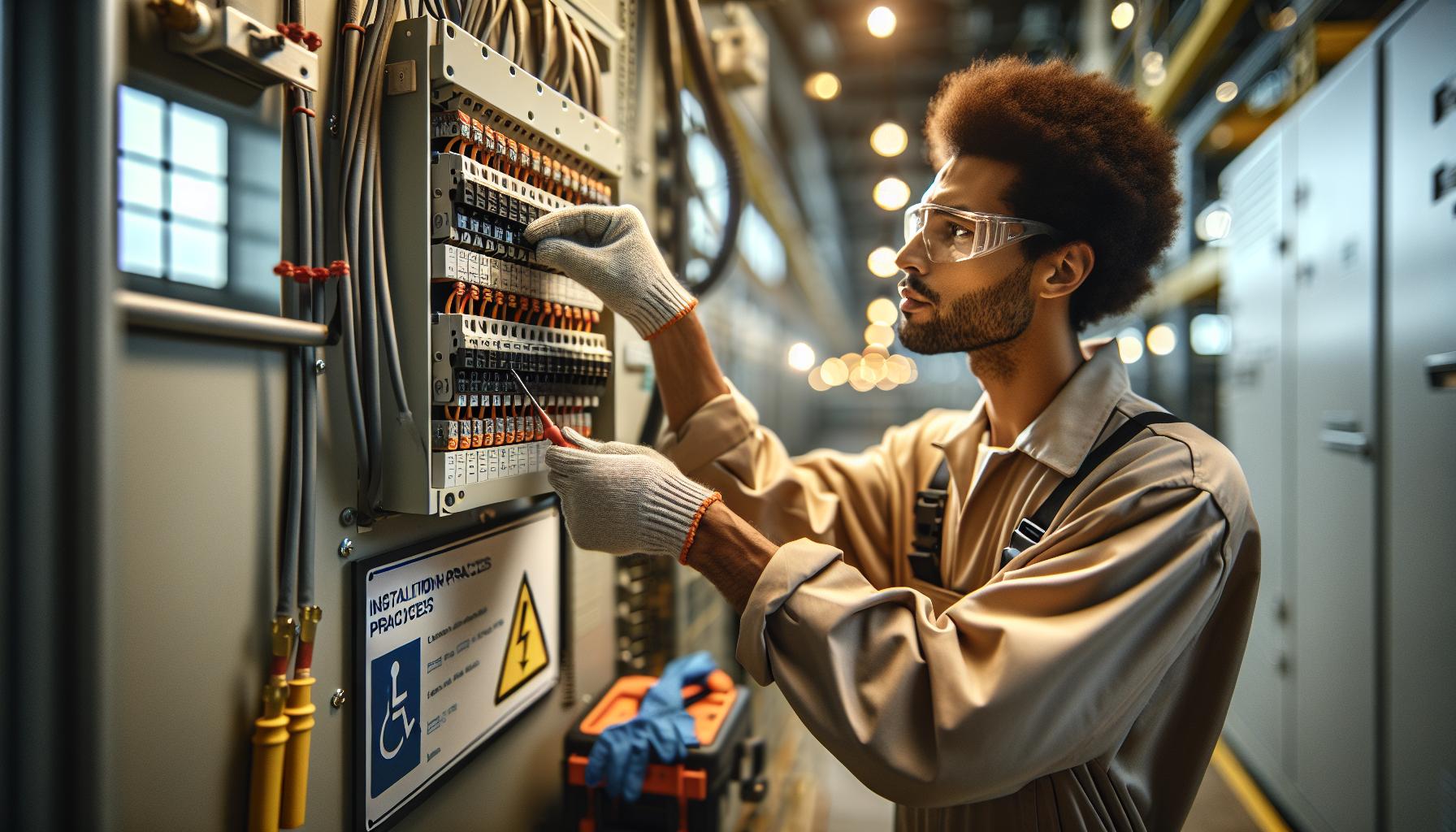
Maintenance Tips to Extend Busbar Lifespan
The longevity and reliability of busbars in electrical systems can significantly impact overall performance, particularly in high-demand environments. Proper maintenance can extend their lifespan and reduce costly outages or failures. To maintain busbars effectively, it’s essential to conduct regular inspections, ensure cleanliness, and monitor operational conditions.
A fundamental practice is to perform visual inspections at regular intervals, looking for signs of wear such as corrosion, discoloration, or physical damage. It’s advisable to establish a routine that includes checking for proper torque on connections, as loose connections can lead to overheating and failures. Additionally, maintaining cleanliness is crucial; dust and dirt can act as insulators and create hotspots. Use appropriate cleaning agents to remove debris, ensuring the surfaces are free from contaminants.
Temperature Monitoring
Underoperation, busbars can experience fluctuating temperatures that may indicate underlying issues. Employ thermal imaging technology to identify hotspots that could signal problems like poor connections or excessive current flow. Detecting these issues early can prevent more severe damage and ensure that your busbar continues to operate efficiently.
Environmental Considerations
Consider the environment in which the busbars operate. Humidity, dust, and chemical exposure can accelerate degradation. When designed and installed, encapsulate the busbars as necessary, and employ protective coatings to mitigate environmental damage. Furthermore, assess ventilation to reduce overheating risks, particularly in enclosed spaces.
By integrating these maintenance practices, electrical professionals can enhance the reliability and functional lifespan of busbars, contributing to safer and more efficient power distribution systems. Adopting a proactive maintenance approach will significantly reduce the likelihood of unexpected failures and their associated costs, thus ensuring smoother operation for electrical technicians and their projects.
Busbars in Renewable Energy Applications
The increasing reliance on renewable energy sources necessitates robust and efficient electrical systems, making busbars indispensable in this context. These conductive pathways are crucial for distributing large volumes of electricity generated from sources like solar panels and wind turbines. By serving as vital junction points, busbars facilitate the seamless interconnection between various renewable energy components, ensuring optimal performance and reliability.
One key area of application is in solar power installations, where busbars are used to connect solar panel arrays to inverters and battery storage systems. Their ability to handle high currents with minimal resistance enhances the overall efficiency of solar energy systems. For example, the integration of busbars in photovoltaic (PV) systems not only reduces wiring complexity but also minimizes energy loss, contributing to a more effective energy conversion process.
Benefits of Busbars in Renewable Energy
The advantages of employing busbars in renewable energy installations include:
- Space Efficiency: Busbars occupy less space compared to traditional cabling, lending themselves well to compact systems.
- Improved Safety: Properly designed busbars diminish overheating risks due to their superior thermal handling compared to wires.
- Enhanced Durability: Made from robust materials, busbars withstand environmental factors better, which is vital for outdoor installations.
As the renewable energy sector grows, innovation in busbar technology is also advancing. Recent developments include the use of modular busbars that allow for easier scalability and customization according to the specific needs of renewable energy projects. This flexibility enables efficient upgrades as technology evolves.
In conclusion, busbars play an essential role in maximizing the performance and safety of renewable energy systems. They not only streamline the distribution of electricity in complex setups but also contribute to a greener and more sustainable energy landscape. By understanding and implementing the best practices in busbar design and installation, professionals can contribute significantly to the efficiency and reliability of renewable energy applications.
Innovations in Busbar Technology and Design
The paradigm of electrical distribution is undergoing a significant transformation, driven by innovations in busbar technology that enhance efficiency, safety, and adaptability in various applications. One of the most prominent advancements is the introduction of modular busbars, which allow for flexible configurations tailored to specific electrical system requirements. This modularity not only streamlines installation processes but also facilitates easier modifications and expansions, catering to the rapidly evolving needs of the power sector, particularly in renewable energy projects.
Recent technological advancements have also seen the integration of smart features into busbar systems. Smart busbars equipped with sensors can monitor real-time electrical parameters such as current flow, temperature, and voltage levels. This data enables predictive maintenance, allowing electricians to identify potential issues before they manifest into failures. Such proactive management not only minimizes downtime but also enhances the overall reliability of electrical systems, aligning with current trends favoring preventative over reactive maintenance strategies.
Moreover, innovations in materials science have led to the development of coated and composite busbars that provide superior performance. These materials not only offer increased electrical conductivity but also enhance thermal management and corrosion resistance. For instance, busbars incorporating advanced alloys or coated with conductive polymer create more resilient solutions for harsh environments, thus broadening their applicability in sectors like transportation and manufacturing, where durability is paramount.
Lastly, as the focus shifts towards sustainability, new designs are being developed to reduce the environmental footprint of busbar production and installation. Manufacturers are exploring the use of recycled materials and establishing protocols for energy-efficient production processes, thereby aligning with global efforts towards a greener electrical infrastructure. The synergy of these innovations positions busbars as not just passive conduits but as active participants in the advancement of modern electrical systems, offering opportunities for enhanced performance and sustainability.
Common Issues and Troubleshooting for Busbars
Identifying and resolving issues with busbars is crucial for maintaining safe and efficient electrical systems. Common problems can arise from factors such as overheating, poor connections, and corrosion, which can severely hinder performance or even lead to system failures. For instance, overheating may occur due to excessive current that exceeds the busbar’s rated capacity or inadequate cooling provisions. A telltale sign is discoloration of the busbar surface or surrounding components, indicating thermal stress.
To troubleshoot effectively, begin with visual inspections. Look for signs of wear, such as burnt or frayed connections, which could point to a loose or degraded joint. Utilizing thermal imaging cameras can be a proactive approach to identify hot spots in the busbar system. If temperature discrepancies are noted, inspect the connection points and ensure that they are clean and secure. Implementing regular maintenance checks, including torque audits of bolted connections, can help prevent these issues before they escalate.
In addition to physical integrity, the material choice plays a significant role in busbar performance. Corrosion, for example, can be a silent killer, gradually deteriorating connections, particularly in humid environments. Using corrosion-resistant materials or applying protective coatings can mitigate this risk. If corrosion is detected during maintenance, it is vital to replace affected components promptly and consider enhancing environmental controls around the busbar calculations when designing future installations.
Lastly, understanding the implications of electrical load calculations is essential. Undersized busbars can struggle to handle required loads, leading to increased resistance and, subsequently, overheating. Properly sizing busbars based on current capacity and future expansion needs should be a standard practice. Implementing these troubleshooting strategies, alongside vigilant maintenance and proper initial design choices, can extend the lifespan of busbars and ensure the reliable performance of electrical systems.
The Role of Busbars in Smart Electrical Systems
In an era where smart electrical systems are rapidly transforming both residential and industrial landscapes, the busbar emerges as a pivotal element in ensuring efficient power distribution and management. Smart electrical systems leverage advanced technologies to facilitate real-time monitoring, control, and automation of electrical infrastructure, making the reliable performance of components like busbars essential. Enhanced visibility into system performance allows for proactive management of electrical loads, reducing downtime and increasing overall efficiency.
One of the significant advantages of integrating busbars into smart electrical systems is their ability to adapt to dynamic loads. As smart devices and renewable energy sources such as solar panels become more prevalent, the demand for electricity can fluctuate dramatically. Busbars, with their capacity to handle high currents and facilitate easy connections, allow for seamless integration of diverse energy sources. This capability is crucial for enabling technologies like microgrids, which rely on efficient power distribution to function effectively.
Moreover, the incorporation of sensors and smart monitoring systems within busbar assemblies allows for predictive maintenance, which is a key feature of modern electrical management. By utilizing thermal imaging and IoT-based sensors, operators can monitor the thermal and electrical performance of busbars in real-time. This proactive approach not only helps in identifying potential issues before they escalate-such as overheating or failures-but also optimizes energy consumption across the electrical network. Data collected from these busbars can inform operational decisions, enhancing both reliability and efficiency.
As electrical systems become more digitized, innovation in busbar design is poised to play a crucial role. Future trends may include the development of modular busbars that can be easily reconfigured and expanded as energy demands evolve. These advancements will not only streamline the installation process but also provide flexibility for smart homes and commercial applications seeking to upgrade their energy systems without significant downtime.
To sum up, goes beyond mere electrical conduction. They are integral to achieving a flexible, efficient, and responsive electrical infrastructure that meets the challenges of a digitalized energy landscape. With ongoing innovations and adaptations, busbars will continue to enhance the resilience and functionality of smart electrical networks.
Future Trends in Busbar Applications and Design
The electrical landscape is evolving rapidly, presenting exciting opportunities and challenges, especially in the realm of busbars. These components are no longer just conduits for power; they are becoming integral to the infrastructure that supports the smart, interconnected systems of tomorrow. As technology advances, we are witnessing a shift towards more innovative busbar designs that foster flexibility, efficiency, and enhanced performance in electrical systems.
A prominent trend is the development of modular busbars. This design allows for easy scalability and adaptability, enabling electric systems to evolve in response to growing energy demands or the integration of new energy sources. For example, in commercial buildings and factories that are increasingly turning towards renewable energy like solar or wind, modular busbars can quickly configure to accommodate fluctuating energy inputs without extensive rebuilds. This adaptability not only simplifies installation but also minimizes downtime, a critical factor for operational efficiency.
Additionally, the implementation of smart technology is advancing busbar functionality. The incorporation of IoT sensors and smart monitoring systems will redefine how operators manage electrical systems. For instance, busbars equipped with thermal or electrical sensors can provide real-time data regarding load conditions, temperature changes, and potential overloads. This capability allows for proactive maintenance, reducing the risk of failures and significantly lowering maintenance costs. As predictive analytics become a norm, the operational decisions reliant on this data will contribute to a more sustainable energy footprint, promoting smarter resource management and lowering operating costs.
Moreover, the push for sustainability is affecting busbar design with materials and coatings that enhance longevity and reduce environmental impact. Conductors made from recycled materials or those with low environmental footprints are gaining traction, aligning with corporate sustainability goals. As regulators and consumers become more environmentally conscious, busbars will increasingly reflect these values, positioning themselves as eco-friendly components of modern electrical systems.
Finally, as we look toward the future, the integration of AI and machine learning in the monitoring and management of busbars could radically transform how electrical infrastructures operate. The ability to learn from historical data and predict future load scenarios accurately will enable systems to adapt dynamically to changes in usage patterns, grounding busbars firmly in the context of smart grids and automated energy management systems. These advances not only enhance reliability but also optimize energy distribution to minimize waste.
By staying ahead of these trends, electrical professionals can ensure they are equipped with the knowledge and skills necessary for the future of busbar technology, thereby enhancing their career prospects in a rapidly changing industry. The ongoing evolution of busbars promises not just enhanced functionality within electrical systems, but also a transformative impact on energy management that emphasizes efficiency and sustainability.
Faq
Q: What factors influence the design of an electrical busbar?
A: The design of an electrical busbar is influenced by current-carrying capacity, material properties, environmental conditions, and spatial requirements. Proper sizing and thermal management are crucial to ensure safety and efficiency, as detailed in the “Key Design Considerations for Electrical Busbars” section of our guide.
Q: How do I determine the right size for an electrical busbar?
A: To determine the right size for an electrical busbar, consider the maximum current that will flow through it along with the allowable voltage drop and temperature rise. Refer to the “Busbar Sizing: Calculating Current Capacity” section in our guide for detailed calculations and examples.
Q: Why are materials like copper and aluminum preferred for busbars?
A: Copper and aluminum are preferred for busbars due to their excellent electrical conductivity, lightweight properties, and corrosion resistance. Each material has specific applications; our guide discusses “Material Choices for Optimal Busbar Performance” for more insights.
Q: What are common maintenance practices for electrical busbars?
A: Common maintenance practices for electrical busbars include regular inspections, cleaning connections, tightening hardware, and thermographic scanning for hotspot detection. See the “Maintenance Tips to Extend Busbar Lifespan” section in our guide for comprehensive strategies.
Q: How do electrical busbars contribute to smart electrical systems?
A: Electrical busbars enhance smart systems by facilitating efficient power distribution and integration with smart grid technologies. They allow for real-time monitoring and automation, as described in the “The Role of Busbars in Smart Electrical Systems” section of our guide.
Q: When should I consider upgrading my busbar systems?
A: You should consider upgrading when you experience overheating, frequent circuit overloads, or when expanding your electrical system capacity. Our guide discusses “Future Trends in Busbar Applications and Design,” which can help inform your decision.
Q: What troubleshooting techniques are effective for busbar issues?
A: Effective troubleshooting techniques for busbar issues include checking for loose connections, thermal anomalies, and corrosion. For a systematic approach, refer to the “Common Issues and Troubleshooting for Busbars” section of our guide.
Q: How do busbars support renewable energy systems?
A: Busbars support renewable energy systems by enabling efficient interconnection of multiple power sources, such as solar panels and wind turbines, ensuring stable power distribution. Our guide outlines the specifics in “Busbars in Renewable Energy Applications.”
To Wrap It Up
As you wrap up your exploration of electrical busbars, remember that these essential components enhance electrical efficiency and safety in various applications. To maximize your understanding and application of this guide, consider delving into our in-depth articles on electrical fundamentals, including voltage and amperage calculations, or the latest trends in EV chargers and smart home technologies. Don’t miss out on subscribing to our newsletter for expert insights directly to your inbox, or contact us for personalized consultations tailored to your specific needs.
Stay informed and engaged by leaving your thoughts in the comments below or sharing this guide with peers. Exploring further resources will empower you to master your electrical projects, ensuring safety and proficiency every step of the way. Embrace the knowledge of busbar design and its transformative applications today!