

Wiring a 3-way electrical switch can transform your home lighting experience, allowing you to control a single light from multiple locations-a convenience many homeowners seek. Mastering this complex circuit not only enhances your electrical skills but also ensures safety and efficiency in your projects. Whether you’re a seasoned electrician or a DIY enthusiast, grasping the nuances of 3-way switches empowers you to tackle a variety of installation scenarios confidently. Dive into this guide to unlock essential techniques that will elevate your expertise and open new possibilities in your electrical endeavors. With the right knowledge, you can not only light up your spaces effectively but also bolster your reputation as a proficient electrician.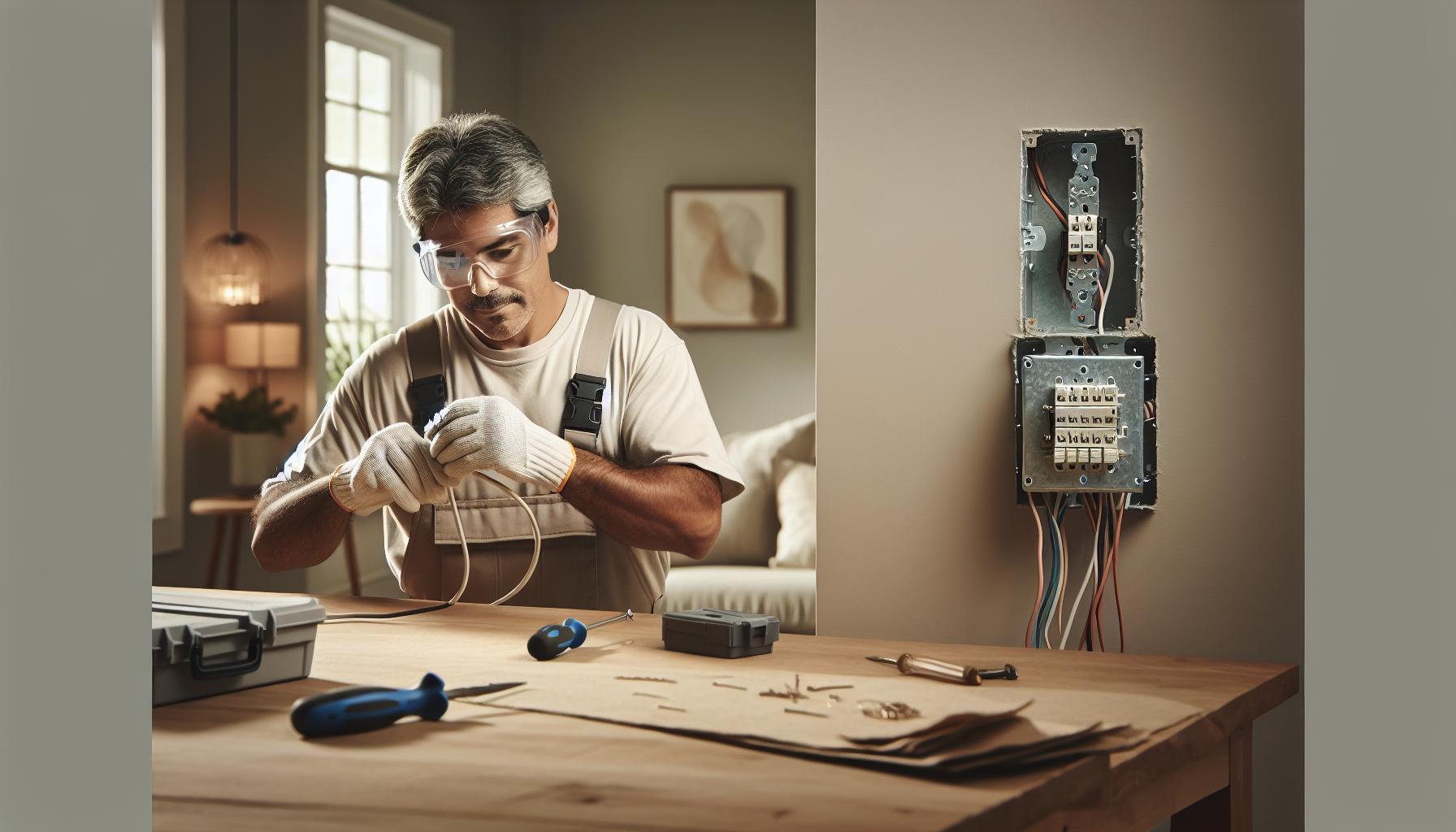
How a 3-Way Switch Works: The Basics Explained
Understanding how a three-way switch operates can significantly enhance your proficiency in electrical wiring and home automation. A three-way switch is a versatile device that allows control of a single light fixture or group of fixtures from two different locations. This setup is particularly beneficial in larger rooms, staircases, or hallways, where accessing a light switch from multiple points improves convenience and functionality.
In essence, a three-way switch does not simply “turn on or off” a light; rather, it leverages a unique wiring configuration that enables distinct paths for electrical current, utilizing two switches to accomplish a single task. When either switch is flipped, it alters the current’s pathway, allowing or interrupting the flow of electricity to the light fixture. This is achieved through a traveler wire system, which connects the two switches and facilitates the movement of electrical current.
Understanding the mechanical and electrical principles behind three-way switches enables electricians to troubleshoot and optimize lighting systems effectively. For those looking to upgrade to smart solutions, realizing how traditional three-way configurations work is crucial for seamless integration and functionality. As residential automation becomes more prevalent, knowing the basics of three-way switches will ensure compliance with modern standards and greater energy efficiency in homes.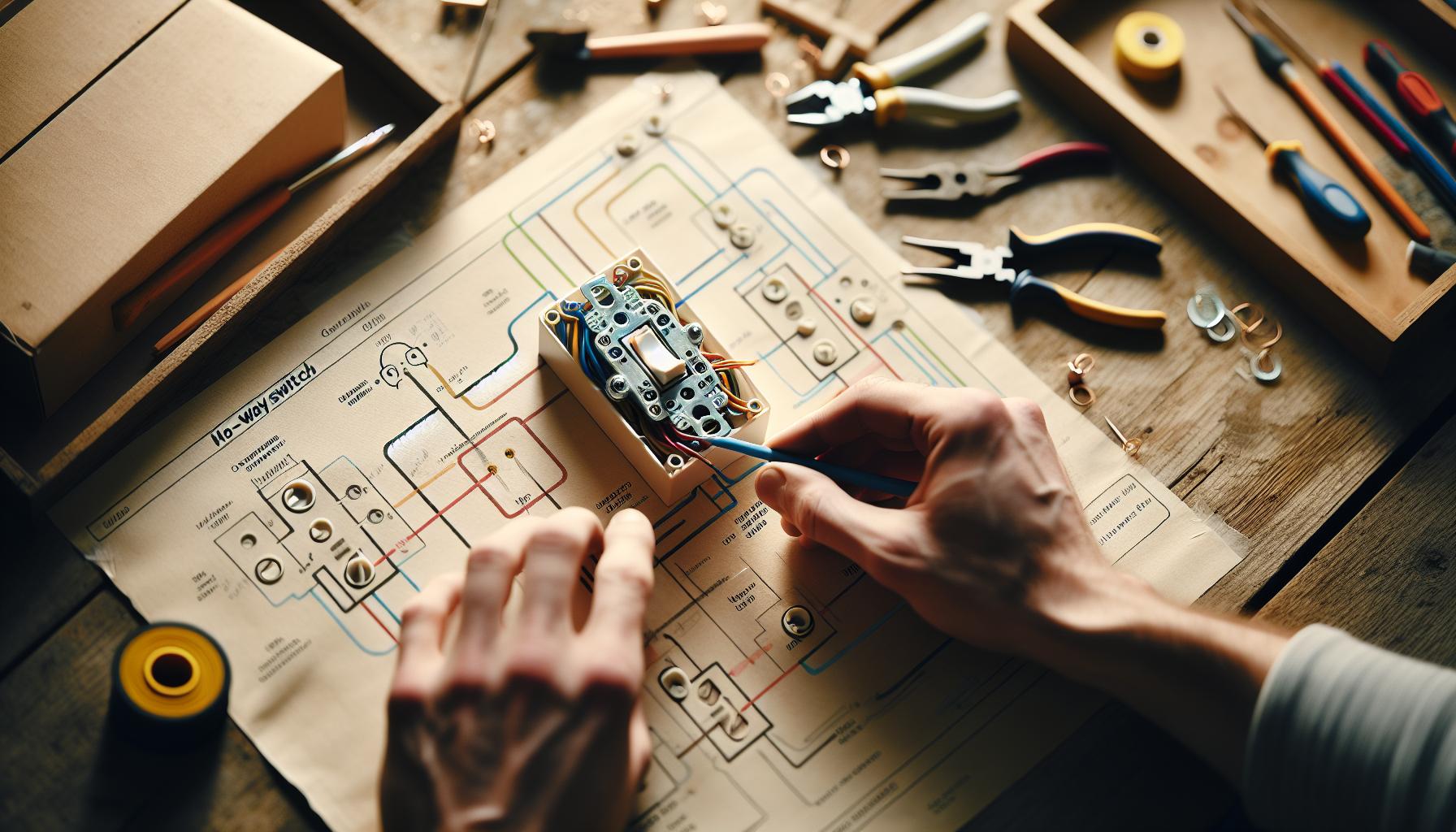
Essential Tools for Wiring a 3-Way Switch
A successful wiring project hinges not only on understanding the circuit but also on having the right tools readily at your disposal. When it comes to installing a 3-way switch, using the appropriate equipment ensures both precision and safety. Here’s a quick overview of the essential tools you’ll need to effectively wire a 3-way switch.
- Screwdriver Set: A set of both flathead and Phillips screwdrivers is crucial for removing and securing switch plates and terminals.
- Wire Strippers: This tool allows you to accurately strip insulation off the ends of wires, preparing them for connections without damaging the conductor.
- Voltage Tester or Multimeter: To ensure safety, use a voltage tester to confirm that the power is off before starting any work. A multimeter can help troubleshoot issues and check for continuity.
- Pliers: Needle-nose pliers are particularly useful for bending wires and making tight connections.
- Electrical Tape: Essential for insulating wire connections and preventing accidental contact.
- Fish Tape: For pulling wires through walls or conduits, especially when the route is not completely accessible.
- Wire Nuts: These connectors enable secure and safe wire connections for your setup.
In addition to these tools, having a well-organized workspace can greatly enhance your efficiency. Labeling wires as you disconnect them can prevent confusion during reinstallation, making the process smoother. Furthermore, understanding electrical fundamentals-such as voltage and amperage-will help you make informed decisions about the components you purchase and how they interact in your circuit configuration.
With the right tools and a solid plan, wiring a 3-way switch can transition from a daunting task to a manageable project. Empowering yourself with knowledge and equipment not only increases your proficiency but also enhances safety, ensuring you can tackle complex circuits with confidence.
Step-by-Step Guide: Wiring a 3-Way Switch
Wiring a 3-way switch can seem daunting at first, but understanding the configuration can make the process streamlined and manageable. This system allows control of a single light fixture from multiple locations, making it an essential setup for hallways, staircases, and large rooms with more than one entrance. Follow this guide to successfully wire a 3-way switch and improve your electrical skills.
Begin by ensuring safety. Turn off the power at the circuit breaker and use a voltage tester to make certain that no electricity is flowing. Once confirmed, it’s critical to familiarize yourself with your wire types: typically, you’ll encounter a common (usually black or dark), traveler wires (red and black), and a ground wire (bare or green).
Wiring Steps:
- Identify the Wires:
– At the first switch, identify the common wire connected to the power source, the two traveler wires going to the second switch, and the ground wire.
- Connect the First Switch:
– Connect the common wire to the common terminal (usually darker colored) on the 3-way switch. The two traveler wires will go to the remaining terminals.
- Run Wires to the Second Switch:
– Use a 14/2 or 12/2 cable (depending on the circuit amperage) to run between the first switch and the second switch. Connect the corresponding traveler wires from the first switch to the second switch’s traveler terminals.
- Set Up the Second Switch:
– At the second switch, connect the two traveler wires to the terminals and attach the common wire to the terminal that leads out to the light fixture.
- Connect the Light Fixture:
– From the last switch, take the common wire going to the light fixture and attach it to the fixture’s circuit. Connect a neutral wire back to the power panel, completing the circuit.
- Grounding:
– Ensure all switches and the light fixture are properly grounded to avoid any accidental shocks or electrical fires.
- Testing:
– Once everything is connected securely and double-checked against common wiring diagrams, turn the power back on at the breaker. Test the switches to confirm the functionality of controlling the light from either location.
Final Tips:
- Label Wires: Consider using labeled wire connectors to keep track of various wires easily when you’re working, minimizing the chance of confusion during reconnections.
- Consult a Diagram: Having a wiring diagram on hand can lessen the risk of errors significantly. Resources like Mr. Electrician provide excellent visual guides.
Adhering to these steps while keeping safety as your priority will enable you to wire a 3-way switch with confidence. Not only will you enhance your home’s functionality, but you’ll also gain valuable experience in electrical wiring that can serve you well in future projects.
Common Wiring Mistakes and How to Avoid Them
When wiring a 3-way switch, even a seasoned electrician can overlook simple details, leading to frustrating malfunctions or even safety hazards. One of the most common mistakes is incorrect wire connections; not distinguishing between traveler wires and the common wire can result in a non-functional circuit. Always double-check the orientation and connections of the wires at both switches to ensure that you’re adhering to the wiring diagram. Remember, the common wire should connect directly to the power source at one switch and the fixture at the other.
Another frequent issue arises from poor labeling of wires, which can lead to confusion when connecting multiple switches. If you’re using non-color-coded wiring, take the time to label each wire as you remove it. This practice minimizes errors and expedites the process of connecting the switches back correctly. Additionally, using wire nuts that are suitable for your wire gauge is essential; using the wrong size can lead to poor connections and potential fire hazards.
Neglecting to properly ground the switches is also a critical oversight. Grounding is a safety measure that protects against electrical shocks; ensure that every switch’s grounding wire is securely connected to the switch box and that you’re using the right type of grounding system for your installation. In areas with dampness, like bathrooms or outdoors, make sure your wiring meets local codes that often require additional considerations for moisture.
Testing the setup before finalizing everything is crucial to avoid mishaps later on. Once you believe the circuit is complete, turn the power back on and test each switch to confirm they correctly operate the light fixture. This step can help catch any mistakes early on, preventing frustration and potential rewiring in the future. By staying vigilant and adhering to best practices, you can avoid these common pitfalls and ensure your 3-way switch installation is safe and functional.
Advanced Techniques for Multiple 3-Way Switches
When tackling the complex wiring of multiple 3-way switches, understanding flow and configuration is essential. A typical scenario involves needing access to a light fixture from several points-perhaps at the top and bottom of a staircase or across an expansive room. Mastering this can not only enhance convenience but also significantly improve the functionality of your home’s lighting system.
The key to wiring multiple 3-way switches lies in recognizing the importance of the *traveler wires* and maintaining proper connections. When you have three or more switches controlling the same light fixture, you’re essentially creating a “chain” of switches. This requires utilizing a 4-way switch in addition to your 3-way switches. The 4-way switch is designed to connect to two 3-way switches and allows for multiple configurations. The traveler wires from the two 3-way switches connect to the terminals on the 4-way switch, allowing you the flexibility to turn the light on or off from multiple locations.
Practical Example of Wiring Multiple Switches
Consider a hallway with two entrances and a light in the center. In this configuration, you would place a 3-way switch at each entrance and a 4-way switch in between. Here’s a simple breakdown of how to wire them:
- Connect the LINE wire to the common terminal of the first 3-way switch.
- Run two traveler wires from the first 3-way switch to the 4-way switch.
- Connect the wires from the 4-way switch to the traveler terminals of the second 3-way switch.
- Connect the common terminal of the second 3-way switch to the light fixture’s hot wire.
- Ensure all switches are grounded properly according to local electrical codes.
This setup provides comprehensive light control, minimizing the risk of confusion with traveler wires by keeping a consistent flow throughout the circuit.
When working with multiple 3-way switches, correct labeling of your wires is crucial. As you work through your project, label wires as you disconnect them to streamline the reconnection process. Furthermore, consider using color-coded wires, which can significantly reduce the chance of confusion, especially in complex configurations. By being methodical and ensuring each component is properly wired and secured, you can create a robust lighting configuration that suits your needs effectively and safely.
By mastering these advanced wiring techniques, you not only enhance your skills as an electrician but also prepare yourself for more complex installations in the future, including smart switches and home automation technologies.
Troubleshooting Tips for 3-Way Switch Issues
Troubleshooting a 3-way switch can often be a perplexing task, but understanding common issues and their solutions can save you time and frustration. A prevalent problem is when the lights do not turn on or operate erratically. This often results from improper wiring or loose connections at the switches or junction boxes. Before you begin any troubleshooting, ensure the power is turned off at the circuit breaker to prevent electrical shock.
A systematic approach to troubleshooting begins with checking the physical connections. Remove the switch covers and inspect the wiring. Look for any loose connections or broken wire strands. It’s crucial that the LINE, LOAD, and traveler wires are connected correctly-especially to the common terminal on each 3-way switch. If you suspect a faulty switch, it may be worthwhile to replace it with a new one to rule out any internal failure.
Another issue that may arise is the light being stuck in one state (either always on or off). In this case, you’ll want to verify that the traveler wires are correctly linked between the two switches. If the wiring is correct but the problem persists, test each switch with a multimeter to check for continuity. A definitive lack of continuity indicates a faulty switch that needs replacement.
Sometimes, even after seemingly perfect wiring, electrical gremlins can occur due to the specific nuances of older home systems or incompatible switches. If your troubleshooting efforts fail, consider consulting with a licensed electrician. This is especially important if you’re not familiar with local electrical codes or safety standards, as improper installations can lead to fire hazards.
For routine maintenance, it’s advisable to inspect switches regularly for any signs of wear or damage, and consider labeling the wires for easier future troubleshooting. If you decide to upgrade to smart 3-way switches, refer to the manufacturer’s guidelines for labeling and installation, as they may differ from traditional switches. Ensure to keep abreast of evolving electrical codes to maintain compliance and safety in your home.
Understanding Electrical Codes and Safety Standards
Ensuring safety and compliance with electrical codes is crucial for anyone attempting to wire a 3-way switch. Neglecting these standards could lead to hazardous situations, including electrical fires and injuries. Electrical codes, such as the National Electrical Code (NEC) in the United States, establish important guidelines to ensure installations are safe and reliable. Familiarizing yourself with local amendments to these codes is essential, as they can vary significantly by region.
It is vital to understand the correct use of wire types, circuit breakers, and grounding methods. For example, using a 14-gauge wire for 15-amp circuits or a 12-gauge wire for 20-amp circuits is mandated in many areas. Additionally, all connections should be made in junction boxes to prevent exposure of wires and facilitate maintenance. When dealing with 3-way switches, ensure that wiring adheres to these codes: proper labeling of wires and connections according to the NEC can prevent costly mistakes.
Beyond wiring specifics, understanding the licensing and certification pathways for electricians adds another layer of responsibility. Journeyman electricians often require years of apprenticeship under licensed professionals, and must pass exams that test their knowledge of the NEC. By achieving advanced certifications, electricians can command higher salaries-averaging between $55,000 and $75,000 annually, depending on experience and locality. Furthermore, electricians who stay abreast of the latest technologies, such as EV charging stations and smart home systems, can leverage additional income opportunities.
Incorporating industry best practices into your wiring projects not only ensures compliance but also bolsters your reputation as a knowledgeable professional. Regularly reviewing and updating knowledge of electrical codes and safety standards helps mitigate risks and enhances overall job competency. Whether you are a seasoned electrician or a DIY enthusiast, prioritizing these aspects can significantly impact the safety and efficiency of your electrical installations.
Upgrading to Smart 3-Way Switches: What You Need to Know
Upgrading to smart 3-way switches is an increasingly popular decision for homeowners looking to enhance convenience, energy efficiency, and control over their lighting systems. These innovative devices not only allow you to manipulate your lighting remotely through smartphone apps or voice commands, but they also offer features like scheduling, dimming, and the ability to integrate with other smart home devices. Transitioning to smart technology can elevate your home’s functionality, making it easier to manage energy consumption and improve overall comfort.
When planning your upgrade, it’s essential to ensure compatibility with your existing wiring. Smart 3-way switches often come with specific requirements, particularly regarding the wiring setup, load capacity, and the need for a neutral wire. In many cases, the neutral wire, which can be absent in older homes, is crucial for the proper functioning of these switches. Therefore, if you don’t have a neutral wire present, you may need to consider solutions like smart switches that don’t require one or professional installation services to make the necessary adjustments.
For those embarking on this upgrade, familiarity with the installation process is key. Many smart switches come with detailed instructions and app support to guide users through setup. However, if you’re not comfortable tackling electrical work, hiring a licensed electrician is a wise choice. This approach not only guarantees safety and compliance with electrical codes but also ensures the functionality of the installed devices. On average, electricians charge between $50 and $100 per hour, depending on the region and the complexity of the work involved.
Additionally, understanding the potential advantages of switching to smart 3-way technology goes beyond mere convenience. With features like energy consumption tracking and the ability to schedule lighting, homeowners can reduce energy waste significantly, contributing to a lower utility bill. This upgrade aligns well with modern trends towards sustainable home innovations, making it a practical choice both financially and environmentally. As the smart home industry continues to evolve, staying informed about new products and enhancements will enable you to make the most of your investment in smart 3-way switches.
Essential Maintenance Tips for 3-Way Switches
Ensuring that your 3-way switches function properly requires regular maintenance, which can extend their life and improve electrical safety in your home. One essential aspect of maintenance is to periodically check the physical condition of the switches and their corresponding wiring. Look for signs of wear, such as frayed wires or discoloration, which can indicate overheating or faulty connections. A quick visual inspection can often alert you to potential issues before they become serious problems.
Another important maintenance task is to keep the switches clean and free of dust and debris. Dirt caught in the switch mechanism can cause sticking or incomplete contact, leading to intermittent operation. Use a soft, dry cloth to clean the faceplates and around the switch, and avoid using liquids that could seep into the electrical components. Additionally, check that the screws securing the switches to the wall are tight, as loose switches can cause unstable connections and create electrical hazards.
Testing Functionality
Regularly testing the functionality of your 3-way switches is crucial for ensuring they operate correctly. This involves toggling both switches to confirm that they control the light as expected. If you notice any inconsistencies-like a switch that doesn’t turn the light on or off properly-it may signify a loose wire connection or a defective switch. Addressing these issues promptly can help you avoid more complex repairs later on.
Average Lifespan and Replacement
Understanding the average lifespan of your switches is also key in maintenance planning. Typical toggle switches can last anywhere from 10 to 20 years, while smart switches may have different longevity based on their technological components. Be proactive in replacing switches that show signs of degradation or have reached the end of their expected life, as this will help maintain safety standards and functionality in your electrical system.
By incorporating these maintenance practices into your routine, you’ll not only enhance the performance of your 3-way switches but also promote a safer home environment. Regular attention ensures that any emerging issues are addressed before they escalate into significant problems, keeping your electrical systems running smoothly.
Frequently Asked Questions About 3-Way Switches
Understanding the intricacies of 3-way switches can significantly enhance your electrical project efficiency. Whether you’re a homeowner tackling a DIY project or an electrician honing your expertise, several common questions arise about these versatile switches. Many people often wonder how 3-way switches differ from standard switches, the purpose of traveler wires, and what to do when a switch stops functioning correctly.
How do 3-way switches differ from standard switches?
3-way switches are designed to control a single light or fixture from two different switch locations, unlike standard single-pole switches that control lights from one location. This wiring configuration allows for greater convenience in larger spaces, such as hallways or staircases, by enabling users to turn the light on or off from either end. This unique functionality relies on traveler wires that connect one switch to another, facilitating the control of the light from multiple points.
What are traveler wires?
Traveler wires are the two wires that connect the two 3-way switches in a setup, allowing them to work in tandem. These wires carry the current between the switches, providing the electrical pathway necessary for their operation. In a typical configuration, traveler wires are color-coded-often black and red-making it easier to identify and connect them correctly. Employing the right wiring technique not only ensures proper functioning but also aligns with electrical codes.
What should I do if my 3-way switch isn’t working?
If you encounter a malfunctioning 3-way switch, the first step is to conduct a thorough inspection. Start with the following checklist:
- Check Connections: Ensure that all wire connections are tight and secure. Loose wires can lead to poor functionality and warrants immediate attention.
- Test for Power: Use a multimeter to check if the switch is receiving power. If not, the problem might lie with the circuit or the power source.
- Inspect the Switch: If the physical components are damaged-look for signs of wear or burned contacts-it might require replacement.
Regular troubleshooting can help maintain an efficient electrical system and prevent minor issues from escalating into significant problems. Understanding these elements will empower homeowners and electricians alike to work safely and effectively with 3-way switch configurations.
Power Your Home Efficiently: Energy-Saving Tips
Energy efficiency in your home is not just about installing the latest technology; it also involves smart wiring practices. Properly wired 3-way switches significantly enhance energy savings. By allowing you to control lighting from multiple locations, you can avoid leaving lights on inadvertently and optimize your home’s energy consumption.
One effective energy-saving strategy is to utilize LED or CFL bulbs in combination with your 3-way switches. These energy-efficient lighting options consume a fraction of the energy compared to traditional incandescent bulbs, leading to reduced electricity bills. Additionally, employing light dimmers on your 3-way switches enables you to adjust brightness levels based on your needs. This not only saves energy but also extends the lifespan of your bulbs.
To maximize convenience and efficiency, consider upgrading to smart 3-way switches. These devices can be controlled through your smartphone or integrated into home automation systems, allowing you to turn lights off remotely when you forget or set schedules to reduce energy usage. Furthermore, with the assistance of energy monitoring apps, you can track your electricity consumption and adjust your usage accordingly.
Lastly, ensure your wiring is up to code and that connections are secure to prevent energy loss. For those performing DIY installations, follow proper guidelines and double-check connections. An efficient electrical system combined with energy-efficient devices will create a sustainable home environment, benefitting both your wallet and the planet.
Exploring Wiring Options: Traditional vs. Smart Solutions
Exploring the differences between traditional wiring methods for 3-way switches and the modern, smart solutions available today can greatly impact both functionality and energy efficiency in your home. With the increasing shift towards automation and smart home technology, understanding these options is essential for homeowners aiming to enhance their living environment.
Traditional 3-Way Switch Wiring
Traditional 3-way switches involve a more straightforward approach that has been used for decades. This system typically includes two switches located at different entry points to control a single light or set of lights. Homeowners or electricians follow specific wiring diagrams to connect the switches, ensuring proper functionality. Here’s a quick overview of traditional wiring features:
- Switches require manual operation: Users physically flip the switch to turn lights on or off.
- Limited control: Lighting can be easily turned on/off but lacks advanced functionalities like dimming or remote control.
- More stable with less technology: Fewer components mean less that can go wrong; however, they lack the energy efficiency and integration capabilities of smart solutions.
Smart 3-Way Switch Solutions
In contrast, smart 3-way switches are revolutionizing how we interact with our home’s lighting by offering convenience and energy efficiency through technology. These switches can often be controlled via smartphones or voice commands, making them highly versatile and integrated into home automation systems. Key features of smart switches include:
- Remote access: Users can control lights from anywhere, making it much easier to manage energy consumption and security.
- Integration with other smart devices: Smart switches can synchronize with other home systems, from smart bulbs to home security systems, enhancing overall automation.
- Dimming and scheduling capabilities: Functionality to set schedules or dim lights according to personal preferences contributes significantly to energy savings.
Furthermore, the initial investment in smart 3-way switches often pays off through energy savings and increased convenience. Homeowners can monitor their energy use through smartphone apps, allowing for adjustments and greater efficiency. As a result, the transition from traditional to smart switches marks a significant leap not just in technology but also in sustainability practices that benefit both users and the environment.
Whether you opt for a traditional setup or modernize with smart technology, understanding these wiring options is crucial for achieving the desired efficiency and control in your home. Embracing the evolution of home wiring can lead to enhanced comfort, safety, and savings long term.
FAQ
Q: What is a 3-way switch and how does it work?
A: A 3-way switch allows control of a light or electrical fixture from two separate locations. It uses two switches that are wired together, allowing the circuit to complete from either switch, enabling versatile control over lighting.
Q: What tools do I need to wire a 3-way switch?
A: Essential tools for wiring a 3-way switch include a screwdriver, wire stripper, voltage tester, and electrical tape. These tools will help you safely handle wiring tasks and ensure proper connections.
Q: How do I troubleshoot a 3-way switch that isn’t working?
A: To troubleshoot a malfunctioning 3-way switch, first, ensure the circuit breaker is functioning. Next, check all connections for tightness and inspect the switches for damage. A voltage tester can confirm if power is reaching the switch.
Q: Can I replace a traditional switch with a smart 3-way switch?
A: Yes, you can replace a traditional switch with a smart 3-way switch. Ensure you select a compatible smart switch and follow the manufacturer’s instructions for wiring to maintain network connectivity.
Q: What are common mistakes to avoid when wiring 3-way switches?
A: Common mistakes when wiring 3-way switches include incorrect wiring order, misplacing the traveler wires, and neglecting to turn off the power. Always double-check your wiring layout and use a tester to ensure safety.
Q: Why does my 3-way switch have no power?
A: A lack of power in a 3-way switch can be due to a tripped breaker, a blown fuse, or loose connections. Checking the circuit breaker and ensuring all connections are secure can often resolve the issue.
Q: How can I identify different wires when wiring a 3-way switch?
A: In a typical 3-way switch setup, color coding helps identify wires: black (hot), red (traveler), and white (neutral). Refer to the wiring diagram in your manual for specific configurations, as these can vary based on local codes.
Q: Is it safe to wire a 3-way switch without professional help?
A: Wiring a 3-way switch can be safe for those with basic electrical knowledge, but if unsure, consult a licensed electrician. Improper wiring can lead to electrical hazards, so prioritize safety and local code compliance.
In Summary
Congratulations on taking the first steps to master the art of wiring a 3-way electrical switch! Remember, the key takeaways are understanding the switch configuration, ensuring proper connections, and prioritizing safety at every stage. If you’re eager to enhance your electrical skills, don’t miss our detailed guides on electrical fundamentals and tool reviews, which can provide the resources you need to boost your confidence and knowledge.
As you continue your journey, consider signing up for our newsletter to receive updates on new techniques and industry trends that can further your career in electrical work. Feel free to leave your comments or questions below-your insights are invaluable to our community. Remember, every skilled electrician started with the basics, so keep exploring and practicing to refine your expertise. Together, let’s illuminate your path to expert-level proficiency!


