
Understanding the amperage of an outlet is crucial for anyone looking to maximize electrical safety and efficiency in their home or workplace. Did you know that each outlet has a specific amperage rating that dictates what devices can be safely plugged in? Failing to account for this can lead to circuit overloads, damage to your appliances, or even fire hazards. By mastering visual inspection techniques, you can quickly assess the amperage capacity of your outlets, helping you make informed decisions about your electrical usage. This not only empowers you in creating a safer environment but also enhances your understanding of electrical fundamentals, which is essential whether you are a homeowner or a budding electrician. So, let’s delve into effective strategies that will enable you to gauge outlet amperage confidently and ensure your electrical systems are both safe and efficient.
Understanding Amperage: The Basics of Electrical Outlets
Understanding the amperage of electrical outlets is crucial for any homeowner or electrician aiming to safely use electrical devices. At its core, amperage, measured in amps, indicates the flow of electrical current through an outlet, influencing the kind of devices that can be safely connected. For residential use, most outlets are either rated for 15 or 20 amps, and knowing this can prevent potential overloads, which can lead to short circuits or fire hazards.
Before plugging in a device, it’s essential to understand how to identify the amperage rating of your outlets. Typically, this information is not directly labeled on the outlets themselves but can often be traced back to the circuit breakers in your electrical panel. Circuit breakers are themselves labeled with amperage ratings and serve as a fundamental part of identifying the maximum load each outlet can handle. For a quick visual inspection, you can also assess the outlet design; for instance, a standard outlet with a horizontal configuration typically supports 15 amps, while a more robust configuration may indicate 20 amps or higher.
When evaluating outlets, other elements also come into play, such as the wire gauge and the plug type. Thicker wires (lower gauge numbers) can handle more amperage safely compared to thinner wires. Additionally, different plug types correspond to different amperage capacities, which is particularly important for high-draw appliances like air conditioners or heaters. Thus, understanding these connections not only aids in safe usage but empowers you to make informed decisions about upgrading or replacing your electrical components as needed.
For those working in or entering the electrical field, grasping these basics is vital not only for ensuring safety but also for aiding in a successful career. Electricians are required to understand load calculations, potentially improving their qualifications and job prospects. By being knowledgeable about outlets, breakers, and current flow, you equip yourself with the expertise to tackle both common household inquiries and complex electrical issues professionally.
Visual Indicators of Amperage in Outlets
Understanding how to visually assess the amperage in electrical outlets can greatly enhance safety and operational efficiency in your home or workplace. One captivating aspect of electrical systems is that they often communicate vital information through subtle design cues. For instance, the configuration and type of outlet can provide immediate insight into its amperage rating. Standard residential outlets in the U.S. typically accommodate either 15 or 20 amps, and both variants have distinct physical features.
Outlets rated for 15 amps usually have a straightforward, flat design with two vertical slots and a ground hole below. Conversely, 20-amp outlets are identifiable by their T-shaped slot configuration, which allows for higher current draw. This subtle design difference can be crucial when considering which devices to connect, ensuring you do not overload the circuit. Always check the outlet’s configuration before connecting high-draw appliances, as doing so can prevent tripped breakers or electrical fires.
In addition to outlet design, the actual labeling of the circuit breakers provides another visual clue regarding amperage. Circuit breakers in your electrical panel will typically display their amperage rating on the switch itself, allowing for quick identification. Additionally, if you are dealing with specialized outlets, like those for kitchen appliances or air conditioning units, they often feature heavier-duty designs or even NEMA configurations that signify higher amperage ratings.
Finally, to empower electricians and informed homeowners, an essential part of identifying amperage involves understanding wire gauge. Thicker wires (with lower gauge numbers) are essential for safely carrying higher amperage loads. When inspecting outlets, consider that a 14-gauge wire is typically suitable for 15 amps, while a 12-gauge wire can handle 20 amps or more. By paying attention to these visual indicators, you can not only enhance your safety but also make more informed choices regarding your electrical installations.
Using this visual inspection technique engages both novice users and seasoned electricians, paving the way for safer electrical usage and a deeper understanding of a fundamental aspect of electrical systems.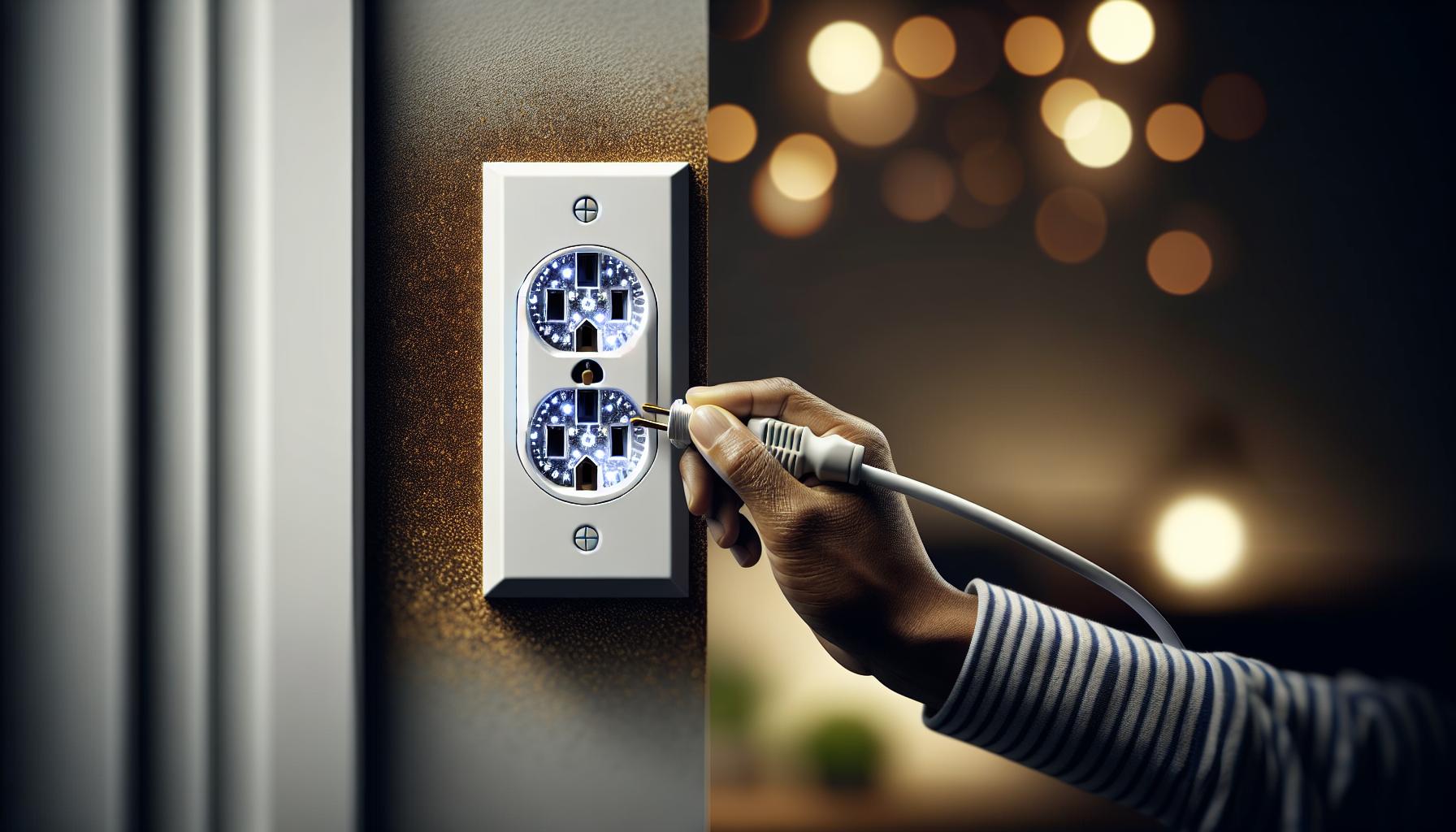
How to Use Outlet Ratings for Amperage Insight
In many situations, understanding outlet ratings is essential for ensuring the safety and efficiency of your electrical system. The amperage rating of an outlet indicates the maximum current size it can safely handle, and utilizing this information can prevent electrical hazards while optimizing performance. These ratings, usually expressed in amps, guide users in selecting the appropriate devices to connect, assisting in avoiding overloading circuits.
Most residential outlets in the United States are designed to accommodate either 15 or 20 amps. Outlets rated for 15 amps typically have a simple vertical slot configuration, suitable for general-purpose devices like lamps and small appliances. Meanwhile, 20-amp outlets feature a T-shaped slot that allows for higher current draw, ideal for more demanding equipment such as power tools and kitchen appliances. Familiarizing yourself with these distinct configurations will help in making informed usage decisions, ensuring that you don’t inadvertently connect incompatible devices that could cause circuit issues.
To further understand outlet ratings, always consult the labeling on the outlet itself. Outlets are often marked with their amperage rating, either directly on the faceplate or on the electrical box behind it. This will be critical information if you’re considering upgrading your appliances or making changes to your electrical system. If you’re working on a home inspection or assessment, noting these ratings should be one of your priorities, as it directly influences the type of appliances that can be used safely without risking tripped breakers or overheating.
Incorporating an awareness of these factors contributes to an overall safety-first approach in electrical maintenance and installation. A well-informed approach not only fosters a safer environment but ultimately enhances efficiency and functionality in various electrical applications. By paying close attention to outlet ratings, you empower yourself to make better decisions regarding your electrical infrastructure.
Identifying Circuit Breakers for Amperage Reference
Identifying the right circuit breakers for amperage reference is a crucial aspect of ensuring the safety and efficiency of your electrical system. Circuit breakers are designed to protect your home from overloads and short circuits, cutting off power when necessary. By understanding how to read the amperage ratings on your breakers, you can better assess the capacity of your circuits and make informed decisions about powering various devices.
To begin, locate your electrical panel, where the circuit breakers are housed. Most panel doors will provide a labeling guide indicating which circuits correspond to specific areas or appliances in your home. This labeling often includes the amperage ratings (typically 15, 20, or 30 amps) associated with each circuit breaker. The physical size of the breaker can also be an indicator-larger breakers usually handle higher amperage.
Steps to Identify Circuit Breaker Ratings:
- Open your electrical panel and inspect the breaker labels.
- Take note of any breakers that trip frequently; this may indicate a need for higher amperage.
- Check for any double-pole breakers, which typically serve 240-volt appliances and may have higher amperage ratings.
Remember that each circuit is designed to support a maximum load safely. If you connect devices that exceed this load, you’re likely to trip the breaker or cause overheating. In homes, 15-amp breakers are usually installed for lighting and general-purpose outlets, while 20-amp breakers may serve outlets in kitchens or locations with high-power devices. By adhering to these guidelines, you not only protect your electrical system but also enhance its functionality.
Understanding the amperage ratings associated with your circuit breakers is essential for any electrician or DIY enthusiast looking to ensure optimal performance and safety in their home. Regular inspections and awareness of load distribution can aid in preventing electrical accidents, thereby making this knowledge invaluable for effective home maintenance.
Recognizing Wire Gauge and Its Amperage Connection
Understanding wire gauge is essential for determining how much amperage an electrical outlet can support. The gauge of the wire used in household electrical systems plays a pivotal role in both safety and performance. Each wire gauge has a specific current-carrying capacity, known as ampacity, which indicates the maximum amount of electrical current the wire can safely conduct before overheating occurs. This connection is critical because using an under-gauged wire for a particular amperage can lead to wire failure and possibly cause fire hazards.
- Wire Gauge and Amperage Reference: In the U.S., the American Wire Gauge (AWG) system is commonly used. For example, a 14-gauge wire is generally rated for 15 amps, while a 12-gauge wire can handle up to 20 amps. Furthermore, a 10-gauge wire can manage 30 amps. Thus, knowing the wire gauge is fundamental when assessing the amperage capabilities of an outlet.
- Visual Inspection Techniques: For a quick visual inspection, you may look for a printed label on the sheath of the wire, which usually indicates the wire gauge. Additionally, thicker wires generally signify lower gauge numbers, meaning they can carry higher amperages. This aspect is particularly important when troubleshooting outlet performance or planning electrical upgrades in older homes.
- Considerations for Upgrades: If an outlet is tripping frequently, it may be wise to inspect the wire gauge. If it appears that the wiring is too small for the circuit breaker’s rating, upgrading the wire might be necessary. Always ensure the wire meets local codes and standards, which often require a licensed electrician to perform modifications.
When working with electrical systems, safety should always be the priority. Understanding wire gauge and its connection to amperage helps electricians and DIYers alike ensure that they are not only compliant with electrical codes but also safeguarding their homes and appliances from potential damage caused by under-rated wiring. This foundational knowledge empowers professionals at all career levels to make informed decisions during installations, upgrades, or routine inspections, laying the groundwork for a successful career in the electrical field.
Assessing Plug Types and Their Amperage Ratings
Understanding plug types and their associated amperage ratings is crucial for ensuring electrical safety and performance in any setting. Each plug type is designed to handle specific amperage levels, which directly influences the devices that can be safely connected to electrical outlets. This is especially important as electronic devices continue to expand in power demands, from standard household appliances to more specialized equipment used in professional environments.
Different plug configurations correspond to different amperage ratings. For example, common residential plugs in the US, such as Type A and B, typically support currents up to 15 amps. In contrast, plugs suited for higher demands, like the NEMA L6-30 or L14-30 types, can safely handle 30 amps or more. Understanding the plug’s configuration helps users not only in selecting the right equipment but also in preventing overload situations that could lead to overheating and potential fire hazards.
When assessing plugs, it’s also essential to consider the combination of voltage and amperage they are designed to handle. For instance, a 240-volt circuit typically requires plugs rated for higher amperage, ensuring that devices draw the necessary power without overloading the system. Checking the specifications of the device against the outlet’s capacity will provide clarity on whether the existing setup is adequate or if upgrades are necessary.
To enhance safety while working with plugs and corresponding outlets, electricians should routinely inspect both the plugs and the receptacles for wear and tear. Signs such as discoloration, scorch marks, or loose connections can indicate an issue that needs addressing. By identifying these concerns early, professionals can mitigate the risks associated with faulty connections and ensure the longevity and reliability of electrical systems. Regular training and staying updated on local electrical codes will further bolster an electrician’s competency in effectively.
Testing Outlets: Tools and Techniques for Measurement
Testing electrical outlets for amperage is an essential skill for electricians and DIY enthusiasts alike. Accurate measurements not only ensure that devices function optimally but also help prevent dangerous scenarios like electrical fires caused by overloading. To get started, it’s crucial to equip yourself with the right tools and understand which techniques are the most effective in measuring outlet amperage.
One of the primary tools you’ll need is a digital multimeter. This device allows you to measure voltage, current, and resistance. When testing amperage, set the multimeter to the appropriate amperage range and connect it to the circuit. This could be done using clamp meters, which provide a non-intrusive way to measure current without needing to break the circuit. Simply clamp the meter around one of the wires feeding the outlet to see the amperage flowing through it. Ensure you are wearing appropriate safety gear and have a solid understanding of electrical safety practices, as working with live circuits can pose significant risks.
Another useful approach involves using an outlet tester. Though primarily designed for identifying wiring issues, some advanced models can offer insights into the outlet’s current rating and capacity by indicating whether the outlet is functioning properly and if its voltage is within safe limits. These devices are particularly handy in residential settings, where it’s critical to ensure that older outlets can handle modern electrical loads without issue. Pay attention to the indicators: if the light signals a problem, follow up with a multimeter to ascertain if the outlet indeed supports the device’s amperage needs.
It’s also beneficial to familiarize yourself with the circuit breaker panel. Each breaker is designed to manage a specific amperage-usually marked on the front of the breaker. By checking the ratings, you can cross-reference with other findings to ensure that outlet circuits are not overloaded. This knowledge is particularly vital when dealing with older homes that may not have been updated to meet current electrical codes.
Finally, documenting your findings is a good practice, especially if you encounter issues that require troubleshooting or if you’re conducting a larger electrical assessment. Keep notes on what you’ve measured at different outlets and compare these with the specifications of the devices they are meant to support. This approach not only aids in immediate troubleshooting but also helps in future electrical planning and upgrades, keeping safety and efficiency at the forefront of electrical work.
Safety Considerations When Inspecting Amperage
When working with electrical systems, safety should always be your top priority, particularly when inspecting amperage at outlets. Due to the inherent risks associated with electricity, understanding proper safety protocols is essential to avoid accidents that can lead to severe injuries or even fatalities. Always remember that electricity can be dangerous, and taking the right precautions can prevent many hazards.
Before you even pick up a tool, ensure you are wearing appropriate personal protective equipment (PPE). This includes insulated gloves, safety glasses, and non-conductive shoes. These items serve as your first line of defense against accidental shocks. Moreover, it is crucial to work in well-lit areas and avoid damp conditions where moisture can lead to electrical hazards.
When setting up to measure current or inspect an outlet, ensure that the electrical system is turned off at the circuit breaker. Use a multimeter to check that the area is de-energized before proceeding. If you must work on live circuits, utilize equipment specifically designed for such tasks, including voltage-rated tools and insulated probes. Defer to the principle of working with one hand when possible, keeping the other away from conductive surfaces to reduce the risk of creating a pathway for electricity through your body.
In addition, remain aware of potential overloads. Each outlet and circuit has specified amperage ratings, and exceeding these can not only damage plugged devices but also create fire hazards. Familiarize yourself with your local electrical codes and the permissible load for different types of wiring and outlets within your home or workplace. In residential settings, older homes might not meet the demands of modern electrical standards, making vigilance essential when assessing the amperage.
Finally, always have a plan in place for emergencies. Know the locations of fire extinguishers and first aid kits, and ensure your exits are clear. Educating yourself about the functions of circuit breakers and what to do in case of an electrical fault can provide an added layer of preparedness. Remember, taking these safety considerations seriously can help ensure that your inspections are conducted efficiently and without incident.
Common Misconceptions About Outlet Amperage
Misunderstanding outlet amperage can lead to unsafe practices, inefficient energy use, and unnecessary costs. Many individuals mistakenly believe that all outlets provide the same amount of current, overlooking that amperage ratings vary significantly based on the outlet type and its intended use. For example, a standard household outlet is typically rated for 15 to 20 amps, while higher-rated outlets may support 30 amps or more, primarily used in heavier appliances like dryers or stoves. This misconception can lead to overloading circuits, ultimately resulting in breaker trips or, worse, fire hazards.
Another common misunderstanding is the assumption that plugging multiple devices into a single outlet will uniformly distribute the amperage among all devices. In reality, the total amperage drawn cannot exceed the outlet’s rating. For instance, if you plug in several devices that exceed the outlet’s amperage capacity, you risk overheating the circuit, causing damage to appliances and possibly leading to catastrophic failures. It’s vital to be mindful of the cumulative load on an outlet and ensure that devices draw within safe limits.
The belief that more expensive or higher-wattage devices inherently require higher amperage is also misleading. While wattage is a function of both voltage and amperage (Watts = Volts × Amperes), it’s essential to recognize that devices have specific amperage requirements defined by their design. Thus, understanding an outlet’s amperage rating is crucial for safe and effective usage. This also extends to the choice of electrical appliances; for example, an efficient device may operate on a lower amperage without compromising performance.
For practical tips, consider always checking the amperage rating not just on outlets but also on devices you intend to use. Using a clamp meter can help you accurately measure how much current is being drawn from the outlet. This knowledge not only enhances safety but can also guide your decisions about upgrades or repairs needed in older homes where outlets may not comply with current electrical standards. By dispelling these common misconceptions, you empower yourself to use electrical outlets safely and effectively, promoting a better understanding of home electrical systems.
Outlets in Older Homes: What to Look For
In older homes, the electrical infrastructure can pose unique challenges, especially when it comes to understanding outlet amperage. Many homes built decades ago were designed with simpler electrical systems that may not accommodate contemporary energy demands. Knowing what to look for can make a significant difference in ensuring safety and efficiency.
Begin by inspecting the outlets themselves. In older homes, you might find two-prong outlets, which typically do not provide a ground connection and are rated for 15 amps. If outlets appear cracked, discolored, or burnt, they could pose a fire risk due to overheating. It’s advisable to consider upgrading to three-prong, grounded outlets, which support a higher amperage load and provide better protection against electrical faults.
Another crucial element to assess is the circuit breaker panel. Older circuits may lack the capacity needed for modern appliances and devices, which can lead to frequent tripping. Check the amperage rating of circuit breakers to ensure they meet your household’s needs. Generally, a 15-amp breaker is suitable for standard outlets, while 20-amp circuits are used for larger appliances. If you encounter older fuse systems, it’s critical to understand that they often cannot handle today’s power loads efficiently.
Wiring can also be a concern in older homes. Much of the older electrical wiring may not meet current standards, especially if it uses outdated materials like knob-and-tube or aluminum conductors. Conduct a thorough visual inspection of the wiring, looking for signs of wear or fraying. If the wire gauge appears small (e.g., 14 gauge or thicker), it may not safely handle high amperage loads. Upgrading to appropriately gauged wire is essential for accommodating modern device requirements and maintaining safety.
Lastly, don’t overlook the appliances you use. Many older homes may still have original wiring and outlets that weren’t designed for today’s electronics and high-draw devices like refrigerators, microwaves, and computers. If you regularly exceed outlet ratings with multiple high-drain devices, consider consulting a licensed electrician to evaluate your electrical system and recommend necessary upgrades that ensure efficiency and safety. Being proactive can safeguard your home against electrical hazards and increase its value.
Troubleshooting Low Amperage Issues in Outlets
Inconsistent or low amperage in your outlets can signal underlying electrical issues that may compromise the safety and efficiency of your home. One common cause for reduced amperage is the overloading of circuits. For instance, if multiple high-draw appliances are connected to a single outlet, it may exceed the outlet’s amperage capacity, causing it to trip or the device to underperform. Always check the ratings on your outlets and avoid using several heavy-duty devices simultaneously.
Another critical factor in troubleshooting low amperage is the integrity of your wiring. Older homes, especially those that still utilize antiquated wiring methods or materials like aluminum, may have lower current-carrying capacity than modern copper wiring. Inspecting the wire gauge in use can reveal potential problems; generally, 14-gauge wire is suitable for 15 amps, but if the wiring appears worn, frayed, or otherwise compromised, consider upgrading to a thicker gauge that can handle higher loads safely.
If after addressing these common factors your amperage issues persist, turning your attention to the circuit breakers is advisable. In older homes, circuit breakers may not be sufficiently rated to accommodate modern electrical demands. For example, replacing a 15-amp breaker with a 20-amp version could resolve low amperage, but always consult local electrical codes and a licensed electrician before making changes to breaker ratings.
Lastly, consider using a multimeter to test outlet amperage accurately. This tool not only allows you to check the voltage and resistance but can also help diagnose intermittent issues that may not be visible during a visual inspection. Always prioritize safety by ensuring that power is off when inspecting or making adjustments to electrical systems. Taking these proactive steps can enhance your understanding of your home’s electrical infrastructure and ensure it meets your current energy needs.
When to Call a Professional Electrician for Help
While many homeowners can perform basic visual inspections and troubleshooting of their electrical outlets, there are scenarios where enlisting a professional electrician is not just advisable but essential. If you ever encounter persistent electrical issues such as frequent circuit breaker trips, burning odors, or visible damage to outlets and wiring, it’s crucial to seek professional help. Ignoring these signs can lead to more severe electrical failures or even fire hazards, jeopardizing both safety and property.
One of the key reasons to call in a professional is complexity. For instance, identifying the cause of low amperage may not always be straightforward, especially if the symptoms point to deeper systemic issues within the home’s electrical infrastructure. A professional electrician has the expertise to correctly diagnose issues by analyzing various components such as circuit breakers, wiring integrity, and load distribution. With their experience, they can also offer insights on compliance with local electrical codes, ensuring that any repairs or installations are up to standard.
Moreover, modern electrical systems are becoming increasingly sophisticated, especially with the rise of smart homes and electric vehicle (EV) chargers. Many homeowners are not equipped to handle the unique demands of such technologies. An experienced electrician can provide insights into system upgrades, ensuring that existing circuits can handle increased loads safely. Additionally, they have access to advanced diagnostic tools and techniques that can uncover underlying issues that might not be apparent through visual inspections alone.
Lastly, if there’s ever uncertainty about your safety or knowledge in handling electrical components, it’s best to err on the side of caution. Ensuring your home’s electrical systems are functioning optimally not only enhances your living environment but also protects against costly damages and safety risks. Remember, investing in a professional opinion can save you time, money, and stress in the long run.
Frequently Asked Questions
Q: How can I visually inspect an outlet to determine its amperage?
A: To visually inspect an outlet for its amperage, check the outlet’s type and configuration. Standard outlets are typically rated for 15 amps, while larger ones (like those for heavy appliances) may be 20 amps or more. Matching the outlet type and configuration to the corresponding amperage can provide insights.
Q: What are the signs that an outlet may be overloaded?
A: Signs of an overloaded outlet include discoloration around the outlet, a burning smell, frequent tripping of circuit breakers, or warm-to-the-touch outlets. If you see these signs, it’s important to stop using the outlet and consider consulting an electrician to assess the situation.
Q: What types of appliances require different amperage outlets?
A: Appliances like microwaves and air conditioners generally require outlets rated for 20 amps, while standard devices like lamps and phone chargers typically use 15-amp outlets. Always check the appliance’s label for power requirements to ensure safety and compliance.
Q: Why is it important to know the amperage rating of an outlet?
A: Knowing the amperage rating is crucial for safety. It helps prevent overloading, which can cause electrical fires or damage to appliances. Always match the appliance’s power needs with the outlet’s rating for secure usage.
Q: When should I get an electrician’s help regarding outlet amperage?
A: You should consult a professional electrician if you notice persistent issues such as tripped breakers, dimming lights, or if you’re unsure about your outlet’s amperage capability. An electrician can upgrade wiring or install higher-rated outlets properly.
Q: Can using a higher-rated appliance on a lower-rated outlet cause damage?
A: Yes, using a higher-rated appliance on a lower-rated outlet can lead to overheating and damage. It may compromise the safety of your electrical system and increase the risk of electrical fires, so ensure proper match-ups.
Q: How do I find the amperage rating of a circuit breaker?
A: The amperage rating of a circuit breaker is typically found on the switch itself, marked clearly on the handle. It’s usually rated at 15, 20, or 30 amps. This information can help assess compatibility with outlets and appliances.
Q: What is the impact of wire gauge on outlet amperage?
A: The wire gauge significantly affects an outlet’s amperage capacity. Thicker wires (lower gauge numbers) can safely carry higher currents, while thinner wires (higher gauge numbers) may not. Always ensure wire gauge matches outlet load requirements to maintain safety.
In Conclusion
Now that you’ve mastered how to tell the amperage of an outlet using visual inspection techniques, you’re well on your way to ensuring both safety and efficiency in your electrical projects. Remember, understanding the capabilities of your outlets can prevent possible overload and hazards. Don’t hesitate to dive deeper into the world of electricity-check out our guides on electrical fundamentals and the latest in smart home technology.
For those eager to enhance their expertise, consider signing up for our newsletter for tips on licensing, certifications, and the latest industry trends. If you have any questions or insights to share, leave a comment below-we love hearing from you! Equip yourself with the knowledge and tools necessary for success; explore our product reviews and resources to further your skills. Your journey into the electrical profession starts here-let’s keep the conversation going!