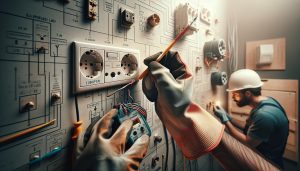
In today’s energy-conscious world, managing amperage in electrical circuits is more crucial than ever. Excessive amperage can lead to overheating, equipment failure, and elevated energy costs, a concern for both homeowners and professionals. This guide offers practical load management tips that not only enhance electrical safety but also improve efficiency. By understanding how to balance your circuit’s load, you can prevent potential hazards, extend the lifespan of your electrical systems, and save money on your energy bills. Ready to discover how simple adjustments can make a significant difference? Let’s dive in and empower your electrical management strategy.
Best Practices for Load Management in Circuits
Effective load management is crucial for maintaining a safe and efficient electrical system. As modern demands on circuits increase, adhering to best practices can help mitigate risks, reduce costs, and prolong the lifespan of electrical components. A well-managed load not only enhances operational efficiency but also minimizes the chances of circuit overload, which can lead to more severe issues such as system failures or electrical fires.
One fundamental strategy is to perform regular load assessments. By analyzing the current load of each circuit, electricians can identify which circuits run close to capacity. This enables proactive adjustments, such as redistributing loads among multiple circuits or upgrading to higher-capacity circuits when necessary. Utilizing tools like load monitoring devices can provide real-time data, making it easier to implement changes based on actual usage patterns.
Incorporating smart technology is another effective method to optimize load management. Smart meters and home automation systems allow users to monitor and control energy consumption more efficiently. For instance, scheduling non-essential appliances to run during off-peak hours can alleviate the burden on circuits during peak usage times, significantly reducing amperage.
Additionally, educating clients about their power consumption habits plays a critical role. Providing information on energy-efficient appliances can guide them to make more sustainable choices. Simple changes, such as replacing incandescent bulbs with LED lighting or upgrading to Energy Star-rated devices, contribute to lowered amperage demands overall.
Implementing these best practices not only enhances safety but also promotes efficiency in electrical systems, creating a win-win situation for both users and electricians alike. By staying informed on technological advancements and understanding load management principles, professionals can lead the charge in optimizing power consumption strategies for their clients.
Understanding Amperage: The Basics
Understanding amperage is crucial for anyone involved in electrical work, particularly when it comes to load management in circuits. Amperage, measured in amperes (amps), refers to the flow of electrical current in a circuit. This fundamental concept is essential because exceeding a circuit’s amperage rating can lead to overheating and potentially disastrous electrical failures. For electricians, grasping the principles of amperage is not just about ensuring operational efficiency; it’s also about adhering to safety standards and protecting both equipment and property.
When evaluating amperage in your circuits, it’s important to consider the formula: ( text{Amperage} = frac{text{Voltage}}{text{Resistance}} ). This relationship highlights that amperage is influenced by both voltage and resistance levels. In practical terms, if voltage remains constant, increasing resistance within the system will decrease the flow of amperage. This principle can be applied strategically, such as by incorporating resistors to manage and reduce demand on specific circuits, thus preventing overload scenarios.
Another critical aspect of amperage understanding involves the capacity of circuit breakers, which are designed to protect circuits from exceeding their safe amperage limits. By familiarizing yourself with the ratings on circuit breakers, electricians can make informed decisions regarding equipment upgrades and load distribution. Utilizing circuit breakers suited for the specific amperage levels required by the appliances and devices connected to the system is vital for maintaining safety and functionality.
As homeowners increasingly shift towards energy-efficient devices and smart technologies, electricians are presented with new opportunities to manage amperage effectively. By integrating smart meters and energy management systems, users gain the ability to monitor their real-time energy consumption. This capability allows for proactive load management strategies, such as shifting power-hungry tasks to off-peak times, thereby balancing energy usage and reducing strain on residential circuits.
In summary, a thorough understanding of amperage and its implications empowers electricians to optimize circuit performance, enhance safety standards, and implement effective load management techniques. This foundational knowledge is integral to the professionalism and efficiency expected within the electrical industry, laying the groundwork for continued advancement and safety in electrical practices.
How to Calculate Amperage in Your Circuit
Calculating amperage in a circuit is an essential skill for anyone in the electrical field, enabling you to manage power loads effectively and ensure safety and compliance with electrical codes. To accurately determine the amperage flowing through a circuit, you can utilize the fundamental formula of Ohm’s Law: ( text{Amperage (I)} = frac{text{Voltage (V)}}{text{Resistance (R)}} ). This equation highlights the relationship between voltage, resistance, and current, which are crucial for understanding circuit dynamics.
When applying this formula, start by measuring the voltage across the circuit in question using a multimeter, ensuring you have the correct setting for AC or DC voltage, depending on your circuit type. Next, measure the total resistance in the circuit, which can involve adding up the resistances of all components, including wires and devices. It’s important to consider both series and parallel configurations, as these will affect your resistance calculations. For instance, in a series circuit, the total resistance is the sum of individual resistances, whereas, in a parallel circuit, the total resistance can be determined using the formula ( frac{1}{R_{total}} = frac{1}{R_1} + frac{1}{R_2} + … ).
Once you have your voltage and resistance readings, simply substitute them into the formula to solve for amperage. This calculated amperage helps you determine if your circuit is operating within safe limits, as exceeding the circuit’s rated amperage can lead to overheating and damage. For example, if a circuit is rated for 15 amps and your calculations indicate a flow of 20 amps, it’s clear that immediate steps should be taken to reduce the load.
Utilizing tools and resources like electrical calculators or software can further streamline this process, especially in more complex circuits or when handling multiple loads. Additionally, keep abreast of industry standards and best practices for load management, as this knowledge not only enhances your efficiency but also safeguards your clients and equipment against potential electrical hazards. By mastering these fundamental calculations, you empower yourself not just to react to problems, but also to anticipate and mitigate risks before they escalate.
Techniques to Reduce Demand on Circuits
Reducing demand on electrical circuits is crucial for maintaining safety, efficiency, and longevity of your electrical systems. A well-managed load can prevent circuit overloads, which may lead to costly repairs and failures. Implementing effective techniques not only enhances performance but also contributes to energy savings.
One of the most straightforward methods to decrease amperage draw is by upgrading to energy-efficient appliances and devices. Many modern appliances are designed to utilize significantly less power than their older counterparts. For example, switching from incandescent bulbs to LED lighting can drastically reduce the load, as LEDs consume approximately 75% less energy. Similarly, consider replacing old HVAC systems with ENERGY STAR-rated models that optimize energy consumption.
Another effective technique is to spread out the use of high-demand devices across different times of the day. This approach, often referred to as load scheduling, allows you to optimize energy usage, especially during peak hours when demand on circuits is highest. By staggering the operation of devices such as washing machines, dryers, and dishwashers, you ensure that the cumulative amperage does not exceed circuit limits, protecting your infrastructure.
Installing a smart home system can offer additional benefits in managing demand. Smart plugs and timers allow homeowners to automate and monitor their energy consumption. By programming devices to operate during off-peak hours, homeowners can effectively reduce the instantaneous load on circuits. Furthermore, smart home systems often provide insights into usage patterns, empowering users to make informed decisions about energy consumption.
Lastly, conducting regular maintenance and evaluations of your electrical systems is imperative. Checking for loose connections, frayed wires, or outdated fixtures can help identify potential issues that may lead to increased amperage. A proactive maintenance schedule not only extends the lifespan of electrical installations but also enhances overall efficiency and safety.
By embracing these strategies, both homeowners and electricians can significantly lower demand on circuits, ultimately leading to safer and more sustainable energy consumption.
Using Circuit Breakers to Manage Amperage
Circuit breakers serve as a critical component in electrical systems, playing a dual role in load management and safety. By automatically disconnecting the power supply when the electrical load exceeds a designated limit, circuit breakers help to prevent dangerous overloads and potential fires. This essential function not only protects the wiring and appliances in your home but also ensures a stable power distribution, thereby allowing for effective amperage management.
To maximize the utility of circuit breakers in managing amperage, it’s vital to select the appropriate size and type. For instance, using breakers rated too high may not trip during overload conditions, leading to hazardous situations. Conversely, breakers that are undersized may trip unnecessarily, causing inconvenience. It’s recommended to calculate the total load on a circuit and select breakers accordingly, typically using the formula of 80% of the breaker’s rated capacity to maintain safe operational limits. This provides a buffer that helps in managing peak usage without frequent interruptions.
Moreover, integrating modern technology into load management can enhance the traditional functions of circuit breakers. Smart circuit breakers, which can be controlled via smartphone apps, allow users to monitor and manage their power consumption in real-time. This technology enables proactive responses to amperage load changes, such as remotely switching off non-essential circuits during peak usage times. As demand-response programs become more prevalent, these smart solutions can significantly contribute to both energy efficiency and cost savings.
Regular maintenance checks are also essential for ensuring that circuit breakers function correctly. Over time, wear and tear can cause breakers to malfunction, resulting in either unnecessary trips or failure to trip during an overload. It is advisable to periodically inspect breakers for signs of heat damage, discoloration, or other anomalies and to replace them as needed. By prioritizing the maintenance of circuit breakers and employing them strategically, individuals can effectively manage circuit amperage, ensuring both safety and efficiency.
The Role of Resistance in Amperage Reduction
Understanding the relationship between resistance and amperage is essential for effective load management in any electrical circuit. Resistance, measured in ohms, inherently opposes the flow of electric current. According to Ohm’s Law, which states that Voltage (V) = Current (I) × Resistance (R), manipulating resistance can directly influence the amount of current (amperage) that flows through a circuit. By strategically increasing resistance in various parts of the circuit, electricians can reduce the overall amperage, improving both efficiency and safety.
One practical method to increase resistance is through the use of high-wattage resistors or resistive load devices. For instance, adding resistive components in series with loads will increase the circuit’s total resistance, thus decreasing the total current flowing through it. This technique is particularly useful when working with sensitive equipment that cannot handle high current levels. Similarly, ensuring that wiring and connectors are appropriate for the load can enhance resistance, as poorly sized or damaged wires introduce additional resistance and potential hotspots.
In addition to hardware methods, certain practices can be adopted to optimize resistance and, by extension, lower amperage demand on circuits. Regular maintenance of electrical components can help to minimize resistance that arises from corrosion or wear on connections. For example, clean and secure connections reduce the risk of increased resistance at junction points, which can lead to excessive heat generation and potential failure of circuit components. Furthermore, using materials with inherently higher resistance, such as specific types of resistive alloys, can also yield lower current draw in applications where excessive heat or electrical interference is a concern.
Ultimately, managing resistance effectively is not just advantageous for reducing amperage; it also plays a critical role in overall circuit performance and longevity. Electricians who understand and apply these principles can ensure systems are not only effectively powered but also safe, reducing the risk of overloads and enhancing the durability of electrical components.
Smart Home Solutions for Load Management
In the age of smart technology, homeowners have unprecedented opportunities to manage power consumption and reduce amperage across their circuits. With smart home solutions, it’s possible to monitor usage in real time and make intelligent decisions that enhance energy efficiency while keeping electrical systems safe and reliable. The integration of these technologies not only simplifies load management but also empowers users to take control over their energy consumption.
One of the most effective methods involves the use of smart plugs and smart power strips, which allow you to track and schedule the power drawn by connected devices. These small yet powerful devices often come with apps that provide insights into individual appliance usage, enabling you to identify energy-hungry devices. For example, unplugging high-draw appliances during peak hours can significantly reduce the overall amperage. Most smart plugs also include scheduling features, allowing you to set times for devices to turn off automatically, thus preventing them from consuming power unnecessarily.
Smart Energy Management Systems
Another impactful approach is the implementation of smart energy management systems (EMS). These systems integrate with your existing circuit infrastructure to optimize energy use. EMS can automatically adjust the demand on circuits based on real-time energy pricing or availability, ensuring optimal load distribution. For instance, during peak load times, the system might reduce power to non-essential appliances, thus protecting circuits from overload and maintaining lower amperage levels across the board.
Moreover, advanced home automation systems can include features like load shedding, which selectively turns off certain circuits when a specific amperage threshold is reached. This proactive approach not only safeguards your electrical systems from potential overloads but also maximizes the lifespan of your home’s wiring and connected devices.
Utilizing Smart Thermostats and Sensors
Moreover, smart thermostats and occupancy sensors further complement load management strategies. A smart thermostat can optimize heating and cooling systems based on occupancy patterns, ensuring that energy isn’t wasted on heating or cooling empty rooms. Similarly, occupancy sensors can turn off lights and power to devices when rooms are unoccupied. By adjusting the demand on circuits in this manner, homeowners can achieve considerable reductions in both amperage and electrical bills.
Ultimately, embracing not only results in lower energy costs but also plays a significant role in enhancing the safety and durability of electrical systems. As technology continues to evolve, the tools available for electricians and homeowners alike become increasingly sophisticated, allowing for greater precision in managing energy usage and maintaining optimal circuit performance.
Upgrading Equipment for Improved Efficiency
Upgrading equipment is a vital strategy for enhancing the efficiency of electrical systems, particularly when it comes to managing amperage and load. By replacing outdated or underperforming devices with modern, energy-efficient alternatives, homeowners and electricians alike can substantially decrease amperage draw. For instance, switching from traditional incandescent bulbs to LED lighting not only minimizes energy consumption but also reduces the overall load on circuits, making it easier to manage amperage levels without compromising illumination quality.
Investing in high-efficiency appliances is another effective way to improve energy management. Devices that are ENERGY STAR certified are designed to use about 10-50% less energy compared to standard models. This reduction is crucial in preventing circuits from becoming overloaded, especially in homes with multiple high-demand appliances, such as refrigerators, washers, and dryers. Additionally, upgrading older HVAC systems to newer units with better SEER (Seasonal Energy Efficiency Ratio) ratings can have a significant impact on reducing both energy usage and system strain, leading to increased longevity of electrical components.
Moreover, consider integrating smart technology into your existing electrical network. Smart appliances that adapt their energy use based on real-time requirements allow for more precise control over amperage. These technologies often come equipped with energy-monitoring features that provide insights depending on usage patterns. For example, smart thermostats can automatically adjust heating or cooling when they detect changes in occupancy or weather, ensuring energy is not wasted when it’s not needed.
Lastly, an upgrade in circuit protection devices-like more advanced circuit breakers-can ensure that your electrical system runs smoothly under varying loads. Smart circuit breakers can monitor real-time amperage levels and provide alerts when limits are approached, allowing for proactive management of load distribution. This shift not only enhances safety but also optimizes energy efficiency, safeguarding against overloads that can lead to costly repairs or hazards.
In summary, thoughtful equipment upgrades not only streamline power consumption but also lay the groundwork for a safer, more reliable electrical system, empowering users to take greater control over their energy use and reduce their overall amperage load.
Scheduling Power Consumption: Time-of-Use Strategies
To effectively manage electrical demand and minimize amperage draw, leveraging time-of-use (TOU) strategies is an invaluable approach. By shifting energy consumption to off-peak hours when electricity rates are lower and overall grid demand is reduced, homeowners and businesses can not only slash utility bills but also reduce strain on their circuits. Implementing such strategies often leads to a smoother operation of electrical systems while contributing to a more sustainable energy footprint.
One of the simplest ways to schedule power consumption is to use timers or programmable devices for high-draw appliances such as dishwashers, washing machines, and HVAC systems. Smart plugs and smart home devices allow users to automate when devices turn on or off, maximizing energy efficiency without compromising convenience. For example, setting a washing machine to run during night hours can significantly cut down on costs while also ensuring that circuits are less loaded during peak usage times, which is often the afternoon. This proactive scheduling helps prevent circuit overloads, particularly in households where multiple devices might be running concurrently.
Another critical aspect of implementing TOU strategies is awareness of local utility rate structures. Many utility companies offer incentives for reducing energy consumption during peak hours, and understanding these specifics can aid in optimizing energy use. For instance, utilizing the utility’s peak time rebates or discounts can lessen monthly expenses while promoting responsible consumption habits. Homeowners should review their billing statements to identify peak usage hours and strategize accordingly.
In addition to appliance management, consider the broader impact of time-of-use strategies on circuit safety and performance. Regularly load testing circuits with ammeters can help electricians identify if shifts in consumption patterns effectively reduce amperage levels during peak times. Information gathered can be used for ongoing optimization, guiding future upgrades or adjustments to the electrical system. This kind of strategic energy management not only protects infrastructure but also enhances the lifespan of electrical components, ultimately leading to a safer and more efficient energy system overall.
Through strategic scheduling and leveraging modern technology, users can take full control of their power consumption, ensuring both efficiency and sustainability in their electrical systems. By making informed decisions about when to use electricity, they not only save on costs but also significantly contribute to reducing the risk of overload conditions in their circuits.
Utilizing Surge Protectors for Safety and Control
Surge protectors play a pivotal role in not only safeguarding your electrical devices but also in effectively managing circuit loads to prevent overload conditions. A surge protector works by diverting excess voltage to the ground, ensuring that only the appropriate levels of current reach your equipment. This functionality becomes crucial in a world increasingly reliant on sensitive electronics, where even brief power surges can cause irreversible damage. By incorporating surge protection into your circuit management strategy, you bolster the safety and longevity of your valuable devices.
Choosing the Right Surge Protector
When selecting a surge protector, it’s essential to consider both the voltage ratings and the energy absorption capacity measured in joules. Higher joule ratings generally indicate better protection, as they signify the device’s ability to absorb surges over time. Ideally, seek surge protectors with a Minimum Energy Absorption rating of at least 400 joules for home applications. Additionally, the number of outlets is crucial; if you frequently connect multiple high-draw devices, look for surge protectors that provide additional outlets without compromising safety.
Installation and Best Practices
Proper installation of surge protectors is vital for maximizing their effectiveness. They should be positioned as close to the devices they protect as possible, and it’s equally beneficial to use whole-house surge protection systems that guard against external surges from events such as lightning strikes. Always ensure that the surge protector is plugged directly into a wall socket, rather than a power strip, to enhance safety and performance. Regularly check your surge protectors for signs of wear and testing; many modern models come equipped with indicator lights that alert you when the protection has expired.
Using Surge Protectors for Circuit Management
In addition to protecting your devices, surge protectors can aid in load management by facilitating better amperage control. For instance, by strategically placing these devices between your power source and high-demand equipment, you can monitor energy consumption patterns more effectively. Many surge protectors now offer smart features like remote monitoring and integration with home automation systems, allowing you to track energy use and make informed decisions about circuit load distribution.
By integrating surge protectors into your overall load management strategy, you not only safeguard your electronics from unexpected spikes in voltage but also enhance the efficiency and reliability of your electrical system. This proactive approach ensures long-term savings on repairs and replacements, while also promoting a safer living environment through decreased risk of electrical fires or damage due to overloads.
Identifying Overloaded Circuits and Solutions
Detecting overloaded circuits is crucial for ensuring safety and efficiency within any electrical system. Overloading occurs when the total current draw from devices exceeds the circuit’s capacity, leading to overheating and potential fire hazards. For electricians and homeowners alike, recognizing the signs of overload can prevent accidents and prolong the lifespan of electrical components. Common indicators of an overloaded circuit include frequent tripping of circuit breakers, dimming or flickering lights when additional appliances are activated, and warm or hot outlets and cords.
To effectively address overloaded circuits, first conduct a thorough assessment of your electrical needs. Start by documenting all devices plugged into a circuit and their respective power ratings, typically measured in watts. This information can help calculate the total amperage required. Remember, the general guideline for safe amperage usage on a standard 15-amp circuit is to limit the draw to 80%, or 12 amps. Exceeding this threshold can increase the risk of overload. If you discover that your usage frequently approaches or exceeds this limit, consider the following solutions:
- Redistribute loads: Move some devices to other circuits to balance the load more evenly across your electrical system.
- Upgrade circuit capacity: For high-demand areas, such as kitchens or home offices, consult with a licensed electrician about increasing the amperage of the circuit or adding dedicated circuits for high-wattage appliances.
- Install energy-efficient appliances: Older appliances tend to draw more power. Upgrading to modern, energy-efficient models can significantly reduce overall load.
- Implement smart load management systems: These systems can monitor usage patterns and help you make informed decisions about when to activate certain devices, thereby preventing overload during peak times.
Proactive monitoring and regular maintenance play vital roles in maintaining optimal circuit performance. Regularly check outlets and devices for signs of wear, and consider installing circuit switches that allow you to easily turn off high-demand equipment when not in use. By staying vigilant and implementing these strategies, you can effectively manage loads, enhance safety, and ensure your electrical system operates efficiently.
Maintenance Practices for Optimal Circuit Performance
Detecting issues early in your electrical system can save you both money and potential hazards. Regular maintenance is essential for keeping circuits running efficiently and safely, especially in environments with multiple high-demand devices. By incorporating a few simple practices into your routine, you can significantly decrease the risk of overloads and ensure a longer lifespan for your electrical components.
One effective maintenance practice involves implementing a systematic inspection schedule. Regularly check outlets, plugs, and extension cords for signs of wear, such as fraying or discoloration. These are indicators of potential overheating, which can lead to circuit failure or fire. Make it a point to examine circuit breakers periodically to ensure they are functioning correctly-if you notice frequent tripping, it may suggest an underlying issue that requires attention.
Document and Analyze Usage Patterns
Keeping detailed records of your electrical usage can help identify high-demand devices and patterns that could lead to overload. Start by creating a log of all the devices connected to your circuits, noting their power ratings and the duration of their use. This will not only facilitate better load management but also highlight opportunities for upgrades or redistribution to lesser-used circuits. If you find certain circuits consistently under high demand, it may be time to consult a licensed electrician to evaluate possible upgrades or the addition of dedicated circuits to accommodate high-wattage appliances.
Invest in Technology
Another proactive measure is to invest in modern smart technologies that enhance load management. Smart plugs and energy monitors allow you to track real-time usage and automate power supply based on patterns you establish. For instance, if you have devices that are frequently used during specific hours, programming them to turn on or off at certain times can help align usage with off-peak hours, reducing demand on the circuit and ultimately decreasing amperage draw. Furthermore, these devices can alert you to excessive usage, enabling you to take action before potential issues arise.
Maintaining optimal circuit performance is vital not only for enhancing safety but also for increasing the efficiency of your electrical system. By staying vigilant and proactive about maintenance practices, electricians and homeowners alike can ensure their systems run smoothly, minimizing risks and maximizing the effectiveness of their electrical infrastructure.
Frequently asked questions
Q: How can I measure the amperage in my household circuits?
A: To measure amperage in household circuits, use a clamp meter which clamps around a wire without needing to break the circuit. Alternatively, you can use a multimeter set to the amperage mode by placing it in series with the circuit. Always ensure safety by following proper electrical practices.
Q: What are the benefits of reducing amperage in circuits?
A: Reducing amperage in circuits can prevent overheating, minimize energy costs, and extend the lifespan of electrical appliances. It also reduces the risk of circuit overloads and enhances overall system safety. Consider implementing load management strategies to achieve these benefits effectively.
Q: Can I use dimmer switches to decrease amperage?
A: Yes, dimmer switches can reduce the amount of power supplied to lighting fixtures, consequently decreasing the amperage draw. This not only enhances energy efficiency but also allows for adjustable lighting levels, making it a practical solution for managing load in circuits.
Q: How does resistance impact amperage in a circuit?
A: According to Ohm’s Law, increasing resistance in a circuit decreases the flow of current (amperage) for a given voltage. By using resistive devices or optimizing wiring to have higher resistance, you can effectively manage amperage levels, preventing excessive current flow through the circuit.
Q: Why is load balancing important for reducing amperage?
A: Load balancing is crucial because it distributes electrical loads evenly across multiple circuits. This reduces the risk of overloading any single circuit, helps maintain a stable amperage, and enhances circuit performance. Implementing load balancing can significantly improve energy efficiency.
Q: What smart home devices can assist in load management?
A: Smart plugs and energy monitoring systems can help manage load by allowing users to track and control power consumption remotely. Devices like smart thermostats can schedule usage based on peak and off-peak times, effectively decreasing amperage during high-demand periods.
Q: When should I replace circuit breakers to manage amperage effectively?
A: Consider replacing circuit breakers if they frequently trip, which may indicate overloading or that they are not rated correctly for your circuit. Newer breakers can provide improved safety features and better management of amperage loads, making them a reliable choice for effective load management.
Q: What maintenance practices help ensure optimal circuit performance?
A: Regular maintenance practices such as inspecting connections, tightening loose wires, and ensuring clean connections can help optimize circuit performance. Additionally, testing circuit breakers and replacing worn-out components can reduce amperage and enhance overall efficiency. For more information, refer to the “Maintenance Practices for Optimal Circuit Performance” section in the article.
Wrapping Up
To effectively manage amperage in your circuits, remember that load management is key to safety and efficiency. Implement the tips discussed and consider exploring further resources on electrical fundamentals and load calculations to enhance your understanding. Don’t forget to check out our articles on Common Electrical Tools for Safety and Understanding Voltage vs. Amperage for deeper insights.
If you found this content useful, subscribe to our newsletter for ongoing tips and updates in electrical safety and technology. Your journey towards mastering load management starts here-take action now and ensure your circuits run smoothly! Have questions or need help? Comment below, and let’s spark a discussion!