Did you know that approximately 70% of the electricity we use is produced through generators powered by circular motion? Understanding how circular motion translates into electricity generation is not just fascinating; it’s essential for anyone involved in the electrical profession. Grasping the basics of generators can empower you to enhance your skills, improve safety practices, and meet industry standards. In this article, we’ll break down the principles behind circular motion in electricity generation, providing insights that could enhance your career-from starting as an apprentice to advancing as a certified electrician. You’ll discover why mastering these concepts is crucial for both effective troubleshooting and adopting modern technologies. Join us as we explore the fundamental role circular motion plays in producing the energy that powers our lives.
Understanding Circular Motion in Generators
In the realm of electricity generation, understanding the principles of circular motion is fundamental for grasping how we harness energy. When discussing generators, one of the most captivating aspects is how circular motion transforms mechanical energy into electrical energy. Essentially, the generator operates on the principle of electromagnetic induction, where the relative motion between a conductor and a magnetic field induces an electric current. This process can be seen vividly in various types of generators, from small portable units to massive power plants, where rotating turbines are driven by mechanical forces such as wind, water, or steam.
As the rotor spins within a magnetic field, electrons in the conductive wire are moved, creating an electric current. This phenomenon can be exemplified by rotating machines like wind turbines or hydroelectric dams, where the kinetic energy from wind or flowing water is converted to mechanical energy, subsequently transformed into electrical energy through the circular motion of the generator’s components. When electricians engage with these systems, knowledge of how speed, torque, and load interact during the generator’s operation is crucial for optimizing performance and ensuring efficiency.
Additionally, the design and materials used in the construction of generators significantly influence their effectiveness in converting circular motion into electricity. Factors such as the strength of the magnetic field, the speed of rotation, and the environmental conditions play a vital role. Electricians and engineers must be adept at selecting suitable materials and understanding the physics behind them to maximize energy production. As we look to the future of generator technologies, innovations focusing on improving the efficiency of circular motion systems are pivotal, as they pave the way for more sustainable energy solutions. Understanding these principles not only enhances the skills of electrical professionals but also aligns with the industry’s movement towards cleaner energy generation methods.
The Science Behind Electricity Generation
Harnessing the power of circular motion to generate electricity is at the heart of modern energy systems. In essence, generators transform mechanical energy into electrical energy using the principle of electromagnetic induction-where relative movement between a conductor and magnetic field induces an electric current. This phenomenon is crucial for a variety of energy sources, including fossil fuels, nuclear, solar, and wind power.
In practical terms, as the rotor of a generator spins-driven by forces such as wind, water, or steam-it moves within a magnetic field created by either permanent magnets or electromagnets. This dynamic interaction influences the flow of electrons in the conductive coils surrounding the rotor, ultimately producing electricity. The efficiency of this process is significantly influenced by several factors, including the speed of rotation, magnetic field strength, and the design of the conducting coils. As electricians navigate these complexities, understanding the relationship between these variables becomes essential for optimizing generator output and ensuring long-term reliability.
Moreover, the landscape of electricity generation is undergoing rapid transformations due to advancements in technology. For instance, the integration of smart grid systems is fostering more responsive and efficient energy distribution models. Electricians are increasingly required to adapt to these changes, often seeking certifications in new technologies such as renewable energy systems and energy storage solutions. Keeping up with industry standards not only enhances professional credibility but also opens up opportunities for career advancement in a sector that is pivoting towards greener energy solutions.
As engineers and electricians work on improving the effectiveness of generators, attention to material selection and design nuances will remain critical. The rise of distributed energy resources (DERs) further complicates and enriches the landscape of generator technology. Professionals must equip themselves with an understanding of how circular motion in generators influences both energy production efficiency and the broader implications for environmental sustainability. This knowledge not only supports best practices in design and installation but also aligns with the industry’s continual drive towards innovative, sustainable technologies.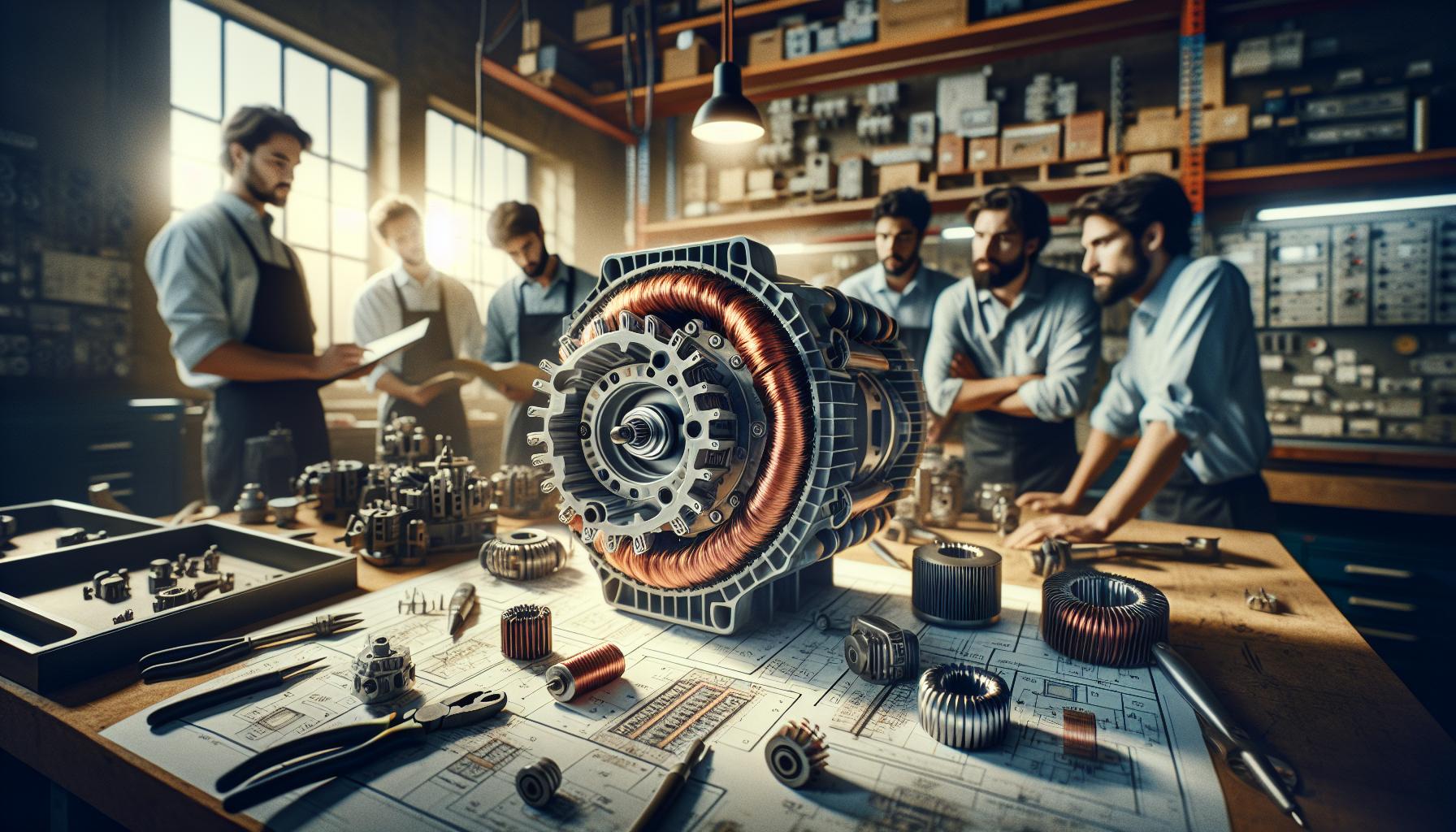
Key Components of an Electric Generator
An electric generator is a remarkable device that transforms mechanical energy into electrical energy through the principles of electromagnetic induction. Understanding its design reveals not only the complexity of its components but also the intricacies of how they work together to produce electricity. Each element plays a critical role, ensuring that the generator operates efficiently and reliably.
At the heart of any generator lies the rotor, which can be viewed as the spinning component that creates motion. As the rotor turns-driven by mechanical force from sources such as wind, water, or steam-it moves through a magnetic field. This interaction is essential, as it induces an electric current in the coils of wire that surround the rotor. These coils, known as stator windings, are where the generated electricity is collected. Their design and arrangement significantly affect the generator’s output voltage and overall efficiency.
Another vital component is the magnetic field itself, which can be produced by either permanent magnets or electromagnets. The strength and configuration of the magnetic field directly impact the amount of electricity generated. Stronger magnetic fields can enhance induction, leading to higher voltage outputs. Additionally, as generators are often utilized in varying conditions, the ability to adjust the magnetic field is essential for optimizing performance across different operating circumstances.
Moreover, control systems are integral to modern electric generators. These systems manage the operation and monitor performance, adjusting parameters such as load and output voltage to align with demand. Advanced generators may include digital interfaces that facilitate real-time analysis and troubleshooting, thereby improving reliability and safety.
Understanding these components provides electricians and engineers with the necessary insights to design, install, and maintain generators effectively. As the industry progresses toward renewable energy solutions, familiarity with these fundamental elements will empower professionals to innovate and implement technologies that meet the increasing energy demands of a sustainable future.
How Circular Motion Creates Electrical Energy
The transformation of mechanical energy into electrical energy is fundamentally rooted in the principles of circular motion. When a generator operates, it leverages a spinning rotor, which is the core component responsible for inducing electricity. As the rotor spins-driven by various energy sources such as wind, water, or steam-it moves through a magnetic field, a process that is crucial for generating electric current. This is not just a mechanical occurrence; it’s a meticulous dance of physics that highlights the synergy between motion and magnetism.
In the context of electromagnetic induction, the circular motion of the rotor produces a change in the magnetic flux around the stator windings. According to Faraday’s law of induction, a change in magnetic flux over time generates an electromotive force (EMF) in a conductor. This is precisely what happens within a generator: as the rotor spins, it continuously alters the magnetic flux experienced by the stationary coils of wire nearby. This induced current can vary based on several factors:
- Speed of Rotation: The faster the rotor turns, the greater the rate of change of magnetic flux, leading to a higher induced voltage.
- Strength of the Magnetic Field: A stronger magnetic field results in more efficient induction, producing more power from the same mechanical input.
- Coil Configuration: The design and winding of the coils also play a significant role; configurations that maximize exposure to the magnetic field enhance electrical output.
As electricians and engineers focus on optimizing generator efficiency, understanding these elements becomes crucial. Common questions arise around the selection of appropriate rotor speeds or magnetic materials, as well as considerations for applications in renewable energy. For example, wind turbines capitalize on the rotational motion created by wind to spin their rotors, emphasizing the importance of turbine design for maximizing energy conversion.
In modern applications, advancements such as variable-speed generators demonstrate the industry’s embrace of technology that adjusts rotational speed to match energy demand dynamically. This adaptability not only improves efficiency but also aligns with the growing emphasis on renewable energy sources. By leveraging the mechanics of circular motion effectively, electrical professionals can enhance the design and operation of generators, leading to innovative solutions that meet today’s energy challenges.
Different Types of Generators and Their Uses
In the arena of electricity generation, understanding the various types of generators is crucial for both aspiring electricians and seasoned professionals. Generators transform mechanical energy into electrical energy, relying on the principles of circular motion. Different generator types are optimized for specific applications, making them vital tools across diverse industries.
One of the most common types is the rotary (or synchronous) generator. It operates on the principle of spinning a rotor within a magnetic field, generating alternating current (AC) electricity. These generators are widely used in power plants and renewable energy setups, such as wind turbines and hydroelectric systems, due to their efficiency in producing large amounts of power. Their design typically includes features like adjustable rotor speeds and sophisticated control systems for better output management.
Another prevalent type is the induction generator, primarily used in wind turbines. Unlike synchronous generators, induction generators require an external source of reactive power to function. They are particularly beneficial in renewable energy applications where varying wind speeds affect the rotational speed. The utility of induction generators derives from their simplicity and the ability to connect directly to the grid, thus facilitating easier integration with existing power systems.
Portable generators are also worth mentioning, commonly used in residential, construction, and recreational applications. They provide a convenient power source in situations where electrical grids are unavailable or during power outages. These generators are designed for mobility and ease of use, typically powered by gasoline, diesel, or propane, making them versatile in various settings.
To help navigate the different types of generators, here’s a brief overview highlighting their key characteristics and typical uses:
| Generator Type | Typical Applications | Advantages |
|---|---|---|
| Rotary (Synchronous) | Power Plants, Wind Turbines | High efficiency, stable output |
| Induction | Wind Turbines | Simple design, grid-friendly |
| Portable | Residential, Construction, Events | Mobility, convenience |
Understanding these generator types and their uses empowers electricians to recommend suitable solutions for their clients and enhances their ability to operate effectively within the electrical field. Moreover, keeping abreast of advancements in generator technologies-such as the development of clean energy solutions-can further advance your career in this dynamic industry.
The Role of Magnetic Fields in Electricity Production
Electric generators rely heavily on the interaction between circular motion and magnetic fields to produce electricity, a process that is fundamental to modern energy generation. When a conductor, such as copper wire, moves through a magnetic field, it induces an electrical current-a phenomenon first described by Michael Faraday in the 19th century. This principle is not only crucial for understanding how generators operate but also underpins much of the technology we use today in power generation.
In a typical generator setup, circular motion is produced by a rotating rotor that moves through a stationary magnetic field. This movement can be driven by various energy sources, including mechanical engines, wind turbines, or water currents. As the rotor spins, it essentially slices through the magnetic lines of force, and this action generates alternating current (AC). The design of the generator, particularly the arrangement and strength of the magnets and the speed of the rotor, directly affects the efficiency and amount of electricity produced.
To get a better understanding, consider how magnetic field strength impacts electricity generation. A stronger magnetic field can lead to increased current output without necessitating higher speeds of rotation. This is vital in systems where maintaining mechanical speed can be difficult due to varying environmental factors, such as wind or water flow. Additionally, the configuration of the windings in the generator can influence the effectiveness of this interaction, demonstrating the intricate balance between design and operation in maximally efficient electricity production.
For electricians and professionals in the field, comprehending the role of magnetic fields not only enhances practical skills but also opens avenues for innovations in generator technology. By experimenting and adapting various magnetic configurations and rotor designs, electricians can significantly impact energy production, contributing to more sustainable and efficient energy solutions.
Real-World Applications of Circular Motion Generators
In the realm of electricity generation, circular motion generators stand as stalwarts, providing the backbone for numerous real-world applications that directly impact our modern lifestyle. One prominent example is the wind turbine, where the rotational energy generated by wind pushes blades attached to a rotor. This circular motion interacts with magnetic fields, prompting electricity production for homes and businesses. Wind energy has evolved significantly, with advancements allowing even small-scale turbines to effectively harness wind power, supporting both rural electrification and urban renewable energy initiatives.
Another critical application is found in hydroelectric power plants. Here, water flows through turbines, spinning them in a circular motion. This kinetic energy is converted into mechanical energy that further transforms into electrical energy via generators. Hydroelectricity not only contributes significantly to the global energy mix but is also renowned for its reliability and ability to provide base-load power, making it a key player in reducing reliance on fossil fuels.
In the automotive industry, circular motion generators play an essential role in the functionality of alternators. As the engine runs, it rotates the alternator’s rotor, generating the electrical power required to charge the battery and supply the vehicle’s electronic systems. With the rise of electric vehicles (EVs), understanding the nuances of how efficient generators produce electricity has become increasingly relevant for electricians and automotive technicians alike. Equipped with this knowledge, professionals can better service or innovate within the realm of sustainable transportation.
Moreover, portable generators employ circular motion in diverse settings, such as outdoor activities, construction sites, and emergency power supply scenarios. Understanding the mechanics behind these generators enables electricians to provide clients with tailored solutions, enhancing operational efficiency while ensuring safety during usage.
As they explore these varied real-world applications, electricians and professionals can enhance their skill sets by pursuing continuing education and certifications focused on system design, maintenance, and safety standards. With clear industry trends pointing towards a greener future, expertise in circular motion generators positions electricians for career advancement in an increasingly technology-driven and environmentally-conscious marketplace.
Challenges in Circular Motion Electricity Generation
The efficiency of circular motion in electricity generation is both a marvel of engineering and a domain fraught with challenges. As electricians and engineers look to optimize generator performance across various applications, they must navigate several hurdles that can hinder efficiency and reliability. One of the primary challenges is ensuring mechanical durability. Generators endure considerable physical stress from continuous rotation and may be subject to wear from friction and environmental conditions. Regular maintenance, including lubrication and part replacements, is critical in prolonging the lifespan of generator components and minimizing downtime.
Another significant challenge presents itself in the form of energy conversion efficiency. The process of converting mechanical energy to electrical energy is never 100% efficient due to factors such as resistance in the electrical circuit, heat generation, and other losses during energy transformation. Electricians must be prepared to analyze and improve systems through techniques such as load analysis and power factor correction, ensuring the system operates within its optimal range. For instance, understanding the importance of conducting thorough load calculations can help prevent appliances from being overloaded, which is a common issue requiring electricians’ intervention.
Reliability is an additional concern, especially in renewable energy applications like wind and hydroelectric generators, where energy generation can be intermittent due to variable conditions such as wind speed or water flow. This unpredictability can lead to challenges in maintaining a consistent power supply. Employing advanced monitoring systems and smart technology can aid professionals in managing these fluctuations, allowing for better integration with traditional power grids. Programs that provide real-time data regarding generator performance can significantly enhance decision-making and maintenance schedules.
Complexity also arises when incorporating advanced technologies like energy storage systems or smart grid applications. Electricians must stay abreast of current technologies and regulatory changes to successfully implement these systems. Continuous education through certifications and training not only equips them with the necessary skills but also strengthens their role in a rapidly evolving energy landscape. This adaptability is crucial in enhancing the overall reliability and efficiency of circular motion generators, ensuring they meet the demands of modern applications while advancing the sustainability agenda.
Future Trends in Generator Technology
The future of generator technology is poised for transformation, driven by advancements in materials science, renewable energy integration, and smart technologies. As society pushes toward greener energy solutions, circular motion generators are evolving to enhance efficiency and sustainability. One notable trend is the development of high-efficiency turbine designs that minimize losses due to friction and turbulence, enabling operators to generate more electricity from the same mechanical input. These innovations not only improve performance but often result in smaller, lighter units that are easier to install and maintain.
Smart Integrations and Automation
Another trend is the integration of smart technology into generator systems. With advancements in IoT (Internet of Things), generators can now communicate with other devices, optimizing their operation based on real-time conditions. Smart grid technology can adjust the output of circular motion generators in response to demand fluctuations, ensuring a stable power supply while maximizing the renewable sources available. Electricians must stay informed about these smart technologies, as this knowledge will be essential for future installations and maintenance.
Moreover, energy storage solutions are improving, with innovations like advanced battery systems that can store excess energy produced during peak generation times. This development allows for a more consistent and reliable power supply, reducing dependence on traditional power sources. Understanding how to integrate these storage solutions into existing systems will be crucial for electricians looking to enhance the capabilities of circular motion generators.
Emphasis on Hybrid Solutions
The trend toward hybrid generators-those that utilize both traditional fuels and renewables-also showcases the adaptability of current technology. Electricians need to familiarize themselves with the mechanics and control systems of these hybrid systems as they become more prevalent in both residential and commercial applications.
Investing in education and certifications related to these emerging technologies is essential for electricians aiming to stay relevant in a rapidly changing landscape. As the industry evolves, staying informed and skilled in the latest generator technologies will not only enhance career prospects but also contribute to a more sustainable energy future.
How to Choose the Right Generator for Your Needs
When it comes to selecting the ideal generator for your specific needs, understanding the essential factors can significantly enhance your efficiency and productivity. A well-chosen generator not only supports your electrical requirements but also ensures a reliable power supply during critical situations. Begin by assessing your power needs; calculate the total wattage required by the devices you plan to use. This is crucial because choosing a generator with inadequate capacity can lead to power overload, potentially damaging your appliances, while an excessively powerful generator may cause unnecessary fuel consumption.
Next, consider the type of generator that best suits your situation. If portability is a priority, inverter generators are compact and ideal for recreational activities, providing clean power for sensitive electronics. For home backup during outages, standby generators are hardwired into your electrical system and automatically activate upon a power failure, ensuring uninterrupted service. Additionally, assess fuel types; gasoline generators are commonly used for their ease of availability, while diesel generators, although typically larger and heavier, offer superior efficiency and longer operational life.
It’s also important to evaluate the generator’s noise level, particularly for residential applications. Many manufacturers provide decibel ratings; lower-decibel models are advisable for use in quiet neighborhoods or for camping. Furthermore, look for features like automatic voltage regulation to ensure voltage stability, and fuel efficiency ratings which can save you operational costs in the long run.
Finally, familiarize yourself with local regulations regarding generator usage and installation. Understanding compliance will not only keep you within the law but also enhance safety for yourself and others. Investing in a generator that fits your needs is about matching practical specifications to your lifestyle or project requirements while ensuring performance, safety, and compliance. By doing so, you’re well on your way to reliable electricity generation through the principles of circular motion, which underlie the operation of all generators.
Safety Considerations When Working with Generators
Generator safety is paramount, especially when working with the principles of circular motion that underlie their operation. One crucial aspect of generator safety is proper placement. Generators should always be used outdoors and away from windows, doors, and vents to prevent carbon monoxide poisoning. This colorless, odorless gas can quickly accumulate in enclosed spaces and be lethal. An early warning system with a CO detector is a critical investment to safeguard against this hazard.
Another key safety consideration is grounding. Proper grounding of your generator helps prevent electric shock and ensures safe operation. Connect the generator to a grounding rod and ensure that all extension cords used are rated for the required load. Using ground fault circuit interrupters (GFCIs) can further protect against electrical shock, particularly in damp or outdoor conditions.
When operating a generator, always follow the manufacturer’s instructions regarding fuel refills. Refueling while the generator is running poses a fire hazard, so shut it down and allow it to cool before adding fuel. Additionally, be mindful of overloads; using appliances that cumulatively exceed the generator’s rated capacity can lead to equipment failures or fire. Understanding the wattage requirements of your equipment is essential for safe operation.
Lastly, ensure that all users of the generator, including temporary or interested individuals, are aware of these safety practices. Providing clear, written instructions and conducting a brief training on generator operations and safety can prepare individuals for emergency use and enhance overall safety. By following these guidelines, you can harness the power of circular motion in generators while minimizing risks, ensuring that your electricity generation remains both efficient and safe.
DIY Projects: Building a Simple Generator System
Building a simple generator system can be a rewarding project that transforms mechanical energy into electrical energy using the principles of circular motion. This fundamental concept is not only crucial for understanding electricity generation but also empowers DIY enthusiasts to create their own energy solutions. With just a few components and some basic tools, you can harness the power of circular motion to generate electricity, providing a practical way to engage with renewable energy.
To start, you’ll need some basic materials, including a small DC motor, a belt or gear system to create circular motion, a multimeter, and a few basic electrical components like wires, diodes, and a power load (like LED lamps or batteries). Here’s a simple outline to guide you through the process:
- Prepare Your Workspace: Ensure you have a clean, organized area with adequate lighting and ventilation.
- Setup the Motor: Secure the DC motor firmly to a base. Attach a wheel or pulley to the motor shaft that will allow you to create circular motion easily.
- Connect the Load: Wire the output terminals of the motor to your electrical load. This could be as simple as connecting the wires to an LED to visualize the electricity being generated.
- Create Motion: Use a hand crank or an electric drill attached to the wheel or pulley to initiate circular motion. As the motor spins, it will generate electricity.
- Measure Output: Use a multimeter to measure the voltage and current produced by your generator. This data will help you analyze the efficiency of your system.
This hands-on project not only enhances your understanding of electrical concepts like voltage, current, and resistance but also allows you to explore how varying the speed of circular motion impacts electricity generation. Integrating safety precautions is essential: always ensure connections are secure and avoid overloading your circuit.
Through this exercise, you gain practical experience that bridges theory and application, enriching your skills in the electrical field, whether you’re just starting out or polishing your expertise. Plus, you’ll be contributing to a greener future by understanding and applying renewable energy technologies. Engaging with such projects can also be a step toward considering more advanced systems, like wind or water generators, further amplifying your knowledge and impact.
Q&A
Q: How does circular motion generate electricity in a generator?
A: Circular motion generates electricity through electromagnetic induction. As a conductor, typically a coil, rotates within a magnetic field, the motion induces an electric current due to the change in magnetic flux. This principle is the foundation of how generators effectively convert kinetic energy into electrical energy.
Q: What are the different types of generators using circular motion?
A: The primary types of generators using circular motion include AC generators (alternators) and DC generators. Alternators produce alternating current by rotating coils within magnetic fields, while DC generators use a commutator to provide direct current. Each type has unique applications based on energy requirements.
Q: Why is magnetic field strength important in generators?
A: Magnetic field strength is crucial because it directly affects the induced voltage in a generator. Stronger magnetic fields enhance the efficiency of energy conversion from mechanical to electrical, increasing output. Understanding this relationship is vital for optimizing generator performance, especially in design and operation.
Q: What role do bearings play in generators?
A: Bearings in generators reduce friction between moving parts, allowing smooth and efficient rotation. Proper functioning of bearings is essential for maintaining the circular motion necessary for generating electricity. Regular maintenance ensures longevity and optimal performance, minimizing downtime during operations.
Q: How can I maintain my electric generator for optimal performance?
A: Regular maintenance of an electric generator includes checking oil levels, inspecting fuel systems, and replacing air filters. Additionally, ensure that connections are secure and clean. Following a maintenance schedule maximizes efficiency and extends the lifespan of the generator, as discussed in the “Safety Considerations When Working with Generators” section of our article.
Q: What are the challenges faced in circular motion electricity generation?
A: Key challenges include mechanical wear, efficiency losses due to friction, and the need for consistent maintenance. External factors like temperature and humidity also affect performance. Addressing these challenges involves selecting quality materials and following proper operational protocols to enhance durability and efficiency.
Q: How does the rotational speed of a generator affect electricity generation?
A: The rotational speed of a generator influences the output voltage and frequency. Higher speeds typically result in increased voltage generation due to greater magnetic flux changes. However, balancing speed with mechanical stability is crucial to avoid damage. Understanding this can help in selecting the right generator for specific needs.
Q: What future trends are shaping circular motion electricity generation technologies?
A: Emerging trends include the integration of smart technologies, advancements in materials for better durability, and developments in hybrid systems combining renewable energy sources. Innovations aim to improve efficiency, reduce emissions, and enhance energy storage capabilities, ensuring a sustainable future for generator technology.
In Retrospect
Understanding how circular motion powers generators can ignite your curiosity about the broader world of electricity. As you explore this topic, remember that circular motion not only drives electricity generation but also underpins many innovative technologies shaping our future. Don’t let your journey end here; dive deeper into related subjects like “The Basics of Electrical Circuits” or “How Renewable Energy Sources Utilize Electric Generators” for more insights.
Ready to expand your knowledge? Subscribe to our newsletter to stay updated on the latest electrical trends and developments. If you have any questions or thoughts, we’d love to hear from you in the comments below-your insights could help others in their learning journey, too. Keep exploring, and empower yourself with practical knowledge about electrical careers and modern tools essential for success in today’s tech-driven world!