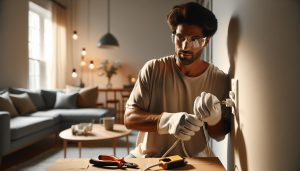
When it comes to home safety, hardwired smoke detectors play a crucial role, seamlessly integrated into your electrical system for reliable performance. Many homeowners find themselves asking, “Do I need an electrician to replace these devices?” While replacing a battery-operated smoke detector can be a do-it-yourself task, hardwired models often require professional expertise to ensure proper installation and compliance with safety standards. Understanding the intricacies of hardwired systems not only guarantees safety but also prevents potential hazards associated with improper installation. This article will guide you through the considerations involved in replacing hardwired smoke detectors, empowering you to make informed decisions about your home’s safety. Keep reading to discover how to enhance your home’s protection effectively.
Do I Need an Electrician for Hardwired Smoke Detector Replacement?
Replacing hardwired smoke detectors may seem like a simple task, but it carries specific risks and considerations that make hiring a professional electrician a wise choice. Smoke detectors play a critical role in household safety, and improper installation could lead to a failure in detection, jeopardizing your home’s safety. Electricians offer specialized knowledge in wiring and local codes, ensuring that your smoke detectors are installed correctly, efficiently, and in compliance with current regulations.
When considering whether to replace your smoke detectors yourself or to hire an electrician, keep in mind that hardwired systems involve detailed electrical connections that require familiarity with local building codes. Mistakes can lead to issues such as improper connectivity, which can prevent the detector from functioning correctly. Moreover, an electrician brings not only troubleshooting expertise but also the ability to identify any underlying electrical issues in your home. They can provide assurance that your smoke detection system operates flawlessly, contributing to your overall home safety.
Furthermore, electrical work often requires permits, and failure to secure these can result in penalties or complications when selling your home. By hiring a licensed electrician, you can rest easy knowing the work is compliant with safety codes, and documentation is in order for future inspections or transactions. Ultimately, while DIY projects can be rewarding, the implications of improper smoke detector installation are too significant to overlook, making professional assistance the safer and smarter choice.
Understanding Hardwired Smoke Detectors

Hardwired smoke detectors are an essential safety feature in any home, providing continuous monitoring and requiring a reliable power source for operation. Unlike battery-operated units, these hardwired systems are directly connected to the home’s electrical wiring and often include a battery backup for emergencies. This means they are less likely to be affected by simple issues such as dead batteries, ensuring they remain operational when needed most. However, the intricate setup of hardwired systems means that understanding their functionality is crucial for effective maintenance and timely replacement.
When considering hardwired smoke detectors, it’s beneficial to recognize why replacement is necessary. Common factors include aging units, advances in technology, or a change in safety regulations. Smoke detectors typically have a lifespan of about 10 years, after which their reliability may diminish, even if they appear to function correctly. Additionally, technology advancements have led to the creation of smarter detectors that can integrate with home automation systems, providing alerts not only for smoke but also for carbon monoxide and other hazards. Upgrading to such systems can enhance your home safety.
The decision to replace a hardwired smoke detector may surface during routine maintenance checks or after an alarm has been triggered. Be on the lookout for signs such as frequent false alarms, unusual noises, or visual malfunctions (like blinking lights). These indicators often signal that the unit either requires servicing or should be entirely replaced. It’s prudent to always consult the manufacturer’s recommendations and local safety codes, as these can provide valuable guidance on the lifespan and performance of your detectors.
Engaging a licensed electrician for installations or replacements is often the best practice. This is particularly true for hardwired systems, where electrical wiring considerations can complicate the replacement process. Electrocution risk and compliance with electrical codes are serious factors that must not be overlooked. A proficient electrician not only ensures the correct wiring of the detectors but also checks for underlying electrical issues that could affect their operation. In sum, while equips homeowners with knowledge, professional installation offers peace of mind and safety assurance.
Common Reasons for Smoke Detector Replacement

In the realm of home safety, being aware of when to replace your hardwired smoke detectors is crucial. One of the most compelling reasons for their replacement is the general lifespan of these devices, which is typically around ten years. After this period, even if they seem to be functioning, their sensitivity and effectiveness in detecting smoke can significantly diminish. This age factor alone makes it prudent to set a schedule for replacement to ensure optimal performance.
Another important consideration is the advancement in smoke detection technology. Newer models often come equipped with enhanced features, such as integrated carbon monoxide detectors, smart home connectivity, and better sensitivity to different types of smoke. Upgrading can provide not only improved safety for your home but also a more convenient user experience, such as remote alerts via smartphone or smart device integration.
Environmental factors also play a role in the decision to replace smoke detectors. Homes in areas prone to high humidity, dust, or smoke (from cooking or nearby wildfires) may experience quicker deterioration of their detectors. Frequent false alarms or erratic behavior, such as blinking lights or unresponsive buttons, can also signal that a unit is failing or nearing the end of its operational life.
Lastly, local regulations and building codes may necessitate timely replacements or upgrades. Changes in safety standards can mandate newer technology or specific installation practices that older models do not comply with. Consulting with a licensed electrician can help navigate these requirements, ensuring not only that your smoke detectors are functional but also compliant with current safety codes. Engaging a professional ensures that your system is safe and up to date, eliminating potential risks associated with outdated devices.
Signs Your Smoke Detector Needs Replacement

In the world of home safety, recognizing the signs that your smoke detector needs replacement is vital for protecting your household. One of the most crucial indicators is the age of your smoke detector; if it is approaching or has exceeded its typical lifespan of ten years, it should be replaced. Even if the device appears to be working, the reliability of smoke detection can degrade significantly as internal components age, leading to a false sense of security in your home.
Another telltale sign to watch for is persistent false alarms. If your smoke detector frequently goes off without a clear cause, it may indicate that the unit is malfunctioning. Such erratic behavior can stem from dust buildup, electrical issues, or aging components, which diminishes the detector’s ability to function properly. Similarly, any unusual signs such as blinking lights, unresponsive buttons, or inconsistent sound can signal that it’s time to consider a replacement.
Regular maintenance checks provide an excellent opportunity to observe the condition of your smoke detectors. If you notice that battery replacements yield only temporary fixes, or if the unit fails to respond during testing, it’s a strong signal that a professional inspection or replacement is warranted. Additionally, environmental factors, such as high humidity or significant exposure to dust, can accelerate wear and tear on smoke detectors, making timely assessments even more critical.
Finally, adherence to local safety regulations and building codes is essential. If there have been updates in safety standards since your last installation, upgrading your smoke detectors may not only be necessary but could also ensure compliance and enhance the safety of your home. Consulting with a licensed electrician will help you navigate these changes and ensure your smoke detection system is up-to-date and effective.
DIY Replacement vs. Hiring a Professional Electrician
In the realm of home safety, the decision between DIY smoke detector replacement and hiring a professional electrician can hinge on a variety of factors, including personal skill level, safety considerations, and the complexity of the installation. While replacing a hardwired smoke detector may seem like a straightforward task, it involves dealing with electrical systems that, if mishandled, could pose serious safety risks. For instance, if the wiring is not installed correctly, it may lead to malfunctioning detectors or even fire hazards.
When contemplating a DIY approach, it’s essential to evaluate your comfort and experience with household electrical work. Basic tools and knowledge of electrical systems are imperative. If you’re familiar with circuit breakers and wiring, you may find replacing a hardwired smoke detector manageable. However, consider that many jurisdictions require compliance with local building codes, which often necessitate a licensed electrician for modifications involving household wiring. Hiring a professional ensures adherence to all regulations, reducing the risk of future problems and increasing peace of mind.
Furthermore, consider the investment in time versus the potential risks of DIY. While it may save money upfront, the complexities involved in ensuring safe and proper installation might lead to unexpected expenses if mistakes occur. Taking a proactive stance, it’s often wiser to engage a licensed electrician, whose training not only equips them to handle the technical aspects but also prepares them to troubleshoot related issues. Many electricians carry insurance that protects both parties in the event of an unforeseen incident during the job, providing another layer of security when choosing to go professional.
Ultimately, the choice between DIY and hiring a professional electrician should be guided by an awareness of your skills, the requirements of the job, and the peace of mind that comes from knowing your smoke detectors are installed correctly and compliant with safety standards.
Safety Regulations and Codes for Smoke Detectors
In the United States, adhering to safety regulations and building codes when it comes to smoke detector installation is not merely a recommendation; it’s a vital step in ensuring the safety of your home and its occupants. Local and national codes, such as those from the National Fire Protection Association (NFPA) and the International Residential Code (IRC), outline strict guidelines for smoke detector placement, type, and installation, all aimed at minimizing risks associated with fire alarms failing to perform in emergencies.
Compliance with these regulations often requires that hardwired smoke detectors be installed by a licensed electrician. This stipulation helps guarantee that the installation meets the necessary safety standards and functionalities. For example, smoke detectors must be installed in specific locations, such as inside and outside of sleeping areas and on every level of the home, to ensure quick alerting in case of fire.
Furthermore, many communities have specific codes regarding the types of smoke detectors that can be used. For instance, newer building codes may require the use of dual-sensor smoke detectors that can detect both smoldering and flaming fires more effectively. Neglecting to follow these regulations can not only endanger your safety but may also result in fines or issues with insurance claims following a fire.
It’s crucial for homeowners to understand that regulations can vary not only by city or county but also by state, making the role of a licensed electrician even more critical. These professionals are well-versed in the intricacies of local codes and can provide valuable guidance on ensuring that your smoke detectors will function correctly when most needed. By prioritizing compliance with safety standards, you not only invest in your home’s safety but also in a peace of mind that respects the lives of everyone who resides under your roof.
Understanding the Wiring of Hardwired Smoke Detectors

Hardwired smoke detectors are integral safety devices that connect directly to your home’s electrical system, providing a consistent power supply that ensures they are always operational. Understanding their wiring not only helps you recognize the importance of professional installation but also guides you through troubleshooting and maintaining these crucial devices. Hardwired smoke detectors typically feature a 120-volt electrical connection and may also include a battery backup, ensuring functionality even during power outages.
The wiring for these detectors usually involves a three-wire system: hot (black wire), neutral (white wire), and ground (bare or green wire). The hot wire supplies power, while the neutral wire completes the circuit, and the ground wire ensures safety against electrical faults. It’s vital that any replacement or installation conforms to local electrical codes, as deviations can lead to safety hazards. Furthermore, most hardwired smoke detectors are interconnected, meaning if one goes off, all alarms in the network will alert simultaneously. This critical feature can provide extra time to escape in emergencies, thereby increasing safety.
When tackling issues related to hardwired smoke detectors, it’s important to adhere to best practices for wiring and installation. Always turn off the circuit breaker supplying power before attempting any work, even for routine maintenance like cleaning or testing. A licensed electrician not only guarantees compliance with existing safety codes but also brings expertise in proper wiring techniques that can prevent issues such as false alarms or power failures. Given the stakes involved-your home’s safety-hiring a professional for installation or replacement is advisable, especially when dealing with hardwired systems.
For homeowners contemplating a DIY approach, understanding the color coding and function of each wire is essential. Mistakes during installation could lead to malfunctions, endangering the household during an emergency. Therefore, while it may seem straightforward, the complexity of hardwired systems justifies professional oversight, not just for installation but also for ongoing maintenance and troubleshooting to ensure reliability.
Steps to Prepare for Smoke Detector Replacement
Before diving into the replacement of a hardwired smoke detector, it’s crucial to take the right preparatory steps to ensure safety and efficiency. One critical aspect is turning off the power to the smoke detector from the circuit breaker. This prevents any accidental electric shock and ensures that the device is completely devoid of power during the replacement process.
Once the power is off, gather the necessary tools and materials. You will need a screwdriver, wire connectors, a voltage tester, and of course, your new smoke detector. Having everything on hand minimizes interruptions and helps you maintain focus. Check your new smoke detector’s manual for specific installation instructions and familiarize yourself with it. This preparation can significantly reduce installation time and potential mistakes.
Next, locate the mounting bracket and carefully remove the old smoke detector. Use a voltage tester to confirm that the wires are indeed not live before touching them. Carefully disconnect the wiring, taking note of how the old unit was connected-taking a picture might help for reference. As you prepare to connect the new detector, ensure that the wires are clean and free from corrosion to guarantee a proper connection.
With your new detector ready to be installed, follow the manufacturer’s instructions for wiring and mounting. After securing the device, restore power and conduct a test to ensure everything is functioning properly. Remember, if at any point the process feels overwhelming or you are unsure, do not hesitate to consult or hire a licensed electrician to assist. Their expertise not only ensures safety but also compliance with all local codes.
Estimating Costs for Electrician Services
Estimating the costs associated with hiring an electrician for the replacement of hardwired smoke detectors can be pivotal in planning your home safety upgrades. On average, homeowners can expect to pay between $100 to $250 for the installation of a single hardwired smoke detector, though this can vary based on several factors, including regional labor rates, the complexity of wiring, and the need for any additional materials.
When breaking down potential costs, consider the following elements:
- Labor Costs: Electricians typically charge between $50 and $100 per hour, depending on their experience and location. For a simple smoke detector replacement, the job might take about 1 to 2 hours.
- Materials: The price of the smoke detector itself can vary widely. Basic hardwired models might cost anywhere from $30 to $100 each, while advanced models that include smart technology could run upwards of $200.
- Additional Work: If your existing wiring is outdated or not up to code, repairs or updates may be necessary, adding to the overall cost. It’s advisable to discuss potential upgrades during the initial consultation with your electrician.
To ensure you are receiving a fair estimate, it’s wise to get quotes from multiple licensed electricians. Always verify their credentials and coverage-typically, you want to hire someone insured and bonded for your protection. Don’t hesitate to ask for a breakdown of the costs, which can provide clarity and help avoid unexpected charges. Additionally, if you have a specific budget, discuss it upfront to see if there are alternative solutions or adjustments that could be made.
Understanding these cost factors not only helps in budgeting for smoke detector replacements but also reinforces the importance of hiring a professional to ensure safety and compliance with electrical codes. Investing in the right professionals and materials can significantly enhance your home’s safety for years to come.
Potential Risks of DIY Smoke Detector Replacement
Attempting to replace a hardwired smoke detector yourself might seem like a cost-saving endeavor, but the risks involved can far outweigh the benefits. One striking fact to consider is that improperly installed or malfunctioning smoke detectors can lead to a false sense of security, potentially jeopardizing your safety during a critical situation. Smoke detectors are essential life-saving devices, and any errors in their installation could prevent them from functioning correctly when needed most.
One significant risk of DIY replacement is the complexity of the wiring involved. Hardwired smoke detectors are directly connected to your home’s electrical system, and tampering with this wiring without proper knowledge can result in electrical shock, short circuits, or even fire hazards. Even if the physical replacement seems straightforward, without understanding how to manage the wiring properly, you could inadvertently create unsafe conditions. Furthermore, if local building codes require specific safety standards for installations, failing to follow these can lead to legal repercussions and complications if inspections are required later.
In addition to safety hazards, consider the repercussions of voiding warranties. Many modern smoke detectors come with warranties that may stipulate requirements for professional installation. By attempting to install or replace them yourself, you could nullify any warranty that may cover future defects or failures, leaving you responsible for the full replacement cost should the unit malfunction.
Lastly, in the realm of responsibility, ensuring your smoke detector is installed correctly not only impacts your safety but that of your family and home. You owe it to yourself to take this seriously. A licensed electrician has the training and experience to install these devices safely and guarantee they function optimally. By hiring a professional, you can ensure compliance with safety regulations and codes, leading to peace of mind that your home is adequately protected against fire hazards.
How to Choose the Right Electrician
Choosing the right electrician for your hardwired smoke detector replacement can significantly impact your home’s safety and compliance with local regulations. Look for professionals who not only hold the necessary licenses but also have relevant experience specifically in installing smoke detectors and understanding their wiring intricacies. Start by gathering recommendations from trusted sources and local reviews; most communities have forums or platforms where residents share their experiences with various contractors.
When evaluating potential electricians, consider the following criteria:
- Licensing and Insurance: Ensure the electrician is licensed in your state and carries liability insurance. This protects you from potential damages during installation.
- Experience: Look for electricians with a proven track record in installing hardwired smoke detectors. Ask for references and examples of similar projects they’ve completed.
- Certifications: Check for additional certifications, such as those from the National Fire Protection Association (NFPA), which indicate a deeper understanding of fire safety and electrical systems.
- Transparent Pricing: A trustworthy electrician should provide a clear estimate upfront, detailing labor and materials. Be wary of quotes that seem unusually low; they may reflect inferior work or hidden costs.
- Communication Skills: Choose an electrician who communicates clearly and answers your questions thoroughly. They should explain the installation process and any required permits.
Additionally, consider the electrician’s availability to complete the project in a timely manner. Given the critical nature of smoke detectors in fire safety, you don’t want to delay their installation longer than necessary. Engaging an electrician who stays updated on local codes and regulations ensures your smoke detector is compliant, minimizing risks and boosting peace of mind.
In today’s environment, many electricians are also adapting to smart home technologies. If you plan to upgrade to smart smoke detectors later, consider hiring an electrician experienced in both hardwired and smart systems. This expertise can be advantageous for seamless future installations, enhancing your home’s safety mechanisms while also integrating them into your overall smart home setup.
Maintenance Tips for Hardwired Smoke Detectors
Proper maintenance of hardwired smoke detectors is crucial, as these devices play a vital role in your home’s fire safety system. On average, smoke detectors that are properly maintained can last up to 10 years, but without regular upkeep, their effectiveness can be compromised. Here are essential tips to ensure your smoke detectors perform optimally and remain compliant with safety standards.
First, it’s essential to test your smoke detectors monthly. Most models come equipped with a test button that allows you to check if the alarm is functioning correctly. Press this button once a month to hear the audible alarm, signifying that the battery backup and circuitry are in working order. Furthermore, if your smoke detector fails to sound during testing, it’s time to replace it or consult an electrician for further assessment.
Keep your smoke detectors clean by gently dusting them with a soft cloth or using a vacuum cleaner with a brush attachment. Dust and debris can accumulate inside the unit, potentially obstructing its sensors. Additionally, pay attention to the mounting location: smoke detectors should be installed in areas where air circulation is adequate but away from kitchen appliances to prevent false alarms.
Lastly, ensure that you replace your smoke detectors every ten years or according to the manufacturer’s guidelines. As part of the replacement process, consider upgrading to newer models with advanced features like interconnected alarms or smartphone connectivity. These upgrades enhance your home’s safety and provide peace of mind, knowing that you are better prepared in case of a fire. By regularly maintaining your smoke detectors, you contribute not only to your safety but also to the safety of your loved ones.
Upgrading to Smart Smoke Detectors: What You Need to Know
Upgrading to smart smoke detectors can significantly enhance your home’s safety, merging technology with lifesaving functionality. Traditional hardwired smoke detectors serve their purpose, but smart models offer advanced features that can improve reliability and provide peace of mind. For example, many smart smoke detectors can connect to your smartphone, sending alerts directly to your device when an alarm is triggered or when the unit itself requires maintenance. This provides an extra layer of oversight, allowing you to be informed even when you’re not at home.
Another advantage of smart smoke detectors is their ability to integrate with other smart home devices. They can work in conjunction with smart home systems to provide comprehensive safety alerts, such as notifying you when carbon monoxide is detected along with smoke. Additionally, many models offer voice alerts to specify the type of danger detected-for instance, distinguishing between smoke and carbon monoxide-thereby reducing confusion during emergencies. This enhanced communication features can significantly improve your response time during critical situations.
When considering upgrading to smart smoke detectors, it’s essential to evaluate the installation requirements. Most smart detectors will be hardwired like their traditional counterparts but may require additional setup for Wi-Fi connectivity. Consulting a qualified electrician can simplify this process, ensuring that the installation meets local safety codes and that the system integrates seamlessly with your home’s electrical infrastructure. Moreover, a professional can assess the placement of the detectors to optimize their efficiency and ensure they cover all necessary areas.
Finally, while smart smoke detectors typically come with a higher upfront cost compared to traditional models, the long-term benefits-including lower maintenance needs, better communication, and improved safety features-make them a worthwhile investment. Embracing modern technology in home safety can lead to better preparedness and a safer environment for you and your family.
Frequently asked questions
Q: Can I replace hardwired smoke detectors myself?
A: While it’s technically possible to replace hardwired smoke detectors yourself, it’s recommended to hire an electrician. Proper installation ensures compliance with safety codes and reduces risks associated with improper wiring. For detailed guidance, refer to our section on DIY Replacement vs. Hiring a Professional Electrician.
Q: What tools do I need to replace hardwired smoke detectors?
A: To replace hardwired smoke detectors, you typically need a screwdriver, wire connectors, and possibly a voltage tester for safety. Using the right tools ensures a successful replacement and mitigates risks. Explore our article’s section on Steps to Prepare for Smoke Detector Replacement for more information.
Q: How often should hardwired smoke detectors be replaced?
A: Hardwired smoke detectors should generally be replaced every 10 years, according to safety guidelines. Regular replacement maintains functionality and enhances safety in your home. For recognizing when replacements are necessary, visit our Common Reasons for Smoke Detector Replacement section.
Q: What happens if I don’t have an electrician replace my smoke detectors?
A: Failing to hire an electrician can lead to dangerous wiring mistakes, increasing the risk of fire hazards or malfunctioning detectors. To ensure safety, consult our Potential Risks of DIY Smoke Detector Replacement for further details.
Q: Are hardwired smoke detectors more reliable than battery-operated ones?
A: Yes, hardwired smoke detectors are often considered more reliable because they do not require battery changes and are connected directly to power. This continuous power supply enhances safety features. For insights on choosing the right detector, see our Upgrading to Smart Smoke Detectors section.
Q: What codes should I be aware of when replacing smoke detectors?
A: When replacing smoke detectors, it is vital to follow local building codes and fire safety regulations, which can vary by region. Ensuring compliance is essential for safety and legal standards. For further guidance, check our Safety Regulations and Codes for Smoke Detectors section.
Q: Can replacing smoke detectors increase my home’s value?
A: Yes, upgrading smoke detectors can improve your home’s value as it reflects enhanced safety features, appealing to potential buyers. This is particularly relevant if you consider installing modern smart smoke detectors. Explore our article on Upgrading to Smart Smoke Detectors for more on this topic.
Q: How do I choose a qualified electrician for smoke detector replacement?
A: Look for electricians with relevant certifications, positive reviews, and compliance with local regulations. Requesting quotes and comparing them can also help ensure you hire a qualified professional. For a comprehensive approach, see our How to Choose the Right Electrician section.
Insights and Conclusions
Choosing to replace hardwired smoke detectors isn’t just about following regulations; it’s crucial for your safety and peace of mind. While DIY projects can be tempting, the complexities of electrical work demand professional expertise to ensure optimal functioning and compliance with safety standards. Don’t put your home and loved ones at risk-consult a licensed electrician today to handle the installation seamlessly.
For additional insights, check out our guides on “Understanding Electrical Safety Codes” and “Choosing the Right Smoke Detectors for Your Home.” If you have lingering questions or concerns, feel free to leave a comment below, and we’ll be happy to assist you further! Plus, subscribe to our newsletter for ongoing tips and industry updates. Take proactive steps for your home safety; the time to act is now!