Did you know that ceiling fans can significantly impact your monthly energy bills? As temperatures rise, many homeowners turn to ceiling fans for cooling relief, but the question often arises: do they consume a lot of electricity? Understanding the energy usage of ceiling fans is crucial for making informed decisions about your home’s energy efficiency. By learning about their power consumption, you can balance comfort and cost-effectiveness, ensuring a pleasant indoor environment without breaking the bank. Dive into this article to uncover surprising energy facts about ceiling fans and discover practical insights that can help you save money while enjoying a cooler space.
Do Ceiling Fans Really Save Energy?
A common question homeowners ask is whether ceiling fans contribute to energy savings. The answer is a resounding yes, especially when used correctly in conjunction with HVAC systems. Ceiling fans consume significantly less electricity than air conditioning units; most fans use about 70 to 100 watts, whereas a typical air conditioner can use up to 3,500 watts. By running a ceiling fan while the air conditioning is on, you can often increase the thermostat setting by around four degrees without sacrificing comfort. This can lead to noticeable reductions in energy bills.
One of the key strategies for energy efficiency with ceiling fans lies in knowing when to use them. During warm months, ceiling fans should be set to rotate counterclockwise, pushing cool air down and creating a wind chill effect. In winter, reversing the fan’s direction helps circulate warm air that rises to the ceiling, distributing it more evenly throughout the room. This simple adjustment can lead to higher comfort levels without the need for extra heating or cooling, further optimizing energy usage.
Choosing an energy-efficient ceiling fan is also crucial. Look for models that have the Energy Star label, which indicates they meet energy efficiency guidelines set by the U.S. Environmental Protection Agency. These fans typically use 60% less energy than standard models, thus contributing even more to your savings. Smart ceiling fans, which can be programmed and controlled via smartphones, offer additional energy-efficient features, allowing homeowners to optimize their fans’ usage based on real-time conditions and preferences.
In conclusion, ceiling fans do save energy when used strategically. By leveraging their ability to enhance comfort and reduce reliance on other energy-consuming systems, consumers can achieve substantial savings while maintaining a pleasant living environment.
Understanding Ceiling Fan Energy Consumption
Ceiling fans are often overlooked in energy discussions, yet their efficiency can be surprising. While a conventional ceiling fan usually consumes between 70 to 100 watts of electricity, the average air conditioning unit can use up to 3,500 watts. This stark difference illustrates that ceiling fans, when used judiciously, can significantly reduce energy consumption. By assisting your air conditioning system, a ceiling fan can help maintain comfort levels while allowing you to raise the thermostat by several degrees, which can lead to significant savings on your energy bill.
To fully grasp how energy consumption varies among ceiling fans, consider the underlying technology. Most energy-efficient ceiling fans are designed using advanced motors and blade shapes, allowing them to maximize airflow while minimizing energy use. For instance, ENERGY STAR-rated fans have been shown to use up to 44% less energy than traditional models, making them an excellent choice for eco-conscious homeowners. In addition to selecting an energy-efficient fan model, the practical application of these fans can yield further savings. During warm weather, fans should rotate counterclockwise to create a refreshing breeze, while in cooler months, switching to a clockwise rotation helps distribute warm air that accumulates near the ceiling.
Beyond operational behaviors, understanding the electrical fundamentals is essential. For example, consider voltage (the potential difference) and amperage (the current flow); together, they dictate the wattage consumption of your ceiling fan. Knowing how to perform load calculations can further equip you to make informed decisions about your home’s energy use.
The modernization of ceiling fans, including the advent of smart fans, represents a new chapter in energy consumption awareness. These innovative devices can be programmed to operate at optimal times and speeds based on occupancy and temperature, enhancing both convenience and efficiency. Smart ceiling fans can also be integrated with home automation systems, giving homeowners precise control over their energy consumption. As the industry moves towards more sustainable living solutions, harnessing the capabilities of these technologies creates not just energy savings but a step forward in eco-friendly home management.
Comparing Ceiling Fans to Air Conditioners
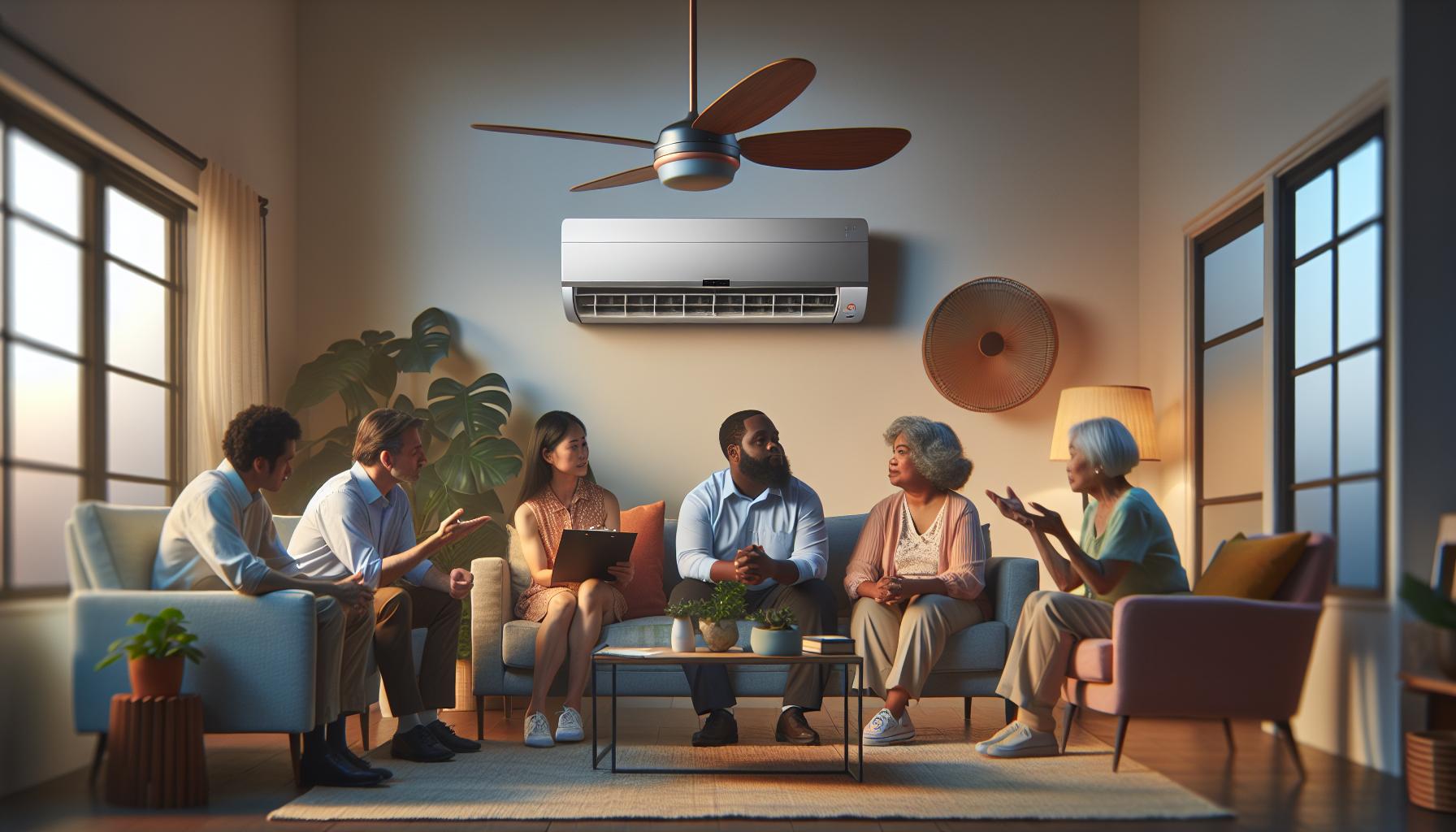
reveals a significant disparity in energy consumption and operational efficiency. Conventional ceiling fans draw between 70 to 100 watts while the average air conditioning unit can consume upwards of 3,500 watts. This stark contrast highlights how ceiling fans can serve as a cost-effective alternative to achieve comfort in your home while reducing electricity bills.
To maximize energy efficiency, it’s essential to understand how these two cooling systems complement each other. Ceiling fans work by circulating air, creating a wind-chill effect that makes you feel cooler without actually lowering the room temperature. This means you can set your air conditioning to a higher temperature, as the fan enhances comfort at warmer settings. For example, if you raise your thermostat by just 2 degrees while using a ceiling fan, you could potentially save up to 14% on your energy bill.
In considering which option to utilize, it’s also worth noting the operational costs beyond just wattage. Air conditioners require ongoing maintenance and typically signify higher repair costs, while ceiling fans have lower upfront and long-term operational costs. Furthermore, modern ceiling fans come equipped with energy-efficient motors and smart technology that optimally adjusts speed settings depending on room occupancy, thereby enhancing their cost-saving potential.
### Benefits of Using Ceiling Fans Alongside Air Conditioners
- Improved Efficiency: Ceiling fans can both circulate and enhance air conditioning performance, leading to more comfortable indoor environments.
- Cost-Effective: The reduced energy consumption translates to lower utility bills over time.
- Enhanced Air Quality: Continuous air movement helps to prevent the stagnation of air, improving indoor air quality.
- Versatility: Ceiling fans can be used year-round; reversing the blade direction can push warm air down in winter, saving additional energy.
In summary, integrating ceiling fans into your cooling strategy can significantly increase energy savings while maintaining comfort levels in your home. By leveraging their low power consumption in conjunction with air conditioning, you create a balanced approach to cooling that not only saves money but also promotes a more sustainable living environment.
Tips for Maximizing Ceiling Fan Efficiency

Maximizing the efficiency of your ceiling fan can significantly impact your energy consumption and comfort level, making it an indispensable tool in a responsible and cost-effective cooling strategy. To start, ensure your ceiling fan is appropriately sized for the room it is placed in. Using a fan that is too small for a large space can lead to inefficient air circulation, while oversized fans can create discomfort. Typically, a fan with a blade span of 52 inches is ideal for rooms of 225 to 400 square feet.
Regular maintenance is key to ensuring optimal performance. Dust and debris can accumulate on fan blades, which not only decreases efficiency but also affects air quality. Clean the blades monthly to maintain balanced airflow. Additionally, check that all screws and connections are secure; loose components can cause wobbling and increased noise, detracting from the fan’s effectiveness.
Fan direction plays a vital role in energy savings. For summer cooling, blades should rotate counterclockwise to push cool air down and create a wind-chill effect. In winter, switch the fan to a clockwise direction at a lower speed to circulate warm air that collects near the ceiling back down into the living space. This small adjustment can lead to significant energy savings and increased comfort.
Finally, consider integrating your ceiling fan with smart technology. Many modern ceiling fans can be controlled via smartphone apps, allowing you to adjust settings based on occupancy or personal preference. By synchronizing your fan operation with your HVAC system, you can maintain consistent temperature levels and reduce energy waste. Investing in an energy-efficient model with an ENERGY STAR rating can further enhance your energy savings, ensuring your ceiling fan works effectively while keeping electricity costs in check.
Common Misconceptions About Ceiling Fans
Ceiling fans are often misunderstood when it comes to their energy use and efficiency. One prevalent misconception is that ceiling fans consume a significant amount of electricity, akin to powerful air conditioners. In reality, most ceiling fans use very little energy-typically between 50 to 75 watts on high speed, which is far less than the operational demand of central air conditioning systems or space heaters. This surprisingly low energy consumption positions ceiling fans as an effective alternative for cooling and air circulation.
Another common myth is that ceiling fans are only effective during the summer months. While they certainly excel at creating a cooling breeze, their benefits extend into the colder months as well. By reversing the fan direction, you can use ceiling fans to circulate warm air that rises to the ceiling during winter, which can help maintain a more uniform temperature throughout the room. This can potentially reduce heating costs, making ceiling fans a year-round ally in energy efficiency.
Additionally, people often believe that larger ceiling fans are always more effective in dissipating heat or cooling a room. However, the effectiveness of a ceiling fan is also significantly influenced by its design and the angle of its blades, not just its size. Choosing a fan that is appropriately sized for your room-generally, a 52-inch model is ideal for standard living areas-can ensure optimal air movement without compromising aesthetics or comfort.
Finally, many individuals think that all ceiling fans are created equal when it comes to energy efficiency. In truth, fans that earn the ENERGY STAR label are required to meet strict performance criteria that make them up to 44% more efficient than standard models. Investing in an ENERGY STAR certified fan not only offers superior performance but can also yield long-term savings on your energy bills, enhancing both comfort and cost-effectiveness in your home.
Choosing the Right Ceiling Fan for Your Home

can significantly enhance your comfort while ensuring energy efficiency. Not all ceiling fans are created equal, and understanding the various factors that contribute to their performance is essential when making a choice. Start by assessing the size of your room-most guidelines suggest that a 52-inch fan is optimal for typical living spaces, ensuring adequate air circulation without overwhelming the room’s design. In larger spaces, consider multiple fans or larger models to avoid dead areas where air doesn’t reach.
Another critical factor is the fan’s motor quality and blade design. Look for fans equipped with energy-efficient motors that operate quietly while maximizing airflow. The blade pitch, typically between 12 to 15 degrees, plays a significant role in airflow efficiency; blades angled too flat or steep can hinder performance. Additionally, opt for fans with a high CFM (cubic feet per minute) rating, ideally over 100 CFM per watt, as higher ratings indicate more efficient air movement per watt used.
Consider the aesthetic aspect as well. Ceiling fans come in various styles that can enhance your home’s décor, from modern to rustic designs. Moreover, if you’re considering a smarter approach, look for models compatible with smart home systems, allowing remote control and scheduling, which can further optimize energy use. Finally, choosing fans certified by ENERGY STAR can provide peace of mind. These fans meet strict efficiency guidelines, typically using up to 44% less energy than standard models, leading to reduced electricity bills while maintaining comfort in your home.
Being informed about these facets not only helps you choose an energy-efficient ceiling fan but also contributes to a more comfortable and visually appealing living environment. Always consider your specific needs and environment, as this ensures you invest wisely in a ceiling fan that serves your home effectively year-round.
How Ceiling Fan Size Affects Electricity Use
Understanding how ceiling fan size impacts electricity usage is crucial for optimizing both comfort and energy efficiency in your home. Larger ceiling fans typically operate more efficiently in spacious areas due to their ability to circulate more air, which can lead to less reliance on HVAC systems. This efficiency translates into reduced energy consumption. Conversely, a fan that is too small for a room may struggle to provide adequate airflow, causing it to run longer and consume more electricity without effectively cooling the space.
When selecting a ceiling fan, size matters. For example, a standard 52-inch fan is usually sufficient for rooms ranging from 225 to 400 square feet, while larger areas may require fans with blades greater than 60 inches. The size of the fan affects its cubic feet per minute (CFM) rating-the volume of air a fan moves. Fans with higher CFM ratings can deliver more airflow while using less electricity. If you are operating a small fan in a large room, you might not achieve the desired cooling effect, leading to increased operational times and higher energy bills.
Another factor to consider is the ceiling height. Ceiling fans should be installed at a height between 7 to 9 feet from the floor for optimal performance. If your ceilings are extra high, adding a downrod can help position the blades at the recommended height, which not only enhances airflow but also supports energy savings over time. Furthermore, several models come with adjustable fan speeds that allow users to customize the air movement based on room size and ceiling height.
In conclusion, investing in the right size ceiling fan and ensuring correct installation can significantly influence energy usage. Choosing a fan that fits your room will not only enhance comfort but also lead to lower electricity consumption, making it a smart choice for both your wallet and the environment.
The Importance of Fan Direction for Energy Savings
Using a ceiling fan efficiently hinges significantly on its operational direction, which can have a surprising impact on energy consumption. The ability to reverse the direction of your ceiling fan may seem like a minor feature, but it plays a crucial role in optimizing energy use throughout the seasons. During the warmer months, ceiling fans should spin counterclockwise to create a wind-chill effect, making you feel cooler without dropping the thermostat setting. This subtle adjustment allows you to rely less on air conditioning, leading to substantial energy savings. In fact, using a ceiling fan can reduce the perceived temperature by several degrees, offering comfort while using less electricity to cool the room.
Conversely, in winter, reversing the ceiling fan to a clockwise direction is equally important. This change helps in redistributing warm air that rises to the ceiling, allowing it to circulate back down into the living space. This method can enhance the heating efficiency of your home by reducing the workload on your heating system. Homeowners can expect to see reduced heating costs, as the warm air that is usually trapped at the ceiling level is more effectively warmed throughout the room.
To maximize these benefits, it’s essential to ensure that your fan has an easily accessible switch to change directions. Additionally, consider fan placement and size to ensure it serves the intended space effectively. By taking these simple steps, you can harness the full potential of ceiling fans and significantly reduce year-round energy usage, leading to both comfort and financial savings. Utilizing this directional feature not only enhances the efficacy of your heating and cooling systems but also aligns with broader goals of sustainability and reducing carbon footprints in the home.
Seasonal Energy Savings: Ceiling Fans in Winter vs. Summer
When it comes to managing energy consumption effectively, harnessing the versatility of ceiling fans can lead to significant cost savings throughout the year. In the summer, running a ceiling fan in a counterclockwise direction can create a wind-chill effect, allowing the occupants to feel cooler without lowering the thermostat. This not only enhances comfort but can reduce reliance on air conditioning, translating to lower energy bills. In fact, operating a ceiling fan with traditional air conditioning can yield an estimated energy savings of 10-20% on cooling costs, making it a smart choice for environmentally conscious consumers.
As temperatures drop in winter, reversing the fan direction to clockwise becomes essential for energy efficiency. This adjustment circulates warm air that collects near the ceiling back down into the living space, improving heating efficiency and reducing the workload on your heating system. By maintaining a consistent and comfortable temperature throughout the home, homeowners can expect to see a substantial decrease in heating costs-potentially cutting heating expenses by up to 15%. Such effective warm air redistribution can significantly enhance the overall comfort level during colder months.
To fully capitalize on these energy-saving opportunities, having access to a ceiling fan with a simple switch for direction reversal is crucial. Moreover, selecting the right size and placing the fan appropriately in each room maximizes its efficacy. As a practical tip, consider setting your ceiling fan to run alongside your HVAC system-this strategic partnership allows you to maintain comfort while simultaneously minimizing energy consumption, leading to a more cost-effective and eco-friendly home environment.
Ultimately, understanding and applying the operational direction of ceiling fans based on seasonal needs is a clear pathway to achieving substantial energy savings. Not only does this practice help reduce electricity costs, but it also aligns with broader sustainability efforts by diminishing reliance on centralized heating and cooling systems.
The Role of Ceiling Fans in Sustainable Living
Ceiling fans play a pivotal role in promoting sustainable living, serving as an effective strategy for reducing energy consumption in homes. By utilizing ceiling fans correctly, homeowners can significantly limit their reliance on heating and cooling systems, which typically account for a substantial portion of household energy bills. For example, in warmer months, running a ceiling fan can create a cooling effect that allows inhabitants to comfortably raise the thermostat setting of their air conditioning unit, thus reducing overall electricity consumption. This marginal adjustment can lead to measurable savings, encouraging a shift towards more eco-friendly practices.
In addition to facilitating comfort in summer, ceiling fans are equally beneficial in winter. By rotating the fan blades clockwise, warm air trapped near the ceiling is redistributed throughout the living space. This simple adjustment can enhance heating efficiency, allowing homeowners to lower their thermostat settings-resulting in energy savings that are both significant and sustainable. Over time, these practices not only diminish electricity costs but also contribute positively to reducing one’s carbon footprint.
Investing in energy-efficient ceiling fans is another step toward sustainability. When choosing a ceiling fan, look for models that have the Energy Star certification. These fans use less energy compared to traditional models and often come equipped with features such as reversible motors and smart controls for maximum efficiency. Many modern ceiling fans allow users to adjust speed settings and fan direction easily, accommodating seasonal changes and personal comfort preferences without excessive energy use.
Additionally, ceiling fans complement green living initiatives such as solar panel systems and smart home technologies. By strategically using ceiling fans alongside renewable energy sources, homeowners can enhance their energy management while also promoting a sustainable lifestyle. In doing so, they not only save money but also contribute to a broader environmental cause, aligning their energy consumption habits with modern sustainability goals. By making conscious choices around fan usage and embracing energy-efficient technologies, individuals can lead the charge towards a more sustainable future while enjoying the many comforts offered by these versatile home fixtures.
Investing in Energy-Efficient Ceiling Fans
Investing in a ceiling fan may seem like a minor decision, but it can yield significant benefits for energy efficiency and cost savings. Energy-efficient ceiling fans can use up to 60% less energy than traditional models, which not only helps reduce household electricity bills but also has a positive impact on the environment. As awareness of sustainability increases, choosing the right ceiling fan becomes an essential part of modern energy management practices.
When searching for an energy-efficient ceiling fan, prioritizing those with an Energy Star certification is key. These fans are designed to consume less electricity while providing the same or better airflow compared to standard models. Moreover, many of these fans feature modern technologies such as reversible motors that allow for efficient operation in both summer and winter. In summer, running the fan counterclockwise promotes a cool breeze, while in winter, reversing the direction helps circulate warm air trapped near the ceiling.
Maximizing Fan Efficiency
To get the most out of your investment, consider the following tips:
- Select the Right Size: Choose a fan size appropriate for the room’s dimensions. A too-small fan will need to work harder, and a too-large fan can create uncomfortable airflow.
- Leverage Smart Technology: Many ceiling fans now come with smart features, including app connectivity and voice control, which allow for better scheduling and energy management.
- Maintenance: Regularly clean fan blades and check for any obstructions to ensure optimal performance and energy usage.
Additionally, pairing your ceiling fan with other energy-efficient technologies, like LED lighting or smart thermostats, can further enhance its sustainability benefits. By integrating these systems into your home, you not only lower energy consumption but also pave the way toward a greener lifestyle that meets modern energy standards. Thus, is not merely a financial choice; it is a pivotal step in fostering a sustainable living environment.
Smart Ceiling Fans: The Future of Energy Savings
In today’s world of increasing energy awareness, smart ceiling fans are emerging as groundbreaking solutions for energy savings in homes. These fans are not just about providing comfort; they integrate advanced technology that enhances energy efficiency significantly. For instance, modern smart ceiling fans can often be controlled via smartphone apps, allowing homeowners to adjust fan speeds, set schedules, and even enable voice commands with smart home assistants. This level of control means users can operate their fans only when necessary, reducing wasted electricity considerably compared to traditional fans that operate on a basic on/off switch.
Leveraging features such as sensors, smart ceiling fans can automatically adjust their speed based on room occupancy or temperature, ensuring that energy is conserved when the room is unoccupied. For example, some models are equipped with temperature sensors that can slow down or speed up the fan based on the indoor climate, optimizing energy use and maintaining comfort without overworking the fan. Coupled with energy-efficient LED lights, which many smart fans now incorporate, homeowners can create a cohesive energy-saving strategy throughout their space.
Furthermore, the initial investment in a smart ceiling fan often pays off through lower electricity bills. Many of these fans operate more efficiently than standard models, consuming around 50% less energy. When paired with proper HVAC systems, smart ceiling fans can help reduce reliance on air conditioning, leading to additional long-term savings. The combination of energy-efficient design and smart technology places these fans at the forefront of sustainable living, making them a prudent choice for those looking to not only enhance comfort but also contribute positively to the environment.
In summary, as the shift towards smarter homes continues, adopting smart ceiling fans is an essential step for anyone looking to optimize their energy usage. With features designed to enhance efficiency and convenience, these fans represent not just the future of energy savings but also an essential component of modern, responsible living. Make sure to evaluate different models and choose one that fits your lifestyle and home requirements to reap the full benefits of this innovative technology.
Faq
Q: Do ceiling fans use more electricity than air conditioning?
A: Generally, ceiling fans use significantly less electricity than air conditioners. A typical ceiling fan consumes between 30 to 100 watts, while central air conditioning systems can use 2,000 watts or more. This makes ceiling fans a cost-effective option for cooling when used wisely in conjunction with AC systems.
Q: How much electricity does a ceiling fan actually use?
A: A ceiling fan typically uses about 50 to 100 watts per hour. To calculate the monthly cost, multiply the wattage by the hours of use and your electricity rate. For example, running a 75-watt fan for 10 hours daily can cost around $2.25 a month.
Q: What factors influence the energy consumption of ceiling fans?
A: Factors affecting ceiling fan energy consumption include the fan’s size, blade design, speed settings, and motor efficiency. Fans with energy-efficient motors and larger blade spans generally circulate more air using less electricity, providing better performance at lower costs.
Q: Can using ceiling fans reduce my electricity bill?
A: Yes, using ceiling fans can lower your electricity bill by making it feel cooler indoors, allowing you to raise the thermostat on your air conditioning. This combination saves energy while maintaining comfort throughout the home.
Q: Are energy-efficient ceiling fans worth the investment?
A: Energy-efficient ceiling fans usually have lower wattage and improved airflow, leading to long-term savings on electricity. Although they may have a higher upfront cost, the energy savings over time can benefit your budget and contribute to greener living.
Q: How do ceiling fans help in winter?
A: In winter, ceiling fans should run clockwise to circulate warm air that rises to the ceiling, distributing heat throughout the room. This method can help reduce heating costs, making your space more comfortable without cranking up the thermostat.
Q: Do ceiling fans cool the air or just create a breeze?
A: Ceiling fans do not cool the air; they create a wind-chill effect, making you feel cooler as the moving air evaporates moisture from your skin. This can provide comfort at higher temperatures without decreasing the actual room temperature.
Q: How can I maximize the energy efficiency of my ceiling fan?
A: To maximize energy efficiency, ensure your fan is properly sized for your room, clean the blades regularly, and use appropriate speeds for the season. Setting the fan direction according to seasonal needs also enhances energy savings. For detailed guidance, visit our section on “Tips for Maximizing Ceiling Fan Efficiency.”
The Way Forward
Now that you understand how ceiling fans can be a cost-effective solution for energy savings, why not take the next step? Explore our articles on maximizing energy efficiency with ceiling fans here and learn how to pick the best ceiling design for your home here. If you have more questions or need tailored advice, sign up for our newsletter to stay updated with the latest insights on home energy solutions and design options.
Join the conversation: share your experiences with ceiling fans and energy savings in the comments! Your input can help others make informed decisions. Remember, making smart choices about ceiling fans not only enhances your comfort but also helps lower your electricity bills. Dive deeper into creating an energy-efficient home today!