Electric bikes, or e-bikes, are transforming urban mobility, making it easier to navigate congested streets while reducing carbon footprints. With technology rapidly advancing, understanding how these impressive machines work is essential for anyone considering an e-bike for commuting, fitness, or leisurely rides. At their core, e-bikes employ electric motors-primarily hub or mid-drive motors-that enhance pedaling efficiency and provide a seamless riding experience. This article will delve into the technology and components that drive electric bikes, shedding light on their inner workings and offering insights that empower you to make informed choices. Whether you’re a potential buyer or simply curious about this sustainable transportation revolution, exploring the mechanics of e-bikes will surely enhance your appreciation and knowledge of their role in the future of mobility.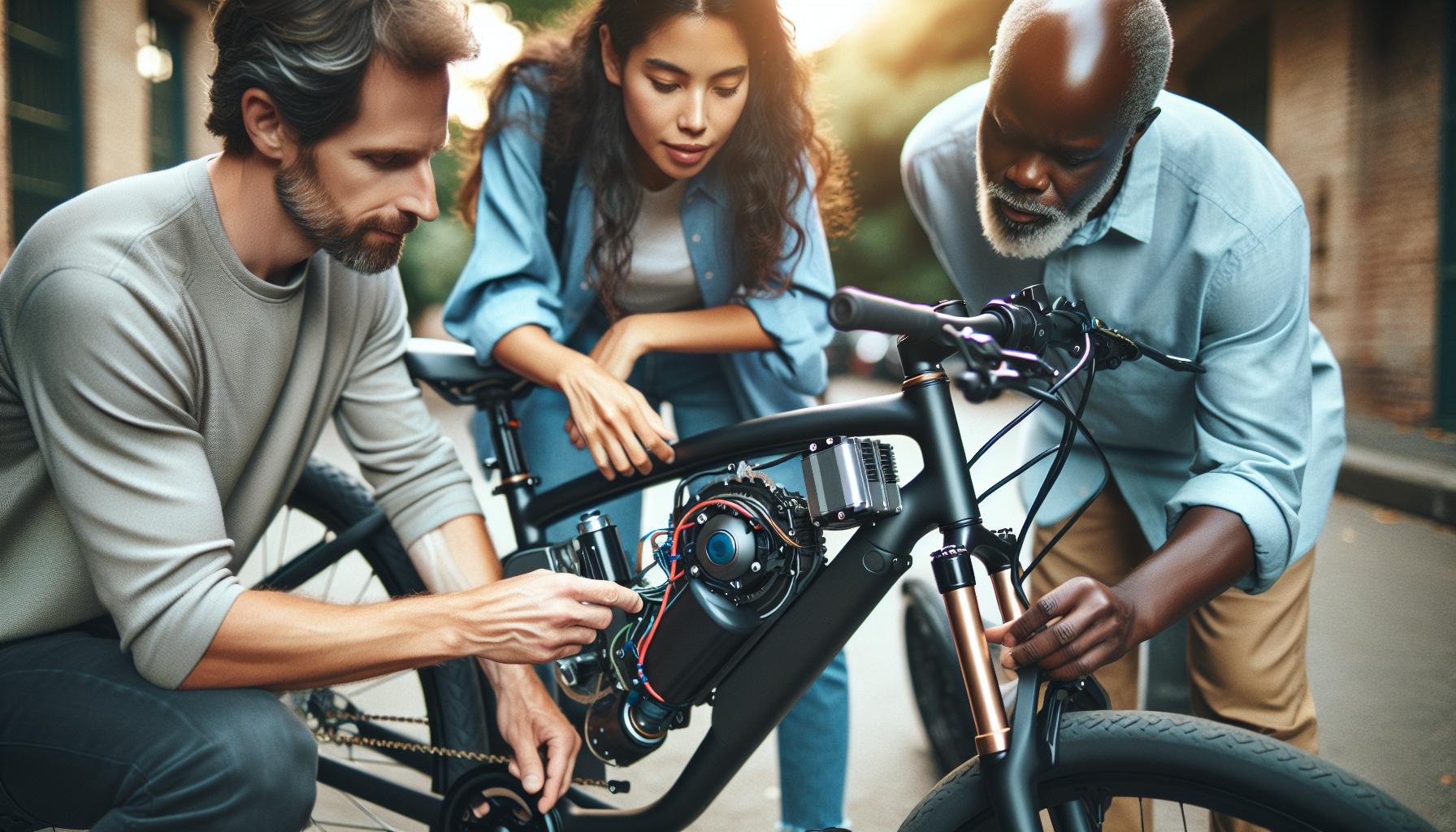
Understanding Electric Bikes: The Basics of E-Bike Technology
Electric bikes have surged in popularity as an eco-friendly alternative to traditional commuting methods, but many riders still find themselves puzzled by the technology that powers these machines. At the core of every electric bike lies an intricate system of components working seamlessly together to deliver a smooth and enjoyable ride. The heart of this system is the electric motor, which provides the necessary power to assist with pedaling, enabling riders to tackle hills and longer distances with ease.
Understanding how electric bikes function requires an appreciation of the various components that contribute to their operation. Central to their efficiency is the battery, which stores energy and affects the bike’s range and performance. Modern e-bikes typically utilize lithium-ion batteries, known for their high energy density, longevity, and ability to hold charge over extended periods. Riders can expect different ranges, typically between 20 to 100 miles per charge, influenced by factors such as terrain, rider weight, and assist level used.
Moreover, the role of the controller cannot be understated. This crucial part manages the power delivery from the battery to the motor, ensuring a smooth and responsive riding experience. It enables varying levels of assistance, thus allowing riders to customize their experience according to their needs. Most e-bikes come equipped with several pedal-assist modes, allowing users to adjust assistance on the fly depending on their riding conditions.
In addition to these core components, electric bikes incorporate advanced features like regenerative braking and smart technology connectivity, enhancing both safety and user experience. As you navigate your own e-bike journey, understanding these basics not only improves your riding experience but also helps you make informed decisions about maintenance and upgrades. Whether you’re commuting to work or exploring new trails, knowing how your electric bike works empowers you to ride with confidence and clarity.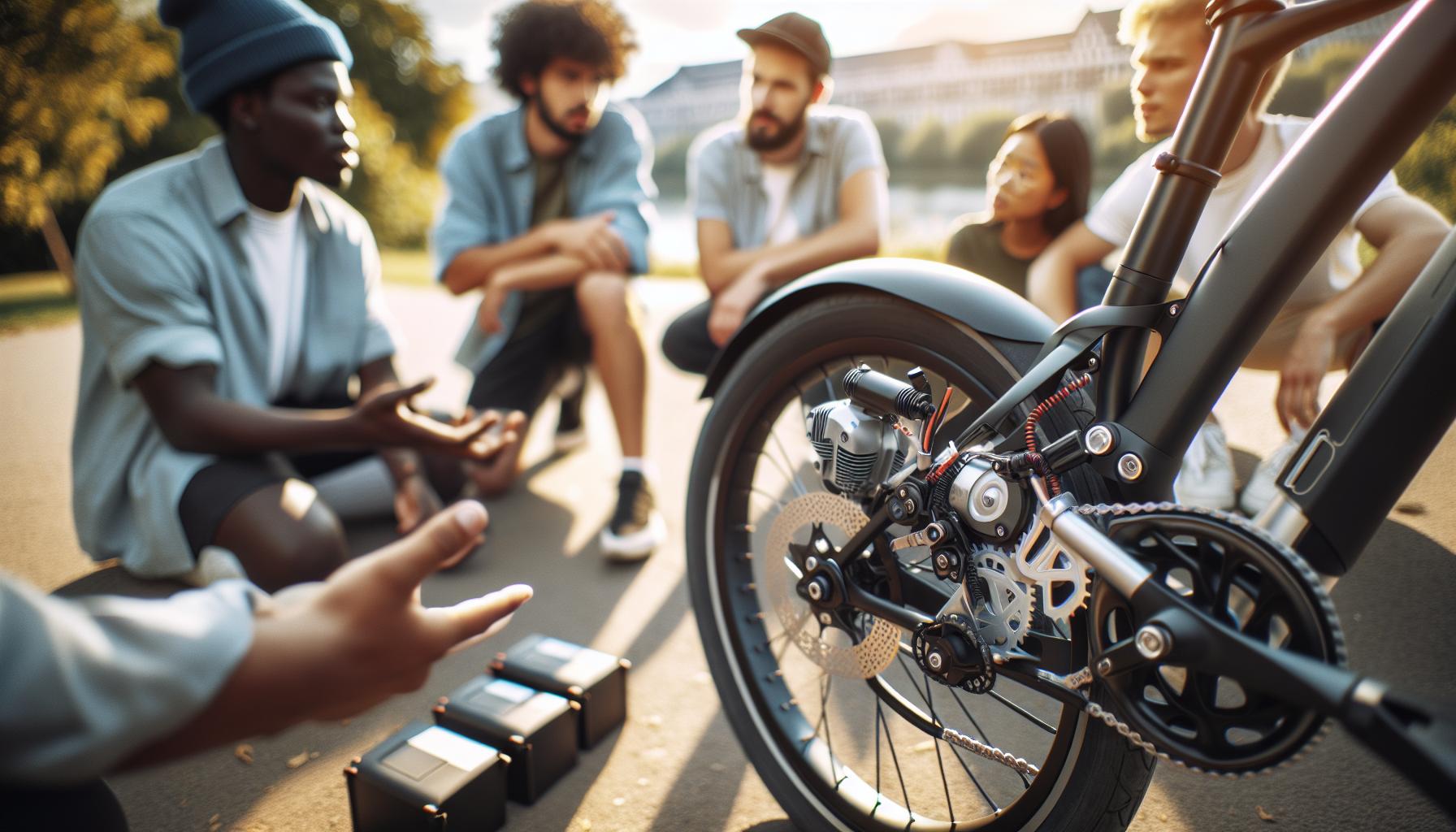
Essential Components of Electric Bikes Explained
Electric bikes, or e-bikes, are a fascinating blend of mechanical engineering and digital technology that enhance the cycling experience. Understanding the essential components of an e-bike can help riders appreciate the mechanics behind their smooth rides and empower them to make informed decisions when it comes to maintenance and upgrades.
At the heart of any electric bike is the electric motor, which provides the most notable performance boost. Most e-bikes feature either hub motors, located in the wheel hubs, or mid-drive motors, situated at the bike’s crank. Hub motors excel in providing a straightforward installation and a quiet ride, while mid-drive motors offer superior weight distribution and climbing ability. The choice of a motor significantly affects the bike’s performance, especially in terms of torque and hill-climbing capability.
Next, the battery is crucial for energy storage and impacts the bike’s range and overall performance. Contemporary e-bikes predominantly use lithium-ion batteries, renowned for their high energy capacity and light weight. Riders can typically expect a range of 20 to 100 miles, depending on variables such as terrain, rider weight, and the level of pedal assist used.
The controller serves as the brain of the e-bike, managing power delivery between the battery and the motor. It typically features multiple assistance levels, enabling riders to tailor their experience according to their preferences and conditions. An effective controller ensures a seamless transition of power, making it essential for a smooth riding experience.
Additionally, braking systems play a crucial role in ensuring rider safety. Hydraulic disc brakes are common in higher-end models, offering superior stopping power, especially in wet conditions. Other systems, like electric regenerative braking, not only enhance safety but also extend battery life by converting kinetic energy back into stored energy when slowing down.
In summary, e-bikes consist of a harmonious synergy between several key components-each contributing to an enhanced riding adventure. By understanding these essential elements, riders can better appreciate their e-bike’s capabilities and longevity while maximizing their performance and safety on the road.
The Role of the Electric Motor in Performance
The electric motor is the powerhouse of any e-bike, fundamentally transforming the cycling experience by providing essential speed and assistance. Unlike traditional bicycles that rely solely on human effort, e-bikes use electric motors to amplify a rider’s capabilities, making hills feel less daunting and longer rides more achievable. The choice between hub and mid-drive motors adds variations in performance, weight distribution, and handling, catering to different types of cyclists and terrains.
Hub Motors are located in the wheel hubs, typically found either in the front or rear wheel. They offer a straightforward installation process and are known for their quiet operation. Hub motors excel in flat terrains and are perfect for casual riders who prioritize ease of use. However, they may lack the torque needed for steep climbs and can result in a less engaging ride feel as they separate the pedaling effort from the power delivery.
On the other hand, Mid-Drive Motors are integrated into the bike’s crank system. This positioning not only offers better weight distribution but also enhances the bike’s performance on hills by using the bike’s gears efficiently. Riders can leverage the full range of gear shifts, allowing for improved torque during ascents and a more natural biking experience. Mid-drive motors tend to result in greater efficiency and responsiveness, making them a preferred choice for more serious cyclists or those who frequent challenging terrains.
Beyond just providing assistive power, electric motors vary by wattage, which influences both speed and torque. Typical e-bike motors range from 250W for commuting models to 750W or more in performance-oriented setups. This distinction effectively impacts how the e-bike performs under different conditions. A higher wattage motor will generally offer increased acceleration and hill-climbing capability, making it a vital consideration for riders looking to maximize their biking experience.
Incorporating the electric motor’s dynamics into your riding strategy can substantially enhance efficiency and enjoyment. For instance, effective gear management in conjunction with motor power can allow riders to maintain optimal speed while conserving battery life, extending the e-bike’s overall range. Understanding the electric motor’s role not only empowers riders in their day-to-day usage but also enhances their appreciation for a technology that continually evolves, marrying mechanical prowess with electric innovation.
Battery Types: Choosing the Right Power Source
Electric bikes rely heavily on their battery systems, which serve as the lifeblood of an e-bike, powering its motor and enabling the electrifying experience of cycling with assistance. Understanding the types of batteries available-and knowing how to choose the right one-can significantly influence your riding experience, range, and overall satisfaction.
Most electric bikes use lithium-ion (Li-ion) batteries, renowned for their high energy density, longevity, and lighter weight compared to older types such as lead-acid batteries. Lithium-ion batteries can typically deliver between 300 and 1,000 cycles of charge, meaning they can last several years with proper care. They also recharge relatively quickly, allowing riders to get back on the road sooner. When assessing batteries, pay attention to voltage and amp-hour ratings: higher voltages typically provide more power and efficiency, while greater amp-hours (Ah) translate to longer ride distances on a single charge.
Another crucial factor in battery selection is the battery management system (BMS), which helps regulate charging and discharging processes to prolong lifespan and enhance safety. A well-designed BMS protects against overcharging, overheating, and short-circuiting, safeguarding both the battery and the user. Additionally, consider features like removable batteries, which offer flexibility for charging away from the bike and ease of replacement, a vital aspect for maintaining the longevity of your electric bike’s performance.
When choosing the right battery, assess your riding habits and needs. For daily commuters covering moderate distances on flat terrain, a battery with around 400Wh may suffice, whereas enthusiasts tackling steep climbs or extended trails may want a more robust option in the range of 750Wh or even higher. Engage in community forums or consult with local e-bike shops to glean insights into battery life and performance based on real-world experiences. Knowing how to balance your need for power and efficiency is essential as this directly affects both the distance you can cover and the type of adventures you can undertake with your e-bike.
How Controllers Manage Power Delivery
The efficiency and performance of an electric bike hinge significantly on its controller, which acts as the brain of the system, interpreting signals from the rider and managing the flow of power from the battery to the motor. Without a well-functioning controller, an e-bike can feel sluggish and unresponsive, leading to a subpar riding experience. It is designed to deliver power based on various inputs, including throttle position, pedal assist level, and the bike’s speed, ensuring a seamless transition from one mode to another.
The controller regulates how much power is sent to the motor, adapting to the rider’s needs and riding conditions. For instance, when climbing a steep hill, the controller senses the increased demand for power and boosts the output to help maintain speed and comfort. Conversely, during a downhill ride, it reduces motor output to conserve battery life and enhance rider control. This dynamic adjustment not only enhances performance but can also extend the overall range of the bike by optimizing energy consumption.
In addition to managing power delivery, modern controllers come equipped with various safety features. They can protect the motor from overheating or damage due to excessive load. For example, many controllers include thermal shutoff mechanisms that disable power delivery if temperatures rise dangerously high. Furthermore, advanced controllers often integrate with systems to monitor battery state, providing real-time feedback on power usage and remaining capacity, which can help riders make informed decisions during their rides.
For those looking to upgrade or customize their e-bike, selecting the right controller is paramount. Options range from basic controllers that offer set power levels to highly configurable models that allow for fine-tuning of performance settings. Understanding the specifications and features of e-bike controllers not only aids in choosing the right part for replacement or upgrade but also ensures that your electric bike operates at its best, delivering a thrilling and efficient riding experience.
Breaking Down E-Bike Gear Systems: What You Need to Know
Electric bikes are not just bicycles with a motor; they incorporate sophisticated gear systems that play a pivotal role in optimizing performance, efficiency, and control. Understanding the gears of an electric bike is essential for both enthusiasts and potential buyers, as these systems can significantly affect how the bike handles various terrains and riding conditions. E-bikes typically feature a combination of gears, allowing riders to fine-tune their pedaling experience based on environmental factors and personal preference.
The most common type of gear system found in electric bikes is the derailleur system. This mechanical setup uses a series of gears on the rear wheel, providing multiple gear ratios for the rider to select. When riding uphill or against strong winds, shifting to a lower gear can make pedaling easier, maximizing the e-bike’s electric assistance. Conversely, higher gears are ideal for cruising at speed on flat surfaces. A well-maintained derailleur system enhances the responsiveness of the bike, providing smooth gear transitions that maintain momentum without excessive effort.
Riders may also encounter hub gears, which are enclosed within the wheel hub. These systems are low-maintenance and can be shifted while stationary, making them user-friendly, especially for urban commuters. Hub gears tend to have fewer ratios than derailleur systems, but they often provide a more robust solution for casual riders. Understanding the differences between these systems helps in selecting the right type of gear arrangement based on riding style and conditions.
Moreover, many modern e-bikes integrate gear shift indicators and electronic assistance, allowing users to make informed choices about when to shift gears. This technology can enhance riding efficiency by helping riders optimize their power usage without overexerting themselves. Whether you’re traversing hilly landscapes or navigating city streets, a comprehensive understanding of e-bike gear systems enables riders to harness the full potential of their electric bikes, leading to a more pleasurable and efficient riding experience.
The Importance of Braking Systems in E-Bikes
Electric bikes can achieve remarkable speeds and tackle hilly terrains, making their braking systems one of the most crucial components for safety and control. When riding an e-bike, especially one that offers high speeds or significant power assistance, the dynamics of stopping differ greatly from those of a traditional bicycle. Riders must understand the importance of quality braking systems to ensure a safe and responsive ride.
The two primary types of braking systems found in electric bikes are disc brakes and rim brakes. Disc brakes are particularly favored for their superior stopping power, especially in wet conditions. They consist of a rotor attached to the wheel hub and calipers that squeeze the rotor to slow the bike down. The ability to maintain braking performance during adverse weather conditions makes disc brakes a popular choice for mountain and commuter e-bikes alike. In contrast, rim brakes operate by pressing brake pads against the wheel’s rim, which can be less effective in wet conditions but offer a simpler design that is easier to maintain.
Furthermore, the integration of regenerative braking systems in some e-bikes adds another layer of functionality. This technology allows the bike to convert some kinetic energy back into stored energy in the battery during braking, extending the e-bike’s range. For riders, understanding the different braking systems not only enhances their ability to choose the right e-bike but also emphasizes the importance of regular maintenance checks and adjustments to ensure effective braking performance.
Ultimately, whether you are commuting through city streets or enjoying off-road trails, selecting an e-bike with an appropriate braking system is essential for enhancing both safety and riding experience. Regularly inspecting brake functionality, including pads and rotors, can prevent mishaps and enhance performance, making your rides both enjoyable and secure.
Understanding E-Bike Range: Factors that Influence Distance
Electric bikes, with their growing popularity, are often assessed by one key performance metric: range. Understanding the factors that influence how far an e-bike can go on a single charge not only helps in purchasing decisions but also optimizes the riding experience for daily users. Key elements affecting e-bike range include battery capacity, rider habits, terrain, and weather conditions.
Battery Capacity
The heart of any electric bike is its battery. Generally, a higher capacity battery allows for longer rides. Battery capacity is measured in watt-hours (Wh), and an e-bike with a 500Wh battery can typically support a longer range than one with a 250Wh battery. For example, riders can achieve a mileage of around 20 to 60 miles on a single charge, largely dependent on how they use the bike.
Rider Habits
How you ride plays a significant role in determining e-bike range. Aggressive acceleration, high speeds, and frequent stops can drain the battery more quickly. Conversely, maintaining a steady speed and utilizing lower assist levels can help extend the distance traveled. Additionally, factors such as rider weight and cargo also contribute; heavier loads require more energy, affecting overall efficiency.
Terrain and Weather Conditions
Terrain greatly influences range as well. Riding uphill or on uneven surfaces demands more power from the motor, thus reducing the distance covered. Similarly, adverse weather conditions-such as strong headwinds or rain-can also impact range by increasing the physical resistance against which the bike must work. Choosing the right route and being mindful of these external factors can help maximize your e-bike’s capabilities.
In summary, understanding the intricate balance of these factors leads to better planning for rides. Regular assessments of battery health and rider techniques can further enhance the overall efficiency of electric bikes, enabling riders to travel further while enjoying every mile.
Safety Features in Electric Bikes: What to Look For
Electric bikes have surged in popularity, making safety features more paramount than ever for riders. When investing in an e-bike, it’s crucial to prioritize these safety components to ensure a secure riding experience. E-bikes not only travel faster than traditional bicycles but also introduce additional complexities that can impact rider safety. Understanding what to look for can help you make informed decisions and foster safer riding habits.
One of the primary safety features to consider is the braking system. E-bikes should ideally have hydraulic disc brakes, which offer greater stopping power, especially at higher speeds. These brakes are particularly effective in various weather conditions, providing reliable performance during both dry and wet rides. In addition to brakes, look for bikes equipped with reflective elements or integrated lighting systems to enhance visibility, especially when riding at dusk or in low-light conditions.
Frame and Build Quality are also fundamental aspects of e-bike safety. A sturdy frame contributes to overall stability and durability, reducing the likelihood of accidents caused by structural failures. For optimal safety, choose e-bikes made from high-grade materials, such as aluminum or carbon fiber, which provide both strength and lightweight portability. Furthermore, a low center of gravity enhances balance, making it easier for riders to navigate difficult terrain and tight corners.
Another essential element is the integrated security features. Options such as built-in locks, alarm systems, and GPS tracking can deter theft and provide peace of mind. Additionally, consider e-bikes that feature automatic shut-off mechanisms to prevent battery overcharging or overheating, which can pose safety risks.
Lastly, riders should familiarize themselves with the e-bike’s power delivery system. Smooth and predictable power delivery ensures a familiar riding experience, making it easier for the rider to maintain control and react quickly in unexpected situations. Reading reviews and researching specific models can provide valuable insights into how well an e-bike handles under various conditions.
By prioritizing these safety features when choosing an electric bike, riders can significantly enhance their riding experience while minimizing risks associated with speed and power.
Maintenance Tips for Your Electric Bike Components
Maintaining your electric bike is essential for ensuring it performs optimally and lasts for years. Just like any complex machine, an e-bike requires regular care to keep all its components in smooth working condition. From the battery to the brakes, each part plays a critical role in your riding experience. Here’s a guide to help you understand the basic maintenance tips that will keep your electric bike in top shape.
To start, regular cleaning of your e-bike is crucial. Dirt and grime can damage electrical components and moving parts. Use a damp cloth for the frame and moderate pressure with a soft brush for the drive train. Avoid strong detergents, as they can strip away protective coatings. Additionally, ensure you let your bike dry completely before storing it to prevent rust.
Battery Care
The battery is at the heart of every electric bike. Keeping it healthy involves a few best practices:
- Charge Regularly: Always keep your battery charged to about 80% for optimal performance, especially if you plan to store it for an extended period.
- Temperature Awareness: Store your battery in a cool, dry place away from extreme temperatures. Excess heat or cold can degrade the battery’s lifespan.
- Check Connections: Periodically inspect battery terminals and connections for signs of corrosion or loose wiring, which can lead to poor performance or safety risks.
Tire Maintenance
Tires are your primary contact point with the ground, and their condition directly impacts your ride quality.
- Regular Inflating: Keep your tires inflated to the manufacturer’s recommended pressure to avoid pinch flats and improve efficiency.
- Tread Inspection: Check for sufficient tread and look for signs of wear. A good rule of thumb is to replace tires when they are significantly worn or have visible cracks.
Brake System Checks
Brakes on an e-bike require special attention due to the added weight and speed.
- Brake Pad Inspection: Regularly check brake pads for wear and replace them if they are overly worn down to maintain stopping power.
- Fluid Levels: For hydraulic brakes, check the fluid levels and ensure that they are topped up to avoid air bubbles.
Performing Routine Checks
Implement a routine check-up every few weeks to ensure everything is operating correctly:
- Chain Lubrication: Keep the chain clean and well-lubricated to reduce wear and tear. This also contributes to smoother shifts and better performance.
- Wiring and Connections: Inspect and secure all electrical wiring and connectors. Look for frayed wires or loose connections that could lead to malfunctions.
Incorporating these maintenance tips into your routine will not only enhance your electric bike’s performance but also prolong its lifespan, giving you a reliable and enjoyable ride for many years to come.
The Future of E-Bike Technology: Innovations on the Horizon
The electric bike industry is poised for remarkable advancements that promise to enhance the riding experience, efficiency, and overall accessibility of e-bikes. With growing demand spurred by urbanization, a greater emphasis on sustainable transportation, and advancements in technology, innovative solutions are being developed to transform how we think about electric mobility.
One notable trend is the integration of IoT (Internet of Things) technology into e-bikes, enabling features such as real-time monitoring of bike performance, geolocation services for enhanced security, and remote diagnostics for maintenance. This connectivity allows users to track their rides, monitor battery health, and even receive alerts for necessary upkeep, ensuring a smoother and safer ride.
Battery technology is also on the cutting edge of e-bike innovations. The shift toward solid-state batteries could significantly increase energy density while reducing charging times. This enhances range and longevity, addressing one of the most common concerns users have about electric bikes. Additionally, partnerships between battery manufacturers and automotive giants could lead to breakthroughs in affordability and efficiency, making electric bikes more accessible to a wide audience.
Another area of innovation is the development of lightweight materials and advanced frame technology. Manufacturers are experimenting with composite materials that offer the strength needed for durability while minimizing weight. This results in e-bikes that are not only easier to handle but also more energy-efficient, especially when climbing hills or navigating through urban settings.
Moreover, enhancements in electric motor technology promise improved performance metrics – faster response times, quieter operation, and seamless integration with gear systems. These advancements not only enhance performance but also provide a more natural cycling experience, appealing to both seasoned cyclists and new riders alike.
As e-bikes continue to evolve, the future looks bright. With innovative designs, smarter technology, and improved sustainability, they are set to redefine personal transportation, not just as a trend but as a viable solution to modern commuting challenges.
E-Bikes vs. Traditional Bikes: A Comparative Analysis
The rise of electric bikes has revolutionized cycling, offering a unique blend of convenience and performance that traditional bicycles cannot match. One of the most compelling advantages of e-bikes is their ability to make cycling accessible to a broader audience, including those who may have been deterred by physical limitations or challenging terrain. With features such as pedal assist, riders can tackle steep hills and longer distances with less exertion, allowing for a more enjoyable experience and encouraging more people to integrate cycling into their daily routines.
When comparing e-bikes to traditional bikes, several key factors come into play. Firstly, the performance metrics differ significantly. E-bikes typically have a motor and a battery that enhance riders’ capabilities, resulting in enhanced speed and a smoother ride, especially on inclines. For instance, studies have shown that e-bike riders often engage in more exercise than those on traditional bikes due to the reduced physical strain, enabling longer rides and tougher routes without the same degree of fatigue [2].
Moreover, battery technology plays a crucial role in the overall experience. E-bikes are equipped with various battery types that determine their range and charging time, enhancing their usability for commuting or recreational rides. Battery developments, such as the transition to solid-state technology, imply that future e-bikes may offer significantly increased energy density and faster recharging, making them a preferred option for daily use. Traditional bikes, while generally lower in maintenance costs and simpler in technology, lack the extended range and potential speed benefits presented by electric counterparts.
Lastly, safety features are another significant aspect of the comparison. Many e-bikes are now designed with advanced braking systems and integrated lights that enhance visibility in traffic. Traditional bikes, though versatile and lighter, may not offer the same level of safety features found in the latest e-bikes. As urban environments evolve and the demand for safer commuting options increases, the electric bike’s advantages become even more pronounced.
In conclusion, while traditional bikes have their merits, e-bikes are carving out a crucial niche in modern transportation. With their capacity to extend ride durations, assist in overcoming physical barriers, and integrate innovative safety technologies, e-bikes represent a forward-thinking approach to cycling that aligns with today’s mobility needs.
Frequently asked questions
Q: How does the electric motor in an e-bike enhance performance?
A: The electric motor in an e-bike provides supplementary power, allowing for easier acceleration and tackling hills. This enhancement reduces the physical strain on the rider, making longer distances and varied terrains more manageable. The motor’s placement, whether hub or mid-drive, also affects performance and handling. For more details, check the section on “The Role of the Electric Motor in Performance.”
Q: What are the different types of electric bike batteries, and how do they affect range?
A: Electric bike batteries primarily come in lithium-ion and lead-acid types. Lithium-ion batteries are lighter and offer longer ranges, typically between 20 to 100 miles on a single charge, compared to lead-acid, which have shorter ranges and are heavier. Choosing the right battery type is crucial for your riding needs. See the “Battery Types: Choosing the Right Power Source” section for more info.
Q: Why is the controller important in an electric bike?
A: The controller in an electric bike regulates power from the battery to the motor, ensuring efficient operation. It manages speed, torque, and battery usage based on rider input. A quality controller can enhance performance and battery life significantly. Learn more about power management in “How Controllers Manage Power Delivery.”
Q: How do electric bike gear systems impact the riding experience?
A: Electric bike gear systems allow riders to select optimal resistance levels, improving comfort and efficiency. Gear systems help adapt to different terrain, providing greater control over speed and power usage. Understanding gear options is vital for maximizing your ride; refer to “Breaking Down E-Bike Gear Systems: What You Need to Know” for details.
Q: What maintenance is required to keep an electric bike functioning properly?
A: Regular maintenance for an electric bike includes checking the battery health, inspecting brakes, and ensuring tire pressure is optimal. Cleaning the motor and gears helps maintain performance. For detailed maintenance tips, refer to “Maintenance Tips for Your Electric Bike Components” which provides a comprehensive guide.
Q: How can I maximize the range of my electric bike?
A: To maximize your e-bike’s range, keep your battery charged, avoid excessive acceleration, maintain proper tire pressure, and use pedal-assist modes wisely. Riding at a steady speed and limiting extra weight also helps. For more great tips, visit the “Understanding E-Bike Range: Factors that Influence Distance” section.
Q: What safety features should I look for in an electric bike?
A: Key safety features for electric bikes include reliable braking systems, integrated lights, reflectors, and robust frame construction. Additionally, features like anti-lock braking systems (ABS) and speed limiters can enhance safety. Consider reading “Safety Features in Electric Bikes: What to Look For” for more insights.
Q: How does technology continue to evolve in electric bikes?
A: E-bike technology evolves through advancements in battery life, motor efficiency, and smart features like GPS and regenerative braking. Innovations like connected apps improve user experience and maintenance tracking. To explore future developments, check the section “The Future of E-Bike Technology: Innovations on the Horizon.”
Future Outlook
Understanding how electric bikes function, from their technology to essential components, is just the beginning. To maximize your riding experience, explore our resources on optimizing your e-bike range and discover tips for enhancing battery performance. Don’t miss our guide on essential e-bike maintenance, which is crucial for long-term enjoyment and safety on the road.
Now that you’re equipped with this foundational knowledge, take the next step. Whether you’re considering an upgrade or looking to purchase your first e-bike, browse our latest models and exclusive offers. Join our newsletter for expert insights and exclusive content to keep you informed about the latest in electric bike innovation.
Your journey into the world of electric bikes should be just that-a journey. Keep exploring, ask questions, and share your thoughts in the comments below. We’re here to support you every step of the way. Together, let’s pedal towards a more sustainable future!