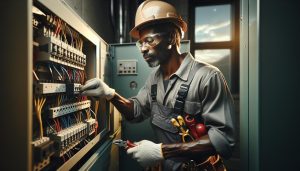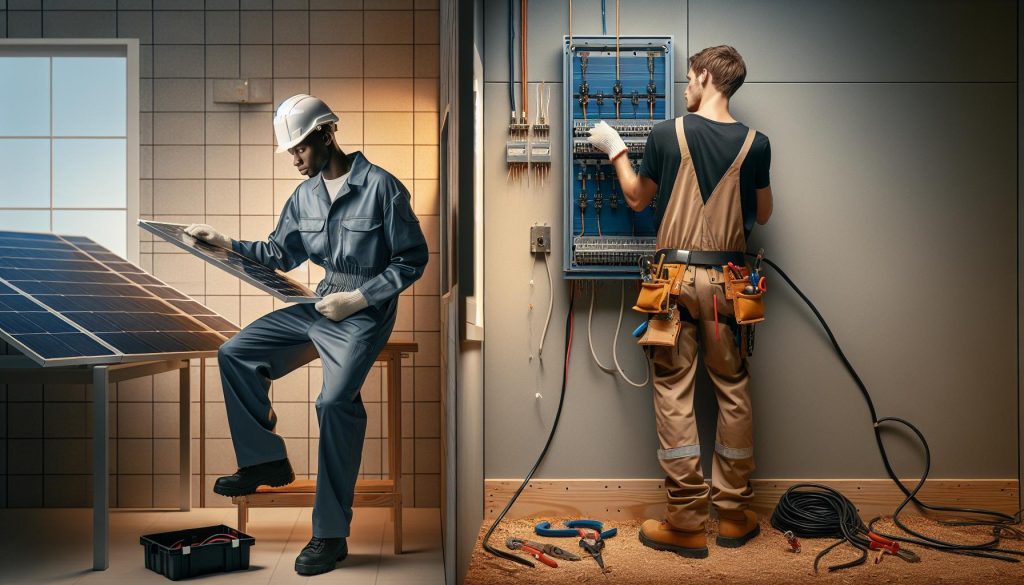
As the energy sector undergoes rapid transformations toward sustainability, many professionals find themselves at a crossroads: should they pursue a career in Energy Tech or as an Electrician? While both fields promise dynamic opportunities, they come with distinct challenges and rewards that can significantly impact your career trajectory. Understanding these differences is crucial for making an informed decision that aligns with your skills and aspirations.
In this comparison, we’ll delve into the nuances of each job-from the educational pathways and licensing requirements to salary prospects and future job growth. Whether you’re motivated by the idea of working with renewable technologies or are drawn to the hands-on nature of electrical work, this article will provide valuable insights to guide you through this important career choice. Continue reading to discover which path may be the right fit for you and how to best prepare for your future in these evolving industries.
Energy Tech Career Overview: A Quick Guide
In today’s rapidly changing energy landscape, the career opportunities in energy technology are expanding alongside the traditional electrician path, creating vibrant yet distinct professional avenues. The energy tech sector focuses on leveraging innovative technologies to improve energy efficiency, produce renewable energy, and reduce carbon footprints. This contrasts with the electrician profession, which centers around electrical installations, repairs, and maintenance in residential, commercial, and industrial settings. As the world increasingly gravitates towards sustainable solutions, energy tech professionals are emerging as vital players in shaping future infrastructures, while electricians remain essential for managing and ensuring safe electrical systems.
For those considering a career in energy tech, the journey often begins with education in fields such as environmental science, engineering, or technology specializing in energy systems. It is vital to keep abreast of the latest advancements in renewable energy sources, like solar panels and wind turbines, and to develop skills in data analysis and project management. In contrast, aspiring electricians typically start with a high school diploma or equivalent, followed by an apprenticeship that offers hands-on training alongside classroom education. Both paths require a strong foundation in mathematics and physics, but electricians also need to cultivate on-site problem-solving skills.
Licensing and certification play pivotal roles in both careers, affecting job opportunities and earning potential. Electricians must obtain specific licenses or certifications as mandated by local or state regulations, which often requires passing exams that test knowledge of electrical theory and codes. Meanwhile, energy tech professionals may seek certifications related to specific technologies or project management methodologies, enhancing their credibility in a competitive job market.
Ultimately, whether to pursue a career in energy tech or as an electrician depends largely on personal interests and career aspirations. Energy tech offers a pathway towards innovation and sustainability, while being an electrician delivers direct involvement in practical applications and safety measures. Both fields are integral to the future of energy and have unique advantages worth exploring for prospective professionals.
Understanding the Electrician Path: Steps to Success
Aspiring electricians have a structured pathway to success, balancing practical experience with rigorous training. Most begin their journey by obtaining a high school diploma or equivalent, followed by enrolling in an apprenticeship program that combines hands-on learning with classroom instruction. These programs typically last four to five years, allowing trainees to earn while they learn. It’s during this phase that new electricians gain exposure to crucial aspects of the trade, such as reading blueprints, understanding electrical codes, and grasping the fundamentals of voltage, amperage, and load calculations.
Once the apprenticeship is complete, obtaining the necessary licenses is a critical step. Licensing requirements vary by state, but most mandate passing an exam that tests one’s knowledge of electrical theory and safety regulations. In many areas, continuing education is also required to maintain licensure, ensuring electricians stay informed about the latest technological advancements and changes in electrical codes. This emphasis on continual learning is vital in a field where new technologies-like electric vehicle (EV) charging systems and smart home integrations-are constantly reshaping the industry landscape.
### Key Skills and Tools
The electrician’s skill set must adapt to modern demands. Essential skills for success include:
- Problem-Solving: Electricians must quickly diagnose issues and find effective solutions.
- Attention to Detail: Precision is crucial in electrical work to ensure safety and compliance with codes.
- Manual Dexterity: Working with tools in tight spaces requires good hand-eye coordination.
- Technical Knowledge: Understanding emerging technologies, including renewable energy systems and smart technologies, is increasingly valuable.
Furthermore, electricians should be familiar with essential tools, including:
– Multimeters
– Circuit testers
– Wire strippers
– Power drills
– Safety gear
### Salary Insights
Salary prospects for electricians can vary significantly based on experience, region, and specialization. According to recent data:
| Experience Level | Average Salary | Region |
|---|---|---|
| Entry-Level (0-2 years) | $30,000 – $45,000 | Midwest |
| Mid-Career (3-5 years) | $45,000 – $65,000 | Southeast |
| Experienced (5-10 years) | $65,000 – $85,000 | Northeast |
| Expert (10+ years) | $85,000 + | West Coast |
With passion, dedication, and continual skills enhancement, electricians not only enjoy a fulfilling career but also play a critical role in advancing electrical safety and innovation in a rapidly evolving energy landscape.
Licensing and Certification: What You Need to Know
To thrive in the electrical field, understanding the landscape of licensing and certification is crucial. As an electrician, the path does not just involve completing an apprenticeship; it necessitates navigating state-specific requirements to achieve practical recognition in the industry. Most states require electricians to obtain one or more licenses, which often includes passing a comprehensive exam that assesses their grasp of electrical theory, safety protocols, and local electrical codes. This certification process ensures that electricians are equipped with the knowledge needed to perform safely and efficiently in a field where minor oversights can lead to significant hazards.
In addition to obtaining a license, many states mandate continuing education to maintain certification. This ensures that electricians remain updated on new regulations, technological advancements, and evolving safety practices, such as the integration of renewable energy sources and modern smart home systems. The dynamic nature of technology means that ongoing learning is not just beneficial; it is essential for career progression and ensuring compliance with the latest industry standards.
Moreover, reciprocity agreements between states can facilitate mobility for electricians seeking employment across state lines, but understanding these agreements can be intricate. Electricians should familiarize themselves with the specific requirements of the states they wish to work in, as these can significantly affect job opportunities and licensing eligibility.
Finally, embracing certifications from recognized organizations can enhance professional credibility and marketability. For example, certifications related to specialized skills-such as working with high-voltage systems or installing photovoltaic systems-continue to grow in demand, reflecting the industry’s technological advancements. By investing in these credentials, electricians can not only broaden their knowledge base but also potentially increase their earning potential significantly.
Key Skills and Competencies for Energy Tech vs. Electrician
To excel in the electrical field, a diverse set of skills and competencies is essential for both energy technicians and electricians, reflecting their unique roles and responsibilities in the industry. While both professions share foundational skills, such as a strong understanding of electrical theory and problem-solving abilities, they diverge in their specific technical proficiencies and areas of expertise.
Energy technicians often focus on renewable energy systems, such as solar and wind power, requiring them to be adept in technologies related to power generation and energy management. This necessitates skills in system design, installation, and troubleshooting of modern energy systems. They must also be familiar with energy efficiency practices and the integration of smart technologies that monitor and optimize energy use in real-time. Additionally, proficiency in software tools used for energy modeling and analysis adds depth to their skill set, enabling them to implement solutions that enhance overall energy performance.
On the other hand, electricians typically concentrate on the installation, maintenance, and repair of electrical systems in buildings and structures. Aside from their technical know-how in wiring and circuit design, electricians must also master local electrical codes and safety regulations to ensure compliance and safety on the job. They are required to skillfully operate and maintain tools necessary for electrical work, such as multimeters and conduit benders. Moreover, electricians often need strong communication skills for interacting with clients and collaborating with other trades on construction sites, making interpersonal skills just as crucial as their technical abilities.
Both careers require specific certifications to validate competencies and ensure ongoing education in the latest technologies and practices. Electricians may pursue certifications in specialized areas such as high-voltage systems or code compliance, while energy technicians might seek credentials related to green technologies and energy auditing. Ultimately, whether one path is perceived as “easier” than the other often depends on individual strengths, interests, and the ever-evolving demands of the energy sector.
In summary, a career in energy technology leans towards innovation in renewable resources and energy efficiency, while traditional electrical work focuses on the safe installation and maintenance of electrical systems. The choice between these two paths should consider personal career goals, interests in various technology applications, and the desire for continuous learning within their respective fields.
Salary Comparison: Earnings by Experience and Region
Understanding the differences in salary potential between energy technicians and electricians can significantly influence your career choice. Both fields offer competitive pay, but variations exist based on experience, region, and specialization. On average, electricians earn between $50,000 and $80,000 annually, depending on their experience level. For instance, entry-level electricians or apprentices might start at approximately $30,000, while seasoned professionals, especially those who take on supervisory roles or specialize in high-demand areas like renewable energy integration, can earn upwards of $90,000 or more.
In contrast, energy technicians, particularly those working in emerging sectors like solar and wind energy, often see their salaries range from $40,000 to $75,000 annually. Similar to electricians, entry-level positions typically begin around $35,000, with experienced technicians in metropolitan areas or those with specialized skills (e.g., in energy efficiency audits or advanced renewable technologies) earning closer to the upper range. According to the Bureau of Labor Statistics, demand for energy technicians is projected to grow faster than that for electricians, which could influence future salary trends as the industry expands.
Regional Salary Variations
Regional differences also play a crucial role in determining earnings for both professions. For example, electricians in states like California or New York often earn more due to the higher cost of living and market demand. Here are some examples of average salaries by state:
| State | Electrician Average Salary | Energy Technician Average Salary |
|---|---|---|
| California | $70,000 | $65,000 |
| Texas | $55,000 | $50,000 |
| Florida | $52,000 | $48,000 |
| New York | $75,000 | $70,000 |
In summary, while both electricians and energy technicians have the potential for lucrative careers, factors like experience, region, and specialization heavily influence salary outcomes. As the energy sector continues to evolve with an increasing emphasis on renewable technology, those in energy tech fields may find new opportunities for higher earnings in the coming years.
Tools of the Trade: Essential Equipment for Both Careers
The right tools can make or break a career, especially in fields like energy tech and electrical work, where safety, efficiency, and precision are paramount. Both electricians and energy technicians rely on a unique set of equipment tailored to their specific job requirements, which not only aids in day-to-day operations but also enhances job performance and safety standards.
Electricians typically carry a robust toolkit that includes essential hand tools such as wire strippers, multi-meters, screwdrivers, and channel locks. These tools are vital for various tasks like measuring voltage and current, stripping wire, and securing connections. Additionally, power tools such as drills and reciprocating saws are indispensable for installation and repairs. For more complex jobs, electricians utilize advanced diagnostic equipment like circuit testers and thermal imaging cameras to diagnose electrical issues effectively.
Energy technicians, particularly those engaged in renewable energy sectors like solar and wind, utilize a different set of tools. Key equipment includes solar panel installation tools, such as torque wrenches and mounting brackets. They also employ inverters for converting solar energy into usable electricity. Wind technicians may depend on tools like climbing gear to safely navigate turbine structures and Torque tools for securing components. The distinction in tools reflects their specialized roles, with both professions emphasizing safety equipment, such as hard hats, safety glasses, and gloves, to comply with safety regulations and ensure a safe working environment.
Understanding the tools of the trade is essential for anyone considering a career in either field. Not only does each profession require a unique toolkit, but ongoing advancements in technology-and a growing focus on sustainability-are driving the development of new tools and equipment. Staying updated with these advancements can significantly enhance job performance and career growth. Consequently, investing in proper training and up-to-date tools not only enhances workplace safety but also opens pathways for innovation and efficiency, positioning professionals for success in an ever-evolving industry.
Advancements in Technology: The Future of Energy Tech
The landscape of energy technology is rapidly evolving, shaped by breakthroughs in renewable energy, smart systems, and automation. As the demand for sustainable and efficient energy solutions continues to rise, professionals in energy tech are increasingly leveraging innovations that not only improve performance but also enhance job satisfaction through more efficient practices. Electricians, too, are adapting to these advancements, creating a synergy between traditional electrical work and modern energy solutions.
One notable area of advancement is the integration of smart technology within homes and buildings, enabling greater energy management and efficiency. For instance, the rise of smart meters and home energy management systems allows both electricians and energy technicians to monitor and optimize energy usage in real time. Electricians are being trained to install and maintain these systems, which often feature connectivity with solar panels and electric vehicle (EV) charging stations, reflecting a shift towards more integrated energy solutions. Understanding how to work with smart technologies not only enhances an electrician’s marketability but also aligns with consumer trends leaning towards more automated living environments.
The renewable energy sector offers substantial growth opportunities for energy technicians, with innovations such as advanced photovoltaics and energy storage systems becoming more prevalent. These advancements require technicians to stay updated on the latest technologies and installation techniques. For example, energy technicians need proficiency in handling new types of batteries for energy storage, which are integral in complementing renewable sources like solar and wind energy. Emphasizing ongoing training and certification in these technologies is essential for technicians who wish to stay ahead in an increasingly competitive job market.
Furthermore, advancements in safety technology are vital for both groups. Tools equipped with digital interfaces that provide real-time diagnostics enhance safety protocols on job sites. For example, laser distance measuring tools and augmented reality applications can improve the accuracy of installations while minimizing risks associated with electrical work. Both electricians and energy technicians benefit from these innovations by fostering safer working conditions and streamlining workflows.
In summary, as the energy sector continues to embrace technology, both energy tech professionals and electricians must adapt. By prioritizing skills development in smart technology, renewable energy systems, and advanced safety tools, individuals in these fields can not only improve their job prospects but also contribute to a more sustainable energy future. Staying informed about these trends is key to leveraging the full potential of advancements in technology.
Safety Standards and Regulations in Each Field
Ensuring safety in the energy sector is paramount, given the inherent risks associated with electrical work and the operation of modern energy technologies. For professionals in both energy tech and traditional electrical roles, understanding and adhering to safety standards and regulations not only protects workers but also enhances client trust and business viability. The National Electrical Code (NEC) sets forth essential safety guidelines that electricians must interpret and implement on every job. This code serves as a cornerstone for electricians, detailing requirements for installation, maintenance, and safety while addressing new technologies such as solar panels and EV charging stations.
Key Safety Regulations
Electricians are required to obtain specific licenses, which often involve comprehensive examinations covering safety regulations. Regular updates to these regulations reflect ongoing advancements in technology and safety practices. For instance, the introduction of regulations surrounding smart home systems mandates that electricians not only install traditional electrical systems but also integrate advanced technologies responsibly. Compliance with Occupational Safety and Health Administration (OSHA) standards is also critical; these standards stipulate safety measures for electrical work, including fall protection, lockout/tagout procedures, and personal protective equipment (PPE).
In contrast, energy technicians, who might work extensively with renewable systems, are guided by both electrical safety standards and those specific to alternative energy technologies. They must navigate regulations addressing the safe installation and maintenance of solar panels, wind turbines, and energy storage systems, often compliant with both NEC and state-level regulations. This includes ensuring that installations do not only meet electrical standards but also environmental regulations that govern the placement and operation of renewable energy sources.
Impact of Safety Training
Continuous safety training is vital for both electricians and energy technicians, keeping them updated on best practices and new regulations. Employers often invest in regular training sessions to ensure compliance and mitigate workplace accidents. For example, real-world scenarios and simulation-based training can significantly enhance understanding and readiness for unexpected situations, such as power surges or equipment failures.
Furthermore, as both fields embrace innovations such as augmented reality and smart tools, safety protocols are evolving to incorporate these technologies. Use of smart helmets with heads-up displays or drones for high-voltage inspections reduces the need for workers to expose themselves to high-risk scenarios, exemplifying how technology is reshaping safety strategies.
In conclusion, while both career paths require a robust understanding of safety regulations, the specifics can vary depending on the technology and environments involved. Awareness and adherence to these standards not only safeguard workers but also ensure successful and efficient operations within the evolving energy landscape. Prioritizing safety through training and regulatory compliance ultimately enhances the reputation and reliability of both electricians and energy technicians in the industry.
Job Market Outlook: Demand for Energy Tech vs. Electricians
The job market for both energy technicians and electricians is experiencing significant growth, driven by the escalating demand for skilled professionals in the energy sector. With the shift toward renewable energy sources and sustainable practices, energy technicians who specialize in technologies like solar energy and wind power are becoming increasingly vital. In fact, the U.S. Bureau of Labor Statistics projects a growth rate of approximately 23% for wind turbine service technicians and 61% for solar photovoltaic installers from 2020 to 2030, surpassing that of many other professions.
Conversely, electricians continue to be in high demand as infrastructure improvements and building projects require their expertise. This steady growth is estimated at around 8% for electricians in the same timeframe. As cities evolve to accommodate smart technology and energy-efficient systems, electricians will be called upon not only to install traditional wiring but also to implement advanced solutions, such as electric vehicle (EV) chargers and smart home systems. Professionals who can navigate both traditional and modern electrical systems will have a competitive edge in the marketplace.
Understanding the distinct career outcomes for these roles is crucial for potential job seekers. Energy technicians often find opportunities in various settings, including residential, commercial, and industrial projects, often collaborating with engineers and project managers on renewable installations. In contrast, electricians may work independently or as part of larger teams, focusing on repair, maintenance, and installation tasks within established regulatory frameworks. To further enhance job mobility, obtaining certifications recognized across states can facilitate easier employment transitions in the diverse energy landscape.
In summary, while both energy technicians and electricians hold promising job prospects, the emerging focus on renewable energy technologies creates a unique demand for energy tech specialists. Individuals entering these fields should consider their interests and align their training to capitalize on the specific opportunities present in their chosen path. Prioritizing skill development, continuous education, and certification will significantly enhance career advancement in these dynamic and evolving sectors.
Work Environment: An Inside Look at Daily Routines
Every day in the energy sector presents unique challenges and opportunities, shaping the work environment for both energy technicians and electricians. A typical day for these professionals often begins early, as shifts can commence at dawn to optimize productivity and align with project schedules. While both roles share similarities in certain aspects, they diverge significantly in daily tasks, work sites, and the types of interactions they engage in.
Energy technicians, particularly those focusing on renewable energy sources like solar and wind, frequently operate at project sites. Their mornings might start with team meetings to discuss project milestones and safety considerations before heading out to install new solar panels or maintain wind turbines. These technicians often find themselves outdoors, facing various weather conditions, and using advanced tools and technology to ensure efficiency and safety. They collaborate closely with engineers and project managers, making teamwork and communication crucial components of their daily routine.
In contrast, electricians tend to work in more varied environments, including residential, commercial, and industrial settings. A day could involve anything from installing lighting fixtures in a new building, repairing electrical systems in homes, or upgrading wiring to accommodate new technologies, such as electric vehicle chargers or smart home systems. Electricians often have the autonomy to troubleshoot issues, handling emergencies on the fly. Their work can require long hours on specific job sites, and they must be adept at understanding a variety of electrical codes and regulations, often switching between projects as required by demand.
Both roles require adherence to strict safety standards and regulations, but the daily routines also reflect the ongoing advancements in technology within the industry. For instance, electricians increasingly utilize modern tools designed for efficiency, such as smart multimeters and app-based diagnostics, while energy technicians may rely on specialized equipment for monitoring and optimizing the performance of renewable installations.
Ultimately, both careers offer dynamic work environments that keep professionals engaged and constantly learning. Whether it’s embracing the rigors of outdoor work or navigating the complexities of electrical installations, there’s a robust demand for skilled individuals in the energy sector. As technologies continue to evolve, so too will the daily routines and expectations for both energy technicians and electricians, presenting ongoing opportunities for growth and specialization within each path.
Training and Education: Options for Aspiring Professionals
A career in the energy sector can be both rewarding and challenging, paving the way for individuals passionate about technology and sustainability. For those aspiring to enter the field as electricians or energy technicians, understanding the educational pathways and training requirements is crucial.
An essential first step for electricians is obtaining a high school diploma or GED, followed by enrolling in a vocational training program or an apprenticeship. These programs typically combine classroom instruction with hands-on experience, covering vital topics such as electrical theory, circuitry, and safety protocols. Most states require electricians to be licensed, which involves passing an exam that tests knowledge of local electrical codes and regulations. As electricians progress in their careers, gaining advanced certifications in specialized areas-such as solar energy installation or smart home technology-can significantly enhance job prospects and earning potential.
Energy technicians, especially those focused on renewable energy, often pursue degrees in fields such as environmental science or engineering technology. Many apprenticeship programs also exist, often facilitated by community colleges or trade schools, providing a comprehensive grounding in sustainable energy technologies and hands-on training in the installation and maintenance of solar panels and wind turbines. Like electricians, energy technicians may also need to obtain certifications related to specific technologies, such as the North American Board of Certified Energy Practitioners (NABCEP) certification for solar installers, elevating their credentials in a competitive job market.
Both professions necessitate a commitment to ongoing education. The rapidly evolving technology landscape means that staying updated on new tools, wiring techniques, and safety standards is vital. Engaging in workshops, trade shows, and continuous learning programs helps professionals adapt to changes in the industry. With the introduction of electric vehicle (EV) charging stations and smart home systems, electricians and energy technicians alike must be familiar with modern electrical fundamentals-such as voltage, amperage, and load calculations-to ensure safe and efficient installations.
In summary, whether pursuing a career as an electrician or energy technician, aspiring professionals should focus on obtaining the necessary educational qualifications and certifications while remaining adaptable to technological advancements. This proactive approach not only bolsters their expertise but also enhances their employability in a thriving sector.
Reciprocity and Job Mobility: Navigating Various States
Navigating the complexities of job mobility and reciprocity across states is crucial for professionals in the electrician and energy technician fields. As these careers require specific licensing and certifications, understanding the variances in regulations from state to state can significantly impact career flexibility and opportunities. For electricians, this often means seeking reciprocity agreements that allow them to work in multiple states without having to re-qualify for new licenses.
Understanding Reciprocity Agreements
Reciprocity agreements exist when one state recognizes the licensing requirements of another state, effectively streamlining the process for licensed electricians to work in different regions. For example, states like Arizona and Oregon have established reciprocity arrangements that facilitate this transition. Electricians looking to move should research which states have these agreements in place and ensure they meet any additional local requirements, such as fees or continuing education credits.
Job Mobility Challenges
However, not all states participate in reciprocity, and professionals may encounter challenges when moving. States like New York have their own licensing exams and strict regulations that don’t automatically accept out-of-state qualifications. Energy technicians, especially those specializing in renewable energy technologies, face similar challenges. The field is rapidly evolving, with varying certification standards across states. Understanding local requirements, such as the North American Board of Certified Energy Practitioners (NABCEP) certification, can be essential for those in the energy tech sector seeking jobs in different states.
Additional Considerations for Professionals
It’s imperative for professionals in both fields to stay informed about local codes, which can differ even in nearby states. Engaging with local trade organizations and networking with other professionals can provide insights into specific requirements that may not be readily available online. Additionally, following educational programs that accommodate various state regulations can empower professionals to remain adaptable in this dynamic job landscape.
Maintaining ongoing education and adapting to technological advancements-notably with the rise of smart home systems and EV charging stations-also plays a significant role in employability across state lines. Awareness of the latest electrical fundamentals, such as voltage, amperage, and load calculations, is critical for both electricians and energy technicians as they navigate the complexities of their careers.
Frequently asked questions
Q: What is the main difference between Energy Tech and Electrician jobs?
A: The primary difference lies in their focus areas: Energy Tech jobs typically involve renewable energy sources and innovative technology, whereas Electricians focus on electrical systems, installations, and repairs. Understanding these distinctions can help you decide which path aligns with your career interests.
Q: Which job has better job security, Energy Tech or Electrician?
A: Both fields offer good job security, but Electricians often experience higher demand due to existing infrastructure needs. Energy Tech roles are growing rapidly with the shift towards renewables, providing future security. Research the job market relevant to your region to get a clearer picture.
Q: How do the salaries of Energy Tech professionals compare to Electricians?
A: Salaries can vary significantly based on experience, location, and specialization. Generally, Electricians earn a steady income with opportunities for increased pay through certifications, while Energy Tech roles can offer competitive starting salaries that grow with experience, reflecting the industry’s evolution.
Q: What are the educational requirements for Energy Tech vs. Electrician careers?
A: Energy Tech positions often require at least a bachelor’s degree in a related field, while Electricians typically need a high school diploma and completion of an apprenticeship program. Consider your personal educational goals when choosing your career path.
Q: What skills are essential for succeeding as an Energy Tech or Electrician?
A: Energy Tech professionals need skills in technology and analytics, alongside knowledge of sustainable practices. Electricians should possess strong problem-solving abilities, technical skills, and knowledge of electrical codes. Gaining relevant certifications can help enhance your expertise in both fields.
Q: Is there a significant physical demand in Energy Tech jobs compared to Electrician roles?
A: Generally, Electrician jobs are more physically demanding due to on-site installations and repairs. Energy Tech roles may involve less physical work, focusing more on analysis and technology. Evaluate your physical capabilities and preferences when selecting a career path.
Q: What are the benefits of working in Energy Tech compared to being an Electrician?
A: Working in Energy Tech often includes opportunities to engage in innovative projects and contribute to sustainability. Electricians benefit from a clear career path and the ability to work with diverse clients. Weigh the benefits of innovation against established career stability to find what suits you best.
Q: Which career path offers more opportunities for advancement, Energy Tech or Electrician?
A: Energy Tech careers provide opportunities for rapid growth as new technologies emerge. Electricians can also advance to supervisory roles or specialized technician positions. Consider your long-term career aspirations when choosing between these paths.
In Retrospect
As we wrap up our comparison of Energy Tech and Electrician careers, remember that both paths offer unique challenges and rewards. Energy Tech roles often focus on emerging technologies such as renewable energy systems, while Electricians are vital for traditional and advanced electrical installations. If you’re still unsure which path suits you best, consider exploring our in-depth articles on Electrician licensing and career advancement strategies.
Don’t miss out on the opportunity to stay informed-sign up for our newsletter to receive updates on industry trends, tool reviews, and vital salary insights. Have questions or thoughts? Share them in the comments below! Your journey into these rewarding careers begins with knowledge, so take the next step today and explore more of our valuable resources. Empower your future with the insights necessary to excel in the electrical profession, adapt to modern technologies, and enhance your skills for career growth. Your feedback helps us create better content; we appreciate your engagement!