Voltage is a critical aspect of understanding any electrical system, and in Mexico, it plays a vital role in both residential and industrial applications. Mexico operates on a standard voltage of 127V and a frequency of 60Hz, which influences everything from household appliances to the electrical grid’s stability. As global residents and businesses increasingly rely on consistent and safe electrical systems, knowing the specifics of voltage in Mexico becomes essential for expatriates, tourists, and electrical professionals alike. This awareness can prevent equipment damage, ensure compliance with local regulations, and enhance safety in electrical installations. Join us as we delve into the details of the Mexican power grid, its infrastructure, and how this knowledge can empower you to navigate the electrical landscape effectively.
What Type of Voltage is Used in Mexico?
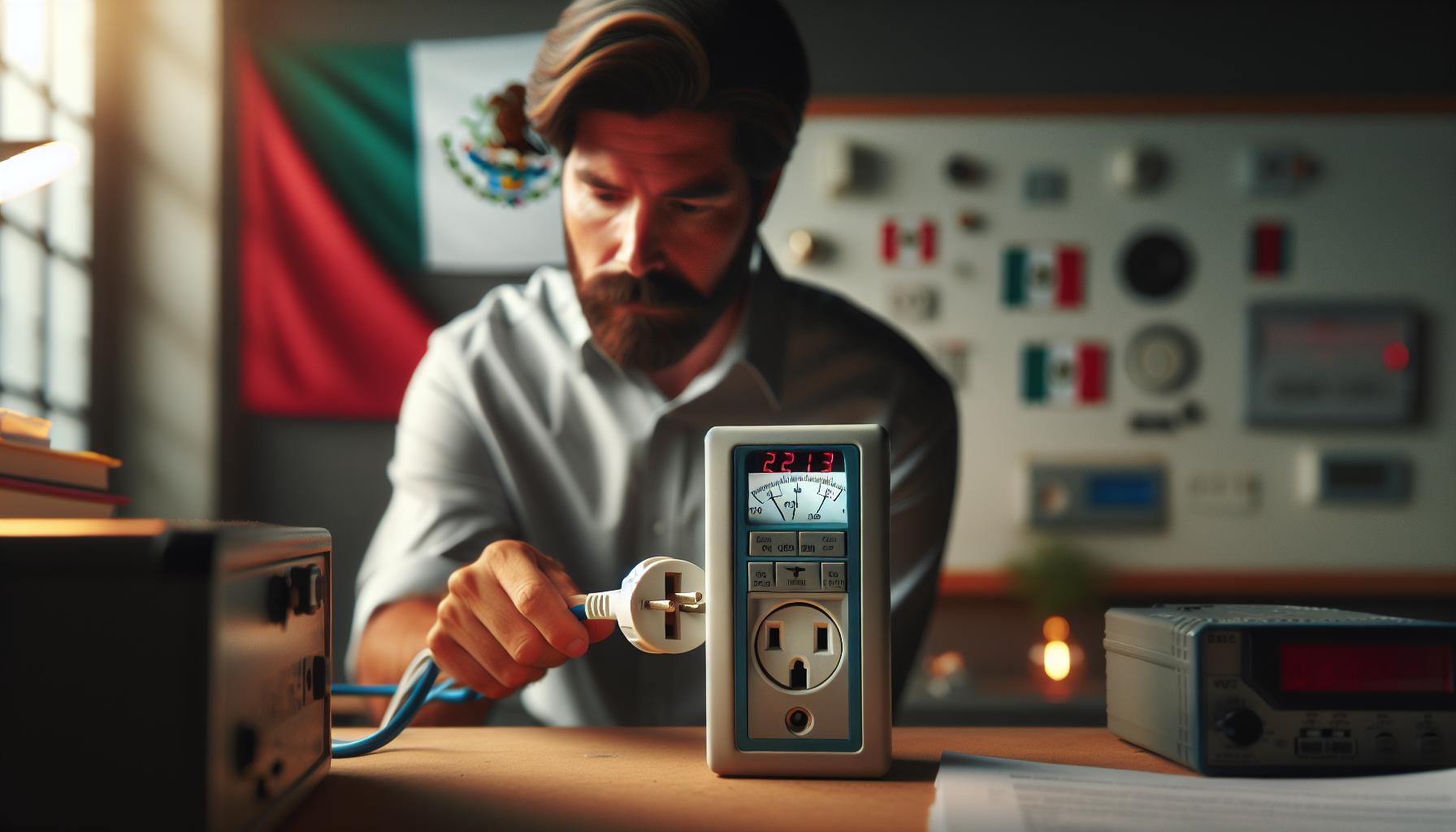
In Mexico, the standard voltage supply is set at 127 volts with a frequency of 60 Hz. This configuration is designed to accommodate the needs of most household appliances and electronic devices commonly used throughout the country. Understanding this voltage specification is crucial for both residents and expatriates, as many imported appliances could be incompatible if they were designed for different voltage standards.
Appliances designed for use in Mexico are typically built to operate within this voltage range. Nevertheless, it is essential to note that older electrical installations might experience variations in voltage that could lead to damaging sensitive electronics. When connecting devices purchased abroad, it’s advisable to double-check compatibility and consider using a voltage converter or transformer when necessary, particularly for high-wattage appliances.
To ensure safety and compliance, it’s also crucial to be aware of local electrical safety regulations which govern installation practices and the quality of electrical infrastructure. This knowledge can significantly mitigate risks associated with electrical fires or equipment failure, enabling users to maintain a safe and efficient electrical environment in their homes or businesses. By being informed about the voltage standards, both residents and visitors can make educated decisions and enjoy their devices without unforeseen challenges.
Understanding the Mexican Power Grid Structure
The Mexican power grid is a complex and vital network that ensures electricity is delivered efficiently to millions of homes and businesses across the country. Comprised of generation plants, transmission lines, and distribution networks, this system faces unique challenges posed by Mexico’s geography and growing energy demands. As the country transitions towards renewable energy sources, understanding this grid’s structure becomes increasingly important for residents, businesses, and electricians alike.
Electricity generation in Mexico primarily comes from various sources, including fossil fuels, nuclear power, and an expanding mix of renewable energies such as hydroelectric, wind, and solar. According to recent developments, approximately 20% of Mexico’s energy is generated from renewable sources, and this percentage is expected to grow as the government encourages sustainable practices and diversifies its energy portfolio. The Comisión Federal de Electricidad (CFE), a state-owned utility company, plays a pivotal role in both the generation and distribution of electricity, managing most of the traditional and renewable facilities.
The transmission system consists of high-voltage lines that transport electricity from generation stations to local distribution networks. These lines can span vast distances, navigating Mexico’s varied terrains, which can sometimes hinder efficiency. The country is divided into several regions, each with its own distribution infrastructure managed either by the CFE or private companies. Understanding this layout is crucial for professionals in the electrical field, especially when considering installation projects or repairs that may involve interfacing with the grid.
Continuous upgrades to the Mexican power grid are essential to address reliability, efficiency, and environmental impact. Challenges such as outage management and the integration of decentralized energy resources are focal points for improvements. Electricians and service professionals must stay informed about current regulations and emerging technologies, such as smart grid systems, that could enhance energy management and consumer interaction with their power supply.
In conclusion, delving into the structure of Mexico’s power grid offers valuable insights that are essential for anyone involved in electrical work or energy management. By grasping how electricity is generated, transmitted, and distributed, professionals can better prepare for challenges and opportunities in this ever-evolving sector.
Frequency Specifications: Why They Matter

Understanding the frequency specifications of the electrical system in Mexico is crucial for electricians and consumers alike. In Mexico, the standard frequency for alternating current (AC) electrical systems is 60 Hz. This frequency is consistent with that of the United States and Canada, making it important for those who bring appliances from these regions. The 60 Hz frequency offers advantages in terms of energy efficiency and compatibility with a wide range of electrical equipment, including motors, transformers, and consumer appliances.
Frequency plays a vital role in the performance and longevity of electrical appliances. Devices engineered for a specific frequency may not function correctly if operated at a different frequency. For instance, running a 50 Hz appliance on a 60 Hz system can lead to increased wear and tear, overheating, or even permanent damage. Similarly, appliances designed for 60 Hz may operate inefficiently or fail when connected to a 50 Hz supply.
Electricians should be aware of these specifications, particularly when working with imported goods or when assisting residents who may be unfamiliar with local electrical standards. Understanding how frequency affects appliances can guide electricians in providing advice about the types of devices that are suitable for use in Mexico. Proper labeling and consumer education are also crucial in ensuring that appliances are used safely and efficiently.
In terms of practical preparation for electrical work in Mexico, always confirm the operational frequency required by any equipment before installation. Be aware of appliances that may have dual-frequency capabilities, as these are often more versatile and can adjust based on the supply frequency. This could save time and resources, especially in areas where both 50 Hz and 60 Hz systems are encountered. Proficient electricians will also keep up-to-date on current regulations and technologies to ensure compliance and safety in their work.
Comparison of Voltage Standards: Mexico vs. Other Countries
In Mexico, the standard voltage for electrical systems is typically 127 volts, with a frequency of 60 Hz. This aligns closely with the voltages found in the United States and Canada, making it feasible for appliances and equipment designed for those regions to function effectively without conversion. However, this voltage standard sets Mexico apart from many other countries, particularly those utilizing 230 volts, such as in Europe, Asia, and Australia. Understanding these differences is critical, especially for travelers, expatriates, and importers of electrical equipment.
One of the implications of Mexico’s voltage standard is the compatibility of electrical appliances. Devices designed for 110-120 volts, commonly used in North America, adapt well in Mexico’s electrical environment. However, 220-240 volt appliances from Europe or elsewhere may require a voltage converter or transformer to operate safely. Failing to account for voltage differences can lead to equipment damage or even safety hazards such as electrical fires. For electricians and consumers alike, ensuring appliances are rated for the local voltage can protect against costly mistakes.
When comparing voltage standards internationally, it is essential to recognize the potential for confusion and frustration, particularly when traveling or relocating. For example, an American traveling to Europe would need correct adapters and possibly transformers to use their devices, while a European moving to Mexico would need to consider their appliance ratings before bringing them along. This will ensure seamless transitions and enhance the safety of electrical installations.
To further assist professionals in their practices, being well-versed in the differences in wiring and outlet types globally can bolster service quality. For instance, understanding that Mexico utilizes Type A and Type B outlets, which are similar to the U.S. standards, can streamline communication with clients regarding their electrical needs and installation processes. As the global landscape of electrical standards continues to evolve, ongoing education and attentiveness to international practices will remain vital for electricians navigating cross-border issues.
Safety Standards and Regulations in Mexico’s Electrical System
In the realm of electrical safety, Mexico adheres to a set of standards and regulations designed to protect both consumers and technicians. The regulatory framework centers around the NOM (Norma Oficial Mexicana) standards, which stipulates safety requirements for electrical installations, appliances, and materials. Understanding these standards is crucial for anyone involved in setup or maintenance within the electrical system, as compliance not only ensures safety but also aligns with legal responsibilities.
Electricians in Mexico must obtain appropriate licensing, which often involves completing training programs and passing examinations that cover the necessary safety principles laid out by NOM. This process is vital in promoting a skilled workforce capable of implementing electrical systems that minimize hazards. As an electrician progresses in their career, obtaining certifications in specialized areas such as renewable energy systems or advanced electrical safety can significantly enhance their employability and earning potential. For instance, the average salary for an experienced electrician in urban areas can reach $30,000 to $50,000 USD annually, depending on the region and specialization.
To help ensure safe practices, the following key regulations are commonly observed in Mexico:
- Grounding and Bonding: All electrical installations must provide adequate grounding to prevent electric shock.
- Load Calculations: Proper load calculations are crucial to prevent overload and ensure the system can handle the electrical demand.
- Installation of Circuit Breakers: Circuit breakers must be installed to protect against overcurrent and prevent electrical fires.
- Labeling and Signage: Clear labeling of circuits and panels is required to facilitate quick identification during maintenance.
Moreover, new trends such as smart home technologies and electric vehicle (EV) charging stations are becoming increasingly prevalent. Electricians must stay updated with guidelines from both NOM and international standards to ensure safe and compliant installations. Continuous education and training play a vital role in navigating these evolving technologies, ensuring that electrical professionals can meet consumer demand while adhering to safety norms.
In conclusion, Mexico’s safety standards and regulations form a critical component of its electrical system, helping to protect both practitioners and consumers. Understanding these standards not only aids in preventive measures against accidents but also fosters a culture of responsibility and professionalism within the electrical industry.
How to Prepare for Electrical Work in Mexico
When preparing for electrical work in Mexico, it’s crucial to understand the local voltage standards and safety regulations to ensure compliance and safety. In Mexico, the standard voltage is 127 volts with a frequency of 60 Hz, which aligns closely with the United States but can differ from many other countries. This knowledge is essential to prevent damage to tools and appliances that may not be rated for these specifications.
A well-structured approach to electrical work involves obtaining the necessary licensing, which typically requires completing vocational training and passing relevant examinations. For those already licensed in other countries, it’s advisable to check for licensing reciprocity, which may simplify the process of working in Mexico. It is also beneficial to pursue additional certifications in specialized areas, such as renewable energy or smart home technology, as these skills are increasingly in demand. For example, electricians in urban areas can expect to earn between $30,000 and $50,000 USD annually, depending on their experience and specialization.
Moreover, familiarizing yourself with the commonly used tools and equipment is paramount. Investing in high-quality tools not only increases efficiency but also ensures a higher standard of safety. Regularly reviewing key electrical fundamentals, such as voltage, amperage, and load calculations, will enhance your proficiency on the job. Understanding modern technologies like electric vehicle (EV) charging systems and smart home installations can further improve your career prospects, as more clients look for these solutions.
Lastly, safety cannot be overlooked. Comprehensive knowledge of NOM (Norma Oficial Mexicana) standards is essential. This framework outlines safety practices such as grounding, proper load calculations, and the installation of circuit breakers, helping to prevent accidents and ensure that installations meet legal requirements. By prioritizing education, preparation, and safety, electricians aiming to work in Mexico will be better positioned for successful careers within the electrical industry.
Impact of Voltage on Appliances and Electronics
Understanding the standard voltage of 127 volts in Mexico is crucial for anyone using or installing electrical appliances and electronics in the country. Many appliances are labeled for specific voltage ratings, and using equipment with mismatched voltage can lead to serious consequences. Running a device rated for 220 volts in a 127-volt outlet will typically result in underperformance, potentially causing overheating or damage over time. Conversely, using U.S.-based 120-volt devices on Mexican systems may also result in malfunction or reduced efficiency.
To navigate the electrical landscape effectively, users should first check the voltage specifications on their appliances before use. It is also wise to invest in voltage converters or transformers when necessary, especially for sensitive electronics like computers and home entertainment systems. Utilizing surge protectors is another important step to avoid damage from voltage spikes, which are not uncommon in some areas of Mexico.
When sourcing appliances and electronics, consider those specifically designed for the Mexican market, as they will be more reliable given the local voltage and frequency standards. Many manufacturers provide dual-voltage models that can handle a range of voltages, making them ideal for international travelers or expatriates. Always prioritize the importance of adhering to local electrical standards to ensure safety and longevity of your devices.
Lastly, keep in mind that as the demand for modern technology like electric vehicle (EV) charging stations and smart home devices grows in Mexico, understanding the electrical grid and its standards will be pivotal. Engaging with local electricians for installations that comply with national standards ensures that you are not only safeguarding your devices but also contributing to the overall efficiency and safety of the electrical system in your area.
The Future of Energy in Mexico: Trends and Developments
As the energy landscape in Mexico evolves, a remarkable shift towards sustainable practices and technological advancements is becoming evident. The country is not only focusing on expanding its energy sources but also on integrating more innovative solutions that could redefine how power is generated, distributed, and consumed. These developments are pivotal for both residents and professionals working in the electrical field, as they influence everything from regulatory practices to practical applications in everyday life.
Expanding Renewable Energy Initiatives
One of the key trends in Mexico’s energy future is the significant investment in renewable energy. The government has set ambitious goals to increase the share of renewables in the energy mix, primarily through solar and wind power. For example, the adoption of solar energy has exploded, with several large-scale solar farms coming online across the country. This transition not only provides a cleaner energy source but also offers opportunities for electricians and technicians skilled in solar panel installation and maintenance. Working with renewable technologies will undoubtedly become a critical skill set, allowing professionals to advance their careers in a sector poised for growth.
Smart Grids and Technological Integration
The move towards smart grid technology is another crucial development that will transform Mexico’s electrical infrastructure. Smart grids improve the efficiency of electricity distribution, enhance reliability, and can dynamically adjust to changes in electricity demand. This advancement provides a clear pathway for electricians and electrical engineers to deepen their expertise in smart technologies, including energy monitoring systems and smart meters. As homes become more connected with the integration of smart appliances and energy management systems, electricians will need to be adept in managing and setting up these interconnected devices.
Focus on Energy Efficiency and Standards
In addition to renewable sources and smart technologies, there is an increasing emphasis on energy efficiency. Regulatory standards for appliances and building codes are becoming more stringent, necessitating compliance from manufacturers and contractors. Electricians will find that being knowledgeable about energy efficiency guidelines will not only enhance their service offerings but also position them as preferred professionals for projects aiming for energy-efficient certifications. Investment in continuing education related to these standards can significantly enhance an electrician’s marketability.
In summary, the future of energy in Mexico is both dynamic and filled with opportunities for professionals in the electrical field. By embracing advancements in renewable energy, smart technology, and energy efficiency standards, electricians can play a crucial role in shaping the country’s path towards a more sustainable and technologically advanced energy system. As these trends develop, staying informed and adaptable will be essential for success in this rapidly changing environment.
Addressing Common Voltage-Related Issues in Mexico
Voltage fluctuations and inconsistencies can significantly impact both residential and commercial electrical systems in Mexico, where the standard voltage is typically 127 volts at a frequency of 60 Hz. Understanding how to address common voltage-related issues is essential for ensuring safety and efficiency in electrical installations.
One prevalent issue is voltage sags, which occur when the voltage falls below the normal level for a short period. These can be caused by high demand on the electrical grid or nearby machinery cycling on and off. To mitigate the effects of voltage sags, it is advisable to use voltage regulators or uninterruptible power supplies (UPS) that can help maintain a consistent power supply to sensitive electronics and appliances. Electricians should also consider incorporating energy-efficient motors and equipment, which can decrease demand and lessen the likelihood of sags.
Another significant concern is the voltage drop that can happen over long distances, especially in older buildings with outdated wiring. When electricity travels through electrical wiring, there is a loss of voltage due to resistance, which can result in decreased performance of lighting and appliances. To combat this, electricians can perform load calculations to determine the appropriate wire gauge needed for the specific installation, ensuring that voltage drops remain within acceptable limits.
Maintaining Proper Grounding and Bonding
Proper grounding is critical in managing voltage-related issues. Grounding helps protect equipment and personnel from electrical faults by providing a safe path for stray currents. Electricians should ensure all installations comply with local codes and industry standards for grounding and bonding. Regular inspections and testing of grounding systems can prevent potential hazards and ensure continuity in voltage supply.
Additionally, understanding the implications of using appliances designed for different voltages is vital for residents and professionals alike. Many imported appliances may not be compatible with the local voltage standard, potentially leading to failures or hazards. Electricians should advise clients on the importance of using transformers or voltage converters for foreign equipment to avoid damage.
In summary, involves a combination of proactive measures and adherence to safety standards. By ensuring proper voltage regulation, mitigating voltage drops, maintaining grounding systems, and advising on appliance compatibility, electricians can enhance the performance and safety of electrical installations across the country. Implementing these strategies not only preserves equipment but also contributes to the overall reliability of the electrical system in varied environments.
Understanding Mexican Electrical Outlets and Plug Types
Understanding the variety of electrical outlets and plug types used in Mexico is essential for anyone traveling there or for expatriates settling in. In Mexico, the standard voltage is typically 127 volts with a frequency of 60 Hz, which is crucial for ensuring compatibility with electrical devices. Users must be aware of the specific plug types used throughout the country to avoid damage to appliances and ensure safety during use.
In Mexico, the two primary types of electrical plugs are Type A and Type B. Type A plugs feature two flat parallel prongs, while Type B plugs have two flat parallel prongs and a grounding pin, making them suitable for devices that require grounding for safety. Most electrical outlets in Mexico will accommodate both plug types, but careful attention should be given to the device’s voltage rating and the outlet type to prevent any electrical mishaps.
For travelers or new residents bringing electrical devices from other countries, using a plug adapter is often necessary, especially if the devices are not designed to handle the local voltage. Additionally, considering devices that offer dual voltage compatibility would minimize inconveniences. For instance, many modern chargers and small electronic devices now support a voltage range of 100-240 volts, making them versatile for international travel. When utilizing adapters, it’s essential to check that they are rated for the necessary amperage to avoid overheating or equipment failure.
While the transition to a new electrical system might seem daunting at first, understanding these aspects can significantly ease the adjustment process in Mexico. Whether you are reconfiguring an existing electrical setup or simply plugging in for the first time, ensuring the right connection can enhance both safety and performance in your electrical endeavors.
How to Handle Electrical Emergencies in Mexico
In Mexico, the interplay between electrical supply and emergency response can significantly impact safety and efficiency. Understanding local voltage standards-typically 127 volts at a frequency of 60 Hz-will empower residents and visitors to handle electrical emergencies more effectively, minimizing risks.
One of the most common electrical emergencies involves power surges or outages, which can occur due to weather conditions or grid fluctuations. It is crucial to have surge protectors in place for sensitive electronics and appliances. When a power surge is detected, unplugging non-essential devices can help protect them from potential damage. In case of an outage, keep a flashlight and a battery-operated radio on hand to stay informed about local updates and restoration efforts.
If you encounter sparks, smoke, or signs of overheating from electrical outlets or devices, act quickly. First, ensure your personal safety by disconnecting the power from the main circuit breaker. If you’re unsure how to proceed, it’s vital to contact a qualified electrician. In Mexico, licensed electricians must comply with strict safety regulations, and many are equipped with the necessary knowledge and skills to manage emergencies effectively.
Lastly, familiarize yourself with the local emergency contact numbers for electrical issues. In Mexico, the Federal Electricity Commission (CFE) can assist with outages or dangerous situations. Keeping these numbers accessible encourages proactive management of potential electrical emergencies, providing peace of mind in unfamiliar environments. By committing to a few essential safety practices, you can navigate electrical challenges in Mexico confidently and securely.
Q&A
Q: What voltage sockets are used in Mexico?
A: In Mexico, the standard voltage is 127V, and the frequency is 60Hz. Most power outlets accept Type A and Type B plugs, which have flat and round prongs, respectively. It’s advisable to check your devices for compatibility before traveling.
Q: Is the voltage in Mexico safe for American appliances?
A: Yes, American appliances typically operate on 120V, which is compatible with Mexico’s 127V. However, ensure your appliance can handle 60Hz frequency, as some devices may require specific configurations.
Q: What are the safety regulations for electrical work in Mexico?
A: Electrical work in Mexico must comply with NOM (Norma Oficial Mexicana) standards, ensuring safety and reliability. It’s recommended to hire licensed electricians familiar with local regulations to perform electrical installations or repairs.
Q: How can I prepare for electrical issues while in Mexico?
A: To prepare for electrical issues in Mexico, carry a plug adapter for your devices and a voltage converter if necessary. Familiarize yourself with local safety codes and have emergency contact information for local electricians readily available.
Q: What should I do if I experience electrical problems in Mexico?
A: If you encounter electrical problems in Mexico, first switch off the power supply to prevent hazards. Contact a qualified local electrician to diagnose and resolve the issue safely. Always choose professionals familiar with local regulations and standards.
Q: How does the voltage in Mexico compare to other countries?
A: Mexico’s standard voltage is 127V, which is similar to the United States but higher than many other countries using 220-240V systems, such as in Europe. This difference can affect the usability of appliances across borders.
Q: Are there common voltage-related issues in Mexico?
A: Common voltage-related issues in Mexico include voltage fluctuations and inconsistent power supply, which can affect sensitive electronics. Consider using voltage stabilizers or surge protectors to safeguard your devices.
Q: What is the future of the power grid in Mexico?
A: The future of Mexico’s power grid focuses on modernizing infrastructure, integrating renewable energy sources, and improving efficiency. Ongoing reforms aim to enhance reliability and reduce costs for consumers while supporting sustainable energy practices.
Concluding Remarks
Understanding the voltage in Mexico is crucial for anyone working with its power grid or planning to use electrical appliances there. With a standard voltage of 127V and a frequency of 60Hz, it’s essential to know how these specifications may affect your devices, especially if you’re coming from a different electrical standard. Don’t miss out on our related articles on electrical fundamentals and tips for working with voltage and amperage to strengthen your electrical knowledge even further.
If you found this information valuable, consider subscribing to our newsletter for more insights on the electrical profession, including tools, certifications, and the latest in smart technology like EV chargers. Share your thoughts or questions in the comments below; we love hearing from you! Explore more about voltage implications for modern living or dive into our comprehensive guide on electrician career paths to enhance your skills and opportunities. Take your first step toward mastering the electrical landscape today!