
Understanding how to test outlet voltage with a multimeter is crucial for ensuring electrical safety in your home. Whether you’re a homeowner troubleshooting devices or an aspiring electrician honing your skills, knowing how to accurately measure voltage can prevent electrical hazards and enhance your competence. With simple testing techniques, you can identify faulty outlets, check for proper voltage levels, and confirm that your electrical system is functioning as intended. This skill not only protects your space but also empowers you to make informed decisions regarding repairs and upgrades. As you dive into this guide, you’ll gain valuable insights that will equip you with the knowledge to confidently handle home electrical inspections. Let’s explore the straightforward steps to effectively test outlet voltage and unlock the potential for safer electrical systems in your environment.
Understanding Outlet Voltage: Why It’s Important
Understanding the specifics of outlet voltage is crucial for anyone involved in home inspection, repairs, or electrical upgrades. For instance, did you know that standard household outlets in North America typically supply 120 volts? This voltage is not just a number; it’s the foundation for safely powering everyday appliances like refrigerators, microwaves, and televisions. Knowing the correct voltage helps ensure that these devices receive optimal power without risking overload, which could lead to electrical fires or equipment damage.
When evaluating outlet voltage, it’s essential to appreciate why variations can occur. In older homes, residual wiring standards may not conform to current codes. For example, an outlet might deliver fluctuating voltage due to poor wiring, overloads from too many devices, or even a failing circuit breaker. A multimeter is an invaluable tool in these scenarios, allowing you to accurately measure voltage levels. This step is paramount in confirming that your electrical system is functioning correctly, which can prevent unexpected failures and ensure compliance with safety standards.
Furthermore, understanding outlet voltage can inform decisions regarding upgrades or installations. Consider modern electrical demands; with the rise of EV chargers and smart home devices, utilizing the proper voltage is fundamental for efficiency and safety. Being proactive about testing your outlets could save you from costly repairs or potential hazards down the line. In this context, knowledge isn’t just power-it’s safety and security within your home. Always remember, if any inconsistency arises during testing, consulting a licensed electrician can protect you and your investment.
Essential Tools for Testing Outlet Voltage
To effectively test outlet voltage, having the right tools at your disposal is essential. At the heart of any voltage testing procedure is a reliable multimeter, which is crucial in accurately measuring both AC and DC voltages. A digital multimeter (DMM) is especially advantageous due to its ease of use and clear display of readings. Features such as auto-ranging can simplify the process, allowing you to focus on interpreting the data rather than adjusting the settings manually.
In addition to a multimeter, you should consider having a few supplementary tools on hand to enhance safety and accuracy during testing:
- Non-Contact Voltage Tester: This handy tool allows you to quickly verify the presence of voltage without the need for direct contact with live wires. It’s particularly useful for initial checks before getting deeper into testing.
- Test Probes and Leads: Quality probes can make the connection to your outlet easier and safer. Look for probes that are insulated and have a solid contact point.
- Safety Gear: Always prioritize safety by utilizing personal protective equipment (PPE) such as insulated gloves and safety goggles, especially when engaging with older wiring systems.
Before testing, check that your multimeter is set correctly for the voltage type you’ll be measuring-typically AC for standard household outlets. When equipped with the proper tools, you not only ensure your measurements are accurate but also adhere to best practices in electrical safety, fostering both your confidence and competence in performing electrical inspections or repairs. By regularly utilizing and maintaining these tools, you can enhance both your skill set and your career in the electrical profession, moving towards more complex projects and responsibilities in your field.
Step-by-Step Guide to Using a Multimeter
To effectively use a multimeter when testing outlet voltage, it’s essential to adhere to a systematic approach. A multimeter provides accurate readings of voltage, making it an indispensable tool in any electrician’s toolkit. Start by ensuring your multimeter is set to measure AC voltage, as household outlets typically provide this type of current. Check the settings on your multimeter; there should be a dial or button explicitly marked for AC voltage (usually denoted as V~).
Next, to take the measurement, insert the test probes into the multimeter. The black probe should go into the COM (common) port, while the red probe is placed into the VΩmA port. For safety, ensure you’re wearing appropriate personal protective equipment, such as insulated gloves, and that you’re not working in a wet area.
Position yourself comfortably near the outlet you’re testing. Insert the black probe into the neutral slot (usually the larger vertical slot) of the outlet, and the red probe into the hot slot (the smaller vertical slot). Avoid touching the metal parts of the probes during this process. Once in place, take note of the reading on the display of the multimeter. A typical household outlet should read around 120 volts in the United States. If the reading is significantly lower or shows no voltage, it may indicate an issue that needs further investigation.
After recording your results, carefully remove the probes from the outlet and turn off the multimeter. It’s wise to document your findings for future reference, especially if multiple outlets are being inspected. Regular practice of this procedure enhances not only your skill but your confidence as a professional electrician, enabling you to address a variety of electrical nuances in residential and commercial settings.
Safety Precautions When Testing Outlet Voltage
Working with electricity can be exceedingly dangerous if proper safety precautions aren’t followed. Many electricians have stories of close calls that serve as reminders of the inherent risks involved in testing outlet voltage. To navigate these hazards effectively, it’s crucial to adopt a safety-first mindset every time you approach an electrical outlet.
First and foremost, always wear appropriate personal protective equipment (PPE). This includes insulated gloves, safety glasses, and non-conductive footwear. These items significantly reduce the risk of electric shock and other injuries. Before you begin, ensure that your work area is dry and free of clutter. Moisture is a conductor of electricity, and even a small spill can create a hazardous situation.
When setting up your multimeter, ensure that you are familiar with its functions and settings before connecting it to an outlet. An incorrect setting can not only lead to inaccurate readings but can also damage the multimeter or cause an electrical hazard. Always check that the probes are intact and that there are no frayed wires before using the device.
When performing the test, maintain a safe distance from the outlet. Insert the probes carefully and avoid touching the metal parts. It’s wise to keep both hands on the multimeter to prevent a path for electrical current to go through your body. If you’re uncertain about any aspect of the process or if you face a complex electrical system, don’t hesitate to consult with or hire a licensed electrician. Their expertise can ensure both your safety and compliance with local electrical codes.
Following these safety precautions not only safeguards your well-being but also positions you as a professional who prioritizes safety standards in the electrical field. This practice reflects well on your reputation and can even positively impact your career, as safety-conscious electricians are continually in demand. Implementing these strategies builds a strong foundation for a successful and enduring career in electrical work.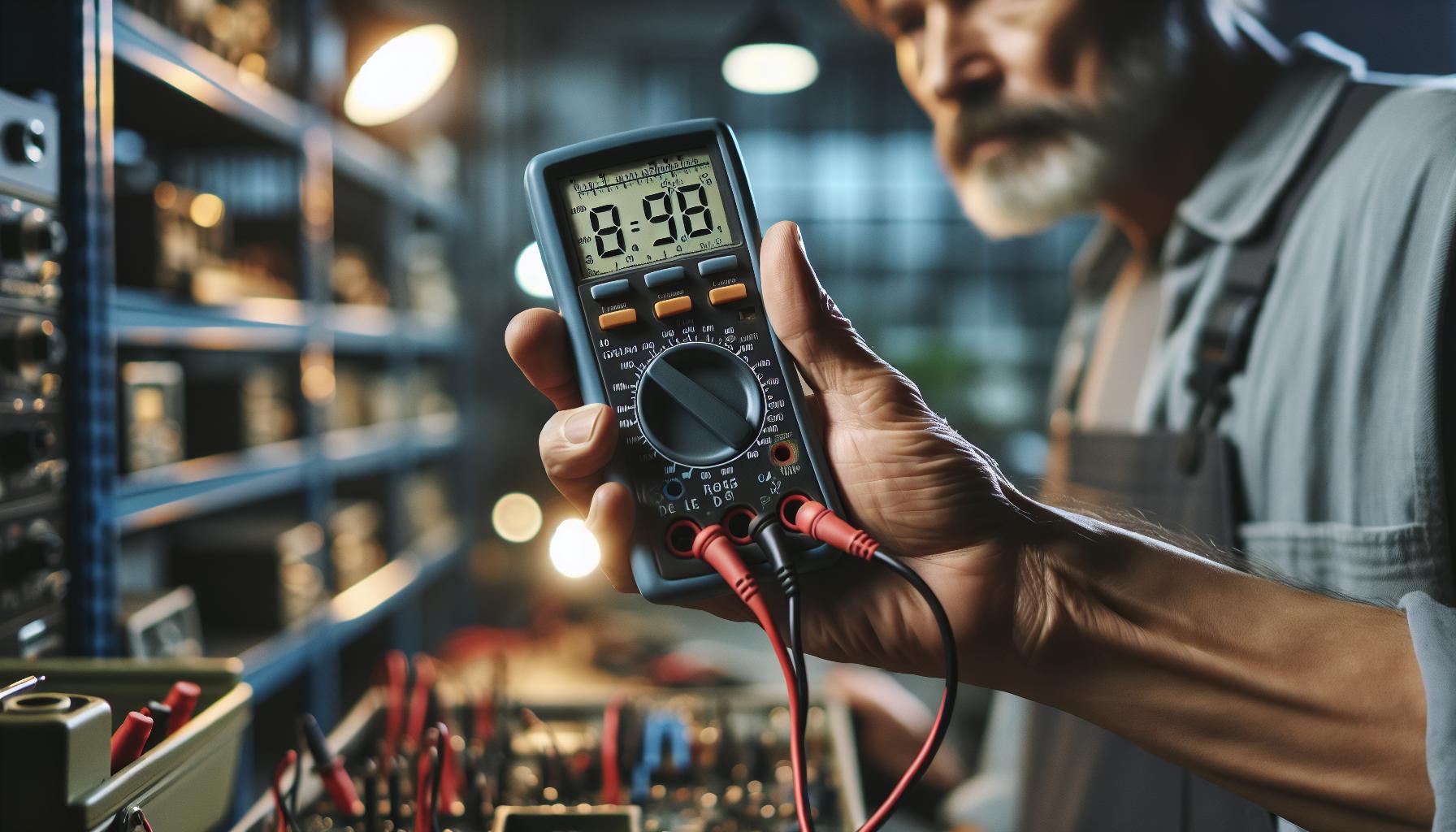
Interpreting Multimeter Readings: Voltage Insights
Understanding how to interpret multimeter readings is crucial for anyone involved in home inspections or electrical work. Voltage measurements can reveal a lot about the integrity of your electrical system, helping identify potential issues before they escalate into serious problems. When you test an outlet and get a reading, the next step is to effectively analyze that data to ensure safety and functionality within your home.
When measuring voltage, you’ll usually encounter readings at standard levels such as 120V or 240V in residential settings. If your multimeter reads significantly lower than expected, it could indicate a variety of issues such as a faulty outlet, loose wiring, or even a larger system problem like inadequate supply from the breaker panel. Conversely, readings much higher than 120V are dangerous and suggest a serious wiring issue that requires immediate attention. Understanding the expected voltage based on your regional standards will help you quickly assess whether a reading is within a safe range.
It’s essential to consider the type of current you are measuring. In alternating current (AC) systems, which are common in homes, the voltage fluctuates. Your multimeter should be set to the correct setting (usually AC voltage) to provide an accurate reading. If you’re comparing readings across multiple outlets, keep in mind that a significant variance might point to a wiring problem or overloading issues on a particular circuit.
To enhance your troubleshooting experience, you might find it beneficial to log your measurements and compare them periodically. This can help chart fluctuations over time, giving critical insights into the health of your electrical system and whether adjustments are needed. By staying proactive in monitoring your outlet voltages, you cultivate a safer living environment and gain valuable experience that can distinguish you in the electrical field. This systematic approach not only secures your home but also demonstrates professional diligence, a quality that is crucial for career advancement in the electrical industry.
Common Outlet Voltage Issues and Solutions
Identifying outlet voltage issues is crucial for both safety and functionality in any electrical system. Common problems include incorrect voltage readings, tripped breakers, and overheating outlets. By using a multimeter effectively, you can diagnose these issues and implement solutions before they lead to more significant, costly repairs. One of the most frequent scenarios is finding an outlet showing a significantly low voltage reading, typically below the established standard of 120V. This can indicate issues such as loose connections, faulty wiring, or even a burdened circuit that’s unable to supply adequate current.
Another prevalent issue is excessive voltage readings that exceed 120V. Such anomalies can be hazardous and indicate severe wiring discrepancies that must be addressed immediately. If you observe this scenario, it’s advisable to turn off power to the affected circuit and consult a licensed electrician to diagnose the problem-this could point to serious overvoltage conditions that can damage appliances or pose fire hazards.
Additionally, it’s not uncommon for outlets to become warm to the touch, a clear sign that something is amiss. This overheating can stem from a variety of factors, including overloaded circuits or failing components within the outlet itself. Regularly testing outlets with a multimeter not only helps to reveal voltage inconsistencies but also ensures that the wiring ahead of your appliances is safe and up to code. If you encounter warm outlets, it’s crucial to take immediate action: reduce the load on the circuit and have a professional assess the wiring.
Staying informed about common issues in outlet voltage can empower homeowners and aspiring electricians alike. By being proactive in voltage testing, one can ensure a safe and efficient home electrical system, establishing a strong foundation for those considering a career in electrical work. As you navigate this field, understanding these common voltage challenges and being equipped with the right knowledge will enhance your professional growth and improve safety standards within your environment.
How to Identify Wiring Problems Through Voltage Testing
Identifying wiring problems through voltage testing is essential for any homeowner or aspiring electrician looking to ensure the safety and efficiency of their electrical system. A multimeter can be your best ally in this task, allowing you to pinpoint issues that may not be immediately visible but could lead to greater problems down the line. Understanding how to interpret voltage readings is crucial, as discrepancies can indicate underlying issues such as loose connections, damaged wires, or inadequate grounding.
Begin by taking voltage measurements at different outlets throughout your home. Ideally, standard outlets should provide a reading close to 120 volts (in North America). If you find measurements significantly lower than this threshold, investigate the circuit’s wiring. Low voltage can occur due to several factors, including:
- Loose Connections: If wires are not securely connected to the outlet or junction box, this can result in increased resistance and reduced voltage.
- Faulty Wiring: Damaged or aged wires might not be capable of carrying the load, necessitating inspection and potentially replacement.
- Overloaded Circuits: Excessive devices on a single circuit can lead to voltage drops, indicating the need for load management or circuit upgrades.
On the flip side, if you encounter excessive voltage readings above the standard level, this could signal more severe wiring issues, such as miswired outlets where the hot and neutral wires may have been reversed. Such problems can pose significant hazards, leading to appliance damage or even fire risks. In such cases, it’s crucial to turn off the power to the affected circuit and consult a licensed electrician.
Another vital aspect is checking for proper grounding. A reading below expected levels may indicate improper or nonexistent grounding, which is critical for safety. Use your multimeter’s continuity setting or a ground fault circuit interrupter (GFCI) tester to ensure all outlets are correctly grounded.
In sum, being proactive about voltage testing not only helps identify immediate Issues but also allows for ongoing management of your home’s electrical system. Regular inspections can help establish a safer environment while also paving the way for a successful career in the electrical trade, highlighting the importance of hands-on experience and technical expertise in addressing complex electrical challenges.
Comparing Multimeter Types: Which One to Choose
Choosing the right multimeter is crucial for effective electrical testing, especially when inspecting outlet voltage in homes. With various options available, it’s important to understand the distinguishing features and functionalities that can cater to different needs, whether you’re a DIY enthusiast, a home inspector, or an electrical professional.
At the most basic level, multimeters can be categorized into analog and digital types. Analog multimeters are often favored by some professionals for their simplicity and ability to display trends visually. However, for most users, digital multimeters (DMMs) offer greater accuracy, ease of reading, and additional functionalities such as auto-ranging and multi-testing capabilities. For instance, the KAIWEETS Digital Multimeter combines features like TRMS measurements, a large color LCD, and the ability to measure voltage, current, resistance, and more, making it a versatile tool for assessing electrical outlets [[2]].
Additionally, selecting a multimeter involves considering its specifications. Look for key features such as true RMS measurement, which is essential for accurately measuring voltage in non-sinusoidal waveforms commonly found in household circuits. Another important criterion is the measurement range; typical units for outlet testing should comfortably measure up to at least 200 volts AC. Moreover, advanced users may benefit from models that offer data logging or connectivity to smartphones for analysis over time.
The investment in a sturdy, reliable multimeter can pay off significantly in practical scenarios. For example, the 7-function digital multimeter from Harbor Freight is ideal for simpler tasks and functions effectively for testing both home and automotive electrical systems [[1]]. Beginners should focus on models that provide basic voltage, current, and resistance measurements before considering more specialized features as their skills advance.
Ultimately, understanding the differences and selecting the right multimeter not only enhances your ability to perform electrical inspections safely but also contributes to a more efficient workflow, whether you are troubleshooting issues or conducting regular maintenance. Always prioritize models that adhere to safety standards and come from reputable brands, as these will have undergone rigorous testing to ensure reliability in field conditions.
Tips for Accurate Voltage Testing in Different Scenarios
Accurate voltage testing in various scenarios is critical for ensuring electrical safety and functionality within homes. When approaching different environments, like residential, commercial, or outdoor settings, it’s essential to adapt your testing techniques and tools to the specific conditions present. For instance, moisture-laden areas such as bathrooms or basements require additional caution; using a multimeter with insulated probes can help mitigate risk.
When testing outlets, if you anticipate fluctuations in voltage, utilize a true RMS multimeter. This type of meter accurately reads both sinusoidal and non-sinusoidal waveforms, which can be particularly useful in environments with electronic devices or appliances that may create noise on the line. Additionally, ensure your multimeter is properly calibrated before each use, as consistent accuracy is crucial across different testing situations.
In high-load situations, such as testing outlets that power large appliances, measure the voltage both with the appliance on and off. This method allows you to identify voltage drops caused by the high load of the device, which may indicate an underlying issue with the wiring or the outlet itself. Always perform tests with the appropriate safety gear, including gloves and eye protection, and ensure the area is dry to prevent accidental shocks.
Moreover, if you’re working in environments with diverse outlets or power sources, be aware of local electrical codes and standards. Understanding the specific voltage requirements for different regions not only enhances your ability to perform accurate assessments but also aligns your practices with industry regulations, promoting safety and compliance. By being thorough and attentive to the unique factors of each testing scenario, you can ensure reliable and consistent results in your voltage testing efforts.
Understanding Voltage Standards and Variations
Understanding voltage standards is crucial for anyone involved in electrical work, as these parameters govern how safely and effectively we can use electrical equipment. Different regions can have varying standards for outlet voltage, typically influenced by factors such as historical infrastructure, electrical grid design, and local regulations. In the United States, standard voltage is typically 120V for residential outlets, while many countries operate on 220V to 240V. This discrepancy means that appliances and devices made for these different voltages may not operate correctly, and using a device rated for one standard on a different standard can lead to damage or safety hazards.
When testing outlet voltage, it’s also vital to consider voltage variations that can occur due to several factors, including load, distance from the transformer, and the type of wiring used. Voltage drop can happen, particularly in longer circuits or when high-load appliances are in use. For instance, an outlet situated further away from the main panel may not deliver the full standard voltage, especially if it’s powering multiple devices. This can lead to insufficient power levels for some appliances, causing them to underperform or even become damaged over time.
Voltage Testing Techniques
To accurately assess outlet voltage, professionals often employ the following methods:
- Voltage Measurement: Constantly measure outlet voltage with a calibrated multimeter to ensure compliance with local standards.
- Load Testing: Test voltage drop by measuring the outlet’s voltage during both idle and load conditions, determining if the wiring can handle the device’s requirements.
- Frequency Checks: In some cases, especially with sensitive electronic equipment, measuring the frequency can also be important, as variations can affect performance.
By familiarizing yourself with these voltage standards and testing nuances, you ensure that your electrical work not only adheres to industry regulations but also promotes the longevity and safety of electrical systems. Understanding these variations and standards is essential in fostering professional growth within the electrical field, allowing you to deliver quality service while safeguarding against potential hazards.
Troubleshooting Common Electrical Problems
Troubleshooting electrical problems requires both methodical testing and an understanding of common issues that can arise in household wiring systems. Many homeowners encounter symptoms such as flickering lights, dead outlets, or tripped circuit breakers, often prompting a closer inspection of voltage levels to identify the underlying cause. Notably, voltage issues can lead to significant appliance performance problems, which is why utilizing a multimeter to test outlet voltage becomes a critical first step in diagnosing these concerns.
For example, if an outlet is failing to power a device, checking the voltage with a multimeter can reveal whether the outlet is operational. In cases where voltage readings are significantly below the expected 120V (in the U.S.), there may be a larger issue at play, such as excessive voltage drop due to long wiring runs or inadequate wire gauge. Conducting a load test-measuring voltage at idle and while under load-provides further insight into whether the outlet’s wiring is sufficient for the connected appliances. Additionally, loose or corroded connections can frequently cause intermittent issues; therefore, it’s advisable to inspect and securely reconnect any wiring found to be compromised during testing.
Recognizing and addressing voltage-related problems not only enhances safety but also prevents costly repairs in the future. For instance, if appliances continuously operate under insufficient voltage, they may overheat or malfunction, leading to expensive replacements. In such scenarios, it’s critical to continuously monitor outlet performance, conduct routine voltage tests, and maintain updated knowledge of electrical codes and standards as they can change.
Should you find yourself facing persistent electrical issues despite your best diagnostic efforts, do not hesitate to consult a licensed electrician. They possess the training and experience to tackle complex wiring problems, ensuring safe and effective resolutions. Engaging a professional might also increase your knowledge of electrical systems, including the importance of proper circuit load management and preventative maintenance-both essential for long-term functionality and safety in any electrical setup.
When to Call a Professional Electrician
When faced with persistent electrical issues, such as outlets that consistently fail to provide power, it is crucial to understand the limitations of DIY troubleshooting. Many homeowners attempt to resolve these problems independently, feeling empowered by their newfound knowledge of using a multimeter to test outlet voltage. However, certain scenarios indicate that professional intervention is not just advisable but essential for safety and efficacy. If you find yourself measuring voltage irregularities, such as readings significantly below the standard 120V, or if the outlet fails to respond even after securing loose connections, it’s time to call in an experienced electrician.
One common instance warranting professional help involves flickering lights or frequently tripping circuit breakers. These symptoms often point to deeper issues within your electrical system, such as overloaded circuits or damaged wiring, which require specialized diagnostic skills and tools to address accurately. Furthermore, if you encounter signs of overheating or burnt areas around outlets or plugs, there’s a critical risk of fire that necessitates immediate action from a qualified professional. Licensed electricians possess the expertise to navigate complex wiring issues, ensure adherence to local electrical codes, and implement safe resolutions that DIY methods may overlook.
Apart from resolving immediate electrical concerns, consulting a professional can enhance your understanding of your home’s electrical system. Electricians are equipped to provide insights into best practices for circuit load management, preventative maintenance, and the implications of recent advances in technology such as smart home integrations or electric vehicle (EV) chargers. Furthermore, their experience extends to guiding homeowners on how to maintain safe electrical environments, ensuring accessibility to support while you remain knowledgeable about your system.
Considering the financial aspects, while the average salary for electricians varies by region and experience-ranging from $40,000 to over $100,000 annually-a small investment in professional services can save you from substantial expenses down the line, including potential damages or replacements due to improper handling of electrical systems. Thus, recognizing when to involve a professional is not simply a safety measure; it’s a proactive step toward long-term health for both your home and your peace of mind.
Frequently Asked Questions
Q: How do I know if my multimeter is set to the correct mode for testing voltage?
A: To ensure your multimeter is set correctly, turn the dial to the “V” symbol for voltage testing. If testing AC outlets, select the AC voltage setting (often labeled as ACV). Double-check the range, ensuring it’s appropriate for the outlet voltage, typically 120V or 240V in residential settings.
Q: What should I do if my multimeter shows a reading outside the expected voltage range?
A: If the reading is outside the expected range, it may indicate a wiring issue or a faulty outlet. First, recheck your connections and the multimeter setup. If readings remain abnormal, consider consulting an electrician for a professional assessment to address potential safety hazards.
Q: Can I test outlet voltage with a non-contact voltage tester?
A: Yes, a non-contact voltage tester can identify whether an outlet is live. However, it won’t provide exact voltage measurements. For precise readings, use a multimeter, which will allow you to measure the voltage level directly and diagnose any electrical issues effectively.
Q: How can I safely test outlet voltage when I’m home alone?
A: To test outlet voltage safely alone, ensure you follow all safety precautions: wear insulated gloves, handle the multimeter carefully, and avoid using metal tools. Familiarize yourself with the multimeter’s operation before beginning to ensure you can focus fully on the test without distractions.
Q: Why is knowing the outlet voltage important for home inspections?
A: Understanding outlet voltage is crucial for identifying wiring issues, verifying the safety of electrical systems, and ensuring compatibility with appliances. Proper voltage levels prevent electrical fires and ensure devices operate efficiently, making it vital during home inspections.
Q: What should the outlet voltage typically read in my home?
A: In a standard residential setting, outlet voltage should typically read around 120 volts for most outlets in North America, and 240 volts for larger appliances. It’s important to regularly test your outlets to confirm they are within this range for safe operation.
Q: How often should I test outlet voltage in my home?
A: It’s recommended to test outlet voltage at least once a year or whenever you experience electrical issues, such as flickering lights or devices not functioning correctly. Regular testing helps identify potential problems early, contributing to a safer electrical system.
Q: What are the common causes of fluctuating outlet voltage?
A: Fluctuating outlet voltage can result from issues such as loose connections, overloaded circuits, or faulty appliances. Additionally, external factors like poor wiring can impact performance. Identifying these causes promptly is vital for both safety and appliance longevity.
Wrapping Up
Now that you know how to effectively test outlet voltage with a multimeter during home inspections, it’s crucial to apply this knowledge to ensure safety and reliability in your electrical systems. Don’t hesitate-grab your multimeter and check those outlets today! If you have questions or need guidance, check out our articles on electrical fundamentals or explore our tool reviews to find the tools that best fit your needs.
Remember, understanding voltage isn’t just about safety; it’s a stepping stone towards empowering your electrical proficiency. For more expert advice, subscribe to our newsletter for updates on licensing and certifications, and don’t miss our insights on modern technologies like EV chargers and smart homes. Share your experiences or tips in the comments below; we’d love to hear from you! Your next steps are just a click away-dive deeper into electrical safety today!