
Understanding the amperage of an electrical panel is crucial for ensuring safety and efficiency in any electrical system. Did you know that exceeding your panel’s amperage can lead to serious risks, including electrical fires or equipment damage? Knowing how to identify your service capacity empowers you to make informed decisions about upgrades, installations, and overall electrical management. Whether you’re a seasoned electrician or a homeowner looking to enhance your electrical knowledge, mastering this skill enhances safety and performance in your projects. Dive into this guide to uncover practical strategies for determining the amperage of your panel and ensure your electrical systems operate within safe limits. By gaining this vital insight, you’ll be better equipped to tackle current demands and future advancements, from smart home technologies to electric vehicle charging solutions.
Understanding Amperage: The Basics of Electrical Panels
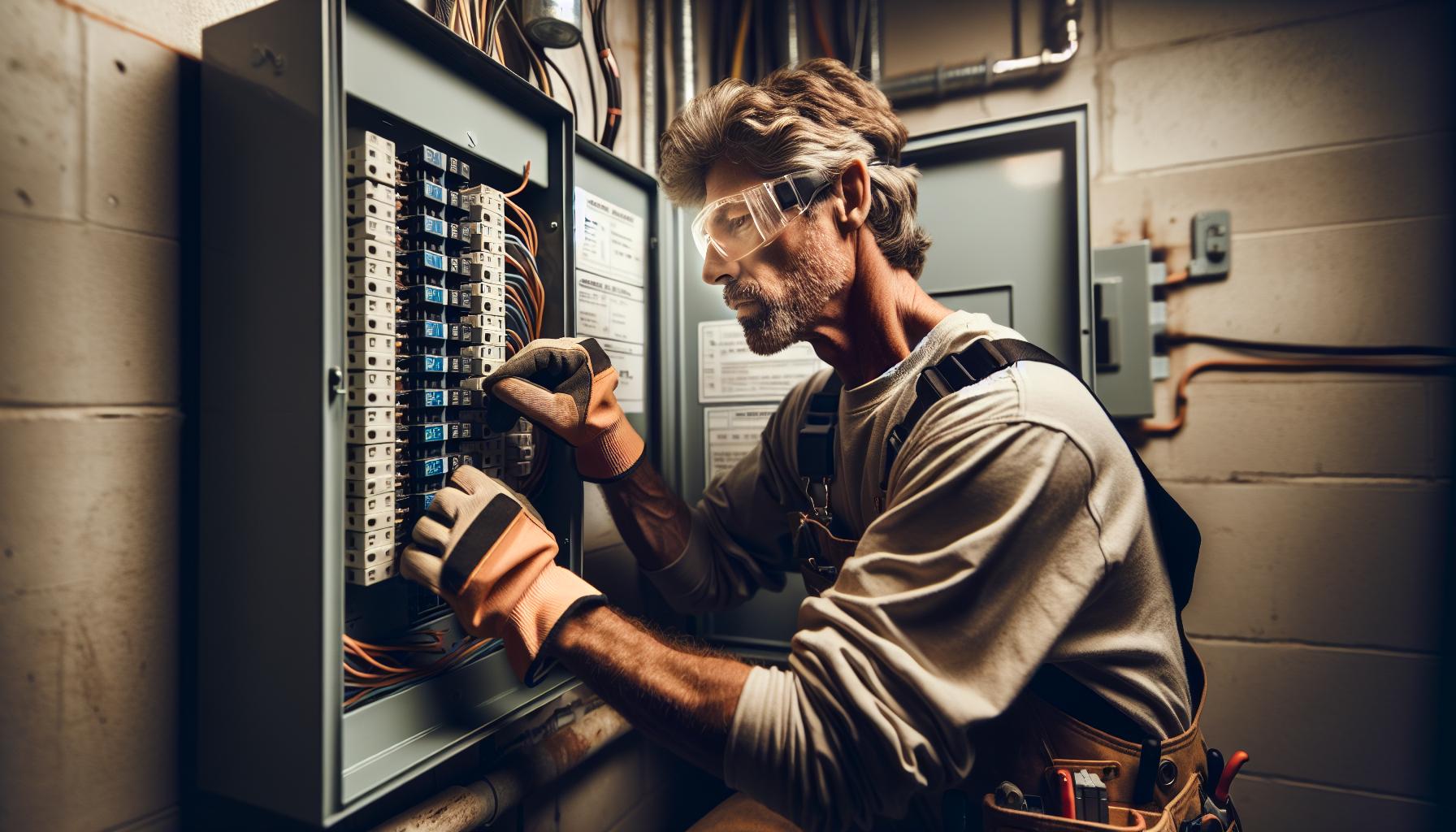
Understanding the amperage of an electrical panel is crucial for ensuring your home or office remains safe and functional. Amperage, the measure of electrical current, directly impacts how much electrical load a panel can handle without risking overloads or failures. Every electrical system has a rated capacity, often indicated by the main circuit breaker, which serves as the threshold for how much current can flow through. If the cumulative demand from your appliances and devices exceeds this amperage, it can lead to tripped breakers, burnt wiring, or even electrical fires.
To determine the amperage rating of your electrical panel, you should begin by locating the main breaker switch, which is commonly labeled with its amperage. Typically, residential panels may range from 60 to 200 amps, but larger homes with more devices and appliances may require 400 amps or more. Understanding this rating is not only vital when adding new circuits or appliances but also plays a key role in maintaining safety standards. When the load approaches the panel’s limit, it’s essential to either redistribute the load across multiple circuits or consider upgrading your panel to accommodate additional demands.
Bear in mind that the rating of your electrical panel influences not only efficiency but also operational reliability. A panel that continually runs close to its capacity can lead to excessive heat and wear on the breakers, resulting in shorter lifespans for both the panel and the connected devices. Regularly evaluating your panel’s capabilities and maintaining awareness of the load you place on it are fundamental practices for both homeowners and professionals in the electrical field. By keeping these aspects in mind and staying informed about your electrical system, you can protect your investments and ensure safety in your living or working environment.
Importance of Service Capacity in Electrical Systems
Understanding service capacity is essential for the safe and efficient operation of electrical systems. It serves as a critical gauge that dictates how much electrical load a panel can handle at any given time without compromising safety or functionality. For instance, if an electrical panel is rated for 200 amps, exceeding this capacity-even momentarily-can lead to tripped breakers, system failures, and in extreme cases, electrical fires. Comprehending your system’s capacity ensures that energy demands align with the panel’s capabilities, preventing costly repairs or dangerous situations.
A well-calibrated amperage rating allows for better distribution of electrical load throughout a home or facility. By recognizing the limits of each circuit, electricians can effectively manage energy consumption and avoid overloading specific circuits. Regular assessments of service capacity can reveal if the system can support new appliances or technologies, such as electric vehicle chargers or smart home devices. Gathering this information enables homeowners to make informed decisions, such as redistributing loads or upgrading equipment to enhance performance and reliability.
In practical terms, assessing service capacity involves checking the main circuit breaker and understanding how to measure the aggregated amperage of all connected devices. This proactive approach not only fosters a safer environment but also aids in pinpointing inefficiencies within the electrical system. For instance, if minor appliances and devices cause frequent tripping, it might indicate that circuits need redistributing to balance the load effectively.
By prioritizing service capacity in electrical systems, both professionals and homeowners can ensure a seamless, safe electrical experience, effectively minimizing potential hazards while maximizing performance. Being well-informed not only enhances electrical safety but also aligns with industry standards that guide proper electrical practices.
Identifying Amperage Ratings: Tools and Techniques

Understanding the amperage ratings of electrical panels is crucial for ensuring safe and efficient operation, as well as for compliance with codes and standards. One of the most fundamental tools for identifying amperage ratings is the circuit breaker itself, which is typically labeled with the maximum ampere rating it supports. Therefore, a quick glance at the breaker panel can reveal the overall capacity of the electrical system. This information allows electricians and homeowners alike to assess whether their current setup can handle additional loads or if upgrades are necessary.
In addition to visual checks, measuring amperage directly with specialized tools is vital. Digital multimeters and clamp meters are common go-to devices for electricians. A digital multimeter can provide accurate readings of current, voltage, and resistance, while clamp meters can measure the current flowing through conductors without physical contact-something particularly useful in live installations. When using a clamp meter, simply clamp it around the wire in question, and it will display the amperage reading, providing a real-time measure of load without interrupting the circuit, thus enhancing safety.
Furthermore, comprehensive documentation and labeling of circuits can significantly aid in identifying amperage ratings. This includes maintaining records of which circuits are powered by specific breakers and noting any additional loads added over time. For instance, as smart home devices or electric vehicle chargers become more prevalent, keeping this information updated helps ensure that the panel remains within its rated capacity.
Finally, regular inspections and routine maintenance can uncover underlying issues with amperage ratings-such as corrosion, loose connections, or aged wiring-that may impede performance. By employing these techniques and tools, electrical professionals can effectively manage service capacity and address any challenges before they escalate into safety hazards. Following these best practices not only aligns with industry standards but also upholds the integrity and safety of electrical systems in any building.
Step-by-Step Guide to Measuring Amperage

To effectively assess the amperage of an electrical panel, you need a reliable approach that ensures both safety and accuracy. One captivating fact about electrical systems is that even small discrepancies in amperage readings can lead to significant safety hazards, making proficient measurement crucial for both homeowners and electrical professionals. This step-by-step guide will empower you with practical insights to measure amperage accurately.
Begin by gathering the necessary tools. The most common devices used for measuring amperage include digital multimeters and clamp meters. A digital multimeter can measure not only amperage but also voltage and resistance, while a clamp meter provides a quick, non-invasive way to measure current. Ensure that you have personal protective equipment (PPE) on hand, along with a clear understanding of your panel’s components.
Next, identify the correct circuit or wire to measure. Turn off the main power supply to ensure safety, and double-check that there’s no live voltage using your multimeter’s voltage testing feature. Once confirmed, you can reconnect the power supply. If using a clamp meter, simply clamp it around the conductor with the load you wish to measure, ensuring that the clamp encircles only one wire at a time for an accurate reading. For traditional multimeters, you’ll need to break the circuit to insert the meter in series, which is more intricate and generally recommended for seasoned electricians.
Perform the measurement by setting the device to the appropriate setting-AC or DC, depending on your circuit. Record the readings and ensure they align with expected values based on the panel’s amperage rating and any existing load calculations. If you suspect anomalous readings or find that the measured amperage exceeds the breaker’s capacity, further investigation into potential issues, such as overloaded circuits or defective wiring, may be necessary.
Regularly maintaining this practice of measuring amperage, combined with proper documentation, can streamline your electrical work and contribute to a safer environment. Staying vigilant not only enhances the reliability of your service capacity identification but also aligns with industry best practices, ultimately safeguarding both your work and your clients’ homes or businesses. By continually honing your skills and adhering to safety protocols, you’ll position yourself as a proficient and trusted electrical professional in a rapidly evolving field.
Common Signs of Insufficient Service Capacity

Inadequate service capacity in electrical panels can manifest through various telltale signs that, if left unaddressed, may lead to significant safety hazards and costly system failures. Recognizing these indicators early on is critical for maintaining a reliable and safe electrical system. One common sign is frequent tripping of circuit breakers; this occurs when the load exceeds the breaker’s rated capacity, indicative of an overloaded circuit. If you find yourself resetting breakers regularly, it’s a clear signal that you’re pushing the limits of your panel’s capacity.
Another distinctly observable symptom is dimming or flickering lights, particularly when using high-demand appliances. When lights fluctuate, it generally suggests that the circuit cannot provide adequate amperage for the devices being used. This can be exacerbated during peak usage times when multiple appliances are operating simultaneously, stressing the overall service capacity. Homeowners should also pay attention to unusual heat emanating from outlets or electrical panels-a warning that the wiring or the panel itself is under strain, which could escalate to electrical fires if not corrected.
Moreover, if devices are malfunctioning or performance inconsistencies arise (e.g., appliances that run slower than expected), these can be signs that they are not receiving the necessary amperage. Such occurrences may point to capacity issues within the panel or the circuitry leading to those devices. It’s advisable to consult with a licensed electrician to evaluate the system and recommend suitable upgrades or repairs that can enhance performance.
In some cases, homeowners may notice a peculiar smell around electrical outlets or a sense of static electricity in the air, signifying overheating wires or insulation failure-a serious safety concern that warrants immediate professional attention. Addressing these signs promptly ensures not only the longevity of your electrical system but also the safety of your home and its occupants.
How to Calculate Total Amperage Load
Calculating the total amperage load for your electrical system is crucial in ensuring that your panel can handle the demands placed on it. A precise understanding of how to measure and evaluate amperage will help prevent overloaded circuits, which can lead to frequent breaker trips or, in worst-case scenarios, electrical fires. This process involves summing the current drawn by all devices and appliances operating on a specific circuit.
To start calculating amperage, familiarize yourself with the power formula:
Power Formula
The fundamental relationship among volts (V), amperes (A), and watts (W) is encapsulated in the equation:
Power (W) = Voltage (V) x Current (A)
Rearranging this gives us:
Current (A) = Power (W) / Voltage (V)
This formula is essential for determining the current draw of each appliance. For instance, if a device consumes 1200 watts and operates at a voltage of 120V, it would draw:
Current = 1200W / 120V = 10A
Step-by-Step Calculation
- List All Appliances: Create a comprehensive list of devices connected to the circuit. Include everything from refrigerators and air conditioners to smaller items like microwaves and chargers.
- Note Rated Power: Look for the power rating (in watts) of each appliance, typically found on a label or in the user manual.
- Convert Watts to Amperes: Use the formula provided to convert the power rating of each device into amperage.
- Sum the Amperage: Once all individual amperage ratings are calculated, add them together to obtain the total amperage load for the circuit.
It’s essential to remember to account for any appliances that operate intermittently and may not be running concurrently. To maintain safety and efficiency, it’s advisable to stay below the panel’s amperage rating. Generally, a good practice is to utilize only about 80% of the panel’s capacity for continuous loads.
Considerations for Future Plans
Lastly, consider future additions to your electrical system-such as smart appliances or electric vehicle chargers-that could demand additional amperage. Incorporating potential loads into your calculations from the outset will help future-proof your electrical setup and enhance its reliability. If the total amperage load approaches the panel’s capacity, consulting a licensed electrician for a possible upgrade is recommendable.
Evaluating Circuit Breaker Ratings for Amperage
When it comes to electrical safety and performance, evaluating circuit breaker ratings is crucial for understanding the amperage capacity of your electrical panel. Circuit breakers serve as the first line of defense against overcurrent situations, which can lead to overheating, equipment damage, or even electrical fires. Knowing the amperage ratings of your circuit breakers is essential for ensuring that they can handle the total load of all connected devices without tripping unnecessarily.
The ratings of circuit breakers are typically stamped on their casing and are expressed in amps. Common residential circuit breakers are rated for 15, 20, 30, or 50 amps. As a rule of thumb, each circuit breaker’s amperage rating should never exceed the safe operating load recommended for your electrical system. For example, a 20-amp breaker can support a maximum load of approximately 16 amps (80% of its capacity for continuous loads). This margin helps to prevent nuisance tripping, where the breaker may turn off unnecessarily while still under safe operating conditions.
To evaluate the circuit breaker ratings effectively, you should first identify the amperage demands of all the devices connected to each circuit. This process can involve using an ammeter or clamp meter to measure current draw during peak operation. Another effective method is simply to refer to the wattage ratings of devices and convert that to current using the formula:
Current (A) = Power (W) / Voltage (V).
Always ensure that the aggregate amperage of the devices on a circuit does not exceed the breaker rating.
In addition, familiarize yourself with the service panel’s overall capacity. If you find that your current breaker configurations are often tripping or under heavy load particularly during peak usage times, it may be time to consult a licensed electrician. They can provide insights into whether a panel upgrade or the addition of dedicated circuits is necessary to meet your household’s growing electrical demands, particularly with the increasing use of high-power devices like electric vehicle chargers and smart home technologies. Recognizing the limitations of your circuit breakers helps not only in maintaining safety but also in enhancing the longevity of your electrical system.
Troubleshooting Amperage Issues in Electrical Panels
Troubleshooting amperage issues within electrical panels is essential for the safe and efficient operation of a home’s electrical system. Understanding how to identify potential problems can prevent hazardous situations such as electrical fires or component damage. One common issue is circuit breakers that frequently trip, indicating that they are overloaded. This can occur if too many devices are drawing power on a single circuit, exceeding the amperage rating of the breaker. Using a clamp meter to monitor the current draw can provide valuable insights into whether loads need to be balanced among circuits or if a circuit upgrade is warranted.
Another critical area to consider is loose or corroded connections within the panel. Over time, connections can become less secure, leading to increased resistance and heat buildup, which might not only lower amperage but also damage the wiring or devices on the circuit. Regular inspections for physical signs of damage, such as discoloration or burn marks around connections, can help identify these problems early. If any issues are detected, it is crucial to address them promptly by tightening connections or replacing damaged wiring.
For those who frequently utilize high-demand appliances, such as electric vehicle chargers or HVAC systems, it may be necessary to reevaluate the service capacity of the electrical panel. Upgrading the panel to accommodate the increased amperage demands can enhance performance and reduce the risk of tripping breakers. Licensed electricians can perform load calculations to ensure the panel meets the growing demands of the household, considering both current and future needs.
Lastly, it’s essential to stay updated on National Electrical Code (NEC) guidelines regarding service capacity and safety practices. Adhering to these standards will not only ensure compliance but also enhance the longevity and reliability of your electrical system. By proactively addressing amperage issues, you can maintain a safe and efficient electrical environment in your home.
Understanding NEC Guidelines on Service Capacity
Understanding the National Electrical Code (NEC) guidelines regarding service capacity is crucial for electricians and homeowners alike. The NEC sets the standard for safe electrical design, installation, and inspection in the United States, and its guidelines help ensure that residential and commercial electrical systems can handle their intended loads without risk of failure or fire hazards. For instance, the NEC stipulates minimum ampacity requirements based on wire gauge, insulation type, and ambient temperature, which are critical for maintaining safety and operational efficiency.
One of the key takeaways from the NEC is the importance of planning for potential future electrical needs. As technology evolves and household appliances become more power-hungry, electricians must consider not only the current demands but also the projected load in their designs. This foresight helps in avoiding upgrades shortly after installation, thus saving costs and reducing inconvenience. It is also recommended to maintain a buffer in amperage ratings, allowing for service expansion or the addition of high-demand devices, such as electric vehicle chargers or advanced home automation systems.
When evaluating an electrical panel’s service capacity, it is essential to comply with NEC guidelines regarding the total amperage load. The NEC allows for a maximum load of 80% of the panel’s rated capacity for continuous loads, ensuring that the system operates within a safe range under maximum expected demand conditions. Moreover, the use of dedicated circuits for high-load appliances is recommended to prevent circuit overload and potential hazards. Regular inspections and adherence to code updates are also vital for ensuring that revamped installations abide by current safety standards.
To empower electricians further, gaining familiarity with NEC chapters-especially those that address wiring methods, overcurrent protection, and grounding-can enhance their expertise. Continuous education and certification will not only improve their operational proficiency but also ensure compliance with any changes in regulatory standards. Keeping abreast of local amendments to the NEC can also provide valuable insights into specific requirements pertinent to a region, ensuring that all installations are both compliant and safe.
Upgrading Your Panel: When and Why?
Upgrading an electrical panel can be a pivotal decision for homeowners and businesses alike, especially as the demand for electricity continues to rise. If your panel is outdated or undersized for your current needs, not only can it lead to frequent breaker trips and flickering lights, but it can also pose serious safety hazards. As homes and businesses increasingly adopt modern technologies-such as smart appliances, home automation systems, and electric vehicle (EV) chargers-upgrading your panel is not just a choice but a necessity to ensure a safe and efficient electrical system.
Recognizing the right time to upgrade is essential. Common indicators include frequent circuit breaker trips, dimming lights when major appliances kick on, and the inability to power multiple devices simultaneously. If your panel is rated below 200 amps, consider an upgrade, especially if you plan on adding load-intensive devices in the future. Furthermore, vintage panels, particularly those made by brands like Federal Pacific, Zinsco, or those with fuses instead of breakers, may not meet modern safety codes and could require replacement to ensure compliance with current NEC guidelines.
When deciding on an upgrade, it’s important to consider professional input. Licensed electricians can assess your current system’s capabilities and help you choose a panel that suits both your present and future electrical needs. This often means selecting a panel with additional breakers to accommodate future expansions-a prudent choice in today’s tech-driven world.
Additionally, understanding the costs involved is crucial. While a panel upgrade can range from $1,500 to $3,000, this investment enhances your home’s value and safety. Moreover, a well-planned upgrade improves efficiency, potentially lowering energy bills and reducing the risk of electrical fires or other hazards. Investing in a modern panel ensures your home or business is equipped to handle current and future demands without compromising safety and compliance with NEC standards.
Safety First: Best Practices for Amperage Measurement
Understanding how to measure amperage safely can prevent electrical hazards and ensure your systems operate efficiently. In electrical systems, amperage is indicative of current flow, and knowing how to measure it properly mitigates risks associated with overloads and potential fires. One of the fundamental best practices for measuring amperage involves using the right tools. A clamp meter is highly recommended for its safety and ease of use; it allows you to measure current without making direct contact with live wires, significantly reducing the risk of shocks.
Before beginning any measurement, ensure you are equipped with appropriate personal protective equipment (PPE). This includes insulated gloves, safety goggles, and, if necessary, a face shield. Always check that your tools are rated for the amperage levels you expect to encounter. Remember, measuring amperage in a live panel can present significant dangers. If you lack experience or feel uncomfortable with the procedure, consulting a licensed electrician is the best course of action.
When you’re ready to measure, confirm that the panel is securely closed and that you’re aware of any nearby conductive materials. Follow these procedural steps for safe measurement:
- Review Panel Labels: Check the circuits and amperage ratings before measuring.
- Isolate the Circuit: If applicable, turn off the breaker associated with the circuit to minimize risk.
- Clamp Properly: Place the clamp meter around a single wire, ensuring it is securely closed.
- Record Results: Note the amperage reading on your meter and any other observations, like unusual sounds or smells.
After measuring, it’s crucial to verify the ratings against the service capacity for your panel. The National Electrical Code (NEC) provides guidelines on safe amperage levels; ensure your panel can handle the total load being applied. Failing to measure amperage correctly or exceed panel ratings can lead to overheating and pose fire risks. Always prioritize safety when handling electrical measurements to maintain both your safety and that of the systems you’re working on.
Future-Proofing Your Electrical System: Trends and Technologies
In today’s rapidly evolving technological landscape, future-proofing your electrical system is more critical than ever. With the increasing reliance on renewable energy sources, electric vehicles (EVs), and smart home technologies, the demand for greater service capacity and efficient amperage management is rising. Understanding how to adapt your electrical system to accommodate these trends can ensure long-term functionality and safety.
One of the most pressing trends is the adoption of electric vehicles, which often require dedicated circuits capable of supporting higher amperage levels. Integrating EV charging stations into your home’s electrical system necessitates careful planning and potentially upgrading your panel to handle the additional load. This means evaluating your current amperage ratings and considering an upgrade if your existing panel is unable to support the increased demand without risking overload.
Additionally, smart home devices are increasingly popular, creating a web of connected technologies that, while convenient, can also strain electrical systems if not properly managed. Innovations such as smart meters and energy management systems empower users to monitor and optimize their energy consumption actively. By investing in these technologies, homeowners can better understand their amperage usage, identify potential overloads, and proactively address any issues before they escalate.
To future-proof your electrical system effectively, consider the following:
- Panel Capacity Upgrades: Assess whether your electrical panel can accommodate additional loads prompted by new technologies.
- Regular Audits: Conduct periodic evaluations of your amperage needs as you add new appliances or devices.
- Smart Technologies: Invest in smart devices that help monitor and manage energy consumption efficiently.
- Consult Professionals: Work with licensed electricians to identify the best modifications for your specific needs.
By being proactive and informed about these developments, homeowners can ensure their electrical systems are not only safe and efficient today but also resilient enough to handle whatever the future holds. Investing in knowledge and tools now can save time, money, and potential hazards later on.
Frequently Asked Questions
Q: How do I determine the amperage of my electrical panel?
A: You can determine the amperage of your electrical panel by checking the main circuit breaker. The amperage rating is usually printed on the breaker, which indicates the maximum current the panel can handle. Additionally, refer to any panel labeling for more specifics.
Q: What tools do I need to measure the amperage of a panel?
A: To measure the amperage of a panel, you’ll typically need a clamp meter, which clamps around the wire to measure current flow without direct contact. A multimeter can also be used but requires disconnection of circuit wires for accurate readings.
Q: Why is it important to know the amperage rating of my electrical panel?
A: Knowing the amperage rating of your electrical panel is crucial for ensuring your system can support your power needs. It helps prevent overloads that can cause electrical failures or fires, enhancing your home’s safety.
Q: What are the common symptoms of a panel with insufficient amperage?
A: Common symptoms of insufficient amperage include frequent circuit breaker trips, flickering lights, and buzzing sounds from outlets. If your electrical devices are underperforming, it may indicate that your electrical panel is overloaded.
Q: How can I calculate my home’s total amperage load?
A: To calculate your home’s total amperage load, list all electrical appliances and their wattages, then divide the total wattage by your electrical system’s voltage (typically 120V or 240V). This gives you the total amperage load, helping assess if your panel can handle it.
Q: When should I consider upgrading my electrical panel?
A: You should consider upgrading your electrical panel if you’re frequently experiencing power outages, have added significant electrical loads, or if your panel is outdated (typically 20-30 years old). An upgrade ensures sufficient capacity for modern electrical demands.
Q: What are the NEC guidelines for service capacity in electrical panels?
A: The NEC (National Electrical Code) provides guidelines for minimum service capacity based on the number of circuits and anticipated load in residential settings. Familiarizing yourself with these standards can help maintain safety and compliance during upgrades or installations.
Q: Can I troubleshoot amperage issues on my own?
A: Yes, you can troubleshoot amperage issues by inspecting your circuit breakers for tripping, checking for overloaded circuits, and testing outlets for voltage. However, for complex issues or if you’re uncertain, it’s best to consult a licensed electrician.
Wrapping Up
Understanding how to accurately determine the amperage of your electrical panel is crucial for maintaining safety and efficiency in your home or business. By following the guidelines outlined, you can ensure optimal service capacity and avoid potential electrical issues. If you’re looking for more in-depth insights, check out our articles on electrical fundamentals, such as “Understanding Voltage and Amperage” and “Load Calculation Essentials.”
Don’t miss out on the latest updates-consider subscribing to our newsletter for expert tips and industry news that will enhance your electrical knowledge. If you have any lingering questions or need personalized assistance, feel free to leave a comment below or reach out for a consultation. Remember, ensuring the right amperage is not just beneficial but essential for your safety and efficiency. Explore our site further to empower yourself with the knowledge necessary for success in the electrical field!