Did you know that electrical failures cause nearly 45,000 home fires each year, resulting in significant property damage and tragic loss of life? For professionals in the electrical field, knowing how to effectively respond to electrical fires is essential. Understanding the correct methods can not only protect you but also save lives and preserve valuable properties. This guide covers the essential emergency response strategies every electrician must know to tackle electrical fires confidently. As you navigate through this crucial topic, you’ll discover practical techniques and industry-standard practices that enhance your safety and efficiency. With the right knowledge, you can turn a potential disaster into a manageable situation, ensuring the safety of yourself and those around you. Let’s delve into the vital information that will empower you to handle electrical fires competently and confidently.
Understanding Electrical Fires: Causes and Risks
Understanding the complexities of electrical fires is vital for both professionals in the field and those managing electrical systems in residential or commercial settings. Every year, electrical malfunctions account for a significant portion of home fires, highlighting the pressing need for awareness regarding their causes and potential risks. According to statistics, electrical fires can lead to severe property damage, injuries, and even fatalities, making the understanding of these dangers paramount.
The most common causes of electrical fires include overloaded circuits, faulty wiring, and the use of improper equipment. When multiple devices draw power from a single outlet or circuit, the risk of overheating increases, potentially leading to ignition. It’s also crucial to be aware that many household appliances, if improperly maintained or aged, can spark fires as well. Regular inspection and maintenance of electrical systems can significantly mitigate these risks.
In addition to traditional risks, emerging technologies are reshaping our understanding of electrical fire hazards. For instance, smart homes equipped with various sensors can provide early warnings about potential malfunctions, enabling quicker responses before a small issue escalates into a fire. Therefore, staying informed about both conventional and innovative fire safety techniques is essential for professionals seeking to protect lives and property from electrical fires.
By fostering a comprehensive understanding of the causes and risks associated with electrical fires, electrical professionals can effectively implement preventative measures, ensuring a safer environment for all.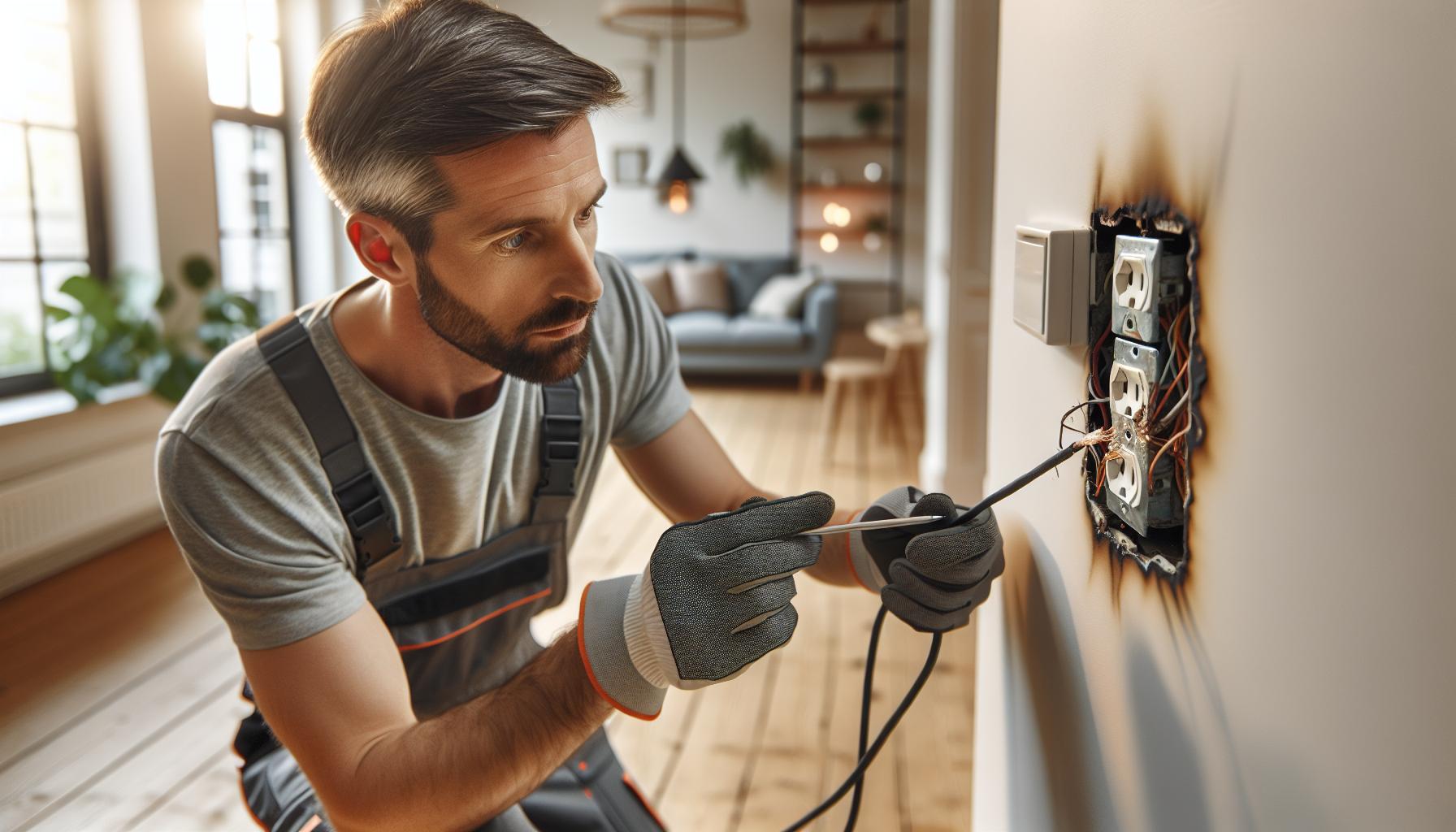
Recognizing the Signs of an Electrical Fire
Electrical fires can develop quickly and without warning, making it crucial to recognize the signs early to prevent devastating consequences. One of the first indications of a potential electrical fire is the presence of unusual odors, often described as a burning plastic or rubber smell. This smell can arise from overheated wires or components within electrical devices. If you detect any unusual odors, it’s essential to investigate the source promptly.
Visual cues are equally important. Pay close attention to any signs of discoloration or scorching around outlets, plugs, or light fixtures. These can signify overheating or faulty connections, which may lead to a fire if not addressed promptly. Additionally, flickering or dimming lights when multiple appliances are in use can indicate overloaded circuits. If you notice that certain outlets feel warm to the touch, this is another warning sign that requires immediate attention.
As a proactive measure, familiarize yourself with your electrical system and its limitations. Keeping track of the total amperage your home is capable of handling can help you avoid overload situations. In commercial settings, electrical compliance checks are crucial. Regular inspections can identify potential risks before they escalate, ensuring that both residential and commercial environments remain safe.
In summary, involves a combination of keen observation and proactive maintenance. By staying alert to unusual smells, visual changes, and the overall performance of your electrical system, you empower yourself to take swift action, thereby protecting lives and property from the threats of electrical fires. Always remember, when in doubt, prioritize safety and consult a licensed electrician to assess any potential hazards.
Immediate Steps to Take During an Electrical Fire
In the event of an electrical fire, every second counts, making it crucial to respond promptly and effectively. First and foremost, prioritize your safety and that of others. If the fire is small and manageable (like a burning appliance), you may be able to extinguish it safely, but don’t hesitate to evacuate if the situation escalates. The first step is to disconnect the power source. If possible, turn off the electrical circuit at the breaker panel or unplug the device if it’s safe to do so. This approach cuts off the electricity that fuels the fire.
Next, use a fire extinguisher designed for electrical fires, which are typically labeled as Class C. If you decide to engage the fire, remember the acronym PASS-Pull the pin, Aim low at the base of the fire, Squeeze the handle, and Sweep side to side. Maintain a safe distance while applying the extinguisher. If the flames spread beyond a manageable size or if there is any uncertainty, prioritize evacuation. Close doors behind you to contain the fire and alert everyone else in the vicinity as you exit the building.
Once outside, call 911 and inform them about the electrical fire. Do not attempt to re-enter the premises until emergency responders declare it safe. In the interim, if you’re in a commercial space, ensure that your emergency response plan includes detailed procedures for reporting and responding to electrical fires, highlighting the roles of trained staff in managing such emergencies. Include accessible training for all employees on how to effectively use fire extinguishers and evacuate safely.
Finally, once the immediate danger is over, do not overlook the importance of documenting the incident for insurance and safety follow-ups. Reporting the fire to your insurance company can assist in assessing damages and could provide direction for claims. Additionally, a thorough inspection should be carried out by a professional to assess and rectify any damage done to the electrical system, preventing future incidents.
How to Safely Use Fire Extinguishers on Electrical Fires
Knowing how to operate a fire extinguisher effectively can mean the difference between a minor electrical incident and a major catastrophe. Electrical fires, commonly classified as Class C fires, require the right approach and equipment for safe extinguishing. When engaging in firefighting for electrical fires, you must use a fire extinguisher specifically rated for electricity, as standard extinguishers can pose a serious risk by conducting electricity and potentially causing further harm.
To use a fire extinguisher on an electrical fire, follow the well-known PASS technique:
- Pull: Pull the pin at the top of the extinguisher. This pin prevents accidental discharge.
- Aim: Direct the nozzle towards the base of the fire, not at the flames. This is crucial, as extinguishing the flames rather than the source will be ineffective.
- Squeeze: Squeeze the handle evenly to release the extinguishing agent.
- Sweep: Sweep the nozzle from side to side at the base of the fire until it appears to be out.
It’s essential to maintain a safe distance when applying the extinguisher. Different extinguishers have varying ranges, but generally, staying at least 6 to 10 feet away is advisable. Always keep an eye on the surrounding area for any potential hazards that may arise. Realize, too, that your personal safety must come first; if you are unable to extinguish the fire quickly, or if it begins to spread, evacuate the area immediately and call emergency services.
After fighting a fire, ensure to inspect your fire equipment regularly to confirm it is in working order. Recognizing that extinguishers can have expiration dates and require maintenance will keep you and your workplace safe. Additionally, implementing regular training for all employees on proper fire extinguisher use enhances safety protocols and prepares everyone for emergencies. Regular drill practices can bolster confidence and effectiveness in case a real electrical fire occurs.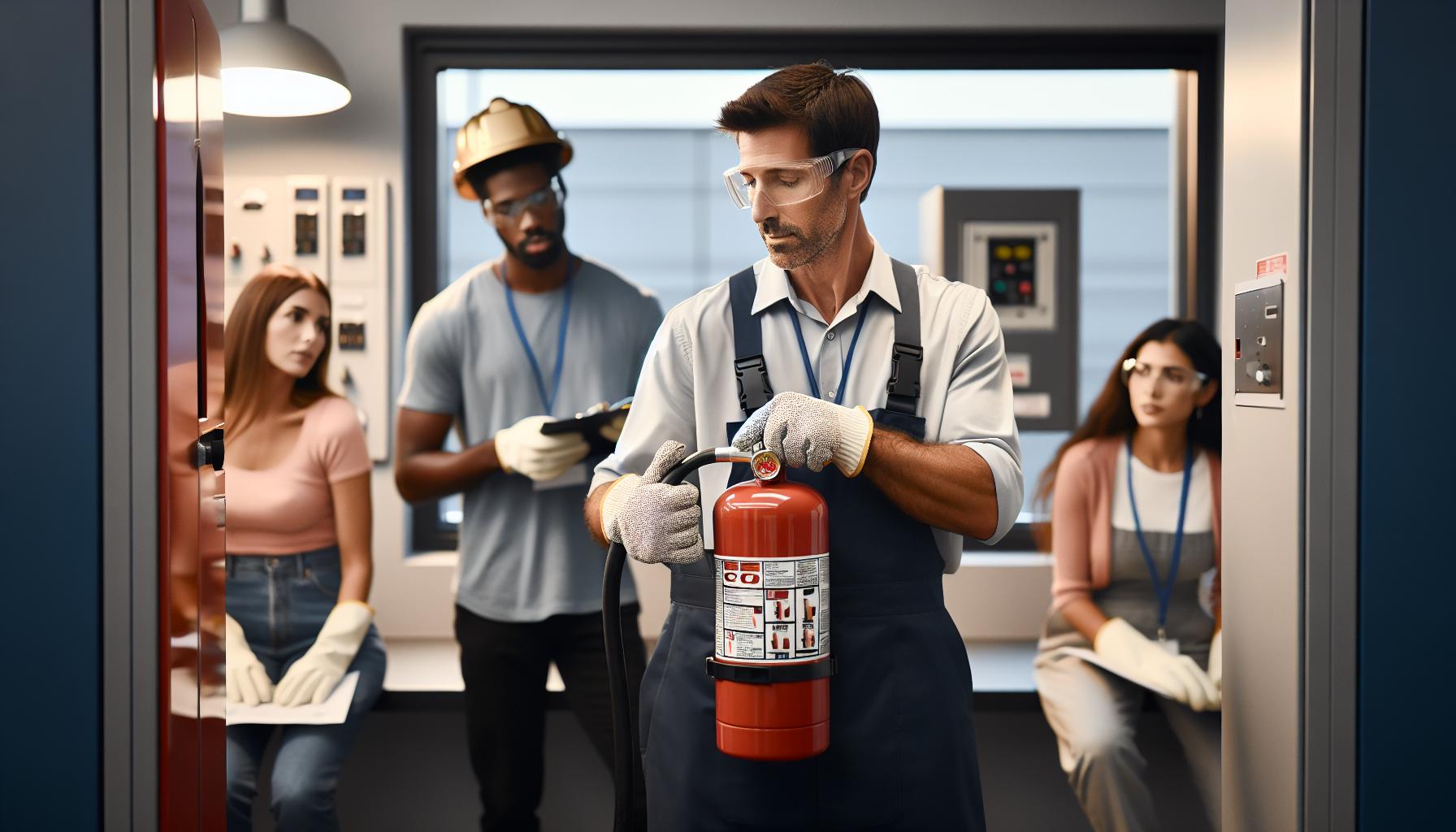
Creating an Emergency Response Plan for Electrical Fires
In an age where electrical systems are increasingly complex and integrated into our daily lives, having a robust emergency response plan for electrical fires isn’t just a precaution-it’s a necessity. Rapid action during an electrical fire can significantly reduce damage to property and risk to lives. Understandably, preparation is key; waiting to see what to do in the moment of crisis can be disastrous.
A comprehensive emergency response plan should begin by identifying all potential electrical hazards in the workplace or home, which can include overloaded circuits, outdated wiring, or defective appliances. Once these risks are recognized, it’s essential to implement mitigation strategies, such as regular equipment inspections and electrical system upgrades. Documenting these hazards and strategies in an accessible location will ensure that all occupants are aware of them.
Next, establish clear communication protocols for notifying occupants in the event of an electrical fire. This includes not just a loud fire alarm but also visual signals for those who may not hear alarms. Regular fire drills should incorporate scenarios specifically dealing with electrical fires, emphasizing safe exit routes and gathering points. Each team member must understand their role, whether it is to use a designated fire extinguisher rated for electrical fires or to alert emergency services if the fire escalates beyond control.
Lastly, ensure all individuals involved receive training on the specifics of handling electrical fires. This training should cover the use of appropriate fire extinguishers, identification of electrical hazards, and practice drills focusing on evacuation procedures. Clear instructions and practice foster a culture of safety, enabling quicker, more effective responses when an emergency arises. Regularly reviewing and updating the response plan will keep safety protocols fresh in everyone’s mind, adapting to any new tools or technologies introduced into the electrical system.
Preventive Measures to Avoid Electrical Fires
In the realm of electrical safety, understanding and implementing preventive measures can dramatically reduce the risk of electrical fires, a significant safety hazard in residential, commercial, and industrial environments. A staggering number of electrical fires stem from common oversights that can be easily addressed with proactive strategies. By taking decisive action today, you can safeguard lives and property and foster a culture of safety that resonates throughout your workplace or home.
One fundamental preventive measure is the regular inspection of electrical systems and devices. Ensure that wiring is not frayed, exposed, or outdated, as aged wiring is a prime suspect in electrical fires. Schedule routine safety audits to assess outlets, switches, and equipment for signs of wear or overload. Also, consider installing circuit breakers or fuses to protect against overloads that can lead to overheating. Furthermore, always adhere to the recommended load capacities of circuits to avoid overloading outlets and creating potential hazards.
Another crucial aspect of fire prevention is proper use and maintenance of electrical appliances. Ensure that all appliances have the proper ratings for their intended use and check for any recalls that may affect safety standards. Avoid using extension cords as a permanent power solution; instead, use them only as needed and unplug them when not in use. Regularly inspect cords for damage and replace any that show signs of wear or overheating – a burnt-out smell or discoloration can be early indicators of trouble.
Finally, fostering a culture of safety extends beyond technical measures. Educate occupants or employees about general fire safety practices, including the importance of smoke alarms and easy access to fire extinguishers. Conduct drills to ensure everyone knows how to respond effectively in an emergency. Encourage reporting immediately of any suspicious electrical smells or devices that don’t seem to be functioning properly.
By implementing these practices, you can significantly mitigate the risk of electrical fires while enhancing your commitment to safety in your environment. Remember, the stakes are high when it comes to fire prevention, but with diligence and awareness, you can create a safer space for everyone involved.
The Importance of Proper Electrical Maintenance
Maintaining the integrity of electrical systems is not merely a recommendation; it is a necessity that can mean the difference between safety and disaster. Insufficient electrical maintenance can lead to serious incidents, including the more than 50,000 electrical fires that occur annually in the United States alone, resulting in extensive property damage and numerous injuries. Keeping up with proper maintenance practices not only prevents electrical failures but also enhances the lifespan and efficiency of electrical installations.
Consistent evaluations and updates of electrical systems are vital. Professionals should conduct regular inspections to identify signs of wear and tear, such as frayed wiring or signs of overheating in outlets and switches. Implementing periodic testing of circuit breakers can ensure they are functioning correctly and can handle the load they are intended for. It’s also essential to stay informed about innovative technologies, like smart home systems that monitor energy consumption and alert homeowners to potential issues before they escalate.
Staying compliant with industry standards and electrical codes is another cornerstone of proper maintenance. All electrical work must be performed according to the regulations set by the National Electrical Code (NEC) and local building authorities, as this not only ensures safety but also criteria for licensing and certifications for electricians. For instance, continuing education is often required for electricians to keep their licenses current. This education can cover emerging technologies, such as EV chargers, ensuring that professionals are knowledgeable about the latest practices and devices affecting electrical systems.
Lastly, understanding the basic electrical fundamentals-such as voltage, amperage, and load calculations-enables electricians to make more informed decisions about their work and its implications for fire safety. Regular training in these areas, alongside practical, hands-on experience, helps electricians advance their careers while providing critical expertise to ensure every job is performed safely and effectively. In an era where electrical fires can be catastrophic, comprehensive maintenance and ongoing education are not just advantageous; they are imperative for the safety of every electrical installation.
Training and Certification for Electrical Fire Safety
Understanding how to effectively respond to electrical fire incidents is critical for electricians and safety professionals alike. The rapid increase in electrical systems’ complexity, including the advent of smart home technology and electric vehicle (EV) charging stations, underscores the need for thorough training and certification focused on electrical fire safety. Electricians must be well-versed in identifying fire hazards, understanding electrical codes, and employing best practices in fire response to minimize risks associated with electrical fires.
Training programs often include courses that cover essential fire safety practices, such as the types of fire extinguishers suitable for electrical fires, emergency response strategies, and proper evacuation procedures. Certification from reputable organizations, such as the National Fire Protection Association (NFPA) or the International Association of Electrical Inspectors (IAEI), demonstrates a commitment to maintaining up-to-date knowledge of fire safety standards. This is particularly important, as these certifications not only enhance an electrician’s credibility but may also be required for compliance with local regulations and building codes.
Ongoing education is equally vital for seasoned professionals. Topics may include innovations in fire detection technologies, the integration of smart systems in fire prevention, and emerging trends in electrical installations. Engaging in continuing education ensures electricians remain proficient with current technologies, such as energy-efficient devices and smart circuit breakers. Such knowledge is invaluable for making informed decisions that can help avert potential electrical hazards before they escalate into emergencies.
To navigate the complexities of the electrical trade successfully, professionals should seek out apprenticeship programs, community college courses, and online training resources. These can equip them with a foundational understanding of electrical fundamentals-such as voltage, amperage, and load calculations-while also transforming them into adept responders in emergencies. By fostering a culture of proactive training and certification, the electrical industry can better reduce the incidence of electrical fires and promote a safer environment for both professionals and the public.
In summary, robust training and certification in electrical fire safety are not merely beneficial; they are essential components of every electrician’s career path, ultimately shaping their ability to manage risks effectively and respond competently to fires when they arise.
Common Misconceptions About Electrical Fires
Many individuals harbor misconceptions about electrical fires that can lead to dangerous situations. One prevalent myth is the belief that water can be safely used to extinguish electrical fires. In reality, pouring water on an electrical fire can exacerbate the situation, as water conducts electricity and may spread the flames or cause serious injury. Professionals must be familiar with the proper techniques for handling these types of fires, particularly the use of class C fire extinguishers designed specifically for electrical fires.
Another common misunderstanding is the assumption that electrical fires only occur in older wiring systems. While outdated wiring can certainly pose a risk, modern electrical devices and appliances can also be catalysts for fires. Overloaded circuits, faulty connections, and poor maintenance are significant contributors to electrical fires regardless of the age of the wiring. Therefore, it is crucial for electricians and homeowners alike to regularly inspect their electrical systems and adhere to load calculations to prevent overload situations.
Additionally, there is a misconception that smoke detectors are sufficient for fire safety. While smoke alarms are essential, they do not specifically address the causes or risks associated with electrical fires. Professionals should emphasize the importance of comprehensive fire safety plans that include knowledge of electrical codes, proper maintenance practices, and training on the use of fire extinguishers.
In essence, debunking these myths is crucial for ensuring both safety and effectiveness in the event of an electrical fire. Electricians and safety professionals must proactively educate clients and community members about the real risks involved, encouraging greater awareness and preparedness that can ultimately save lives and property.
Emergency Resources for Electrical Fire Incidents
In an electrical emergency, time is of the essence, and having the right resources at hand can be the difference between a minor incident and a major disaster. For professionals in the electrical field, knowing where to turn for help is critical. Emergency resources should be readily available, ensuring that both workers and clients can respond effectively to incidents involving electrical fires.
Firstly, always have access to a list of emergency contacts that includes fire departments, the local utility company, and any specialized electrical services that can assist in a crisis. This can usually be found in a central location, like a safety board in a work environment. Installations should have emergency response plans that clearly delineate roles and responsibilities during an electrical fire event. Furthermore, consider keeping a well-stocked first aid kit that includes appropriate materials for handling electrical burns, along with safety gear such as fire-retardant blankets.
Key Emergency Tools and Equipment
Equipping the workplace with the right tools can streamline emergency responses. Key resources include:
- Class C Fire Extinguishers: Ensure that all teams know how to locate and utilize extinguishers designed for electrical fires. Regular training sessions can reinforce their importance and use.
- Smoke Detectors: Install and maintain smoke detectors specifically designed to alert about electrical fires. Ensure they are sufficiently tested and replaced when necessary.
- Emergency Shutoff Switches: Familiarize all team members with the location of main electrical shutoff switches to mitigate danger quickly.
- Personal Protective Equipment (PPE): Utilize flame-resistant clothing, rubber gloves, and safety goggles to protect against electrical hazards during an incident.
Understanding and utilizing these resources can significantly enhance safety measures and preparedness for any electrical fire incident. Moreover, further education and preparedness, through training seminars and first-aid workshops focused on electrical emergencies, will help cultivate a culture of safety and awareness among electrical professionals. Investing the time now to establish and familiarize oneself with these emergency resources can lead to more efficient and safer outcomes during critical moments.
Understanding Electrical Codes Relevant to Fire Safety
Understanding the complexities of electrical codes is essential for preventing and managing electrical fires effectively. These codes serve as a regulatory framework designed to ensure electrical installations are safe, reliable, and up to date with the latest safety practices. The National Electrical Code (NEC), which is widely adopted across the United States, outlines critical standards that electricians must follow regarding wiring, grounding, and circuit protection, all of which are integral in minimizing the risk of electrical fires. Historically, adherence to electrical codes has been linked to significant reductions in fire incidents, illustrating their vital role in safeguarding lives and property.
Compliance with the NEC involves understanding various components that directly impact fire safety, such as proper circuit sizing, GFCI (Ground Fault Circuit Interrupter) usage in wet areas, and the implementation of arc fault circuit interrupters (AFCIs) in living spaces. These devices help prevent electrical fires by interrupting circuits when they detect abnormal electrical patterns indicative of failures. Furthermore, electricians are also responsible for ensuring that installations maintain clearances as specified in the code, which can prevent overheating and subsequent fire risks.
In addition to the NEC, local codes may impose stricter regulations tailored to regional needs, so familiarity with both is crucial. Regular audits and inspections of electrical systems, in accordance with local enforcement, can help identify potential hazards before they escalate into emergencies. This proactive approach not only reinforces compliance but also promotes a culture of safety, as professionals stay informed about updates to codes and best practices.
Continual education and professional development are essential in this rapidly evolving field. Electricians can benefit from workshops, certification programs, and training sessions focusing on the latest codes and technologies impacting fire safety. Engaging with local chapters of the National Fire Protection Association (NFPA) or other industry groups provides additional resources and networking opportunities that enhance knowledge and expertise in fire prevention strategies.
By embracing a comprehensive understanding of electrical codes and their implications for fire safety, professionals can take decisive actions to mitigate risks and ensure a safer work environment for themselves and their clients.
Innovative Technologies for Fire Safety in Electrical Systems
Modern technology has revolutionized fire safety in electrical systems, enabling electricians and homeowners alike to significantly reduce the risk of electrical fires and enhance emergency response capabilities. One pivotal advancement is the integration of smart home technology, which allows for real-time monitoring and control of electrical systems via mobile applications. These systems can alert users to abnormal electrical consumption or detect overheating, facilitating prompt action before a situation escalates into a fire.
Advanced Circuit Protection Devices
Among the most effective innovations are advanced circuit protection devices like Arc Fault Circuit Interrupters (AFCIs) and Ground Fault Circuit Interrupters (GFCIs). AFCIs can detect the distinct electrical patterns that precede an arc fault-a common precursor to electrical fires-and disconnect power to prevent ignition. GFCIs are essential in areas prone to water exposure, and they quickly cut off electricity when they sense a ground fault, which could indicate moisture-related hazards. By replacing standard circuit breakers with these technologies, electricians can markedly enhance fire safety in residential and commercial settings.
Fire-Safe Wiring Materials
Another significant advancement involves using fire-resistant wiring materials designed to withstand extreme conditions. Insulations that have low flame spread and are non-combustible can delay or prevent the ignition of surrounding materials, offering added protection against potential fire hazards. The implementation of a building’s electrical system using these innovative materials is a proactive approach toward fire safety that electricians must advocate for.
Monitoring Systems and Alerts
Additionally, the rise of integrated fire safety systems enhances overall hazard awareness. Smart smoke detectors equipped with smart home technology not only alert occupants to potential smoke or fire but can also automatically communicate with local fire departments, ensuring an immediate response. Some systems can even provide video surveillance to assist emergency responders in assessing the situation before they arrive.
By incorporating these innovative technologies into their practices, electricians play a critical role in fire prevention and safety. Keeping abreast of advancements and implementing them effectively can empower professionals to create safer environments while enhancing their service offerings and client satisfaction. Emphasizing continuous education in modern solutions further prepares electricians to handle potential fire emergencies adeptly while adhering to best practices in fire safety management.
Faq
Q: What is the first step to take if I see smoke from an electrical outlet?
A: The first step is to turn off any appliances connected to the outlet if it is safe to do so. Immediately evacuate the area and call emergency services. Never attempt to use water to extinguish an electrical fire, as it can worsen the situation.
Q: How do I safely disconnect power during an electrical fire?
A: If you can safely reach the electrical panel, turn off the circuit breaker associated with the fire. If the fire is large or spreading quickly, prioritize evacuation first and let professionals handle it. Safely disconnecting power reduces risks but is secondary to your safety.
Q: Are all fire extinguishers effective against electrical fires?
A: No, not all fire extinguishers are effective against electrical fires. Class C extinguishers are specifically designed for this purpose. Make sure to have the appropriate type available, and check your local codes for fire safety compliance.
Q: What common household items should I avoid using to extinguish electrical fires?
A: Avoid using water, flour, or baking powder to extinguish electrical fires. Water conducts electricity and can create severe hazards, while flour can cause an explosive reaction. Instead, use a Class C fire extinguisher or evacuate and call the fire department.
Q: How can I prepare my home to respond to electrical fires?
A: Prepare by creating a home emergency plan that includes a designated meeting point and escape routes. Ensure all family members know how to use fire extinguishers correctly and conduct regular fire drills. Regularly check smoke detectors and replace batteries.
Q: What should I do after extinguishing a small electrical fire?
A: After extinguishing a small fire, evacuate the area and contact emergency services to assess any potential risks. Do not re-enter until you receive the all-clear. An electrician should inspect any affected electrical systems for damage.
Q: Why is it important to report every electrical fire, even small ones?
A: Reporting every fire is crucial as it allows fire departments to track patterns and identify potential hazards. Each incident can provide valuable data to prevent future occurrences, improve local emergency response, and enhance community safety protocols.
Q: What role does proper electrical maintenance play in preventing fires?
A: Proper electrical maintenance is vital in preventing fires. Regularly check wiring, outlets, and appliances for wear and damage. Schedule routine inspections by a licensed electrician to ensure compliance with local electrical codes and reduce fire risks.
In Summary
Now that you’re equipped with essential strategies for putting out electrical fires, it’s crucial to keep this knowledge fresh and applicable. Remember, being proactive can save lives and property. If you want to dive deeper into related topics, check out our articles on fire safety protocols and the latest equipment reviews that every electrician should have. Preparing for any emergency is part of your journey as a professional, and ensuring you know how to react swiftly makes all the difference.
Don’t forget to subscribe to our newsletter for more expert insights and resources that will aid your career in the electrical field. Understanding further nuances like voltage management and modern tech applications-such as EV chargers and smart home installations-will empower you even more. Join our community by leaving a comment or sharing your thoughts; your experience could help others in their professional development. Explore our site for additional content tailored to advance your expertise and keep you at the forefront of the industry.