
Understanding how to check amperage with a multimeter is a vital skill for anyone in the electrical profession. Whether you’re troubleshooting a faulty circuit or ensuring equipment operates within safe parameters, accurately measuring current is crucial for safety and efficiency.
Did you know that even minor discrepancies in amperage can lead to serious equipment damage or safety hazards? By mastering this technique, you not only enhance your troubleshooting abilities but also safeguard your projects against potential risks. In this guide, we’ll walk you through professional methods for measuring amperage, empowering you with the knowledge to better manage electrical systems and advance your career. With practical insights and industry standards at your fingertips, you’ll gain confidence and precision in your electrical work. Keep reading to discover how you can enhance your skills and ensure electrical safety in every project you undertake.
Understanding Amperage: What You Need to Know
Understanding amperage is fundamental for anyone working in the electrical field, whether you’re a seasoned electrician or a novice. Amperage, or the flow of electric current measured in amperes (amps), is crucial for determining how much electricity is being utilized by a device or circuit. To visualize this concept, imagine a water system: just as water flows through pipes at varying rates, electrical current flows through wires. Understanding this flow enables electricians to ensure circuits are not overloaded, protecting both equipment and the safety of users.
When measuring amperage, professionals often rely on tools like multimeters, which can provide accurate readings depending on their capabilities and functions. Familiarity with the characteristics of the circuit-such as the expected load and the cable ratings-facilitates informed decisions regarding measurements and applications. It is essential to understand the relationship between amperage, voltage, and resistance as described by Ohm’s Law (I = V/R), allowing electricians to calculate necessary adjustments in circuits and avoid hazards associated with high amperage loads.
In real-world applications, knowing how to check amperage can directly impact job efficacy. A common scenario, for instance, is troubleshooting malfunctioning appliances, where incorrect amperage readings can indicate underlying issues such as short circuits or poor connections. Enhanced knowledge about amperage not only aids in performance but also minimizes risks, making it a vital aspect of electrical work. With continued advancements in technology, such as the proliferation of smart homes and EV chargers, the importance of proficient amperage measurement and management only grows, underscoring the need for ongoing education and adaptation in the electrical profession.
Essential Tools for Measuring Amperage Correctly
Measuring amperage accurately is a cornerstone of efficient electrical work, whether you’re testing a circuit in a commercial environment or troubleshooting a household appliance. The right tools not only enhance precision but also promote safety, ensuring that you’re equipped to handle various scenarios that arise in the field. A quality multimeter is indispensable, but understanding the variety of tools available and their applications is crucial for any electrical professional.
Multimeters
Arguably the most essential tool for measuring amperage, multimeters come with various functionalities. Digital multimeters (DMMs) are preferred for their ease of use and clarity of readings. Look for devices that can measure both AC and DC amperage, provide true RMS measurements, and have appropriate amperage ranges suitable for your tasks. For instance, a clamp meter-while categorized under multimeters-allows for non-intrusive measurements of current by simply clamping around a wire, making it ideal for busy workspaces where shutting down equipment isn’t feasible.
Current Probes
Another tool worth mentioning is the current probe. These attach to a multimeter to enhance its capability to measure high current levels safely. Commonly used in industrial applications, current probes can help monitor ongoing electrical systems without interrupting power, a critical feature for maintaining operational efficiency.
Data Loggers
In today’s advanced electrical environments, data loggers are valuable for continuous monitoring over time. They record amperage levels at set intervals, providing detailed insights into power consumption patterns and helping identify potential issues before they escalate. Utilizing such technology can greatly enhance your planning for load management and energy efficiency initiatives.
Safety Gear
Finally, don’t forget essential safety gear such as insulated gloves and goggles. Electrical work inherently involves risks, and ensuring your personal safety is as vital as the accuracy of your measurements. Equip yourself with equipment that meets industry standards to minimize hazards while performing amperage tests.
This diverse array of tools and equipment enhances your ability to measure amperage accurately and safely, ultimately contributing to a more competent and confident approach to electrical work. By investing in high-quality instruments and maintaining rigorous safety standards, you not only protect yourself but also improve the efficacy of your electrical services.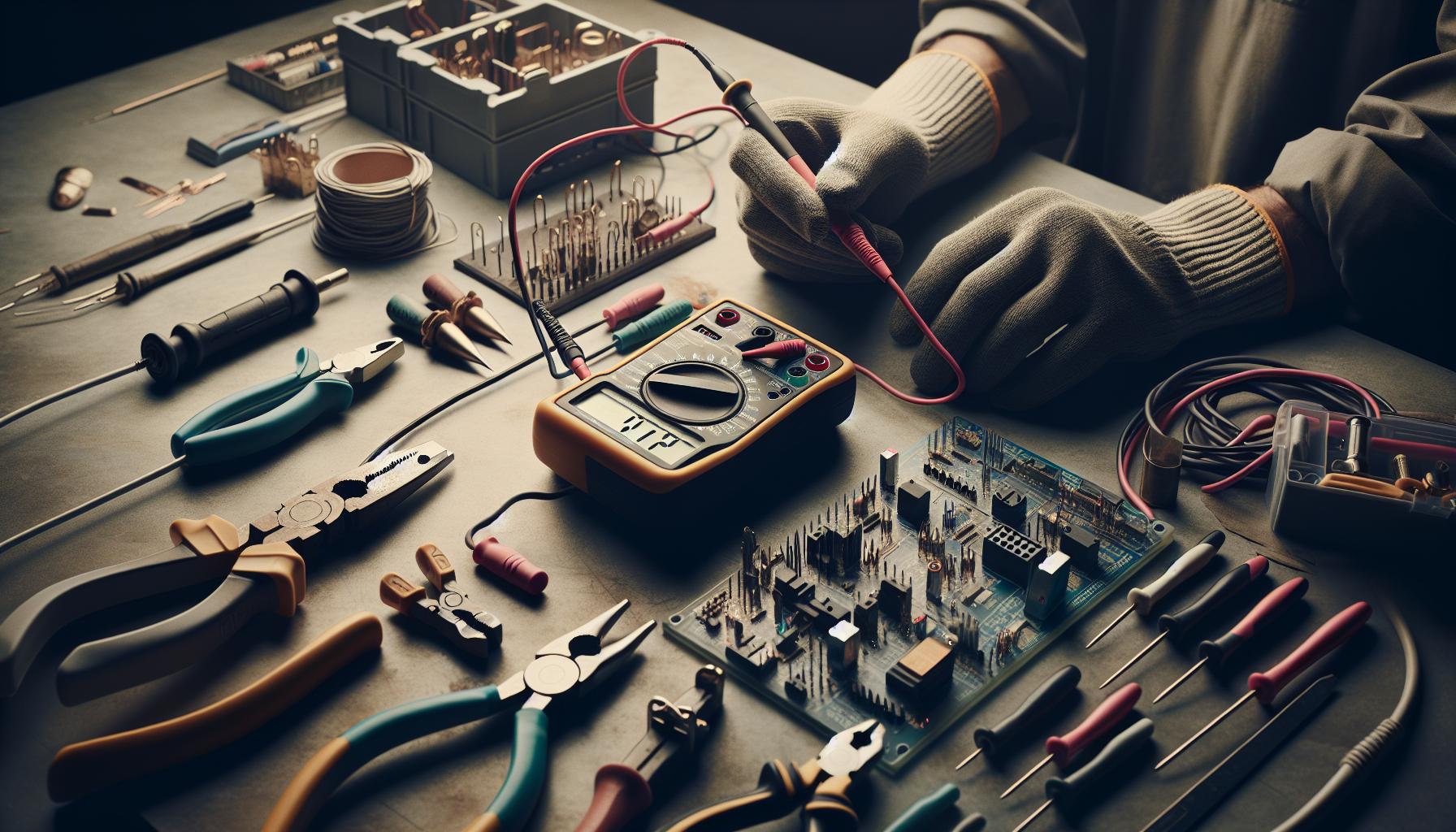
Step-by-Step Guide: How to Measure Amperage
Measuring amperage accurately is essential for electricians, as it directly impacts both safety and functionality in electrical systems. Using a multimeter to check amperage can seem daunting initially, but by following a clear, step-by-step process, you can efficiently and safely measure current levels in various applications.
Begin by gathering all necessary tools and safety gear, including insulated gloves, goggles, and your multimeter. Ensure your multimeter is set to the appropriate setting for measuring current (either AC or DC, based on your task). If you’re using a clamp meter, attach it around the conductor you wish to test, making sure it’s unbroken, as current flows through that pathway. For direct measurement, you may need to break the circuit that you’re testing; ensure that power is turned off before proceeding to avoid any electrical hazards.
Once you’ve prepared your multimeter and the circuit, re-energize the circuit to take your measurement. With a standard multimeter, connect the leads properly; the red lead should go into the “A” or “mA” socket, and the black lead should remain connected to the common COM terminal. This step is critical-connection errors can result in inaccurate readings or damage to the device. If you’re measuring high amperage with a clamp meter, ensure it’s positioned securely around the wire.
Upon making these connections, read the display to note the amperage. Should you need to troubleshoot or verify your findings, consider using another multimeter or testing on different parts of the circuit. Understanding the nuances of your readings is vital. For instance, interpreting a higher than expected amperage can indicate potential overloads or malfunctioning devices that require immediate attention.
By equipping yourself with the right tools and following a conscientious procedure, you ensure not only your safety but also the reliability of your amperage measurements-vital for any successful electrical professional’s work.
Safe Practices When Using a Multimeter
When working with a multimeter, the importance of safety cannot be overstated; even experienced electricians can face risks if proper precautions are not taken. One key statistic highlights this risk: electrical hazards account for a significant number of injuries in the workplace each year. Adopting stringent safety practices not only protects you but also promotes a culture of safety within the electrical profession. Here are practical guidelines to ensure safe multimeter usage when measuring amperage.
Prepare for Safety
Before even picking up your multimeter, ensure that you’re wearing appropriate personal protective equipment (PPE). This includes insulated gloves and safety goggles to protect against accidental shocks or sparks. Additionally, assess the environment where you’ll be working; remove any potential hazards such as water or metal objects that might accidentally make contact with exposed conductors or circuit points.
Verify Multimeter Settings
Always double-check that your multimeter is appropriately set for measuring current, whether AC or DC. Incorrect settings can not only yield inaccurate readings but also lead to equipment damage or personal injury. For instance, using the resistance setting instead of the current setting can create a short circuit, resulting in device failure or worse.
Work in De-energized Conditions
Whenever possible, disconnect power to the circuit before making measurements. If it is necessary to measure current in a live circuit, be extremely cautious-confirm that your multimeter leads are in the correct sockets (red lead in ‘A’ or ‘mA’ and black in ‘COM’) and that your hands are dry. If using a clamp meter, ensure it is securely positioned around the conductor to eliminate the risk of slipping during measurement.
Stay Focused and Alert
Maintaining concentration while working with electrical systems is vital. Distracted electrical work is one of the common mistakes leading to accidents. If you’re feeling fatigued or if your environment is chaotic, consider postponing your tasks. Plan your measurements in a manner that minimizes the need for repeated tool adjustments or re-tests, which can increase exposure to hazards.
By adhering to these robust safety practices, you safeguard not only your health but also the integrity of your electrical work. In the ever-evolving field of electrical engineering, where standards and technologies change rapidly, committing to safety ensures longevity in your career and proficiency in your craft, thereby enhancing your resume and overall professional competency.
Common Mistakes to Avoid with Amperage Testing
When it comes to measuring amperage with a multimeter, even seasoned electricians can fall prey to common pitfalls that jeopardize both safety and accuracy. One of the most frequent errors is failing to set the multimeter correctly for the type of measurement being taken. Using the resistance setting instead of the current setting is a significant mistake that can result in inaccurate readings or even damage to the multimeter. Ensuring the device is properly configured for either AC or DC measurement is crucial for obtaining reliable results and protecting equipment.
Another prevalent mistake is neglecting to verify the lead connections on the multimeter. For accurate current measurements, the red lead must be connected to the correct terminal designated for current (often labeled ‘A’ or ‘mA’), while the black lead should always connect to the common terminal (‘COM’). Incorrect lead placement can lead to erroneous readings-sometimes reading zero when current is flowing-or worse, causing damage to the multimeter if there’s a severe current overload.
Safety should be paramount in any electrical work, and a common oversight is attempting to measure current on a live circuit without adequate precautions. While it might be necessary at times, it’s essential to be vigilant and ensure that your hands are dry and your workspace is organized to minimize distractions. Working in de-energized conditions is safer and strongly recommended whenever possible, reducing the risk of electrical shock and ensuring clear focus on the task at hand.
Lastly, many overlook the importance of understanding the circuit being tested, including potential loads and the behavior of the circuit under different conditions. Failing to assess the overall system can lead to underestimating the risk or complications involved in making amperage measurements. Always take the time to plan measurements carefully, and maintain an awareness of the equipment and environment to avoid mistakes that can jeopardize both personal safety and the integrity of the electrical system.
Interpreting Multimeter Readings: A Professional Approach
When working with multimeters, accurately interpreting readings is essential for effective electrical diagnostics and safety. A common point of confusion arises regarding the relationship between voltage, amperage, and resistance. Understanding Ohm’s Law, which states that ( V = I times R ) (voltage equals current times resistance), can significantly aid in interpreting your measurements. For example, if you know the voltage and resistance in a circuit, you can easily deduce the expected current, empowering you to spot anomalies in your multimeter readings.
When inspecting your multimeter’s display, pay close attention to the units. Amperage is typically measured in amps (A) or milliamps (mA), and fluctuations in the reading can indicate changes in load or potential issues within the circuit. A stable reading suggests the circuit is functioning normally; conversely, rapid changes can indicate a faulty component or an intermittent connection. If you’re measuring AC currents, look for readings that may fluctuate rapidly on the multimeter due to the alternating nature of the current; in such cases, using a true RMS (Root Mean Square) multimeter will provide more accurate readings.
Tips for Accurate Interpretation
- Gain Familiarity with Your Tools: Spend time getting to know your multimeter, including its features and how to switch between different modes. This familiarity helps in quicker, more accurate readings.
- Cross-Check Your Measurements: Whenever possible, use another measuring device to confirm your readings. This redundancy helps catch any errors or malfunctions in the multimeter.
- Know Your Circuit: Understanding what to expect from the circuit being measured (normal operating conditions) can help you quickly identify discrepancies. Familiarize yourself with the electrical layout and operational parameters.
Understanding Reading Fluctuations
In practice, fluctuations in amperage readings can emerge from various factors, including voltage spikes or inconsistent load conditions. For instance, when measuring the amperage draw of an electric motor, you might notice temporary spikes as it starts up, known as inrush current, which can be several times higher than its normal operating current. By noting these spikes, you can assess if the motor is functioning within its designed parameters or experiencing unintended stress.
Additionally, while interpreting readings, consider the load that the circuit is intended to support. If your measurements consistently exceed the expected amperage, it could signal a problem such as overloaded circuits, poor connections, or failing equipment. Documenting trends in your readings over time can also provide invaluable insight into the health of the electrical system, allowing you to anticipate potential failures before they occur and improve your overall safety practices in the field.
Advanced Techniques for Accurate Amperage Measurement
Accurate amperage measurement is a critical skill for electricians and technicians, significantly influencing diagnostics and system performance. Leveraging advanced techniques can elevate measurement accuracy and reliability. One effective method involves the use of Clamp Meters, which are especially useful for measuring high currents without needing to break the circuit. These devices clamp around the conductor and use electromagnetic induction to provide a reading, minimizing disruption and enhancing safety. For alternating current (AC) measurements, opting for a true RMS (Root Mean Square) clamp meter ensures that fluctuating currents are accurately measured, accommodating the complexities of variable loads.
Utilizing Differential Measurement Techniques
To further refine your results, integrating differential measurement techniques can assist in identifying anomalies. By taking measurements at different points in a circuit, you can compare the amperage across various segments. This method helps isolate issues like excessive voltage drop or unexpected load distribution within the circuit. Additionally, using a shunt resistor for low-current measurements provides precise insights, especially when high accuracy is necessary. By placing a known low-resistance shunt in series with the load, the voltage drop across the resistor can be interpreted using Ohm’s Law to calculate the current.
Calibration and Regular Maintenance
Maintaining calibration on measurement tools is crucial for consistent accuracy. Regular calibration of your multimeter is essential, as even the best equipment can drift over time. Most professional-grade multimeters will come with recommended calibration schedules. Moreover, it is advisable to perform functional checks before critical measurements to ensure that the equipment operates within specified tolerances. Keeping a log of calibrations can also assist in tracking tool performance, ultimately leading to more accurate data collection and assessment.
Utilizing these advanced techniques not only improves the accuracy of amperage measurements but also enhances overall electrical safety and system reliability. By staying educated on the latest tools and methods, electrical professionals can navigate complex systems effectively, anticipate potential failures, and implement proactive measures to maintain operational integrity.
Interpreting and Troubleshooting Multimeter Results
Understanding how to interpret and troubleshoot multimeter results is crucial for any electrical professional seeking accuracy and reliability in measurements. Misreading data can lead to improper diagnostics, system failures, or even dangerous conditions if not managed properly. When checking amperage, a multimeter provides a wealth of information that, when correctly interpreted, can pinpoint issues within a circuit or device.
Begin by ensuring that your multimeter is set to the correct mode and range for measuring current, whether that be AC or DC. If your readings appear unusually high or low, it’s essential to check your connections first. Poor contact at the probes can provide erroneous readings; making sure that connections are secure can often solve apparent measurement errors. Familiarize yourself with the expected amperage for the specific application you’re testing, as knowing the normal ranges will help identify anomalies more easily.
If you encounter a scenario where your multimeter reads zero amperage when you expect a current flow, check the circuit for blown fuses, tripped breakers, or interrupted connections. Additionally, using a clamp meter can be advantageous in these situations-if the clamp meter detects a current, the issue may lie within the multimeter itself or its configuration. Conversely, if the readings are higher than anticipated, this might indicate a short circuit or an overload condition, prompting a further investigation of the circuit components and their integrity.
Performing a sudden increased load test-by turning on appliances or adding devices to the circuit-can also provide insights. Document the multimeter readings during this test; significant changes can reveal much about the capacity and responsiveness of the circuit. Employing a systematic approach to data analysis not only enhances diagnostic skills but also nurtures a habit of thoroughness that pays dividends in safety and efficiency.
Being adept at interpreting multimeter results involves a blend of theoretical knowledge and practical experience. The industry increasingly values professionals who can leverage advanced tools in digital and automated electrical environments. Upgrading your skills through continued education and certifications is essential to adapt to modern technologies, such as smart home systems or electric vehicle charging installations. Establishing a routine for regular troubleshooting practices will ensure that you remain reliable and efficient in your work, ultimately leading to advances in your career and increased client trust.
In summary, meticulous attention to detail in is fundamental for electrical professionals. Mastery over these techniques ensures not only personal safety but the optimal performance of electrical systems, paving the way for improved diagnostics and system reliability.
Applications of Amperage Measurement in Electrical Work
Amperage measurement is crucial in ensuring the safety, efficiency, and functionality of electrical systems in various applications. Whether you’re troubleshooting a malfunctioning circuit, assessing load capacities, or installing new electrical components, understanding and measuring current flow can significantly influence the project’s outcome. For instance, correctly measuring amperage can help prevent overheating and potential electrical fires, particularly in high-load scenarios where devices or appliances may draw excessive current.
In residential and commercial settings, amperage measurement is often employed to analyze the performance of HVAC systems, appliances, and power tools. By ensuring that these devices operate within their designed load specifications, electricians can prevent system failures and prolong equipment life. Additionally, during energy audits, measuring the amperage of various circuits can identify opportunities for energy efficiency improvements, thus helping clients save on energy costs while minimizing their carbon footprint.
The Role of Amperage Measurement in Diagnostics
Accurate amperage readings can reveal underlying issues in electrical circuits that may not be immediately apparent. For example, fluctuating amperage levels while a device is in operation might indicate loose connections or failing components. Electricians leverage these insights to diagnose and rectify problems before they escalate into significant failures. Regular monitoring and testing can also form a part of preventive maintenance routines, ensuring that systems operate efficiently and safely over time.
Amperage Measurement in Modern Technologies
As technology evolves, the importance of amperage measurement continues to grow, particularly with the rise of electric vehicles (EVs) and smart home systems. Electricians working in these areas must be proficient in using advanced tools and techniques for amperage testing. For instance, the installation of EV chargers requires careful measurement of available current to ensure that the electrical system can safely support the additional load. Moreover, integrating smart home devices often necessitates analyzing the performance and load requirements of multiple appliances to prevent circuit overloads.
Utilizing tools such as clamp meters allows for quick and non-invasive measurements of current, providing efficient solutions in tight spaces or complex installations. By staying updated on the latest technologies and methodologies related to amperage measurement, electrical professionals can enhance their skill sets, leading to better job performance and career advancement opportunities.
With these applications in mind, wielding precise amperage measuring techniques not only cultivates safety but also enhances efficiency, making it an indispensable practice for electrical professionals in today’s rapidly evolving landscape.
Exploring Different Types of Multimeters for Amperage Testing
Choosing the right multimeter for amperage testing is crucial for any electrician, as the device impacts both the precision and safety of measurements. Multimeters come in various types, each suited for different testing scenarios and requirements. Understanding these differences can help you select the most appropriate tool for your tasks, enhancing your effectiveness in the field.
One of the most commonly used devices is the digital multimeter (DMM). These multimeters are versatile and can measure not only amperage but also voltage and resistance, making them a valuable tool for any electrical technician. Many models feature auto-ranging capabilities, which automatically select the appropriate measurement range, saving time and reducing the chance of error. Advanced DMMs can also provide additional functions like data logging and communication with a computer for in-depth analysis.
Another option is the analog multimeter, which uses a needle and dial to display readings. While they are becoming less common due to the prevalence of digital models, analog multimeters can be beneficial in certain situations, particularly for observing trends in fluctuating current. Their continuous display allows for a real-time understanding of how amperage levels change, which is crucial when troubleshooting intermittent electrical issues.
For more specialized applications, clamp meters are indispensable. These tools can measure AC or DC amperage without needing to break the circuit, simply by clamping around a conductor. This non-invasive method is particularly beneficial for high-current applications or hard-to-reach wires. Clamp meters come with features that allow them to measure voltage, frequency, and continuity, offering a comprehensive solution for verifying electrical systems.
When selecting a multimeter, consider factors such as the maximum amperage you need to measure, whether you will be working with AC or DC currents, and if additional features like True RMS measurement are needed for accurate readings in non-linear loads. Investing in a high-quality multimeter can not only enhance your efficiency but also improve the safety of your electrical work. Look for models that meet industry standards and receive positive reviews from professionals in the field, as this can assure reliability in your day-to-day operations.
By equipping yourself with the right tools and knowledge about the different types of multimeters available, you position yourself for success in electrical testing and troubleshooting. Embrace continuous learning in this ever-evolving field to stay abreast of new technologies and techniques that can elevate your skills and career.
Upgrading Your Skills: Continuous Learning in Electrical Measurement
Investing in continuous learning is essential for anyone in the electrical trade, particularly as technology advances and new methodologies emerge. The realm of electrical measurement is no exception, with professionals needing to stay informed about the latest tools and techniques for measuring amperage effectively. Embracing ongoing education not only enhances proficiency but also sets you apart in a competitive job market, leading to better career opportunities and potential salary increases.
Participating in formal educational programs, such as apprenticeships or trade schools, provides foundational knowledge and certifications that are crucial for career advancement. These programs often cover electrical fundamentals, including voltage and amperage calculations, and incorporate hands-on training with tools like multimeters. Regularly renewing certifications, such as those offered by the National Institute for Certification in Engineering Technologies (NICET) or similar organizations, can also prove advantageous for your professional standing.
To further your skills, consider online courses and workshops that focus specifically on advanced measurement techniques and the use of modern equipment. Many industry professionals benefit from webinars hosted by manufacturers of multimeters or electrical testing equipment, which often highlight new features and best practices. Participating in professional associations, such as the International Society of Automation (ISA) or the National Electrical Contractors Association (NECA), can provide invaluable networking opportunities and access to resources that keep you up-to-date with industry standards and innovations.
Finally, hands-on experience remains one of the most effective ways to solidify your knowledge and skills. Volunteering for community projects or seeking internships can expose you to real-world applications of amperage measurement, deepening your understanding and building confidence. By combining formal education, continuous learning, and practical experience, you position yourself for long-term success in the dynamic field of electrical measurement.
Ultimately, staying proactive in your professional development not only enhances your capabilities but ensures that you are well-equipped to tackle future challenges in the electrical industry, keeping your career trajectory on an upward path.
Real-World Scenarios: Practical Applications of Amperage Testing
Amperage testing is a critical skill that every electrician should master, as it directly impacts the effectiveness and safety of electrical systems. Understanding real-world scenarios where amperage testing is applied can help professionals better navigate challenges in their work environment. Whether troubleshooting a malfunctioning appliance, assessing load capacity in residential wiring, or verifying the performance of electric vehicle (EV) chargers, accurate amperage measurements are essential.
One practical example is in residential electrical troubleshooting. If a homeowner reports that certain circuits are frequently tripping, an electrician might use a multimeter to measure the amperage draw from various appliances on that circuit. By identifying appliances that exceed the circuit’s rating, the electrician can recommend solutions such as redistributing the load or upgrading the circuit. This application not only ensures compliance with safety standards but also enhances the longevity and reliability of the home’s electrical system.
In industrial settings, amperage testing plays a crucial role in motor maintenance. Electric motors often have specified operating amperage ranges; deviations can indicate underlying issues like mechanical binding or electrical imbalances. An electrician can monitor the motor’s amperage with a multimeter during operation, determining whether it functions within the expected parameters. If the amperage exceeds the manufacturer’s specifications, further investigation into the motor’s condition is warranted, potentially saving the business from costly downtime and repairs.
Furthermore, with the growing prevalence of smart home technology, accurate amperage measurements are vital for assessing the load capacity of whole-home energy management systems. As more devices connect to the electrical grid, understanding how much current these devices draw will help electricians design systems that prevent overloads and ensure optimal performance. This forward-thinking approach not only enhances system efficiency but also provides homeowners with data to manage their energy consumption effectively.
In conclusion, hands-on experience in real-world amperage testing scenarios equips electricians with the skills necessary to tackle various challenges. Each measurement taken not only protects the integrity of individual systems but also contributes to the overall safety and efficiency of the electrical infrastructure they manage. By embracing these practical applications, electricians can further their careers and ensure they deliver top-notch service to their clients.
Q&A
Q: How do I set up my multimeter to measure amperage?
A: To measure amperage, start by setting your multimeter to the appropriate current measuring mode (AC or DC). Insert the red probe into the AMPs socket and the black probe into the COM socket. Ensure the circuit is turned off before connecting the probes in series with the load for accurate readings.
Q: What is the difference between measuring AC and DC amperage with a multimeter?
A: Measuring AC amperage involves using the multimeter in AC mode, which captures the alternating current flow. In contrast, DC amperage, measured in DC mode, shows the flow in one direction. Knowing the correct setting is crucial to avoid damaging the multimeter.
Q: Why is it important to measure amperage?
A: Measuring amperage is vital for ensuring electrical systems operate within safe limits, preventing overloads that can cause circuit failures or fires. Understanding amperage also helps in diagnosing electrical issues and ensuring that devices are compatible with power sources.
Q: What are the common mistakes when measuring amperage with a multimeter?
A: Common mistakes include not breaking the circuit to insert the multimeter in series, confusing AC and DC settings, and failing to select the correct range on the multimeter. Such errors can lead to inaccurate readings or damage to the multimeter.
Q: How can I troubleshoot inaccurate amperage readings on my multimeter?
A: If you encounter inaccurate readings, first verify that the multimeter is set to the correct mode and range. Check that all connections are secure and inspect the probes for damage. If possible, test the multimeter on a known current source to ensure it functions correctly.
Q: When should I consider upgrading my multimeter for amperage testing?
A: Consider upgrading if your current multimeter does not support the correct current ranges for your work, lacks features like data logging, or has unreliable accuracy. Advanced models offer better resolution, additional functionalities, and enhanced safety features for professional use.
Q: Where can I learn more about advanced techniques for measuring amperage?
A: For advanced techniques, refer to specialized electrical training courses or online resources focused on electrical measurement. Your outlined article sections, particularly “Advanced Techniques for Accurate Amperage Measurement,” provide practical insights to help enhance your skills.
Q: Can I measure amperage on a powered circuit safely?
A: Measuring amperage on a powered circuit can be done safely only with the correct precautions: ensure you’re using a multimeter rated for the expected current, wear protective gear, and follow proper procedures. Always turn off the circuit when making connections to avoid electric shock.
Final Thoughts
Now that you’ve mastered how to check amperage with a multimeter using professional methods, it’s time to put your skills into action! Understanding current measurements is essential for troubleshooting electrical systems safely and efficiently. Remember, practicing with a reliable multimeter can boost your confidence and enhance your proficiency. If you have any lingering questions or want to delve deeper into related topics, explore our articles on electrical fundamentals, or check out our detailed reviews of must-have electrical tools.
Ready to take your knowledge further? Sign up for our newsletter for expert tips and industry insights straight to your inbox! Don’t forget to share your experiences or any questions in the comments below. Your journey into the world of electricity doesn’t have to end here. Start your next project today, and elevate your skills to new heights!