
Converting DC voltage to AC voltage is essential for powering a wide range of devices in our increasingly electrically dependent world. Knowing how to make this conversion effectively can enhance your electrical skills and boost your qualifications as a professional. Whether you’re working with renewable energy systems, power inverters, or simply upgrading your home’s electrical setup, mastering this technique ensures safety, efficiency, and compliance with industry standards. As the demand for clean energy solutions grows, understanding these conversion techniques not only aligns with current electrical trends but also positions you as a competent expert in a rapidly evolving field. Read on to discover practical methods and insights that will empower you to excel in your electrical career.
Understanding the Basics of DC and AC Voltage
To effectively grasp the distinctions between direct current (DC) and alternating current (AC) voltage, it’s essential to understand their fundamental characteristics and applications. Direct current, often generated by batteries or solar panels, flows in a constant direction, providing a steady voltage level. This makes DC ideal for electronic devices, where a stable voltage is crucial for operation. On the other hand, alternating current periodically reverses direction, typically used in power distribution systems because it can easily be transformed to various voltage levels, minimizing energy loss over long distances.
The choice between DC and AC often hinges on application requirements. For instance, electronic circuits commonly utilize DC due to its consistency, while AC is predominant in household power supply due to its adaptability for transformations and transport. Understanding these aspects helps professionals select the appropriate type of voltage for specific applications and enhances decision-making regarding conversion techniques.
Moreover, voltage conversion between DC and AC plays a pivotal role in modern electrical systems, particularly as the rise of renewable energy sources and electric vehicles shape the industry’s direction. It becomes essential for electricians and technicians to be well-versed in both concepts to ensure safety, efficiency, and compliance with current standards.
In summary, a solid foundation in the characteristics and uses of DC and AC voltage not only aids in practical applications but also equips professionals with the knowledge necessary to navigate an evolving landscape in electrical technology. Knowing when and how to execute conversions is integral to maintaining functionality and optimizing system performance across diverse environments.
Why Convert DC to AC? Benefits Explained
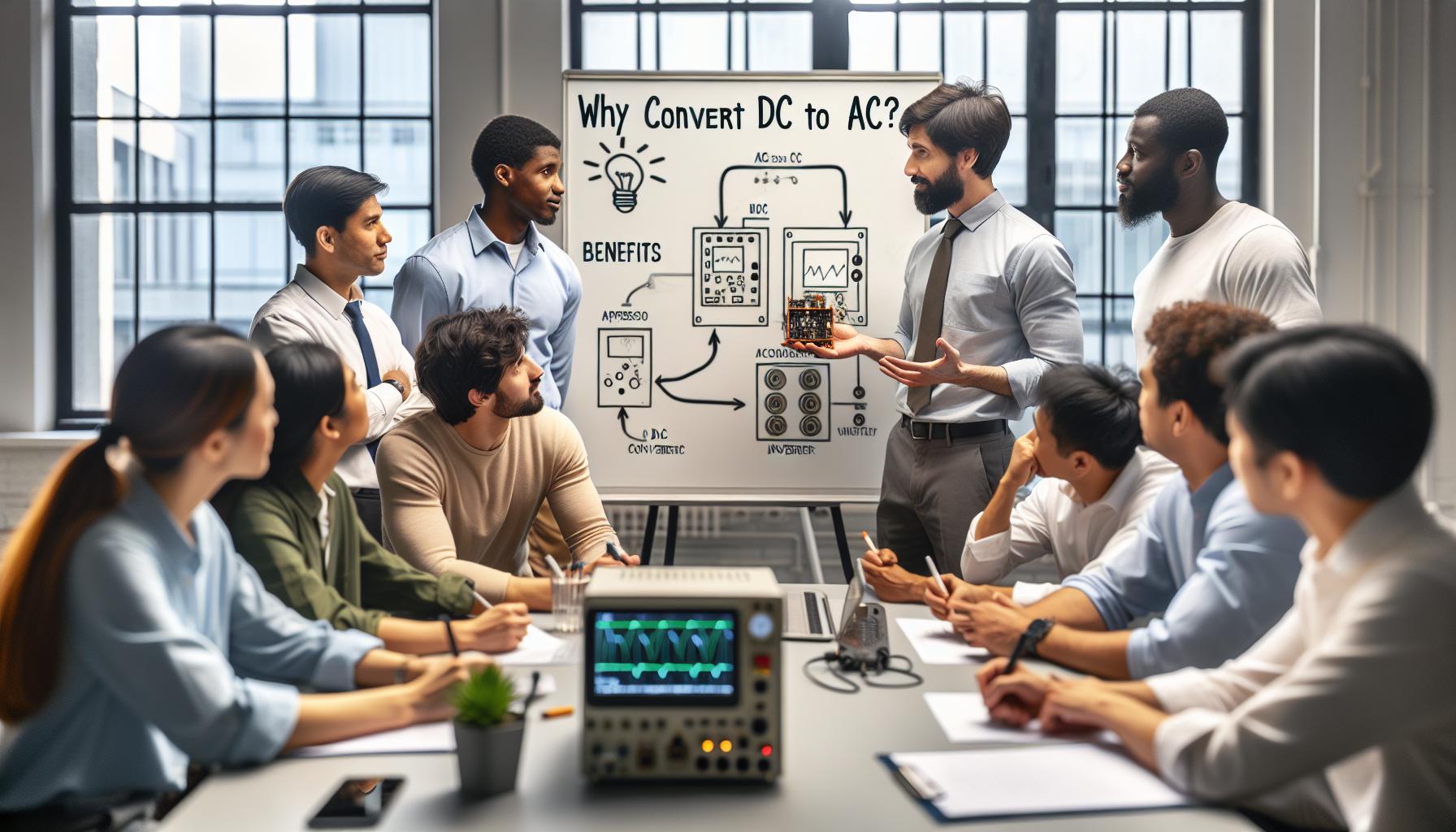
To maximize the efficiency and flexibility of electrical systems, converting direct current (DC) to alternating current (AC) becomes essential, especially as the demand for renewable energy integration continues to rise. One of the primary advantages of AC is its ability to be transmitted over long distances with minimal energy loss. This is due to the fact that AC can easily be transformed to higher voltages using transformers, which reduces the current in the wires and subsequently lowers resistive losses. This characteristic makes AC the preferred choice for utility-scale power distribution, allowing for effective energy transport from generation sites, such as wind and solar farms, to end users.
In addition to efficiency gains, converting DC to AC opens up a wider array of applications. Many household appliances and industrial machinery depend on AC for operation. By enabling the use of AC power, technicians provide the flexibility to run standard equipment in environments where DC power is generated, such as from solar panels or batteries. For example, in a solar-powered home, an inverter converts DC from solar panels to AC, making it compatible with the home’s electrical system, which is predominantly AC. This conversion not only enhances the usability of renewable resources but also fosters energy independence by allowing home and business owners to utilize clean energy effectively.
Moreover, incorporating conversion techniques not only prepares professionals for fieldwork but also enhances career advancement opportunities in various sectors. Understanding the intricacies of voltage conversion can lead to certifications and licensing that demonstrate expertise in electrical systems. As electric vehicles (EVs) and smart home technologies continue to mature, professionals skilled in DC to AC conversion will be well-positioned in the job market, potentially commanding higher salaries as demand for their expertise grows.
In summary, converting DC to AC is not merely a technical necessity but a strategic advantage in today’s evolving energy landscape. It enables broader application of renewable energy, enhances system efficiency, and opens pathways for professionals in the electrical field to expand their skills and career prospects.
Essential Tools for Voltage Conversion
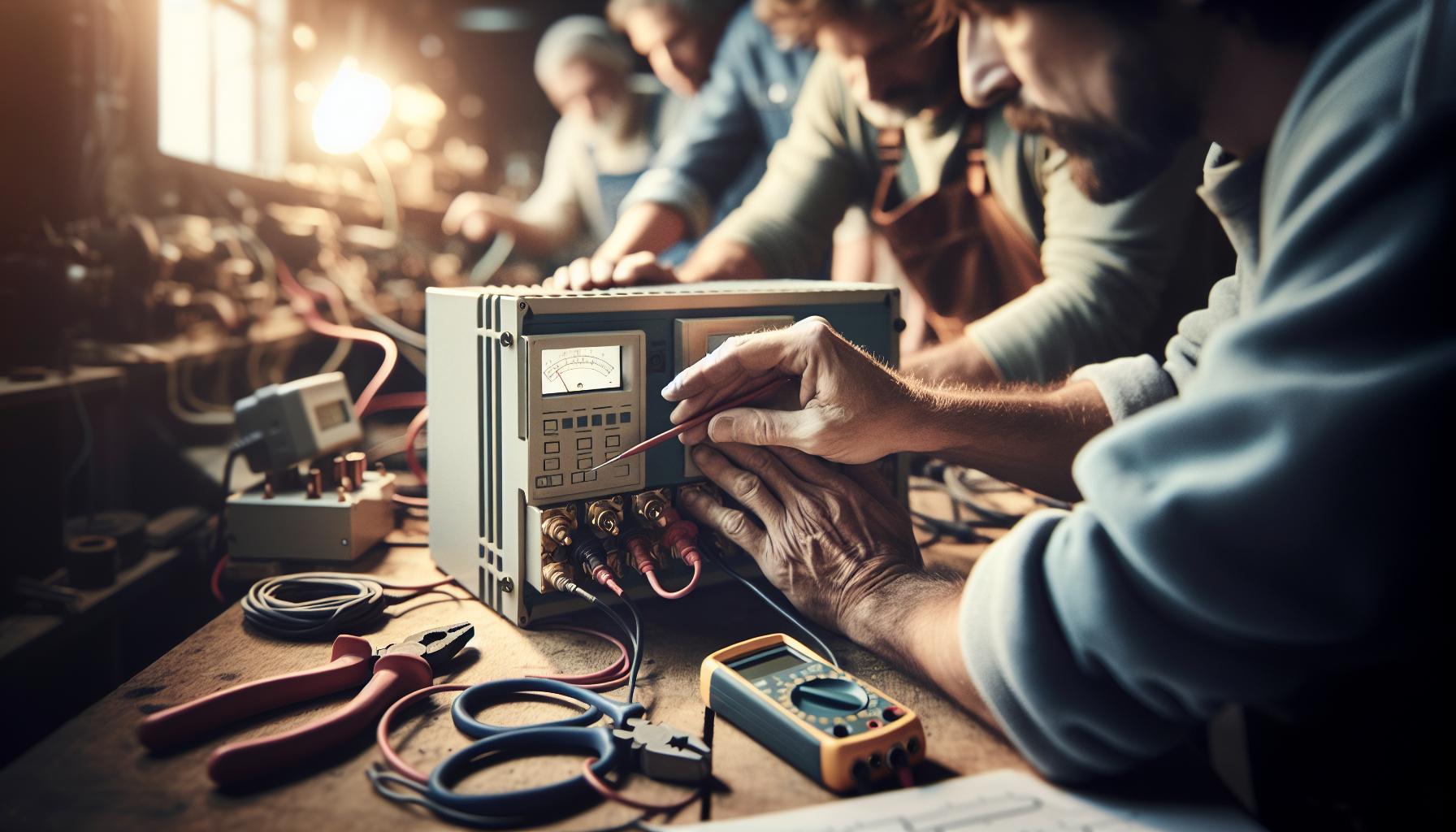
To successfully navigate the conversion from direct current (DC) to alternating current (AC), having the right tools at your disposal is crucial. A well-equipped toolkit not only enhances efficiency but also ensures safety and accuracy during the conversion process. Below are some essential tools that are commonly used in voltage conversion scenarios.
Inverters
A top-tier inverter is vital for converting DC to AC. These devices come in various types, such as pure sine wave, modified sine wave, and square wave inverters, each suitable for different applications. Pure sine wave inverters are ideal for sensitive electronics, while modified sine wave inverters offer a cost-effective option for less sensitive devices.
Multimeters
A digital multimeter is essential for measuring voltage, current, and resistance, allowing professionals to diagnose issues promptly. It assists in ensuring that the output AC voltage is stable and correctly formatted after conversion. When selecting a multimeter, look for one that provides true RMS readings for accuracy in assessing AC signals.
Transformers
Transformers help regulate voltage levels when converting electrical energy. By adjusting the output voltage, they ensure compatibility with various appliances and systems. Understanding how to select and deploy transformers is crucial, particularly for professionals working with high power loads.
Oscilloscopes
An oscilloscope is a powerful diagnostic tool that can visualize AC waveforms, helping to analyze the quality of the output signal. This equipment is particularly useful when troubleshooting issues with wave distortion or flickering signals.
Cables and Connectors
Using appropriate cables and connectors ensures secure and effective connections between DC and AC systems. Opt for cables that can handle the load requirements and use connectors rated for the specific voltage and current to maintain safety standards.
These tools not only facilitate effective voltage conversion but also prepare professionals for advanced tasks and specialties, such as renewable energy setups, EV charger installations, and smart home integrations. Mastery of these tools represents a significant step in an electrician’s career, leading to greater job opportunities and potentially higher earnings in a growing market.
Overview of Conversion Techniques
When it comes to converting DC to AC voltage, several techniques can be employed, depending on the specific application and requirements. Each method has its advantages and is tailored for different types of loads and energy systems, from renewable energy sources to household appliances. Understanding these conversion methods is crucial for electricians and technicians looking to enhance their skills or improve their service offerings.
One of the most common techniques is the use of inverters, which come in various forms, including pure sine wave, modified sine wave, and square wave inverters. Pure sine wave inverters are preferred when working with sensitive electronics, as they produce a smooth and consistent waveform similar to that of utility power. Modified sine wave inverters, while less expensive, can introduce distortion that may affect the performance of some devices, making them suitable primarily for simpler electronic systems.
Another technique involves using transformers to step up or step down voltage levels post-inversion. Transformers can be essential for ensuring compatibility between the output voltage of an inverter and the requirements of the load. By using an appropriate transformer, electricians can optimize the output, minimize losses, and improve the efficiency of the overall system.
Additionally, pulse width modulation (PWM) is a sophisticated technique employed in many modern inverters, allowing for precise control of the output waveform and voltage levels. This method helps in achieving high efficiency and stability, making it ideal for applications in solar inverters and electric vehicle chargers, where efficiency and reliability are paramount.
Understanding these conversion techniques not only equips professionals with the knowledge to choose the right method for a given application but also positions them to meet the growing demand for renewable energy technologies and intelligent home automation systems. Continuous education in these methods can lead to better job opportunities, higher wages, and a more significant impact in the evolving electrical landscape.
Using Inverters for Efficient DC to AC Conversion
Efficiently converting direct current (DC) to alternating current (AC) is a critical component in modern electrical systems, particularly with the increasing prevalence of renewable energy sources like solar power. Inverters are the heart of this process, tasked with transforming stable DC voltage into a variable AC signal that can be utilized by most household appliances and electrical grids. The selection and implementation of the right inverter type can significantly impact system performance, efficiency, and reliability.
To achieve the best results, it’s essential to choose the appropriate type of inverter for your specific application. Pure sine wave inverters are ideal for sensitive electronics, as they produce clean, stable AC power that closely resembles the electricity supplied by utilities. Electronics that include motors, transformers, and high-tech devices run smoothly and efficiently on pure sine wave output, reducing the risk of interference and damage. On the other hand, modified sine wave inverters, while generally more affordable, may introduce waveform distortions that could hinder the performance of certain devices. These inverters are better suited for basic applications or appliances that are less sensitive to power quality.
Using pulse width modulation (PWM) technology can enhance the inverter’s efficiency. This method varies the width of the power pulses sent to the output, allowing for more precise control of the waveform and, consequently, improved performance. Whether in solar inverters or electric vehicle chargers, PWM allows operators to optimize energy usage, thereby reducing waste. Professionals should also know about the efficiency ratings of inverters, which can vary widely; understanding these ratings aids in selecting the most suitable option for any specific job.
Taking a practical approach, it’s crucial for electricians to consider future renewable energy integrations when installing or upgrading systems. Investing in high-quality inverters not only ensures a better immediate operational environment but also enhances the system’s adaptability to evolving technology. Prospective electricians should remain informed about the latest inverter technologies and their specific applications, as this knowledge will be vital in positioning themselves in the competitive electrical field.
Overall, selecting the right inverter and understanding its operation are not just technical necessities but significant pillars in building a successful electrical practice. By staying current with industry standards and effectively utilizing inverters, electricians can provide superior service, enhance energy efficiency, and ultimately, contribute to a sustainable energy future.
Transformers: How They Work for Voltage Conversion
Transformers play a pivotal role in the conversion and management of electrical voltage in both commercial and residential applications. At their core, these devices leverage the principles of electromagnetic induction to step up or step down voltage levels, ensuring efficient energy transfer without a direct electrical connection between circuits. This characteristic makes transformers indispensable in systems where converting DC to AC voltage is required, especially in renewable energy setups.
The operation of a transformer is fundamentally based on two coils of wire-known as the primary and secondary windings-wrapped around a magnetic core. When alternating current passes through the primary winding, it generates a magnetic field that induces a voltage in the secondary winding. The voltage transformation ratio depends on the number of turns in each coil. For instance, increasing the turns in the secondary winding relative to the primary will increase the voltage-a function known as a step-up transformer. Conversely, in a step-down transformer, more turns in the primary lead to a reduced voltage at the secondary side.
Transformers are vital in numerous applications, particularly within electrical grids and power distribution networks. They not only facilitate long-distance transmission of electricity by stepping up the voltage, thus minimizing resistive losses, but they also help in stabilizing voltage levels at the end-user interface. For electricians, understanding transformer specifications-including voltage ratings, power handling capacity, and efficiency-can enhance their ability to design and implement robust electrical systems.
Additionally, as the industry evolves towards more complex energy solutions such as smart grids and interconnected energy systems, familiarity with transformer operation and selection becomes increasingly crucial. Professionals are encouraged to continuously educate themselves on transformer technology, including characteristics like impedance and load regulation, which can significantly impact system performance and reliability.
In summary, transformers are not merely passive devices; they are essential components for effective voltage conversion. Mastery of how they work and their applications will empower electricians to navigate the evolving landscape of electrical technologies with greater proficiency and confidence.
Comparative Analysis: Sine Wave vs. Modified Sine Wave
The choice between sine wave and modified sine wave power outputs is crucial for efficiently converting DC to AC voltage, particularly for professionals engaged in electrical systems design and installation. Sine wave inverters produce a smooth, continuous electrical signal that is similar to the power supplied by the electrical grid. This type of waveform is essential for operating sensitive electronic devices, such as medical equipment and high-fidelity audio systems, which rely on a clean power supply for optimal performance. Consequently, sine wave inverters offer a wider application and lesser risk of electrical interference or damage.
In contrast, modified sine wave inverters generate a stepped output that resembles a square wave. While they are less expensive and simpler to manufacture, their application is generally limited to less sensitive devices. Appliances like incandescent lights, small motors, and basic power tools can operate effectively on modified sine wave outputs. However, devices with complex circuitry or motors running on higher frequencies may produce increased noise, overheating, or even malfunction. Understanding this difference is essential for electricians or technicians who must assess a client’s needs and recommend the appropriate inverter type for their specific applications.
When evaluating the difference, consider the following aspects:
- Efficiency: Sine wave inverters tend to be more efficient, reducing both energy loss and operating costs in the long term.
- Compatibility: Devices designed for sine wave power will perform better and have a longer lifespan when supplied with that type of output.
- Cost: Modified sine wave inverters are usually cheaper upfront but can lead to higher operational costs if devices fail prematurely.
In practical terms, choosing the right inverter is not just about immediate cost savings but the long-term operational reliability of the equipment involved. Electrical professionals are encouraged to stay updated on technological advances in inverter designs to ensure they provide clients with the best possible solutions for their power needs.
Safety Precautions When Converting Voltage
When working with electrical systems, particularly when converting direct current (DC) to alternating current (AC), safety must always be the top priority. Whether you’re a seasoned electrician or a DIY enthusiast, understanding the inherent risks involved in voltage conversion is crucial for preventing accidents and ensuring a secure working environment. High-voltage systems pose significant hazards, so being equipped with the right knowledge and tools is essential.
One of the primary safety precautions is to always wear appropriate personal protective equipment (PPE). This includes insulated gloves, safety goggles, and flame-resistant clothing, which can protect you from electric shock, arc flashes, and other hazards. Ensure that your workspace is well-lit and organized, allowing you to maneuver tools and equipment without distraction or obstruction.
Isolation and Proper Tools
Before beginning any conversion process, isolate power sources by turning off circuit breakers or disconnecting batteries. Always confirm that the circuit is de-energized using a multimeter. Furthermore, using tools that are specifically designed for electrical work will significantly enhance your safety. Insulated tools can help prevent accidental shorts or shocks, while circuit testers and voltage detectors can aid in ensuring that you’re working with the right voltage levels.
Awareness of Electrical Codes
Adhering to local electrical codes and regulations is imperative. These codes not only guide the safe installation of electrical systems but also ensure that aspects such as grounding are accurately implemented. Proper grounding minimizes the risk of electric shock and equipment damage by providing a defined path for fault currents. Always stay updated on changes in regulations and best practices, as they can evolve based on technology advancements and safety research.
In conclusion, being aware of the risks and following stringent safety protocols can significantly reduce the likelihood of electrical accidents during DC to AC voltage conversion. By prioritizing safety and continually expanding your knowledge, you not only protect yourself but also enhance your proficiency as an electrician or electrical technician. The goal is to achieve effective conversion processes while fostering a secure environment that promotes safety and efficiency in all electrical tasks.
Common Applications of DC to AC Conversion
One of the most significant aspects of electricity is the ability to convert direct current (DC) to alternating current (AC), a process that enables the utilization of electrical energy in various applications. This conversion is vital across numerous sectors, including residential, commercial, and industrial environments. For instance, in residential settings, solar power systems produce DC, which must be converted to AC for standard household appliances and equipment. Similarly, electric vehicles utilize DC for charging, yet they rely on AC for the operation of many onboard systems.
The use of inverters is fundamental in these applications, as they efficiently convert the stored DC power from batteries or solar panels into usable AC electricity. This functionality is not merely essential for powering homes; it also plays a pivotal role in renewable energy integration into the grid. With the growing prevalence of solar and wind energy systems, the ability to convert DC to AC effectively enhances energy efficiency and sustainability efforts across the globe.
In commercial environments, such as data centers and telecommunications, DC to AC conversion enables sophisticated systems to run uninterrupted. This is particularly important for servers and communication devices that rely on stable power supply systems. By utilizing UPS (Uninterruptible Power Supply) systems, which often contain batteries providing DC output, businesses can ensure that when the primary AC source fails, their operations remain unaffected.
The industrial sector benefits too, particularly in manufacturing processes where AC motors are commonly used. Machinery such as conveyor belts, pumps, and lathes typically runs on AC power, necessitating the conversion of DC from battery backups or renewable resources. As industries continue to modernize and integrate smart technologies, understanding and implementing effective DC to AC conversion processes becomes increasingly critical for efficiency and reliability.
Overall, the importance of DC to AC conversion permeates numerous aspects of daily life and industry, unlocking the capacity to harness and utilize electric power effectively.
Troubleshooting Common Conversion Problems
When converting DC to AC, encountering problems can be common, and understanding how to troubleshoot these issues efficiently is crucial for maintaining a reliable power supply. One significant challenge is waveform distortion in the output signal. Harmonic interference from connected devices can lead to modified sine waves, resulting in reduced performance or even damage to sensitive electronic equipment. Regularly monitoring the output waveform using an oscilloscope can help identify these issues early. If distortion is spotted, consider using filters or upgrading to a pure sine wave inverter, which can significantly improve output quality.
Another common problem is overheating of inverters, often caused by overload or inadequate ventilation. Inverters have maximum power ratings, and exceeding these can lead to thermal shutdown. Ensure that the inverter is appropriately sized for the load it serves and has adequate airflow to dissipate heat. For instance, placing the inverter in a cool, well-ventilated area and keeping it free from dust can prolong its lifespan and maintain efficiency. Also, regularly check connections to prevent voltage drops that can lead to increased heat generation.
Voltage regulation issues could arise due to fluctuating input voltages, especially when using renewable energy sources like solar panels. If the input voltage is too low or high, it may affect the inverter’s ability to maintain a stable output. Implementing a maximum power point tracking (MPPT) controller can ensure the input voltage remains optimal, allowing for smoother AC output. Additionally, using surge protection devices can safeguard against voltage spikes, which can damage converters and connected equipment.
In situations where troubleshooting reveals persistent issues, consulting the inverter’s manual for specific error codes is essential. Most modern inverters are equipped with diagnostics that can indicate the source of problems. Keeping a ledger of any recurring issues and solutions will not only assist in identifying patterns but will also provide a useful reference for future troubleshooting. In essence, thorough understanding and proactive management of DC to AC conversion challenges can empower users to ensure their systems operate smoothly and efficiently.
Future Trends in Voltage Conversion Technology
As the demand for renewable energy sources and advanced electrical systems grows, the field of voltage conversion is rapidly evolving, promising significant advances in efficiency and versatility. One of the most notable trends is the increasing reliance on smart inverters that integrate advanced communication capabilities, allowing them to handle the variable output from solar panels and wind turbines more effectively. These inverters not only convert DC to AC but also optimize power distribution by communicating with smart grids. This ensures energy is used more efficiently, leading to reduced wastage and an overall increase in system reliability.
Another exciting development lies in the innovation of modular inverter designs that enhance scalability and customization for different applications. Instead of one large unit, these modular systems allow users to connect multiple smaller inverters, which can be individually managed and maintained. This flexibility is particularly beneficial for residential and commercial installations where energy demands can fluctuate. Additionally, advances in semiconductor technology have led to the development of more efficient components, such as silicon carbide (SiC) and gallium nitride (GaN) switches, which operate at higher frequencies with less power loss. This improvement stimulates the creation of lighter and more compact inverter designs, supporting the growing trend of miniaturization in electrical systems.
Integration with Emerging Technologies
The integration of voltage conversion systems with other modern technologies, such as electric vehicle (EV) charging stations and smart home devices, is set to create a new level of user experience. As households increasingly adopt EVs, the need for efficient DC to AC conversion at charging stations will escalate. Smart charging systems that utilize advanced inverters can optimize charging times based on grid demand and electricity tariffs, enhancing overall efficiency and cost-effectiveness for users. Furthermore, advancements in battery storage technology are driving innovations in hybrid systems, where batteries store excess generated energy for later use, further improving the practicality of renewable energy sources.
Regulatory and Safety Developments
Regulatory bodies are also playing a crucial role in shaping the future of voltage conversion technology. New stringent safety and performance standards are being established to ensure that inverter systems can handle the increasing complexity of energy sources and loads. As regulations evolve, manufacturers must adapt their designs to comply with safety standards while still providing efficient, reliable, and cost-effective solutions. This means keeping abreast of both current regulations and future changes.
Overall, the future of voltage conversion technology is positioning itself to meet the demands of an increasingly electrified world. With innovations in smart inverters, modular designs, and integration with emerging technologies, there lies a wealth of opportunities for professionals in the electrical field. Staying informed about these trends will empower electricians and engineers to optimize systems, enhance safety, and drive towards a sustainable energy future.
DIY vs. Professional Conversion: What to Consider
Deciding between a DIY approach and hiring a professional for DC to AC conversion is a pivotal choice that can greatly impact both safety and efficacy. While tackling electrical projects independently can save money and provide a sense of accomplishment, it’s essential to weigh the risks and responsibilities involved. A staggering statistic noted by the Electrical Safety Foundation International indicates that nearly 50% of electrical fires can be attributed to improper installation. This underscores the importance of having a thorough understanding of safety standards and electrical practices.
When considering a DIY option, knowledge and preparation are crucial. Familiarizing yourself with the basics of voltage conversion, including understanding inverters and transformers, is imperative. Effective conversion requires critical analysis of your electrical system’s requirements, such as voltage and amperage. Moreover, obtaining the right tools for the job-like multimeters, wire strippers, and safety equipment-is essential to ensure not only the success of the conversion but also your safety. A brief checklist may include:
- Research your specific setup and requirements.
- Gather necessary tools and materials.
- Understand the safety protocols for handling electricity.
Conversely, opting for a professional comes with its own set of advantages. Certified electricians bring a wealth of knowledge and experience that can save time and mitigate hazards. Hiring a licensed professional ensures compliance with local codes and regulations, which can be particularly important if you plan to integrate renewable energy solutions. Professionals are typically familiar with the latest technologies and safety standards, decreasing the likelihood of future issues or costly repairs. Additionally, many electricians offer warranties on their work, providing peace of mind that the installation is secure.
In summary, the decision to undertake DC to AC conversion as a DIY project or engage a professional hinges on your level of expertise, resource availability, and the complexity of your installation. Balancing cost-saving motives against safety and compliance will help ensure that your project achieves both effectiveness and reliability.
FAQ
Q: What is the difference between DC and AC voltage?
A: DC (Direct Current) voltage flows in one direction, providing a constant voltage level, while AC (Alternating Current) voltage changes direction periodically, typically delivering power more efficiently for long distances. Understanding this difference is crucial for effective voltage conversion.
Q: How do inverters work for converting DC to AC?
A: Inverters convert DC to AC by using electronic circuits that switch the DC voltage rapidly to create an alternating waveform. This process allows for greater versatility in using DC sources like solar panels to power AC devices, enhancing energy efficiency.
Q: What safety precautions should I take when converting voltage?
A: Always turn off all power sources before starting voltage conversion. Use insulated tools, wear protective gear like gloves and goggles, and ensure your workspace is dry. Investigate potential hazards associated with both DC and AC systems before beginning any work.
Q: What are some common applications of DC-to-AC conversion?
A: Common applications include solar power systems, uninterruptible power supplies (UPS), and various household appliances. These devices use inverters to utilize energy sources more effectively, enabling them to operate on standard AC power requirements.
Q: Can I convert DC to AC using a simple circuit?
A: While basic circuits can convert DC to AC, using an inverter is recommended for reliable and efficient conversion. Simple circuits often can’t handle the necessary power levels and may not produce a stable output, risking damage to devices.
Q: When should I consider hiring a professional for voltage conversion?
A: Hiring a professional is advisable when dealing with high voltages, intricate electrical systems, or if you lack experience. Professionals can ensure adherence to safety regulations and provide dependable results for complex conversion projects.
Q: What are the benefits of using a sine wave over a modified sine wave inverter?
A: Sine wave inverters produce a smooth wave form, making them better for sensitive electronics, providing higher efficiency and reliability. Modified sine wave inverters are cheaper but may cause overheating or inefficiencies in some devices.
Q: How do I troubleshoot common problems with voltage conversion?
A: Start by checking connections and ensuring the inverter is functioning properly. If devices aren’t powered, verify compatibility and load requirements. Consult manufacturer guidelines for specific troubleshooting procedures tailored to your equipment.
For a deeper dive into these topics, refer to the respective sections of our article on “How to Change DC to AC Voltage: Conversion Techniques.”
Closing Remarks
Thank you for exploring “How to Change DC to AC Voltage: Conversion Techniques.” To master the art of voltage conversion, remember that a strong foundation in electrical fundamentals is crucial, including understanding voltage, amperage, and load calculations. If you’re interested in further enhancing your skills, check out our guides on electrical licensing requirements and tool reviews for aspiring electricians.
Feeling inspired? Join our newsletter to stay updated on the latest trends and tips in electrical engineering. If you have any questions or would like to share your experiences, drop a comment below-your input could help others in the community! Don’t forget to explore related topics on smart home technology and EV chargers, as staying informed can significantly boost your career potential. Your journey to becoming a proficient electrician starts here; let’s continue to light the way together!