Being an electrician is not just a skilled trade; it’s a profession that comes with inherent risks. Did you know that electrical work ranks among the most dangerous occupations, with numerous hazards that can lead to serious injury or even fatality? Understanding these dangers is crucial for both aspiring electricians and homeowners alike. This guide delves into the various risks associated with being an electrician, highlighting the importance of safety measures and risk assessments. Whether you’re considering a career in this field or simply want to comprehend the challenges involved, our comprehensive overview will empower you with the knowledge needed to navigate the complexities of electrical work safely. Keep reading to uncover essential insights that could protect yourself and others in the electrical environment.
Understanding the Risks of Being an Electrician
Electricians navigate a landscape dotted with potential hazards, making it essential to understand the inherent risks of their profession. According to the Bureau of Labor Statistics, among the most alarming aspects of the job is the significant risk of electrical shock, which can lead to severe injury or even fatality. Each day, electricians work with high voltage systems, necessitating a thorough understanding of electrical principles, safety protocols, and the latest tools designed to mitigate these risks. Additionally, they often contend with physical hazards such as falls from ladders, exposure to hazardous materials, and repetitive strain injuries, underscoring the need for continuous vigilance and training.
To mitigate these dangers effectively, electricians must adhere to a comprehensive safety framework. This includes utilizing personal protective equipment (PPE) like insulated gloves and hard hats, and employing safety tools such as insulated ladders and voltage testers. A proactive approach entails not only following established safety protocols but also regularly assessing job sites for potential hazards, including proper grounding of electrical circuits and maintaining clear access to emergency shut-offs. Moreover, staying informed about evolving technologies, such as smart home devices and EV chargers, can provide insights into new safety challenges while reinforcing the importance of ongoing education and training within the industry.
Additionally, understanding the risks involves familiarity with electrical codes and regulations. These codes, which vary by region, are designed not only for the safety of the electrician but also to protect the public and property. Compliance with these regulations reduces the risk of accidents and ensures that installations meet the required safety standards. Electricians must remain current with local codes and amendments, as negligence in this area can result in serious consequences.
In light of the risks, the importance of advanced training and continuous professional development cannot be overstated. Many electricians pursue additional certifications to specialize in particular areas such as residential, commercial, or renewable energy systems. This not only enhances their skill set but also boosts their employability and potential earnings. Ultimately, understanding the multifaceted risks involved in being an electrician is crucial for cultivating a safe work environment and fostering career longevity in this challenging yet rewarding profession.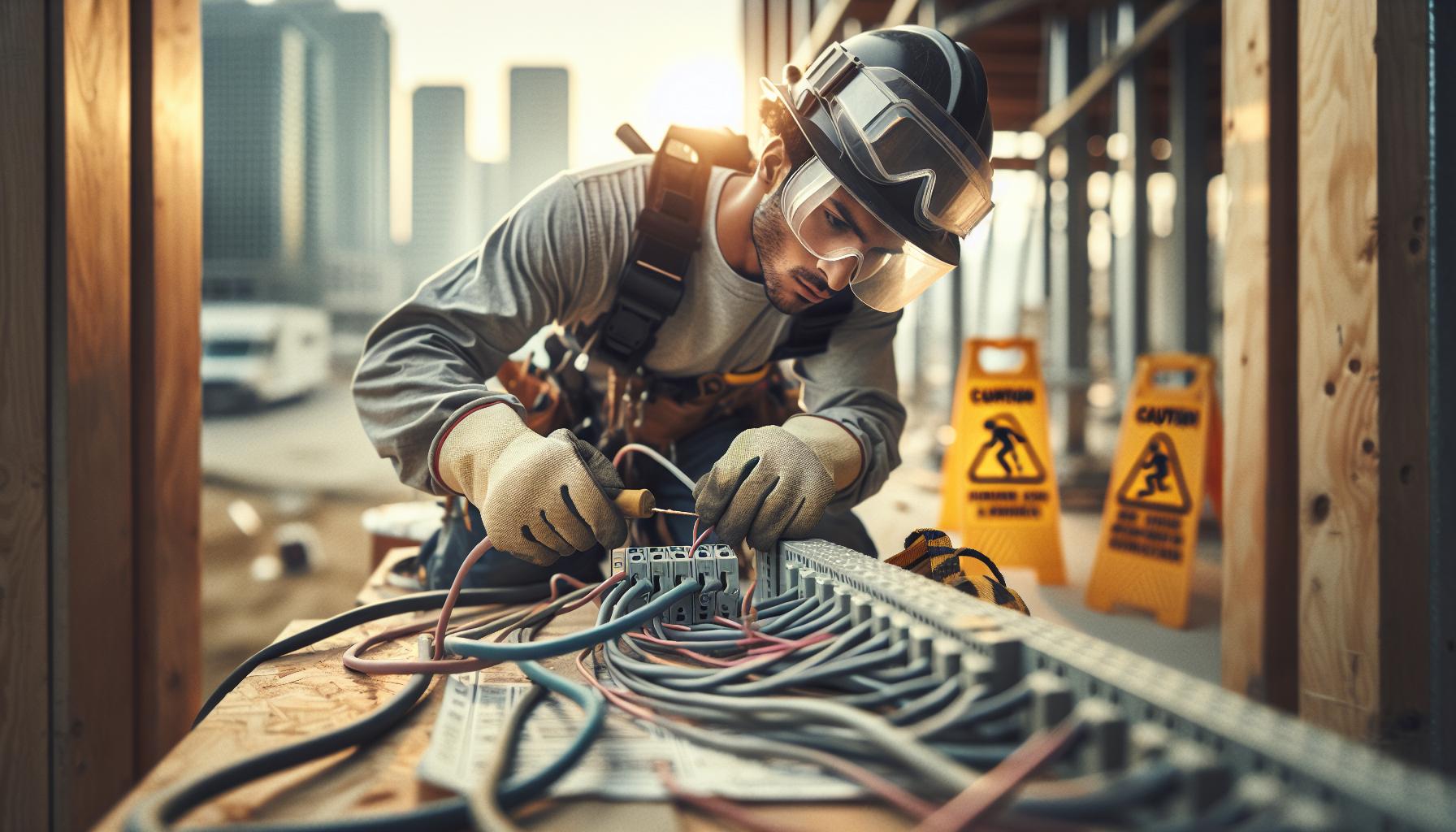
Common Hazards Faced by Electricians
Electricians face a myriad of hazards daily, reflecting the complexity and high stakes of their work. Beyond the immediate risk of electrical shock-one of the most severe dangers-the profession exposes workers to various other risks linked to tools, environments, and electrical systems. Understanding these hazards is crucial for both novice and seasoned electricians, empowering them to take proactive measures to enhance their safety and effectiveness on the job.
One of the most common hazards is electrical shock, which occurs when a person comes into contact with electrical energy, leading to potentially life-threatening injuries. Electricians frequently work in environments where they interact with live wires and high-voltage systems. It’s imperative to adhere to safety protocols such as de-energizing circuits before work and using proper insulated tools. In addition to electrical shock, electricians are at risk for falls, especially when working on ladders or scaffolding. Ensuring proper ladder safety and using fall protection gear are essential practices to minimize this risk.
Another significant hazard is exposure to hazardous materials such as asbestos, which may be present in older buildings, and chemicals used for insulation or cable cleaning. Adequate training on identifying and handling these materials is crucial to prevent long-term health issues. Furthermore, the physical demands of the job can result in repetitive strain injuries. Electricians should be mindful of their posture and use ergonomic tools wherever possible to reduce fatigue and potential injuries.
Electricians also face environmental hazards, including extreme temperatures, poor lighting, and cramped workspaces, which can contribute to accidents and affect overall productivity. Regular risk assessments and environment-specific training can help mitigate these issues. Staying up-to-date with evolving technologies, such as smart home installations and electric vehicle charger setups, can also present unforeseen challenges but understanding the inherent risks associated with these systems is essential for safe installation and maintenance.
By recognizing and addressing these common hazards, electricians can create a safer work environment, fostering their longevity and success in this critical trade.
Essential Safety Equipment and Practices
Ensuring safety on the job is paramount for electricians, as even a momentary lapse in attention can lead to serious injuries or fatalities. The right safety equipment can make all the difference, protecting workers from the hazards associated with their trade. Electricians must be equipped with personal protective equipment (PPE) tailored to the specific dangers they face, ensuring that they remain safe and effective in their tasks.
One cornerstone of electrical safety attire is insulated gloves. These gloves are designed to protect against electrical shock and should be rated for the specific voltage levels that the electrician will encounter. In addition to gloves, hard hats are essential, especially when working in environments where overhead risks are present. Fall hazards are also a significant concern; therefore, the use of harnesses and lanyards when working at heights is a vital practice to prevent falls. Proper safety footwear with slip-resistant soles can further protect electricians from injuries caused by accidents on slippery surfaces or the impact from heavy tools and materials.
In addition to wearing appropriate gear, adherence to safety practices is equally important. Electricians should always perform a thorough risk assessment before undertaking any job. This includes verifying that circuits are de-energized before working on them, using lockout/tagout (LOTO) procedures to ensure that systems cannot be accidentally energized during maintenance, and maintaining situational awareness regarding the environment and potential hazards. Utilizing proper tools designed for electrical work, such as insulated tools and multimeters that are rated for the voltage, is also crucial in minimizing risks.
Finally, continuous education and training on the latest safety standards and practices are necessary for all electricians. This includes being familiar with electrical codes and regulations, which not only cover safety but also ensure compliance with legal standards. Electricians should participate in ongoing training programs and safety drills to enhance their skills and knowledge, reinforcing safe work habits that ultimately protect their lives and those of their coworkers. By combining the right equipment with effective practices, electricians can significantly reduce the risks associated with their essential work in the electrical field.
Electrical Codes and Regulations: Why They Matter
Adhering to electrical codes and regulations is not merely a bureaucratic obligation for electricians; it is essential for ensuring safety and efficiency in every project. These codes-established by national and local authorities-serve as guidelines for safe installation and maintenance of electrical systems. By following these regulations, electricians minimize risks not only to themselves but also to the homeowners and businesses they serve. Ignoring or neglecting these regulations can lead to severe consequences such as electrical fires, shock hazards, and even fatalities, underscoring the critical importance of compliance.
Understanding the National Electrical Code (NEC), which outlines the minimum safety standards for electrical installations, is fundamental for electricians at all stages of their careers. A comprehensive grasp of these codes enables professionals to perform their duties in a manner that protects lives and property. By consistently applying these standards, electricians can also avoid costly mistakes and rework that not only impact timelines but also client relationships. Regular updates and revisions to the NEC reflect advancements in technology and safety knowledge, making ongoing education in these codes vital for any serious electrician.
Licensing and Certification Compliance
Licensing requirements vary by state and often incorporate adherence to electrical codes as part of the evaluation process during certification. For example, electricians may be required to demonstrate knowledge of current codes and undergo examinations that include components of these regulations. Maintaining an active license often necessitates completing continuing education courses that cover updates to electrical codes, which reinforces a professional commitment to safety and excellence.
Impact on Employment Opportunities
Following electrical codes can also enhance job prospects. Employers seek electricians who are well-versed in the latest regulations and who can contribute to the overall safety and compliance of their projects. As the demand for skilled electricians grows, those with certifications and a solid understanding of electrical safety codes will find themselves in a competitive advantage in the job market.
By recognizing and embracing the significance of electrical codes and regulations, electricians not only secure their professional standing but also contribute to a safer environment for everyone. This commitment to safety and compliance is part of what elevates the profession and promotes trust within the communities they serve.
Licensing Requirements for Electricians by Region
To navigate the landscape of the electrical profession successfully, understanding the licensing requirements is crucial, as they vary significantly from one region to another. This ensures that electricians are not only legally compliant but also equipped with the required knowledge and skills to perform their jobs safely and effectively. A good starting point is recognizing that most states in the U.S. require electricians to hold a license, which often involves passing an examination based on the National Electrical Code (NEC) and local codes specific to that jurisdiction.
In many areas, licensing is tiered. For instance, someone might start as a Journeyman Electrician after completing an apprenticeship program and passing a licensing exam. This often entails a required number of hours working under a licensed electrician. Once individuals gain additional experience and demonstrate mastery of electrical systems, they may pursue a Master Electrician license. This elevation usually involves a more stringent examination process and may also require demonstrating knowledge about local electric codes and business management, given that master electricians can also supervise apprentices and own electrical contracting businesses.
State-Specific Licensure Examples
- California: Requires Electricians to pass a state exam to obtain a General Electrician Certification, with various classifications for specific types of work.
- Texas: Electricians must obtain an electrician’s license through the Department of Licensing and Regulation; they can choose from several categories, including apprentice, journeyman, or master electrician.
- New York: Licensing is typically managed at the local level, meaning one must check with city regulations as they differ greatly, particularly between New York City and other areas.
The licensure process often requires continuous education to maintain the license, ensuring electricians stay updated on new technologies and safety practices. Some states also offer reciprocity agreements, allowing electricians licensed in one state to practice in another state with minimal additional testing, thus increasing job mobility and opportunities.
In addition to state licensing, many electricians choose to obtain certifications from professional organizations such as the National Institute for Certification in Engineering Technologies (NICET). Certifications can enhance a technician’s credibility, lead to positioning in specialized fields such as renewable energy technologies or smart home systems, and ultimately can influence salary potential. For example, electricians with extensive experience and specialized certifications may command higher wages, reaching upwards of $80,000 or more annually in high-demand markets.
In sum, understanding the diverse licensing requirements across regions is not only essential for compliance but also incredibly beneficial for career growth and advancement within the electrician profession. By engaging consistently with educational resources and industry standards, electricians ensure they are well-prepared to meet the challenges of a rapidly evolving profession.
Certification Paths to Advance Your Career
Advancing in the electrical profession often hinges on obtaining certifications that validate skills and expertise. For electricians, pursuing additional certifications not only solidifies their knowledge but also opens doors to specialized roles that can significantly boost their career prospects. With the industry continually evolving – especially with the rise of smart technologies and renewable energy systems – electricians who engage in continuous learning and certification are more likely to command higher salaries and take on leadership positions within their fields.
Types of Certifications
Electricians can pursue various certifications depending on their career goals and areas of interest. Some reputable certifications include:
- NICET Certification: The National Institute for Certification in Engineering Technologies offers certifications that validate expertise in specific areas like electrical power, fire alarm systems, and electrical construction.
- LEED Certification: For those interested in sustainable practices, obtaining Leadership in Energy and Environmental Design (LEED) certification demonstrates knowledge in energy-efficient construction and retrofitting.
- Renewable Energy Certifications: As renewable energy becomes more prominent, certifications in solar photovoltaic (PV) installation or wind energy technology can position electricians as experts in these growing fields.
- Home Automation and Smart Technology Certifications: As smart home systems gain traction, certifications from manufacturers or professional organizations focusing on home automation systems can provide an edge in the job market.
Certification Process and Requirements
To earn these certifications, electricians typically must meet specific education and experience requirements, which may include:
- Formal education or completion of apprenticeship programs.
- Documented work experience in the relevant field.
- Passing a standardized exam that tests specific knowledge and skills related to the certification.
Achieving these certifications not only enhances personal credibility but also expands knowledge, enabling electricians to stay current with industry trends, safety practices, and technical standards.
Impact on Salary and Career Growth
The impact of certification on salary can be substantial. Certified electricians can earn anywhere from $60,000 to over $80,000 annually, especially in high-demand markets or specialized fields. Geographic location also plays a critical role in salary potential; for instance, electricians in metropolitan areas with high living costs might command higher wages than those in rural settings.
Furthermore, certifications often lead to promotion opportunities, allowing electricians to transition into roles such as project managers, supervisors, or even business owners. The combination of practical experience and continuous education via certifications equips electricians to address the challenges presented by modern technology and innovative electrical systems effectively.
In conclusion, pursuing certifications is not just about compliance; it is a strategic move toward career advancement that ensures electricians are equipped with the necessary skills to thrive in a competitive job market. By focusing on continued education, electricians can position themselves as invaluable assets in a rapidly changing industry.
Impact of Experience on Electrician Salaries
The relationship between experience and salary in the electrical profession is not just a linear correlation; it’s a multifaceted connection that significantly influences an electrician’s earning potential. As electricians progress through various stages of their careers-ranging from apprentices to seasoned professionals-their accumulated knowledge, skill set, and, notably, their real-world experience all play critical roles in determining their overall compensation.
Typically, entry-level electricians or apprentices can expect to earn around $30,000 to $40,000 annually. However, as they complete their apprenticeships and gain hands-on experience, their wages can increase significantly. For electricians with 3 to 5 years of experience, salaries can rise to between $45,000 and $60,000, with factors like geographical location, specialization, and the complexity of electrical systems being influential. For instance, electricians working in metropolitan areas often earn more due to higher living costs and demand for skilled labor.
Salary Growth by Experience Level
| Experience Level | Typical Salary Range |
|---|---|
| Entry-Level (0-2 years) | $30,000 – $40,000 |
| Mid-Level (3-5 years) | $45,000 – $60,000 |
| Experienced (6-10 years) | $60,000 – $75,000 |
| Master Electrician / Specialist (10+ years) | $75,000 – $100,000+ |
As electricians reach the 10-year mark and beyond, their salaries can exceed $75,000, especially for those who pursue specialized certifications such as NICET or those who work in high-demand areas like solar energy installation or smart home technology. Moreover, electricians who take on leadership roles or transition into project management often find themselves earning in excess of $100,000.
In addition to direct salary increases, seasoned electricians can also benefit from enhanced job security and opportunities to train newcomers in the field, which not only reinforces their expertise but also positions them as integral resources within their organizations. Taking steps to advance one’s education, pursue relevant certifications, and remain informed about industry trends can be pivotal in maximizing both salary and career growth in this ever-evolving profession.
Evaluating Job Demand: Electricians in Today’s Market
Electricians are experiencing a robust demand in today’s job market, fueled by rapid urban development, the rise of renewable energy technologies, and increased emphasis on electrical safety standards. As the world becomes more dependent on electricity for a vast array of applications-from everyday household items to complex industrial systems-the need for skilled electricians remains critical. The U.S. Bureau of Labor Statistics projects that electrician jobs will grow by about 8% through 2029, which is faster than average for all occupations. This growth is driven not only by the necessity of maintaining existing electrical infrastructure but also by the installation of new systems in both residential and commercial sectors.
The increasing prevalence of smart home technology and electric vehicles (EVs) has further amplified job opportunities in this field. Electricians are now required not only to possess traditional skills but also to be adept in installing and servicing sophisticated systems, including smart appliances, EV chargers, and renewable energy systems like solar panels. Understanding modern electrical systems is vital, as homeowners and businesses alike are increasingly seeking efficient solutions that often require specialized knowledge and training. Electricians who can navigate these new technologies will find themselves at a significant advantage in the job market.
Aside from technological advancement, safety regulations continue to evolve, necessitating comprehensive training and ongoing education for electricians. Knowledge of the National Electrical Code (NEC) is crucial for those looking to enter the field or advance their careers. Mastering these regulations ensures that electricians can perform their work safely and in compliance with local laws, ultimately enhancing their marketability. Regions with stringent electrical codes often see a higher demand for qualified electricians, as compliance becomes critical for construction and renovation projects.
In conclusion, while the electrical profession comes with its share of risks, the increasing demand for skilled electricians, driven by technological changes and safety requirements, presents significant opportunities. Those looking to enter the field should prioritize education, certification, and staying informed about industry trends to leverage these evolving demands effectively. With the right skills and knowledge, electricians can secure rewarding careers that align with modern energy needs and safety standards.
Technological Advances Affecting Electricians
As technology rapidly evolves, so too does the role of electricians, presenting both challenges and opportunities. Electricians today are increasingly required to adapt to advancements that profoundly affect their work environments and skill sets. Understanding these technological changes is vital for ensuring future job security and enhancing safety. For instance, the rise in smart home technology has created a growing market for professionals who can install and maintain complex systems such as automated lighting, security controls, and advanced energy management solutions.
Key Technologies Reshaping the Electrician Profession
Electric vehicles (EVs) represent another significant area of growth, necessitating electricians to become proficient in installing EV chargers. As consumers transition toward more sustainable transportation, electricians with expertise in EV infrastructure can position themselves advantageously in a competitive market. Moreover, with the surge in renewable energy technologies like solar panels, electricians are expected to acquire specialized training to harness these power sources safely and efficiently. The integration of smart grids also requires a solid understanding of interconnected systems that allow for real-time data analysis and energy distribution.
Enhancing Safety through Technology
Advanced tools and equipment play a crucial role in increasing safety for electricians. Digital multimeters, thermal imaging cameras, and electric safety equipment utilize cutting-edge technology to mitigate hazards. These tools not only improve diagnostic accuracy but also facilitate safer working conditions by enabling electricians to quickly identify electrical faults and necessary repairs. Ongoing training in these technologies ensures electricians remain competent and compliant with evolving safety standards.
Training and Certification in a Tech-Driven World
With the evolving nature of technologies affecting the electrical field, continual education and certification have become paramount. Electricians are encouraged to pursue specialized training programs that cover the latest industry practices, including the National Electrical Code (NEC) updates and safety protocols relevant to new technologies. Many organizations offer certifications focused on smart technologies and renewable energy systems, which are invaluable for career advancement.
Conclusion
In summary, the technological advancements reshaping the electrician profession present significant opportunities for those willing to learn and adapt. By embracing continuously evolving tools and systems, and by actively seeking updated training and certifications, electricians can not only enhance their safety on the job but also secure their future in this dynamic industry.
Training Programs and Resources for Electricians
Equipping oneself with the right training and resources is essential for any electrician looking to thrive in a profession laden with risks and responsibilities. The breadth of knowledge required ranges from understanding electrical codes to mastering the latest technologies like smart home systems and electric vehicle (EV) chargers. Aspiring electricians can start their journey through various training programs offered by community colleges, trade schools, and apprenticeship programs, which provide foundational knowledge and hands-on experience crucial for navigating the complexities of electrical work.
Many programs incorporate essential elements of the National Electrical Code (NEC) and rigorous safety standards, ensuring that electricians are not only qualified but also equipped to work safely. For instance, organizations like the National Joint Apprenticeship and Training Committee (NJATC) provide comprehensive training resources tailored to both apprentices and experienced electricians. These programs often include computer-based training, allowing participants to learn at their own pace while acquiring necessary certifications, such as OSHA safety training and specialized courses in renewable energy technologies.
As electricians gain experience, ongoing professional development becomes pivotal for staying relevant in a rapidly transforming industry. Numerous online platforms and webinars offer continuing education on evolving electrical technologies, such as solar installation and smart grid systems. Moreover, certifications from recognized bodies, such as the Institute of Electrical and Electronics Engineers (IEEE) or the International Association of Electrical Inspectors (IAEI), can enhance a professional’s credibility and career prospects. Such credentials not only open doors to better job opportunities but also signify a commitment to safety and excellence in the field.
Ultimately, the endeavor to prioritize education and skill development is critical for electricians navigating the unpredictable environment of electrical work. Whether it’s through technical training, participating in workshops, or pursuing advanced certifications, each step bolsters an electrician’s ability to meet industry demands while ensuring personal safety and compliance with regulations. By investing in quality training programs and resources, electricians can mitigate risks associated with their work and position themselves for long-term success in a dynamic and essential profession.
The Future of the Electrician Profession: Trends and Predictions
As the electrical industry continues to evolve, the role of electricians is changing dramatically, driven by technological advancements and shifting market demands. Engaging in continuous education and adapting to new technologies will be crucial for electricians to remain competitive. For example, the increase in electric vehicle (EV) adoption has created a significant demand for skilled workers capable of installing and maintaining EV chargers. Similarly, the rise of smart home technologies necessitates a workforce well-versed in IoT (Internet of Things) systems, which seamlessly integrate various home devices for enhanced functionality and energy efficiency.
Technological Integration and Specialization
The future of electrical work will increasingly rely on automation and smart technologies. Electricians must familiarize themselves with software tools and automated systems, which not only streamline their workflow but also enhance safety protocols. For instance, utilizing augmented reality (AR) for on-site diagnostics can reduce risks associated with electrical hazards by providing real-time data and visual instructions. Moreover, continued specialization in areas like renewable energy systems will open up numerous avenues for electricians, particularly as the focus on sustainability increases globally. This shift requires certifications in solar panel installations, battery storage systems, and energy-efficient technologies, expanding the electrician’s skill set and marketability.
Licensing and Continuing Education
In response to these trends, regulatory bodies are likely to amend licensing requirements to ensure electricians possess the necessary skills and knowledge. Many regions are already implementing stricter certification processes, necessitating ongoing education for professionals to keep their licenses current. Classes on emerging technologies and updated electrical codes will become standard, making it imperative for electrical workers to invest in their professional development. Utilizing resources such as trade organizations and online courses will enable electricians to stay informed about the industry’s evolving landscape.
Salary Expectations and Job Security
According to recent data, the demand for skilled electricians is projected to grow, promising good job security and competitive salaries. Salary expectations often rise with the acquisition of advanced certifications and specialization in high-demand areas such as renewable energy or industrial electrical systems. For example:
| Experience Level | Average Annual Salary | Projected Growth Rate (Next 10 Years) |
|---|---|---|
| Entry-Level | $40,000 – $50,000 | 8% |
| Mid-Career | $60,000 – $75,000 | 10% |
| Experienced | $80,000 – $100,000+ | 12% |
In summary, electricians are at the forefront of an industry poised for significant transformation. By embracing emerging technologies, pursuing continuous education, and adapting to regulatory changes, they can not only enhance their own career prospects but also contribute to the industry’s progression. With these proactive measures, electricians can navigate the challenges of their profession while positioning themselves for long-term success.
Frequently Asked Questions
Q: What are the most common injuries electricians face on the job?
A: The most common injuries electricians experience include electrical shocks, falls, burns, and lacerations. Awareness and proper safety equipment can significantly reduce these risks. Regular safety training is crucial to ensure awareness of hazards and best practices in the workplace.
Q: How can electricians minimize risk while working?
A: Electricians can minimize risk by using personal protective equipment (PPE), following safety protocols, and staying aware of their surroundings. Implementing lockout/tagout procedures during maintenance work also helps prevent accidental electrical releases, ensuring a safer work environment.
Q: What safety training should electricians receive?
A: Electricians should receive safety training that covers electrical hazard recognition, the use of PPE, first aid, and emergency response protocols. Regular refresher courses on electrical codes and regulations are also essential for maintaining a high level of safety awareness and compliance.
Q: Are there specific certifications that enhance an electrician’s safety skills?
A: Yes, certifications like OSHA safety training, first aid, and CPR can enhance an electrician’s safety skills. Additionally, certifications like the National Electrical Contractors Association’s (NECA) Safety Professionals program provide targeted training in managing workplace safety and risk assessment.
Q: What regulations govern safety practices for electricians?
A: Safety practices for electricians are primarily governed by OSHA regulations, the National Electrical Code (NEC), and local building codes. These regulations outline safety requirements and best practices to reduce the risk of electrical hazards in various work settings.
Q: What role does experience play in the safety of electricians?
A: Experience significantly impacts the safety of electricians. More experienced electricians are typically better at identifying hazards, understanding complex electrical systems, and implementing safety measures effectively, thereby reducing the likelihood of accidents and injuries on site.
Q: How can new electricians gain the experience needed for safety awareness?
A: New electricians can gain required safety awareness experience through apprenticeships, mentorship programs, and on-the-job training. Working alongside seasoned electricians allows them to observe and learn best safety practices while progressively taking on more responsibilities.
Q: What are key safety equipment items every electrician should use?
A: Essential safety equipment for electricians includes insulated gloves, safety glasses, hard hats, flame-resistant clothing, and insulated tools. Utilizing this gear is vital for protection against electrical shocks, falling objects, and other job-related hazards.
These questions and answers provide a comprehensive overview of the risks and safety measures relevant to electricians, ensuring clarity and value for readers concerned about this profession.
Wrapping Up
As you delve into the world of electrical work, understanding the associated risks is just the beginning. Remember, being an electrician presents both challenges and opportunities for growth in a profession that demands skill, knowledge, and safety. With proper safety measures, licensing, and ongoing education, you can not only protect yourself but also enhance your career trajectory.
To learn more about advancing your skills, check out our articles on electrician certifications and the latest industry tools that can streamline your work, including EV chargers and smart home technologies. Don’t forget to subscribe to our newsletter for updates on electrical trends and safety tips that keep you informed and prepared. Join the conversation-share your thoughts or experiences in the comments below, and let’s build a community committed to excellence in the electrical trade!