High voltage systems are a cornerstone of modern electricity, powering everything from industrial machinery to urban infrastructure. However, these systems pose significant dangers that can lead to severe injury or even fatalities if not properly managed. Understanding the danger levels associated with high voltage and the necessary safety protocols is crucial for anyone working in the electrical field or living near such systems. As an electrician or an aspiring professional, being well-versed in safe practices not only protects you but also enhances your career potential and credibility. By exploring the intricacies of high voltage dangers and implementing effective safety measures, you’ll empower yourself to handle these powerful systems with confidence and expertise. Keep reading to discover essential insights that could make all the difference in your safety and professional growth.
Understanding High Voltage: Definition and Importance
Understanding high voltage is essential for anyone operating in the electrical field. High voltage, generally defined as electrical voltages exceeding 1000 volts AC or 1500 volts DC, poses unique challenges and risks that require specialized knowledge and training. Its significance stretches across a variety of applications, from power generation and transmission to industrial automation. A clear understanding of high voltage not only helps in ensuring safe practices but also opens up numerous opportunities in fields such as renewable energy, smart grid development, and electric vehicle infrastructure.
In practical terms, working with high voltage systems necessitates a rigorous adherence to safety standards and protocols. This includes recognizing the inherent dangers, such as electric shock, arc flash, and electrical burns, which can result from improper handling of equipment. Effective training programs that cover voltage-specific safety measures are vital. These programs prepare professionals to identify potential hazards, mitigate risks, and respond appropriately in emergencies. Employers who invest in comprehensive high voltage training not only enhance workplace safety but also promote greater operational efficiency, highlighting the long-term advantages of prioritizing high voltage education and understanding.
Moreover, advancements in technology, such as the integration of smart sensors and monitoring systems, enhance the management of high voltage environments. Professionals must stay updated with current industry practices and tools that support both safety and proficiency in their work. This ongoing education empowers electricians and engineers to work effectively with the latest technologies, ultimately contributing to safer workspaces and improved energy management.
Safety Risks Associated with High Voltage
High voltage systems present numerous safety risks that electrical professionals must methodically understand and manage. Working with electrical voltages exceeding 1000 volts AC or 1500 volts DC introduces dangers not typically encountered in low voltage environments. A primary concern is electric shock, which can occur when a person accidentally comes into contact with live parts. The severity of electric shock can range from minor discomfort to fatal injuries, depending on the voltage, current path through the body, and duration of exposure. Notably, voltages above 30 volts AC can begin to pose significant risk, emphasizing the need for careful attention from those working with high voltage systems.
Another critical safety risk is arc flash, a phenomenon that occurs when electrical current leaps through the air from one conductor to another, creating a flash of light and a sudden release of energy. Arc flashes can lead to severe burns and other injuries, exacerbated by flying molten metal and explosive pressure waves. It’s crucial for professionals to be aware of the conditions that can trigger arc flash events, such as equipment malfunction or improper handling, and to implement safety measures to reduce these hazards.
To mitigate these risks, it is essential to adhere strictly to established safety protocols. This includes conducting thorough risk assessments before starting work, using lockout/tagout procedures to ensure equipment is de-energized, and maintaining the use of proper personal protective equipment (PPE). Understanding the specific requirements of the work environment-including spacing and insulation standards for electrical components-further enhances safety.
As technology advances, electrical professionals must also stay informed about the latest safety innovations and practices, such as the use of thermal imaging cameras for identifying hot spots and the implementation of advanced relaying systems that can predict failures before they happen. Continuous education surrounding high voltage safety not only empowers electricians to work efficiently but also significantly reduces workplace incidents, promoting a culture of safety and responsibility within the electrical profession.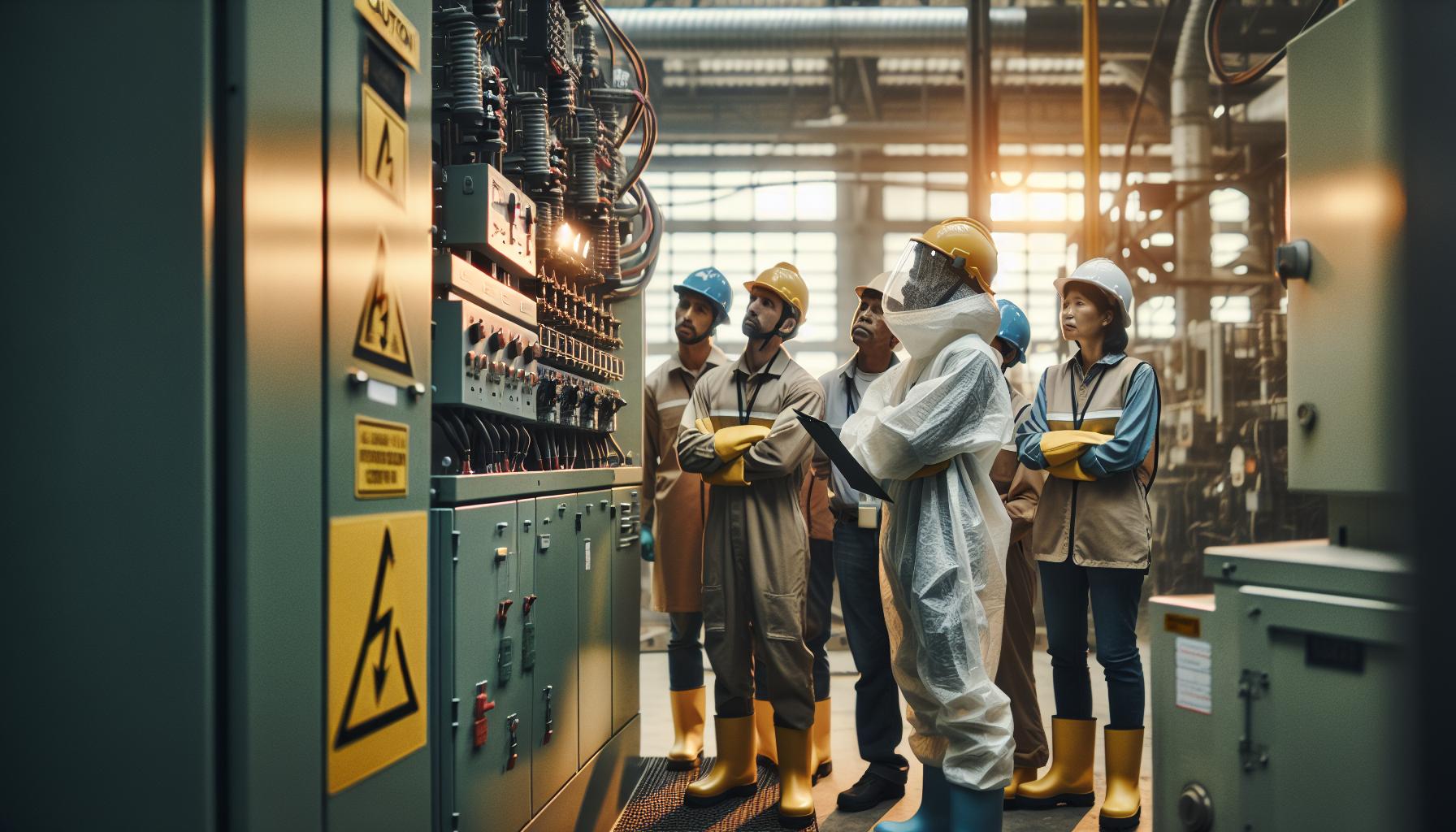
Identifying Danger Levels: What Voltage Is Considered High?
Voltage is one of the most critical elements in electrical systems, determining not just functionality but also safety. In the electrical profession, the term “high voltage” typically refers to any voltage that exceeds 1,000 volts AC or 1,500 volts DC. However, the distinction of what is considered high voltage can vary depending on the context and relevant safety regulations. Understanding these thresholds is essential for professionals in the field, as different voltage levels present varying degrees of danger and require specific safety measures.
For instance, voltages above 30 volts AC start to pose significant risks, with the potential for electric shock becoming much more pronounced. In practical terms, this means that electricians and technicians must approach systems operating at even moderate voltage levels with caution. The potential for serious injuries increases dramatically at this threshold, necessitating both mental preparation and physical precautions. Moreover, electrical installations and systems are often accompanied by regulations that define high voltage, which may influence project designs and workplace safety standards.
A comprehensive approach to electrical safety involves identifying potential hazards across the voltage spectrum. For example, voltages operated within the range of 1,000 to 10,000 volts AC are often classified as “medium voltage” and require additional layers of protection due to the risk of arcing and conductive parts. On the other hand, voltages exceeding 100,000 volts AC are labeled as “extra high voltage,” usually associated with transmission and distribution systems, demanding specialized training and equipment to ensure safety. Electricians must not only be aware of these classifications but also familiarize themselves with the equipment and technology specific to their working environment, enabling them to implement effective safety protocols.
In summary, understanding what voltage is considered high is vital for anyone involved in electrical work. This knowledge empowers professionals to make informed decisions that enhance workplace safety and operational efficiency. By following industry regulations and engaging in continuous education regarding high voltage safety, electricians can elevate their safety practices and career prospects while minimizing the risks associated with high voltage systems.
Safety Protocols: Best Practices for Working with High Voltage
Safety when working with high voltage is not just a guideline; it’s an absolute necessity. High voltage systems, typically defined as those exceeding 1,000 volts AC or 1,500 volts DC, present significant risks, such as electric shock, burns, and even fatal injuries. Therefore, implementing best practices is crucial for ensuring the safety of electricians and technicians alike.
One foundational strategy is to adopt the Lockout/Tagout (LOTO) procedure, which involves isolating energy sources during maintenance or repair work. This practice prevents the accidental energization of equipment while it’s being serviced. Workers should utilize multi-pole electrical lockout devices that clearly indicate the equipment is out of service, ensuring everyone on the job site understands the equipment is not to be energized.
Personal Protective Equipment (PPE) is another critical component of high voltage safety protocols. Electricians must wear appropriate PPE, including insulated gloves, dielectric boots, and face shields that resist arc flashes. It’s important to routinely inspect this equipment for any signs of wear or damage before use. Ensuring that PPE meets or exceeds relevant regulatory standards not only protects workers but also conveys a culture of safety at the workplace.
Training plays a vital role in enhancing safety awareness. Regular training sessions should review safe work practices and equipment familiarization, addressing common hazards associated with high voltage. Workers should be trained to identify potential risks, such as working near energized lines or components, and educated on emergency procedures, including how to respond to electrical accidents. Drills that simulate emergency scenarios can further prepare workers for real-life situations, fostering a proactive safety mindset.
Moreover, maintaining a well-organized work area is essential. Proper labeling of high voltage equipment and maintaining clear access routes can reduce risks associated with slips, trips, and falls. Documentation of equipment specifications, maintenance records, and safety inspections should also be easily accessible. This systematic approach reinforces accountability and ensures that all safety protocols are understood and followed.
To sum up, working with high voltage requires a disciplined adherence to established safety protocols. By integrating comprehensive training, personal protective equipment, effective communication, and methodical procedures, electricians can significantly mitigate risks and enhance safety in their operations, safeguarding not only themselves but also their colleagues and the public.
Personal Protective Equipment (PPE) for High Voltage Work
Working with high voltage can be perilous, and the proper use of Personal Protective Equipment (PPE) is vital for ensuring safety on the job. PPE acts as the last line of defense against electrical hazards, including electrical arcs, shocks, and burns, which can result in serious injuries or fatalities. As such, adhering to industry standards and selecting appropriate PPE is not just a regulatory requirement but a critical aspect of an electrician’s daily routine.
To effectively protect against high voltage incidents, electricians should wear the following essential gear:
- Insulated Gloves: Look for gloves rated for the specific voltage level you may encounter. These should be tested and certified to ensure they can prevent electrical shock.
- Dielectric Boots: Footwear designed to insulate the wearer from electrical currents helps minimize the risk of ground faults.
- Arc-Rated Clothing: This includes shirts, pants, and coveralls made from materials that protect against burns caused by arc flashes. Clothing should have an Arc Thermal Performance Value (ATPV) rating to gauge its effectiveness.
- Face Shields and Safety Glasses: Protecting the eyes and face from arc flashes requires specialized face shields that are rated for electrical work in conjunction with safety glasses.
In addition to the correct PPE, it’s crucial to regularly inspect protective equipment for any signs of wear or damage. For instance, even tiny cuts or punctures in insulated gloves can significantly reduce their effectiveness. By establishing a rigorous inspection routine, electricians can ensure their gear remains up to standards, providing optimal protection during high-risk tasks.
Furthermore, awareness of PPE maintenance is key. All items should be properly stored when not in use and cleaned according to the manufacturer’s recommendations to maintain their protective qualities. Combining the right protective equipment with thorough training and adherence to safety protocols creates a culture of safety that benefits the entire work environment. By prioritizing PPE, electricians not only safeguard their own well-being but also set a standard for workplace safety across the industry, reinforcing the importance of responsibility in high voltage work.
Emergency Response: What to Do in High Voltage Situations
Working in environments with high voltage power presents potential dangers that require immediate and effective response strategies should an incident occur. Understanding the correct emergency procedures can be a lifesaver, not only for the individual exposed but also for coworkers and bystanders. Electrical accidents often result in severe outcomes, making it essential for all personnel to be trained in emergency response protocols.
The first step when faced with a high voltage incident is to ensure personal safety and the safety of others nearby. This means avoiding contact with the individual who is electrically shocked and the electrified equipment. Immediately alert others by shouting for help or using a two-way radio to inform co-workers. Always call for emergency medical services, as prompt medical intervention can be critical.
Once assistance has been requested, if you’re qualified and safe to do so, turn off the power supply at the nearest breaker or remove the offending source of electricity if it does not pose a risk to you. If that’s not possible and the victim is still in contact with the electricity, do not attempt to pull them away. Instead, use a long, non-conductive object-like a piece of wood or a plastic broom handle-to separate them from the source while ensuring you are also at a safe distance from the current.
In cases where cardiac arrest or severe injuries occur, cardiopulmonary resuscitation (CPR) should be administered if trained to do so. It is crucial to ensure that emergency responders are informed of the high voltage exposure so they can take appropriate precautions upon arrival. Additionally, provide relevant details about the incident, such as what equipment was involved and how many individuals were affected.
Finally, comprehensive training sessions, regular safety drills, and the establishment of a clear emergency response plan are vital for any organization dealing with high voltage systems. By embedding these safety practices into the workplace culture, companies can foster a proactive approach to high voltage safety, significantly mitigating risks and preparing personnel to respond effectively in emergencies. Understanding these protocols is a critical component of maintaining workplace safety standards in industries where high voltage is present.
High Voltage Equipment: Types and Their Applications
High voltage equipment is a critical component in various sectors, from power generation to industrial applications, and understanding the types and their applications can greatly enhance workplace safety and efficiency. In many instances, high voltage systems are necessary for transmitting electricity over long distances, making them integral to national power grids. For instance, transmission lines operate typically at voltages above 100 kV, allowing electricity to travel vast distances with minimized energy losses. This operational characteristic not only supports infrastructure but also contributes to the overall reliability of power delivery.
Types of High Voltage Equipment
High voltage equipment can be broadly categorized into several types, each serving specific functions:
- Transformers: Used to step up or step down voltage levels, transformers play a crucial role in power distribution systems. High voltage transformers are particularly important in substations where electricity is converted for local use.
- Circuit Breakers: Essential for protection and control, circuit breakers interrupt current flow in the event of an overload or short circuit. High voltage circuit breakers are designed to handle the immense energy levels present in transmission lines.
- Switchgear: This encompasses devices that control, protect, and isolate electrical equipment. High voltage switchgear is often found in substations, ensuring safe operation during maintenance or fault conditions.
- Cables: High voltage cables are specialized conductors used to transport electrical power efficiently. They are often insulated with materials that can withstand high electrical stress, ensuring safety and performance under adverse conditions.
- Insulators: These components prevent unwanted current flow, ensuring the integrity of high voltage lines. Proper insulator design is critical for minimizing electrical discharge and maintaining safety standards.
Applications Across Industries
The applications of high voltage equipment are numerous and varied:
- Power Generation: High voltage equipment is pivotal in the transfer of electricity from generation facilities (e.g., power plants) to distribution networks, ensuring that energy is delivered effectively to consumers.
- Industrial Processes: Many manufacturing processes require high voltage equipment to operate machinery that uses large amounts of power, such as electric arc furnaces in steel production.
- Transportation: Electrified rail systems use high voltage transmission to power trains efficiently, contributing to reduced environmental impacts compared to diesel engines.
In all these contexts, ensuring proper maintenance and adherence to safety protocols is vital. Employing trained professionals who understand the intricacies of high voltage work can significantly reduce risks. With appropriate protective measures, the use of this equipment not only enhances productivity but also maintains a safe working environment.
Regulatory Standards: Guidelines for High Voltage Safety
Understanding and adhering to regulatory standards is crucial for mitigating risks associated with high voltage systems. Various organizations, such as the Occupational Safety and Health Administration (OSHA), the National Electrical Code (NEC), and the Institute of Electrical and Electronics Engineers (IEEE), outline best practices that professionals must follow. Compliance with these standards not only enhances safety but also improves overall operational efficiency and reliability. For example, compliance with NEC standards can significantly reduce the likelihood of electrical hazards, which account for over 50,000 fires and numerous fatalities each year.
When working with high voltage systems, the following guidelines should be at the forefront of every professional’s mind:
- Clearance Distances: Always maintain proper clearance distances, which vary based on the voltage levels involved. For instance, OSHA mandates specific clearance requirements for lines operating at 50 kV or greater, requiring greater distances to ensure safety.
- Lockout/Tagout Procedures: Implement comprehensive lockout/tagout (LOTO) procedures to ensure that systems are properly shut down and unable to be started up again while maintenance is being performed, protecting workers from unexpected energization.
- Insulation and Equipment Integrity: Regular inspections and maintenance of insulation integrity through appropriate testing methods (such as insulation resistance testing) are essential to ensure that all high voltage equipment remains safe for use.
- Appropriate Training: Ensure all personnel involved are adequately trained as per industry standards. This training should include electrical safety, proper use of tools, and emergency response strategies specific to high voltage situations.
Adhering to these guidelines not only helps in compliance with legal standards but also fosters a culture of safety within organizations. In practical terms, this means investing in Continuous Professional Development (CPD) for employees, which is often viewed positively during audits and inspections. The ability to demonstrate commitment to safety through the implementation of these standards can enhance an organization’s reputation and operational efficiency.
Ultimately, fostering a proactive approach to regulatory compliance in high voltage environments is about more than simply following rules; it’s about empowering professionals to work safely and effectively while ensuring the integrity of the electrical systems in their care.
Training Requirements for High Voltage Professionals
Ensuring safety and proficiency in high voltage environments begins with comprehensive training for professionals in the field. With high voltage systems posing immense risks-such as electric shock, arc flash incidents, and equipment damage-the importance of specialized training cannot be overstated. According to recent studies, up to 4,000 electrical injuries occur annually in the United States, underscoring the urgent need for stringent training and safety protocols. Professionals must be equipped with the knowledge and skills to navigate these hazardous environments effectively.
Training for high voltage professionals typically includes a combination of classroom instruction and hands-on experience. Key components of the curriculum should cover the following essential areas:
- Understanding Electrical Theory: Knowledge of basic electrical principles, including voltage, amperage, resistance, and load calculations, forms the foundation for safe high voltage work. This understanding is crucial for interpreting system diagrams and troubleshooting issues.
- Compliance and Standards: Familiarity with regulatory standards set by organizations like OSHA, NEC, and IEEE is imperative. Training should focus on how these standards apply to daily tasks and how to maintain compliance to ensure workplace safety.
- Emergency Response Techniques: Professionals must learn how to respond effectively to electrical emergencies, including electrical fires and shock incidents. This section should include first aid training and use of emergency equipment.
- Use of Personal Protective Equipment (PPE): Adequate training on selecting and using PPE-such as insulated gloves, flame-resistant clothing, and face shields-is vital to minimize exposure to electrical hazards.
In addition to foundational training, high voltage workers must continually update their skills through ongoing education and certifications. Programs such as the National Institute for Certification in Engineering Technologies (NICET) and industry-specific courses provide pathways for professionals to advance their careers. These certifications not only enhance knowledge but also improve employability and earning potential, with experienced electricians earning upwards of $80,000 annually, depending on their region and expertise.
Implementing a structured training framework empowers high voltage professionals to operate safely and efficiently. Employers should prioritize continuous professional development (CPD) and offer refresher courses to keep staff updated on advancements in technology and procedures. By fostering a culture of safety and learning, organizations can significantly reduce workplace incidents and elevate their operational competence in handling high voltage systems.
Monitoring and Measuring High Voltage: Tools and Techniques
In the world of high voltage systems, accurate monitoring and measurement are crucial to ensuring safety and efficiency. The ability to precisely gauge voltage levels, current flow, and other electrical parameters can not only prevent catastrophic failures but also prolong equipment life and optimize performance. Key tools and techniques used in this domain empower professionals to gather vital data, facilitating informed decision-making and proactive maintenance strategies.
Essential Tools for Monitoring High Voltage
Professionals typically rely on a range of instruments designed to handle high voltage environments effectively. Some essential tools include:
- Digital Multimeters (DMMs): These versatile devices can measure voltage, current, and resistance with high accuracy. Specialized high voltage DMMs are designed to handle the rigors of elevated voltage levels, ensuring precision in readings.
- Oscilloscopes: These instruments allow technicians to visualize electrical signals over time. By displaying voltage waveforms, oscilloscopes help identify faults, waveform distortion, and other issues in high voltage circuits.
- Power Quality Analyzers: These tools monitor the electrical system’s performance, measuring aspects such as voltage sags, surges, and harmonic distortion. Maintaining power quality is essential in high voltage applications, as these factors can adversely affect equipment performance.
- Voltage Detectors: Used primarily for safety, these handheld devices allow professionals to quickly determine the presence of voltage in a circuit. Non-contact voltage detectors are particularly useful for ensuring that equipment is de-energized before work begins.
Techniques for Effective Measurement
Employing the right measurement techniques is equally important as having the correct tools. Here are some best practices to follow when monitoring high voltage systems:
- Routine Testing: Regular voltage and current testing should be part of scheduled maintenance, helping to identify potential problems before they escalate.
- Thermal Imaging: Utilizing thermal cameras can help detect hot spots in electrical systems. These anomalies can indicate resistance issues or overloaded circuits, which are critical to address promptly.
- Data Logging: Automated data loggers can continuously record voltage and current levels, enabling long-term trend analysis. This data is invaluable for forecasting maintenance needs and optimizing system performance.
- Follow Standards and Protocols: Adhering to industry standards, such as those set by the IEEE or IEC, ensures reliable measurement and monitoring practices. Keeping up with these guidelines helps facilitate both safety and compliance in high voltage work.
Through the correct application of sophisticated tools and robust measurement techniques, professionals in the electrical industry can significantly enhance their operational safety and efficiency in high voltage environments. By integrating these practices into regular maintenance routines, electricians not only safeguard themselves but also contribute to the overall reliability of high voltage installations.
Case Studies: High Voltage Incidents and Lessons Learned
High voltage systems can pose significant dangers if the proper precautions are not taken. An insightful case study drawn from a power distribution incident highlights the critical importance of adhering to safety protocols. In this incident, an unexpected equipment failure occurred during maintenance work on a high voltage transformer. The team, while following standard procedures, underestimated the residual voltage present after de-energizing the equipment. As a result, one technician received a severe electric shock when attempting to inspect the transformer, underscoring the necessity of thorough verification that the circuit was completely de-energized.
This incident led to a comprehensive review of safety protocols. Post-incident investigations revealed a lack of clear labeling on the circuit that had been serviced and a failure to consistently apply lockout/tagout procedures. In response, the company instituted rigorous training sessions emphasizing the importance of using voltage detectors and verifying isolation before initiating work. These changes not only improved worker safety but also fostered a culture of accountability among the technicians, illustrating that effective communication and adherence to established safety practices can mitigate risks considerably.
Another case worth noting involved a medium voltage distribution line that failed due to a surge in demand during a heatwave, leading to a catastrophic failure that resulted in widespread outages. Following this event, the utility company implemented advanced monitoring technologies, including real-time data logging systems, to predict and manage voltage levels dynamically. By investing in preventive maintenance strategies and advanced monitoring, the company was able to enhance grid reliability, reduce the incidence of equipment failure, and ultimately protect both their infrastructure and the safety of their workers.
Through these examples, it becomes evident that continuous improvement in training, tools, and protocols is essential in high voltage environments. Workers should always be equipped with appropriate personal protective equipment (PPE), and safety culture should be ingrained within the operational framework of any electrical organization. Conducting regular drills and revisiting protocols frequently can empower teams to respond effectively to emergencies, thereby reducing both risks and liabilities in high voltage settings.
Future Trends in High Voltage Technology and Safety
The evolution of high voltage technology is poised to revolutionize the electrical industry, enhancing both safety and efficiency in complex systems. As the demand for reliable energy sources continues to surge, innovations in high voltage systems emerge as pivotal components. One significant trend is the integration of smart grid technology, which employs sensors and advanced data analytics to monitor and manage electrical flows in real-time. This capability not only improves operational efficiency but also enhances safety by allowing for immediate detection of anomalies that could lead to hazardous conditions.
Additionally, advancements in insulation and materials technology are crucial for safeguarding personnel and infrastructure. The development of high-performance insulating materials, such as advanced polymers and nanomaterials, can withstand higher temperatures and voltages, thereby increasing the safety margins considerably. This improvement enables utilities to operate at higher efficiency ratings while minimizing the risk of electrical failures and accidents.
Training and Certification Innovations
An equally important trend is the evolution of training methodologies for high voltage professionals. With the rise of virtual reality (VR) and augmented reality (AR), training programs can simulate high voltage environments, allowing workers to engage in hands-on practice without the risks associated with real-world training. Such immersive experiences can dramatically enhance understanding of safety protocols and equipment handling-key factors in preventing accidents in the field.
Furthermore, regulatory bodies are increasingly emphasizing the need for ongoing education and recertification processes to maintain high safety standards. This approach ensures that all technicians stay updated on the latest technologies and safety practices, making them more capable of working efficiently and safely in high voltage settings. Keeping abreast of these regulatory requirements not only enhances safety but also opens doors for career advancement through specialized certifications.
Future Technologies in Monitoring and Safety
The implementation of drones and robotics for inspection and maintenance is another exciting trend. These tools can access high voltage equipment without putting human operators in danger, thereby minimizing risk. Drones equipped with thermal imaging cameras can identify hot spots in electrical setups, potentially preventing failures before they occur. Similarly, robotic technologies can perform tasks in high voltage environments, ensuring that maintenance can proceed safely and efficiently.
In summary, the future of high voltage technology intertwines safety, efficiency, and innovative practices that not only protect workers but also improve the overall reliability of electrical systems. Adopting these trends will empower professionals in the electrical field to refine their skills, enhancing their careers while ensuring the safety and functionality of high voltage operations.
Faq
Q: What is classified as high voltage?
A: High voltage is typically classified as any electrical voltage above 1,000 volts (1 kV) for alternating current (AC) and 1,500 volts (1.5 kV) for direct current (DC). Understanding these thresholds is crucial for ensuring safety in electrical applications.
Q: What are the health effects of high voltage exposure?
A: Exposure to high voltage can result in serious health risks, including electric shock, burns, and damage to internal organs. Immediate medical attention is necessary for anyone exposed to high voltage to mitigate the risk of long-term effects.
Q: How do safety protocols help in high voltage environments?
A: Safety protocols in high voltage environments are designed to minimize risks of accidents and injuries. They include proper training, the use of personal protective equipment (PPE), and adherence to established guidelines, ensuring safe operations when working with high voltage systems.
Q: Why is personal protective equipment (PPE) essential for high voltage work?
A: PPE is essential for high voltage work as it protects workers from electrical hazards such as shock and arc flash. Common PPE includes insulated gloves, dielectric footwear, and flame-resistant clothing, which help ensure safety in hazardous conditions.
Q: What should you do in the event of an electrical emergency involving high voltage?
A: In an electrical emergency involving high voltage, your first step should be to ensure personal safety and evacuate the area. Then, contact emergency services or a qualified electrician to handle the situation. Never attempt to resolve high voltage issues without proper training.
Q: How can high voltage equipment be safely maintained?
A: High voltage equipment should be maintained through regular inspections and testing by qualified technicians. This includes checking insulation integrity, ensuring proper grounding, and adhering to manufacturer guidelines to prevent accidents and equipment failure.
Q: What regulations govern high voltage safety?
A: High voltage safety is governed by various regulations, including OSHA standards and the National Electrical Code (NEC). These guidelines provide requirements for safe practices, design, and installation of electrical systems to protect workers and the public.
Q: How is high voltage monitored and measured?
A: High voltage can be monitored and measured using specialized equipment such as voltmeters and oscilloscopes. Regular monitoring is essential to ensure system integrity and detect any anomalies before they lead to hazardous situations.
The Way Forward
Understanding high voltage and its associated danger levels is crucial for anyone working in or around electrical systems. Implementing the right safety protocols can protect you and your colleagues while ensuring smooth operations in your electrical projects. If you’re eager to enhance your skills, check out our articles on electrician licensing and certifications and modern electrical techniques for invaluable insights.
Ready to take the next step in your electrical career? Don’t miss out on our newsletter for top tips, industry news, and exclusive tools designed to keep you informed and safe. Remember, knowledge is power-especially when it comes to high voltage! Have questions or experiences to share? We encourage you to leave a comment below; your insights could help fellow readers navigate similar challenges. Be safe, stay informed, and explore more of our resources to level up your expertise!