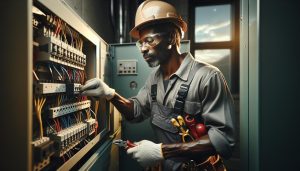
In a profession where every connection can mean the difference between safety and danger, understanding the risks associated with being an electrician is crucial. Did you know that electrical workers face a higher risk of fatal injuries compared to many other occupations? In this article, we’ll explore the realities of electrical work, from the potential hazards encountered on the job to essential safety measures that can mitigate these risks. Whether you’re considering a career as an electrician or already in the field, having a clear perspective on the dangers and the necessary precautions will empower you to prioritize safety effectively. Join us as we delve deeper into the vital topic of electrical safety and the steps you can take to protect yourself and your colleagues while thriving in this essential trade.
Is Working as an Electrician Hazardous?
Working as an electrician inherently presents various hazards, making it a career that demands vigilance, training, and a commitment to safety. According to the Bureau of Labor Statistics, electricians face higher rates of injury compared to many other professions due to the nature of the work, which often involves working at heights, handling live wires, and operating heavy machinery. The risk of electric shocks, falls, and ergonomic injuries makes awareness of safety protocols and the environment crucial for any electrician.
To mitigate these dangers, electricians should adopt rigorous safety measures and stay informed about industry standards. Understanding electrical hazards includes recognizing risks such as arc flash, electrocution, and burns from equipment. Electricians must also understand the importance of personal protective equipment (PPE), which can include insulated gloves, hard hats, safety goggles, and flame-resistant clothing. Proper PPE helps reduce the severity of injuries when accidents happen, enabling electricians to perform their tasks with a lower risk.
Furthermore, adherence to electrical codes and regulations is crucial. These standards not only guide the safe installation of electrical systems but also outline procedures in case of emergencies, ensuring that electricians know how to respond effectively. Training programs often emphasize the significance of staying current with industry advancements, including new tools and safety practices. Industry certifications further reinforce an electrician’s competence and commitment to maintaining a safe working environment. By prioritizing safety and continual education, electricians can navigate their profession with reduced risks while advancing their careers.
Understanding Electrical Hazards and Risks
Understanding the complex nature of electrical hazards is essential for anyone pursuing a career in the electrical field. Electricians routinely expose themselves to various risks, making a comprehensive understanding of these hazards paramount to professional safety. From arc flashes to electric shocks, the potential for danger is ever-present and can lead to not just injuries, but also fatalities if not managed properly.
Electricians face several critical hazards in their day-to-day work. Arc flashes, which occur when there is a fault in an electrical system, can release explosive energy sufficient to cause severe burns and other injuries. Similarly, electrocution remains one of the most serious risks, often stemming from contact with live wires. Moreover, falls, whether from ladders or scaffolding, are common injuries that can easily escalate into severe accidents due to the physical demands of the job.
To combat these hazards, understanding and utilizing proper personal protective equipment (PPE) is crucial. Electricians should always wear insulated gloves, hard hats, and arc-rated clothing to minimize risk when working on or near live circuits. The importance of continual education cannot be overstated; as electrical systems evolve, so too do the safety protocols that govern their maintenance and installation.
Practical Safety Tips:
- Regularly inspect and maintain tools and equipment.
- Stay updated with the latest National Electrical Code (NEC) standards to ensure compliance.
- Participate in ongoing training to keep skills relevant.
By prioritizing safety protocols and remaining vigilant, electricians can significantly minimize workplace hazards, leading to a more secure and resilient career path. Understanding the risks, staying educated, and utilizing appropriate PPE are critical strategies for anyone in the profession.
Essential Safety Equipment for Electricians
When it comes to working safely as an electrician, the right safety equipment is a non-negotiable necessity. Electricians operate in an environment fraught with potential dangers, including fatal risks such as electric shock and arc flashes. To defend against these hazards, the appropriate personal protective equipment (PPE) not only minimizes injuries but can also significantly enhance confidence while performing electrical tasks.
A foundational piece of safety equipment is insulated gloves, designed to provide protection against electric shock. Electricians should opt for gloves rated for the voltage they expect to encounter, ensuring they are always adequately protected. Another critical item is hard hats, which protect against head injuries from falls or overhead hazards. For those working with higher voltage systems, arc-rated clothing is vital. This specialized attire is made from materials that can withstand the intense heat and energy produced during an arc flash, offering crucial protection against severe burns.
Beyond personal gear, having the right tools and safety devices is essential. This includes insulated tools that reduce the risk of electrical contact while working, voltage testers to identify live wires, and lockout/tagout devices to ensure equipment is properly shut off during maintenance. Electricians must also be equipped with first aid kits tailored for electrical accidents, which can include burn treatments and emergency contact information for medical services.
Incorporating safety practices, such as maintaining and regularly inspecting safety equipment, enhances the workplace safety culture. By committing to personal safety and investing in quality equipment, electricians can mitigate risks and ensure a more secure work environment. When safety becomes a priority, it not only protects individual workers but the integrity of the electrical profession as a whole.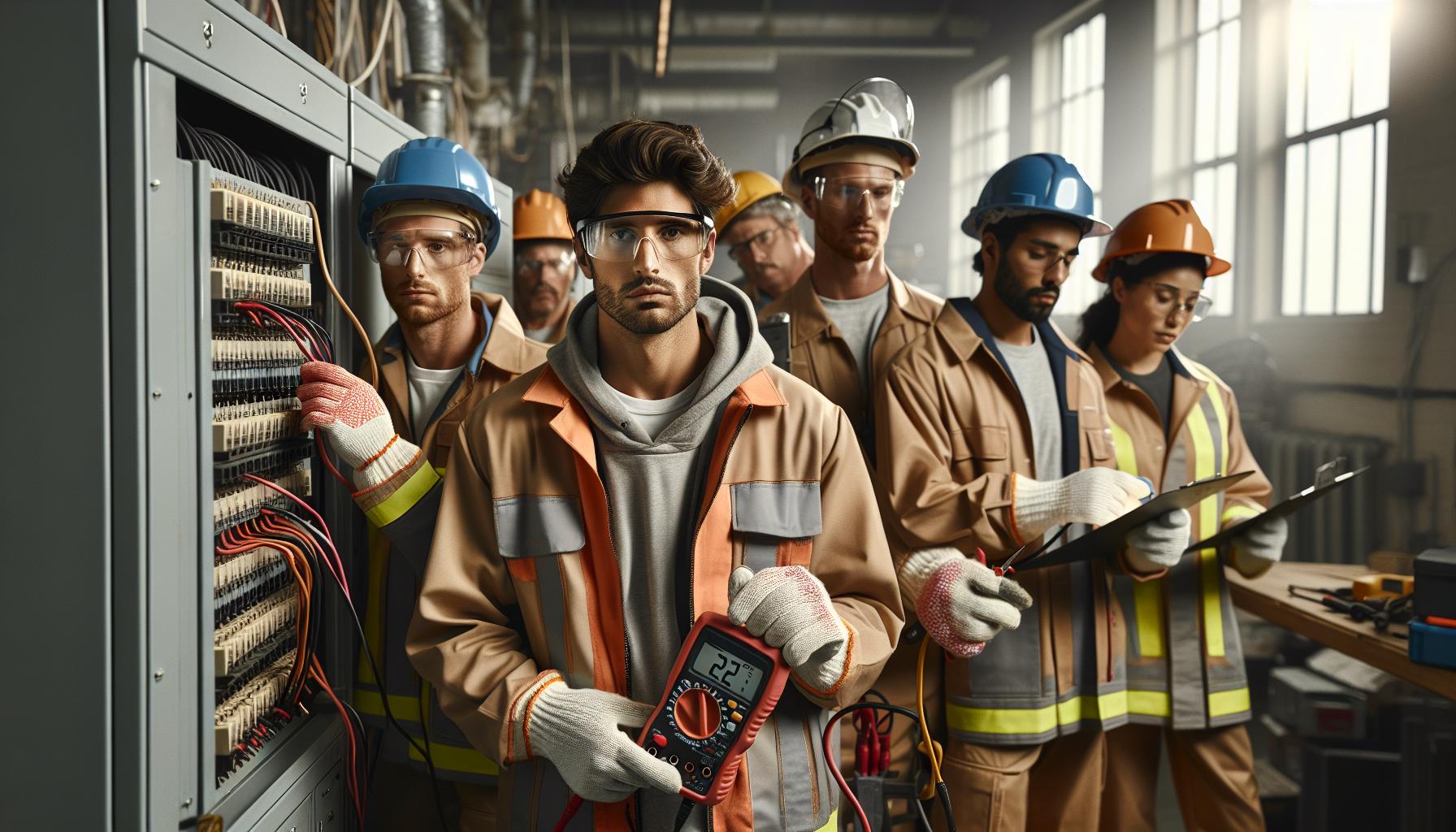
Common Safety Protocols in Electrical Work
Electricians operate in one of the most inherently risky professions, where the blend of high voltage and confined spaces can lead to devastating accidents if proper safety protocols are not followed. Understanding and adhering to established safety guidelines is crucial to maintaining a safe environment and preventing life-threatening situations. Effective safety protocols encompass several components aimed at minimizing risks associated with electrical work.
One of the fundamental protocols includes performing a thorough hazard assessment before starting any job. This involves identifying potential risks within the work area, such as live wires, wet conditions, or obstructed access to emergency exits. Electricians should also ensure they are familiar with the specific hazards associated with their tasks, including the use of high voltage equipment or working in confined spaces. By understanding these hazards, professionals can implement appropriate controls to mitigate risks.
Another critical aspect of safety protocols is the use of lockout/tagout (LOTO) procedures. This protocol ensures that all energy sources are properly shut off and cannot be accidentally restarted while maintenance or repairs are being conducted. By adhering to LOTO procedures, electricians can significantly reduce the chances of accidental electrocution or equipment-related injuries. Additionally, effective communication is essential; all team members should be informed about ongoing tasks and any specific hazards associated with those tasks.
Regular training on emergency response is also vital. Electricians should be equipped with knowledge about how to respond swiftly to electrical accidents, which includes knowing how to administer first aid for electrical burns or recovery from electric shock. Having up-to-date first aid kits readily available, as well as clear access to emergency contacts, can make a significant difference in the outcome of an incident.
Lastly, maintaining a culture of safety requires electricians to commit to ongoing education and training. This involves not only initial certifications but also continuous learning about new safety standards, equipment, and technologies. Investing in safety training empowers electricians to recognize potential hazards, utilize safety equipment effectively, and adopt best practices to ensure their safety and that of their colleagues. By prioritizing these safety protocols, electricians can navigate their high-risk profession with confidence and competence, ultimately reducing the danger associated with electrical work.
Navigating Electrical Codes and Regulations
Navigating the intricate landscape of electrical codes and regulations is essential for electricians dedicated to ensuring safety and compliance in their work. Adhering to the National Electrical Code (NEC) and local regulations mitigates risks associated with electrical installations, which can lead to fatal accidents or costly damages. These codes provide the framework for safe electrical practices, dictating everything from wiring methods to the installation of electrical components in residential and commercial environments.
Understanding the purpose and application of these codes is crucial. For instance, they often include specific guidelines related to the usage of different types of wire, the capacity loads that can be safely handled, and the requirements for grounding and bonding. Electricians must stay updated with amendments to these codes, as they evolve with advancements in technology and safety practices. Regular training programs and continuing education are invaluable, helping electricians remain informed of changes that may affect their work.
Additionally, many states require electricians to obtain various licenses and certifications, and these often demand proof of knowledge of relevant codes and regulations. In many regions, reciprocity agreements allow licensed electricians to work across state lines, but they must still be familiar with local codes, emphasizing the importance of robust foundational knowledge and adaptability.
Incorporating modern technologies, such as smart home systems and electric vehicle charging stations, further complicates compliance. Electricians must understand not only the traditional codes but also how these newer technologies integrate into existing electrical systems. Understanding the intersection of technology and regulation can empower electricians to implement upgrades effectively while aligning with safety standards. This adherence not only ensures the safety of the installations but can also bolster an electrician’s reputation in the industry, lead to repeat business, and promote a culture of compliance and safety within their teams.
The Importance of Proper Training and Certification
In the electrical trade, the stakes are exceptionally high; improper handling of electrical systems can lead to serious injuries or even fatalities. This reality underscores the critical importance of proper training and certification for electricians. Not only does comprehensive education equip electricians with the necessary technical skills, but it also instills a deep awareness of safety protocols and regulatory compliance that is essential for minimizing risks in their work environment.
Obtaining the appropriate licenses and certifications is often a prerequisite for working as an electrician. These credentials signify that an individual has undergone rigorous training and understands the intricacies of electrical systems, including voltage, amperage, and load calculations. Furthermore, many regions require electricians to maintain their competence through continuing education programs, ensuring that they are well-versed in the latest technologies and safety codes, including the National Electrical Code (NEC). Certification bodies, such as the National Institute for Certification in Engineering Technologies (NICET), offer specialized credentials that can enhance an electrician’s qualifications and marketability.
Career Stages and Ongoing Development
Electricians typically pass through several stages in their careers, beginning as apprentices before advancing to journeyman and master levels. At each stage, gaining relevant certifications is crucial. For instance, an apprentice should focus on mastering foundational skills and safety protocols, while journeymen might pursue additional certifications that deal with specialized systems like renewable energy technologies or electric vehicle (EV) charging stations. The commitment to ongoing education is not just beneficial but necessary; it prepares electricians to meet evolving requirements in a rapidly advancing field.
Additionally, understanding the regional variations in licensing can be significant. Reciprocity agreements allow electricians to leverage their credentials across state lines, but they must still familiarize themselves with local codes. For example, an electrician based in California may have different compliance considerations when working in Nevada. By investing in their education and training, electricians not only safeguard their well-being but also enhance their employability and earning potential. According to the Bureau of Labor Statistics, the median salary for electricians varies widely by region and experience, with seasoned professionals earning upwards of $100,000 annually in certain metropolitan areas.
In conclusion, the intricate nature of electrical work combined with its inherent dangers makes proper training and certification indispensable. Electricians equipped with the latest knowledge and credentials not only contribute to safer job sites but also strengthen the integrity and reputation of the profession as a whole. This commitment to safety and excellence ultimately rewards them with better job prospects, career advancement, and a safer working environment.
Real-life Experiences: Electricians Share Safety Incidents
Working as an electrician entails navigating a myriad of hazards, where real-world experiences oftentimes reveal the stark reality behind safety protocols and incidents that can occur on the job. Electricians regularly encounter scenarios that not only test their skills but also their adherence to safety measures. For instance, one electrician recounted a near-miss incident when working on a distribution panel. He was about to perform a critical connection but noticed that the lockout/tagout procedures had not been fully implemented by a colleague. This incident not only emphasized the importance of thorough communication but also the critical necessity of unwavering diligence in enforcing safety standards.
Another electrician shared a harrowing story involving high voltage lines while on a residential job. After completing a wiring installation, he instinctively reached for a tool without ensuring the circuit was de-energized. He received a minor shock that could have been fatal had he been in direct contact with a grounded surface. This incident stresses the need for meticulous attention to safety protocols, such as double-checking that circuits are fully powered off before commencing any electrical work.
During training sessions, many electricians discuss their own experiences, highlighting that sharing these stories fosters a culture of safety among peers. Learning from others’ missteps can be just as valuable as formal training, pointing out the real dangers that exist in the field. Electricians underscore the necessity of wearing proper personal protective equipment (PPE), utilizing insulated tools, and adhering strictly to established safety protocols to mitigate risks.
In sharing these personal accounts, seasoned electricians convey a crucial message: while the role is undoubtedly rewarding, it is inherently fraught with danger. They advocate for continuous education and strict compliance with regulatory standards, as these not only protect the individual but also contribute to a safer environment for colleagues and the public. By learning from past incidents and advocating for best practices, electricians can enhance their safety culture and prevent future mishaps.
Advanced Safety Techniques for Electricians
Addressing safety in the field of electrical work is not just crucial-it can be the difference between life and death. Advanced safety techniques serve as the backbone of effective risk management and play a significant role in minimizing hazards faced by electricians. By incorporating cutting-edge safety practices, electricians can further safeguard their well-being and enhance their work performance.
One essential technique is the implementation of Job Safety Analyses (JSAs) before commencing any project. JSAs provide a structured way to identify potential hazards associated with specific tasks and develop strategies to mitigate those risks. Electricians should take a few moments to analyze the work environment, equipment, and job procedures, creating a clear action plan that emphasizes safety. This practice not only encourages individual accountability but fosters a culture of safety within the team.
Another critical area is electrical isolation and testing. Before any maintenance is performed, electricians should employ lockout/tagout (LOTO) procedures to ensure all energy sources are properly deactivated. Additionally, using advanced testing equipment such as voltage testers and infrared thermometers can quickly confirm that circuits are indeed de-energized. These tools not only enhance safety but also provide peace of mind while performing risky tasks in potentially dangerous environments.
Equipping oneself with personal protective equipment (PPE) tailored to the specific hazards present is also fundamental. Beyond standard hard hats and gloves, using arc-rated clothing can significantly reduce injury from electrical arcs and flashes. Electricians should always assess the needs of each job to determine the most suitable protective gear, ensuring they are fully protected against the unique risks they may face.
To further elevate safety practices, electricians can engage in ongoing education and certification courses focused on the latest safety standards and technology, such as those related to smart homes and electric vehicle chargers. Staying current with advancements not only improves technical skills but also equips professionals with the latest strategies for hazard prevention. For example, learning about the nuances of installing EV chargers necessitates specialized safety knowledge due to the high voltages involved.
In summary, mastering these advanced safety techniques can dramatically improve both safety outcomes and job performance for electricians. By prioritizing proactive strategies such as JSAs, proper isolation and testing, suitable PPE, and continuous education, electricians can significantly mitigate risks while enhancing their expertise in this vital and challenging field.
Managing Emergencies: First Aid for Electrical Accidents
In the world of electrical work, emergencies can happen in an instant, and knowing how to respond effectively can save lives. The devastating effects of electrical shocks are not only immediate-often leading to severe injuries or fatalities-but can also result in long-term health complications for survivors. Therefore, having first aid knowledge specifically tailored to electrical accidents is imperative for electricians.
The first step in managing an electrical emergency is to ensure the scene is safe for both the victim and the responder. If it is safe to do so, disconnect the power source immediately before attempting any rescue operation. This can be achieved using a circuit breaker or a safe method of disconnection, but always prioritize personal safety. Once power is secured, assess the victim’s condition. If the person is unresponsive, it is crucial to call emergency services right away while performing CPR if trained.
In cases where the individual is experiencing a shock but is still breathing, they should be moved to a safe location away from any electrical hazards. Monitoring their breathing and consciousness is vital. Should the person display any signs of a burn, cover the area with a sterile bandage without applying creams or ointments that could complicate medical treatment later. Always have an emergency response kit on hand, equipped with items such as sterile gauze, bandages, antiseptic wipes, and an automated external defibrillator (AED) if available.
Basic First Aid Procedures for Electrical Accidents
- Ensure the area is safe: Confirm there is no live electricity before approaching the victim.
- Call for help: Contact emergency services immediately if the victim is unconscious or not breathing.
- Perform CPR: If the victim is unresponsive and you are trained, begin CPR until medical help arrives.
- Address burns: Cover electrical burns with sterile dressings and avoid applying any ointments or creams.
- Monitor vital signs: Keep an eye on the victim’s pulse and respiration until professional help takes over.
In the aftermath of any electrical accident, it is essential to encourage survivors to seek medical attention-even if they feel fine. Some electrical injuries can have delayed symptoms, making it crucial to receive professional evaluation. Regular training sessions on first aid and CPR, particularly in the electrical field, can significantly enhance safety culture and preparedness among electricians. By making first aid education a standard part of professional development, electricians can enhance safety not only for themselves but also for those they work with, ensuring readiness to respond to emergencies effectively and confidently.
Proactive Safety Measures to Mitigate Risks
Electricians face daily hazards that make proactive safety measures not just advisable but essential. According to the National Fire Protection Association (NFPA), understanding the risks related to electricity can significantly mitigate workplace dangers. In this profession, implementing these strategies can help prevent accidents and ensure both personal safety and the safety of colleagues and clients.
First and foremost, risk assessment is vital. Before any task, electricians should conduct a thorough job hazard analysis. This involves identifying potential electrical hazards, such as exposed wires or wet conditions, and implementing controls, like lockout/tagout procedures, to ensure that circuits are de-energized before work begins. All team members should be trained to recognize hazardous situations, forming a culture of safety where everyone is vigilant and proactive.
Regular safety training sessions are equally important for reinforcing the knowledge and skills needed to work safely. Electricians should be familiar with proper techniques for using hand and power tools and the latest advancements in electrical safety technology, such as ground fault circuit interrupters (GFCIs) and arc-fault circuit interrupters (AFCIs). Incorporating emergency preparedness training, including evacuation routes and emergency contact protocols, prepares workers for unforeseen situations that may arise.
Furthermore, utilizing personal protective equipment (PPE) is non-negotiable. Electricians should wear insulated gloves, safety goggles, and flame-resistant clothing to protect against electrical shocks and potential burns. Ensuring that tools are well-maintained and appropriate for their specific tasks also plays a crucial role in minimizing risk. Simple practices like inspecting tools before use and keeping work areas tidy can prevent unintentional accidents.
In a world where electrical technology continues to evolve, staying informed about industry standards and new safety procedures is fundamental. Electricians should regularly review the National Electrical Code (NEC) and participate in continuing education courses to stay abreast of the latest safety practices. Engaging with professional organizations and attending safety workshops can enhance awareness and adherence to best practices in the field. By prioritizing safety through training and the use of appropriate tools and equipment, electricians can significantly reduce their risk of accidents, making the profession safer for everyone involved.
Career Development: Safety Certifications for Electricians
As the electrical industry evolves, safety certifications have become paramount to ensuring that electricians not only meet the stringent standards required for their work but also enhance their career prospects. In a profession known for its inherent hazards-ranging from voltage exposure to risks associated with faulty installations-continuous education and certification in safety protocols provide a competitive edge and reinforce a commitment to workplace safety. These certifications, often mandated by state or local authorities, signify that electricians have the requisite knowledge to handle dangerous situations effectively and responsibly.
One of the essential certifications for electricians is the National Institute for Certification in Engineering Technologies (NICET) certification, which focuses on various aspects of electrical work, including safety protocols. Additionally, the Occupational Safety and Health Administration (OSHA) offers safety training courses specifically tailored for electricians, addressing critical topics such as fall protection, electrical safety, and emergency response. Completing these certifications not only boosts an electrician’s credibility but also expands their understanding of current safety practices, contributing to reduced workplace incidents.
Moreover, as electricians progress in their careers, they are encouraged to pursue specialized certifications in areas like renewable energy systems, green building practices, or smart home technologies. For instance, certification programs for installing electric vehicle (EV) chargers or integrating smart home technologies can position electricians as experts in high-demand fields, leading to increased job security and higher salaries. According to the Bureau of Labor Statistics, electricians in specialized areas can earn significantly more than their peers, exemplifying the financial benefits of continued education and specialization.
Investing in safety certifications is not just about compliance; it’s an investment in one’s career trajectory. With ongoing changes in technology and regulations, staying informed through structured training programs helps electricians better understand electrical fundamentals, tooling requirements, and loads calculations. Additionally, maintaining certifications often involves periodic re-evaluation, allowing professionals to adapt to new safety measures and technologies, thus ensuring a commitment to excellence in their craft. By prioritizing safety through education, electricians are empowered to not only protect themselves and others but also to excel in a dynamic and evolving industry.
Insights on Electrician Salaries and Job Security Safety
Electricians are facing an industry-wide demand that translates into robust job security and competitive salaries. As the backbone of both residential and commercial infrastructures, skilled electricians can anticipate a steady stream of work, particularly as technology continues to evolve. For instance, developments in renewable energy, smart home systems, and the electrification of vehicles (e.g., EV chargers) all require knowledgeable professionals who can navigate these complex systems safely and efficiently. The continuous need for maintenance and installation in these areas further underscores the essential nature of this profession, making job security a prevalent aspect of an electrician’s career.
Salary Insights
The salaries of electricians can vary significantly based on experience, location, and specialization. According to data from the Bureau of Labor Statistics, entry-level electricians typically earn between $30,000 to $40,000 annually, while those with several years of experience can command salaries exceeding $60,000. In specialized niches-such as renewable energy or smart technology installation-wages can soar, potentially reaching upwards of $100,000. Geographic location plays a vital role in determining pay; electricians in urban areas or regions with higher living costs often enjoy salary premiums.
| Experience Level | Average Annual Salary |
|---|---|
| Entry-Level (0-3 years) | $30,000 – $40,000 |
| Mid-Level (3-7 years) | $40,000 – $60,000 |
| Experienced (7+ years) | $60,000 – $100,000+ |
Career Advancement and Training
Continued education, licensing, and certifications significantly enhance career advancement opportunities and salary potential. Most states require electricians to be licensed, which often includes passing an exam that covers local electrical codes and safety regulations. Additionally, pursuing specialized certifications in areas such as solar energy installation, smart technology integration, or advanced safety practices can further distinguish professionals in a competitive marketplace.
By investing in both safety training and technical qualifications, electricians can limit potential on-the-job hazards while simultaneously increasing their worth in the job market. Institutions such as the National Institute for Certification in Engineering Technologies (NICET) and OSHA provide invaluable resources that contribute to a more skilled, knowledgeable workforce committed to safety and excellence in electrical work. By staying informed and adapting to technological advancements, electricians not only safeguard their personal safety but also bolster their career resilience in an ever-evolving field.
Frequently Asked Questions
Q: How can electricians stay safe while working?
A: Electricians can stay safe by adhering to strict safety protocols, such as wearing personal protective equipment (PPE), following all safety guidelines, and being trained in emergency response. Regular safety training and awareness of potential hazards are crucial for minimizing risks on the job.
Q: What are the most common injuries electricians face?
A: The most common injuries electricians face include electrical shocks, burns, falls, and cuts. Awareness of these risks and proper safety measures like using insulated tools can help prevent such injuries while working on electrical installations.
Q: Are there specific regulations electricians must follow for safety?
A: Yes, electricians must follow specific regulations like the National Electrical Code (NEC) and local building codes, which establish safety standards to prevent hazards. Compliance ensures safe practices and helps to avoid fatal accidents during electrical work.
Q: What should electricians do in case of an electrical emergency?
A: In case of an electrical emergency, electricians should immediately call emergency services if there’s a severe hazard. They should also ensure the power supply is disconnected and provide first aid if necessary. Regular training in emergency protocols is essential.
Q: How does electrical training impact safety for electricians?
A: Proper electrical training significantly impacts safety by equipping electricians with the knowledge to identify hazards, understand codes, and learn safe work practices. Accredited training programs also enhance skills in using safety equipment effectively.
Q: What role does personal protective equipment (PPE) play in electrician safety?
A: PPE plays a critical role in electrician safety, as it provides a barrier against electrical hazards, heat, and falling objects. Essential equipment includes insulated gloves, hard hats, safety glasses, and flame-resistant clothing to minimize injury risks.
Q: How do electricians assess job site safety before starting work?
A: Electricians assess job site safety by conducting a thorough job hazard analysis (JHA), identifying potential risks, checking for proper ventilation, and ensuring all safety gear is in place. This proactive approach helps mitigate risks before work begins.
Q: What can electricians do to reduce the risk of electrical shocks?
A: Electricians can reduce the risk of electrical shocks by ensuring all tools are properly insulated, avoiding contact with wet surfaces, and using ground fault circuit interrupters (GFCIs). Consistently following safety protocols is essential in preventing shocks.
In Summary
In conclusion, while the electrical trade can pose dangers, proactive safety measures, proper training, and adherence to regulations significantly mitigate risks. Equip yourself with knowledge about essential certifications, licensing stages, and the latest tools in the industry, such as smart home technology and EV chargers, to enhance your career. For those considering a move into this field, understanding average salaries based on experience and region is crucial; explore our detailed salary guide to gauge your potential earnings.
Don’t let uncertainties hold you back-take the next step in your electrician journey by diving deeper into our resources on electrical safety and tool reviews. If you found this safety check valuable, share your thoughts in the comments, and don’t forget to subscribe for updates on future posts exploring advanced electrical skills and industry trends. Together, we can empower each other to ensure a safer and more skilled electrical workforce!