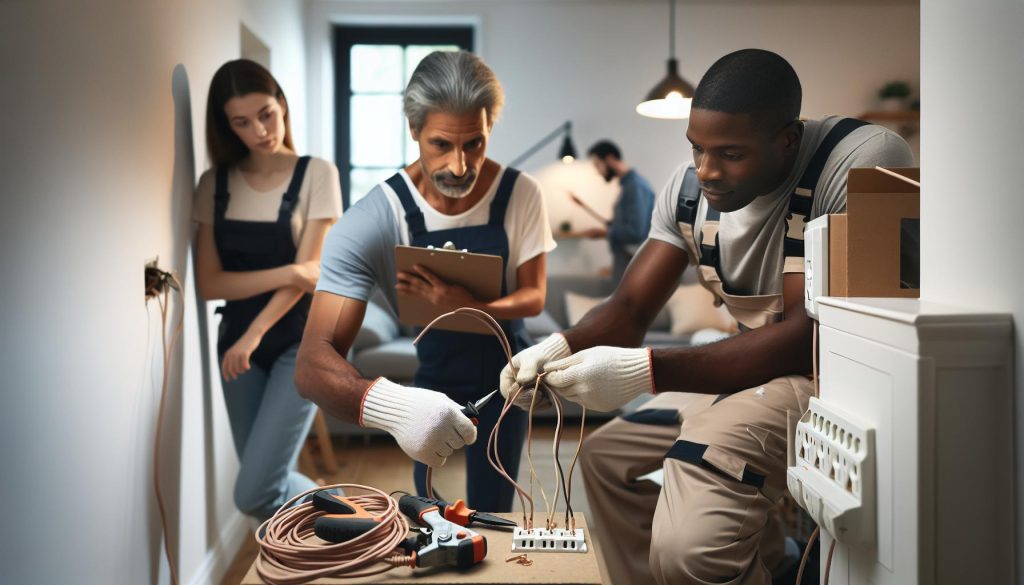
Knowing how to wire an electrical outlet is a crucial skill for both novice and experienced electricians. With improper installation, you risk creating hazardous conditions, which may lead to electrical fires or device damage. This guide offers step-by-step instructions for safe outlet installation, addressing common pitfalls and essential safety measures. As technology advances and we incorporate more devices into our daily lives, understanding the nuances of electrical work becomes increasingly important. By following industry best practices and adhering to current electrical codes, you can enhance your proficiency, ensure safety, and ultimately feel confident in every installation. Dive deeper to discover the fundamental techniques and expert tips that ensure reliable and long-lasting electrical outlet setups.
Essential Tools for Wiring Electrical Outlets
When embarking on the journey to wire electrical outlets, having the right tools can make a considerable difference in both efficiency and safety. A well-equipped electrician’s toolkit not only ensures a smoother installation process but can also mitigate risks associated with electrical work. Here’s a breakdown of the essential tools every professional should have on hand.
Must-Have Tools:
- Wire Strippers: Essential for removing insulation from electrical wires without damaging the core.
- Screwdrivers: A set of insulated screwdrivers, both flat and Phillips head, are crucial for securing outlet covers and connecting wires.
- Voltage Tester: This tool helps ensure that wires are not live before you start working, significantly reducing the risk of electric shock.
- Drill and Drill Bits: Useful for creating the necessary holes in surfaces to install outlets securely.
- Pliers: Needle-nose pliers are especially handy for bending and twisting wires together.
- Fish Tape: An indispensable tool for running wires through walls or along hard-to-reach spaces.
- Multimeter: Important for measuring voltage, amperage, and resistance to diagnose electrical issues.
Each tool in this list serves a distinct purpose that can significantly enhance the quality of your work while minimizing hazards. Remember, investing in high-quality tools is not just an expenditure; it’s an essential part of being a proficient and safe electrician. As you progress in your career, continually updating your toolkit with modern technologies is wise, particularly as smart home devices and EV chargers become more prevalent in residential installations. Regularly equipping yourself with the right tools not only enhances your skills but also aligns you with industry standards, increasing your value in the marketplace.
Understanding Electrical Safety Standards

Safety in electrical installations is not just a guideline; it’s a fundamental requirement that can prevent accidents and ensure the well-being of both the electrician and the end users. The National Electric Code (NEC) serves as the cornerstone of electrical safety standards in the United States, outlining the regulations that govern residential and commercial electrical work. Familiarizing oneself with these standards is essential for anyone involved in wiring electrical outlets, as it directly impacts the safety and functionality of the installed systems.
Compliance with electrical safety standards includes understanding the proper use of personal protective equipment (PPE), such as insulated gloves and safety goggles. Additionally, utilizing tools that meet safety requirements, such as voltage testers and circuit breakers, is crucial. For instance, Ground Fault Circuit Interrupters (GFCIs) are mandatory in areas where water and electricity might intersect, such as kitchens and bathrooms, effectively minimizing the risk of electric shock. Furthermore, maintaining the integrity of wiring systems helps prevent hazards. This includes securing loose wires, ensuring cables are not frayed, and avoiding overloading circuits.
Keeping up with evolving safety standards is paramount for professionals in the field. Regular training sessions and certifications are vital for electricians, not only to remain compliant with current regulations but to also gain insights into best practices for risk management. Apprenticeships and continuing education programs often emphasize the importance of adhering to safety codes, teaching electricians how to read and interpret the NEC, and apply its principles effectively in their work.
By investing time in understanding and applying electrical safety standards, electricians not only protect themselves but also enhance their reputation within the industry. This commitment to excellence and safety can lead to significant career advancement opportunities, as clients and employers increasingly seek out professionals who prioritize safety in their work.
Step-by-Step Guide to Installing Outlets

Installing electrical outlets is a fundamental skill every electrician must master. Not only does installing an outlet correctly enhance the functionality of a space, but it also ensures safety and compliance with local electrical codes. Following a methodical process can make the job efficient while minimizing the risks associated with electrical work.
Begin by gathering the necessary tools and materials, including a voltage tester, wire stripper, screwdrivers, and the appropriate outlet type (standard, GFCI, etc.). It’s important to turn off the power to the circuit you’ll be working on at the breaker panel, and verify that power is indeed off using a voltage tester. This initial step safeguards against electric shock and sets the foundation for a safe installation.
Next, prepare the outlet box by securing it to a stud or the wall structure. Ensure that the box is positioned at the proper height for easy access and usability. Then, carefully strip the ends of the wires to expose enough copper for connections-typically around ¾ inch. Connect the wires to the outlet as follows: the black (hot) wire to the brass terminal, the white (neutral) wire to the silver terminal, and the green or bare (ground) wire to the green screw. Pay attention to the manufacturer’s instructions, as some outlets may have specific requirements regarding wire connections.
Finally, once all connections are made, gently tuck the wires into the box, ensuring they are not pinched, and secure the outlet to the box with screws. Place the cover plate on and restore power at the panel. After turning on the circuit, test the outlet using the voltage tester to ensure correct functionality. This step not only confirms that the outlet works but also reassures you that the installation was successful and up to code. Following this methodical approach not only improves your proficiency but can also enhance your reputation as a reliable and skilled electrician.
Common Mistakes to Avoid When Wiring

Wiring electrical outlets is a common task, but many newcomers overlook crucial details that can lead to safety hazards or inefficient performance. One of the most frequent mistakes is failing to turn off the power at the breaker panel before starting the installation. This crucial step can easily be forgotten amidst the rush of gathering tools and materials and can result in severe electric shock. Always ensure that you use a reliable voltage tester to verify power is completely off before you begin your work.
Another common error involves miswiring connections. It’s essential to connect the wires to the correct terminals: the black (hot) wire should go to the brass terminal, the white (neutral) wire to the silver terminal, and the green or bare (ground) wire to the green screw. Confusing these connections not only risks damaging the outlet but also creates potential fire hazards. Always refer to the outlet’s manufacturer’s instructions, as some may have unique wiring requirements that must be adhered to.
Additionally, neglecting to secure the outlet box properly can lead to future complications. The box should be firmly fastened to the wall structure to ensure stability and to prevent the outlet from becoming loose over time. A loose outlet not only disrupts electrical connections but can also be a safety risk, as it might expose wires and lead to electrical shorts. Finally, ensure that all wires are tucked safely into the outlet box to avoid pinching, which can damage the insulation and lead to shorts or other electrical failures.
By avoiding these common pitfalls, you not only ensure a smoother installation process but also bolster your reputation as a skilled professional in the electrical field. Taking the time to double-check your work will enhance your efficiency and effectiveness, contributing to a safer environment for everyone.
Types of Electrical Outlets and Their Uses
Electrical outlets come in various types, each designed to accommodate specific needs and applications. Understanding the distinctions between them is essential for proper installation and functionality, ensuring safety for users and effectiveness for various devices. The most common types include standard duplex outlets, GFCI outlets, AFCI outlets, and specialized options like USB outlets and smart outlets.
Duplex Outlets are the standard plug-in sockets found in most homes. They typically accommodate two plugs and are rated for 15-20 amps. These outlets are suitable for everyday devices like lamps, phones, and small appliances. However, it’s crucial to note that overloading these outlets can lead to breaker trips or potential fire hazards.
Ground Fault Circuit Interrupter (GFCI) Outlets are critical in areas prone to moisture, such as kitchens and bathrooms. They protect against electrical shock by tripping the circuit when a ground fault is detected. Installing GFCI outlets is not just recommended; it’s often required by electrical codes in applicable areas. These outlets come equipped with test and reset buttons to ensure they function correctly.
Arc Fault Circuit Interrupter (AFCI) Outlets are designed to prevent electrical fires caused by arc faults, which occur due to frayed wires or loose connections. AFCI outlets are suitable for living rooms, bedrooms, and other areas where electrical fires are a concern. They operate by continuously monitoring the electrical current and can shut off the circuit when they detect irregularities.
Specialized outlets have emerged to meet the demands of modern technology. For example, USB outlets allow for direct charging of devices without the need for a bulky adapter, providing convenience in homes and offices. Furthermore, smart outlets enable remote control and scheduling of connected devices through smartphone apps, integrating seamlessly into smart home ecosystems.
When selecting the right outlet for a specific application, consider the necessary power requirements, the environment, and any applicable code regulations. Each type offers distinct advantages and ensures that installations enhance both functionality and safety. Choosing the appropriate outlet not only facilitates efficient usage but also aligns with modern electrical standards, safeguarding installations against potential hazards.
Troubleshooting Electrical Outlet Issues
Electrical outlets are essential components of any electrical system, but they can sometimes present various issues that can frustrate both homeowners and professionals alike. Understanding how to effectively troubleshoot these problems can save time, money, and ensure safety during electrical installations. One of the first steps in troubleshooting is to check for power supply issues. If an outlet is not functioning, use a voltage tester or multimeter to determine if there is power to the outlet. If the device shows no voltage, the issue may stem from a tripped circuit breaker, blown fuse, or a wiring problem upstream.
When confronted with a tripped outlet, especially for GFCI or AFCI types, take a moment to reset the device. A GFCI outlet will feature a reset button; pressing this can often restore functionality. However, if the outlet trips again, this indicates a persistent ground fault, requiring deeper investigation. Inspect the wiring for signs of wear or damage, and ensure the connections are secure. Look for certain indicators, such as burn marks, which may point to overheating or arcing. In some cases, simply replacing a faulty outlet may resolve issues, but if the problems persist, professional intervention may be necessary.
Maintaining an organized and informed approach when troubleshooting is crucial. Here are a few points to consider:
- Ensure proper use of tools: A reliable multimeter is essential for diagnosing voltage issues.
- Familiarize yourself with the electrical system: Understanding how circuit layouts work can help pinpoint faults quickly.
- Documenting problems: Keeping a record of issues can aid in spotting patterns and can be valuable during troubleshooting.
Ultimately, staying current with technology and techniques is vital in modern electrical work. Electricians should invest in ongoing education about advancements in outlet technologies, such as smart outlets, that often come with additional features and troubleshooting mechanisms. Understanding these systems will enhance an electrician’s ability to diagnose and solve outlet problems effectively and efficiently, providing better service and safety for all clients.
Advanced Wiring Techniques for Professionals
In today’s rapidly evolving electrical landscape, being proficient in advanced wiring techniques is indispensable for professionals aiming to stand out. Whether you are a seasoned electrician or an emerging technician, mastering these methods enhances both your competency and safety on the job. Implementing advanced techniques allows you to tackle complex installations, including smart home systems and energy-efficient technologies such as EV chargers, that are becoming increasingly prevalent in residential and commercial projects.
One of the most crucial aspects of advanced wiring is understanding the principles of circuit design and load calculations. Professionals should routinely perform thorough load calculations to ensure circuits are not overloaded. A common guideline is to keep the load on a circuit at no more than 80% of its rated capacity, leaving room for any unexpected surges. To visualize this, you could use a simple formula:
- For 15A circuits: Maximum load = 15A x 0.8 = 12A
- For 20A circuits: Maximum load = 20A x 0.8 = 16A
An essential skill that reflects advanced wiring aptitude is the ability to install and configure smart outlets and smart home networks. These outlets do not just provide power; they come with capabilities such as Wi-Fi connectivity, energy monitoring, and the ability to be controlled from mobile devices. Familiarizing yourself with the installation process and troubleshooting strategies for these systems not only enhances your marketability but also ensures you are ready for the next generation of electrical installations.
Best Practices for Advanced Wiring Techniques:
- Use High-Quality Materials: Invest in top-grade wiring and connectors to ensure long-lasting and safe installations.
- Stay Updated with Local Codes: Compliance with the National Electrical Code (NEC) and local amendments is crucial. New products and techniques are frequently introduced, so ongoing education through seminars or courses is recommended.
- Conduct Frequent Inspections: Routine checks can prevent future issues. Inspect connections and wiring for wear, and ensure that all outlets are functioning properly.
- Document Your Work: Keeping comprehensive records of installations and any modifications made can be invaluable for future troubleshooting and when updating or expanding systems.
With the right approach, advanced wiring techniques not only improve your work but also enhance client safety and satisfaction. By continually refining your skills and knowledge, you position yourself as a leader in the evolving field of electrical work, ready to meet the challenges of today and tomorrow.
Upgrading to Smart Outlets: What You Need to Know
The increasing demand for home automation is transforming traditional electrical systems, and smart outlets are at the forefront of this evolution. These innovative devices not only replace standard outlets but also offer enhanced functionality such as remote control, energy monitoring, and compatibility with various smart home ecosystems. For electricians looking to upgrade their installations, understanding the specifics of smart outlets is crucial for providing cutting-edge services to clients.
When considering an upgrade to smart outlets, the first step is to understand the various types available on the market. Some smart outlets replace existing ones, while others are plug-in devices that attach to regular sockets. Features vary significantly, with some models offering capabilities like voice control through platforms such as Amazon Alexa or Google Assistant. Familiarizing yourself with the specifications of these products is essential for recommending the right solution to your customers, ensuring compatibility with their existing home setups and electrical systems.
Installation Considerations
Before you begin the installation process, it’s important to fully understand the electrical layout of the home. Smart outlets typically require a neutral wire, which might not be present in older homes. If a neutral wire is lacking, you may need to advise clients on alternative solutions or upgrades to their existing wiring before the installation. Always ensure that you adhere to local electrical codes and the National Electrical Code (NEC) when proceeding with these installations.
Additionally, consider recommending energy monitoring features if your clients are interested in tracking their energy consumption. These features allow homeowners to analyze usage patterns and adjust their habits accordingly, leading to potential savings on their utility bills. Educating clients on how to utilize the accompanying smartphone apps can enhance their satisfaction and overall experience with the product.
In summary, upgrading to smart outlets represents a valuable opportunity for both electrical professionals and homeowners. By mastering installation techniques, product knowledge, and customer education, electricians can position themselves as leaders in an increasingly technology-driven market. As these smart devices become more commonplace, staying ahead of the curve will be vital for success and growth in your electrical career.
Permits and Codes: Legal Considerations for Installations
Navigating the legal landscape of electrical installations is crucial for ensuring both safety and compliance. Each region has its specific permits and codes, with the National Electrical Code (NEC) forming a foundation that local jurisdictions often build upon or modify. For electricians, understanding these legal requirements is not just a bureaucratic hurdle; it is vital for providing safe and effective service to clients. Not complying with electrical codes can result in fines, project delays, and, more importantly, serious safety hazards.
Before initiating any electrical work, it’s essential to check whether a permit is necessary for the specific type of installation. Many localities require permits for major projects, like upgrading electrical panels or adding circuits, but smaller tasks, such as replacing outlets, might not. Always consult local regulations; failing to secure a permit can lead to inspection issues and may even void homeowner insurance if problems arise later. Additionally, during inspections, compliance with state and local codes ensures that installations are up to the necessary safety standards, which protects both the electrician and the homeowner.
When working on smart outlets or advanced systems, specialized regulations often apply. These can include additional requirements for circuit load calculations, grounding, and surge protection that go beyond conventional installations. Electricians should stay updated on these evolving standards, as municipalities may introduce new codes to address technological advancements. Engaging with local electrical boards or attending industry workshops can provide valuable insights into current practices and predictions for future regulatory changes.
In summary, adherence to permits and codes is non-negotiable in professional electrical work. Beyond the legal implications, understanding these regulations empowers electricians to deliver high-quality installations, ensuring client safety and satisfaction. Keeping abreast of current codes not only enhances proficiency but also ensures that electricians remain competitive and trustworthy in an ever-evolving industry.
Protecting Against Electrical Hazards: Best Practices
Ensuring safety when working with electrical outlets is paramount for professionals in the field. Electrical hazards can lead to severe accidents, including fires or electric shocks, making it essential to follow best practices and leverage the latest safety tools. Did you know that faulty wiring is one of the leading causes of electrical fires? This statistic underscores the need for meticulous attention to detail and adherence to safety protocols during installation.
One of the fundamental practices to mitigate risks is to always turn off the power at the circuit breaker before starting any work. Utilize a non-contact voltage tester to confirm that no electricity is flowing through the outlet. Additionally, wearing personal protective equipment (PPE), such as insulated gloves and safety goggles, provides an extra layer of protection. It’s also wise to avoid overloading circuits, as this can lead to overheating and potential fires. Understanding the capacity of an outlet and the total load of devices plugged into it is critical-never exceed the manufacturer’s ratings.
Another key aspect of protecting against electrical hazards is grounding. Properly grounding outlets helps in redirecting any stray current safely into the ground, preventing shocks. Make sure to use ground fault circuit interrupters (GFCIs) in wet or damp environments, such as kitchens or bathrooms, as these can cut off power instantly if they detect a fault. For added safety, consider using tamper-resistant outlets in homes, especially where small children are present, which can help prevent accidental shocks.
Finally, staying informed about local electrical codes and regulations ensures compliance with safety standards. Continuous education, whether through formal training, certifications, or attending industry workshops, keeps you updated on advancements in safety technology and best practices. By incorporating these methods into your installation process, not only do you enhance your safety and that of your clients, but you also position yourself as a knowledgeable and dependable professional in the electrical field.
Maintenance Tips for Long-Lasting Outlets
Ensuring the longevity of electrical outlets is essential for both safety and functionality in residential and commercial spaces. Regular maintenance not only extends the life of the outlet but also plays a crucial role in preventing electrical hazards. A well-cared-for outlet minimizes the risk of short circuits, electrical fires, or device malfunctions.
To maintain electrical outlets effectively, consider following these key practices:
- Visual Inspections: Conduct regular visual checks for signs of damage, such as scorch marks, discoloration, or cracks. Any visible wear can indicate underlying issues that may need immediate attention.
- Secure Connections: Make sure that the outlet remains securely fastened to the wall. Loose connections can lead to arcing, which is a common cause of electrical fires.
- Cleaning: Dust and debris can accumulate within outlets, affecting their performance. Use a dry cloth to gently clean around the outlet and avoid any moisture which can create risks.
- Test Outlets: Use a receptacle tester to ensure proper grounding and functionality. This small device can identify wiring issues and should be part of your routine maintenance.
- Replace Old Outlets: If an outlet is more than 10-15 years old or exhibits frequent problems, consider replacing it with newer models that meet current safety standards.
- Upgrade with GFCI or AFCI: In areas prone to moisture, such as kitchens or bathrooms, consider installing Ground Fault Circuit Interrupters (GFCIs). Arc Fault Circuit Interrupters (AFCIs) should be used in living areas to protect against arc faults.
- Monitor Load Capacity: Be mindful of the total amperage draw on an outlet. Overloading can lead to overheating and potential failure; thus, spread out devices across multiple outlets.
An example of proactive outlet maintenance can be a homeowner who noticed the frequent tripping of their circuit breaker when using a specific outlet. After a thorough inspection, they discovered a loose wire connection behind the plate, which could have led to serious safety hazards if left unchecked. By addressing the issue immediately, not only were they able to avoid potential fire risks, but they also saved on future repair costs.
Incorporating these maintenance tips into your routine will ensure that electrical outlets remain safe and efficient over time, thereby protecting both your devices and your environment. Staying proactive is key to mitigating risks associated with faulty electrical installations and creating a secure atmosphere for all.
Resources for Further Learning and Professional Development
Electricians today are navigating a rapidly evolving industry filled with new technologies and standards. Continuous education and professional development are essential for staying competitive and informed. For those seeking to enhance their skills in wiring electrical outlets and ensuring safe installations, various resources can empower electricians at every career stage.
Begin by exploring certification programs offered by recognized organizations like the National Institute for Certification in Engineering Technologies (NICET) or the National Electrical Contractors Association (NECA). These certifications can not only validate your expertise but also open doors for advanced job opportunities and higher salaries. For example, electricians with specialized certifications in renewable energy systems or smart home technology often command higher wages, reflecting their advanced skills.
Online Learning Platforms
Online courses available on platforms such as Coursera, Udemy, or LinkedIn Learning are excellent options for electricians wishing to learn at their own pace. These courses cover a variety of topics, including electrical fundamentals, advanced wiring techniques, and up-to-date safety standards. For instance, understanding the nuances of load calculations and circuit design through these courses can significantly impact the quality of your work and client satisfaction.
Professional Associations
Joining professional associations, such as the International Brotherhood of Electrical Workers (IBEW) or the National Electrical Contractors Association (NECA), provides access to valuable resources like networking opportunities, industry insights, and training workshops. These organizations often host events and seminars that address current trends, such as the integration of smart technologies like EV chargers and smart outlets, which are increasingly prominent in modern electrical work.
Tool Reviews and Equipment Knowledge
Equipping yourself with the right tools is vital for any electrician. Following tool reviews on websites such as The Tool Report or Fine Homebuilding can help you make informed purchasing decisions. Investing in high-quality equipment is essential for efficient workflows and minimizing safety risks. Additionally, familiarity with common electrical testing tools, such as multimeters and circuit testers, will enhance your troubleshooting skills.
By leveraging these resources-ranging from certification programs and online courses to professional associations and equipment reviews-you can ensure ongoing growth in your electrical career. Staying informed about industry developments not only enhances your skill set but also strengthens your position in a competitive job market.
Frequently asked questions
Q: What safety precautions should I take when wiring an electrical outlet?
A: Always turn off the power at the circuit breaker before starting any electrical work. Use insulated tools and wear rubber-soled shoes to prevent electrical shock. Additionally, double-check that the wires are properly connected and that no bare wires are exposed to reduce fire hazards.
Q: How do I choose the right type of electrical outlet for my needs?
A: Selecting the right outlet involves considering the devices you will use. Standard outlets (120V) are suitable for most household appliances, while GFCI outlets are essential for wet areas like bathrooms and kitchens. For higher power needs, such as electric vehicles, you may need a 240V outlet like a NEMA 14-50.
Q: Can I install an electrical outlet myself without professional help?
A: Yes, if you have a solid understanding of electrical safety and local codes, you can install an outlet yourself. However, ensure you are compliant with local regulations and consider hiring a licensed electrician for complex installations or if you are unsure.
Q: What are the common mistakes people make when wiring electrical outlets?
A: Common mistakes include failing to turn off the power, using the wrong gauge wire, and improperly connecting wires which can lead to shorts. Always follow safety protocols, and if you’re unclear, consult an expert or refer to reliable guides.
Q: When should I upgrade to smart outlets?
A: Consider upgrading to smart outlets if you want to control your devices remotely, monitor energy usage, or enhance home automation. They are particularly beneficial for tech-savvy homeowners looking to integrate their electrical systems with smart home devices.
Q: What permits are needed for wiring electrical outlets?
A: Permits often vary by locality. Generally, a permit is required for new installations, major upgrades, or any work that alters existing electrical systems. Always check with your local building authority to ensure compliance with local codes.
Q: How often should I replace old electrical outlets?
A: It is advisable to replace outlets every 10 to 15 years or sooner if you notice signs of wear such as discoloration, sparking, or malfunction. Regular inspection can prevent safety hazards and ensure optimal performance.
Q: What tools do I need for installing electrical outlets?
A: Essential tools include a voltage tester, screwdriver, wire stripper, drill, and pliers. Having the right tools on hand ensures that the installation process is efficient and safe. For specific installation details, refer to the “Essential Tools for Wiring Electrical Outlets” section of the guide.
Insights and Conclusions
Congratulations on expanding your skills with our guide on wiring electrical outlets safely! Remember, the right techniques not only ensure your safety but also enhance your proficiency as a professional electrician. If you’re looking to delve deeper, check out our articles on electrical fundamentals, such as understanding voltage and amperage, or explore modern technology like EV chargers and smart home installations.
Don’t miss out on your chance to stay updated in this evolving field-subscribe to our newsletter for expert tips and valuable resources. For those ready to elevate their careers, consider our comprehensive guide on licensing and certifications to set you on the right path. Your next project awaits, so put your newfound knowledge into action today! Feel free to share your thoughts in the comments, and let us know what topics you’d like us to cover next. Your journey to electrical mastery starts here!