Did you know that around 90% of homes are powered by single-phase electricity? This common form of electrical supply plays a crucial role in our everyday lives, powering everything from lights to appliances. Understanding single-phase electricity-how it works and its applications-can help you make informed decisions about energy usage, home renovations, and even future upgrades. As a key foundation for residential power systems, single-phase electricity is simpler and often more cost-effective than its three-phase counterpart, making it an essential topic for homeowners, DIY enthusiasts, and aspiring electricians alike. Delve into the world of single-phase electricity to discover its benefits and how it can impact your energy efficiency and comfort in your living space.
Understanding Single-Phase Electricity: A Comprehensive Overview
Single-phase electricity is the predominant form of electrical power used in homes and light commercial settings due to its simplicity and effectiveness. This system operates through a single alternating current (AC) that flows in one direction from the source to an electrical load, which means it typically uses two wires: one “live” or “hot” wire and one neutral wire. This configuration makes single-phase electricity ideal for standard household applications like lighting, heating, and small appliances.
In residential environments, single-phase power is not only common but also efficient for most household needs. It provides sufficient power for typical electrical loads, making it the go-to choice for everyday applications. For instance, lights, refrigerators, and other household appliances are designed to work optimally within this system. Additionally, single-phase electricity is generally more cost-effective than three-phase systems because it requires fewer equipment components, such as transformers and wiring setups, thereby lowering installation and maintenance expenses.
Understanding single-phase electricity also involves recognizing its key advantages. It is more straightforward to install and troubleshoot compared to more complex systems, and it typically offers reliable performance for households with average power requirements. However, it’s essential to know that if specific applications-like heavy machinery or industrial equipment-are to be powered, three-phase electricity may be more suitable due to its ability to handle greater loads and provide smoother operation.
As technology continues to evolve, the principles of single-phase electricity remain integral to modern electrical infrastructure. With the growing popularity of smart homes and electric vehicles, single-phase systems are increasingly incorporating advanced features that enhance performance and electricity management. Keeping abreast of these trends is vital for anyone in the electrical profession, ensuring they can offer informed recommendations for residential setups now and in the future.
Key Applications of Single-Phase Electricity in Daily Life
In everyday life, single-phase electricity powers a variety of essential devices and systems, making it a cornerstone of modern residential and light commercial environments. This type of electrical service is the standard in most households, delivering a reliable current that seamlessly supports all manner of appliances and devices. From lights to refrigerators, single-phase power meets the demands of daily activities effectively and efficiently.
Single-phase electricity is particularly well-suited for typical household applications. For instance, lighting systems utilize this power to illuminate homes, allowing for versatile designs and energy-efficient options such as LED fixtures. Additionally, everyday appliances such as microwaves, televisions, washers, and dryers operate optimally on single-phase power, ensuring comfort and convenience in daily routines. Moreover, single-phase systems are integral in HVAC units, providing heating and cooling capabilities that are essential for maintaining a comfortable living environment.
Beyond essential household applications, single-phase electricity also finds its footing in small businesses, particularly in settings such as retail stores, cafes, and offices. The requirements for powering point-of-sale systems, lighting, and small machinery align perfectly with the strengths of single-phase service. Business owners often appreciate the lower installation and maintenance costs associated with single-phase systems, which can provide significant savings over time, especially for those operating on tighter budgets.
Furthermore, as smart home technologies rise in popularity, single-phase electricity adapts to support a wide range of devices designed for energy monitoring, automated control, and enhanced connectivity. From smart thermostats to advanced lighting solutions, users can take advantage of single-phase power’s reliable infrastructure to enhance comfort, increase efficiency, and promote sustainable practices. The alignment of single-phase systems with evolving technology trends points to a future where its applications will continue to grow, solidifying its role in residential and small commercial energy needs.
Benefits of Using Single-Phase Electricity for Home and Business
The simplicity and reliability of single-phase electricity make it a preferred choice for numerous residential and small business applications. One of its standout benefits is the cost-effectiveness associated with installation and maintenance. Because single-phase systems use fewer components than three-phase systems-primarily only a live wire and a neutral wire-installation expenses can be significantly lower. This is particularly beneficial for homeowners looking to minimize their initial investment while ensuring their electrical needs are met.
Moreover, the safety aspects of single-phase systems also cannot be overlooked. With less complexity comes a reduced risk of failures or faults. For small businesses, where minimizing downtime is critical, single-phase systems provide a dependable power supply capable of supporting essential operations such as lighting, heating, and small machinery. For instance, a retail shop equipped with single-phase power can efficiently operate point-of-sale systems and lighting without the need for extensive electrical infrastructure, making it an attractive proposition.
In addition to practicality and safety, single-phase electricity supports the growing trend toward energy-efficient technology. As smart home devices gain popularity, they seamlessly integrate into single-phase systems, allowing homeowners to easily manage their energy consumption. Features such as smart thermostats and energy monitoring systems not only enhance convenience but also promote sustainability, by enabling users to track and reduce their energy usage.
Lastly, single-phase electricity provides considerable versatility for different applications. Its adaptability means it can effectively power a wide range of household and business devices-from kitchen appliances like refrigerators and microwaves to office equipment like computers and printers. This characteristic confirms single-phase systems as indispensable for modern living and working environments, ensuring that both homes and businesses can operate efficiently and comfortably.
How Single-Phase Electricity Differs from Three-Phase Power
The distinction between single-phase and three-phase electricity systems is crucial for both residential and commercial applications, significantly influencing installation choices and operational efficiency. To begin with, single-phase electricity consists of one alternating current (AC) waveform, while three-phase power integrates three separate waveforms, each time-shifted by 120 degrees. This arrangement allows three-phase systems to deliver power more efficiently and steadily, making them ideal for heavy-duty applications like industrial machinery and large commercial operations.
In daily use, single-phase systems are predominantly found in homes and small businesses, where the demand for power is relatively lower. These systems require only two wires: one to carry the current (live) and one for the return path (neutral), simplifying installation and reducing costs. On the other hand, three-phase systems utilize three sets of wires along with a neutral, which increases initial setup complexity but enables substantial power delivery that supports equipment that demands more robust energy input. This is particularly beneficial for electric motors, which operate more effectively and with less risk of overheating under three-phase conditions.
The differences extend beyond simply the configuration of wires. Single-phase power operates typically at lower voltage levels, which can be sufficient for common household appliances and lighting but falls short for operations requiring significant power, such as HVAC systems, industrial compressors, or large pumps. Three-phase systems, by contrast, can deliver higher voltages and, as a result, afford more significant energy transmission over longer distances without notable losses in efficiency, a critical factor for manufacturing facilities and large enterprises.
Whether you are renovating a home or outfitting a new manufacturing plant, understanding these distinctions is vital. Selecting between these systems involves assessing the power requirements of your application, the scale of your operations, and financial factors including installation costs and projected utility expenditures. Making an informed decision not only ensures that you have the appropriate power supply but also safeguards against future issues related to overload and inefficiency.
In summary, the choice between single-phase and three-phase electricity hinges on the balance of power needs and installation intricacies. Each system has its advantages, making it essential to analyze your specific situation to optimize performance and reliability.
The Basics of Single-Phase AC Power: Definitions and Concepts
Single-phase AC power is the backbone of residential and small commercial electrical systems, providing a reliable and efficient means of energy distribution. At its core, this power system consists of one alternating current waveform, characterized by a sinusoidal shape that represents a steady flow of electricity. This basic configuration relies on two conductors: a live wire that carries the current and a neutral wire that completes the circuit, making installation straightforward. This simplicity is a key reason why single-phase systems are prevalent in homes, powering everything from lights to small appliances.
In a typical single-phase system, the voltage level is usually set at 120V or 240V in North America, which is sufficient for most household devices. Understanding voltage, as well as amperage-the measure of current flow-is crucial for electricians. Proper load calculations must be performed to ensure that the circuit can handle the required power without overheating or causing failures. For instance, a standard household circuit could safely carry 15 to 20 amps, suitable for running lights and smaller appliances, while still providing flexibility for everyday use.
Types of Single-Phase Systems
There are two primary types of single-phase systems: single-phase split-phase and single-phase three-wire systems. In a split-phase configuration, such as that commonly seen in North American homes, two 120V lines are derived from a center-tapped transformer-allowing for either 120V or 240V applications. On the other hand, single-phase three-wire configurations, which may use two live wires and one neutral, provide the ability to simultaneously connect multiple loads while maintaining balanced phases.
Measurement Standards
To ensure safe and efficient operation, familiarity with electrical standards is essential. Single-phase systems operate under specific guidelines set by organizations like the National Electrical Code (NEC) in the United States. These standards detail the maximum permissible loads, conductor sizing, and safety measures such as GFCI and AFCI protection, enabling electricians to safeguard homes against electrical hazards while providing necessary power.
The integration of modern technology, such as smart home systems and electric vehicle (EV) chargers, continues to evolve the landscape of single-phase power applications. As homeowners increasingly adopt energy-efficient solutions and green technologies, understanding the fundamentals of single-phase AC power and its components becomes indispensable for today’s electricians, paving the way for successful careers in a rapidly changing industry.
Single-Phase Voltage: Understanding Levels and Standards
In the realm of single-phase electricity, understanding voltage levels and standards is critical for ensuring the safe and effective operation of electrical systems within homes and small businesses. Typically, single-phase systems operate at either 120V or 240V, which are adequate for powering common household appliances such as lights, refrigerators, and heating systems. Knowing these voltage levels is not only essential for electricians but also for homeowners looking to optimize their energy consumption and ensure compliance with local electrical codes.
The established parameters for single-phase voltage are governed by various standards, notably the National Electrical Code (NEC) in the United States. These regulations outline the recommended voltage and amperage levels for specific applications, along with guidelines on circuit design, grounding requirements, and safety protocols. For instance, standard residential circuits usually carry 15 to 20 amps at 120 volts, which suffice for most lighting and small appliance needs. However, it is essential to conduct load calculations to ascertain that the system can handle the required power without the risk of overheating or tripping breakers.
In addition to these standards, electricians must be aware of the implications of voltage drop, particularly in longer runs of cable. Voltage drop can affect the performance of electrical devices, leading to dimming lights or overheating motors. Maintaining proper wire sizes and circuit configurations is vital to mitigate such issues. Many professionals utilize the 3% rule as a guideline, ensuring that voltage drop does not exceed 3% for feeder circuits and 5% for branch circuits, safeguarding both the efficiency and longevity of the electrical system.
For future advancements in technology, such as the push for electric vehicle (EV) charging stations and increasing integration of smart home systems, understanding single-phase voltage standards becomes even more crucial. As these technologies demand more from existing power supplies, electricians must adapt to evolving requirements while providing cost-efficient and safe solutions. By staying updated on voltage levels and standards, professionals in the electric field can enhance their careers, ensuring safety and reliability in today’s energy landscape.
Essential Components of a Single-Phase Electrical System
In a world increasingly reliant on electric power, understanding the fundamental components of single-phase electrical systems is vital for both professionals and homeowners. Single-phase systems are typically simpler and more cost-effective, making them common in residential applications. But what exactly are the essential elements that enable these systems to function reliably?
The core components of a single-phase electrical system include the following:
- Power Source: The power source is typically a transformer that steps down the voltage from high transmission lines to a usable level, generally 120V or 240V for residential use.
- Conductors: These are the wires that carry the electrical current. Copper and aluminum are the most commonly used materials. The selection and sizing of conductors must comply with local codes and be based on expected loads to prevent overheating and ensure efficiency.
- Circuit Breakers: Serving as safety devices, circuit breakers protect electrical circuits from overloads and short circuits, automatically disconnecting power when faults are detected.
- Load Devices: These include any appliances or machinery that consume electricity, such as lights, refrigerators, and HVAC systems. Knowing the aggregate load is essential for designing circuits that can handle demand without risking failure.
- Grounding System: A critical safety feature, grounding helps to direct excess voltage safely into the earth, reducing the risk of electric shock or fire.
Each of these components plays a significant role in ensuring the system’s efficiency and safety. For instance, proper conductor sizing prevents excessive voltage drop, which can lead to performance issues in connected devices. Electricians must also remain aware of the load calculations necessary to optimize overall system performance, particularly as modern homes integrate more devices like smart home technology and electric vehicle (EV) chargers.
Moreover, ongoing advancements in electrical technology require electricians to stay informed about evolving standards and best practices. Licensing and certifications in this sector not only validate a professional’s skills but also equip them with the latest knowledge about safety protocols and compliance. As electricians gain experience, they may also explore specialized training in new technologies, which can enhance their career prospects and salary potential, often ranging from $40,000 to over $100,000 annually depending on their expertise and region.
In summary, grasping the essential components of a single-phase system is crucial for ensuring its effective operation. The interplay between these parts not only affects daily electricity use but also contributes to long-term safety and efficiency, underscoring the need for continuous professional development in the electrical field.
Single-Phase Electric Motors: Types and Applications
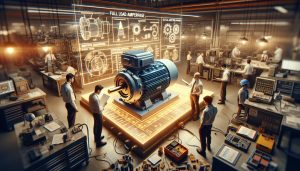
Single-phase electric motors are essential components in many residential and light commercial applications, serving various functions from powering household appliances to driving machinery. These motors are designed to operate on a single-phase power supply, making them both widely accessible and efficient for everyday tasks. Understanding the different types of single-phase motors and their applications can empower homeowners and professionals alike, enhancing both operational efficiency and safety.
The most common types of single-phase electric motors include split-phase motors, capacitor-start motors, and permanent split capacitor (PSC) motors. Split-phase motors work by utilizing two windings-one for starting and one for running-and typically find their place in applications like fans, blowers, and small pumps. Capacitor-start motors, on the other hand, use a capacitor to generate a phase shift, offering a higher starting torque. They are often found in applications requiring higher starting power, such as air conditioning units and compressors. PSC motors, known for their efficiency and quiet operation, are ideal for continuously running devices, including HVAC systems and ventilators.
In practical terms, selecting the right type of motor for a specific application is crucial. Considerations include the required starting torque, available voltage, and operational efficiency. For instance, when dealing with HVAC systems, a PSC motor is typically beneficial due to its running efficiency and lower energy consumption. This not only ensures reliability in performance but also contributes to long-term cost savings on electricity bills.
When assisting clients or managing projects involving single-phase motors, it is prudent to stay updated on industry standards and best practices. For instance, understanding the National Electrical Code (NEC) regulations can help ensure proper installation and safety measures are met. Additionally, electricians should be conscious of their own career development through licensing and ongoing education, as these qualifications can substantially impact financial earnings. For example, technicians starting out may earn around $40,000 annually, with experienced professionals potentially reaching over $100,000 depending on specialization areas like motor control systems or renewable energy technologies.
Overall, the efficient application of single-phase electric motors not only streamlines operations in diverse settings but also supports safety and compliance with prevalent standards, reinforcing the importance of knowledge and training in the electrical field.
Cost Efficiency of Single-Phase Electricity for Homeowners
Homeowners seeking cost-effective solutions for their electrical needs often find that single-phase electricity is not only a practical choice but also a financially savvy one. Single-phase systems are commonly found in residential applications due to their lower installation and operational costs compared to three-phase systems. This is particularly beneficial for homes where power demands are moderate, such as those using basic lighting, heating, and standard household appliances. The simplicity of a single-phase setup allows for easier maintenance and troubleshooting, which reduces long-term expenses.
Single-phase equipment tends to have lower upfront costs as well. Whether it’s for lighting, HVAC systems, or small appliances, the installation processes for single-phase systems are generally less complex, resulting in reduced labor costs for electricians. Moreover, many household appliances are designed to operate efficiently on single-phase power, which helps homeowners keep their electricity bills manageable. For instance, appliances like refrigerators and washing machines typically require less amperage to function than industrial three-phase counterparts, making them more energy-efficient.
Operational Savings
Over time, the operational savings associated with single-phase systems can be considerable. Homeowners can benefit from lower monthly utility bills due to the efficient energy consumption of single-phase appliances. Additionally, because these systems are less demanding in terms of power quality, homeowners experience less wear and tear on their appliances, extending their lifespan and further reducing replacement costs.
Another significant factor in cost efficiency is the availability of rebates and incentives for energy-efficient appliances that can operate well within a single-phase framework. Many utility companies offer programs that encourage homeowners to switch to energy-efficient appliances or systems, providing financial incentives that can offset initial procurement and installation costs.
In summary, opting for single-phase electricity comes with various cost benefits, including lower installation fees, reduced monthly utility bills, and fewer maintenance costs. By understanding the financial implications and operational efficiencies of single-phase systems, homeowners can make informed decisions that benefit both their budgets and their long-term energy sustainability.
Safety Considerations When Working with Single-Phase Systems
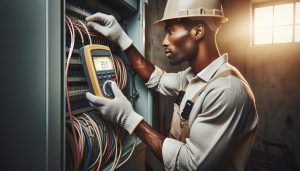
When engaging with single-phase electrical systems, understanding safety protocols is crucial, as inadvertent mistakes can lead to severe accidents or equipment damage. With residential and light commercial applications primarily relying on single-phase power, electricians and homeowners alike must prioritize safety practices tailored to this system’s unique characteristics. One primary consideration is always to ensure that circuits are de-energized before performing any maintenance or installation work. Utilizing a multimeter to confirm the absence of voltage is a standard and essential practice.
Moreover, it’s important to recognize the role of protective gear and equipment. Personal Protective Equipment (PPE) such as insulated gloves, safety goggles, and flame-resistant clothing must be worn when working near live circuits or conducting troubleshooting. Electrical shock poses a significant risk; thus, using insulated tools can reduce the chance of accidental contact with energized components. Proper grounding of single-phase systems is another vital safety aspect, as it helps protect both the user and sensitive equipment from power surges or faults. Regular inspections of outlets, cords, and appliances for any signs of wear or damage can also prevent electrical hazards.
Understanding Circuit Protection
Integral to ensuring safe operations in single-phase systems is choosing appropriate circuit protection devices, such as circuit breakers and fuses. These components are designed to automatically interrupt the current in case of an overload or short circuit, preventing potential fires or equipment damage. Electricians should be well-versed in assessing the right type and rating of these devices based on the specific load characteristics of the systems they service.
Staying Updated with Codes and Standards
Compliance with local electrical codes and standards, such as the National Electrical Code (NEC), is non-negotiable for ensuring safety in single-phase installations. Knowledge of these regulations not only protects the general public but also enhances a professional electrician’s credibility and expertise. Continuous education through certifications and training programs helps electricians stay informed about the latest safety practices and technologies, including advancements in tools and equipment that facilitate safer installations and repairs.
In summary, practicing rigorous safety standards when working with single-phase electrical systems is not just an industry guideline but an essential practice that helps avert accidents. By ensuring proper equipment use, adhering to regulations, and implementing safety devices, both professionals and homeowners can create a safer environment in which single-phase electricity can be utilized effectively.
Future Trends in Single-Phase Electricity Utilization
As we move towards an increasingly electrified future, single-phase electricity is poised to play a significant role in various sectors, particularly in residential and light commercial applications. The ongoing advancements in energy efficiency, smart technology, and renewable energy integration are reshaping how single-phase systems are utilized. For instance, the rise of electric vehicles (EVs) is driving the demand for home charging stations, many of which are compatible with single-phase power systems, reflecting a growing trend toward more sustainable energy usage in everyday life.
Smart Homes and Automation
The smart home revolution is another factor enhancing the utilization of single-phase electricity. More homeowners are incorporating smart appliances, lighting, and HVAC systems that rely on single-phase power. These smart devices not only contribute to energy saving but also provide remote management options via smartphones or smart hubs, allowing users to monitor and control their energy consumption efficiently. The integration of Internet of Things (IoT) technology means that single-phase systems can coexist with intelligent energy management systems, optimizing energy flow and efficiency throughout properties.
Renewable Energy Integration
Another noteworthy trend is the integration of single-phase systems with renewable energy sources. As solar power becomes more accessible, many residential setups use single-phase inverters to convert the generated DC electricity into AC for home use. This transition aligns with global sustainability initiatives, leading to reduced reliance on fossil fuels. The compatibility of single-phase inverters makes them a popular choice among homeowners looking to adopt solar technology, further paving the way for energy independence and self-sufficiency.
Economic Advantages
From an economic perspective, the cost-effectiveness of single-phase systems continues to attract small businesses and homeowners alike. The installation and maintenance of single-phase electrical systems generally require lower initial investments due to fewer materials and simpler designs compared to three-phase systems. This affordability becomes especially crucial in markets focused on sustainable developments, where stakeholders aim to minimize operating costs while maximizing energy efficiency.
In conclusion, the future of single-phase electricity utilization looks promising, driven by advancements in technology and a push for sustainability. Embracing these trends not only enhances the functionality and efficiency of electrical systems but also empowers homeowners and businesses to contribute positively to the environment while enjoying the benefits of modern energy solutions.
Common Issues and Troubleshooting Tips for Single-Phase Systems
When dealing with single-phase electrical systems, recognizing common issues can save time and money while ensuring safety and efficiency. One frequent problem is voltage fluctuations, which can lead to dimming or flickering lights and inefficient operation of appliances. Such fluctuations can result from inadequate wiring, an overloaded circuit, or poor connection between the electrical service and the distribution panel. To troubleshoot, start by checking the main service panel for any loose connections and ensuring that circuit breakers are functioning properly. If fluctuations persist, consulting a certified electrician is essential to assess the system.
Another common concern is circuit overloads, especially in older homes where systems may be designed for lower electrical demands. Overloading can lead to tripped breakers or blown fuses, which disrupt power supply and can also pose a fire risk. To mitigate this, calculate the total wattage of devices on a circuit and ensure it does not exceed the circuit’s rated capacity (usually 15 or 20 amps). If constant overloads are encountered, redistributing devices across multiple circuits can provide a more balanced load.
Regular maintenance and inspection play a crucial role in troubleshooting single-phase systems.
Key maintenance tips include:
- Periodically inspect electrical panels for signs of rust or burn marks.
- Test GFCI outlets monthly to ensure they are functioning correctly.
- Keep track of any unusual noises, such as buzzing from the circuit breaker, indicating potential issues.
- Check for overheating in outlets or devices during heavy use, which may require a reevaluation of circuit capacity.
For those new to electrical systems, understanding the role of single-phase electric motors is also important, as these are often integrated into home appliances. If a motor behaves erratically or fails to start, it could be due to overheating, improper voltage supply, or wear and tear. In such cases, checking the motor’s resistance with a multimeter and ensuring proper voltage levels can help identify issues before they escalate into more significant problems.
By remaining vigilant about these common issues and employing proactive troubleshooting methods, homeowners can enhance the reliability and safety of their single-phase electrical systems, ultimately contributing to a more efficient energy use at home. Regular checks not only extend the lifespan of systems but also empower homeowners to make informed decisions regarding electrical upgrades and maintenance strategies.
Frequently Asked Questions
Q: What are the main advantages of using single-phase electricity?
A: Single-phase electricity is commonly used for residential applications due to its simplicity and cost-effectiveness. It requires less complex wiring, making installation cheaper. Additionally, it is sufficient for powering many common household appliances, providing reliable energy for homes and small businesses.
Q: Where is single-phase electricity typically used?
A: Single-phase electricity is predominantly used in residential areas for lighting, heating, and powering small appliances. It’s most suitable for homes, small retail stores, and offices where the power requirements are relatively low, making it an efficient choice for daily use.
Q: How does single-phase power impact energy costs for consumers?
A: Single-phase power can lead to lower energy costs for consumers, especially for households that do not require high power. Since it typically has lower installation and maintenance costs, it is often more economical for everyday energy needs compared to three-phase systems.
Q: Can single-phase electric motors be used for heavy-duty applications?
A: While single-phase motors are adequate for many household appliances and small tools, they are not ideal for heavy-duty industrial applications. For heavy loads, three-phase electric motors are recommended due to their greater efficiency and power handling capabilities.
Q: What should homeowners consider when installing single-phase systems?
A: Homeowners should evaluate their power needs and the capacity of their electrical service. It’s crucial to ensure that the system can handle potential future electrical demands. Consulting a licensed electrician can provide insights into optimal installation and avoid potential overload issues.
Q: How does single-phase electricity affect appliance performance?
A: Single-phase electricity provides a stable power source for most household appliances, ensuring efficient operation. However, appliances with higher power demands might require three-phase power for optimal performance, especially in commercial settings where consistent voltage supply is critical.
Q: What are common issues with single-phase electrical systems?
A: Common issues include voltage drops, overloaded circuits, and potential overheating of wires due to excessive load. Regular maintenance and monitoring of electrical systems help mitigate these problems, ensuring safe and reliable operation in homes and businesses.
Q: When should a switch to three-phase power be considered?
A: A switch to three-phase power should be considered if a property experiences frequent power outages, if there’s a significant increase in power demand, or when high-efficiency equipment requires it. Businesses expecting growth or those using heavy machinery may find three-phase systems more beneficial.
In Summary
Understanding single-phase electricity is essential for anyone looking to optimize energy efficiency in residential and light commercial applications. With its simple structure and widespread use, it holds numerous benefits, from lower installation costs to ease of maintenance. Don’t miss out on exploring how single-phase systems can enhance your energy management strategies today!
For those interested in diving deeper, check out our articles on Three-Phase Electricity: Benefits for Large Installations and