Electrical insulators play a crucial role in ensuring the safety and efficiency of electrical systems. These materials prevent the unwanted flow of electric current, allowing for the safe transmission of electricity in everything from household wiring to industrial applications. As our reliance on electricity continues to grow, understanding insulators becomes increasingly important for professionals in the electrical field and anyone involved in electrical projects. By exploring the types, materials, and applications of electrical insulators, you can enhance your knowledge of how they protect against electrical hazards, optimize system performance, and contribute to advancements in technology such as smart homes and electric vehicles. Dive into this article to uncover the fascinating world of electrical insulators and discover how their properties can elevate your electrical endeavors safely and effectively.
What Is an Electrical Insulator: Definition and Importance
Electrical insulators are vital components in electrical systems, serving as barriers that prevent unwanted flow of current and maintain safety and functionality. These materials are specifically designed to withstand high voltage without allowing electrical currents to pass through, making them essential in protecting both infrastructure and human lives from electrical hazards. By ensuring insulation integrity, insulators play a crucial role in the reliable operation of various electrical devices, from household appliances to large industrial machinery.
The importance of electrical insulators cannot be overstated. They are key to the efficient transmission of electricity, minimizing energy loss while sustaining high voltage over considerable distances. Insulators also protect sensitive equipment by preventing short circuits and electrical shocks. Common materials used for these applications include rubber, glass, and ceramics, each with unique properties suited for specific environments and uses. Understanding the appropriate type of insulator is essential for engineers and electricians, as it significantly influences the performance and safety of electrical systems.
In practical applications, electrical insulators are used in everything from power lines and electrical appliances to components in electronic devices. Their effectiveness often hinges on selecting the right insulator material, which involves considering factors such as temperature, humidity, and environmental exposure. For instance, high-voltage lines utilize specialized insulators made from tough, weather-resistant materials that can withstand extreme conditions while ensuring consistent energy flow. By investing in quality insulator technology, industries enhance safety, improve efficiency, and contribute to sustainable energy practices.
Finally, it is essential for those in the field to stay updated on innovations within insulator technology. Advances include the development of composite insulators that offer better performance and lower maintenance needs compared to traditional materials. Understanding these developments not only enhances safety and efficiency but also enables professionals to make informed decisions regarding equipment and installations, ultimately leading to increased reliability in electrical systems.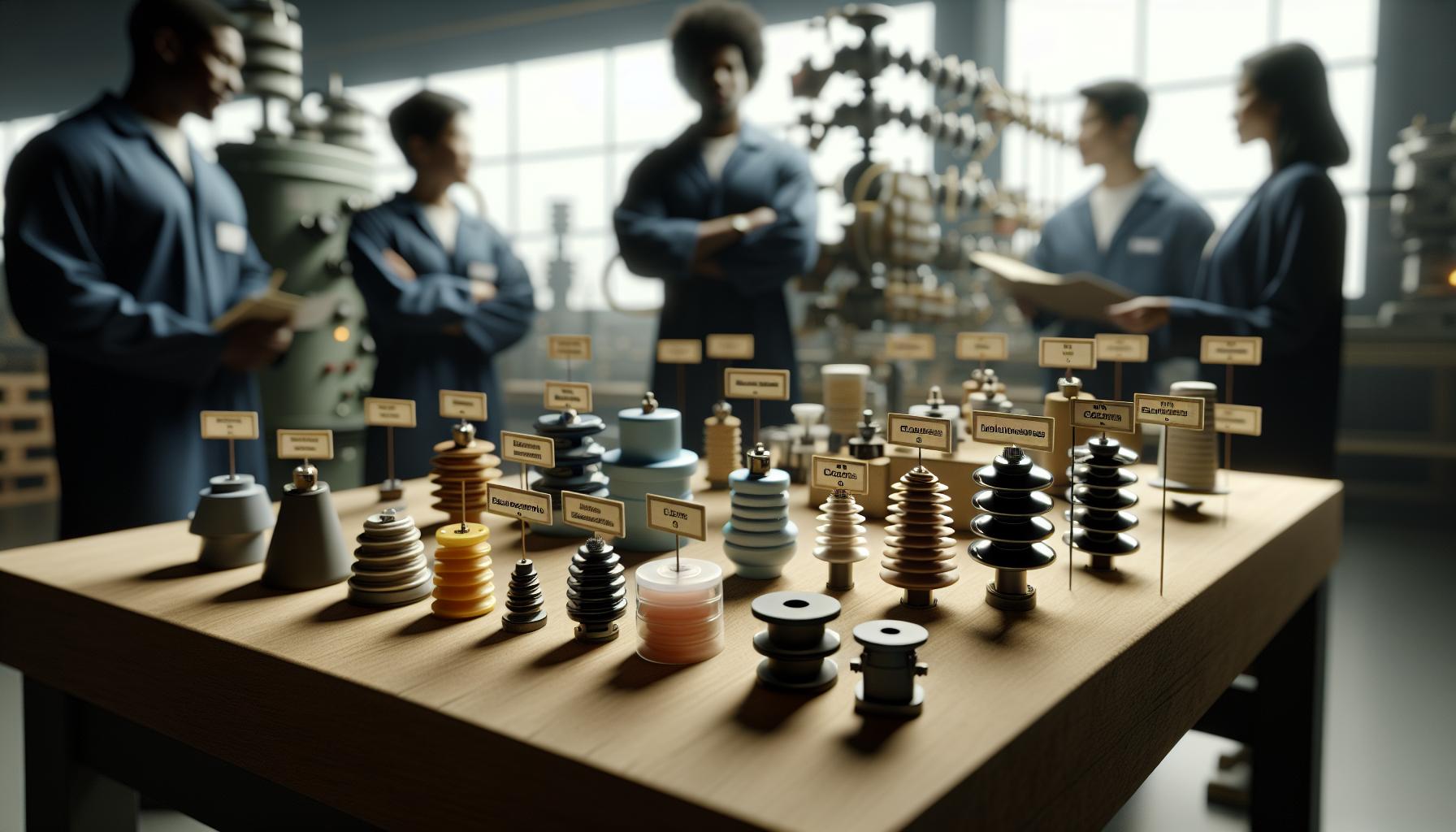
Types of Electrical Insulators: Materials Breakdown
When it comes to electrical systems, the choice of materials for insulators can greatly influence performance and safety. Different materials possess unique properties that make them suitable for specific applications, ensuring reliability in various environments. Understanding these materials not only aids electricians and engineers in selecting the right insulator but also impacts the overall efficiency and safety of electrical infrastructure.
Common Insulator Materials and Their Applications
- Rubber: Highly flexible and excellent at resisting moisture, rubber insulators are commonly used in low to medium voltage applications, including transformers and various electrical connections. They provide robust insulation in environments subject to vibration.
- Ceramic: Known for their durability and resistance to heat, ceramics are favored in high-voltage applications such as power lines and substations. Their ability to withstand extreme weather conditions makes them ideal for outdoor installations.
- Glass: Glass insulators offer excellent electrical and thermal stability. They are often used in electrical transmission, where transparency allows for easy visual inspection. Their non-corrosive nature enhances longevity, especially in coastal areas.
- Composite Materials: These materials combine the benefits of different substances, offering characteristics like lightweight, high strength, and resistance to environmental wear. Composite insulators are increasingly used in modern power transmission systems due to their superior performance in adverse conditions and reduced need for maintenance.
Innovations and Trends in Insulator Materials
Advancements in the field have led to innovations such as silicone rubber insulators, which provide enhanced performance in both high voltage and harsh environmental conditions. These materials help prevent contamination and encourage self-cleaning of the insulators, minimizing maintenance efforts. Electricians and engineers now have access to a wider range of options, enhancing safety and performance across various applications.
Understanding the properties, advantages, and ideal use cases of each material empowers professionals to make informed choices. Therefore, when selecting an electrical insulator, consider not just the application but also environmental factors like moisture, temperature fluctuations, and electrical load to ensure safety and functionality in electrical systems.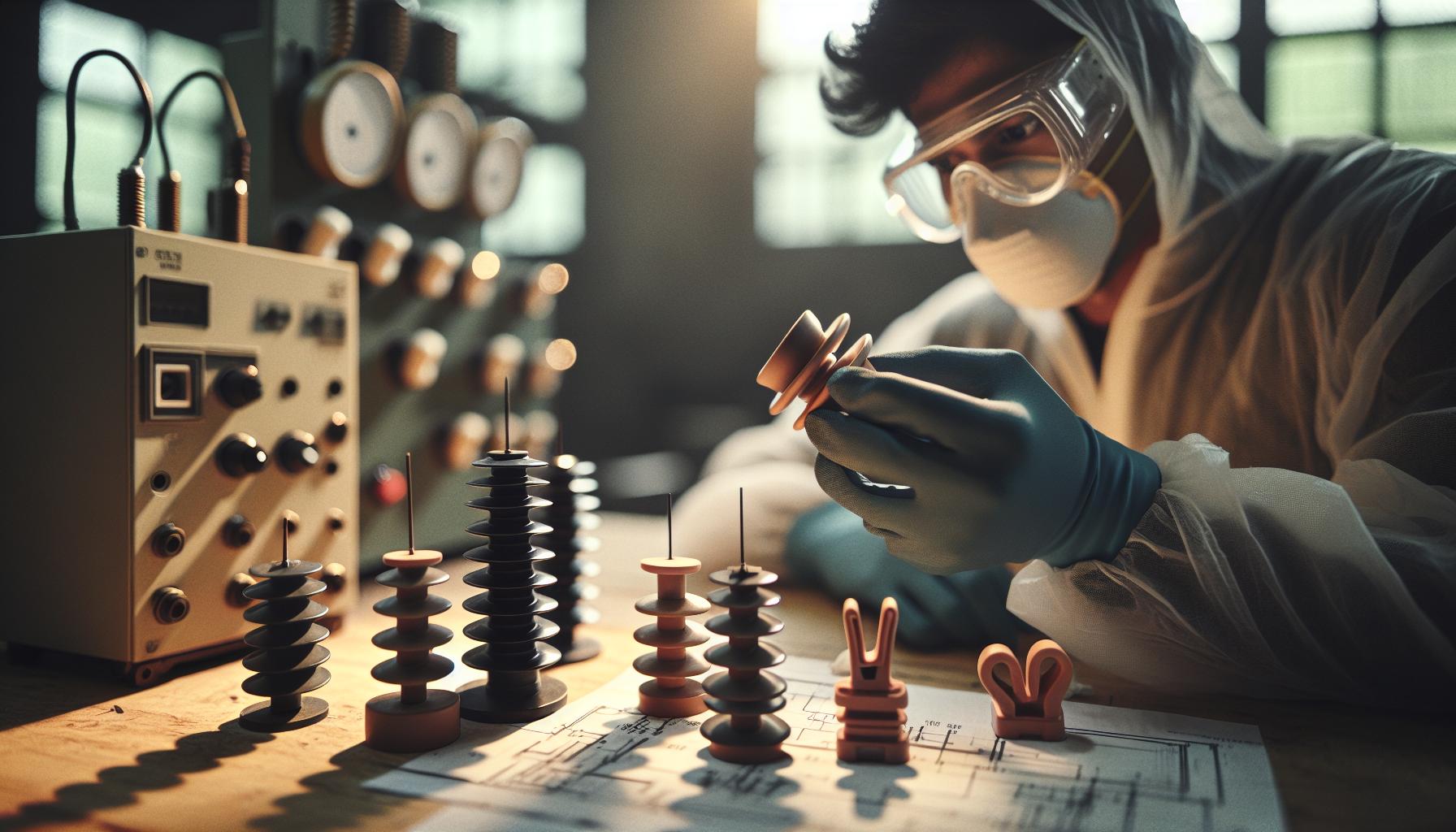
Properties of Electrical Insulators: Key Characteristics
Understanding the essential characteristics of electrical insulators is crucial for ensuring the safety and efficiency of electrical systems. Insulators must possess specific properties to prevent electrical leakage, withstand environmental challenges, and ensure optimal performance across various applications. Among the key characteristics, one of the most important is dielectric strength, which indicates a material’s ability to withstand high voltages without conducting electricity. The higher the dielectric strength, the more effective the insulator is at maintaining a separation between conductive components.
Another vital property is thermal stability, reflecting the insulator’s ability to withstand high temperatures without degrading. This is particularly significant in industrial settings where heat generated by electrical components can influence insulator performance. Materials like ceramics and glass are well-regarded for their thermal properties, making them ideal for high-voltage applications.
Moisture resistance is also a critical feature, especially in outdoor or humid environments. Insulators that can resist moisture entry prevent conductive pathways formed by water, dirt, or salt buildup, which can lead to failure. Composite materials, which combine strengths from different substances, often excel in moisture resistance while remaining lightweight and durable.
In addition, mechanical strength is essential, especially for insulators used in overhead power lines that must withstand wind, ice, and other physical stresses. The chosen insulator must not only be robust but also maintain its structural integrity over time, even in challenging weather conditions. Many modern insulators are designed with this durability in mind, incorporating materials that resist cracking, chipping, and other types of damage.
For electricians and engineers, understanding these properties not only aids in the selection of the right insulator for specific applications but also impacts the overall safety and functionality of electrical systems. It’s important to consider these characteristics alongside the specific requirements of the project to ensure reliability and longevity.
Applications of Electrical Insulators in Various Industries
Electrical insulators play a crucial role in various industries by preventing electrical leakage, establishing safe operational environments, and ensuring the reliability of electrical systems. Their applications extend across different sectors, from telecommunications and transportation to renewable energy and manufacturing. For instance, in the power transmission industry, insulators are essential for maintaining the integrity of transmission lines, significantly reducing the risk of electrical faults caused by environmental factors such as moisture and pollution. The right insulator not only enhances safety but also lowers maintenance costs by minimizing line failures and outages.
In the telecommunications sector, insulators are used in the construction of communication towers and other communication infrastructure. They isolate electrical components from the grounded structures, ensuring the proper function of antennas and transmission lines. With the rise of smart technology, insulators that support the infrastructure of these systems need to meet high-performance standards to handle increasing data loads and signal strengths. This shift necessitates the use of materials that provide better dielectric properties and moisture resistance, thereby enhancing the overall durability of the communication systems.
Moreover, in the automotive industry, insulators are integral to electric and hybrid vehicles. They help to prevent short circuits and protect sensitive components from electrical interference. Given that electric vehicles are equipped with high-voltage batteries and systems, using effective insulators is paramount for both safety and efficiency. As the industry progresses towards electric mobility, advancements in insulator technology are critical, leading to innovations in materials that can withstand the thermal and mechanical stresses encountered during operation.
Overall, insulators not only ensure safety and reliability across various applications but also contribute to the advancement of technology in multiple fields. Their development continues to be influenced by demands for higher performance and sustainability, driving the exploration of new materials and designs that align with modern technological innovations. By staying abreast of these trends and understanding the diverse applications of electrical insulators, professionals in the electrical field can enhance their effectiveness in their roles and ensure optimal system performance.
The Role of Electrical Insulators in Power Transmission
Proper insulation is critical in power transmission systems, where high voltages are involved. Without effective insulators, the risk of electrical failure and hazards increases significantly. Electrical insulators serve as barriers that prevent current from leaking from conductors, ensuring that electricity travels efficiently along power lines. This function is indispensable, not only for operational safety but also for preserving the integrity of the entire electrical grid.
In power transmission, insulators are frequently made from materials like glass, porcelain, or composite polymers. These materials are chosen for their excellent dielectric properties, which enable them to withstand high voltages without conducting electricity. Insulators help maintain the spacing of conductors while protecting them from environmental factors such as rain, snow, and wind, which can lead to flashovers or electrical faults if they come into contact with grounded objects. Regular inspections and maintenance of these insulators are essential to identify potential weaknesses, such as cracks or degradation from ultraviolet radiation, which can compromise their efficiency.
The operational life of electrical insulators is not just about durability but also about adaptability to changing environments. As renewable energy sources, such as wind and solar, become more integrated into the grid, the dynamics of power transmission are evolving. Innovative insulator technologies, including self-cleaning surfaces and better thermal management, are being developed to handle these new challenges, ensuring that insulators remain effective under various weather conditions and loads. Notably, the advancements in materials science are enabling the production of lightweight yet robust insulators, which facilitate easier installation and maintenance, reducing downtime for power transmission systems.
Moreover, understanding the key characteristics of insulators-including their electrical, thermal, and mechanical properties-can empower electrical professionals. Knowledge about how to select the right insulator based on specific transmission conditions enhances safety and system reliability. Ultimately, effective power transmission is reliant on the crucial role of insulators, making their proper management and continued technological development vital for the success of modern electrical infrastructure.
Innovations in Insulator Technology: Trends and Developments
Innovative advancements in electrical insulator technology are shaping the future of power transmission and distribution systems. With the increasing demand for efficient, sustainable, and reliable energy solutions, companies are investing in cutting-edge materials and designs that enhance the performance of insulators. For instance, the development of composite polymer insulators has gained popularity due to their lightweight characteristics and superior mechanical strength. These materials can withstand harsher environmental conditions while providing excellent electrical insulation, making them an ideal choice for high-voltage applications.
Self-Cleaning Insulators
One notable innovation is the introduction of self-cleaning insulators, which utilize hydrophobic surfaces to repel water and dirt. This feature significantly reduces the accumulation of contaminants that can impair insulation performance, especially in regions with frequent rainfall or pollution. As a result, these insulators not only require less maintenance but also enhance the overall reliability of power transmission networks. The self-cleaning mechanism minimizes the risk of flashovers, ultimately saving utilities time and money.
Thermal Management Solutions
Additionally, thermal management solutions are becoming increasingly important as electrical systems operate under varied conditions. Innovations in heat-dissipating materials and designs help regulate the temperature around insulators, preventing overheating that can lead to premature failure. Advanced modeling tools are being employed to simulate thermal performances in different environments, allowing engineers to optimize insulation systems based on specific operational demands.
Lightweight and Robust Designs
Furthermore, the trend towards lightweight yet robust designs is revolutionizing how insulators are manufactured and installed. Using advanced materials like carbon fiber and high-strength polymers enables the production of insulators that maintain structural integrity while reducing weight. This advantage translates into easier handling during installation and maintenance, which is crucial in remote or challenging environments where heavy machinery may not be feasible.
Incorporating these innovations not only improves the durability and efficiency of electrical insulators but also contributes to the sustainability and reliability of modern electrical infrastructure. As the industry continues to evolve, staying updated on these trends is essential for electrical professionals aiming for career advancement and operational proficiency. Understanding these advancements can also empower them to make informed decisions when selecting insulators that align with their specific project needs.
Environmental Impact of Electrical Insulators: Sustainability Concerns
The production and use of electrical insulators come with significant environmental considerations, particularly when examining the lifecycle of these materials. Notably, much of the traditional insulator technology has involved ceramics and glass, which, while effective, entail energy-intensive manufacturing processes that contribute to carbon emissions. As the demand for sustainable practices in the electrical industry grows, alternative materials and innovative manufacturing techniques are emerging, helping to mitigate the ecological footprint of insulators.
Composite materials, such as polymer-based insulators, are gaining traction for their lower environmental impact. These materials require less energy to produce and can often be recycled at the end of their lifecycle, reducing waste. For instance, the development of self-cleaning insulators, which repel dirt and moisture, not only lowers maintenance needs but also minimizes the harmful chemical treatments traditionally used to maintain insulation performance. By reducing the need for these chemicals, the environmental toxicity associated with standard insulators decreases, offering a more sustainable solution for power transmission infrastructure.
The ecological implications of insulator disposal also warrant attention. Many older insulators are not easily recyclable and may end up in landfills, contributing to long-term pollution. Education on proper disposal methods and the promotion of sustainable options should be prioritized within the industry. Initiatives that encourage manufacturers to adopt circular economy practices, where materials are reused and repurposed, can significantly enhance sustainability.
Furthermore, advancing the efficiency of insulators directly correlates with energy conservation. Better-performing insulators reduce energy loss in transmission, leading to lower overall energy demands and minimizing environmental impact. Electrical professionals should consider sustainability as a key criterion in the selection and application of insulators, advocating for materials that not only meet performance standards but also align with environmental stewardship principles. This shift not only supports corporate responsibility but also enhances an electrical professional’s marketability as sustainability becomes increasingly pivotal in engineering and construction sectors.
Selecting the Right Electrical Insulator for Your Needs
Choosing the right electrical insulator is a critical decision that can significantly affect both the safety and efficiency of electrical systems. With various materials available, each designed for specific applications, understanding the characteristics and suitable environments for these insulators is paramount. It’s essential to take into account factors such as environmental conditions, electrical requirements, and even maintenance needs when selecting insulators.
One of the first factors to consider is the insulation material itself. Common materials include ceramics, glass, and composites like polymers. Ceramic insulators are known for their durability and high dielectric strength, making them ideal for high voltage applications. In contrast, polymer insulators are lighter and often preferred for their ease of installation and maintenance, particularly in areas prone to contamination. It’s crucial to assess the specific environmental conditions-such as humidity, temperature fluctuations, and exposure to chemicals-that your insulators will face. For instance, in coastal areas, insulators that are resistant to salt and corrosion should be prioritized.
Additionally, the electrical properties of the insulator must align with the system’s requirements. This includes considering voltage ratings, insulation resistance, and dielectric strength. For high-voltage applications, insulators with elevated mechanical strength and stability are essential to withstand electrical stress. Conducting load calculations and evaluating system requirements can help determine the appropriate size and type of insulator necessary for optimal performance.
Lastly, ethical and sustainable considerations are increasingly influencing the choice of insulation materials. As the industry shifts toward eco-friendly practices, selecting insulators that are recyclable or made from sustainable materials can also contribute to a smaller environmental footprint. By prioritizing materials that not only perform well but also adhere to sustainability standards, electrical professionals can enhance their project’s overall impact.
In summary, selecting the right electrical insulator involves a multifaceted approach that balances performance needs with environmental considerations. By evaluating material properties, environmental conditions, and sustainability factors, professionals can make informed choices that lead to successful electrical system implementations.
Common Misconceptions About Electrical Insulators
Understanding electrical insulators is crucial, but numerous misconceptions can cloud professional judgment and lead to inefficiencies in electrical systems. One common myth is that all insulators function the same way across different applications. In truth, insulators are highly specialized, and their performance significantly varies depending on the material and environmental conditions. For example, ceramic insulators excel in high-voltage situations due to their durability and high dielectric strength, while polymer insulators are preferred in urban areas because of their lighter weight and ease of installation.
Another widespread misunderstanding is that electrical insulators are entirely non-conductive. While they are designed to resist electrical flow, under extreme conditions-such as high voltage or increased temperature-they can experience dielectric breakdown, where the insulator temporarily loses its ability to inhibit conduction. This phenomenon is particularly critical in outdoor settings, where insulators may face unpredictable environmental factors. Thus, knowing an insulator’s limits and selecting materials appropriate for the conditions they face is essential to maintain safety and performance.
Furthermore, there is a belief that once installed, insulators require no further inspection or maintenance. This is misleading; regular testing and maintenance are vital to ensure long-term efficacy. Over time, factors such as pollution, moisture, and mechanical stresses can degrade insulating materials, increasing the risk of failure. Adopting a proactive maintenance schedule not only enhances safety but also extends the lifespan of electrical systems.
Lastly, some professionals may assume that cost is the only factor driving the selection of insulators. While initial cost considerations are important, total lifecycle cost-including maintenance, potential failures, and environmental impact-should be the primary focus. Investing in high-quality, sustainable materials can mitigate long-term operational costs and contribute to eco-friendly practices in electrical engineering. Understanding these misconceptions can better equip professionals in making informed decisions and maintaining efficient, safe electrical systems.
Testing and Maintenance of Electrical Insulators
Electrical insulators play a crucial role in protecting electrical systems, ensuring safety, and maintaining efficiency. Regular testing and maintenance of these insulators are essential not only for their longevity but also for the overall functionality of the electrical infrastructure. Without proper maintenance, insulators can degrade, leading to costly repairs and potential power outages. In fact, the failure of a single insulator can lead to significant disruptions in electrical service, emphasizing the need for a proactive approach to their maintenance.
One effective method for testing the integrity of electrical insulators is through visual inspections, where technicians look for signs of wear, cracking, or contamination that could impede performance. In addition to visual checks, advanced testing techniques such as infrared thermography and partial discharge testing can provide deeper insights into an insulator’s condition. Infrared thermography utilizes infrared cameras to detect hot spots that may indicate underlying issues, while partial discharge testing helps identify defects in the insulation before they lead to failure. Implementing a combination of these testing methods can help maintain optimal insulator performance.
Moreover, it’s crucial to develop a maintenance schedule tailored to specific environmental conditions and the type of insulators used. For example, insulators exposed to harsh weather conditions might require more frequent inspections compared to those in mild climates. Cleaning insulators to remove dust, dirt, and pollutants is another essential aspect of maintenance. Contaminants can drastically reduce an insulator’s effectiveness, especially in humid conditions, leading to a higher risk of dielectric breakdown.
Finally, embracing new technologies in insulator design can make maintenance easier and more effective. For instance, smart insulators are being developed that include built-in sensors to monitor their condition in real time, alerting maintenance personnel to potential failures before they occur. Investing in such innovations not only enhances safety measures but also supports long-term cost savings by reducing unexpected outages and maintenance expenses. By prioritizing the , professionals can ensure a reliable and efficient electrical system.
Future of Electrical Insulators: Challenges and Opportunities
As advancements in electrical technology propel the industry forward, the future of electrical insulators is brimming with both challenges and opportunities. With the increasing demand for renewable energy sources and the ongoing transition to smart grids, the role of insulators is evolving. Insulators must not only be capable of handling higher voltages and loads but also meet the stringent requirements of safety and durability under harsh environmental conditions.
One key challenge facing the industry is the need for materials that can withstand the rigors of climate change. With extreme weather becoming more frequent, insulators are at risk of dielectric breakdown, especially in regions prone to heavy rainfall and flooding. Manufacturers are now tasked with innovating materials and designs that can resist such adversities. This includes the development of hydrophobic and superhydrophobic insulator surfaces that can repel water and contaminants, thereby maintaining their insulating properties even in wet conditions.
Additionally, the integration of smart technologies presents significant opportunities. Smart insulators equipped with IoT sensors can provide real-time data on performance and condition, enabling preventative maintenance that could significantly reduce downtime and repair costs. These innovations not only enhance operational efficiency but also improve safety by allowing swift responses to potential failures. The increasing adoption of such technologies indicates a shift towards predictive maintenance strategies that leverage data analytics to foretell and mitigate potential issues before they escalate.
Moreover, as sustainability becomes a priority for many industries, electrical insulator manufacturers are exploring eco-friendly materials such as bio-based polymers and recyclable composites. This aligns with the growing demand for sustainable electrical solutions that minimize environmental impact. Investing in research and development to create greener insulators will not only fulfill regulatory requirements but also appeal to environmentally-conscious consumers and businesses alike.
In conclusion, while the future of electrical insulators is fraught with challenges, it also offers vast opportunities for innovation and improvement. By embracing advanced materials, smart technologies, and sustainable practices, the industry can meet the increasing demands of modern electrical applications and contribute to a safer, more efficient energy landscape. Staying attuned to these trends will position professionals in the electrical field to thrive and adapt in this dynamic environment.
FAQ
Q: What materials are commonly used for electrical insulators?
A: Common materials for electrical insulators include ceramics, glass, rubber, silicone, and various polymers. Each material offers distinct properties like high dielectric strength and temperature resistance, making them suitable for different electrical applications. For instance, ceramic insulators are often used in high-voltage applications due to their durability.
Q: How do electrical insulators work in preventing current flow?
A: Electrical insulators work by creating a barrier that resists the flow of electric current. Their high resistivity prohibits electrons from moving freely, thus preventing short circuits and electrical shocks. This property is crucial for maintaining safety in electrical systems.
Q: What is the importance of selecting the right electrical insulator?
A: Choosing the right electrical insulator is vital for ensuring safety, efficiency, and longevity of electrical systems. The appropriate insulator helps prevent energy loss, reduces the risk of electrical failures, and complies with regulatory standards. Factors to consider include the application’s voltage, environmental conditions, and material compatibility.
Q: When should electrical insulators be replaced?
A: Electrical insulators should be replaced when they show signs of wear, degradation, or loss of insulating properties. Regular inspections can help identify issues such as cracks, discoloration, or moisture infiltration, which may compromise safety and performance. It’s essential to adhere to maintenance schedules for optimal operation.
Q: Can environmental conditions affect the performance of electrical insulators?
A: Yes, environmental conditions like temperature, humidity, and exposure to chemicals can significantly affect an insulator’s performance. For instance, high humidity can lead to surface leakage currents, while extreme temperatures can cause materials to become brittle. Selecting insulators designed for specific conditions is crucial.
Q: What innovations are driving the future of electrical insulators?
A: Innovations such as nanotechnology, smart materials, and environmental sustainability are shaping the future of electrical insulators. These advancements aim to enhance performance, reduce environmental impact, and promote smarter electrical grid systems. Research into biodegradable insulators also addresses sustainability concerns in the industry.
Q: Why are electrical insulators used in power transmission systems?
A: Electrical insulators are crucial in power transmission systems as they support and separate conductors, preventing current leakage and ensuring safe electricity flow. They enhance the reliability of transmission lines by maintaining distance between conductors and grounding elements, mitigating risks of electrical faults and outages.
Q: What are the common misconceptions about electrical insulators?
A: A common misconception is that all insulators have the same properties and applications. In reality, insulators vary widely in material, design, and suitability based on voltage levels and environmental factors. Understanding these differences is essential for effective application and safety in electrical systems.
Concluding Remarks
Understanding electrical insulators is crucial for ensuring safety and efficiency in any electrical system. From their diverse materials to their various applications, we’ve explored how these essential components protect us against unwanted electrical flow and contribute to technological advancements. Don’t miss out on deepening your knowledge further-check out our articles on Electrical Fundamentals and Modern Electrical Technologies.
Ready to elevate your electrical expertise? Sign up for our newsletter for the latest insights on electrical careers, tools, and safety protocols, ensuring you’re always in the loop. If you have any questions or experiences to share, leave a comment below! Empower yourself with knowledge and take the next step in your electrical journey today.