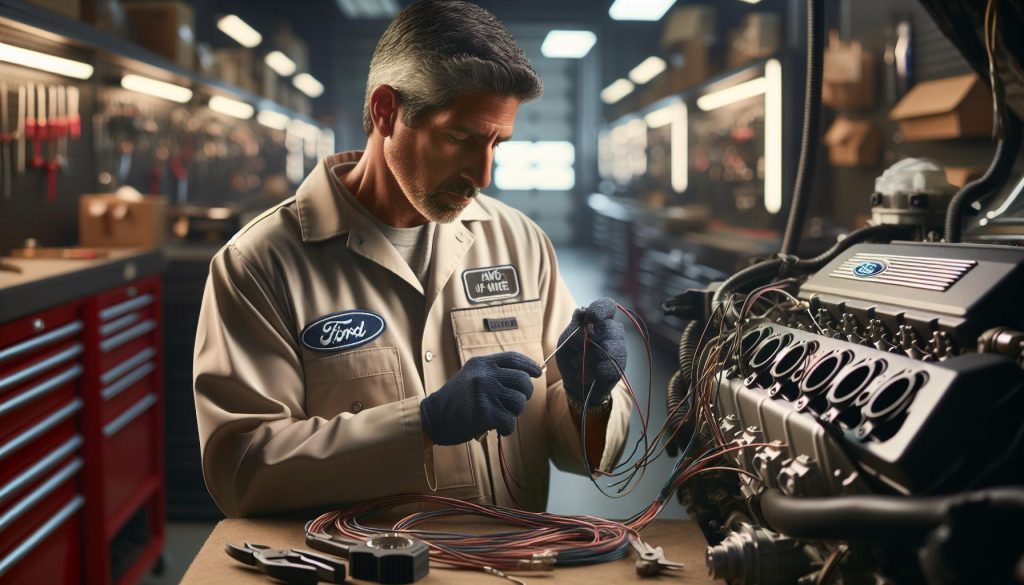
Understanding the amperage of Ford AWG wire is crucial for any automotive enthusiast or professional working with vehicle electrical systems. Amperage, expressed in amps, determines how much current the wire can safely carry, which directly affects the performance and safety of your vehicle’s electrical components. Using the correct amperage ratings ensures that your wiring can support the electrical load without overheating or risking failure.
As the automotive industry evolves with advanced technologies-like electric vehicles and sophisticated electronics-knowing how to choose the right wire and its amperage rating is more important than ever. Whether you’re troubleshooting issues, upgrading components, or working toward a professional career in automotive electrical systems, understanding these concepts will empower you to make informed decisions that promote safety and efficiency. Dive into this article to discover essential insights that enhance your automotive knowledge and skillset, ultimately benefiting your projects and career.
What is Amperage and Why It Matters
Understanding amperage is crucial for anyone working with automotive wiring, especially in Ford vehicles. Amperage, measured in amperes (amps), represents the amount of electrical current flowing in a circuit. It plays a pivotal role in ensuring that your vehicle’s electrical systems operate correctly and efficiently. For example, choosing the right wire gauge is directly related to how much amperage the wire can safely carry without overheating. Failure to match wire gauge and amperage requirements can lead to wire damage or electrical shorts, posing safety risks.
When working on automotive electrical systems, knowing the amperage requirements for various components helps in proper wiring and troubleshooting. For instance, high-demand devices such as starters or fuel pumps have specific amperage ratings that must be adhered to, which can be found in the vehicle’s service manual or wiring diagrams. Understanding these limits is also essential when upgrading or installing aftermarket components to prevent electrical failure or damage.
Furthermore, the relationship between amperage, voltage, and resistance is governed by Ohm’s Law, which states that Current (Amperage) = Voltage / Resistance. This relationship is critical when calculating the load in automotive applications, especially as modern vehicles incorporate more electronic components. It’s important to ensure that all connections can handle the expected current without risk of failure. By mastering these concepts, technicians enhance their competence in diagnosing issues, preventing electrical problems, and ensuring reliable performance in Ford electrical systems.
Understanding AWG Wire and Its Ratings

Understanding the proper amperage ratings for AWG (American Wire Gauge) wires is essential for anyone involved in automotive wiring, particularly for Ford vehicles. The AWG system assigns a unique gauge number to each wire size, reflecting its diameter, which directly influences its capacity to carry current safely and efficiently. For instance, a 12-gauge wire can typically handle up to 20 amps, while a 16-gauge wire is rated for around 10 amps. Knowing these values is pivotal when selecting wires for various electrical components and systems within your vehicle, as exceeding a wire’s amperage rating can lead to overheating, insulation breakdown, and potential fire hazards.
When assessing AWG wire ratings, it’s critical to consider factors such as wire length, ambient temperature, and installation conditions. For example, longer runs of wire may necessitate a thicker gauge to compensate for voltage drop, which can affect performance. Similarly, higher ambient temperatures can reduce the wire’s ability to carry current without overheating, thereby requiring adjustments to the selected wire gauge. Automotive technicians and enthusiasts should always consult manufacturer specifications and wire charts to determine the appropriate gauge for their specific applications.
In addition to amperage ratings, the type of insulation on the wire plays a significant role in its performance. Automotive wiring typically uses insulation materials like PVC or Teflon, each with different heat resistance and durability properties. Ensuring that the wiring meets the automotive standard requirements helps maintain safety and functionality in the electrical system.
In order to make informed choices when wiring automotive components, consider keeping a reference chart for AWG wire ratings readily available. This practice promotes safety and efficiency while enhancing your understanding of how electrical systems work in vehicles, particularly with regards to Ford wiring and components. Understanding these ratings not only empowers technicians to make better decisions but also ensures that vehicles operate safely and reliably on the road.
Calculating the Amperage for Automotive Applications
To ensure reliability and safety in automotive electrical systems, precise calculation of amperage is vital. Understanding amperage helps determine how much electrical current your vehicle’s wiring can handle without overheating or failing. For automotive applications, this is particularly important, as a vehicle’s performance and safety depend heavily on its electrical systems, from lighting to ignition and data transfer.
Calculating amperage involves using Ohm’s Law, which states that Current (I) equals Voltage (V) divided by Resistance (R). In practical terms, if you have a 12-volt system and know the resistance of the components being powered, you can determine the expected current draw. For example, if a device has a resistance of 4 ohms, the amperage would be calculated as follows:
Ohm’s Law Formula
- I (Amperage) = V (Voltage) / R (Resistance)
For our example:
- I = 12V / 4Ω = 3 Amps
When working on Ford vehicles or similar, you should also account for the specific characteristics of the vehicle’s electrical system. Factors such as the length of the wire run and ambient temperatures can affect the wire’s ability to carry current safely. For longer wire lengths, a thicker gauge wire may be required to minimize voltage drop, ensuring that devices receive adequate power. Similarly, if the installation occurs in an environment with elevated temperatures, the wire gauge must also consider this to prevent overheating.
Common Factors Influencing Amperage
- Wire Length: Longer wires can experience increased resistance, thus needing a larger gauge.
- Ambient Temperature: Higher temperatures reduce the current-carrying capacity of wire.
- Device Requirements: Knowing the amperage needs of the components you are wiring is essential.
By thoroughly understanding how to calculate amperage and recognizing the factors that influence it, automotive technicians can make informed decisions when selecting wiring and components. This knowledge not only supports vehicle reliability but also enhances safety, contributing to a better understanding of overall automotive electrical systems.
Specific Amperage Ratings for Ford Wiring

In automotive applications, understanding is crucial for ensuring both safety and performance. Each wire gauge has a defined amperage limit that must not be exceeded to prevent overheating and potential failure of electrical components. For instance, typical Ford vehicles generally use a wire gauge system defined under the American Wire Gauge (AWG) standard, which specifies the maximum safe current capacity for each wire size.
Ford’s wiring systems commonly utilize wires ranging from 14 AWG to 10 AWG, with 10 AWG accommodating higher currents up to approximately 30 amps. This is particularly important for components such as starters, alternators, and lighting systems, which can draw significant current. In contrast, 14 AWG wires are typically rated for about 15 amps and are frequently used in lower-demand applications, such as dashboard lights and other electronics.
To better visualize the relationship between wire gauge and amperage ratings, consider the following examples:
| A/W Gauge | Maximum Amperage | Common Applications |
|---|---|---|
| 10 AWG | 30 Amps | Starter motors, heavy-duty accessories |
| 12 AWG | 20 Amps | Lighting systems, audio systems |
| 14 AWG | 15 Amps | Interior lights, low-power electronics |
When replacing or modifying wiring in Ford vehicles, always refer to the vehicle’s service manual for the recommended wire sizes and corresponding amperage ratings. This ensures that the electrical system remains reliable under all operating conditions. Additionally, consider the factors that may affect performance, such as wire length and routing; for instance, longer runs may require a heavier gauge wire to minimize voltage drop and heat buildup. By adhering to these specifications, you can prevent electrical issues and enhance the overall efficiency and safety of the vehicle’s electrical system.
The Importance of Gauge Size in Automotive Wiring

Understanding wire gauge size is fundamental in automotive wiring, particularly when it comes to maintaining vehicle safety and performance. The American Wire Gauge (AWG) system offers a clear framework for determining the appropriate wire size needed for different electrical applications. Each gauge size is designed to carry a specific amount of current safely; exceeding this limit can lead to overheating, insulation failure, and potential fire hazards.
When working on Ford vehicles, for instance, it’s essential to match the wire size to the amperage requirements of various components. For heavy-duty applications such as starter motors or high-performance accessories, using a 10 AWG wire, rated for 30 amps, ensures that the circuit can handle the maximum load without risk. Conversely, lower-demand components like dashboard lights may only require 14 AWG wire, which is rated for 15 amps. Selecting the appropriate gauge not only protects the electrical system but also promotes optimal performance and efficiency.
Moreover, the length of wire runs can also impact performance significantly. Longer runs may experience voltage drops, which can result in insufficient voltage reaching components. In these cases, opting for a thicker wire, such as 12 AWG, can help mitigate these issues by allowing morecurrent to flow with less resistance. Proper installation practices, such as securing connections and avoiding sharp bends, further enhance the system’s reliability.
In summary, gauge size plays a critical role in automotive wiring by influencing both safety and functionality. By adhering to established AWG guidelines and understanding the relationship between wire size, amperage ratings, and application, technicians and DIY enthusiasts alike can ensure that the electrical systems in Ford vehicles-and others-operate smoothly and safely.
Common Automotive Wires and Their Amperage Limits
Automotive electrical systems are intricate and tightly integrated, making it crucial to understand the amperage limits of various wire types. Using wires that exceed their rated amperage can lead to overheating and potentially catastrophic failures. Here, we’ll explore common automotive wire types and their respective amperage limits to help you make informed choices when working on your vehicle.
To begin with, 10 AWG wire is commonly used for high-demand applications such as starter motors and heavy-duty accessories. It typically carries up to 30 amps, providing a reliable conduit for robust electrical demands. On the other hand, 12 AWG wire is a versatile choice often found in lighting and accessory circuits, with a safe current limit of around 20 amps. For lighter components like dashboard lights or interior lighting, 14 AWG wire is sufficient, carrying a maximum of approximately 15 amps.
When it comes to connectors and terminations, it’s essential to match the wire gauge to the component’s amperage requirements. Failing to do so can result in poor performance or damage. For example, using 16 AWG wire, which supports up to 10 amps, could facilitate small automotive devices like sensors but would be inadequate for larger components without risking dramatic overheating.
Additionally, knowing how the length of the wire run affects amperage can also guide your wire selection. Over longer distances, voltage drops can occur, meaning the wire should be rated for higher amperage to maintain a sufficient voltage level at the end of the line. As a rule of thumb, thicker wires (lower AWG numbers) decrease resistance and improve overall performance. In summary, understanding the amperage limits of common automotive wires not only enhances safety but also ensures the efficient operation of electrical systems in vehicles.
How to Choose the Right Wire for Your Vehicle
Choosing the right wire for your vehicle’s electrical system is essential for optimal performance and safety. With numerous options available, understanding your vehicle’s specific needs can be the difference between a reliable electrical setup and one fraught with issues. When selecting automotive wire, consider the following guidelines to ensure you make an informed decision.
First and foremost, you need to know the amperage demands of the components you are working with. For example, if you’re installing a new stereo system or auxiliary lights, check the manufacturer’s specifications for the required amperage. Once you have this information, consult the American Wire Gauge (AWG) rating system. Each gauge has its own amperage limits; for instance, as mentioned earlier, 10 AWG wire is suitable for high-demand applications up to 30 amps, while 12 AWG works well for moderate loads around 20 amps. Understanding these ratings allows you to choose wire that won’t overheat or become a fire hazard.
Additionally, consider the length of the wire run. Longer distances can lead to voltage drops, requiring you to opt for a thicker wire than what is normally needed for safety. For runs exceeding 10 feet, you might want to go down one gauge to combat this loss effectively. This attention to detail ensures that you not only meet the amperage demands but also maintain performance across the entire electrical system.
Don’t forget to evaluate the wire’s insulation type. Different insulation materials withstand varying temperatures and environments; for example, Teflon insulation can handle higher heat levels compared to PVC. If your vehicle experiences extreme temperatures or is used in rigorous conditions, it’s wise to choose wire with insulation that matches these challenges.
Lastly, matching connectors and terminals to your selected wire gauge is crucial. Incorrect connections can cause resistance, heat buildup, and subsequent failure of the electrical component. Always verify that terminals are rated for the selected wire’s gauge and expected amperage, ensuring a secure and efficient connection. By following these guidelines, you’ll be well-equipped to choose the right wire for any automotive application, enhancing both safety and functionality.
Factors Affecting Amperage in Automotive Circuits
In automotive circuits, understanding the factors that affect amperage is crucial for ensuring both safety and functionality. Amperage, or the flow of electric current, can be influenced by several variables which, if not properly managed, may lead to performance issues or even catastrophic failures. One significant factor is the length of the wire run. As the distance increases, resistance in the wire also increases, which can result in a voltage drop and limit the amount of current that can be effectively delivered to the load. For runs longer than 10 feet, opting for a thicker wire gauge can compensate for this loss and ensure that devices receive adequate power.
Another important consideration is environmental conditions. Temperature and exposure to moisture can dramatically influence the integrity and performance of automotive wiring. High temperatures can cause insulation materials to deteriorate, while moisture can lead to corrosion at connections, both of which can increase resistance and lower amperage. Selecting wires with appropriate insulation ratings, such as Teflon for high-temperature applications or those with water-resistant coatings, can mitigate these effects and enhance the overall reliability of the electrical system.
Load demands also play a vital role in determining the amperage through a circuit. The cumulative amperage required by various components-like lights, stereo systems, and electric windows-can quickly add up. Knowing the total amperage draw and referencing the American Wire Gauge (AWG) standards will help in selecting the right wire gauge. For example, exceeding the rated amperage of a wire can lead to overheating, creating a fire hazard. It’s essential to plan the electrical layout carefully and ensure the wire gauge is sufficient for the expected load.
Lastly, the quality of connections cannot be overlooked. Poorly crimped connections or mismatched terminals can introduce additional resistance, limiting the amps available to the components. It’s essential to regularly inspect and maintain connections, making sure they are clean and secure. Utilizing connectors rated for the appropriate wire gauge and ensuring full engagement can prevent power losses that could affect your vehicle’s performance. By considering these factors and taking proactive measures, automotive professionals can ensure optimal amperage delivery throughout the vehicle’s electrical systems.
Safety Tips for Working with Automotive Wiring
Working with automotive wiring can be both rewarding and hazardous if proper precautions aren’t taken. Understanding the critical nature of amperage in automotive circuits is the first step towards ensuring a safe environment. High amperage flowing through wires that are rated below the required capacity can lead to overheating and potentially catastrophic electrical failures. Always verify that the wire gauge matches or exceeds the necessary amperage requirements to prevent overheating and insulation breakdown.
To ensure safety while working with automotive wiring, the following guidelines should be strictly adhered to:
- Disconnect the Battery: Before beginning any work, always disconnect the vehicle’s battery. This minimizes the risk of short circuits and electrical shocks, particularly when working on live wires.
- Use Proper Tools: Employ insulated tools designed for electrical work. This reduces the chance of accidental contact with live circuits and provides added protection when working within confined spaces.
- Check Connections: Regularly inspect wire connections for signs of wear, corrosion, or looseness. Poor connections can increase resistance within the circuit, leading to failures and, in extreme cases, fires.
- Follow Color Codes: Adhere to the manufacturer’s color coding for wires. This helps in identifying wire functions and reduces the likelihood of making incorrect connections.
Always ensure you are working in a well-ventilated area and consider the use of safety goggles to protect your eyes from debris or accidental sparks. By being vigilant and informed, automotive professionals can create a safer working environment while effectively managing the electrical systems in Ford vehicles and beyond.
Troubleshooting Amperage Issues in Ford Vehicles
Ensuring optimal amperage flow in Ford vehicles is crucial for maintaining performance and safety. Amperage issues can lead to underperformance, overheating, and even electrical failures if left unaddressed. The first step in troubleshooting is to confirm whether the vehicle wiring matches the manufacturer specifications for amperage capacity based on the American Wire Gauge (AWG) system. Each wire size correlates with a specific amperage rating, and using the correct gauge for the intended load is essential to prevent overheating.
When diagnosing potential amperage problems, always start with visual inspections of the wiring. Look for signs of wear, corrosion, or physical damage, such as fraying or exposed conductors. These issues can degrade the current-carrying capacity and lead to increased resistance, which consequently can cause voltage drop and insufficient power delivery to components. If you suspect a problem, using a multimeter to measure the actual current flow can provide insight into whether the amperage is within the expected range for that circuit.
Another common aspect to consider is the connections, especially at terminals and junctions, as poor connections can significantly affect amperage readings. Loose or corroded connections introduce resistance, leading to reduced amperage flow. Sometimes, simply cleaning and tightening these connections can resolve issues. If electrical loads are not clearly defined or if aftermarket components have been installed, ensure that the combined amperage does not exceed the circuit’s rating, which could lead to overheating and possible failure of both wiring and connected components.
Using these diagnostic steps and adhering to proper maintenance practices, automotive technicians can effectively troubleshoot and resolve amperage issues in Ford vehicles, ensuring they operate reliably and safely. Such diligence not only extends the life of the vehicle’s electrical systems but also enhances overall safety on the road.
Current Trends in Automotive Wire Technology
The evolution of automotive wire technology is pivotal for enhancing the performance, safety, and efficiency of modern vehicles. With the increasing demand for higher power outputs and more sophisticated electrical systems, advancements in wire materials and manufacturing processes are key. For instance, manufacturers are turning to braided copper wires and multi-strand conductors, which significantly improve current-carrying capabilities while reducing weight. These innovations play a critical role in supporting the sophisticated features found in today’s vehicles, such as advanced driver-assistance systems (ADAS), infotainment, and electric vehicle (EV) charging systems.
One significant trend is the adoption of low-voltage wiring for electric and hybrid vehicles. As automakers pivot towards electrification, the focus is on developing wire systems that can manage higher amperage levels necessary for efficient battery management and power distribution. This evolution not only helps in optimizing the vehicle’s energy consumption but also enhances the lifespan of electrical components. For example, wires are now being coated with advanced insulation materials that withstand higher temperatures and environmental extremes, thereby ensuring durability and reliability over time.
Moreover, technology integration is reshaping how wires are designed and installed. The use of smart wiring harnesses embedded with sensors allows for real-time monitoring of electrical performance and loads. This innovation is particularly beneficial for preventive maintenance, as it can alert vehicle owners about potential wiring issues or overloads before they lead to failures. Manufacturers are increasingly focusing on creating modular wiring systems that simplify installations and repairs, which is vital for both DIY enthusiasts and professional mechanics.
To summarize, the reflect a clear trajectory towards improved safety, efficiency, and adaptability in response to the evolving landscape of automotive electrical systems. By staying updated with these advancements, automotive professionals can make informed decisions when it comes to wiring choices, ensuring vehicles remain reliable and performance-driven for years to come.
Maintaining Electrical Systems for Optimal Performance
Maintaining the electrical system in your vehicle, particularly concerning amperage and wire ratings, is essential for optimal performance and safety. A significant number of automotive electrical issues stem from inadequate wire sizes or poor connections, which can lead to overheating, system failures, or even fires. Understanding how to properly assess and maintain these systems can prevent costly repairs and enhance the longevity of your vehicle’s electrical components.
One of the first steps in preserving your electrical system is to regularly check for signs of wear and damage in wiring. Look for frayed insulation, corrosion at connectors, or any change in wire appearance that could indicate overheating. It’s crucial to ensure that all connections are tight and free from moisture, as even minor corrosion can dramatically increase resistance and impact the flow of amperage. For example, using the proper American Wire Gauge (AWG) wire is critical; a wire that is too small for the current being carried will heat up quickly, posing a hazard.
Using a multimeter to measure current draw is another effective method for maintaining optimal amperage levels in your vehicle’s wiring. By monitoring the amperage flows through various circuits, you can identify components that are drawing more power than necessary. If you notice higher-than-expected amperage, it might be indicative of a failing component, which should be addressed immediately to prevent further damage or a potential electrical fire.
Additionally, when installing any new electrical accessories or performing modifications, always refer to the manufacturer’s specs regarding wire ratings and necessary fuse protection. Properly sized fuses are essential to protect against overcurrent situations, preventing wires from overheating and components from failing. Regular inspections, combined with a commitment to using the correct materials and adhering to safe practices, will go a long way in ensuring the efficiency and safety of your vehicle’s electrical system.
Faq
Q: What amperage ratings are typical for Ford AWG automotive wires?
A: Typical amperage ratings for Ford AWG automotive wires can vary based on gauge size and application. Generally, lower gauges (e.g., 12-14 AWG) handle 20-30 amps, while higher gauges (e.g., 16-18 AWG) are suitable for 10-20 amps. Refer to specific wiring charts for precise ratings.
Q: How does wire gauge affect amperage capacity in Ford vehicles?
A: Wire gauge directly affects amperage capacity; lower gauge numbers indicate thicker wires that can carry higher currents. For Ford vehicles, using the appropriate gauge ensures safe operation and prevents overheating, which is critical for reliable electrical system performance.
Q: Can I use a lower gauge wire for higher amperage applications in Ford cars?
A: While you can use a lower gauge wire, it’s crucial to match wire gauge to the application’s required amperage. Underrating the wire can lead to overheating and potential fire hazards. Always consult wiring ratings specific to your Ford model.
Q: What are the consequences of using wires with incorrect amperage ratings in automotive wiring?
A: Using wires with incorrect amperage ratings can cause overheating, insulation damage, and short circuits, leading to electrical failures or fires. Ensuring the correct wire is crucial for safety and optimal performance in Ford electrical systems.
Q: How can I determine the correct wire gauge for my Ford vehicle’s electrical needs?
A: To determine the correct wire gauge, consider the total amperage requirements of the components you’ll power. Use the AWG (American Wire Gauge) standards and consult manufacturer specifications or wiring guides specific to Ford vehicles for accurate recommendations.
Q: What is the importance of understanding amperage ratings when upgrading Ford vehicle wiring?
A: Understanding amperage ratings is vital when upgrading Ford wiring. Proper amperage ratings prevent overheating and ensure that all components receive adequate power without risking damage or safety hazards, crucial for performance upgrades or repairs.
Q: How do environmental factors affect amperage ratings in automotive wiring?
A: Environmental factors such as temperature, exposure to moisture, and physical wear can significantly impact amperage ratings. Higher temperatures can decrease a wire’s current-carrying capacity, so it’s essential to account for these conditions when selecting wire gauge for Ford vehicles.
Q: Where can I find specific amperage ratings for different Ford wiring harnesses?
A: You can find specific amperage ratings in service manuals for your Ford model, wiring diagrams, or automotive forums dedicated to Ford vehicles. These resources provide detailed information tailored to the electrical systems and wiring used in various models.
Concluding Remarks
Understanding the amperage of Ford AWG wire is crucial for optimizing your automotive electrical systems. By grasping how to correctly assess and apply amperage ratings, you’ll enhance performance and ensure safety in your projects. Don’t leave your vehicle’s wiring to chance-explore our detailed guides on electrical load calculations and wiring best practices to solidify your knowledge.
Ready to dive deeper? Check out our articles on electrical fundamentals or explore the latest tools designed for automotive electricians to stay ahead in your craft. And if you find value in what we offer, consider signing up for our newsletter for exclusive insights and updates!
Your journey in mastering automotive wiring doesn’t stop here. Join the conversation in the comments below, share this resource with your network, and continue exploring the electrifying world of automotive technology with us. Your expertise and safety are just a click away!