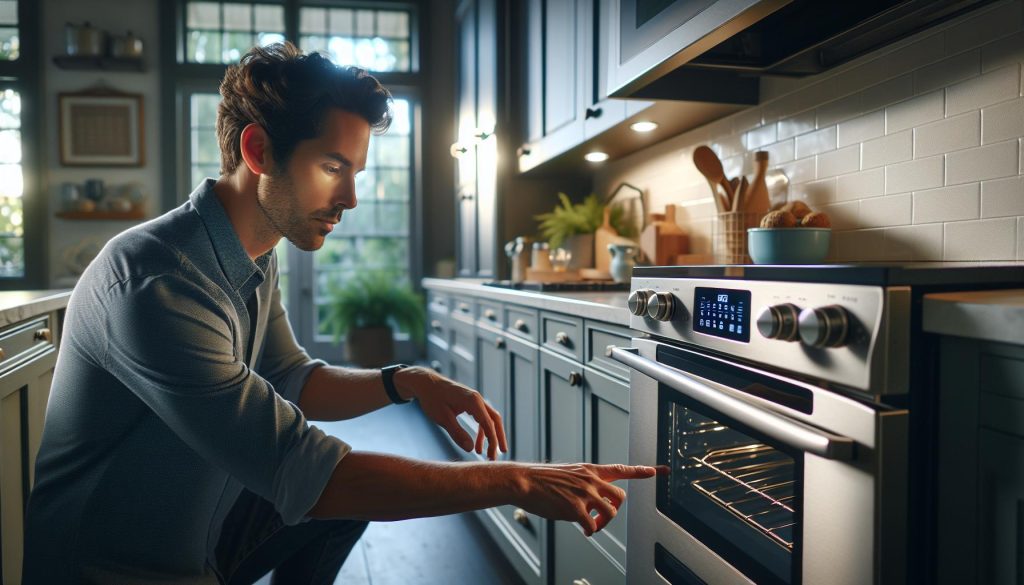
Keeping your General Electric oven clean is essential for both performance and safety; however, the process can often feel daunting. Did you know that a self-cleaning oven feature not only saves you time but also helps maintain your oven’s efficiency and longevity? With busy schedules and daily cooking messes, it’s easy to neglect this critical aspect of kitchen maintenance. In this guide, we will explore the simple steps to harness your oven’s self-cleaning capabilities, ensuring your appliance remains in top condition with minimal effort. Join us as we demystify the self-cleaning process, so you can enjoy a sparkling clean oven without the stress.
Understanding the Self-Cleaning Feature of GE Ovens
can transform the way you maintain your kitchen appliance. This innovative feature utilizes high temperatures-typically around 800 degrees Fahrenheit-to burn away food residues, cooking grease, and other impurities, reducing them to ash that can be easily wiped away. Unlike traditional cleaning methods, which can often involve scrubbing and harsh chemicals, the self-cleaning option provides a hands-off approach that is designed to save you time and effort while ensuring a more thorough clean.
When using the self-cleaning setting, it’s important to understand the process and its implications. The oven’s interior heats up significantly, which means the exterior may also become hot to touch-so avoiding accidental burns is crucial. Additionally, during the self-cleaning cycle, there might be some smoke and odor due to residue being incinerated. GE ovens are equipped with safety features like automatic shut-off in case temperatures exceed normal operating levels. So, while you can trust your oven to handle the self-cleaning process, keeping an eye on it during operation is advisable, especially the first few times you use this feature.
This self-clean function is not only about convenience; it also promotes the longevity of your appliance. By regularly using the self-cleaning mode, you minimize the buildup of carbon and grime that can lead to more significant maintenance issues down the line. However, it’s recommended to balance the use of this feature with regular manual cleaning to ensure your oven remains in peak condition, avoiding excessive wear on the heating elements.
For the best results, understanding the timing and frequency of self-cleaning is key. Typical recommendations suggest utilizing this mode once every few months, or more frequently based on usage or if you frequently cook messy dishes. Always refer to your specific model’s user manual for tailored guidance and best practices, ensuring that you get the most out of your GE oven while keeping it looking and performing as good as new.
Step-by-Step Guide to Using Self-Clean Mode
To get the most out of your GE oven’s self-cleaning feature, it’s essential to follow a structured approach that ensures a thorough and safe cleaning process. Before you begin, make sure the oven is empty and that any oven racks, thermometers, or other items are removed, as they can be damaged during the cleaning cycle. Understanding the specific features of your model can also enhance your cleaning experience.
First, locate the self-clean button or setting on your oven’s control panel. Depending on the model, you may need to press a combination of buttons or turn a dial to access the self-cleaning function. Once you’ve selected the self-clean option, you’ll typically be prompted to choose a cleaning duration, which can range from 2 to 4 hours. Choose the desired time based on the amount of residue built up. For stubborn grime, select the longer time option.
Next, lock the oven door if your model features an automatic locking mechanism. This is a critical safety step, as the oven will reach high temperatures during the self-cleaning cycle. You will also want to keep the kitchen well-ventilated; consider opening windows or turning on a kitchen exhaust fan to help dissipate any smoke or odors that may occur during the process.
After setting the timer and locking the door, press the start button. The oven will begin heating up, allowing the high temperatures to incinerate any baked-on food particles. As the cycle progresses, keep an eye on the oven to ensure everything is functioning correctly, especially if it’s your first time using the self-clean feature. Once the cycle completes, allow the oven to cool down completely before opening the door. Inside, you will find ash that can be easily wiped away with a damp cloth.
By following these steps, you’ll maintain a cleaner and more efficient GE oven, ready for your next culinary adventure. Remember to check your user manual for model-specific instructions and recommendations to ensure optimal usage of your oven’s self-cleaning feature.
Safety Precautions for GE Oven Self-Cleaning
Taking advantage of the self-cleaning feature of your GE oven can transform your cooking appliance into a more efficient and hygienic tool, but safety should be your top priority throughout the process. The self-cleaning mode operates at extremely high temperatures-up to 900°F-making it crucial to follow specific safety precautions to protect yourself, your family, and your home.
Before initiating the self-cleaning cycle, make sure to clear the oven of any items, including food debris, pans, or oven racks. Leaving these items inside can not only impede the cleaning process but also present fire hazards. A thoroughly ventilated kitchen is essential; open windows and turn on exhaust fans to mitigate any odors or smoke that may be generated during the high-temperature cleaning. Additionally, keep young children and pets away from the kitchen to prevent any accidents, as the oven door will lock automatically during the cleaning cycle, rendering it inaccessible while it’s hot.
It’s also vital to regularly inspect your oven for any damage before using the self-clean feature. Cracks or damages to the oven’s door or seals can allow heat to escape, increasing the risk of fire. Ensure that the oven interior is free from excessive residue or built-up grease, as these could ignite during the cleaning process. Lastly, consult your user manual for model-specific guidelines related to safety features and recommendations, as not all GE ovens may have the same cleaning capabilities or restrictions.
By adhering to these safety precautions, you can confidently utilize the self-cleaning feature of your GE oven, making it safer and more effective for use in your kitchen.
Common Mistakes to Avoid When Self-Cleaning
Initiating the self-cleaning cycle on your GE oven can be an incredibly effective way to maintain its cleanliness, but it’s essential to navigate this process carefully to avoid common pitfalls. Many users unknowingly compromise their cleaning efforts or, worse, risk damage to their ovens by overlooking a few crucial details.
One prevalent mistake is neglecting to remove all oven accessories before starting the self-cleaning mode. This includes oven racks, baking trays, and any leftover food debris. Not only can these items stain or warp in the high heat, but they can also release smoke or even catch fire, leading to a hazardous situation. It’s always best practice to follow the manufacturer’s instructions in your user manual regarding what should stay or go.
Another common error involves using the self-cleaning feature too frequently. While it might seem convenient, excessive cleaning can wear down the oven’s components over time. Typically, a self-clean is only necessary every few months, depending on usage. Relying on manual cleaning methods more regularly can help preserve the internal mechanisms and reduce wear.
Lastly, failing to monitor the cleaning process is another mistake many homeowners make. During a self-cleaning cycle, monitoring the oven’s temperature readout and being present can help identify any irregularities as they occur. If you notice unusual smells or sounds, it may indicate a malfunction that needs addressing. Regular inspections post-cleaning also allow you to spot any damage or wear that might have been exacerbated by the extreme heat.
By being mindful of these common blunders, you’ll enhance both the safety and effectiveness of your GE oven’s self-cleaning capabilities, ensuring that it continues to perform optimally for years to come.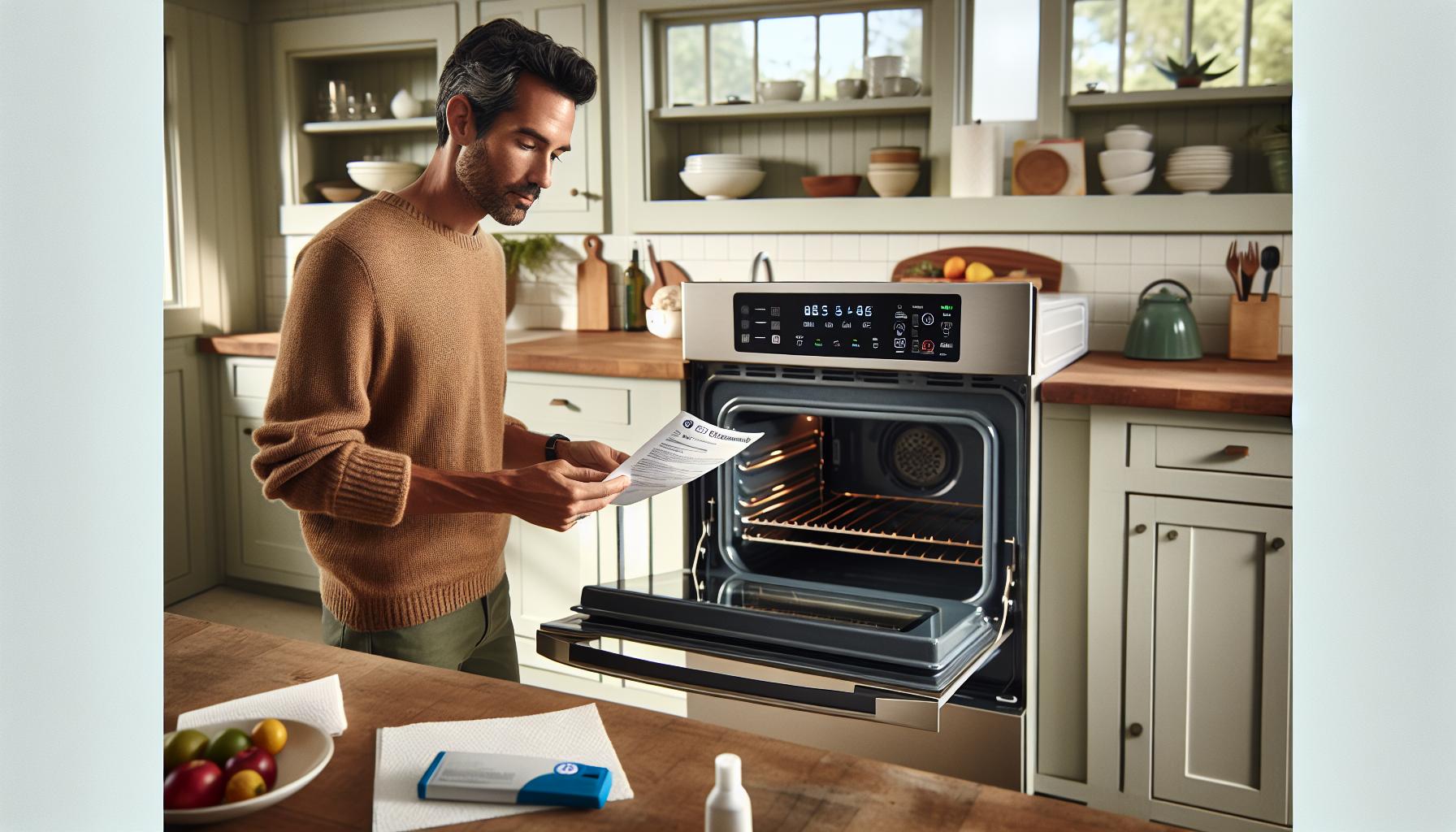
Troubleshooting Self-Cleaning Issues in GE Ovens
If your GE oven is encountering difficulties during the self-cleaning cycle, it can be frustrating, but many issues are manageable with some troubleshooting techniques. A self-cleaning oven operates at extremely high temperatures to burn off food residues, and this process might trigger various problems. Understanding these can save you time and money on repairs.
One common issue is the oven failing to reach the necessary cleaning temperature. If you notice that the self-cleaning cycle is taking longer than usual, it might indicate a malfunctioning thermostat or heating element. To verify this, use an oven thermometer to check the actual temperature during the cleaning cycle. If you find significant discrepancies, you may need to contact a professional to test or replace the thermostat or heating element.
Another potential problem occurs when the oven door doesn’t lock or remains locked after the cleaning cycle ends. This can happen if there’s a mechanical failure in the door latch. If the door fails to lock before the cycle starts, it will prevent the process altogether. Inspect the latch for any debris or obstruction, and ensure it moves freely. If the door remains locked after the cycle, unplugging the oven for a few minutes might reset the control board, allowing you to unlock it.
Dealing with Error Codes
In some cases, the oven may display an error code during or after the cleaning cycle. Refer to your user manual to identify what the code indicates and follow the recommended steps. Common codes often relate to temperature sensor issues or control board malfunctions. If the error code persists even after resetting the oven, it might require professional assessment.
Other Signs to Look For
Additionally, if you detect smoke or burning odors during the self-cleaning cycle, this could suggest that residual food particles are still present, which may not only hinder the cleaning process but also pose a fire risk. In such cases, consider running a manual clean to eliminate excess debris before attempting the self-clean again.
Overall, being aware of these troubleshooting steps can enhance your experience with GE ovens, ensuring you maintain a healthy appliance that effectively serves your cooking needs while prolonging its lifespan.
How Often Should You Self-Clean Your Oven?
Maintaining a clean oven not only enhances cooking efficiency but also prolongs the lifespan of the appliance. Knowing how frequently to engage the self-cleaning mode of your GE oven can help you effectively manage its upkeep while avoiding unnecessary wear and tear. Generally, it is advisable to run the self-cleaning cycle every three to six months, depending on usage and health standards. If you cook frequently or tend to use your oven for baking, you may want to opt for a more regular schedule, perhaps once every month, to prevent built-up grime and baked-on food.
When deciding on a cleaning schedule, assess the amount of residue left after cooking sessions. Keeping an eye out for excessive food spills and accumulations can guide your frequency. If you notice carbonized food remnants or an unpleasant odor when the oven is in use, it could be time for a thorough self-clean. Additionally, if the oven’s performance seems diminished-such as longer cooking times-it may benefit from a self-cleaning session.
It’s crucial, however, not to overuse this feature. Continuous reliance on the self-clean mode can lead to stress on the oven’s components due to the extremely high temperatures reached during the process. Therefore, balancing self-cleaning with regular manual maintenance-like wiping up spills after cooking-is essential for maximizing your oven’s performance and longevity.
Comparing Self-Cleaning vs. Manual Cleaning Methods
When it comes to maintaining your GE oven, understanding the differences between self-cleaning and manual cleaning methods can impact both your appliance’s performance and the effort you need to invest in keeping it tidy. The self-clean feature, utilizing extremely high temperatures to incinerate food residues, offers a hands-off approach that appeals to many. However, it comes with considerations regarding frequency and potential wear on the oven components.
Manual cleaning is often preferred for light maintenance and requires a different set of tools and approaches. This method involves using gentle scrubs and cleaning solutions to remove grime and stains without exposing the oven to extreme conditions. Here are some key points of comparison to consider:
Benefits of Self-Cleaning
- Easier Long-Term Maintenance: Running the self-cleaning cycle can significantly reduce the amount of time spent scrubbing after heavy cooking sessions.
- Thorough Cleaning: It provides a deep clean, reaching areas that might be difficult to access during manual cleaning.
- Convenience: Once set, the oven takes care of the cleaning process itself, freeing you up to focus on other household tasks.
Drawbacks of Self-Cleaning
- High Temperatures: The extreme heat can pose a risk if the oven is overused, potentially leading to damage over time.
- Odor and Smoke: Some users report unpleasant smells or smoke during the cleaning cycle, especially if the oven hasn’t been cleaned regularly.
Strengths of Manual Cleaning
- Control: You have full control over the cleaning process, allowing you to focus on areas that require the most attention without overheating.
- Use of Eco-Friendly Products: Manual cleaning can use less harsh chemicals, making it a more environmentally friendly option.
Limitations of Manual Cleaning
- Time-Consuming: This method can take significantly longer, especially if the oven has not been kept up regularly.
- Physical Demand: Scrubbing and reaching into the oven may be labor-intensive for some users, particularly those with mobility issues.
While the self-cleaning feature of GE ovens provides a modern solution for deep cleaning, combining both methods according to your needs can ensure your oven remains in optimal condition without risking damage. Many users find that a balance-using self-cleaning every few months while regularly performing manual maintenance-yields the best results. Regardless of which method you prefer, keeping your oven clean is essential to enhancing cooking efficiency and prolonging the appliance’s lifespan.
Maintaining Your GE Oven for Longevity
Keeping your GE oven in peak condition not only enhances its performance but also extends its lifespan, saving you money in the long run. Regular maintenance is crucial, and simple habits can make a significant difference. One of the best practices is to perform routine checks and cleanings based on usage frequency. For instance, if you frequently bake or roast, consider cleaning the oven and its components after every major use. This helps prevent the buildup of grime and food particles, which can become more challenging to remove over time.
Another important aspect of maintaining your GE oven is ensuring that the door seals are intact. The door seal is critical for maintaining temperature and efficiency. Regularly inspect the rubber gasket for damage or wear-if it appears cracked or hardened, replacing it can significantly improve your oven’s energy efficiency. A well-sealed oven also ensures consistent cooking results and reduces the risk of heat loss during self-cleaning cycles.
In addition to visual inspections, make it a habit to clean the oven’s interior surfaces gently with non-abrasive cleaners after each use. Spills can lead to smoke and unpleasant odors if not addressed promptly. This simple task can be accomplished with a damp cloth and mild detergent, ensuring that you avoid harsh chemicals that can affect your food and the oven’s components. Consider scheduling periodic deep cleans to coincide with your self-cleaning mode, but remember to allow adequate time for a proper cool down afterwards.
Maintaining cleanliness in areas such as the burners and the oven racks also plays a pivotal role in the longevity of your appliance. After each use, ensure these components are cleaned to prevent rust and corrosion. For ovens with glass surfaces, using a glass cleaner or vinegar solution will keep them sparkling and free from streaks. By committing to these maintenance tips, you can enjoy a more efficient, reliable, and longer-lasting GE oven, paving the way for many successful cooking experiences.
Additional Cleaning Tips for GE Oven Components
Maintaining the various components of your GE oven is essential for both performance and longevity. A clean oven not only enhances cooking results but also ensures safety during use. Regular attention to different parts of your oven can prevent small issues from becoming major repairs. Here are some effective tips to help keep your GE oven components in optimal condition.
Start with the oven racks, as these often accumulate grease and food residue. After cooking, remove the racks and soak them in warm, soapy water to loosen any baked-on grime. A gentle scrub with a non-abrasive sponge can lift off any stubborn spots without scratching the surface. For deeper cleaning, consider using a paste made from baking soda and water; apply it to the stubborn areas, let it sit for a few hours, and then scrub it off.
Next, address the oven door and glass. For optimal visibility inside your oven, use a mixture of vinegar and water or a specialized glass cleaner to wipe down the interior glass surfaces. Make sure to avoid abrasive cleaners that could scratch the glass. Pay particular attention to the rubber gasket around the door; clean it gently with a damp cloth to remove any food particles and maintain a proper seal, which is crucial for energy efficiency.
Additionally, it’s vital to clean the oven’s bottom. Food spills can not only produce smoke but also cause odors, so promptly wiping up any messes after each use is advisable. Depending on the type of oven you have, you may have removable bottom trays or areas that can be cleaned directly. For areas that can’t be removed, a damp cloth with a mild detergent can help keep these surfaces clean without damaging non-stick coatings.
Finally, don’t overlook the ventilation fan or exhaust and the area around the burners. Dust and grease can accumulate and hinder function. Regularly check and clean these areas to ensure proper airflow, which is important for safe cooking.
By staying proactive with these additional cleaning tips for your GE oven’s components, you’ll not only enhance your cooking experience but also maximize the lifespan of your appliance, ensuring it works effectively for years to come.
Eco-Friendly Tips for Oven Maintenance
Maintaining your GE oven in an eco-friendly manner not only supports the health of the environment but can also extend the life of your appliance. The good news is that you can achieve effective cleaning with natural products, reducing reliance on harsh chemicals that can emit volatile organic compounds (VOCs) harmful to both air quality and your health. Utilizing common household items like vinegar, baking soda, and lemon can yield powerful results while being gentle on the planet.
One fundamental eco-friendly practice is to opt for a self-cleaning cycle that utilizes high heat to eliminate residues without the need for chemical cleaners. However, to complement this process, consider creating an effective cleaning paste using baking soda mixed with water. This paste can be applied to tough spots and left to sit, breaking down stubborn grime with minimal effort. Furthermore, using a spray of vinegar not only cuts through grease but also helps neutralize odors, making it an ideal companion during the self-clean process.
When it comes to your oven’s components, regular maintenance can help minimize the need for intensive cleaning. Wipe down surfaces with a mixture of lemon juice and water to avoid buildup. The natural acidity in lemons acts as a disinfectant while leaving behind a fresh scent. Additionally, using cloths or wipes made from recycled materials can reduce waste and ensure you’re doing your part for the environment.
Remember, regular upkeep is key. Beyond cleaning, an eco-conscious approach means being mindful of energy consumption. Ensure your oven is operating efficiently by occasionally checking its seals and cleanliness. A well-maintained oven not only works better but can also help lower energy consumption, saving both electricity and costs. With these eco-friendly tips, you can confidently maintain your GE oven while caring for the planet.
What to Do After the Self-Cleaning Cycle Ends
Once the self-cleaning cycle is complete, it’s important to follow a few steps to ensure your oven remains in top condition and ready for your next culinary adventure. It may be tempting to open the oven door immediately, but it’s best to wait until the oven has cooled down sufficiently. This cooling period not only protects you from burns but also allows any residual ash to settle.
After the oven has cooled, begin the cleanup by donning a pair of gloves to protect your hands from any leftover residue. Open the oven door and inspect the interior. You will likely find ash and some small debris left behind from the cleaning process. Using a damp cloth or sponge, wipe down the oven’s interior surfaces to collect this ash. It’s helpful to use a vacuum with a nozzle attachment to remove larger particles, ensuring a thorough clean.
If you notice any stubborn spots or areas that require extra attention, a mixture of water and baking soda can be quite effective. Create a paste, apply it to those areas, and let it sit for a few minutes before scrubbing gently. This approach leverages the natural cleaning properties of baking soda, making the task easier while remaining eco-friendly.
Finally, once the oven’s interior is clean, don’t forget to clean the oven racks. If they were not cleaned during the cycle, soak them in warm, soapy water for a while to loosen any grime, followed by a good scrub with a brush. Rinse and dry them thoroughly before placing them back in the oven. Remember to also inspect and clean the oven’s exterior, including the control panel and door, to maintain its appearance and functionality. By following these steps, you’ll ensure your GE oven is not only clean but also optimally maintained, ready to tackle your next meal preparation with ease.
Faq
Q: How does the self-cleaning feature work on a General Electric oven?
A: The self-cleaning feature in General Electric ovens uses high temperatures to burn off food residues, turning them into ash. Typically, this process can reach temperatures of around 900°F, which sterilizes the interior surfaces and minimizes odors. Refer to the “Understanding the Self-Cleaning Feature of GE Ovens” section for more details.
Q: What should I do if my GE oven won’t start the self-cleaning cycle?
A: If your GE oven won’t start the self-cleaning cycle, check if the door is securely closed and ensure that the control settings are correct. Also, verify that the oven is not set to the “delay” mode. For troubleshooting steps, see the “Troubleshooting Self-Cleaning Issues in GE Ovens” section of the article.
Q: Can I use cleaning products during the self-cleaning cycle of my GE oven?
A: No, you should not use any cleaning products during the self-cleaning cycle as they can produce harmful fumes and damage the oven’s interior. The self-cleaning process is designed to effectively clean the oven without additional chemicals.
Q: Is self-cleaning safe for my General Electric oven?
A: Yes, self-cleaning is safe for General Electric ovens when used properly. Ensure to follow safety precautions, such as removing any items and ensuring good ventilation. For more comprehensive safety measures, check the “Safety Precautions for GE Oven Self-Cleaning” section.
Q: How can I maintain my GE oven to extend its lifespan?
A: To maintain your GE oven, regularly clean it using the self-cleaning feature as needed, avoid using harsh chemicals, and keep the oven clean from spills. For further guidance on maintenance, refer to the “Maintaining Your GE Oven for Longevity” section.
Q: What happens after the self-cleaning cycle is complete?
A: After the self-cleaning cycle completes, the oven will be extremely hot. Once cooled, wipe down the interior with a damp cloth to remove any remaining ash. For a detailed guide, review the “What to Do After the Self-Cleaning Cycle Ends” section.
Q: Can I interrupt a self-cleaning cycle if needed?
A: Interrupting a self-cleaning cycle is not recommended as it could cause the oven to malfunction. If it becomes necessary, you may need to initiate a cool-down period. Refer to the troubleshooting section for more insights on managing interruptions safely.
Q: How often should I self-clean my GE oven for optimal results?
A: Ideally, you should self-clean your GE oven every 3 to 6 months, depending on usage. More frequent cleaning may be required if you use the oven heavily. For additional insights, see the “How Often Should You Self-Clean Your Oven?” section of the article.
Closing Remarks
Now that you’ve mastered the process of self-cleaning your General Electric oven, it’s time to put your knowledge into action! Remember, regular maintenance not only keeps your oven in top shape but also enhances your cooking experience. If you have any questions or need further tips, feel free to check out our articles on “Essential Oven Maintenance Tips” and “How to Troubleshoot Common Oven Issues.”
Don’t miss out on more expert advice-consider subscribing to our newsletter for the latest tips on household maintenance, or explore our product pages for the best cleaning supplies to aid your efforts. Your oven deserves the best care, and we’re here to help you achieve it! Share your self-cleaning experiences in the comments below and let us know how it worked for you. Keep your kitchen sparkling and ready for your next culinary masterpiece!