Switching from a gas stove to an electric one can significantly enhance your cooking experience and streamline your kitchen’s functionality. In a world increasingly leaning toward sustainable energy solutions, converting to electric not only aligns with environmental goals but also offers the convenience of precise temperature control and easy maintenance. However, the conversion process can be daunting, especially if you’re unsure about the necessary steps and safety precautions. This guide will empower you with essential knowledge, from understanding the electrical requirements to navigating installation challenges, ensuring you make an informed transition. Dive in to discover how you can transform your cooking space, embrace modern technology, and enjoy the benefits of electric cooking!
Understanding the Benefits of Converting to Electric Stoves
In today’s eco-conscious world, converting to electric stoves offers a multitude of benefits that not only enhance modern living but also contribute positively to the environment. One compelling advantage is the reduced emissions associated with cooking. Unlike gas stoves, electric stoves do not emit harmful gases such as carbon monoxide and nitrogen dioxide, which can impact both indoor air quality and public health. This shift can be particularly beneficial for families with children or individuals with respiratory conditions, as cleaner air in the home contributes to better overall health.
Moreover, electric stoves provide more precise temperature control and consistent heat distribution, making them favored by chefs and home cooks alike. With features such as induction heating, electric stoves can offer rapid heating times and precise cooking temperatures, allowing for enhanced culinary experiences. As an added benefit, modern electric models often come equipped with smart technology, enabling remote monitoring and control through smartphones, ultimately leading to greater convenience and ease of use.
Transitioning to electric cooking can also lead to cost savings in the long-term. While the installation of an electric stove may require an initial investment, the overall operational costs tend to be lower than those associated with gas. Many utilities provide competitive rates for electricity, and the efficiency of modern electric cooking appliances can often lead to reduced energy consumption. Additionally, with the growing trend of renewable energy sources, cooking with electricity opens up possibilities for using solar or wind-powered solutions, further enhancing sustainability efforts.
In summary, the benefits of switching to electric stoves extend beyond just convenience; they encompass health, efficiency, and environmental considerations that align with contemporary values seeking to promote sustainable living. Making the switch not only aids in reducing your carbon footprint but also enhances your cooking experience, empowering you to thrive in today’s energy-focused landscape.
Assessing Your Current Gas Stove Setup
Before embarking on the journey of converting from a gas to an electric stove, it’s critical to thoroughly evaluate your current gas stove setup. This assessment not only ensures that you understand the infrastructure you are working with, but it also identifies any necessary adjustments or installations that need to be made during the transition. Take time to consider the following key aspects of your existing setup.
First, inspect the gas line that feeds your current stove. Ensure there are no leaks, and that the line is properly capped. If you’re unfamiliar with checking for gas leaks, consider hiring a certified technician. Additionally, examine the physical space where your stove sits. Measure the dimensions of your stove and the surrounding area to confirm that your new electric stove will fit adequately, especially if you plan to upgrade to a larger model with extra features.
Check Electrical Supply and Capacity
Next, focus on your kitchen’s electrical supply. Electric stoves typically require a 240-volt outlet, differing from the standard 120-volt outlets found in most homes. Assess whether your existing electrical system meets these specifications. A qualified electrician can help you evaluate your current wiring and circuit breaker capacity to determine if upgrades are necessary.
Keep in mind that older homes may have outdated wiring systems that do not support the power demands of modern electric appliances. You may need to replace the wiring or circuit box; thus, consulting with a professional early on can save time and prevent any last-minute complications during the installation process.
Consider Ventilation Needs
Also, evaluate the venting situation in your kitchen. Gas stoves often utilize ventilation systems that are tailored specifically for gas emissions. With electric stoves, the ventilation requirements may be different. Consider if your existing range hood or ventilation solution is adequate for your new electric model. Enhancing or modifying any existing ductwork might be necessary to ensure proper airflow and keep your kitchen safe.
Finally, take note of safety elements within your kitchen. Check that fire alarms and carbon monoxide detectors are functional and appropriately located. Transitioning to an electric stove minimizes the risks associated with gas, but maintaining a well-prepared environment is essential for overall kitchen safety.
By performing a comprehensive assessment of your current gas stove setup, you can effectively identify potential challenges and streamline the conversion process, paving the way for a smoother upgrade to an electric cooking experience.
Choosing the Right Electric Stove for Your Needs
When transitioning from a gas stove to an electric one, choosing the right model can significantly enhance your cooking experience and align with your kitchen’s requirements. Electric stoves come in various styles and features, each catering to different cooking habits and preferences. Understanding your cooking style and the available options is crucial for making an informed decision.
One essential factor to consider is the type of electric stove. There are primarily two types: coil burners and smooth top. Coil burners are often less expensive and easy to replace, making them suitable for budget-conscious buyers. Smooth-top stoves, on the other hand, offer a sleek and modern appearance and are generally easier to clean, featuring flat surfaces that heat up quickly and evenly. For those who enjoy precision and speed in cooking, induction cooktops, which utilize magnetic technology to heat pans directly, can be an excellent choice. They are more energy-efficient and provide rapid changes in heat levels, which is particularly advantageous for boiling and sautéing.
Another critical consideration is the size and layout of the stove. Measure the space where your current stove resides to ensure that the new electric stove fits comfortably within your kitchen design. Most electric stoves come in standard widths of 30 inches, but double-ovens or larger models may require additional space. Additionally, evaluating the number of burners you need is vital. If you frequently cook for large gatherings, a stove with five or six burners will provide more flexibility than a standard four-burner model.
Features and Functions
Electric stoves are equipped with various features that enhance their functionality. Look for options like self-cleaning ovens, convection settings, and smart technology integration. Self-cleaning can save you time and effort in maintaining your stove, while convection cooking provides even heat distribution, ideal for baking. As smart home technology becomes more common, consider electric stoves that connect to your home network, allowing remote control and monitoring from your smartphone.
Finally, the energy efficiency of the stove is worth noting. While electric stoves may initially seem more expensive, they can lead to savings on your energy bills, particularly if you choose an energy-efficient model. Look for the Energy Star rating, which indicates compliance with energy conservation standards. Moreover, consider the long-term advantages of electric stoves, such as reduced maintenance costs and improved safety, as they eliminate the risks associated with gas leaks.
By carefully evaluating these aspects, you can select an electric stove that not only meets your cooking needs but also enhances the overall functionality and aesthetic of your kitchen. Remember to consult your electrician during the selection process, ensuring compatibility with your existing electrical setup and maximizing your investment in a new electric cooking appliance.
Essential Tools for the Conversion Project
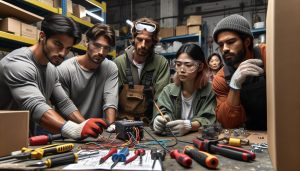
To successfully transition from a gas stove to an electric model, having the proper tools and equipment is essential. This conversion process can seem daunting, but being well-prepared with the right supplies can simplify your efforts and ensure safety throughout the project. Start by gathering the necessary tools, which will help you tackle everything from disconnecting the gas supply to installing the new stove.
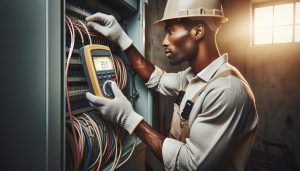
Begin with basic hand tools such as a screwdriver set, which will be vital for removing the gas stove and securing the new electric model. You should also have a socket wrench set on hand for loosening any fittings associated with your gas supply line. To safely handle electrical components, a wire stripper is useful for preparing any new electrical connections you may need to create, while a voltage tester will ensure that the power is off before you work on connecting your new stove.
For the conversion itself, prioritize safety equipment, including safety goggles and gloves, which should always be worn when working with gas lines and electrical systems. A pipe wrench may also be necessary for disconnecting the gas line, allowing you to safely shut off the gas supply without damaging any fittings. Additionally, have a tape measure handy to ensure that your new electric stove will fit into the allocated space effectively.
Finally, a level is crucial for ensuring that your stove is properly aligned during installation. This step is often overlooked but is important for the appliance’s functionality, providing accurate cooking results and avoiding spills. By assembling these tools before starting the conversion process, you’ll be equipped to handle the project efficiently, making your transition to an electric stove smooth and safe.
Step-by-Step Guide to Disconnecting the Gas Supply
To safely disconnect the gas supply from your stove, it’s crucial to follow a systematic approach that prioritizes safety and compliance with local codes. Begin by ensuring that your cooking area is well-ventilated and free of any open flames or ignition sources. Before you start, locate the gas shut-off valve, which is usually found on the gas line leading to your stove. Understanding how to properly close this valve is key to preventing any potential gas leaks during your disconnection process.
Once you’ve located the shut-off valve, turn it clockwise to close it completely. This action stops the flow of gas to your appliance, allowing you to proceed with disconnection safely. If you’re unsure whether the gas supply has been successfully shut off, use a gas leak detector or soapy water to check for leaks at the connection points. If bubbles form, there is a leak that needs to be addressed immediately.
Next, you’ll need to disconnect the gas line from the stove. Use a pipe wrench to loosen the fitting on the gas line, taking care to keep a towel or rag ready to catch any residual gas. Be mindful of your surroundings, wearing safety goggles and gloves for protection. After disconnecting the line, if it’s recommended by your local regulations, cap the end of the gas line securely to prevent any leakage until a permanent solution is put into place.
Lastly, always follow local safety regulations and guidelines when handling gas lines. If at any point you feel uncertain about the process, it’s advisable to consult with a licensed professional. They can ensure the disconnection is done safely and in compliance with local codes, providing peace of mind as you prepare for your new electric stove installation.
Preparing Your Kitchen for Electric Stove Installation
Successfully transitioning from a gas stove to an electric one requires careful preparation to ensure your kitchen is ready for this change. Start by assessing your kitchen’s electrical infrastructure. Electric stoves typically require a dedicated circuit, which may not already exist; this means potentially upgrading your electrical panel to handle the additional load. Depending on your stove’s specifications, you might need a 30 amp, 240-volt outlet. It’s prudent to have a licensed electrician evaluate your current wiring to determine if upgrades are necessary, ensuring compliance with local electrical codes.
Next, focus on the physical space where the new stove will be installed. Measure your available space meticulously to ensure that your new electric stove fits perfectly. Remember that electric stoves can be heavier than their gas counterparts, so check the flooring to ensure it can support the weight. Additionally, consider your kitchen layout-pay attention to clearance spaces around the stove for safe operation and accessibility. It’s also wise to relocate or adjust nearby countertops and cabinetry to maximize usability and aesthetics.
Also, consider ventilation. Electric stoves may generate steam or heat differently than gas stoves, so ensure you have adequate ventilation through your range hood or nearby windows. The environmental impact of transitioning to electric can be significant, especially if your new stove is more energy-efficient. You might also want to think about integrating smart home technology; many modern electric stoves offer features that can be controlled via smartphone apps, which can enhance your cooking experience and convenience.
Lastly, think ahead about how you might want to organize your cooking supplies. With the new stove comes potential adjustments in how you access pots, pans, and other cooking tools. Creating a well-organized kitchen environment can significantly improve your cooking workflow, making your electric cooking experience enjoyable and efficient.
Wiring Requirements: Converting to Electric Safely
Transitioning from a gas stove to an electric stove is not merely about uninstalling one appliance and plugging in another; it necessitates a thorough understanding of electrical requirements to ensure safe and efficient operation. Electric stoves typically require a dedicated circuit due to their high power consumption, often around 30 amps, and usually operate at 240 volts. This is essential to avoid overloading your existing electrical system, which can lead to tripped breakers or even electrical fires.
A crucial first step is to consult a licensed electrician who can assess your home’s current electrical infrastructure. They will evaluate whether the existing wiring meets the necessary specifications and confirm if you need to upgrade your electrical panel or add a dedicated circuit. It’s essential to adhere to the National Electrical Code (NEC) standards to ensure compliance and enhance safety. Attempting this upgrade without professional guidance can compromise both safety and the efficiency of your electrical system.
Once the appropriate circuit is established, pay careful attention to the type of outlet that will be required. Most electric stoves will need a NEMA 14-30R receptacle, designed to handle the load of larger appliances. The electrician will also ensure proper grounding, which is important for preventing electrical shocks and protecting the stove’s circuitry. Additionally, if you are in a locality with stringent electrical codes, be sure to secure any necessary permits before commencing installation.
Finally, while performing this upgrade, it is an ideal time to consider other electrical improvements in the kitchen that enhance usability and safety. For instance, adding additional outlets can provide convenient access for food processors, mixers, and other kitchen gadgets. By investing in professional installation and ensuring compliance with safety standards during your conversion, you not only protect your home but also optimize your kitchen’s functionality for years to come.
Installing an Electric Stove: A Detailed Process
Installing an electric stove requires a careful approach to ensure safety and functionality in your kitchen. Understanding that electric stoves usually operate on a dedicated circuit, ideally requiring 240 volts and 30 amps, is the first step vital to achieving a successful installation. The process usually begins with verifying that your kitchen’s electrical system can handle the load of the new appliance. This assessment should be conducted by a licensed electrician, who can offer expert advice on upgrades needed for adherence to the National Electrical Code (NEC) standards.
Before you begin the installation, have all the necessary tools at hand and confirm that you’re equipped with a NEMA 14-30R outlet. This receptacle is essential for electric stoves, designed to accommodate their high amperage requirements. Prior to plugging in your new appliance, it’s crucial to check that the wiring is appropriately grounded to mitigate any risks of electric shock. If not done correctly, improper grounding can lead to serious hazards, including potential electrical fires.
Once your electrician has ensured that the electrical specifications meet the required standards, you can proceed with the installation. Start by identifying the placement of the electric stove ensuring it is level and close to the outlet. Carefully maneuver the stove into position, making sure not to damage the electrical cord. Connect the stove to the outlet, ensuring that it is securely positioned and that the plug fits snugly into the receptacle. Finally, once the stove is in place, test all burners and features to verify they are functioning correctly. This procedure not only empowers you to understand the electrical requirements involved but also guarantees your kitchen is set up for efficient cooking, letting you enjoy the various benefits that electric stoves provide.
Common Challenges and How to Overcome Them
Converting from gas to electric stoves can greatly enhance your cooking experience, but it does come with its own set of challenges. From electrical requirements to installation logistics, understanding these hurdles can better prepare you for a smooth transition. One common challenge is ensuring that your home’s electrical system can support the demands of an electric stove. Most electric ranges require a dedicated 240-volt circuit, which might necessitate an upgrade to your home’s wiring system. It’s vital to consult a licensed electrician to assess your existing electrical setup and make any necessary upgrades before installation.
Another potential hurdle lies in the physical aspects of the installation itself. Electric stoves can be heavier and bulkier than gas models, making them more challenging to maneuver into place. If you’re working in a tight kitchen space, consider enlisting the help of a friend or a professional to assist with moving the new appliance. Additionally, be prepared for modifications to your kitchen layout; sometimes, moving cabinetry or altering the countertop might be needed to accommodate the electric stove.
Many homeowners also encounter issues with the outlet configuration. Electric stoves typically require a NEMA 14-30R outlet, which might not be present in your kitchen if you’ve only ever used gas appliances. Installation of this specialized outlet should be performed by a qualified electrician to ensure safety and compliance with local electrical codes. It’s important to understand that improper wiring can lead to electrical hazards, so never attempt to handle this alone if you lack the necessary expertise.
Lastly, it’s not uncommon for users to feel a transitional learning curve when switching from gas to electric cooking. Electric stovetops often heat differently than gas burners, which can impact cooking times and techniques. To overcome this, take some time to familiarize yourself with your new stove’s controls and performance by experimenting with various cooking methods-this will not only make the transition smoother but also enhance your culinary skills in the long run. Embrace the change, and soon you’ll appreciate the numerous benefits electric stoves have to offer, including improved heating efficiency and easier cleaning.
Frequently Overlooked Safety Tips During Conversion
When transitioning from a gas stove to an electric one, safety often takes a backseat amidst the excitement of a kitchen upgrade. However, overlooking safety considerations can lead to serious hazards, making it crucial to follow best practices throughout the conversion process. One of the first steps is to ensure that all gas lines are properly disconnected and capped off by a licensed professional. This is essential not only for preventing gas leaks but also for complying with local codes. Neglecting this precaution can endanger your household and may even lead to costly repairs or fines.
Another important aspect is the electrical supply. Electric stoves typically require a dedicated 240-volt circuit to operate safely and efficiently. It’s vital to consult with a certified electrician to assess your home’s current wiring and make any necessary upgrades. Check for compatibility with the NEMA 14-30R outlet, as using an improper outlet can not only damage your appliance but also pose significant safety risks. It’s advisable to schedule a comprehensive electrical assessment before making the switch; this can identify any issues like inadequate amperage or outdated wiring that might need attention.
Moreover, pay close attention to the installation process. Heavy electric stoves can be cumbersome, and improper handling may lead to accidents, especially in cramped kitchen spaces. Always use proper lifting techniques or enlist the help of professionals to safely maneuver your new appliance into place. It’s also crucial to ensure that the stove is level during installation, as an uneven stove can lead to improper cooking and increased risk of accidents.
Finally, familiarize yourself with your new electric stove’s safety features, such as automatic shut-off options and child lock settings. These features enhance not just your cooking experience but also the safety of your kitchen. Make it a habit to read the manufacturer’s manual thoroughly; it contains essential information on safe operation and maintenance. By prioritizing these often-overlooked safety tips, you can ensure a smooth and secure transition to electric cooking.
Testing Your New Electric Stove: What to Expect
After successfully converting your gas stove to an electric model, it’s time to put your new appliance to the test. Testing your electric stove not only ensures that everything is functioning as it should but also allows you to familiarize yourself with its features and cooking performance. An electric stove can heat up quickly and provide even cooking, but understanding how to optimize its use is crucial for a satisfying cooking experience.
Start by conducting a thorough visual inspection of the stove. Look for any signs of installation errors, such as loose connections or missed components, which can affect performance. Once you confirm that everything appears to be in order, plug in the stove to its dedicated outlet and turn it on. Most electric stoves have indicator lights that will show whether the heating elements are activated. Make sure these lights are working; if they do not illuminate, it could indicate an issue with the electrical connection.
Initial Cooking Test
To truly assess the functionality of your new electric stove, prepare a simple dish. Something basic, like boiling water or sautéing vegetables, can help gauge how quickly and evenly your stove heats. Pay attention to the following:
- Heat Distribution: Watch as your pan heats up. Is the temperature consistent across the surface? Uneven heating could suggest that you may need to adjust your cookware or that the burners are not functioning optimally.
- Response Time: Electric stoves typically take longer to cool down compared to gas models. Test this by turning the heat off while cooking and observing how quickly the elements respond. This will give you insight into how to manage cooking times.
- Safety Features: Take note of any safety features, such as automatic shut-off systems. These are particularly beneficial for maintaining a safe cooking environment.
Common Issues and Troubleshooting
Although you might have followed all installation steps perfectly, issues can still arise. If you notice the stove is not heating as expected, consider checking your circuit breaker; overloading can cause it to trip. Additionally, always ensure you’re using cookware that is compatible with your stovetop. Using mismatched pans can lead to inefficient heating or, worse, damage to your new stove.
Just as important as testing the performance of your appliance is ensuring that it is working safely. Follow up on your testing experience by thoroughly reviewing the manufacturer’s manual. This document will offer insights into care and maintenance, helping to prolong the life of your stove while minimizing potential hazards. Embracing electric cooking can be a transformative experience; understanding your stove, troubleshooting it effectively, and employing best practices will make your kitchen adventures safer and more enjoyable.
Cost Analysis: Is the Conversion Worth It?
Switching from a gas stove to an electric one can often seem daunting, especially when it comes to understanding the financial implications of such a conversion. However, this decision is not just about upfront costs; it encompasses long-term savings, efficiency, and safety that can significantly affect your kitchen experience. An essential aspect to consider is that electric stoves generally have lower operating costs than gas stoves, particularly in regions where electricity prices are competitive.
The initial investment includes the cost of the electric stove itself, which can vary widely based on brand, features, and efficiency ratings. Typically, electric stoves range from $300 to over $2,000. Beyond this, you might incur additional expenses for installation, especially if electrical wiring upgrades are necessary to handle the stove’s load. Hiring a qualified electrician can add $100 to $300, depending on local rates and any modifications needed for compliance with safety standards. However, once installed, electric stoves often bring lower utility bills due to higher energy efficiency and reduced maintenance costs over time.
Long-Term Savings
While the upfront costs might initially seem higher compared to replacing a gas stove with another gas model, the long-term savings can outweigh these expenses. Electric stoves contribute to energy efficiency, as they convert energy into heat more effectively than gas, leading to reduced overall consumption and costs. Homeowners may also qualify for various local or state rebates and incentives for switching to electric appliances, further offsetting initial investments.
Moreover, consider the safety factor: electric stoves eliminate the risks associated with gas leaks and combustion byproducts, making your kitchen a safer environment for cooking. The peace of mind that comes from having a reduced risk of fire or gas-related health issues is invaluable and hard to quantify but should weigh into your decision-making process. Such benefits extend not just financially but also contribute to a healthier home environment, thus enhancing overall quality of life.
In conclusion, while converting from a gas stove to an electric model involves an initial financial outlay, the potential for long-term savings combined with increased safety and efficiency makes it a worthy consideration. Evaluating your cooking habits, local energy costs, and potential savings can provide clear insights into whether this conversion is worth it for you.
Faq
Q: What tools do I need to convert my gas stove to electric?
A: To convert a gas stove to electric, you’ll need basic tools like a screwdriver, pliers, wire cutters, and a voltage tester. Additionally, you may require a socket adapter if your new electric stove doesn’t have a compatible plug. Make sure to check the specific requirements in the section on Essential Tools for the Conversion Project.
Q: Can I install an electric stove myself, or do I need a professional?
A: While some homeowners might manage the installation of an electric stove themselves, it’s often best to hire a qualified electrician, especially for wiring work. This ensures safety and compliance with local electrical codes, as detailed in the Wiring Requirements section of your guide.
Q: How do I ensure my kitchen is ready for an electric stove?
A: Preparing your kitchen for an electric stove involves confirming that you have the necessary electrical voltage and outlets, checking cabinet clearance, and providing adequate ventilation. For a detailed process, refer to the Preparing Your Kitchen for Electric Stove Installation section.
Q: What are the safety tips for converting a gas stove to electric?
A: Key safety tips include turning off the gas supply completely before beginning any work and ensuring that the electrical system matches the requirements of the new stove. Always consult the Frequently Overlooked Safety Tips During Conversion section for comprehensive safety advice.
Q: How long does it take to convert a gas stove to electric?
A: The conversion time varies, but most installations can be completed in a day if all tools and parts are ready. Factors affecting the duration include the complexity of the wiring and other kitchen modifications. Check the Common Challenges and How to Overcome Them section for more insights.
Q: What are common problems people face when converting a gas stove to electric?
A: Common issues include improper wiring, clearance problems with the stove, and not having the right outlets or voltage available. Understanding these challenges can help you prepare, as discussed in the Common Challenges and How to Overcome Them section.
Q: Is it expensive to convert a gas stove to electric?
A: The cost of converting to an electric stove can vary widely depending on materials and labor, but you should prepare for expenses related to electrical upgrades and the stove itself. Review the Cost Analysis section for a detailed breakdown of costs involved.
Q: Will converting to an electric stove affect my energy bills?
A: Yes, converting to an electric stove can impact your energy bills; electric stoves generally have higher operational costs compared to gas. For an analysis of the long-term cost implications, refer to your Cost Analysis: Is the Conversion Worth It? section.
Final Thoughts
Congratulations on taking the first step towards converting your gas stove to electric! You’ve learned not only how to make this important transition but also the benefits it brings, including enhanced safety and energy efficiency. If you’re eager to get started, don’t hesitate to check out our resources on choosing the right electric stove and hiring qualified electricians for installation.
For further insights, consider exploring our articles on proper electrical safety practices and the advantages of smart home integrations to elevate your cooking experience. Feeling unsure about some steps? Drop a comment below, and let’s discuss your concerns-I’m here to help!
As you move forward, remember that the right tools and knowledge can make all the difference in ensuring a smooth transition. Join our newsletter for more tips and updates on home improvements. Your journey to a modern electric kitchen begins now-let’s keep the momentum going!