
When summer heat hits, air conditioning becomes not just a luxury but a necessity. However, many homeowners underestimate the impact of amperage on their cooling costs. Understanding how much amperage your air conditioner uses is crucial for managing energy bills and ensuring optimal system performance. With rising utility costs, knowing your unit’s electrical demands can help you make informed decisions about operation times and energy efficiency. Dive into this essential topic to uncover how to balance comfort and cost, and empower yourself with the knowledge to optimize your air conditioning system effectively. Your wallet-and your cool home-will thank you.
How Air Conditioners Work: The Basics of Cooling
Understanding the fundamentals of how air conditioners operate is essential for both consumers and electricians alike. Air conditioners function primarily through the principles of thermodynamics, using the refrigeration cycle to effectively remove heat from indoor spaces. At the core of this system lies a refrigerant, a fluid that absorbs heat from the indoor air, manipulating temperature and humidity levels to create a comfortable environment.
When the thermostat detects that the indoor air temperature has risen above the set point, it triggers the air conditioning system. The compressor, located outside the unit, pressurizes the refrigerant, converting it from a gas to a high-pressure liquid. This liquid then flows through the condenser coils, where it releases heat to the outside air. The cooled refrigerant is then expanded through an expansion valve, which reduces its pressure and temperature before it enters the evaporator coils located indoors. As air is blown over these coils, the refrigerant absorbs heat, transforming back into a gas, and thus cooling the indoor environment.
For homeowners and electricians, understanding energy consumption is crucial, especially since air conditioning units typically account for a significant portion of residential energy use. The amount of electricity consumed is directly related to the amperage drawn by the unit, which varies based on the capacity and efficiency of the system. Modern units may also feature energy efficiency ratings, which indicate their performance and can help in choosing a system that minimizes operating costs.
In summary, recognizing how air conditioning systems work not only aids in optimizing their operation but also informs best practices for energy usage and ensures that technicians can effectively troubleshoot and maintain these essential appliances.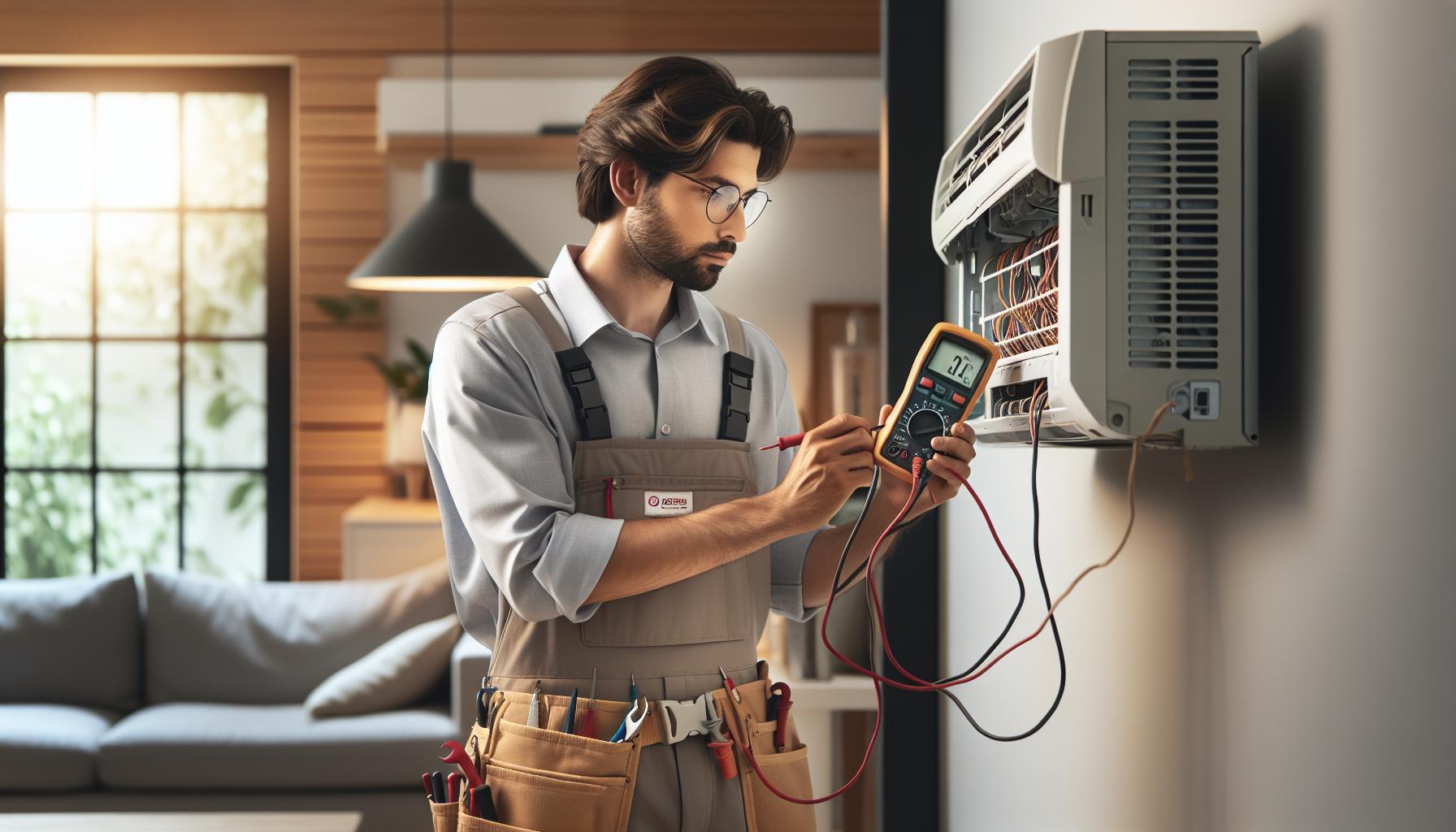
Understanding Amperage: What It Means for Your AC
Understanding how amperage impacts air conditioning systems is crucial for homeowners and electricians alike, especially given that air conditioning often represents a significant portion of a home’s energy bill. Amperage, or the flow of electric current, directly correlates to the power requirements of an air conditioning unit. Expressed in amperes (amps), this measurement is essential for determining the right electrical setup for an AC system, influencing everything from circuit breaker sizes to operational efficiency.
When selecting or analyzing an air conditioning unit, it’s essential to consider its amperage draw. Residential air conditioners can vary widely in their amperage requirements based on several factors, including the type of system (such as window units or central air) and its cooling capacity measured in British Thermal Units (BTUs). For example, a small window air conditioner might draw around 5-15 amps, while a central air conditioning unit could require 15-30 amps or more depending on its size and efficiency rating. Understanding these specifications is crucial to ensure that the existing electrical infrastructure can handle the load, preventing potential overloading and outages.
Properly assessing amperage also plays a key role in energy efficiency and cost management. The higher the amperage, the more electricity your unit consumes, which leads to increased utility bills. Electricians often recommend employing smart technology, such as monitoring systems, that can track amperage draw over time. By analyzing this data, homeowners can make more informed decisions, such as upgrading to energy-efficient models that operate on lower amperage.
In addition to knowing the practical numbers associated with amperage, safety is paramount. Electricians must always adhere to local codes and practices, ensuring that installations are safe for long-term use. They should regularly check wiring, fuses, and circuit breakers to maintain a safe operational environment for air conditioning systems, thus safeguarding both property and residents from electrical hazards. Understanding the relationship between amperage and air conditioning performance ultimately empowers users to optimize their systems for greater energy efficiency and safety.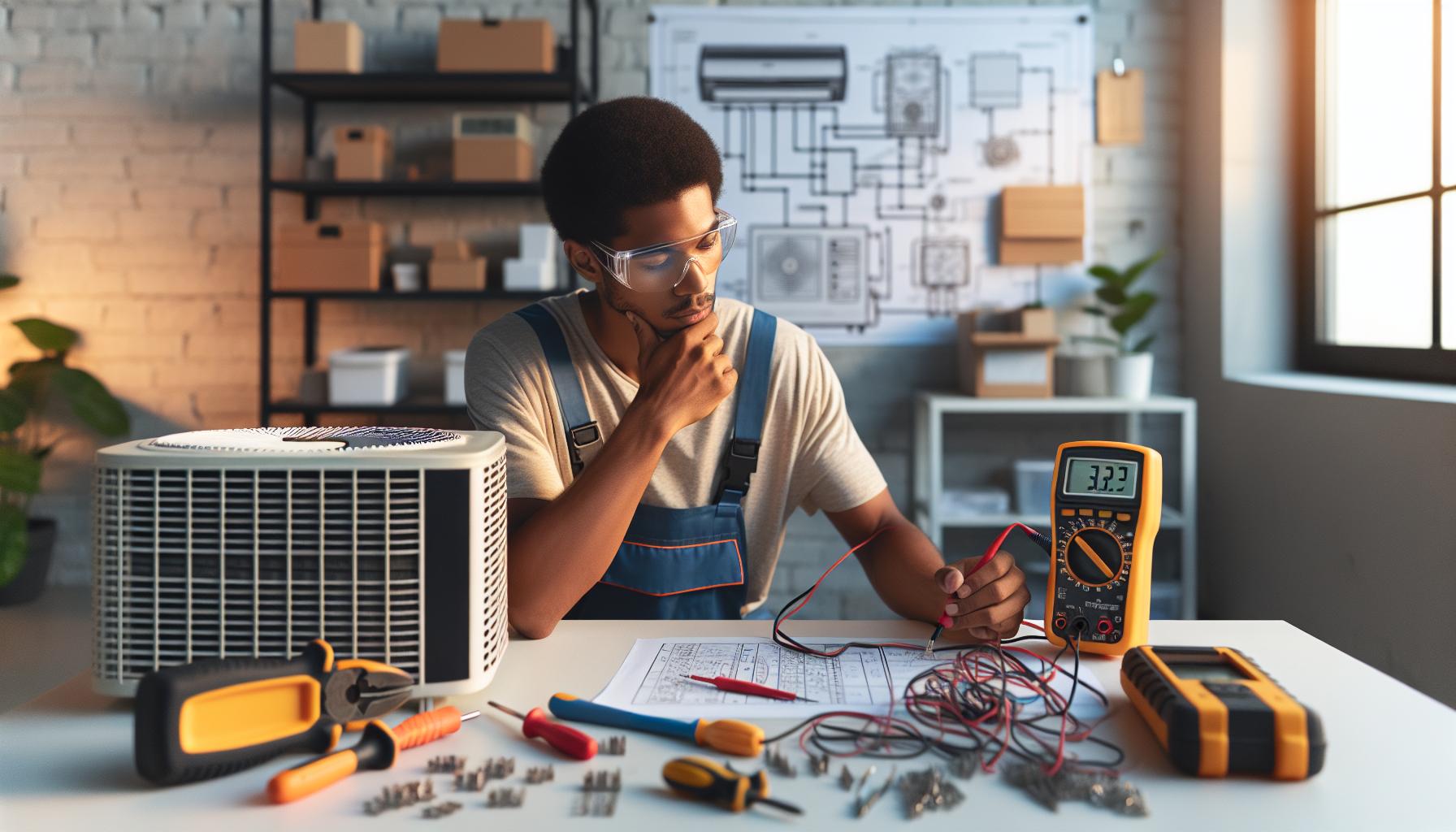
Calculating Amperage for Different Air Conditioner Types
Calculating the amperage for different types of air conditioners is essential knowledge for homeowners and electricians, as it directly impacts efficiency and safety in operation. Understanding the amperage draw helps ensure that circuit systems are adequately designed to prevent overloads while maximizing performance. Different air conditioner types will typically exhibit varying amperage requirements based on their design and operational capacity.
To efficiently calculate the amperage for air conditioning units, utilize the following formula derived from electrical fundamentals:
Amperage Calculation
Formula:
[ text{Amperage (A)} = frac{text{Watts (W)}}{text{Voltage (V)}} ]
Major air conditioning units can be categorized as follows:
- Window Units: These compact systems usually draw about 5-15 amps, depending on their size and cooling capacity, typically measured in BTUs.
- Portable Units: Slightly larger than window models, portable air conditioners may consume approximately 10-20 amps.
- Central Air Conditioning Systems: Central units are significantly more powerful, often requiring 15-30 amps or more depending on their tonnage and efficiency rating. A larger unit can demand even higher amperage, particularly in homes with extensive cooling needs.
- Mini-Split Systems: These energy-efficient alternatives generally require between 5-15 amps for the indoor unit and can reach upwards of 20 amps for the outdoor compressor depending on size.
When calculating amperage for different air conditioning types, it’s essential to consider other factors as well, including the age of the unit, the efficiency rating (SEER), and any additional load from accessories like fans or dehumidifiers. This comprehensive approach helps create a safer electrical setup, reduces the risk of overheating, and can lead to more informed choices about efficiency upgrades or system replacements. Recognizing these calculations and applying them appropriately ensures that both homeowners and professionals can maintain optimal air conditioning performance while safeguarding their electrical infrastructure.
Average Amperage Usage for Residential Units
Understanding the average amperage usage of residential air conditioning units can significantly influence both the initial setup and the ongoing operating costs of cooling a home. On average, most residential air conditioning systems draw between 5 to 30 amps, depending on the type and size of the unit. This variability is largely determined by the cooling capacity, measured in BTUs. For instance, a typical window unit with lower BTU ratings may draw around 5-15 amps, while central air conditioning systems, designed for larger spaces, could require 15-30 amps or more.
To break it down further, here’s a quick overview based on the type of air conditioning unit:
- Window Units: Generally range from 5 to 15 amps, depending on their BTU ratings, making them suitable for single rooms or small apartments.
- Portable Units: Slightly more powerful and can draw between 10 to 20 amps, which gives them the flexibility to cool larger areas or multiple rooms.
- Central Air Systems: Require between 15 to 30 amps and are typically the most effective option for cooling an entire house. The higher demand for larger systems caters to bigger homes with extensive heating and cooling needs.
- Mini-Split Systems: These can vary widely, requiring anywhere from 5 to 20 amps, depending on their design and efficiency.
Electricians should also consider the additional load from accessories connected to the AC system, like dehumidifiers or fans, as these can impact the overall amperage draw. Moreover, understanding the age and efficiency rating of the unit, such as SEER (Seasonal Energy Efficiency Ratio), can provide further insights into its electrical demands. For example, newer models are often designed to be more energy-efficient, which can lower their amperage requirements over time.
Expertise in measuring and understanding amperage usage not only enhances workplace safety and efficiency but also empowers homeowners to make informed decisions about their cooling systems. Incorrect amperage calculations can lead to circuit overloads, potentially causing costly failures and safety hazards. Keeping track of the average amperage usage aligns with best practices in electrical installations and maintenance, ensuring optimal performance and longevity of air conditioning systems while managing cooling costs effectively.
Factors Influencing Air Conditioner Amperage
Understanding the various factors that influence the amperage usage of air conditioners is crucial for homeowners and professionals alike. Not only can it impact energy bills, but it also affects the overall efficiency and safety of the electrical system. One of the primary elements determining how much amperage an air conditioner uses is the size of the unit. Larger systems designed for bigger spaces tend to demand more power, with central air conditioning units typically drawing significantly higher amperage compared to smaller window models. For instance, a unit rated for higher BTUs (British Thermal Units) will naturally consume more power to meet the cooling needs of a larger area, leading to an increase in amperage draw.
Another critical factor is the energy efficiency of the air conditioning system itself. Modern units often come with higher SEER (Seasonal Energy Efficiency Ratio) ratings, which indicates their energy efficiency. As technology has advanced, newer models are engineered to deliver better cooling performance while consuming less electricity. This can result in reduced amperage requirements during operation. For example, an efficient central air system may have a lower amperage draw than an older, less efficient model, even if both serve similar cooling capacities. Consequently, investing in a high-efficiency air conditioner can lead to significant savings on energy bills over time.
Environmental conditions also play a significant role in determining how much amperage an air conditioner will consume. The ambient temperature and humidity levels can affect the workload of the unit; higher temperatures or humidity levels often compel the system to work harder, resulting in increased amperage usage. Furthermore, the location of the air conditioning unit, such as exposure to direct sunlight or placement in a shaded area, can impact its efficiency and electrical demands. Electrical professionals must consider these variables when assessing or installing air conditioning systems to ensure they are appropriately sized and set up for the specific environment of a home.
Lastly, routine maintenance can greatly affect amperage consumption. Dust build-up in filters or evaporator coils, for instance, can decrease airflow and efficiency, forcing the system to draw more amperage to attain the desired cooling level. Regular servicing, including cleaning filters and checking refrigerant levels, should be part of the ownership experience to maintain optimal performance and energy efficiency. By keeping these factors in mind, homeowners and electrical professionals can make informed decisions that enhance both the performance and safety of air conditioning systems, ultimately leading to reduced operational costs and greater comfort.
Assessing the Cost of Running an Air Conditioner
Understanding the financial implications of running an air conditioner goes beyond just looking at the monthly utility bill-it’s about comprehensively assessing how various factors contribute to overall cooling costs. At the core of this are concepts like amperage and power consumption, which determine how efficiently your unit operates. For instance, a central air conditioning system, which typically draws more amps, can lead to noticeably higher energy costs compared to smaller, window-mounted units, emphasizing the importance of choosing the right type for your space.
When evaluating cooling costs, one effective method is to calculate the daily or monthly energy usage of your air conditioner. The formula typically used is:
- Watts = Amperage × Voltage
- Energy Consumption (in kWh) = (Watts × Hours of operation) / 1000
This calculation enables you to gauge the overall energy draw and convert it into a dollar amount by multiplying the kilowatt-hours usage by your local energy cost rate. Understanding these figures allows homeowners to strategize their usage, determining the optimal times to run their air conditioners for maximum efficiency. For example, using the AC during off-peak hours when electricity rates are lower can significantly reduce costs.
Another key aspect to consider is the impact of energy efficiency ratings (EER or SEER). Units with higher ratings consume less electricity for the same cooling output, resulting in reduced amperage consumption and lower energy bills. While high-efficiency models may initially have a higher purchase price, the long-term savings can justify the investment. Homeowners should also factor in potential maintenance costs, as a well-maintained unit operates more efficiently and uses less energy, directly influencing its running costs.
Finally, integrating smart technologies can provide real-time monitoring of energy consumption. Smart thermostats can optimize cooling schedules based on user habits, weather changes, or even regional electricity pricing. Such technology not only enhances comfort but also leads to smarter energy usage that can further keep costs under control, empowering homeowners with proactive strategies to manage their AC running expenses.
How to Reduce Air Conditioning Costs Effectively
To manage air conditioning costs effectively, understanding how to optimize both the system’s usage and its installation can yield significant savings. Air conditioners can account for a large portion of monthly electricity bills, often peaking in hot months. Implementing strategies such as regular maintenance, smart technology, and optimizing cooling efficiency can greatly impact overall energy consumption.
One effective method is to engage in regular maintenance. Clean or replace air filters every one to three months to ensure airflow is unobstructed, which allows the unit to operate more efficiently. Additionally, scheduling professional check-ups can identify and rectify issues before they escalate, reducing costly repairs or inefficient operation that increases energy usage.
Smart Technology Integration
Leveraging smart technology can also enhance efficiency. Smart thermostats, for example, allow for automated temperature adjustments based on occupancy and time of day. This not only helps in reducing electricity usage during unoccupied hours but can also optimize the cooling schedule to run during off-peak electricity hours, where costs are generally lower.
Improving Energy Efficiency
Energy efficiency ratings are critical indicators of how much amperage an air conditioner uses compared to its cooling output. Opting for units with higher ratings (SEER or EER) pays off-while they may have a higher upfront cost, they significantly reduce energy consumption over time. Combining this with proper insulation, sealing leaks around windows and doors, and utilizing reflective window treatments can create a more energy-efficient home that requires less cooling power.
These steps collectively enable homeowners to take control of their air conditioning costs, fostering a more sustainable and financially savvy approach to cooling their living spaces.
Using Smart Technology to Monitor AC Usage
Smart technology now plays a pivotal role in how homeowners can monitor and manage their air conditioning systems, ultimately influencing the cost of cooling. Utilizing devices such as smart thermostats and energy monitors can provide significant insights into the amperage usage of air conditioning units, allowing for better control over energy expenditures. For instance, a smart thermostat can track temperature fluctuations and adjust settings based on when the house is occupied, effectively minimizing energy waste during periods of low usage. This automated adjustment can lead to noticeable reductions in electricity bills, especially during peak usage times when amperage demands are highest.
Key Features of Smart AC Monitoring Technology
By integrating smart technology, users can easily analyze their air conditioning system’s performance and energy consumption through user-friendly apps. These apps often feature:
- Real-Time Usage Tracking: Monitor amperage and overall energy expenditure, providing clarity on how much energy the AC is consuming.
- Usage Alerts: Notifications about unusual energy usage patterns can prompt proactive maintenance or adjustments to the system.
- Schedule Control: Set cooling schedules around daily activities to optimize energy efficiency.
- Remote Access: Control your air conditioner from anywhere, ensuring it only runs when needed.
Employing these tools not only leads to energy savings but also assists in understanding how different settings and external factors, like weather conditions, can impact the overall amperage required by your unit. By having real-time data, homeowners can react swiftly to high usage spikes, potentially avoiding high-cost scenarios and transforming their cooling habits into a more efficient, cost-effective routine.
Implementing Smart Monitoring Solutions
For those looking to invest in smart technology to monitor air conditioning usage, consider options that are compatible with existing HVAC systems and offer features like energy reporting and integration with home automation systems. Popular devices from trusted brands often come equipped with the capability to provide historical usage data, allowing users to track patterns over time and make informed decisions regarding their cooling strategies.
Overall, embracing smart technology not only enhances comfort but also emphasizes a forward-thinking approach to energy consumption. By leveraging these modern solutions, homeowners can take control of their air conditioning costs while contributing to a more sustainable energy future.
The Importance of Electrical Safety with Air Conditioners
Ensuring electrical safety when using air conditioners is paramount, particularly given their significant amperage demands, which can lead to electrical hazards if not properly managed. The average residential air conditioner can draw considerable current, often requiring dedicated circuits to handle the potential load safely. Overloaded circuits can trigger tripped breakers or, worse, electrical fires. Understanding how to safely operate and maintain your air conditioning unit involves not only awareness of its amperage requirements but also an adherence to essential safety practices.
To mitigate risks, it’s crucial to install air conditioning units according to the manufacturer’s guidelines and local electrical codes. This includes ensuring proper wiring, using the right gauge of electrical wiring, and verifying that breakers can handle the increased load. Regular maintenance is also key; dirty filters or coils can cause the system to work harder, increasing amperage use and heightening the risk of burnout or failure. Regular inspections by a licensed electrician can help identify and correct any potential safety issues before they escalate.
Awareness of electrical safety extends to recognizing signs of trouble. For instance, if your air conditioner frequently trips breakers or if you notice unusual odors, these could be indicators of electrical problems, such as short circuits or overheating wires. Homeowners should equip themselves with basic knowledge about their AC systems, including the importance of checking for any frayed wires or loose connections that could pose safety risks.
By embracing a proactive approach to electrical safety, homeowners can enjoy the cooling benefits of air conditioning while minimizing risks. This involves not only proper installation and maintenance but also fostering a culture of safety that includes educating all household members about potential electrical hazards associated with high-amperage appliances. As such, a commitment to safety will not only protect your home and family but will also extend the life of your air conditioning system, ultimately contributing to more efficient energy consumption and reduced cooling costs.
Understanding Energy Efficiency Ratings for HVAC Systems
Understanding energy efficiency ratings is crucial for homeowners considering an air conditioning purchase, particularly when evaluating how these systems impact electricity consumption and monthly bills. Central to this assessment are the various efficiency ratings, primarily the Seasonal Energy Efficiency Ratio (SEER) for central air conditioning systems and the energy efficiency ratio (EER) for window units. These ratings provide a clear indication of how effectively an air conditioning unit utilizes electrical energy to cool a space. Higher SEER and EER values signify improved energy efficiency, which translates to lower amperage demand and reduced operating costs over time.
It’s essential to note that while an air conditioner with a higher efficiency rating may come at a premium price, the long-term savings on electricity bills can justify the initial investment. For instance, an air conditioning unit with a SEER rating of 20 will typically use around 30% less energy than a unit rated at 14 SEER, significantly decreasing monthly cooling costs. This reduction not only benefits the homeowner’s wallet but also has a positive environmental impact by reducing overall energy consumption and greenhouse gas emissions.
To make informed decisions, homeowners should also consider local climate conditions and usage patterns. In hotter climates, where air conditioning systems operate more frequently, choosing a unit with a high efficiency rating can lead to substantial savings in electricity costs. Additionally, understanding the unit’s amperage draw in relation to its efficiency can shed light on potential energy waste and help homeowners optimize their cooling strategies. Regular maintenance and the use of programmable thermostats can further enhance energy efficiency by ensuring the system operates only when needed, thereby minimizing unnecessary power consumption.
By equipping themselves with knowledge about energy efficiency ratings and their implications on amperage use, homeowners can make smarter choices that lead to effective cooling solutions while managing their energy costs. This understanding fosters an environment where the pursuit of both comfort and efficiency is achievable, aligning financial benefits with responsible energy consumption practices.
Choosing the Right Air Conditioner for Your Home
can significantly influence not just your comfort but also your electric bill, especially when considering the amperage usage of various units. One commonly overlooked aspect of selecting an air conditioner is understanding how its amperage requirements align with your home’s electrical system. It’s pivotal to choose a unit that not only meets your cooling needs but also operates within the parameters of your electrical capacity to avoid costly upgrades or safety issues.
When evaluating potential air conditioning units, you first need to assess your home’s cooling requirements. This involves considering the square footage of your space and how well-insulated it is. A unit that is too small will have to work harder, drawing more amperage and increasing your energy costs. Conversely, an oversized unit will cool your space too quickly but may lead to higher humidity levels and inefficient cycling, which can unintentionally hike up your bills. Using the BTU (British Thermal Units) rating as a guide, aim for units that can provide adequate cooling without excessive energy consumption. Here’s a quick reference for BTU requirements based on room size:
| Room Size (sq ft) | BTU Rating |
|---|---|
| 100 to 400 | 5,000 to 12,000 |
| 400 to 800 | 12,000 to 20,000 |
| 800 to 1,200 | 20,000 to 30,000 |
Next, consider the energy efficiency ratings of the air conditioning units you’re evaluating. Units with higher SEER or EER ratings tend to use less energy and operate at a lower amperage. While they might come at a higher upfront cost, the reduced energy consumption typically results in lower monthly bills, leading to savings over time. Make sure to also consider where you live. In hotter climates, investing in a more efficient model can lead to substantial savings, particularly if you run your AC for extended periods.
Finally, it’s essential to assess your home’s electrical infrastructure. Ensure that your electrical panel can accommodate the amperage draw of the new air conditioning system. If your existing wiring is outdated or insufficient, consider hiring a licensed electrician to evaluate your setup and recommend necessary upgrades. An improperly sized air conditioner or inadequate electrical system can lead to overheating, potential fire hazards, and increased maintenance costs. With careful consideration of these factors, you’ll be well on your way to selecting an air conditioner that meets your cooling needs while keeping your energy costs manageable.
Common Misconceptions About Air Conditioner Amperage
Many homeowners underestimate the significance of amperage when it comes to air conditioners, often leading to misinformed decisions that can impact both their comfort and wallets. One prevalent misconception is that all air conditioners draw the same amount of amperage. In reality, amperage usage can vary widely among different models and types of units, influenced by factors such as size, efficiency rating, and technology. For instance, a high-efficiency air conditioner with a high SEER (Seasonal Energy Efficiency Ratio) can operate using significantly less amperage compared to a standard one, ultimately lowering energy costs.
Another common belief is that higher amperage always equates to better cooling power. This is misleading; while it’s true that amperage indicates how much current the unit uses, it does not directly indicate cooling effectiveness. In fact, a properly sized and efficiently designed unit can cool a home effectively using lower amperage. Overloading your home’s electrical system with an air conditioner that draws excessive amperage can lead to overheating, circuit breaker trips, and potential safety hazards. Consulting with professionals about your home’s electrical infrastructure and the specific requirements of different AC units can empower homeowners to make informed choices.
Furthermore, some people operate under the assumption that all they need to consider is the unit’s nominal amperage rating. However, proper amperage calculations should consider the unit’s starting amperage (LRA – Locked Rotor Amperage) during startup, which is generally significantly higher than running amperage. This information is crucial for ensuring that your electrical system can handle the load when the air conditioner cycles on, helping to avoid tripped breakers or electrical failures.
In summary, understanding the nuances of air conditioner amperage-not just the ratings but also the implications for electrical systems and efficiency-can lead to smarter purchasing decisions. By demystifying these common misconceptions, homeowners can enhance their energy management strategies and improve the overall efficiency of their cooling systems. Always prioritize consulting with licensed electricians or HVAC professionals to assess your specific cooling needs and electrical capacity safely.
FAQ
Q: How do I calculate the amperage of my air conditioner?
A: To calculate the amperage of your air conditioner, divide the wattage of the unit by the voltage supply. For instance, if your AC uses 2400 watts on a 240-volt supply, the amperage is 10A (2400W ÷ 240V = 10A). This calculation helps you understand your cooling costs and electrical load.
Q: What is the average amperage for a central air conditioner?
A: The average amperage for a central air conditioner ranges from about 15 to 20 amps for most residential units. However, larger systems may draw more, so always check the manufacturer’s specifications to ensure proper electrical service is available, as detailed in the “Average Amperage Usage for Residential Units” section of the article.
Q: How does the size of an air conditioner affect its amperage usage?
A: Larger air conditioners typically use more amperage due to higher cooling capacity. As a rule of thumb, units with greater BTU (British Thermal Unit) ratings will draw more electricity. Refer to the section on “Calculating Amperage for Different Air Conditioner Types” for detailed insights.
Q: Can I use a smaller breaker for my air conditioner’s amperage?
A: No, you should not use a smaller breaker than what is required for your air conditioner’s amperage. Using an undersized breaker can lead to tripping or increased risk of fire. Always try to follow the guidelines in the “Electrical Safety with Air Conditioners” section of the article.
Q: What factors influence how much amperage my air conditioner uses?
A: Factors that influence air conditioner amperage include the size of the room, insulation quality, ambient temperature, and the unit’s efficiency rating. For a detailed explanation, consult the section on “Factors Influencing Air Conditioner Amperage.”
Q: How can understanding my air conditioner’s amperage help me save on cooling costs?
A: Understanding your air conditioner’s amperage can assist in selecting energy-efficient models and setting appropriate usage times. By being aware of how amperage affects energy consumption, you can optimize your usage and reduce costs. Check the “How to Reduce Air Conditioning Costs Effectively” section for additional tips.
Q: Are there smart devices to monitor my air conditioner’s amperage use?
A: Yes, smart meters and energy monitors can track your air conditioner’s amperage usage in real-time. This data helps you understand peak usage times and adjust settings to optimize efficiency, as outlined in “Using Smart Technology to Monitor AC Usage.”
Q: What should I do if my air conditioner is using too much amperage?
A: If your air conditioner is drawing excessive amperage, it could indicate a problem such as a malfunctioning compressor or a blockage in airflow. Perform a maintenance check or consult a professional to address potential issues. The article’s “Common Misconceptions About Air Conditioner Amperage” can provide further clarity on troubleshooting.
In Summary
Understanding how much amperage your air conditioner uses is crucial for managing your cooling costs effectively. Armed with this knowledge, you can make more informed decisions about your HVAC system and ensure your home stays comfortable without breaking the bank. If you’re looking to dive deeper into energy efficiency, check out our guides on “Reducing Energy Costs with Smart Thermostats” and “Choosing the Right Air Conditioner Size,” which provide valuable insights to optimize your air conditioning system.
Ready to take action? Explore our resources to discover tools and tips for calculating power usage and maximizing energy efficiency in your home. Don’t forget to sign up for our newsletter for the latest updates on cost-saving strategies and expert advice tailored to your needs. Your air conditioning bills don’t have to be a mystery; empower yourself with the knowledge to take control. Share your thoughts or questions in the comments below-we’re here to help you along your journey to smarter energy consumption!