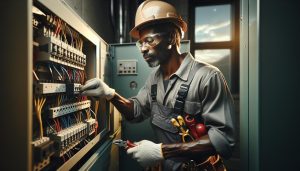
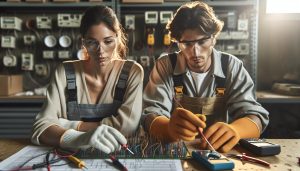
When it comes to electrical work, safety should always be your top priority. Did you know that poorly done electrical jobs are a leading cause of home fires? Hiring a professional electrician not only mitigates risks but also ensures compliance with safety standards and regulations. In “Why Hire an Electrician? 10 Critical Safety Reasons Revealed,” we’ll explore ten compelling reasons why entrusting your electrical projects to licensed experts makes all the difference. Whether you’re planning a simple repair or a complex installation, understanding the importance of professional guidance can protect your home and family from hazards. Stay tuned to uncover how hiring an electrician not only enhances safety but adds value to your property and peace of mind in your daily life.
Understanding the Dangers of Electrical Work
Electricity is a vital part of our modern lives, powering our homes and devices, but it also poses significant dangers that cannot be underestimated. Fatalities from electrical accidents are not uncommon, and they can result from improper handling, lack of understanding, or neglecting safety protocols while working with electrical systems. One of the key dangers lies in the fact that electrical current can cause severe shocks, burns, and even death, often in a fraction of a second. This underscores the importance of hiring a qualified electrician, who understands these risks and has the training to mitigate them effectively.
When engaging in any electrical work, whether in homes, offices, or industrial environments, it’s crucial to recognize the complexity of electrical systems. Miscalculations in voltage, amperage, or load calculations can lead to catastrophic failures, such as fires or explosions. Professional electricians not only have extensive knowledge of these parameters but also stay updated with evolving safety standards. They are trained to implement safety principles such as Lockout/Tagout (LOTO), ensuring that electrical sources are properly isolated before any work is conducted. This practice significantly reduces the likelihood of accidental electrocution or equipment damage.
Moreover, many DIY electrical projects overlook existing local codes and regulations, which are designed to ensure safety and consistency across installations. Hiring a professional ensures compliance with these regulations, preventing future hazards and legal complications. Electricians are also equipped with the necessary tools and technology to perform installations safely; for instance, when installing electric vehicle chargers or smart home systems, they can ensure that all wiring is properly connected and capable of handling the required load, thus safeguarding homes from potential electrical fires and other issues.
In summary, understanding the dangers associated with electrical work emphasizes the need for professional expertise in the field. Proper training, adherence to safety standards, and awareness of local codes are crucial in preventing accidents and ensuring a safe living or working environment. Relying on a licensed electrician not only protects lives but also provides peace of mind, knowing that electrical systems are managed with the highest level of safety and competence.
The Importance of Electrical Safety Standards

Electricity powers our lives, but with its benefits come the inherent risks, making safety standards critical to preventing accidents and ensuring reliable performance. Electrical safety standards are comprehensive guidelines that dictate how electrical installations and systems should be designed, installed, and maintained. They cover an extensive range of practices, from choosing appropriate materials to implementing correct wiring techniques. Compliance with these standards is not just a recommendation; it’s a necessity that significantly reduces the risk of electrical fires, shocks, and other hazards.
Many may wonder why these standards are essential when DIY solutions are often available. The truth is, electrical systems are sophisticated, involving intricate calculations related to voltage, amperage, and load capacity. A slight miscalculation can lead to severe consequences, including equipment failure or fire. For example, the National Electrical Code (NEC) serves as a benchmark for safe electrical installations across the United States, providing guidelines that professionals must follow to ensure safety and effectiveness. A licensed electrician, equipped with knowledge about these standards, can navigate the complexities of electrical work, ensuring all installations meet local codes and federal regulations.
Moreover, the importance of ongoing education cannot be overstated. Safety standards are continually evolving to incorporate advancements in technology. For instance, with the rise of smart home systems and electric vehicle chargers, electricians must stay abreast of new regulations that affect how these installations are managed. This commitment to education not only solidifies an electrician’s credentials but also ensures that they are fully prepared to implement the latest safety measures.
By prioritizing electrical safety standards, homeowners and businesses can protect their investments, significantly reduce the risk of accidents, and create a safer environment. Compliance translates into peace of mind-knowing that your electrical systems are not only functioning correctly but are also safeguarded against potential dangers.
Critical Risks of DIY Electrical Projects

Many homeowners are tempted to undertake DIY electrical projects to save money or simply out of convenience. However, this decision can lead to serious risks, including electric shock, fire, and even legal repercussions. Understanding the inherent dangers of DIY electrical work is crucial for protecting yourself, your family, and your property.
One of the most significant risks associated with DIY electrical projects is the lack of knowledge pertaining to electrical codes and safety standards. While resources and tutorials may seem helpful, they often do not cover the complexities involved in handling electrical systems. Without proper training and experience, a DIY enthusiast can easily overlook vital aspects such as load calculations, wire gauges, and grounding practices. For instance, a simple wiring mistake could lead to overheating and fire; an issue that licensed electricians are trained to avoid through comprehensive education and experience with current safety regulations.
Furthermore, many homeowners underestimate the potential hazards involved when working with electricity. Electric shocks can occur even when working with seemingly harmless circuits, particularly in damp or wet conditions. According to the U.S. Consumer Product Safety Commission, about 400 deaths a year are attributed to electrocution, many of which involve untrained individuals conducting electrical work. By hiring a professional electrician, you significantly lower the odds of encountering these dangers, as they follow stringent safety protocols and utilize proper protective equipment.
Additionally, engaging in DIY electrical work can have financial repercussions beyond just the initial costs. If an unqualified installation leads to property damage or requires rework to make it compliant with electrical codes, homeowners can face hefty repair expenses or fines. In contrast, when you invest in a licensed electrician, their work typically comes with warranties and insurance that cover any problems that may arise post-installation. This not only provides peace of mind but also ensures that the work meets local codes and regulations, safeguarding your home and investment in the long run.
In conclusion, while the lure of DIY electrical projects can be strong, the potential risks are significant and cannot be overlooked. Hiring a qualified electrician is not just a safeguard against immediate dangers; it’s a proactive approach to ensuring long-term safety and compliance with current electrical standards. By prioritizing professional help, homeowners can enjoy the benefits of their electrical systems without the looming threat of accidents or costly mistakes.
Qualifications and Certifications of Professional Electricians

When it comes to electrical work, the expertise and training of a qualified electrician can mean the difference between safety and disaster. Professional electricians undergo rigorous training that begins with an apprenticeship, where they gain practical experience under the guidance of experienced journeymen. This hands-on learning is essential, as it equips them with the skills necessary to navigate complex electrical systems, perform calculations for voltage and amperage, and comply with electrical codes-all crucial for ensuring both safety and efficiency in electrical installations.
Licensing and Certifications
To practice legally, electricians must be licensed, which involves passing state examinations that test their knowledge of electrical theory, local building codes, and safety practices. The requirements for licensure can vary by state, but they typically involve completing a specified number of hours in an apprenticeship program. Once licensed, many electricians choose to pursue additional certifications in areas such as renewable energy systems, smart home technology, or specialized electrical installations, such as electric vehicle (EV) chargers. These certifications not only enhance their credentials but also keep them current with evolving technologies and industry standards.
Reciprocity and Career Advancement
Reciprocity agreements between states can facilitate job mobility for licensed electricians, allowing them to work across state lines without undergoing redundant testing. As electricians gain experience, they can move up to more advanced roles including master electrician or electrical contractor, both of which come with higher salaries and increased responsibilities. According to the U.S. Bureau of Labor Statistics, electricians earn a median annual wage of around $60,000, but this can vary significantly based on experience, region, and specialization, with skilled professionals in urban areas often earning upwards of $80,000 or more.
Investing in a qualified electrician ensures that your electrical work is executed with precision and adheres to safety standards, protecting your home and family from potential hazards. By hiring a professional, you not only gain peace of mind but also contribute to the value and safety of your electrical systems, whether it’s for standard installations or cutting-edge smart home technologies.
How Hiring an Electrician Prevents Electrical Fires
Electrical fires are a significant threat to homes and businesses, often stemming from unnoticed faults in electrical systems. In fact, according to the National Fire Protection Association (NFPA), electrical failures or malfunctions are responsible for an estimated 22% of all home structure fires. Hiring a qualified electrician can drastically reduce the risk of these potentially devastating incidents by ensuring that all electrical work is completed according to safety standards and regulations.
A professional electrician possesses the knowledge and experience required to identify and mitigate fire hazards in electrical systems. They are trained to understand the nuances of electrical components and are adept at recognizing signs of wear and tear, such as frayed wires or overloaded circuits, which are common precursors to electrical fires. By conducting thorough inspections and using proper installation techniques, licensed electricians can help safeguard against these hazards.
Moreover, electricians adhere to the National Electrical Code (NEC) and local regulations, which are designed to promote safe and reliable electrical installations. This compliance not only minimizes risks but also provides homeowners with peace of mind, knowing that their electrical systems are being maintained properly. Furthermore, regular maintenance conducted by a professional can help detect potential issues before they escalate into dangerous situations.
In addition to preventing electrical fires, hiring an electrician also ensures that your electrical installations are efficient. Poorly installed or outdated systems can lead to energy loss, further increasing the risk of overloaded circuits. By investing in professional electrical services, homeowners not only protect themselves from fire hazards but also benefit from lower utility bills and an overall safer living environment.
The Role of Inspections in Electrical Safety
Regular inspections of electrical systems are essential to maintaining safety in homes and workplaces. Studies indicate that a significant portion of electrical fires can be attributed to faulty wiring or outdated electrical components, which could have been identified and addressed through routine checks. When electricians conduct inspections, they provide a detailed assessment that not only identifies potential hazards but also ensures compliance with current safety codes and regulations.
During an inspection, electricians will examine key elements of your electrical system, including:
- Wiring condition: Inspectors check for frayed, damaged, or outdated wiring that could pose a risk of short circuits or even fires.
- Breaker panels: They assess the functionality and safety of circuit breakers, ensuring they are rated appropriately for the circuits they protect.
- Ground fault circuits: Installations are checked for the proper grounding, which is vital for preventing electrical shocks.
- Electrical loads: Licensed electricians perform load calculations to make sure circuit capacities are not exceeded, which could lead to overload and failure.
By ensuring these elements are regularly inspected, homeowners can mitigate the risk of electrical faults leading to serious incidents. Moreover, inspections often reveal opportunities for efficiency improvements. Electricians can suggest upgrades such as installing energy-efficient lighting or smart home technology that can reduce energy consumption while enhancing safety. Adherence to the National Electrical Code (NEC) expands the repercussions; when electricians discover code violations during inspections, they can recommend necessary updates to bring systems into compliance, safeguarding from potential liability in future incidents.
Investing in routine inspections represents a proactive approach to electrical safety, fundamentally protecting one’s home and family. Most importantly, these checks provide peace of mind, knowing that professional expertise has validated the integrity of your electrical systems and highlighted potential risks before they escalate into costly or dangerous problems.
Common Electrical Hazards and Their Solutions
Electrical systems are vital to modern living, yet they come with inherent risks that can lead to dangerous situations if not properly managed. Recognizing and addressing common electrical hazards is crucial for maintaining safety in homes and workplaces. From frayed wires to overloaded circuits, these hazards can pose severe risks, including electrical fires, shocks, and equipment damage.
One of the most prevalent issues is faulty wiring, often resulting from wear and tear, age, or improper installation. To mitigate this risk, homeowners should regularly have their wiring inspected by a licensed electrician. They will check for any signs of damage or decay, leading to proactive repairs before they escalate into serious hazards. Furthermore, using high-quality materials and adhering to local electrical codes can significantly reduce the chances of electrical failures.
Another significant risk arises from overloading circuits, which often occurs when too many devices are plugged into a single outlet or when appliances exceed the circuit capacity. This can easily lead to tripped breakers, and in more severe cases, electrical fires. A licensed electrician can perform load calculations and, if necessary, upgrade the electrical service to safely accommodate all appliances.
Ground fault circuit interrupters (GFCIs) are essential safety devices that can prevent serious shocks, especially in areas exposed to moisture, such as kitchens and bathrooms. Ensuring that these devices are installed correctly and functioning can significantly reduce the risk of electrical shocks. Regular testing of GFCIs is advisable to ensure they are operational and to maintain maximum safety in these critical areas.
By addressing these common hazards with professional guidance, individuals can not only protect their homes and families but also ensure compliance with safety standards. Hiring an experienced electrician not only promotes a safer environment but also provides peace of mind through expert evaluation and timely intervention.
Benefits of Professional Electrical Installations
Investing in professional electrical installations can significantly elevate the safety and functionality of any home or business. One fascinating aspect of hiring licensed electricians is their ability to stay updated with the latest technologies and techniques. For instance, as smart home technology becomes increasingly prevalent, professional electricians are equipped to seamlessly integrate these systems while ensuring compliance with all safety regulations. This not only enhances convenience but also adds value to the property.
Another key reason to opt for professional electrical installations is their adherence to local electrical codes and safety standards. Licensed electricians undergo extensive training and must pass rigorous examinations to earn their certifications. This level of expertise ensures that installations are not only functional but also compliant with regulations designed to prevent accidents. For example, they can accurately perform load calculations to avoid the dangerous situation of overloading circuits, which is often a hidden danger in DIY jobs.
Professional electricians also bring with them a wealth of experience, which can help troubleshoot potential issues before they arise. This proactive approach means they not only fix current problems but also identify wiring inefficiencies or outdated systems that could lead to more significant issues, such as electrical fires. Moreover, their use of high-quality materials tailored to the specific needs of an installation speaks volumes about their commitment to safety and longevity.
In conclusion, engaging professional electricians for electrical installations is an investment in safety, efficiency, and peace of mind. Their specialized knowledge, compliance with safety standards, and attention to detail ensure that the electrical systems installed are not just functional, but also safe and reliable for years to come. Whether upgrading existing systems or installing new technology, the benefits are clear and compelling for any property owner.
Understanding Local Electrical Codes and Regulations
is essential for maintaining safety and legal compliance in any electrical installation or repair. These codes are designed to protect lives and property by minimizing the risks associated with electrical hazards. Adhering to local codes not only ensures the safety of your installations but also helps avoid costly penalties and potential legal issues. For instance, if an electrical system fails to meet local codes and causes damage or injury, the property owner could face significant liability.
Local electrical codes can differ from one jurisdiction to another, reflecting regional safety concerns, climate factors, and construction practices. Therefore, it is crucial for homeowners and businesses to familiarize themselves with the specific codes applicable in their area. Hiring a licensed electrician can relieve the burden of navigating these codes, as they possess the training and experience to ensure all work meets or exceeds regulatory requirements. This includes understanding inspection processes, permissible materials, and installation methods.
Moreover, codes include critical aspects such as:
- Wiring Methods: Different wiring methods may be required depending on the location and environment, such as using underground feeders in wet areas.
- Grounding and Bonding: Proper grounding methods are essential to prevent electrical shock and equipment damage.
- Load Calculations: Code requirements often include load calculations to determine the appropriate size and type of electrical services.
For example, the National Electrical Code (NEC) serves as a benchmark for electrical safety in the United States, but many states or municipalities adopt amendments tailored to their specific conditions. If an electrician is not knowledgeable about these local adaptations, it could lead to substandard work, posing safety risks.
In conclusion, understanding and adhering to local electrical codes is a vital aspect of any electrical project. It is not just about compliance; it’s about ensuring the safety and functionality of electrical systems, protecting investments, and maintaining peace of mind. By hiring qualified electricians who stay up-to-date on these codes, you can be confident that your electrical projects will be executed safely, efficiently, and legally.
How Electricians Ensure Safe Wiring Practices
Electricians play a crucial role in maintaining the safety and reliability of electrical wiring in homes and businesses. They are trained professionals equipped with the knowledge and skills necessary to ensure that all wiring practices comply with industry standards and local electrical codes. One of the foundational elements of their work is adhering to proper wiring techniques, which significantly reduces the risk of electrical fires and shocks.
To guarantee safe wiring practices, electricians follow strict guidelines that encompass various critical factors:
- Use of Quality Materials: Electricians utilize high-quality wiring, connectors, and fixtures that meet regulatory standards. This ensures longevity and reduces the risk of failure over time.
- Correct Installation Techniques: Proper installation techniques, such as calculating load requirements and ensuring adequate grounding, are fundamental. For instance, electricians ensure that circuits are not overloaded, which is a common cause of electrical fires.
- Regular Training and Certification: The electrical field is continuously evolving with new technologies and safety standards. Electricians engage in ongoing education and certification programs to stay updated on the latest practices and codes, including those concerning smart home technologies and renewable energy systems.
Furthermore, electricians are adept at conducting thorough inspections and tests on newly installed or repaired wiring systems. They often employ specialized tools, such as multimeters and circuit testers, to detect potential issues. By identifying problems before they escalate, electricians help avert hazards that might arise from faulty installations or aging wires. Their expertise also extends to evaluating existing electrical systems, making them indispensable for renovations or new constructions where adapting to modern electrical demands is crucial.
By relying on professional electricians, homeowners and businesses not only enhance the safety of their environments but also gain peace of mind knowing that skilled professionals are managing their electrical systems. This commitment to safety is a vital reason to prioritize hiring qualified electricians for any electrical work.
The Financial Implications of Ignoring Electrical Safety
Ignoring electrical safety can lead to significant financial repercussions, which often extend far beyond the initial costs of hiring a qualified electrician. For instance, consider the aftermath of an electrical fire: the average insurance claim for property damage due to electrical failure is approximately $20,000, and for businesses, this figure can escalate dramatically when considering lost revenue, relocation costs, and potential legal liabilities. Investing in professional electrical services not only mitigates these risks but also addresses underlying issues before they evolve into costly disasters.
Skimping on electrical safety can result in severe long-term costs associated with poor installations and repairs. Faulty wiring or the use of substandard materials can lead to frequent outages, diminished equipment efficiency, and higher energy bills. Over time, these cumulative expenses can outweigh the upfront costs of hiring skilled electricians who ensure quality work compliant with local electrical codes and safety standards.
Immediate and Long-Term Savings
Engaging professional electricians fosters a proactive approach to electrical safety that yields immediate and long-term savings. Here are some financial benefits to consider:
- Reduced Risk of Fire Damage: By adhering to safety standards, electricians significantly decrease the likelihood of catastrophic events, protecting both property and belongings.
- Higher Property Value: Homes and businesses with well-managed electrical systems are more attractive to potential buyers, which can lead to higher resale values.
- Lower Maintenance Costs: Regular inspections and preventive maintenance can identify issues early, preventing costly repairs down the road.
In addition to these savings, hiring qualified electricians consolidates peace of mind. Homeowners and businesses can feel secure knowing that their electrical systems are functioning safely and efficiently, thereby avoiding the hidden costs associated with negligence or amateur work. Ultimately, investing in electrical safety not only protects physical assets but safeguards financial stability in the long run.
Future-Proofing Your Home: Safety and Modern Tech Solutions
As technology continues to evolve rapidly, homeowners face new electrical challenges that require modern solutions for safety and efficiency. From smart home devices to electric vehicle (EV) chargers, the advancements in electrical technology underscore the importance of having a qualified electrician who can navigate these innovations. Ensuring your home is prepared for these technologies not only enhances convenience and lifestyle but also significantly improves electrical safety, which is paramount.
Professional electricians are trained to integrate modern tech solutions into existing electrical systems while adhering to safety standards. When incorporating devices like smart thermostats, lights, and home security systems, it’s crucial to ensure they are correctly installed and compatible with your home’s wiring. For instance, installing Wi-Fi enabled devices without professional guidance can lead to circuit overloads, posing fire hazards and damaging your electrical system. A certified electrician can assess your current setup and make the necessary upgrades, such as installing dedicated circuits, to prevent such issues.
Moreover, the rise of electric vehicles has created a demand for home charging stations. Electricians play a vital role in ensuring these installations are performed safely and in accordance with local building codes. A poorly installed charging system can lead to overheating, electrical failures, or even fires. By hiring a qualified electrician, homeowners ensure not only compliance with regulations but also peace of mind knowing that their personal safety and property are protected.
Incorporating modern technologies into home electrical systems also positions your property for the future, potentially increasing its market value. Homebuyers today increasingly seek properties equipped with advanced electrical features. Ensuring these installations are executed by professionals can enhance your home’s appeal and provide long-term savings on energy bills through efficient systems. Thus, investing in a skilled electrician is not merely a matter of safety; it is a strategic decision for future-proofing your home against the evolving landscape of technological advancements.
Faq
Q: Why is it important to hire a licensed electrician?
A: Hiring a licensed electrician ensures that the work meets all local codes and standards. Licensure is a verification of their training and expertise, which minimizes risks of electrical fires, code violations, and costly future repairs. Always check for valid licensure in your local area.
Q: What can happen if I attempt electrical work myself?
A: Attempting DIY electrical work can lead to serious hazards, including electric shock, fires, and property damage. Without proper knowledge, you may also violate local codes, making insurance claims void. Always consider the potential dangers before starting any electrical project.
Q: How do electricians ensure compliance with safety standards?
A: Electricians comply with safety standards by following the National Electrical Code (NEC) and local regulations. They conduct comprehensive inspections, use approved materials, and apply best practices for installation. This helps prevent accidents and ensure long-lasting electrical systems.
Q: What are the signs that I need to hire an electrician?
A: Signs that indicate you should hire an electrician include frequent circuit breaker trips, flickering lights, burning smells, and discolored outlets. If you experience these issues, it’s crucial to consult a professional to avoid potential electrical hazards.
Q: How does hiring an electrician save money in the long run?
A: Hiring an electrician prevents costly mistakes often made during DIY projects, such as incorrect installations that require redoing. Moreover, professional electricians optimize energy use, helping reduce bills. Regular maintenance also extends the lifespan of your electrical systems.
Q: What role do inspections play in electrical safety?
A: Inspections are critical for maintaining electrical safety as they identify potential hazards before they become serious problems. A licensed electrician can pinpoint issues like outdated wiring or code violations, ensuring that your electrical system operates safely and efficiently.
Q: Why should I consider a professional installation over a DIY project?
A: Professional installations guarantee that the work adheres to safety codes and standards, reducing risks of electrical fires and malfunctions. Electricians also provide warranties on their work, giving you peace of mind that any future issues will be addressed without additional cost.
Q: When is it necessary to upgrade electrical systems and hire a professional?
A: It’s necessary to upgrade electrical systems when adding new appliances, experiencing power outages, or noticing flickering lights. A professional electrician evaluates your current system’s capacity and recommends necessary upgrades to ensure safety and efficiency.
For more insights into electrical safety and avoiding hazards, feel free to explore sections like “The Financial Implications of Ignoring Electrical Safety” in our main article!
To Conclude
In conclusion, hiring a qualified electrician is essential for ensuring safety and compliance in any electrical work. By understanding the ten critical safety reasons outlined, you can appreciate the expertise electricians bring to the table, from managing voltage levels to installing modern smart home technology. Don’t wait until a minor electrical issue escalates into a severe hazard-take action now!
If you’re ready to explore your options, check our resources on finding the best electricians near you or dive deeper into upcoming electrical trends that can enhance your home. Remember, whether you’re looking to upgrade your electrical systems, install an EV charger, or simply ensure everything is up to code, the time to act is now.
Join our newsletter for expert advice, tips on maintenance, and more valuable insights that empower you to make informed decisions about your electrical needs. Don’t hesitate to share your thoughts or questions in the comments below-your safety and satisfaction are our top priorities!