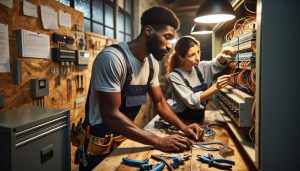
Splicing electrical wires is a vital skill for both DIY enthusiasts and professional electricians, enabling safe and effective connections in countless electrical projects. Did you know that improper splicing can lead to short circuits and even electrical fires? Understanding the right techniques not only enhances the safety of your work but also ensures electrical systems function seamlessly. As homeowners embrace more sophisticated technologies-like smart home systems and electric vehicle chargers-having a solid grasp of wire splicing becomes increasingly critical. This article will guide you through the essential methods for splicing electrical wires, focusing on safety, best practices, and the tools required. Whether you’re looking to repair old wiring or set up new circuits, mastering these techniques will empower you to tackle electrical tasks with confidence and precision. Keep reading to explore the safest and most effective ways to splice wires, ensuring your electrical projects thrive.
Understanding Different Wire Types for Splicing
Understanding the various types of wires is crucial for effective splicing, which is essential in maintaining safe and reliable electrical connections. Wires come in a variety of materials, gauges, and insulation types, and each serves a specific purpose based on the application, environment, and load requirements. The most common wire types include copper and aluminum, with copper being preferred in many applications for its excellent conductivity and reliability. Aluminum is lighter and often used in overhead power lines but requires special considerations to prevent corrosion.
Wires are further categorized by gauge, which affects their current-carrying capacity. Smaller gauge numbers indicate thicker wires and generally higher current ratings. For instance, 12-gauge wire is often used for 20-amp circuits in residential wiring, while 14-gauge is more common for 15-amp circuits. Understanding these specifications helps electricians make informed choices about wire selection during splicing.
Insulation type also plays a critical role in wire selection. Common insulation materials include PVC, THHN, and rubber, each designed for specific environments and uses. For instance, THHN wire is suitable for dry locations and has a higher temperature rating, while rubber-insulated wire is ideal for flexible applications. When splicing, it’s essential to match the wire insulation type to avoid potential hazards and ensure long-lasting connections.
Choosing the appropriate wire type not only enhances safety but also optimizes electrical performance, significantly reducing the risk of failures in circuits. Armed with this knowledge, electricians can confidently integrate various wire types into their projects, ensuring efficient and safe electrical installations.
Essential Tools for Safe Wire Splicing
To achieve proficient and safe wire splicing, having the right tools is indispensable. Each tool not only enhances the quality of the splicing work but also promotes safety, reducing the risk of electrical hazards. Here’s an overview of essential tools that every electrician should have at their disposal.
Wire Strippers
Wire strippers are crucial for removing insulation from wires without damaging the conductive core. They come in various types, including automatic and manual, the latter being favored for precision in smaller gauge wires. Look for adjustable models that allow you to set the stripping length to match different wire sizes accurately.
Cable Cutters
Cable cutters are designed specifically to slice through wires neatly and efficiently. Using standard scissors or pliers can cause fraying, which may lead to poor connections and safety risks. High-quality cable cutters offer sufficient leverage and sharp edges to make clean cuts, ensuring optimal contact surfaces when splicing.
Crimping Tools
For splicing wires, crimping tools are essential when connecting spliced wires using connectors or terminals. They provide uniform pressure to secure connections reliably. Electricians should invest in a crimping tool that matches the types of connectors they commonly use, enhancing both security and safety in wire connections.
Insulation Materials
Insulation is vital after splicing to prevent short circuits or current leaks. Various options include heat shrink tubing and electrical tape. Heat shrink tubing offers robust protection and durability, while electrical tape is flexible and easy to apply. Understanding the application context can help electricians choose the appropriate insulation method.
Multimeter
After the splicing is done, using a multimeter to test the connection integrity is paramount. This tool checks voltage, current, and resistance levels, ensuring that the spliced connection operates within expected levels. Regular testing mitigates the risk of faults and maintains safety, making a multimeter one of the most valuable tools in an electrician’s kit.
By equipping yourself with these essential tools, you not only enhance your wire splicing capabilities but also improve safety levels on the job. Investing time in selecting quality tools that meet industry standards will not only reflect in your work efficiency but also in the long-term reliability of electrical installations.
Step-by-Step Guide to Splicing Techniques
To achieve reliable and safe wire splicing, understanding the correct techniques is essential. Splicing wires is not just about joining them; it’s crucial to ensure a strong, durable connection that minimizes the risk of faults and maximizes electrical performance. Here’s a step-by-step guide to help you master this fundamental skill.
Start by preparing the wires. Use a wire stripper to carefully remove the insulation from both ends of the wires to be joined, exposing enough copper to make a good connection-typically about ¾ inch. It’s essential to ensure that you do not nick or damage the copper strands, as this can weaken the connection and increase resistance.
Once the wires are stripped, align them in the desired configuration. The most common methods include the twist-on (or wire nut) method, where the wires are twisted together, and the soldering method, which provides a more permanent connection. For the twist-on method, ensure the wires are twisted tightly together and cover them with a wire nut, making sure no exposed copper is visible. For soldering, apply heat using a soldering iron to melt the solder around the wire joints, ensuring a full, shiny connection.
After the wires are joined, it’s imperative to insulate the connection properly. Use heat shrink tubing, or wrap the connection with electrical tape, ensuring that all exposed metal is covered to prevent short circuits or electrical shock. Finally, test the integrity of the connection with a multimeter. Check for continuity and verify that the voltage levels are as expected. If everything checks out, your splicing is complete!
This structured approach not only enhances the reliability of electrical connections but also upholds safety standards in your work, minimizing the risk of electrical failures. By refining your splicing techniques and understanding the underlying principles, you position yourself as a skilled professional in the field of electrical work.
Common Mistakes to Avoid When Splicing Wires
Avoiding common mistakes when splicing wires can make the difference between a resilient connection and a potentially hazardous failure. One of the most frequent errors is inadequate wire preparation. Failing to strip the insulation correctly, either by stripping too little or damaging the wire strands, can lead to weak connections that may fail over time. It’s crucial to strip approximately ¾ of an inch of insulation to expose enough copper without nicking the wire itself. This helps ensure a robust splice that maintains electrical integrity.
Another mistake is using the wrong splicing method for the application. Beginners often default to twist-on connectors, which may not always be suitable for high-current applications. It’s important to evaluate the specific requirements of the project. For instance, soldering might be a better option for ensuring a permanent bond in sensitive or high-vibration environments. Always match the splicing technique to the type of wires being joined, as well as the environment in which they will operate.
Additionally, neglecting proper insulation can result in serious safety hazards. After making a splice, all exposed copper must be insulated effectively to prevent short circuits or accidental contact. Many novice electricians might overlook using electrical tape or heat shrink tubing adequately, which compromises the safety of the connection. Always double-check that you’re using sufficient and proper insulating materials, as this not only protects the connection but also complies with safety regulations.
Finally, skipping the testing phase is a critical mistake often made under time constraints. Using a multimeter to verify continuity and check for voltage levels ensures that the splicing was successful. Assuring the integrity of your connection before fully enclosing it saves time in the long run and reinforces your reputation for quality work. By being aware of these common pitfalls and taking the necessary precautions, you can enhance your wiring skills and foster a safer working environment.
Best Practices for Insulating Spliced Wires
To ensure a safe and reliable electrical connection, correctly insulating spliced wires is paramount. Proper insulation not only protects against electric shock and short circuits but also enhances the longevity and functionality of electrical systems. One of the best practices in this regard is to select high-quality insulating materials that are rated for the specific voltage and environmental conditions of the installation. While electrical tape is a common choice, it’s essential to use tapes that can withstand heat, moisture, and physical abrasion. Using heat shrink tubing is often a more effective solution, as it provides a snug fit that completely encases the splice, offering superior protection against physical damage and environmental factors.
Another critical aspect is the application technique of the insulating material. For electrical tape, always wrap it at least one inch beyond the exposed conductors in overlapping layers to ensure complete coverage. In cases where heat shrink tubing is used, make sure to pre-cut the tubing to an appropriate length before picking up the heat source. Be mindful that the tubing needs to be heated evenly to form a tight seal; applying too much heat can damage the wire insulation or even the wires themselves. Utilizing a heat gun rather than an open flame not only ensures even heating but also significantly reduces the risk of fire hazards during the insulation process.
Lastly, after the insulation has been applied, it’s important to perform thorough testing to confirm electrical integrity. Employing a multimeter to check for continuity and insulation resistance adds an extra layer of safety and assurance that the spliced wires are safe for long-term use. Remember, the goal isn’t just to provide a waterproof seal; it’s to ensure that your work meets industry standards and maintains reliability over time. Always stay updated on local electrical codes and standards regarding wire connections to ensure compliance and safety in your installations. Adhering to these practices on insulation will not only enhance your credibility as an electrician but also contribute to a safer electric environment.
Testing and Verifying Wire Connections Safely
Verifying the integrity of wire splices is critical to ensuring safety and efficiency in electrical systems. A reliable connection is not just a matter of joining conductors; it’s about minimizing the risk of short circuits and electrical fires that can arise from poorly spliced wires. After splicing, always perform thorough testing to confirm that connections are solid and meet or exceed industry standards.
One essential tool for this process is the multimeter. This instrument allows electricians to measure continuity and resistance, providing immediate feedback on the quality of the splice. To check for continuity, simply set the multimeter to the continuity setting, touch the probes to either side of the splice, and listen for a beep or check for a reading close to zero ohms. This indicates that electricity can flow freely through the splice. Additionally, measuring insulation resistance is crucial; a reading of at least 1 mega-ohm is generally considered acceptable.
Aside from using multimeters, engaging in visual inspections can uncover potential issues such as exposed conductors or improper insulation techniques. Electricians should look for signs of wear, corrosion, or any mechanical strain on the splice that could jeopardize the connection over time. Regular maintenance checks and adhering to local codes can also enhance the longevity and safety of electrical installations.
In specific environments, such as those involving fluctuating temperatures or moisture, it may be advisable to implement additional testing methods or use more durable materials. For instance, specialized connectors or heat shrink tubing designed for extreme conditions can offer an extra layer of protection. By staying ahead of potential problems through rigorous testing and verification protocols, electricians reinforce safety and reliability in their installations, ultimately leading to more successful and sustainable practices in their careers.
Regulatory Standards for Electrical Wire Connections
While splicing electrical wires may seem straightforward, adhering to regulatory standards is crucial for ensuring safety, reliability, and compliance with local and national codes. These regulations not only address the methods used for splicing but also encompass the materials involved and the overall design of electrical systems. Understanding and applying these standards is essential for any electrical professional aiming to maintain effective and safe installations.
The National Electrical Code (NEC) serves as a fundamental guideline in the United States, dictating how electrical wiring must be done to prevent hazards such as short circuits and electrical fires. For splicing wires, specific NEC sections outline the types of connectors and splicing methods that are acceptable. Electricians must use connectors rated for the wire gauge and type involved, and proper insulation must be employed to protect against moisture and environmental hazards. Following these guidelines helps ensure that spliced connections can withstand load requirements and are protected against mechanical and thermal stress, thereby enhancing the longevity of installations.
Local codes may also impose additional requirements that reflect regional needs, especially concerning environmental factors such as humidity, temperature fluctuations, and exposure to corrosive substances. Therefore, electricians should always be aware of the specific codes applicable in their work areas. It is prudent to verify that all materials, from solder to shrink tubing, meet or exceed the standards set forth by the NEC and local regulations before initiating any splicing operation.
Beyond codes, the implementation of industry best practices, such as proper training and certification, is essential. Electricians should pursue ongoing education opportunities, including workshops focusing on updated standards and advancements in splicing techniques. This not only boosts professional competence but also helps in adapting to emerging technologies, such as smart home wiring and electric vehicle (EV) chargers, which may have unique splicing requirements. Ensuring all installation practices are aligned with regulatory standards ultimately minimizes risks and supports a safe working environment, fostering career growth and credibility in the electrical profession.
Advanced Splicing Techniques for Professional Use
Mastering advanced splicing techniques is crucial for electricians aiming to ensure both performance and safety in their connections. These methods not only enhance the reliability of electrical systems but also align with regulatory standards that govern splicing practices. One particularly effective method is the use of heat shrink tubing combined with soldering, which offers improved insulation and mechanical strength. This technique involves first twisting the wires together, then applying solder to create a strong electrical connection. After cooling, slide a piece of heat-shrink tubing over the joint and apply heat to shrink it around the wires, providing excellent protection against moisture and mechanical stress.
Another respected method is the use of crimp connectors, which are preferred in many professional applications due to their speed and reliability. Crimp connectors require a special tool to securely compress the connector onto the wire, creating a gas-tight connection that resists corrosion over time. When choosing crimp connectors, it’s essential to select ones that are suitable for the wire gauge and type to ensure optimal performance. Using a multimeter to verify continuity and proper seating of the connector can reinforce the connection’s integrity before enclosing it.
For applications in challenging environments-such as those involving high humidity or exposure to chemicals-utilizing gel-filled connectors can significantly enhance the durability of spliced connections. These connectors are designed to keep moisture out and provide an additional layer of protection that ordinary splicing techniques cannot offer. Furthermore, as the industry moves toward encapsulated junctions for enhanced safety, learning to work with enclosed splicing systems can elevate a technician’s skill set.
Incorporating these advanced techniques not only enhances the safety and effectiveness of spliced connections, but also prepares electricians for the increasing complexities seen in modern electrical setups, such as smart homes and electric vehicle charging stations. As technology progresses, electricians must adapt by refining their skills, staying updated on best practices, and engaging in continual education to maintain their edge in the field. By mastering these sophisticated splicing techniques, you position yourself not only as a capable technician but as a sought-after professional committed to quality and safety in electrical installations.
How to Splice Wires in Challenging Environments
Splicing wires in challenging environments requires careful planning and specialized techniques to ensure safety and reliability. For electricians, the stakes can be particularly high in settings exposed to extreme temperatures, humidity, or corrosive substances. Utilizing moisture-resistant connectors, like gel-filled or silicone-sealed options, helps keep water and debris out, maintaining the integrity of the connection. These connectors are specifically designed to withstand the rigors of their surroundings, providing a level of protection that standard splicing practices cannot guarantee.
In scenarios involving high temperatures, choose connectors rated for elevated thermal endurance. Heat shrink tubing, combined with polymeric materials, offers exceptional insulation properties while also providing mechanical support against thermal expansion or contraction. When working in such environments, it’s critical to pre-install the heat shrink tubing over the wires before making the splice; this ensures it will adequately cover the joint when heated. Make sure to use a heat source that allows for even shrinking without damaging the underlying wire insulation.
Electricians must also account for the physical location of the splices. For instance, underground or outdoor splicing might necessitate the use of protective enclosures or weatherproof junction boxes to shield connections from the elements. In locations prone to vibration or movement, strain relief methods such as using cable clamps can help prevent stress on the joint, reducing the risk of future failure.
Adopting these best practices increases not only the longevity but also the effectiveness of spliced connections in challenging environments. Eagerly embracing new technologies, such as real-time monitoring systems, can further ensure that splices maintain their integrity, providing insight into potential issues before they escalate. This proactive approach not only enhances safety but also establishes you as a skilled tradesperson committed to excellence in electrical installation.
Maintaining Safety While Splicing Wires
Ensuring safety while splicing wires is paramount for both the electrician and the integrity of the electrical system. Working with live wires or in poorly ventilated spaces increases the risk of accidents and injuries. One fundamental principle to adhere to is the practice of de-energizing circuits before beginning any wire splicing. Always use a multimeter to confirm that the power is off and check that circuits are correctly identified to avoid unexpected energization.
Adopting personal protective equipment (PPE) can significantly mitigate risks involved in wire splicing. Equip yourself with insulated gloves, safety goggles, and non-conductive shoes to provide a safeguard against electrical shock, flying debris, or other hazards. Ensure all tools are rated for electrical work, and keep all equipment in good condition to prevent accidents. Conducting regular inspections of tools helps identify wear and tear, further protecting against failures during critical operations.
When splicing wires, consider implementing the following best practices to maintain safety:
- Use Proper Techniques: Follow the manufacturer’s guidelines for any connectors. This includes knowing the correct torque specifications for mechanical connections.
- Secure Your Workspace: Keep your work area clean and free of clutter. This not only improves focus but also minimizes tripping hazards and distractions.
- Proper Ventilation: In confined spaces, ensure good airflow to avoid the accumulation of harmful fumes from soldering or heat shrink tubing.
In challenging environments, such as wet or hazardous locations, invest in moisture-resistant splicing kits and utilize connectors that can withstand the specific conditions of your worksite. Additionally, familiarizing yourself with local and national electrical codes ensures compliance and safety in all installations.
By embedding safety practices into your routine, you establish a culture of caution that goes beyond just yourself and impacts your colleagues and future projects. This proactive approach not only enhances personal safety but also fosters a competent professional reputation in the electrical field.
Troubleshooting Tips for Spliced Connections
Identifying and resolving issues with spliced connections is critical for any electrician. Poorly executed splices can lead to increased resistance, overheating, or even fires, making troubleshooting a vital skill for maintaining electrical safety. Begin by conducting a thorough visual inspection of the spliced area. Look for signs of heat damage, oxidation, or corrosion, as these can indicate poor connectivity. Stray strands of wire that are not properly secured can lead to arcing; therefore, ensure all strands are tightly bound and that insulation is intact.
Another practical approach is to use a multimeter to measure continuity across the splice. If the circuit shows an open connection, it indicates that the splice is defective. You should also measure the resistance; unexpected high resistance compared to the rest of the circuit may flag a bad splice. Always reconfirm that the circuit is de-energized before testing, using the multimeter to ensure your safety while performing these checks.
When issues are identified, consider re-evaluating the splicing method used. For example, if using a soldered splice, ensure that the joint is properly soldered and insulated. For crimped connections, verify that the correct technique and tooling were applied, as improper crimping not only compromises the connection but can also lead to mechanical failure over time. If you encounter repeated failures in a particular splicing method, it may be worth exploring alternative techniques, such as utilizing heat-shrink tubing or specific connector types that offer better performance in your particular environment.
Should recurring problems persist despite addressing the above concerns, it may indicate a larger issue within the electrical system. In such cases, seeking professional help from a licensed electrician can not only resolve the problem but also ensure compliance with local electrical codes and standards. Recognizing when to consult an expert can save time, enhance safety, and ultimately protect your reputation as a competent electrician.
When to Seek Professional Help for Splicing
Recognizing when to consult a professional electrician can be a game-changer in your electrical projects, especially when it comes to splicing wires. Electrical splicing may seem straightforward at first glance, but the ramifications of a poorly executed splice can be severe, including potential fire hazards or equipment damage. If you find yourself grappling with frequent failures in your splicing attempts or experiencing persistent issues such as flickering lights or tripped breakers, it’s crucial to take a step back and assess whether professional expertise is needed.
Consider seeking professional help if you encounter recurring problems despite following best practices. For instance, if you’ve performed a visual inspection and employed troubleshooting techniques yet still find faults, engaging a licensed electrician could be beneficial. They possess the expertise to diagnose not just the immediate issue but also to identify underlying electrical system malfunctions that might be contributing to the problem. This might include checking for issues related to circuit load, connections that exceed their amperage ratings, or compromised insulation that could lead to arcing.
Additionally, the complexity of certain environments calls for professional involvement. Splicing in areas prone to moisture or extreme temperatures presents unique challenges that may exceed standard splicing techniques. Furthermore, local regulations and codes may require specific certifications for certain types of electrical work. A professional ensures compliance, safeguarding you from costly penalties and ensuring that all work meets safety standards.
Ultimately, prioritizing safety and quality over convenience is key. If you ever feel uncertain about your ability to perform a splice correctly or worry about safety implications, don’t hesitate to reach out for professional assistance. The cost of hiring an experienced electrician is often outweighed by the peace of mind that comes from knowing the job has been done correctly and safely, ensuring the long-term reliability of your electrical systems.
FAQ
Q: What is the safest way to splice electrical wires?
A: The safest way to splice electrical wires involves selecting the correct wire connectors, stripping the wires properly, and using heat shrink tubing or electrical tape for insulation. Always ensure the power is turned off before starting. Refer to our section on “Step-by-Step Guide to Splicing Techniques” for detailed instructions.
Q: Can I splice wires without cutting the power?
A: No, it is highly unsafe to splice wires without cutting the power. Always ensure that the circuit is de-energized to prevent electrical shocks. For more safety tips, check the “Maintaining Safety While Splicing Wires” section in our article.
Q: How do I know if my wire splice is secure?
A: To ensure your wire splice is secure, gently tug on the wires to check for any movement. Additionally, use a multimeter to test continuity. More testing methods are covered in our “Testing and Verifying Wire Connections Safely” section.
Q: What’s the best method for connecting two different wire gauges?
A: When connecting different wire gauges, use a suitable connector that accommodates both sizes, such as a barrel connector. Ensure a solid connection and properly insulate the splice. For more details, see our “Common Mistakes to Avoid When Splicing Wires” section.
Q: How can I safely insulate spliced wires?
A: To safely insulate spliced wires, use heat shrink tubing to cover the splice and shrink it using heat. Alternatively, wrap the wires with electrical tape, ensuring there are no exposed wires. Refer to “Best Practices for Insulating Spliced Wires” for further guidance.
Q: What are the signs of a bad wire splice?
A: Signs of a bad wire splice include flickering lights, excessive heat at the connection point, or visible corrosion. If you notice these issues, check the connection immediately. See our “Troubleshooting Tips for Spliced Connections” for diagnostic insights.
Q: Are there any regulations for splicing electrical wires?
A: Yes, splicing electrical wires must adhere to local electrical codes and regulations, which dictate safe practices and materials. Always consult the regulatory standards outlined in your city or state before performing any electrical work, as discussed in “Regulatory Standards for Electrical Wire Connections.”
Q: When should I call a professional for wire splicing?
A: You should call a professional when dealing with high-voltage wires, unfamiliar wire types, or if you’re uncertain about any step in the process. Our section on “When to Seek Professional Help for Splicing” provides further scenarios for professional intervention.
Wrapping Up
Now that you’ve mastered the essential techniques for splicing electrical wires safely, you’re well on your way to improving your electrical skills and ensuring safe connections in your projects. Remember, the right methods today can prevent hazards tomorrow. Don’t hesitate to explore more on related topics like our guide on essential electrical tools for professionals or check out our comprehensive overview of electrical safety tips.
If you found this information helpful, consider signing up for our newsletter for more expert advice straight to your inbox! Have questions or want to share your splicing experiences? Drop a comment below; we’d love to hear from you. By continuing to expand your knowledge about the electrical trade, including crucial aspects like licensing, certifications, and emerging technologies like smart home systems and EV chargers, you not only enhance your skills but also position yourself for greater career opportunities. Stay curious and keep learning!