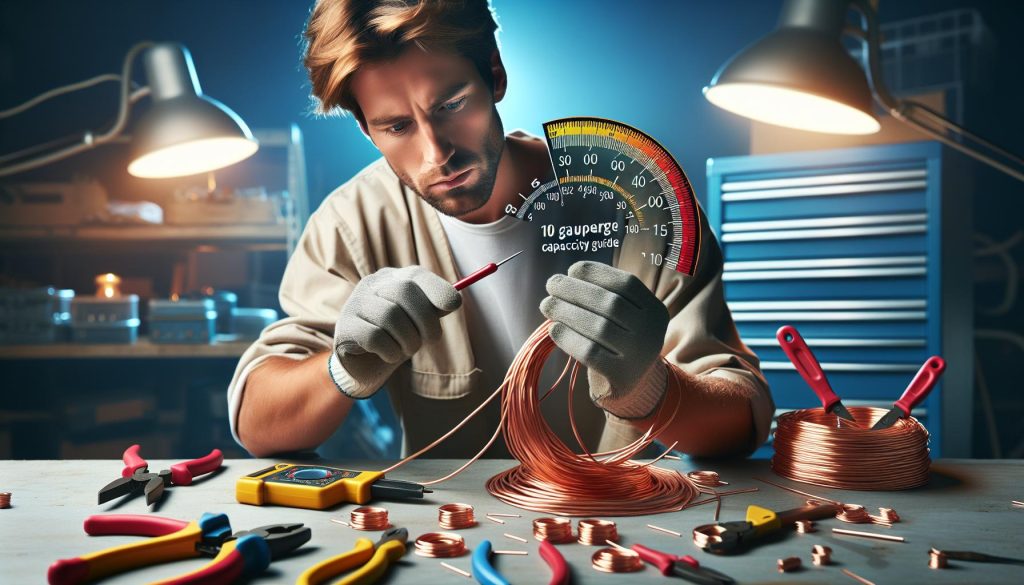
When it comes to electrical projects, understanding wire gauge and amperage is crucial for safety and efficiency. Did you know that using the wrong gauge wire can lead to overheating and potential fire hazards? This guide dives into the maximum amperage for 10 gauge wire, which is commonly used in various applications, from residential wiring to heavy-duty equipment. Whether you’re a seasoned electrician or a DIY enthusiast, knowing the capacity of your wiring can significantly impact your project’s success and safety. Join us as we explore the essential factors that determine wire capacity, empowering you with knowledge that ensures your electrical endeavors are both compliant and effective.
Understanding 10 Gauge Wire Amperage Ratings

Understanding the amperage ratings of 10 gauge wire is crucial for both safety and efficiency in electrical installations. Generally, the maximum amperage capacity for 10 gauge wire ranges from 30 to 40 amps, depending on the insulation type and installation conditions. For example, when using copper wire with a standard insulation type (such as THHN), many sources cite a 30 amp rating for branch circuits, while in certain applications, it may be safely pushed to 40 amps. Understanding this range helps electricians select the right wire for the job, minimizing risks associated with overheating or electrical fires.
Several factors influence the amperage capacity of 10 gauge wire, including ambient temperature, wire length, and insulation type. Higher temperatures can decrease capacity, while longer runs may introduce voltage drop, necessitating derating. Additionally, when multiple conductors are bundled together, heat dissipation is adversely affected, which may require further adjustments to the expected amperage capacity.
It’s important to bear in mind that local electrical codes and regulations should always guide the final determination of wire capacities to ensure compliance and safety. Always consult resources such as the National Electrical Code (NEC) or local guidelines to confirm current standards and practices, keeping safety as the utmost priority on every electrical project.
Factors Influencing Amperage Capacity

Understanding the intricacies of what affects the amperage capacity of 10 gauge wire is essential for ensuring safety and functionality in electrical installations. One primary factor is ambient temperature; as the temperature increases, the ability of the wire to carry current diminishes. This is due to the intrinsic resistance of materials increasing with heat, which can lead to overheating if the wire is not properly rated for the environment. For example, when wiring in a hot attic versus a climate-controlled environment, the amperage capacity may need to be adjusted downward to prevent potential hazards.
Another crucial aspect is the length of the wire run. Longer distances can introduce a voltage drop, where the voltage at the load end is lower than at the supply end. This phenomenon is particularly critical for circuits with higher loads or those supplying vital applications, such as HVAC systems or refrigeration units. In such cases, it might be necessary to derate the wire’s capacity to maintain performance and safety, requiring a larger gauge wire to compensate for the drop.
The type of insulation used also plays a significant role in determining the capacity of the wire. Different insulation types can withstand varying levels of heat, moisture, and chemicals, impacting how much current a wire can safely carry. Standard types like THHN and XHHW have their own specific ratings, which electricians must understand when selecting the wire for a specific job. Furthermore, when multiple conductors are bundled together, it can lead to heat buildup due to limited airflow, necessitating further adjustments to ensure safety.
Lastly, always refer to local codes, such as the National Electrical Code (NEC), for specific guidelines and recommendations. By being aware of these factors, electricians can make informed decisions on wire selection, thus ensuring safety and compliance while optimizing performance in their electrical projects.
Common Applications for 10 Gauge Wire
When it comes to residential and light commercial electrical applications, 10 gauge wire stands out due to its versatility and robust capacity. This wire is rated to handle a maximum amperage of 30 amps, making it ideal for a variety of uses where reliable power delivery is crucial. Understanding the common applications of 10 gauge wire can not only enhance safety but also improve the efficiency of installations.
Key Applications for 10 Gauge Wire
10 gauge wire is commonly used in several important electrical installations, including:
- Outdoor and Indoor Lighting Fixtures: It is often employed for circuit wiring in lighting applications, especially in scenarios that demand higher amperage, such as floodlights and large exterior lighting systems.
- Appliance Connections: This wire is suitable for appliances like sauna heaters and certain HVAC systems, where consistent and high power levels are necessary for optimal functioning.
- Subpanels: Electricians frequently utilize 10 gauge wire to run feeders to subpanels in garages or workshops, providing dedicated circuits for tools and equipment.
- Specialty Circuits: It is also employed in circuits for electric water heaters and some refrigerator models, where the demand for power exceeds what smaller gauge wires can safely handle.
By leveraging the amperage capabilities of 10 gauge wire, electricians can ensure these installations operate effectively, minimizing the risk of overheating and potential electrical hazards. Furthermore, for projects involving electric vehicle (EV) chargers, this wire can also be a suitable choice when setting up charging stations that require a robust connection.
Conclusion
In summary, 10 gauge wire is not just an ordinary choice; it’s a preferred solution in many power-intensive applications. Its ability to manage significant current loads while maintaining safety standards makes it a go-to wire gauge in the electrical field, enhancing the reliability and performance of various installations. Being informed about these applications will empower electricians to make better wiring decisions, ultimately leading to safer and more efficient electrical systems.
Comparing 10 Gauge Wire with Other Sizes

When choosing wire sizes for electrical applications, understanding the differences in amperage capacity between various gauges is crucial for both safety and efficiency. While 10 gauge wire is rated for a maximum of 30 amps, it’s important to compare it against other common sizes like 12, 14, and 8 gauge to ensure optimal performance and adherence to safety regulations.
10 gauge wire strikes a balance between flexibility and capacity, making it ideal for applications requiring significant power levels. In contrast, 12 gauge wire is typically rated for 20 amps and is often used in standard household circuits, such as lighting and outlets. Meanwhile, 14 gauge wire supports loads of up to 15 amps, making it suitable for lighter applications, like smaller appliances and lighting fixtures. On the other end of the spectrum, 8 gauge wire can handle up to 40 amps, commonly used for more demanding appliances like electric water heaters and large power tools.
This comparison not only helps electricians decide which gauge to use for specific loads but also informs them of potential code requirements. For instance, if switching from 14 gauge to 10 gauge wire in a residential setting, understanding the amperage demand is essential. Such considerations ensure that the wiring accommodates the load while preventing overheating and reduce the risk of electrical fires.
Ultimately, the key to effective electrical installations lies in matching the correct wire gauge with load requirements, not just for compliance but also for creating safe, efficient systems. By staying informed about gauge differences and their applications, electricians can make sound decisions that enhance both safety and performance in their projects.
Safety Standards and Regulations for Wiring
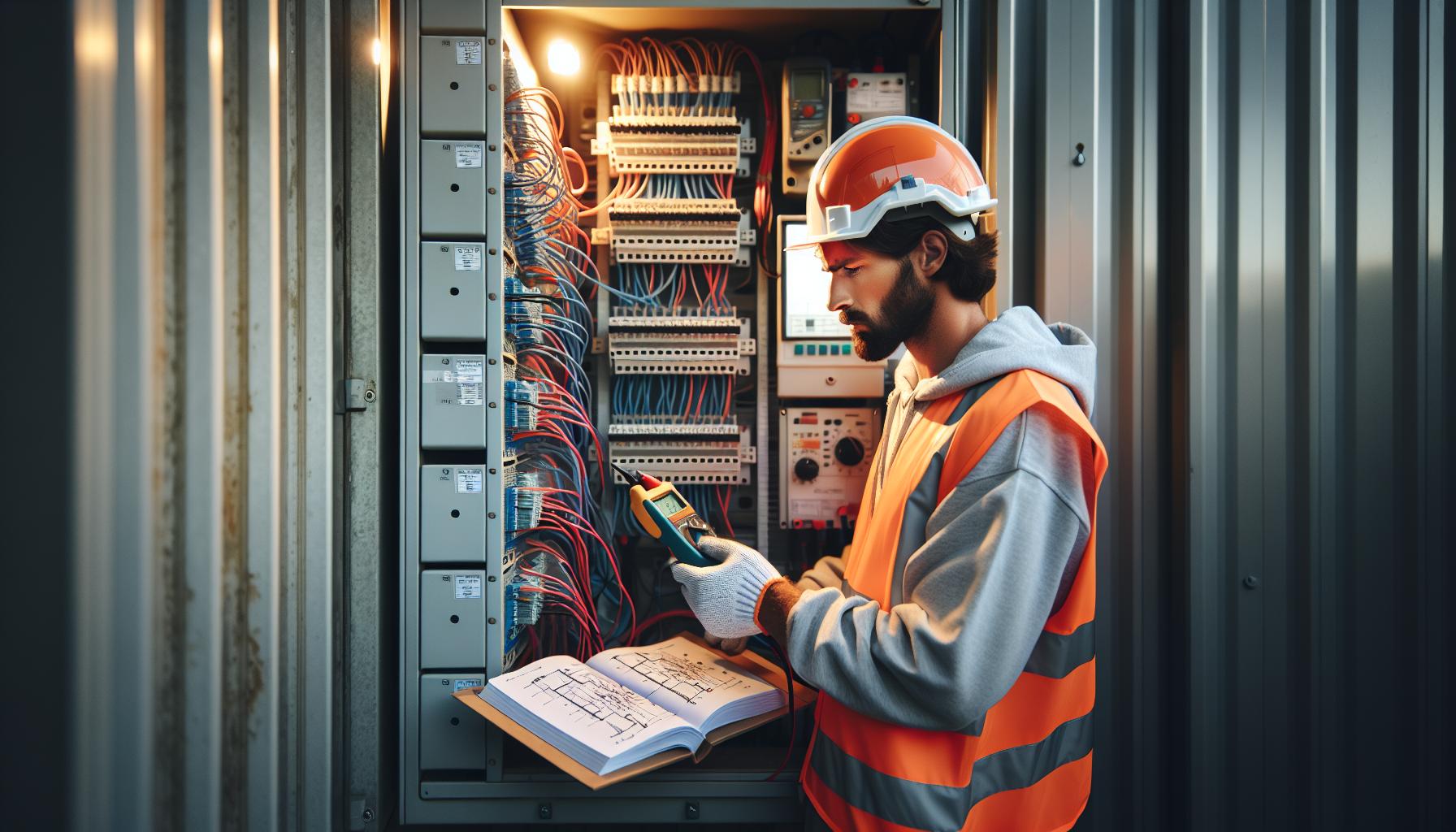
To ensure safety and compliance in electrical installations, understanding the safety standards and regulations governing wiring is paramount. For 10 gauge wire, which can handle up to 30 amps under ideal conditions, adherence to the National Electrical Code (NEC) and local regulations is essential for preventing hazards such as overheating and electrical fires. The NEC outlines various guidelines regarding wire gauge, ampacity, and installation practices, emphasizing that the selected wire must match the load requirements while considering factors such as the environment, installation conditions, and the presence of insulation.
When working with 10 gauge wire, electricians must consider not only the ampacity but also the circuit type-whether it’s a residential, commercial, or industrial installation. The NEC stipulates that conductors must be rated for the specific application and environment they are in. For example, derating may be required if multiple wires are bundled together or if the wire is installed in a location with high ambient temperatures. Knowledge of these provisions helps electricians design safe systems that mitigate risk.
Moreover, appropriate labeling and grounding practices, outlined by the NEC, are critical for reducing the likelihood of electrical shock or equipment damage. Utilizing circuit breakers and fuses that match the wire gauge and maximum amperage rating helps to protect the electrical system from overloads. By following these standards, electricians not only comply with legal requirements but also uphold best practices that enhance safety and performance in electrical installations.
When dealing with any electrical work, electricians are advised to stay current with licensing and certifications, as regulations frequently evolve. Regular training and understanding regional amendments to the NEC can further enhance an electrician’s proficiency and effectiveness in ensuring safe installations. By prioritizing adherence to safety standards and regulations, professionals can elevate their work and minimize risk for themselves and their clients.
Calculating Amperage for Different Loads
To understand how to effectively calculate amperage for different loads when using 10 gauge wire, it is essential to begin with a clear grasp of the factors that influence the relationship between wire size, load requirements, and safety considerations. For instance, 10 gauge wire typically has a maximum ampacity of 30 amps under ideal conditions, but this can vary based on multiple elements including the type of load, the length of the wire, and the specific environment in which the wire is installed.
Calculating amperage starts with determining the total watts of the appliance or system you are powering. The basic formula for calculating amperage (I) is:
I (Amps) = P (Watts) / V (Volts)
This means if you have a device that operates at 120 volts and uses 1800 watts, the current drawn would be 15 amps. When you know the amperage, you can then assess whether 10 gauge wire is suitable for your application.
Factors to Consider
- Type of Load: Consider whether the load is continuous or non-continuous. Continuous loads typically should not exceed 80% of the wire’s ampacity, necessitating adjustments in amperage calculations.
- Length of Wire: Longer runs can lead to voltage drop, where the effective voltage at the end of the wire is less than at the source. This can require upsizing the wire gauge to maintain adequate performance.
- Environmental Conditions: High ambient temperatures or installation in insulated spaces can further reduce wire rating. Knowing regional regulations regarding derating will aid in ensuring safety.
With these considerations in mind, electricians can confidently calculate the required amperage for any application involving 10 gauge wire, ensuring both compliance with the National Electrical Code (NEC) and the safety of the electrical system. Regularly revisiting and updating skills in load calculation and wire management is vital for electrical professionals seeking to enhance their career and implement best practices in their work environments.
Impact of Wire Length on Amperage Ratings
The impact of wire length on the amperage ratings of 10 gauge wire is a crucial consideration for electricians and DIY enthusiasts alike. As wire length increases, voltage drop becomes a significant factor that can affect the efficiency and safety of electrical systems. For instance, longer runs of wire can cause the voltage at the load (such as a device or appliance) to drop below expected levels, which may lead to inefficient operation or failure of electrical equipment. This is especially critical in applications requiring precise voltage supply.
To quantify this effect, the voltage drop can be calculated using the formula:
Voltage Drop (V) = 2 * Length (ft) * Current (Amps) * Resistance (Ohms/ft)
For 10 gauge wire, the approximate resistance is 0.001 ohms per foot. Therefore, for a long run-say, 100 feet at 15 amps-the voltage drop could result in a significant decrease in voltage at the load end. Understanding this relationship is vital for maintaining optimal functionality.
Additionally, the National Electrical Code (NEC) recommends that the voltage drop not exceed 3% for branch circuits. This means, for a 120 volt system, the voltage drop should not exceed 3.6 volts. If you find that your wire length results in a drop exceeding this percentage, you may need to consider upsizing to a larger gauge wire to ensure adequate performance. Always measure and calculate the needs of the specific application to make informed decisions that uphold safety and efficiency standards.
Furthermore, the effects of temperature and insulation type can also compound issues related to wire length. Higher ambient temperatures can increase the resistance of the wire, further exacerbating voltage drop issues, while varying insulation types can affect heat dissipation during longer runs. Keeping these factors in mind ensures that your electrical installations are not only compliant but also safe and reliable, empowering professionals with actionable insights that can lead to improved career outcomes in the electrical field.
Environmental Effects on Wire Performance
The performance of 10 gauge wire is significantly influenced by various environmental factors that can affect its efficiency and safety in electrical applications. One of the primary external elements that impact wire performance is temperature. Higher ambient temperatures can increase the resistance of the wire, leading to greater voltage drop and possible overheating. For example, when 10 gauge wire is used in hotter climates or in spaces that lack adequate ventilation, the increased resistance can result in excessive heat buildup, which not only reduces the wire’s capacity but also poses safety risks such as insulation degradation or even electrical fires.
Another critical factor is moisture and humidity, which can cause corrosion, especially in less durable wire materials or inadequate insulation types. Corroded or damaged wires can lead to increased resistance and potential failure of the electrical system. Outdoor installations, in particular, should be equipped with wires rated for wet conditions, preferably those with weather-resistant insulation, to mitigate these risks. Additionally, exposure to UV rays can degrade insulation, underscoring the need for proper selection and installation of wiring materials in outdoor settings.
Furthermore, the presence of other environmental conditions, such as chemical exposure or mechanical stresses, can also affect wire durability and performance. In industrial environments, for instance, wires might come into contact with chemicals that could compromise their insulation or the metal itself. Electricians must ensure that they choose the right wire type that can withstand these exposures, which may involve utilizing specialized coatings or selecting wires made from more resilient materials.
In conclusion, understanding these environmental effects is crucial for maintaining the integrity and safety of electrical installations. By considering factors such as temperature, moisture, and potential chemical exposure during the planning and installation phases, electricians can make informed choices that enhance the longevity and reliability of 10 gauge wire and other electrical components. Adopting best practices in material selection and adherence to safety standards can significantly reduce risks, ensuring optimal performance even in challenging environments.
Upgrading from 10 Gauge: When and Why?
Upgrading from 10-gauge wire is a pivotal decision that can significantly influence the safety and efficiency of electrical systems. Typically rated for a maximum amperage of 30 amps, 10-gauge wire is often sufficient for many residential applications, such as feeding small appliances and certain circuits in kitchens and garages. However, there are scenarios where upgrading may be essential to accommodate higher loads, improve safety, or enhance performance. It’s crucial to recognize these situations early on to avoid potential hazards or equipment failures.
One primary reason for upgrading is when the electrical load on a circuit increases beyond the wire’s capacity. For instance, if a new high-power appliance such as an electric oven or HVAC system is added, the existing wiring may not be capable of handling the additional load, necessitating a switch to a larger gauge wire. Upgrading not only ensures compliance with the National Electrical Code (NEC) but also reduces the risk of overheating, which can lead to wire insulation failure or even fires. Electricians and homeowners alike should conduct thorough load calculations, taking into account all current and future appliance demands, to determine the appropriate wire size.
Additionally, environmental factors can also indicate the need to move away from 10-gauge wire. For example, installations in areas with high ambient temperatures or moisture may require a thicker wire to compensate for increased resistance or potential corrosion. Using higher gauge wire not only bolsters safety but can also improve the overall efficiency of the electrical system by minimizing voltage drops. These considerations are especially relevant in outdoor or industrial settings, where wires face harsher conditions.
Ultimately, the decision to upgrade should also factor in the long-term goals of the electrical system. As technology evolves, the rise of smart home devices and electric vehicle chargers demands greater electrical capacity. Preparing for future expansions by preemptively installing higher gauge wire can save significant time and costs in the long run. When contemplating upgrades, consult with a qualified electrician to assess the specific needs of your electrical system and ensure that any changes align with safety standards and best practices in the industry.
Best Practices for Wiring Installation
To ensure a safe and efficient electrical system, adhering to best practices during wiring installation is paramount. A well-executed installation not only meets regulatory standards but also enhances the long-term performance of the electrical system. One fundamental aspect is the selection of the correct wire gauge for the intended load. For instance, 10-gauge wire is typically rated for a maximum of 30 amps, making it suitable for specific residential applications including 240-volt circuits for dryers or water heaters. However, overloading this wire can lead to overheating and increased risks. Thus, conducting proper load calculations based on the appliances and devices connected to the circuit is essential.
Another critical practice is to ensure that all wiring adheres to the National Electrical Code (NEC). This code establishes guidelines for safe electrical installations, thereby minimizing the risk of electrical shocks and fire hazards. When wiring, use proper connectors, secure all connections, and avoid creating tight bends or kinks that may impair electrical flow. Additionally, never route wiring through areas prone to moisture unless the wire is specifically rated for such environments. Utilizing the proper type of wire insulation can also prevent premature degradation and maintain the system’s reliability.
Regular testing and inspections are equally vital in maintaining safety and compliance. Before energizing any completed installation, testing for correct polarity, continuity, and electrical resistance can prevent potential issues. Moreover, visual inspections of connections and junction boxes during routine maintenance help identify wear or faults early, enabling timely repairs or replacements. Incorporating modern technologies, such as circuit breakers and smart home systems, can also significantly improve both safety and functionality by providing real-time monitoring of load and power usage.
By following these best practices-selecting the right gauge, adhering to code regulations, conducting thorough testing, and utilizing modern safety devices-electricians can ensure their installations are not only up to standard but also optimized for safety and efficiency. This proactive approach serves to protect both the homeowner and the integrity of the electrical system, paving the way for a secure and reliable electrical experience.
Tools Needed for Working with 10 Gauge Wire
When working with 10 gauge wire, having the right tools is crucial for ensuring safety, efficiency, and compliance with electrical standards. Proper tools not only streamline the installation process but also play a key role in preventing accidents and ensuring that connections are secure and effective. Whether you’re an experienced electrician or a DIY enthusiast, here’s a rundown of essential tools you should have on hand.
Wire Strippers: This tool is vital for removing insulation from the ends of the wire, allowing for clean connections. Choose a reliable pair designed for thicker wires like 10 gauge, as they offer better leverage and precision.
Cutters: Quality wire cutters are necessary for cutting through 10 gauge wire cleanly. Look for heavy-duty options that can handle the thickness without fraying or damaging the wire.
Crimping Tool: Crimping is often required when connecting wire ends to terminals or connectors. A specialized crimping tool ensures you get a solid connection that can handle the maximum amperage.
Screwdrivers and Pliers: These may seem basic, but having a good set of screwdrivers (both flat and Phillips) and pliers is essential for securing connections, especially when working with junction boxes and outlets. Insulated tools are recommended for added safety.
Voltage Tester: Before starting any project, it’s crucial to ensure that there is no live wire present. A voltage tester or multimeter can help verify that power is off, protecting you from electrical shocks.
Fish Tape: This tool is valuable for routing wires through walls and tight spaces without damaging insulation. It allows you to guide 10 gauge wire safely, especially in retrofitting situations.
Drill/Driver: If you need to install fixtures, brackets, or electrical boxes, a power drill with appropriate bits is necessary for creating holes and driving screws efficiently.
When working on electrical systems, safety should always be your top priority. Equipping yourself with these essential tools not only enhances your efficiency but also helps ensure that your work meets industry standards, ultimately safeguarding those who will use the electrical systems being installed or repaired.
Expert Tips for Maximizing Wire Safety and Efficiency
Working with electrical wiring, particularly 10 gauge wire, demands a focus on safety and efficiency to ensure both functionality and compliance with current electrical codes. One of the critical aspects to consider is the wire’s ampacity, which can vary based on temperature ratings, insulation types, and installation methods. For instance, using 10 gauge wire in a residential setting typically supports up to 30 amps under optimal conditions. However, adjusting for factors like ambient temperature and the number of wires bundled together is vital to avoid overheating and potential hazards.
To maximize wire safety, always adhere to the National Electrical Code (NEC) regulations. Utilizing quality components, including insulated connectors and sturdy junction boxes, minimizes the risk of short circuits or electrical fires. Additionally, selecting the appropriate circuit protection devices, such as circuit breakers or fuses, tailored to the wire’s capacity is pivotal. Regular inspections and proactive maintenance also play a significant role in sustaining the integrity of electrical systems, enabling early detection of wear and tear or potential issues.
When planning installations, be mindful of the wire’s length, as longer runs can result in voltage drop, decreasing efficiency. It’s advisable to calculate the load and voltage drop to ensure that the 10 gauge wire remains a suitable choice for the specific application. For those upgrading from 10 gauge wire, assessing the connected loads and the potential need for a larger wire size can enhance system reliability. Finally, when positioning wires, aim for adequate separation from heat sources and avoid sharp bends that could compromise the wire’s condition.
Keeping abreast of the latest electrical technologies, such as smart home systems and electric vehicle chargers, can also enhance your proficiency. Utilizing contemporary materials and techniques not only optimizes safety but also places you ahead in a competitive trade, making licensed electricians valued in an evolving market.
Q&A
Q: What is the maximum amperage rating for 10 gauge wire?
A: The maximum amperage rating for 10 gauge wire is typically 30 amps when used for many applications, but can vary based on insulation type and installation conditions. Always refer to the National Electrical Code (NEC) for specific guidelines.
Q: How do you calculate the amperage capacity of 10 gauge wire?
A: To calculate the amperage capacity of 10 gauge wire, consider the wire’s length, the type of insulation, and the ambient temperature. Ampacity charts provided by the NEC can help ensure safe ratings for specific installation scenarios.
Q: When should you upgrade from 10 gauge wire?
A: You should consider upgrading from 10 gauge wire when your load exceeds 30 amps, or if you’re installing in conditions requiring lower ampacity due to longer runs or higher heat environments. Refer to the section on Upgrading from 10 Gauge in our article.
Q: What factors influence the amperage rating of 10 gauge wire?
A: The amperage rating of 10 gauge wire is influenced by factors such as wire length, ambient temperature, insulation type, and whether it’s installed in conduit or free air. These variables are essential for maintaining safety and performance.
Q: What are common applications for 10 gauge wire?
A: Common applications for 10 gauge wire include circuits for power tools, significant household appliances, and certain types of lighting. Refer to the Common Applications section of our guide for specific details and examples.
Q: How does wire length impact the maximum amperage for 10 gauge wire?
A: Wire length impacts the maximum amperage due to voltage drop; as length increases, resistance also increases, potentially reducing the effective amperage. For long runs, consider using a thicker gauge to maintain efficiency.
Q: Why is it important to know the amperage for 10 gauge wire?
A: Knowing the amperage for 10 gauge wire is crucial for safety and compliance with electrical codes. It helps prevent overheating and ensures that the wire can handle the load without failure, thus protecting your electrical system.
Q: Are there specific safety standards for using 10 gauge wire?
A: Yes, safety standards for using 10 gauge wire are established by the National Electrical Code (NEC). Following these guidelines ensures proper installation, minimizes fire risks, and meets electrical requirements. Always refer to the Safety Standards section in our article for detailed guidance.
Key Takeaways
As you’ve discovered, understanding the maximum amperage for 10 gauge wire is essential for ensuring safety and efficiency in your electrical projects. To recap, using the correct amperage is vital to prevent overheating and potential hazards. If you’re looking to deepen your knowledge, check out our articles on electrical fundamentals and load calculations, or explore our guide on effective electrician certification paths.
Don’t miss out! Subscribe to our newsletter for the latest updates and expert tips directly to your inbox. If you have questions or insights, we encourage you to share them in the comments below-your input can help others in the community. Keep your projects safe and compliant by leveraging the resources we provide. For more detailed discussions on advanced techniques and tools, stay engaged with our content. Your expertise and diligence today can lead to safer, smarter electrical solutions tomorrow!