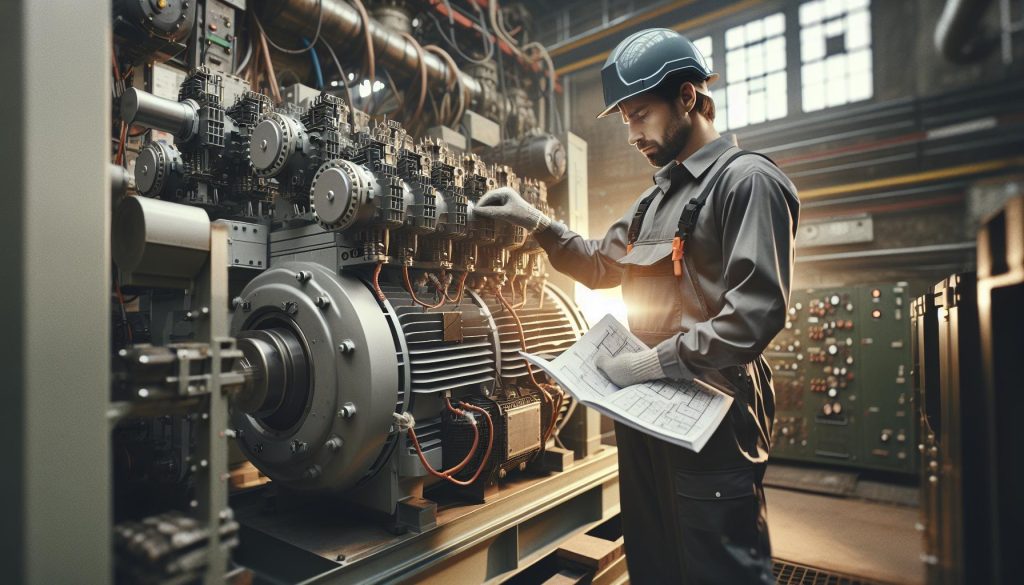
Synchronous machines play a crucial role in modern electricity generation and industrial applications, functioning as both generators and motors. They operate at a constant speed that is synchronized with the frequency of the power supply, making them essential for maintaining grid stability and ensuring efficient energy use. Understanding these machines is vital for professionals in the electrical field, as they are integral to various technologies, from renewable energy systems to large-scale industrial equipment.
As energy demands grow and technologies evolve, having a solid grasp of synchronous machine principles not only empowers electricians and engineers to optimize their systems but also enhances safety and efficiency in operations. Whether you’re aiming to enhance your knowledge for career advancement or seeking practical insights to improve your projects, this exploration of synchronous machine technology will provide valuable information that resonates with your goals. Dive deeper to discover how these machines work, their applications, and the advantages they bring to the electrical landscape.
What Is a Synchronous Machine? Understanding the Basics
A synchronous machine operates on the principle of synchronism between the rotating magnetic field produced by the stator and the rotor. When connected to an AC power source, the stator windings create a rotating magnetic field that moves at synchronous speed, which is determined by the frequency of the AC supply and the number of poles in the machine. The rotor, designed to rotate at the same speed, can be either a permanent magnet or an electromagnet. This synchronous operation ensures that the rotor maintains a constant speed regardless of the load, making these machines essential for applications requiring precise speed regulation.
Within the realm of electrical engineering, synchronous machines are classified chiefly into synchronous generators and synchronous motors. Synchronous generators convert mechanical energy into electrical energy and are often employed in power plants. They operate in harmony with the power grid, helping stabilize voltage and frequency. Conversely, synchronous motors convert electrical energy back into mechanical energy, providing high efficiency and excellent torque at low speeds, making them suitable for industrial applications where precision is vital.
A key advantage of synchronous machines is their ability to operate at leading, lagging, or unity power factor, offering flexibility in power management. They help mitigate reactive power issues in power systems, thereby improving overall system reliability. Moreover, synchronous machines are tailored to meet specific operational demands, with configurations available for both large-scale and compact applications-essential in industries ranging from manufacturing to renewable energy.
To excel in working with synchronous machines, electrical professionals should be familiar with various performance metrics, maintenance practices, and troubleshooting techniques. Understanding efficiency ratings and load characteristics enhances the application of these machines in different settings, contributing to effective system design and sustainable energy solutions. Keeping abreast of future trends, such as advancements in materials and control technologies, can provide significant advantages in this ever-evolving field.
How Synchronous Generators Work: Principles and Applications

A synchronous generator is a crucial component in the modern electrical system, transforming mechanical energy into electrical energy with remarkable efficiency. At the core of its operation lies the principle of synchronism, where the rotor spins at the same speed as the rotating magnetic field produced by the stator. This synchronization ensures that the generated electrical frequency remains stable and consistent, making synchronous generators essential in applications ranging from power plants to large-scale industrial operations.
The functionality of synchronous generators starts with the excitation system, which produces a magnetic field in the rotor. When the rotor spins, it induces electrical current in the stator windings due to electromagnetic induction. The frequency of the output voltage is directly related to the speed of the rotor and the number of poles in the generator. For practical applications, most synchronous generators operate in tandem with the electrical grid, assisting in voltage regulation and frequency stability. This capability to operate against varying loads while maintaining synchronous speed enhances grid resilience and reliability.
In terms of applications, synchronous generators are widely utilized in hydroelectric power plants, where their ability to produce electricity efficiently is maximized by the constant rotational speed of turbines. They are also increasingly common in renewable energy setups, especially in wind and tidal energy systems, where maintaining grid stability is critical. The technology supports not only traditional energy sectors but also emerging areas, contributing to a balanced power supply in urban environments where energy demand can fluctuate substantially.
As electrical professionals explore the intricacies of synchronous generators, understanding performance metrics such as efficiency rates, power factor, and operational limits becomes vital. For instance, the power factor indicates how effectively the generator converts electrical power into usable energy, directly impacting the efficiency of the electrical grid. Being knowledgeable about these aspects helps professionals optimize system design, enhance maintenance strategies, and troubleshoot common issues, ultimately leading to effective energy management and sustainable solutions for future energy challenges.
Explore Synchronous Motors: Types and Functions
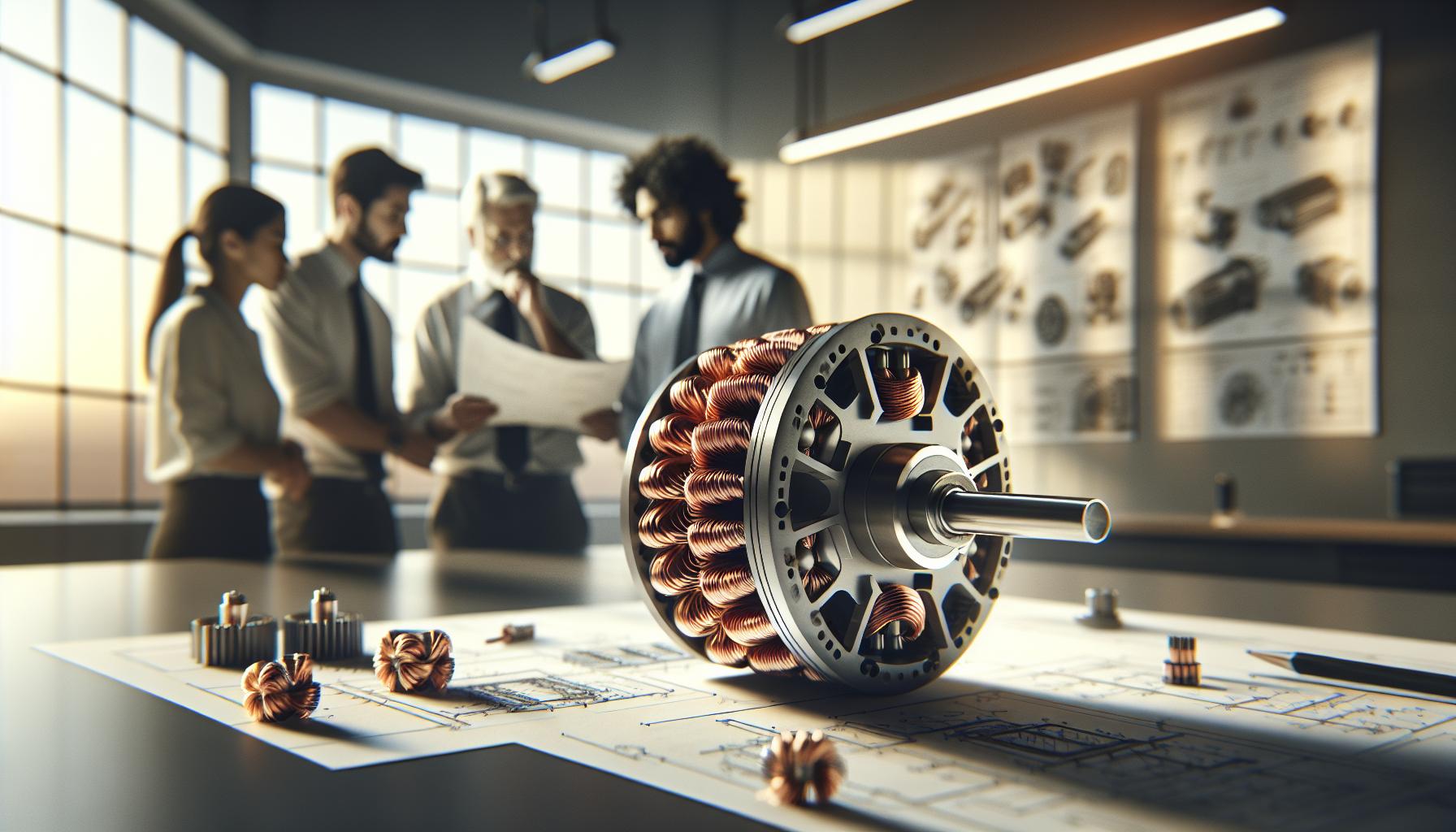
Synchronous motors play a pivotal role in various sectors, converting electrical energy into mechanical power with remarkable efficiency. One of the defining characteristics of these motors is that their rotor rotates at the same speed as the rotating magnetic field produced by the stator-this relationship is essential for the motor’s performance and efficiency. Unlike their asynchronous counterparts, synchronous motors excel in applications requiring precise speed control and efficiency, making them ideal for tasks ranging from heavy machinery to complex industrial processes.
Types of Synchronous Motors
There are several types of synchronous motors, each designed to meet specific operational needs:
- Permanent Magnet Synchronous Motors (PMSM): These motors use permanent magnets embedded in the rotor, resulting in high efficiency and compact designs. They are commonly found in electric vehicles and robotics.
- Wound Rotor Synchronous Motors: Featuring a rotor winding that requires external excitation, these motors provide better torque at startup and are often employed in industrial applications requiring high starting torque, such as crushers or mills.
- Reluctance Synchronous Motors: This type utilizes the principle of magnetic reluctance for its operation, making them simple yet effective in applications needing a lightweight and cost-effective solution.
Understanding these variations helps professionals select the right motor type for specific industrial applications, enhancing system performance and reliability.
Functions and Applications
Synchronous motors find their primary use in applications where speed stability is crucial. They are widely implemented in industries like manufacturing, mining, and power generation. For example, in energy-intensive applications like compressors and fans, synchronous motors not only provide reliable service but also optimize energy consumption through their superior power factor.
Moreover, the ability to operate in conjunction with variable frequency drives (VFDs) enhances their versatility, allowing for greater speed control and operational efficiency. In scenarios where precise control of mechanical speeds is required-such as in conveyor systems or milling machines-synchronous motors contribute significantly to productivity and operational accuracy.
Electrical professionals should be adept at understanding not just the types of synchronous motors, but also their applications to effectively address the needs of different industries. Knowledge of this technology enhances their capabilities in diagnosing issues and optimizing motor performance in a variety of settings, ultimately leading to improved energy management and sustainable practices.
Key Differences Between Generators and Motors
Understanding the distinctions between generators and motors is essential for anyone involved in the electrical field. While both devices convert energy, they serve complementary yet fundamentally different roles in electrical systems. A synchronous motor transforms electrical energy into mechanical power, ensuring that it runs at the same speed as the magnetic field. Conversely, a synchronous generator performs the opposite function by converting mechanical energy into electrical energy, particularly while maintaining a constant frequency across varying load conditions.
One major difference lies in their operational principles. Synchronous motors require an external power source to maintain rotor alignment with the stator’s rotating magnetic field, making them ideal for applications demanding precise speed control. On the other hand, synchronous generators are driven by external mechanical energy sources such as turbines and are optimized for producing stable output voltages and currents, regardless of load changes. This characteristic is crucial for power generation, especially in renewable energy systems where maintaining grid stability is paramount.
Practical applications further illustrate these differences. In industrial settings, synchronous motors are often found in high-precision tasks like conveyors, where their capability for exact speed regulation enhances productivity. In contrast, synchronous generators are commonly deployed in hydroelectric plants, wind farms, and other renewable sources. They play a vital role in ensuring that generated power is fed into the grid efficiently while minimizing fluctuations that can lead to power quality issues.
As professionals advance their careers in the electrical industry, understanding the operating principles and applications of synchronous machines can enhance their proficiency and provide significant advantages in system design and trouble-shooting. Recognizing these differences not only aids in appropriating the correct machinery for specific tasks but also enhances knowledge of energy management practices, contributing to more sustainable operations in energy-intensive environments.
Advantages of Synchronous Machines in Power Systems
Synchronous machines play a pivotal role in modern power systems, offering a range of advantages that enhance the stability and efficiency of electrical grids. One of the most significant benefits is their ability to provide reliable and consistent output. Unlike asynchronous machines, which may experience speed variations based on load changes, synchronous machines maintain a constant speed that is directly tied to the frequency of the electrical supply. This characteristic is crucial for applications where steady frequency is essential, such as in grid-connected systems that demand precise synchronization.
In addition to frequency stability, synchronous machines contribute to improved power factor correction. By operating at leading, lagging, or unity power factors based on the load requirements, synchronous generators can help to balance reactive power on the grid. This capability reduces the overall demand for reactive power from the utility, enhancing the efficiency of the power system and potentially lowering electricity costs for consumers. Many utilities encourage the use of synchronous machines not only for their operational efficiencies but also for their ability to enhance grid reliability and minimize transmission losses.
Another compelling advantage of synchronous machines is their robustness in handling fluctuations in renewable energy sources. For example, in wind and hydroelectric power applications, these machines can adapt quickly to changes in available mechanical energy while ensuring that the electrical output remains stable. This adaptability is vital as the electricity market continues to incorporate more sensitive loads and renewable energy technologies, which require consistent and quality power supply to function effectively.
Investing in synchronous machines can also yield long-term financial benefits. Although the initial capital cost may be higher compared to other machine types, the operational savings due to improved efficiency, reduced maintenance needs, and lower electrical losses often outweigh these initial expenditures. As energy management becomes increasingly critical in today’s industrial landscape, the strategic implementation of synchronous machines can lead to optimized energy use and increased competitiveness in various sectors, from manufacturing to renewable energy installations.
Applications of Synchronous Machines in Industry
Synchronous machines are vital components in various industrial applications, demonstrating exceptional efficiency and reliability. These devices are commonly utilized in power generation, where synchronous generators provide stable and consistent voltage to the electrical grid. Their ability to maintain synchronous speed with the system frequency makes them ideal for large-scale power plants, such as hydroelectric stations, fossil-fuel plants, and nuclear facilities. In these environments, they not only convert mechanical energy into electrical energy but also support grid stability by adjusting their output based on real-time demand.
In the manufacturing sector, synchronous motors are favored for applications requiring precise control over speed and torque. Industries that rely on conveyor belts, cranes, and large pumps benefit significantly from using these motors due to their high starting torque and ability to operate at a constant speed regardless of load variations. This consistency helps in reducing mechanical stress on equipment, leading to longer service lives and lower maintenance costs. Furthermore, with the increasing emphasis on energy efficiency, many manufacturers are transitioning to synchronous motors as they can be designed to run at a leading power factor, thus improving the overall power factor of the facility and reducing electricity costs.
Another exciting application lies in renewable energy systems, particularly wind and solar power. As these industries continue to grow, the role of synchronous machines becomes increasingly critical. Synchronous generators can easily adjust their output according to the fluctuations in energy supply, providing stability in power delivery. For instance, in wind farms, these machines are used to synchronize the generated power with the grid, ensuring that the energy fed into the system matches the frequency and voltage requirements. Their robust nature allows them to effectively handle the intermittent nature of renewable sources, making them invaluable for enhancing grid resilience.
To maximize the benefits of synchronous machines, it is essential for industry professionals to stay informed about advancements in technology and best practices. Continuous education on energy management, machine maintenance, and the integration of these machines with smart grid technologies will empower electricians and engineers to fully leverage the potential of synchronous machines, ensuring safety, efficiency, and proficiency in electrical systems.
Maintenance Best Practices for Synchronous Machines
In the realm of electrical engineering, the performance and reliability of synchronous machines heavily depend on their maintenance. Adopting a proactive maintenance strategy is crucial for minimizing downtime and extending the life of these integral components. Regular inspections and maintenance can help identify potential issues before they escalate, ensuring optimal performance and safeguarding the investment in these sophisticated systems.
A well-structured maintenance program for synchronous machines should encompass several key areas. First and foremost, regular inspection is essential. This involves checking the winding insulation, alignment, and physical condition of components to detect wear or damage. Additionally, monitoring operating temperatures closely helps prevent overheating, which can lead to premature failures. An effective method is conducting periodic thermal imaging assessments to identify hot spots that could indicate underlying problems before they become critical.
Vibration Analysis and Testing
Another vital aspect is vibration analysis. Synchronous machines are often subjected to various mechanical stresses, and monitoring their vibration patterns can reveal imbalances, misalignments, or bearing failures. Utilizing vibration measurement tools and performing regular analysis can guide maintenance scheduling and repairs. Furthermore, incorporating condition-based maintenance strategies, such as predictive analytics, allows operators to utilize data from sensors and historical performance metrics to inform decisions about when to perform necessary maintenance tasks.
To promote operational efficiency, establishing a robust lubrication schedule is equally important. Machines should be adequately lubricated following manufacturer guidelines, with regular checks on oil levels and the condition of lubricants. Contaminated or degraded lubricants can adversely affect machine performance, leading to increased friction and wear. Therefore, engineers must implement rigorous sampling and analysis of lubricants as part of the maintenance protocol.
Finally, comprehensive training for maintenance personnel is indispensable. Knowledgeable technicians equipped with the latest industry practices can perform maintenance tasks more effectively and recognize potential problems earlier. Continuous education on technological advancements, safety protocols, and industry standards is integral for ensuring exceptionally maintained synchronous machines that contribute reliably to power generation and industrial processes. Adopting these best practices not only enhances the efficiency and lifespan of synchronous machines but also supports a safer and more productive working environment.
Performance Metrics: Efficiency and Load Characteristics
In electric power systems, understanding the performance metrics of synchronous machines is essential for optimizing efficiency and load management. Synchronous machines, whether used as generators or motors, operate based on precise synchronization with the power grid, which enables them to deliver superior performance under varying load conditions. An intriguing fact is that these machines can maintain a near-constant speed regardless of load fluctuations, making them pivotal in applications requiring stability and reliability.
Efficiency is a key performance metric that reflects how well a synchronous machine converts input power to output power. This efficiency is typically expressed as a percentage, with modern synchronous machines achieving efficiencies upwards of 95%. Factors influencing efficiency include design characteristics, load conditions, and operating environment. High-quality materials, precise manufacturing processes, and effective thermal management all contribute to enhancements in efficiency. For operators, regular testing and monitoring can identify efficiency drops, enabling maintenance actions that restore optimal performance.
Load Characteristics
The load characteristics of synchronous machines display their behavior under different operational loads, which can be categorized into full load, half load, and no load conditions. Under full load, synchronous machines ideally operate at stability and efficiency, providing consistent power without fluctuations in speed or torque. At partial loads, the performance is often defined by the machine’s excitation system-over-excited conditions can improve power factor, while under-excited scenarios may lead to reactive power absorption.
One practical approach in analyzing load characteristics is utilizing the torque-speed curve, which delineates how the machine’s torque output varies with speed across different loads. This curve can help technicians understand the operational limits and optimize the machine’s performance based on real-time demands. Operators should also familiarize themselves with terms like synchronous reactance, which significantly influences the machine’s ability to handle loads dynamically.
In conclusion, by closely monitoring efficiency and understanding load characteristics, engineers and operators can significantly enhance the operational lifespan and productivity of synchronous machines. Through data-driven insights and proactive analysis, organizations can leverage these powerful tools to meet increasing energy demands in an ever-evolving industrial landscape. Regular performance assessments and maintenance programs should be part of a broader strategy aimed at maximizing both the efficiency and effectiveness of synchronous machines in various applications.
Impact of Synchronous Machines on Electrical Engineering
The integration of synchronous machines into modern electrical engineering systems has catalyzed significant advancements, shaping the landscape of power generation and management. Synchronous machines, operating in perfect synchronization with the power grid, ensure that power delivery is both reliable and efficient. This synchronization capability not only improves the stability of electrical systems but also enhances overall grid resilience. As a result, the role of synchronous machines extends beyond mere functionality; they become pivotal tools in elevating the standards of electrical performance.
Understanding the involves recognizing their dual role as both generators and motors. When used as generators, they are instrumental in producing electricity under stable frequency conditions, making them suitable for large-scale power plants, especially in hydroelectric setups. As motors, they drive industrial processes with high precision, reducing energy consumption due to their superior efficiency rates, which can exceed 95%. The ability of synchronous motors to operate at leading power factors contributes significantly to improved voltage stability in industrial plants, thereby optimizing energy use and reducing costs.
In practical applications, synchronous machines are indispensable in industries ranging from manufacturing to renewable energy. For example, in wind farms, synchronous generators help maintain grid frequency during fluctuations caused by variable wind speeds, ensuring that the electricity supply remains constant. Additionally, in industrial facilities, synchronizing motors with control systems allows for precise torque and speed management during operations, leading to enhanced productivity. Electricians and engineers working with synchronous machines must remain attuned to current standards and technologies, emphasizing the need for ongoing education and skill development in areas such as load calculations and equipment selection.
To harness the full potential of synchronous machines, electrical engineers and technicians should adopt a proactive approach to maintenance and performance monitoring. Regular assessments can identify potential issues before they escalate, ensuring longevity and reliability. Furthermore, embracing advancements in smart technology, such as IoT-enabled monitoring systems, allows real-time data collection and analysis, facilitating optimized operation and timely management interventions. By focusing on continuous improvement and the latest technological innovations, professionals can effectively leverage synchronous machines to enhance operational efficiency and support the growing demand for sustainable energy solutions.
Future Trends in Synchronous Machine Technology
As the landscape of electrical engineering evolves, synchronous machines stand at the forefront of innovation, poised to play a critical role in the energy transition. With advancements in technology, these machines are anticipated to experience transformative changes that enhance their efficiency, reliability, and integration capabilities, particularly in renewable energy applications. One notable trend is the evolution of high-temperature superconductors (HTS), which can significantly reduce energy losses in synchronous machines. By leveraging HTS, manufacturers can design machines that are lighter and more efficient, enabling higher power outputs and improved performance in compact applications.
Another promising development is the increased incorporation of digital technologies and Internet of Things (IoT) capabilities. By integrating real-time monitoring and control systems, synchronous machines can achieve unprecedented levels of operational efficiency and predictive maintenance. This trend not only facilitates enhanced performance management but also aligns with the industry’s push towards automation and smart grid solutions. For instance, predictive analytics can forecast potential failures before they occur, drastically minimizing downtime and repair costs, a crucial factor in industries reliant on uninterrupted power supply.
The demand for enhanced grid stability in a decentralized energy landscape necessitates innovations in synchronous machine technology. As more renewable energy sources like wind and solar become integrated into the grid, the role of synchronous machines in providing inertial support and dynamic response to fluctuations becomes increasingly essential. Ongoing research focuses on developing synchronous machines that can dynamically adjust their output in response to grid conditions, thus maintaining stability while facilitating higher shares of variable renewable energy.
Furthermore, sustainable practices are driving the development of eco-friendly materials and designs in synchronous machine manufacturing. Engineers are exploring biodegradable insulation materials and energy-efficient manufacturing processes aimed at reducing the environmental impact of these machines. As legislation around carbon emissions becomes more stringent, this shift towards sustainability will not only meet regulations but also appeal to a market increasingly concerned with environmental stewardship.
In conclusion, the future of synchronous machine technology is characterized by these exciting trends that reflect a commitment to efficiency, integration with smart technologies, and sustainability. For electrical professionals, staying abreast of these innovations is essential to harnessing their full potential and ensuring optimized performance in both conventional and renewable energy settings. Engaging with ongoing education and training in these areas will empower technicians and engineers to lead the charge in this evolving technological landscape.
Troubleshooting Common Issues with Synchronous Machines
When working with synchronous machines, understanding common issues can be the difference between efficient operation and costly downtime. A significant challenge often encountered involves problems with the machine’s synchronization. For instance, if a synchronous generator loses phase lock due to changes in load or grid conditions, it can lead to instability. This is usually indicated by fluctuations in output voltage or frequency, and diagnosing it early can prevent further complications.
Another prevalent issue is vibration, which can stem from mechanical misalignment, resonance, or imbalance within the rotor and stator. Vibration not only reduces efficiency but also significantly shortens the life of bearings and other critical components. Regularly monitoring vibration levels using accelerometers and conducting routine maintenance checks can help identify potential problems before they escalate.
In addition, excitation system failures can pose serious risks to synchronous machine performance. These systems regulate the voltage output and can malfunction due to faults in the components or improper settings. Crafting a plan for regular calibration and testing of these systems can mitigate such problems. Technicians should routinely verify the settings and trace voltage levels to ensure that the excitation system operates optimally under varying loads.
Lastly, addressing thermal issues is critical. Synchronous machines generate significant heat, and inadequate cooling can lead to overheating and eventual failure. Ensuring that cooling systems are functioning correctly, input/output parameters are monitored, and ambient conditions are conducive to effective heat dissipation is vital for operational longevity.
By being proactive about these common challenges, technicians and engineers can maintain the performance and reliability of synchronous machines while also improving their understanding of electrical engineering principles essential for career advancement. Utilizing tools and protocols for troubleshooting can foster a more skilled workforce, ensuring safety and efficiency in both industrial and renewable energy sectors.
Understanding the Role of Synchronous Machines in Renewable Energy
The integration of synchronous machines into renewable energy systems is imperative as the world shifts toward sustainable power solutions. Synchronous generators, commonly used in wind turbines and hydropower applications, play a crucial role in converting mechanical energy into electrical energy efficiently. Unlike their asynchronous counterparts, synchronous machines can maintain constant speed under varying loads, making them highly suitable for grid stability and energy management in renewable systems.
One significant advantage of synchronous machines in renewable energy is their ability to provide reactive power compensation. This feature is essential for maintaining voltage levels in the grid, particularly important as more variable energy sources like wind and solar come online. By adjusting their excitation levels, synchronous generators can deliver or absorb reactive power, which helps stabilize the power system during fluctuations caused by intermittent energy generation.
Advancing Grid Stability
Moreover, synchronous machines contribute to enhancing grid stability through their inherent capabilities. They can operate in synchronism with the grid, which helps mitigate issues such as frequency swings and power oscillations. Their robust design allows them to endure adverse conditions while delivering reliable power output, making them indispensable in hybrid renewable energy systems that blend different generation sources.
Improving Efficiency and Performance
To maximize the effectiveness of synchronous machines in renewable energy, it’s critical for technicians and engineers to implement regular maintenance protocols tailored to their specific operational environments. This includes monitoring temperature, vibrations, and load characteristics to preemptively address potential issues that could lead to downtime. Utilizing tools such as online monitoring systems can provide real-time data, helping teams understand performance metrics and ensure operational efficiency.
Embracing advancements in synchronous machine technology not only bolsters the reliability of renewable energy systems but also paves the way for future innovations. As the global push for decarbonization intensifies, focusing on synchronous machines’ role in renewable generation will be vital for engineers aiming to maintain a competitive edge in the electrical profession. Understanding how to harness and maintain these machines becomes a pivotal aspect of career progression in the evolving landscape of energy production.
Q&A
Q: What are the key benefits of using synchronous machines in electrical systems?
A: Synchronous machines offer high efficiency and stability in power systems. They provide accurate speed control, improve power factor, and enhance grid reliability. Additionally, they are essential for renewable energy applications, ensuring stable output from variable sources like wind and solar.
Q: How does a synchronous generator produce electricity?
A: A synchronous generator produces electricity by converting mechanical energy from a prime mover (like a turbine) into electrical energy through electromagnetic induction. The rotor is magnetized, and as it spins, it creates a rotating magnetic field that induces alternating current (AC) in the stator windings.
Q: What is the difference between synchronous motors and asynchronous motors?
A: Synchronous motors operate at a constant speed synchronized with the supply frequency, while asynchronous (or induction) motors run at varying speeds. Synchronous motors are more efficient for high-power applications and have better speed control, making them ideal for specific industrial applications.
Q: When are synchronous machines typically used in power generation?
A: Synchronous machines are commonly used in large-scale power generation, especially in hydroelectric plants, thermal power stations, and wind farms. They are preferred in situations requiring stable voltage and frequency control in electrical grids.
Q: How can maintenance improve the lifespan of synchronous machines?
A: Regular maintenance, such as checking alignment, lubrication, and insulation testing, significantly enhances the lifespan of synchronous machines. This proactive approach prevents failures, ensures efficient operation, and reduces downtime in industrial applications.
Q: What performance metrics are important for assessing synchronous machines?
A: Key performance metrics for synchronous machines include efficiency, load characteristics, power factor, temperature rise, and noise levels. Monitoring these metrics helps in optimizing performance and identifying potential issues early on.
Q: How do synchronous machines contribute to renewable energy systems?
A: Synchronous machines play a crucial role in renewable energy systems by providing grid stability and improved power quality. They can support variable output from renewable sources and help maintain a consistent voltage level, crucial for integrating renewables into the grid.
Q: What troubleshooting steps can be taken for common issues in synchronous machines?
A: Common troubleshooting steps include checking electrical connections, inspecting winding insulation, verifying rotor alignment, and monitoring vibration levels. Addressing these issues early can prevent more significant failures and maintain efficient operation.
To Conclude
Understanding synchronous machines-both generators and motors-opens up opportunities for enhanced efficiency in various applications. As we’ve explored, these technologies are pivotal for modern electrical systems, driving advancements in industries like renewable energy and smart homes. If you’re eager to dive deeper, check out our articles on the fundamentals of electric machines, best practices for installation and maintenance, and the future of energy solutions.
Take action today! Subscribe to our newsletter for the latest insights or schedule a consultation to discuss applications tailored to your specific needs. Don’t hesitate to share your thoughts or questions in the comments below-your engagement enriches our community. Equip yourself with the knowledge and tools to excel in your career, and explore our resources to stay ahead. Remember, the world of synchronous machines is just the beginning; keep learning for a brighter, more efficient future!