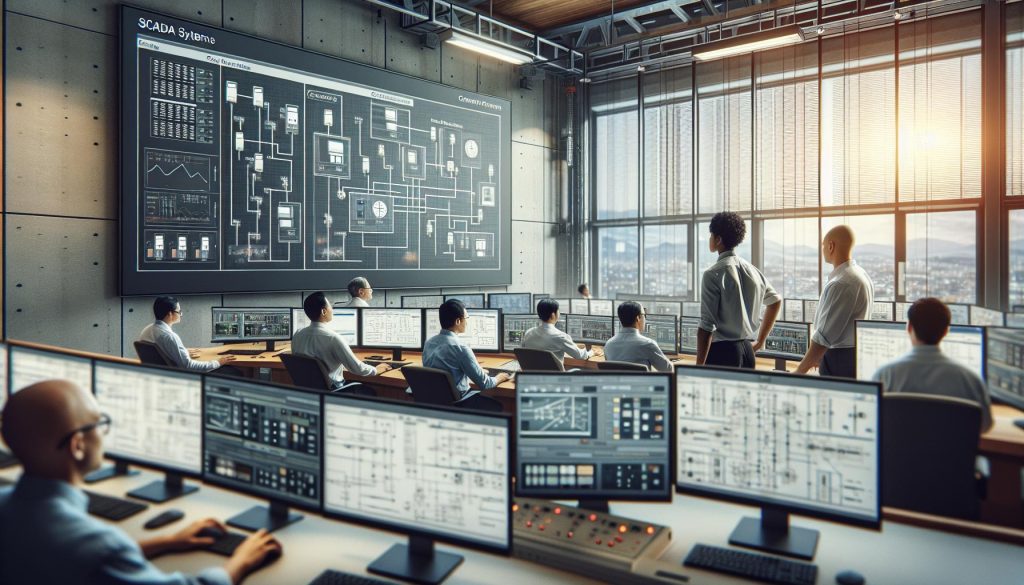
In today’s increasingly automated industries, understanding SCADA (Supervisory Control and Data Acquisition) systems is vital for electrical professionals. These advanced control technologies enable real-time monitoring and management of industrial processes, enhancing efficiency and safety. As you navigate your career in electrical systems, mastering SCADA can significantly improve your technical capabilities and marketability. With industries relying on SCADA for streamlined operations-from manufacturing to energy production-having expertise in this area empowers you to be at the forefront of innovation. Continue reading to uncover how SCADA not only transforms operational processes but also offers invaluable insights into future developments in the electrical field.
Understanding SCADA Systems in Electrical Engineering
In today’s rapidly evolving electrical engineering landscape, understanding Supervisory Control and Data Acquisition (SCADA) systems is crucial for professionals aiming to streamline operations and enhance efficiency. SCADA systems serve as the nervous system of industrial operations, enabling the centralized control and management of processes across various sectors, particularly in power generation and distribution. By implementing SCADA technology, electrical engineers can monitor real-time data and respond dynamically to operational changes, optimizing performance and ensuring safety.
SCADA systems work by seamlessly integrating hardware and software components, collecting data from remote sensors and control equipment to provide an overarching view of system performance. This monitoring allows engineers to quickly identify issues such as power outages or equipment malfunctions, facilitating swift corrective actions. The technological convergence of SCADA with modern informatics, such as IoT, is transforming how electrical systems are designed and managed, pushing professionals to adapt to new tools and methodologies.
In practical terms, understanding SCADA also involves being aware of the tools and documentation necessary for successful implementation. From initial site surveys to regulatory compliance checks, professionals must navigate a variety of procedural steps. A robust knowledge base includes understanding network configurations, communication protocols, and data analytics, empowering engineers to derive actionable insights from the information captured. Implementing SCADA not only enhances operational efficiency but also increases safety through automated alerts and data logging that aid in compliance and reporting.
Investing in SCADA technology offers significant advantages, but it also requires an understanding of the associated challenges, particularly in cybersecurity. As SCADA systems are increasingly connected to other networked devices, they can become targets for cyber threats. Thus, electrical engineers must be vigilant, continuously updating their skills and knowledge about security measures to protect vital infrastructure from potential breaches. In conclusion, mastering SCADA systems is not merely an enhancement to an engineer’s skill set; it is an essential component in any electrical professional’s journey towards a successful and secure career in modern industry.
Key Components of SCADA Technology

The effectiveness of a SCADA system hinges on its key components, which work together to ensure efficient monitoring and control of industrial processes. Understanding these components is essential for electrical engineers looking to optimize operations and enhance safety across various applications, such as power generation and distribution.
At the core of SCADA technology lies the Human-Machine Interface (HMI). This graphical interface is crucial for operators to visualize data in real time, allowing them to interact with system controls effectively. Users can monitor performance metrics, receive alerts, and execute commands from a centralized dashboard, making rapid decision-making possible. An intuitive HMI can significantly reduce the learning curve for new operators, enhancing overall operational efficiency.
Complementing the HMI is the supervisory control system, which includes software designed to communicate with programmable logic controllers (PLCs) and remote terminal units (RTUs). These components collect and transmit data from various sensors located in the field. PLCs handle real-time processing and automation tasks, while RTUs serve as gatekeepers that send data back to the central SCADA system, allowing for automated and manual control of devices-essential for maintaining operational continuity.
Data communication networks form yet another crucial element of SCADA systems. These networks facilitate the seamless exchange of information between field devices and the SCADA central system. Typical communication protocols include Ethernet, Modbus, and DNP3, each providing different levels of reliability and speed. With the rise of IoT, many SCADA systems are now integrating wireless technologies to enhance flexibility and scalability, enabling remote monitoring of assets.
Lastly, database management and storage are integral for handling the vast amounts of data generated by SCADA systems. This data is valuable for analytics, reporting, and historical trend analysis. By employing robust data management strategies, electrical engineers can derive actionable insights that support compliance requirements and strategic decision-making.
Incorporating these key components gives engineers the tools needed to enhance operational efficiency and safety. As SCADA technology continues to evolve, understanding these elements is vital for anyone looking to thrive in the ever-changing landscape of electrical engineering and industrial automation.
The Role of SCADA in Power Generation

Power generation is a complex and dynamic process that requires precision, reliability, and rapid decision-making-three things that are made possible through the implementation of SCADA systems. By integrating various components like sensors, control systems, and communication networks, SCADA technology plays a crucial role in ensuring that power generation facilities operate efficiently, safely, and in compliance with regulatory standards. For instance, diagnostic data collected from generators can be monitored in real time, enabling operators to make immediate adjustments to optimize performance and prevent potential failures.
One of the primary functions of SCADA in power generation is to monitor the status and performance of critical equipment, such as turbines, boilers, and transformers. Through the Human-Machine Interface (HMI), operators can visualize operational data, track energy generation metrics, and receive alerts regarding any anomalies. This capability leads to quicker response times in emergency situations. For example, if a turbine exceeds a specific temperature threshold, SCADA can trigger automated safety mechanisms to shut down the unit and prevent catastrophic failures, thereby enhancing system reliability.
Moreover, SCADA systems facilitate the coordination of multiple power generation sources, whether they are traditional fossil fuel plants or renewable energy resources like wind and solar. By centralizing data from these diverse systems, operators can make data-driven decisions on load balancing and resource allocation. This is particularly vital in a transitioning energy landscape where demand fluctuates and renewable sources can be intermittent. The ability to dynamically adjust operations based on real-time data ensures both efficiency and sustainability in the grid.
In addition to operational efficiencies, SCADA systems contribute to compliance and reporting requirements in the power generation sector. By logging performance data and generating reports, SCADA helps facilities demonstrate adherence to regulatory standards and environmental policies. Properly managed data can also cradle predictive analytics, enabling facilities to forecast maintenance needs and reduce unplanned outages, further enhancing the overall reliability and efficiency of power generation processes.
As the electrical industry continues to evolve with new technologies, understanding the strategic role that SCADA systems play in power generation is essential for engineers and operators aiming to enhance operational capabilities and ensure sustainability.
SCADA in Distribution and Transmission Networks
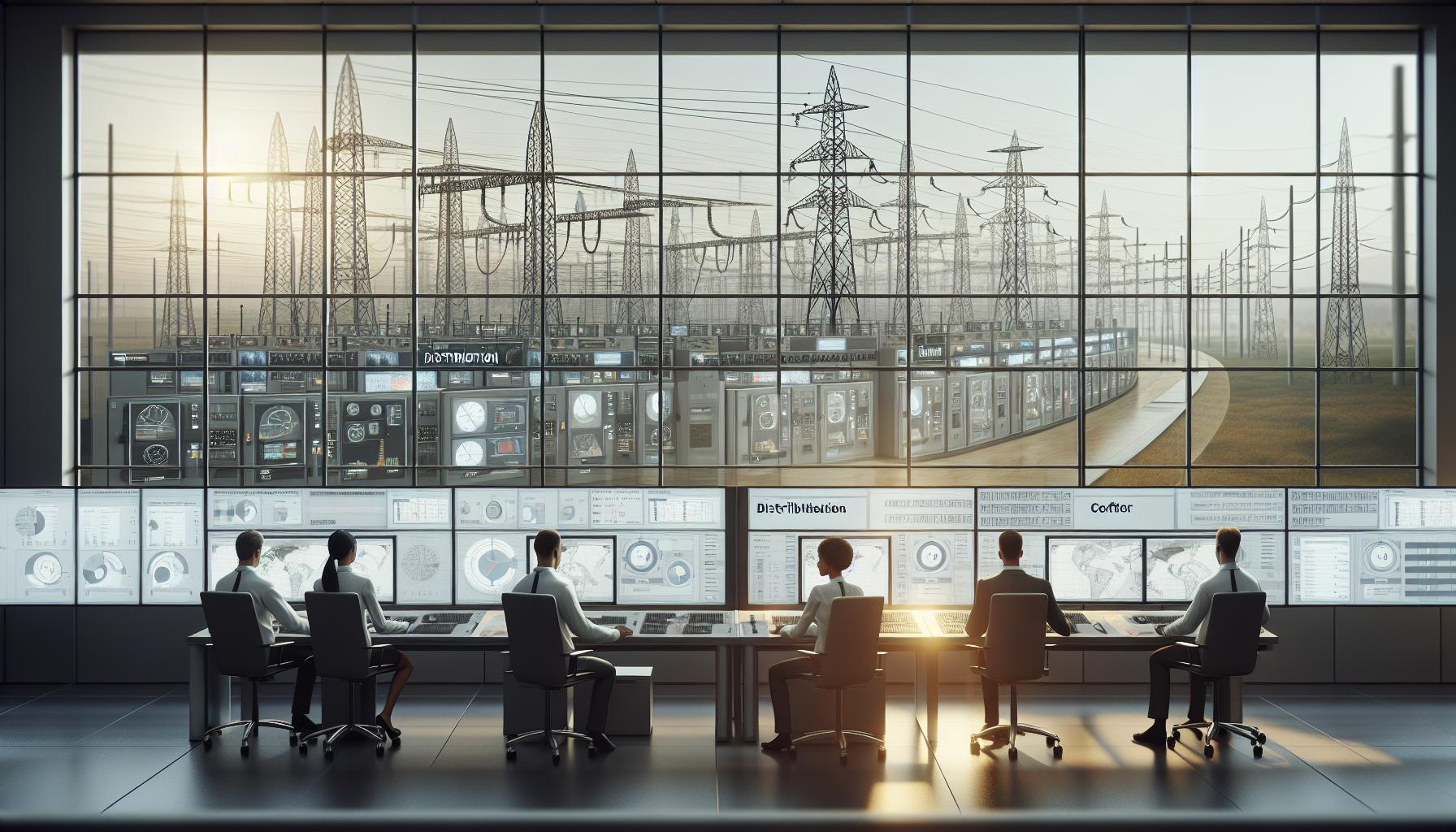
The integration of SCADA systems in distribution and transmission networks dramatically transforms the way electrical grids operate, ensuring that electricity is delivered efficiently, safely, and reliably. These systems provide real-time data and control capabilities that are essential for managing the complexities of modern electrical networks. For instance, utilizing various communication protocols, SCADA allows for the centralized monitoring of transformers, substations, and lines, enabling operators to detect faults, manage loads, and optimize distribution routes almost instantaneously.
Key Functions of SCADA in Distribution Networks
SCADA systems enhance operational efficiency through several critical functions:
- Monitoring: SCADA continuously monitors voltages, currents, and other electrical parameters, providing immediate feedback to operators about the health of the network.
- Control: Operators can remotely control circuit breakers, switches, and other equipment to re-route power and isolate faults without physical intervention, significantly improving response times during outages.
- Data Analysis: Historical data is collected for analysis, allowing utilities to understand patterns in demand and predict potential stress points in the network, which is crucial for proactive maintenance strategies.
These functionalities contribute to less downtime and enhanced service reliability. For example, during a storm, SCADA can help identify affected areas by processing data from numerous sensors, enabling quicker restoration times.
Real-World Applications and Benefits
One notable application of SCADA in transmission networks is the management of high-voltage transmission lines, where real-time monitoring can prevent overload situations. The system analyzes current load versus capacity and can trigger warnings or automated adjustments to alleviate pressure on specific lines. According to recent statistics, utilities that implement SCADA effectively can reduce outage durations by up to 30%, leading to improved customer satisfaction and more stable grids.
Moreover, SCADA systems can facilitate energy management for renewable sources integrated into the grid. As distributed energy resources (DERs) become more prevalent, SCADA’s real-time capabilities allow for the smooth integration of intermittent sources like wind and solar by actively balancing supply and demand.
In summary, SCADA systems provide invaluable tools for enhancing the performance of distribution and transmission networks, ensuring that electrical supply remains stable and efficient, thereby meeting the growing demands of today’s energy landscape.
Real-Time Monitoring and Control in SCADA
In the realm of electrical systems, the significance of real-time monitoring and control cannot be overstated. SCADA (Supervisory Control and Data Acquisition) systems empower operators with the ability to oversee and manage their networks swiftly and efficiently. With the speed at which conditions can change-whether due to operational demands or unforeseen disruptions-having instantaneous access to data and control mechanisms is crucial for maintaining the stability and reliability of electrical infrastructures.
Real-time monitoring involves continuously gathering data from various sensors and devices spread across substations, transformers, and transmission lines. This allows operators to keep track of key metrics such as voltage levels, current flow, and overall system health. For example, if a transformer starts to overheat, SCADA can detect the rise in temperature and alert operators instantly. This enables a rapid response, such as rerouting power or initiating cooling measures, thereby preventing equipment damage or service interruptions. The ability to visualize this data through intuitive graphical user interfaces enhances decision-making by presenting complex information in an easily digestible format.
Moreover, SCADA systems facilitate proactive control measures. Operators aren’t just passively monitoring; they are actively engaging with their systems. When malfunctions or inefficiencies are detected, they can remotely execute commands to isolate problematic areas or restore power flow without being physically present. This flexibility significantly reduces response times to outages or faults. For instance, during severe weather events, SCADA allows utilities to quickly identify affected circuits and restore service, often within minutes rather than hours or days.
As electrical grids evolve, integrating renewable energy sources like solar and wind power contributes another layer of complexity. SCADA’s real-time capabilities play a vital role in balancing this variability in supply and demand. By continuously analyzing input from distributed energy resources (DERs), operators can optimize the generation and distribution of power, thus enhancing the overall efficiency and sustainability of the grid.
With these capabilities, SCADA not only improves the responsiveness of electrical systems but also contributes to safer and more efficient operations. Adopting best practices in SCADA implementation, such as regular system updates and training for personnel, can yield substantial enhancements in operational performance and service reliability.
Cybersecurity Challenges in SCADA Systems
The increasing connectivity of SCADA systems, while providing immense operational benefits, has also exposed these crucial network infrastructures to a plethora of cybersecurity challenges. As electrical systems become smarter and more integrated, the traditional security measures that may have sufficed in the past are no longer adequate. A notable concern is that many SCADA systems were designed without cybersecurity as a primary focus, making them susceptible to cyber threats such as hacking, data manipulation, and denial-of-service attacks.
Securing SCADA systems involves understanding their architecture and identifying vulnerabilities at various levels. For instance, the Remote Terminal Units (RTUs) and Programmable Logic Controllers (PLCs) are often targeted due to their critical role in data collection and control. Cybersecurity strategies must therefore incorporate both network-level defenses and targeted protections for these devices. Implementing firewalls, intrusion detection systems, and regular vulnerability assessments are essential steps in creating a robust cybersecurity posture. Additionally, training personnel in recognizing phishing attempts and managing access controls significantly reduces risk.
Another core challenge is the integration of legacy systems with modern technology. Many electrical utilities operate older equipment that may not support contemporary security protocols, creating gaps that can be exploited. In this scenario, it’s vital to develop a phased approach for upgrades, ensuring that new technologies integrate seamlessly and securely with existing infrastructure. Utilizing segmentation can also help limit the damage of potential breaches by isolating critical components from less secure areas of the network.
Best Practices for Cybersecurity in SCADA:
- Conduct Regular Security Audits: Identify vulnerabilities in both software and hardware.
- Implement Strong Access Controls: Use strong passwords and multi-factor authentication to restrict access.
- Utilize Network Segmentation: Separate SCADA networks from corporate networks to reduce attack vectors.
- Conduct Employee Training: Ensure that all staff are trained in cybersecurity awareness.
- Establish Incident Response Plans: Create clear procedures for responding to cybersecurity incidents.
In sum, facing the cybersecurity challenges associated with SCADA systems in electrical engineering is not merely about deploying the latest technologies; it’s a holistic process that requires continuous assessment, employee engagement, and an awareness of evolving threats. By cultivating a proactive cybersecurity culture and investing in robust defense strategies, electrical professionals can mitigate risks while leveraging the operational advantages that SCADA systems offer.
SCADA vs. DCS: Key Differences Explained
In the realm of industrial automation, understanding the distinctions between SCADA (Supervisory Control and Data Acquisition) and DCS (Distributed Control Systems) is crucial for electrical professionals. While both systems aim to monitor and control processes, they cater to different operational needs and environments. SCADA systems are primarily designed for large-scale facility management and remote monitoring. They excel in applications involving distributed assets over wide geographical areas, such as electrical power distribution networks and oil pipelines. SCADA systems allow for supervisory control, providing operators the ability to gather real-time data from Remote Terminal Units (RTUs) and make informed decisions from a centralized location.
On the other hand, DCS is tailored for process control applications where continuous, real-time management of complex processes is essential. Commonly found in industries like food processing, petrochemical, and water treatment, DCS manages control loops functioning within a localized area. Its architecture is based on distributed control elements that communicate over a dedicated network. Unlike SCADA, which often pulls data for analysis and decision-making, DCS functions autonomously, executing real-time control tasks efficiently within its defined parameters.
Key Differences Between SCADA and DCS
- Architecture: SCADA systems typically feature a centralized architecture that collects data from remote locations, while DCS operates with a distributed architecture where control functions are embedded locally.
- Operational Scope: SCADA is best suited for wide-area monitoring and control, making it ideal for utilities, transportation networks, and large manufacturing setups. DCS is focused on process control, excelling in environments requiring high reliability and consistency over continuous operations.
- Data Processing: SCADA processes data for high-level monitoring and decision-making, often involving human operators in the control loop. DCS, meanwhile, handles data automatically, managing internal process controls without extensive human intervention.
- System Complexity: SCADA systems are often less complex and less expensive to implement than DCS systems, which involve intricate process management and may require specialized design and engineering.
In summary, the choice between SCADA and DCS should be informed by project requirements, budget, and operational complexity. Understanding these differences not only empowers electrical engineers and technicians to select the appropriate system but also enhances their capability to optimize industrial operations effectively. With the growing integration of IoT technologies, the lines between SCADA and DCS might blur, but recognizing their unique strengths remains critical for leveraging their potential in electrical systems management.
Integrating SCADA with IoT in Electrical Systems
In today’s fast-evolving energy landscape, the integration of Internet of Things (IoT) technology with SCADA (Supervisory Control and Data Acquisition) systems is a game-changer for electrical systems. The potential of IoT-connecting devices and systems for improved data collection and management-adds significant intelligence to SCADA environments. By enabling real-time monitoring and data analysis, this integration enhances operational efficiency, reduces costs, and improves decision-making processes.
One of the foremost advantages of adopting IoT within SCADA is the ability to gather vast amounts of data from various sensors deployed in the field. This data, encompassing everything from energy consumption and equipment health to environmental conditions, can be transmitted to central control systems for immediate analysis. For instance, predictive maintenance becomes feasible; by analyzing trends in equipment performance, operators can schedule maintenance before failures occur, reducing downtime and repair costs. Employing cloud-based platforms can further optimize data processing and storage, overcoming local computational limits and providing scalable solutions for data-driven decision-making.
Key Benefits of SCADA-IoT Integration
- Enhanced Data Analytics: With IoT devices continuously transmitting data, SCADA systems can leverage advanced analytics for more accurate monitoring and reporting.
- Improved System Reliability: Real-time condition monitoring allows for timely interventions, significantly enhancing system reliability and safety.
- Operational Cost Savings: By optimizing performance and enabling proactive maintenance, organizations can realize notable cost efficiencies over time.
- Scalability: IoT-enabled SCADA systems can readily integrate additional sensors and devices, facilitating easy expansion as operational needs grow.
Furthermore, implementing robust cybersecurity measures is essential when integrating IoT with SCADA. As systems become interconnected, they are exposed to new vulnerabilities. Electrical professionals must prioritize cybersecurity during implementation to protect sensitive data and maintain system integrity. Following industry-standard best practices, using encrypted communications, and regularly updating software can bolster defenses against potential threats.
Incorporating IoT into SCADA systems not only positions electrical systems for greater efficiency but also aligns them with future technological advancements. With the growing emphasis on smart grids and sustainable energy solutions, this synergy will play a pivotal role in shaping the future of electrical engineering and industrial automation. By embracing these innovations, professionals can enhance their capabilities, ensuring they remain at the forefront of their field.
Future Trends in SCADA Technology and Applications
The landscape of SCADA technology is evolving rapidly, fueled by innovations in artificial intelligence (AI), big data, and the Internet of Things (IoT). As industries aim for smarter, more efficient operations, the integration of these technologies within SCADA systems promises unprecedented capabilities in data collection, analysis, and real-time decision-making. This shift is not just about improving operational efficiency; it’s also about enhancing safety and resilience in electrical systems that are increasingly interlinked and dependent on sophisticated control technologies.
One of the most significant trends is the move toward predictive analytics, driven by AI algorithms that analyze vast datasets to forecast potential system failures and maintenance needs. By harnessing machine learning, SCADA systems can adapt and optimize operations in near-real-time, shifting from a reactive to a proactive stance on system management. This capability not only extends the lifespan of critical equipment but also ensures that electrical professionals can respond to issues before they escalate, potentially saving significant costs associated with system downtimes or failures.
Furthermore, the advent of cloud computing allows SCADA systems to leverage vast computational resources and storage capacities. This transition enables real-time data sharing across multiple platforms and devices, facilitating remote monitoring and system control. The outcome is not just enhanced operational capabilities but also the opportunity for electrical professionals to engage in collaborative efforts across geographical boundaries, tapping into specialized expertise and resources as needed. As organizations aim for greater sustainability, SCADA systems that utilize cloud platforms are better positioned to integrate renewable energy sources and manage fluctuating demands on the grid effectively.
In addition, cybersecurity remains a hot topic within the realm of SCADA technology. As systems become more interconnected, they face increased threats, necessitating advanced security protocols. The future of SCADA will likely see a robust emphasis on implementing AI-driven cybersecurity measures that can analyze traffic patterns and detect anomalies in real-time, safeguarding critical infrastructure from potential breaches.
Ultimately, the convergence of SCADA technology with AI, IoT, and enhanced cybersecurity practices will define the next generation of electrical systems. Electrical professionals who stay abreast of these developments will not only enhance their operational proficiency but will also position themselves as valuable assets in a rapidly evolving field. Engaging in continuous learning and training on these emerging technologies will be key to success and career advancement in the electrical profession.
Best Practices for SCADA Implementation
In implementing SCADA systems within electrical engineering, attention to best practices can significantly influence the success and efficiency of operations. A SCADA system serves as a vital nerve center for monitoring, controlling, and optimizing electrical networks, so approaching its implementation with a clear strategy is essential. For instance, starting with a comprehensive assessment of current operational processes and identifying specific needs can set a solid foundation. This initial analysis enables stakeholders to align the SCADA system’s capabilities with the unique functional requirements of their electrical infrastructure.
One of the key best practices is to establish robust hardware and software architecture designed for scalability. This ensures that as demand increases or operational needs change, the SCADA system can evolve seamlessly without requiring extensive overhauls. Investing in modular components can provide flexibility and reduce costs over time. Moreover, adopting industry standards, such as OPC (OLE for Process Control), facilitates better interoperability among various devices and systems, enhancing integration and usability.
Cybersecurity is another critical dimension to consider during SCADA implementation. As these systems become targets for cyber threats, incorporating comprehensive security measures-such as firewalls, encryption protocols, and intrusion detection systems-becomes non-negotiable. It’s advisable to conduct regular security assessments and updates to address emerging vulnerabilities. This proactive approach not only safeguards critical infrastructure but also instills confidence among stakeholders regarding the system’s reliability.
To maximize the effectiveness of a SCADA system, training and development for personnel cannot be overlooked. Ensuring that electrical professionals are adept in using the system-and understand its advanced functionalities-enhances operational efficiency and safety. Regular training sessions should be scheduled, with a focus on best practice guidelines and troubleshooting techniques, enabling staff to respond swiftly and effectively to any issues that arise.
In summary, following these best practices can significantly enhance the implementation of SCADA systems in electrical networks. By focusing on a solid foundation, scalable solutions, robust cybersecurity, and continuous personnel development, organizations can ensure that their SCADA systems not only meet today’s operational requirements but are also poised for future advancements.
Case Studies of SCADA Success in Utility Management
In recent years, SCADA systems have revolutionized the way utility companies manage and monitor their electrical networks, leading to significant improvements in operational efficiency and response times. One notable success story comes from a large metropolitan utility that implemented a state-of-the-art SCADA system to modernize its outdated infrastructure. By integrating real-time data monitoring, the utility was able to drastically reduce outage response time from hours to minutes, enhancing customer satisfaction and reliability. This transition not only optimized performance but also provided insights into load balancing and peak usage periods, allowing for better planning and resource allocation.
Another compelling example involves a regional electric cooperative that adopted SCADA technology to facilitate remote management of its distribution network. The cooperative experienced challenges in maintaining service in rural areas due to limited visibility into system performance. By deploying SCADA, the team accessed a centralized dashboard displaying real-time data on system health and performance metrics. This increase in visibility enabled proactive maintenance, which reduced equipment failure rates by over 30%. Additionally, operators could identify and address issues before they escalated into outages, significantly enhancing service continuity.
In both instances, the implementation of SCADA technologies allowed utilities to adopt a more data-driven approach to management. Enhancements in reporting capabilities provided critical insights into operational conditions, leading to informed decision-making regarding upgrades and investments. Implementing SCADA not only ensured compliance with regulatory requirements but also advanced the sustainability goals of each organization by optimizing resource usage and integrating renewable energy sources.
To further illustrate the versatility of SCADA systems, consider a case study from a coastal utility facing challenges from rising sea levels. The SCADA system was utilized to implement smart grid technologies, enabling better integration of renewable energy and improved risk management strategies for extreme weather conditions. By leveraging predictive analytics, the utility could model potential impacts on the grid and adjust operations accordingly. This progressive use of technology exemplifies how SCADA can be a transformative tool in addressing modern challenges faced by utilities today.
Enhancing Operational Efficiency with SCADA Solutions
The integration of SCADA solutions into electrical systems has proven to be a game changer for enhancing operational efficiency across various sectors. By providing real-time data and facilitating automated responses to system changes, SCADA systems empower utility companies and electrical engineers to optimize processes, reduce downtime, and improve overall performance. According to recent industry findings, companies that implement SCADA technology report as much as a 40% increase in operational efficiency, underscoring its critical role in modern electrical engineering.
Data-Driven Decision Making
At the heart of SCADA systems are their robust data analytics capabilities. Operators can access detailed insights into system performance, including real-time metrics on voltage levels, power consumption, and equipment health. This data allows engineers to perform condition-based maintenance, identifying potential failures before they escalate into costly outages. For example, a utility’s SCADA system can alert technicians to declining transformer temperatures, prompting preemptive maintenance that prevents catastrophic failures and service interruptions.
Automation and Control
SCADA technology enables significant automation of routine tasks, which not only improves efficiency but also minimizes human error. Operators can program ‘if-then’ logic for automatic adjustments, such as re-routing power to avoid overloaded circuits or isolating faulty equipment without manual intervention. This level of automation enhances safety as well-reducing the need for engineers to work in potentially hazardous environments frequently.
- Remote Monitoring: With SCADA, engineers can monitor equipment conditions remotely, saving on travel costs and time.
- Improved Scheduling: The system can help prioritize maintenance schedules based on real-time data instead of historical trends, thus maximizing equipment uptime.
- Efficient Resource Allocation: Data-driven insights facilitate better allocation of labor and materials, improving overall project timelines and budgets.
Integration with Advanced Technologies
As industries evolve, integrating SCADA with emerging technologies like the Internet of Things (IoT) and artificial intelligence (AI) adds another layer of efficiency. IoT integration allows for even more granular data collection from smart devices, enhancing the capabilities of SCADA to monitor decentralized energy resources and demand response systems. This convergence not only streamlines operations but also supports smart grid initiatives aimed at sustainability and resilience against climate change. In the context of energy generation and distribution, this interoperability enables a more responsive and adaptive grid, ultimately leading to enhanced service delivery and operational performance.
Overall, the implementation of SCADA solutions positions electrical engineers and utility companies to meet the demands of an increasingly complex energy landscape. By leveraging data, automation, and cutting-edge technologies, organizations can significantly enhance their operational efficiency and prepare for future challenges.
Frequently asked questions
Q: What are the key features of SCADA systems in electrical engineering?
A: Key features of SCADA systems in electrical engineering include real-time monitoring, data acquisition from various sensors, centralized control, and graphical user interfaces (GUIs). These features enhance operational efficiency and provide actionable insights for decision-makers in managing electrical systems effectively.
Q: How does SCADA technology improve electrical system reliability?
A: SCADA technology improves electrical system reliability by enabling continuous monitoring and immediate detection of anomalies. This allows for rapid response to potential issues, reducing downtime and maintenance costs. Implementing predictive analytics can further enhance reliability by anticipating failures before they occur.
Q: What role does SCADA play in renewable energy systems?
A: SCADA plays a crucial role in renewable energy systems by monitoring energy production, managing storage systems, and optimizing grid interactions. It ensures efficient integration of renewable resources like solar and wind into the electrical grid, ultimately enhancing sustainability and energy management.
Q: What are common cybersecurity measures for SCADA systems?
A: Common cybersecurity measures for SCADA systems include firewalls, intrusion detection systems, regular software updates, and employee training on security protocols. Implementing these measures helps protect critical infrastructure from cyber threats and enhances overall system integrity.
Q: How does SCADA integrate with modern technologies like IoT?
A: SCADA integrates with IoT by connecting diverse sensors and devices for enhanced data collection and monitoring. This synergy improves operational efficiency, facilitates predictive maintenance, and allows for more detailed analytics in managing electrical systems.
Q: What are the challenges associated with SCADA system implementations?
A: Challenges associated with SCADA system implementations include high initial costs, interoperability with existing systems, and cybersecurity risks. Proper planning and continuous training can mitigate these challenges and ensure successful deployment.
Q: When should organizations consider upgrading their SCADA systems?
A: Organizations should consider upgrading their SCADA systems when they experience performance issues, face cybersecurity threats, or seek to integrate new technologies. Upgrades enhance functionality, improve security measures, and ensure compliance with industry standards.
Q: Why is staff training essential for effective SCADA operation?
A: Staff training is essential for effective SCADA operation as it empowers personnel to utilize system features fully and respond swiftly to alerts. Well-trained employees can optimize system performance, enhance safety protocols, and reduce operational risks.
Future Outlook
Understanding SCADA systems is crucial for enhancing control technology in electrical systems. By effectively monitoring and managing remote equipment, SCADA not only improves operational efficiency but also strengthens safety protocols. Ready to delve deeper? Explore our in-depth guides on SCADA basics and industrial control systems to enhance your knowledge further.
Don’t miss out-sign up for our newsletter to stay updated on the latest trends in electrical technology, including insightful articles on EV chargers and smart home solutions. Share your thoughts in the comments below or reach out to us for expert consultations. The journey to mastering SCADA technology and elevating your career in electrical systems begins now!