In today’s increasingly electrified world, understanding the role of a neutral conductor in grounding systems is essential for safety and efficiency. A neutral conductor provides a return path for current, playing a critical role in preventing electrical hazards and ensuring proper operation of electrical devices. Whether you’re a seasoned electrician or just starting your career, grasping this concept can enhance your proficiency and promote safe practices in installations. By diving into the essentials of grounding systems and the significance of neutral conductors, you’ll gain valuable insights that not only bolster your technical expertise but also help you comply with current industry standards. Join us as we unravel the intricacies of this vital component, empowering you to navigate the complexities of electrical systems with confidence and competence.
What Is a Neutral Conductor and Its Role in Electrical Systems
A neutral conductor plays a vital role in electrical systems, ensuring the safe and efficient operation of electrical circuits. It serves primarily as a return path for current in a balanced load, where it carries current back to the source after it has passed through the load. In residential and commercial wiring, the neutral wire is typically connected to the ground at the main electrical panel, which further enhances safety by preventing excessive voltage buildup and mitigating shock hazards.
In practical terms, consider a standard electrical circuit that powers lights and appliances. If the circuit is properly balanced, the current flowing through the live wire will be equal to the current flowing back through the neutral conductor. This balance is crucial for the efficient operation of the system; when using devices like smart home systems or electric vehicle chargers, understanding the role of the neutral conductor is essential to ensure these technologies function properly. Moreover, any imbalance, such as in the case of a fault or overload, can cause the circuit breaker to trip, providing an important safety mechanism to protect both the equipment and the users.
Deploying an effective neutral conductor also helps in minimizing electrical noise, which can interfere with sensitive electronic devices. For instance, improperly grounded systems can lead to issues such as flickering lights or erratic behavior in electronic control systems. Therefore, when designing or troubleshooting electrical systems, it is crucial to adhere to current regulations and standards regarding neutral conductors.
In summary, being knowledgeable about the purpose and function of neutral conductors not only aids in achieving compliance with electrical codes but also plays a significant role in enhancing safety and performance in various electrical applications. Understanding and implementing best practices for neutral conductors allows electricians to provide more reliable and effective services to their clients, ultimately promoting a safer electrical environment.
The Importance of Grounding in Electrical Installations
Grounding in electrical installations is not merely a regulatory obligation; it is a critical safety measure that protects both people and property from the dangers of electrical faults. Grounding helps to divert electrical energy safely into the earth, thereby minimizing the risk of electric shock and fire hazards. According to the National Electrical Code (NEC), proper grounding practices enhance system stability and reliability, which is crucial in modern electrical systems that support increasingly sophisticated technologies, such as smart home devices and electric vehicle chargers.
A properly grounded electrical system provides a low-resistance path for electrical currents, which can prevent dangerous voltages from building up. For instance, if a lightning strike or power surge occurs, a well-designed grounding system can effectively mitigate the consequences by allowing excess current to flow harmlessly into the ground instead of through the building’s wiring and into appliances or, worse, individuals. This protective function underscores the necessity for electricians to ensure that all components of the grounding system – such as ground rods, conductors, and connections – are correctly installed and regularly inspected for integrity.
Furthermore, grounding is often mistaken for mere connection to a neutral conductor; however, while both are integral to electrical safety, their functions differ significantly. The neutral conductor carries return current under normal operation, while the ground conductor only carries current in case of a fault. Understanding this distinction is essential for electricians, as it helps in troubleshooting and resolving common electrical issues. A misunderstanding can lead to serious safety risks, which could damage expensive equipment or lead to hazardous conditions within the home or facility.
To achieve effective grounding, electricians should adhere to best practices and industry standards, including utilizing proper grounding electrode systems and ensuring all bonding conductors are visible and functional. Electrical professionals might consider using advanced testing equipment to verify the resistance and integrity of grounding connections, ensuring compliance with the latest regulations. For anyone in the electrical field, remaining updated with evolving technology and grounding techniques is vital for career advancement, safety efficacy, and providing reliable service to clients.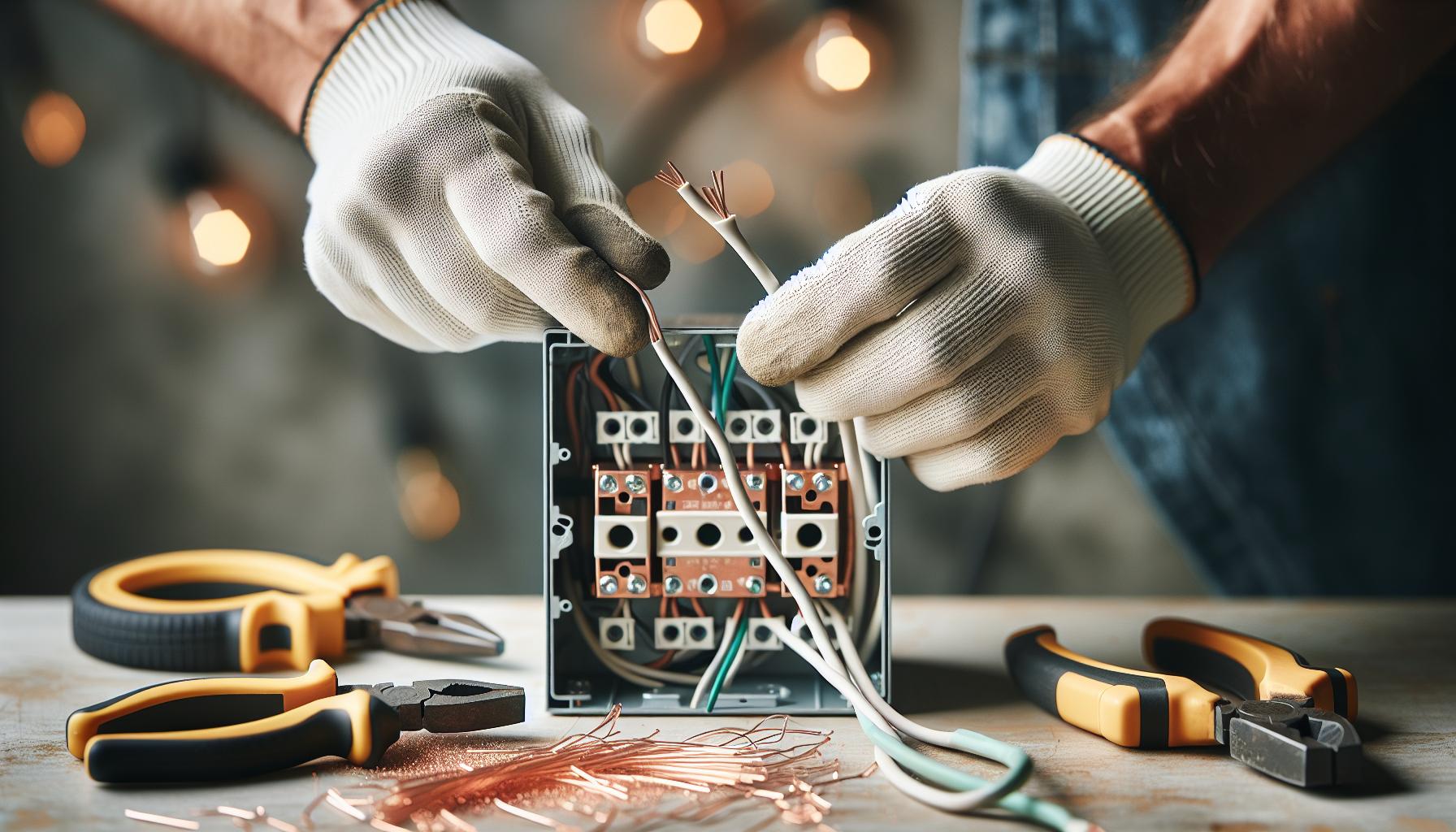
How Neutral Conductors Differ from Ground Wires
In the realm of electrical systems, understanding the differences between neutral conductors and ground wires is essential for ensuring safety and efficiency. While both serve critical roles, they have distinct functions that must not be confused. The neutral conductor is designed to carry current back to the source after it has powered a load, while the ground wire serves as a protective line that only carries current during fault conditions. This fundamental difference is crucial for proper installation and troubleshooting.
A neutral conductor typically operates under normal conditions, carrying the return current from the electrical device back to the transformer or service panel. It forms part of a closed-loop circuit, completing the electrical pathway. In contrast, the ground wire is a safety mechanism that provides a direct path for electrical faults; it only activates in scenarios such as a short circuit or equipment malfunction. By directing unwanted electricity to the ground, it helps to prevent electrical shocks and minimizes fire risks associated with fault currents.
- Functionality: The neutral conductor plays a vital role in circuit function by ensuring a balanced load and stable voltage levels, especially in multi-wire branch circuits.
- Conditions: Ground wires are passive under normal operating conditions, becoming active only when there’s an electrical fault, effectively protecting users and equipment.
- Connection Points: Neutral conductors are typically connected to the grounded center tap of a power transformer, while ground wires connect to grounding rods or the ground bus at the service panel.
Electricians must be vigilant about these differences during installation and maintenance. Misunderstandings can lead not only to system inefficiencies but also to potential safety hazards. For example, incorrectly connecting a ground wire to a neutral point can create a parallel path for neutral current, resulting in increased risks of electric shock and circuit overloads. Therefore, it’s imperative for professionals in the electrical field to grasp the nuances between these two components, adhering to the National Electrical Code (NEC) guidelines for proper handling and implementation. Addressing these distinctions will not only bolster safety standards but will also enhance the reliability and longevity of electrical systems.
Common Misconceptions About Neutral Conductors
Many professionals entering the electrical field fall victim to common misconceptions surrounding neutral conductors. It’s crucial to clarify these misunderstandings not only to enhance safety but also to ensure the efficiency of electrical systems. One prevalent myth is that neutral conductors and ground wires serve identical roles. In reality, while both are essential for electrical systems, they operate quite differently. The neutral conductor is designed to carry current from an electrical device back to the transformer, completing the circuit. In contrast, the ground wire is a safety feature that only carries current during fault conditions.
Another frequent error is the belief that a neutral conductor can be relied upon as a substitute for a ground wire. This misconception can lead to severe safety risks. For example, if a system experiences a fault and the grounding system is inadequate, the neutral conductor may become unintentionally energized, posing a potential shock hazard. It is essential for electricians to recognize that ground wires are specifically intended to protect people and equipment from faults, while neutral conductors facilitate the return flow of electricity during normal operation.
Furthermore, some assume that neutral conductors do not require adequate sizing or installation protocols as they are “only returning current.” This assumption can lead to overheating and potential circuit failures. In actuality, all conductors, including neutrals, must be sized appropriately based on the load they will carry. Adhering to the National Electrical Code (NEC) guidelines for sizing, connection points, and installation practices is crucial for the safety and reliability of electrical installations.
Key Takeaways
- Functionality Difference: Neutral conductors return current; ground wires protect by diverting unintended currents.
- Safety First: Never use neutral conductors in place of ground wires.
- Proper Sizing: Ensure neutral conductors are sized according to load requirements for safe operation.
Addressing these misconceptions is vital for advancing electrical safety standards. By fostering a thorough understanding of neutral conductors, electricians can not only avoid potential hazards but also enhance system efficiency and reliability in their installations.
Essential Requirements for Safe Grounding Systems
Safe grounding systems are the backbone of reliable and secure electrical installations, designed to prevent electrical shock, equipment damage, and fire hazards. The essential requirements for achieving this level of safety include proper installation techniques, adherence to established codes, and the use of appropriate materials. Grounding systems must be thoroughly planned and executed to ensure they perform effectively in diverting unwanted electrical energy safely away from people and property.
One of the key aspects of safe grounding is ensuring that all grounding electrodes, such as ground rods or plates, are correctly installed and connected to the grounding system. The depth and type of grounding electrode can significantly affect its performance, making it critical to follow local code requirements. For instance, in areas with high soil resistivity, multiple ground rods may be necessary to achieve sufficient grounding. Additionally, the connections between grounding rods and the grounding conductor must be secure and corrosion-resistant, as weak connections can lead to system failure when most needed.
Another vital requirement is the sizing of conductors, which must be appropriate for the load and the overall electrical system design. Using conductors that are too small can lead to overheating and potential failure of the grounding system. Electricians should also ensure that all grounding conductors are properly routed and protected against physical damage, which can occur during normal operations or maintenance. This includes using conduit or protective sleeves where necessary, particularly in high-traffic areas or environments where exposure to moisture or chemicals is expected.
Regular testing and maintenance of grounding systems are equally important. Ground resistance testing should be performed periodically, ensuring that the grounding system has not degraded over time and that it continues to meet safety standards. This proactive approach not only extends the life of the grounding system but also enhances the safety of electrical installations, particularly in commercial and industrial environments where equipment failure can have serious consequences.
Implementing these essential requirements creates a robust grounding system that not only protects against electrical faults but also fosters a safe working environment for electricians and end-users alike. By staying informed on current standards and best practices, professionals can ensure their electrical installations are both compliant and safe.
Popular Grounding Systems: A Comparative Analysis
Grounding systems serve as an essential backbone for electrical safety, playing a crucial role in maintaining the integrity and functionality of electrical installations. Among the various types of grounding systems, each has its place, advantages, and specific applications. By understanding these popular systems, electricians can select the most appropriate method for their particular projects, ensuring compliance and enhancing safety.
One commonly used grounding system is the ground rod system, which involves driving a conductive rod into the ground to provide a path for electrical current. This option is particularly effective in residential settings where minimal space is available. Ground rods are generally made from copper or galvanized steel, providing good conductivity and resistance to corrosion. However, their effectiveness can be influenced by soil resistivity; hence, in areas with high resistivity, multiple ground rods may be necessary to achieve the desired grounding resistance.
Considering Connection Types
Another popular method is the ground plate system, which involves installing a metal plate buried underground. This system is advantageous in settings where soil conditions may not permit the installation of ground rods or where space is limited. Ground plates offer a broader contact area with the soil, which can enhance grounding effectiveness, especially in rocky or clay-rich soils. Similar to ground rods, the material used for ground plates plays a significant role in performance, with copper being the preferred choice for its superior conductive properties.
The counterpoise grounding system is occasionally employed in specific applications, particularly in telecommunications and remote installations. This method utilizes a buried mesh of wire or cable that forms a low-resistance ground. This system can provide efficient grounding where traditional methods may not be feasible, such as on elevated structures or areas with poor soil conductivity.
Choosing the Right System
When selecting a grounding system, several factors must be taken into account, including local electrical codes, environmental conditions, and specific application requirements. For example, the required earth ground resistance typically should not exceed 25 ohms, according to the National Electrical Code (NEC). Electricians must also consider ease of installation and maintenance-factors that can impact long-term safety and reliability.
In conclusion, understanding the differences among popular grounding systems empowers electricians to make informed decisions that enhance the safety and effectiveness of their electrical installations. By carefully weighing the characteristics and requirements of various systems, professionals can ensure compliance with standards while optimizing system performance and reliability.
The Impact of Neutral Conductor Design on System Efficiency
The design of neutral conductors plays a pivotal role in enhancing the efficiency and safety of electrical systems. A well-designed neutral conductor helps to balance the electrical loads in a circuit, thereby preventing overloads and improving overall system performance. When neutral conductors are appropriately sized and installed, they ensure that the return current flows efficiently, minimizing resistive losses that can lead to overheating and system failures.
One critical aspect to consider in the design of neutral conductors is their size and material. Standard practices recommend that the neutral conductor should have a current-carrying capacity that is equal to or greater than the largest phase conductor in the circuit. Neglecting this can result in potential imbalances and overloading, which can be detrimental to both equipment and safety. Generally, the material used, typically copper or aluminum, should be chosen based on its conductivity and resistance to corrosion, as this impacts the long-term performance of the conductor.
Key Design Considerations
When evaluating , several factors emerge as vital:
- Sizing: Adequate sizing according to National Electrical Code (NEC) guidelines not only improves safety but also optimizes performance.
- Installation Practices: Proper installation techniques, including ensuring good electrical connections and avoiding sharp bends, enhance current flow and reduce losses.
- Load Balancing: Ensuring balanced loads across all phases helps to maintain a stable voltage and reduces strain on the neutral conductor.
In addition, innovative technologies such as insulated and color-coded neutral conductors can simplify installation and maintenance processes. They reduce wiring errors and facilitate system diagnostics, making it easier for electricians to troubleshoot and maintain systems effectively.
Ultimately, understanding the nuances of neutral conductor design is essential for electricians. Investing in quality materials and adhering to best practices not only improves system efficiency but also contributes to a safer environment, enhancing the reliability of modern electrical installations.
Understanding Neutral Conductor Specifications and Standards
Understanding the specifications and standards governing neutral conductors is essential for any electrical professional striving for competence and safety in their installations. Neutral conductors play a critical role in completing electrical circuits, ensuring the safe return path of current. Complying with established standards not only enhances system reliability but also mitigates risks associated with electrical faults.
Neutral conductors must comply with the National Electrical Code (NEC) and local amendments, which provide crucial guidelines on sizing, material selection, and installation practices. For instance, the sizing of the neutral conductor is typically based on the largest phase conductor, ensuring its capacity to handle the return current effectively. The NEC mandates that neutral conductors in multi-wire branch circuits should be sized to carry at least the maximum unbalanced load, which can significantly impact the conductor’s thermal performance.
Another vital aspect of neutral conductor specifications is the choice of materials. Commonly used materials include copper and aluminum, each offering distinct advantages. Copper, known for its superior conductivity and resistance to corrosion, is often preferred for critical applications, while aluminum, being lighter and cost-effective, is frequently utilized in larger installations. Ensuring compliance with standards such as ASTM and UL certifications during material selection is crucial to maintaining the integrity and safety of electrical systems.
To further enhance safety and functionality, electricians should also familiarize themselves with relevant grounding and bonding requirements. For example, NEC guidelines specify that the neutral conductor must be bonded to the ground at only one point, typically at the service disconnect. This ‘single-point’ grounding helps to avoid ground loops and guarantees that all return currents follow a defined path, which is essential for effective circuit protection and reduced electromagnetic interference.
By adhering to these specifications and standards regarding neutral conductors, electricians can ensure that their installations are not only compliant but also optimized for performance and safety, thereby enhancing their expertise and credibility in the electrical profession.
Troubleshooting Neutral Circuit Issues in Electrical Systems
Fear and hesitation often accompany troubleshooting electrical systems, particularly when it comes to neutral circuits. However, understanding the symptoms of neutral circuit issues can empower electricians to diagnose and resolve problems swiftly, enhancing both safety and system performance. A malfunctioning neutral can lead to overloading, unbalanced circuits, or even voltage fluctuations that could damage devices connected to the system.
Identifying these symptoms is critical. Common indicators of neutral problems include flickering lights, tripped breakers, and unexpected voltage readings. When troubleshooting, start by inspecting the physical connections throughout the circuit, as loose or corroded connections between the neutral conductor and terminals can often be at fault. Use a multimeter to check continuity in the neutral path; if a break is detected, follow the circuit back to locate the issue. Additionally, confirm that the neutral conductor is not overloaded compared to the phase conductors, as this can indicate an imbalance affecting the entire circuit.
In complex systems, such as multi-wire branch circuits, ensure that each neutral is properly sized and bonded according to the NEC guidelines. Pay attention to any instances where neutrals and grounds may be improperly combined, leading to potential safety hazards. Remember that proper grounding practices are essential in mitigating issues like ground loops, which can exacerbate neutral issues and create dangerous voltage differentials.
By methodically assessing the neutral conductor’s condition and its relation to the overall circuit, electricians can not only troubleshoot existing issues but also implement preventive measures. This practice significantly contributes to the longevity of electrical installations and enhances client trust in the reliability of their systems. Moreover, continued education on advancements in grounding techniques – like utilizing smart technology for monitoring circuit balance – can further enhance an electrician’s ability to address these problems proactively while promoting professional development in the ever-evolving electrical landscape.
Regulatory Compliance for Neutral Conductors in Buildings
Ensuring compliance with regulatory standards regarding neutral conductors is crucial for electrical safety and reliability in buildings. The National Electrical Code (NEC), which serves as the benchmark for safe electrical installations in the United States, stipulates clear guidelines for the installation and maintenance of neutral conductors. These regulations not only enhance safety but also prevent potential hazards, such as electrical fires and equipment damage.
Among the foundational requirements set forth by the NEC is the proper sizing of neutral conductors. Typically, the neutral wire should be sized according to the expected load on the circuit, which often involves recalculating based on the total amperage drawn by phase conductors in multi-wire branch circuits. Adhering to these specifications minimizes the risk of overheating and ensures that the neutral can adequately handle fault conditions without posing a danger to the system.
Furthermore, it is essential to separate neutral conductors from ground wires within electrical systems. The NEC requires neutrals to remain isolated from grounds after the service entrance to prevent noise, interference, and potential safety hazards due to ground loops. This separation is not just a compliance issue; it’s a critical safety measure that ensures the proper operation of protective devices such as circuit breakers and fuses.
In addition to regulatory standards, professionals must also stay informed about local amendments to the NEC, as jurisdictions may have specific codes that further refine these requirements. For electricians, maintaining an up-to-date understanding of compliance can significantly enhance career development, particularly in specialized areas of electrical work. Many states offer licensing and certification paths that require knowledge of current codes, so engaging in ongoing education and training becomes paramount.
Ultimately, as building codes evolve to integrate advanced technologies-such as renewable energy solutions and smart home systems-understanding the regulatory landscape for neutral conductors is essential. This knowledge not only safeguards compliance but also enhances system efficiency and longevity, further establishing trust and credibility with clients in the ever-changing electrical industry.
Advanced Grounding Techniques for Modern Installations
Understanding advanced grounding techniques is crucial for ensuring safety and efficiency in modern electrical installations. With technology rapidly evolving-particularly with the proliferation of renewable energy systems and smart home devices-electricians must adopt advanced techniques to enhance grounding systems. Grounding not only protects equipment from lightning strikes and electrical surges but also prevents electromagnetic interference, ensuring that sensitive electronic devices operate optimally.
One prominent technique is the implementation of grounding electrodes that comply with the National Electrical Code (NEC). An effective grounding system incorporates multiple grounding electrodes, such as ground rods, plates, or even concrete-encased electrodes. By creating multiple grounding points, electricians can reduce the resistance to ground, minimizing the potential for harmful voltage during fault conditions. Additionally, utilizing exothermic welding for connections between the grounding conductors and electrodes results in a low-resistance bond that enhances system reliability.
Another innovative approach is the use of Ground Fault Circuit Interrupters (GFCIs) and Residual Current Devices (RCDs). These devices monitor the current flowing through a circuit and can disconnect power within milliseconds if they detect any imbalance, providing an added layer of personal safety. Incorporating GFCIs in outdoor and wet locations is now a standard practice to prevent electrical shock hazards.
Electricians should also consider the geographical and environmental factors influencing grounding practices, particularly in areas prone to floods or earthquakes. In such regions, incorporating pier grounding or elevated grounding techniques can prevent foundation damage or erosion of traditional grounding systems.
Furthermore, as the demand for electric vehicle (EV) charging stations increases, ensuring proper grounding for EV infrastructure is essential. This might require specific grounding techniques tailored for high-current applications and compliance with both local code requirements and manufacturer’s specifications.
By staying informed about the latest grounding techniques and technology trends, electricians can enhance their skills and ensure adherence to safety standards, thereby increasing their marketability and proficiency in the evolving electrical landscape.
Future Trends in Neutral Conductor and Grounding Technologies
With the ever-evolving landscape of electrical technology, the future of neutral conductor and grounding technologies is poised for significant advancements. The increasing integration of smart grids and renewable energy sources necessitates reliable and efficient grounding systems. For electricians, staying abreast of these trends is crucial not only for ensuring compliance with safety standards but also for enhancing operational efficiency.
One of the key future trends is the adoption of intelligent grounding systems that incorporate real-time monitoring and fault detection capabilities. Such systems utilize sensors and IoT technology to provide live data on electrical performance, ensuring that any anomalies are addressed promptly. This proactive approach minimizes system failures and enhances safety by quickly isolating issues that could pose risks. Electricians should familiarize themselves with these technologies, as they represent a significant shift towards more automated and responsive electrical systems.
Moreover, the growing emphasis on sustainability is driving innovations in grounding materials and designs. Biodegradable and eco-friendly materials are gaining traction, as electricians and engineers seek methods that reduce environmental impact while maintaining efficacy. For instance, the use of copper-clad stainless steel in grounding systems not only offers durability but also addresses corrosion issues associated with traditional alternatives. These advancements will require electricians to adapt their approaches to installation and maintenance, considering the unique properties and benefits of new materials.
Regulatory Adaptations and Training
As these technologies evolve, so too will the regulations governing their use. Electricians can expect updates to codes and standards that mandate the integration of advanced grounding solutions in new installations. Staying informed about these regulatory changes will be fundamental for compliance and for the provision of safe, efficient systems.
Training programs will also need to adapt, emphasizing new installation techniques, the application of smart technologies, and updated safety protocols. Electricians should seek out certification opportunities that focus on these advanced technologies to enhance their qualifications and marketability in an increasingly competitive field.
In summary, understanding and embracing these is essential for electricians looking to thrive in a rapidly changing industry. By adopting new technologies, materials, and training methods, professionals can provide enhanced safety and efficiency, positioning themselves at the forefront of the electrical profession.
Q&A
Q: What is the primary function of a neutral conductor in electrical systems?
A: The primary function of a neutral conductor is to carry current back to the power source and complete the electrical circuit. It ensures the safe operation of electrical devices by maintaining a balanced electrical system.
Q: How do I identify the neutral conductor in my electrical wiring?
A: You can identify the neutral conductor by looking for wires that are color-coded with white or gray insulation. Additionally, the neutral should be connected to the ground and typically has a lower voltage than the live wires.
Q: Why is grounding important in electrical installations?
A: Grounding is crucial in electrical installations to prevent electrical shocks and equipment damage. It provides a safe path for electricity to flow in case of a fault, reducing the risk of fire and ensuring user safety.
Q: Can a neutral conductor also serve as a ground?
A: While a neutral conductor can transport current and provide a ground path, they serve different purposes. A proper grounding system requires a dedicated ground wire to ensure safety and compliance with electrical codes.
Q: What problems can occur if the neutral conductor is damaged?
A: A damaged neutral conductor can lead to voltage imbalances, overloading of circuits, and potential equipment damage. It can also create a safety hazard by increasing the risk of electrical shocks or fires.
Q: What should I do if my electrical system has a floating neutral?
A: If you suspect a floating neutral, contact a licensed electrician to inspect your system. A floating neutral can cause unpredictable voltage levels and is a safety hazard that requires immediate attention.
Q: Are there different types of neutral conductors used in electrical installations?
A: Yes, there are various types of neutral conductors, including bare copper, insulated copper, and aluminum. The choice depends on the application’s requirements, such as load capacity and environmental conditions.
Q: What safety standards must be met for neutral conductors in residential buildings?
A: Neutral conductors in residential buildings must comply with the National Electrical Code (NEC) and local electrical codes. These standards govern wire sizing, insulation, grounding methods, and installation practices to ensure safety and reliability.
Feel free to explore more about grounding systems and neutral conductors in our article sections for deeper insights on safety standards and modern installation techniques!
The Conclusion
Understanding the role of a neutral conductor is critical for anyone involved in electrical systems, whether you’re just starting your career or looking to enhance your knowledge. Don’t overlook the importance of grounding systems-they are essential for safety and system reliability. As you explore this topic further, check out our guides on electrical fundamentals and the latest tools for electricians.
If you found this information valuable, consider signing up for our newsletter for more insights, or explore our articles on licensing and certification paths to boost your career. Join the conversation in the comments below-share your experiences or ask additional questions! Diving deeper into related topics not only strengthens your grasp of electrical systems but also prepares you for future advancements in this ever-evolving field. Your next step awaits!