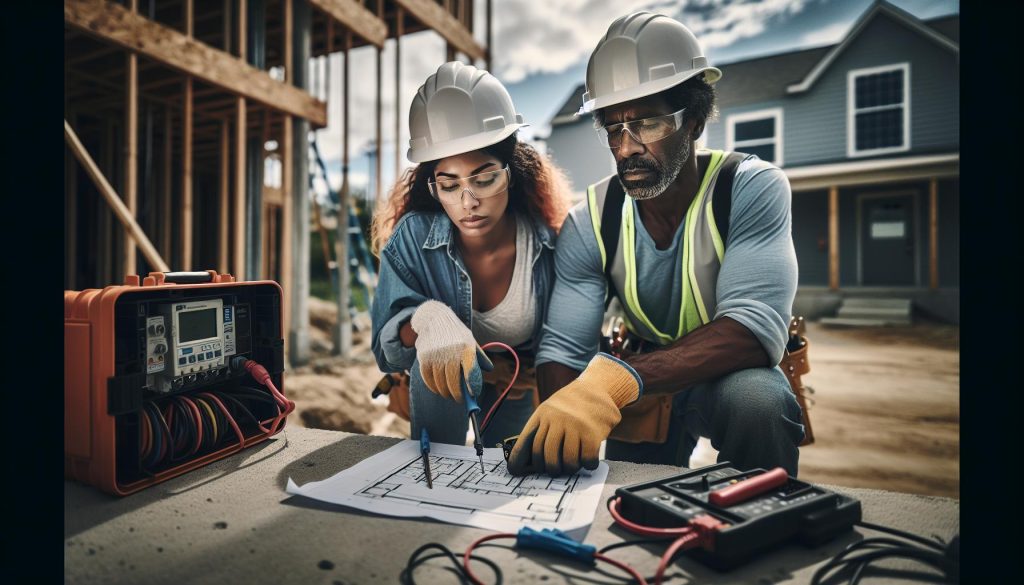
In an ever-evolving construction landscape, the role of a CW Electrician, or Construction Wireman, is not just essential; it’s vital for ensuring that projects are completed safely and efficiently. This profession encompasses a range of responsibilities, from installing wiring systems to troubleshooting complex electrical issues. For those considering a career in electrical work, understanding the path to becoming a CW Electrician, including licensing requirements and the expertise needed, can pave the way for a rewarding and lucrative career. As industries increasingly adopt modern technologies like smart home systems and EV chargers, the demand for skilled electricians continues to rise. Dive into this guide to learn more about the steps involved, potential salaries, and the equipment that shapes the future of electrical work, empowering you to make informed decisions for your career advancement.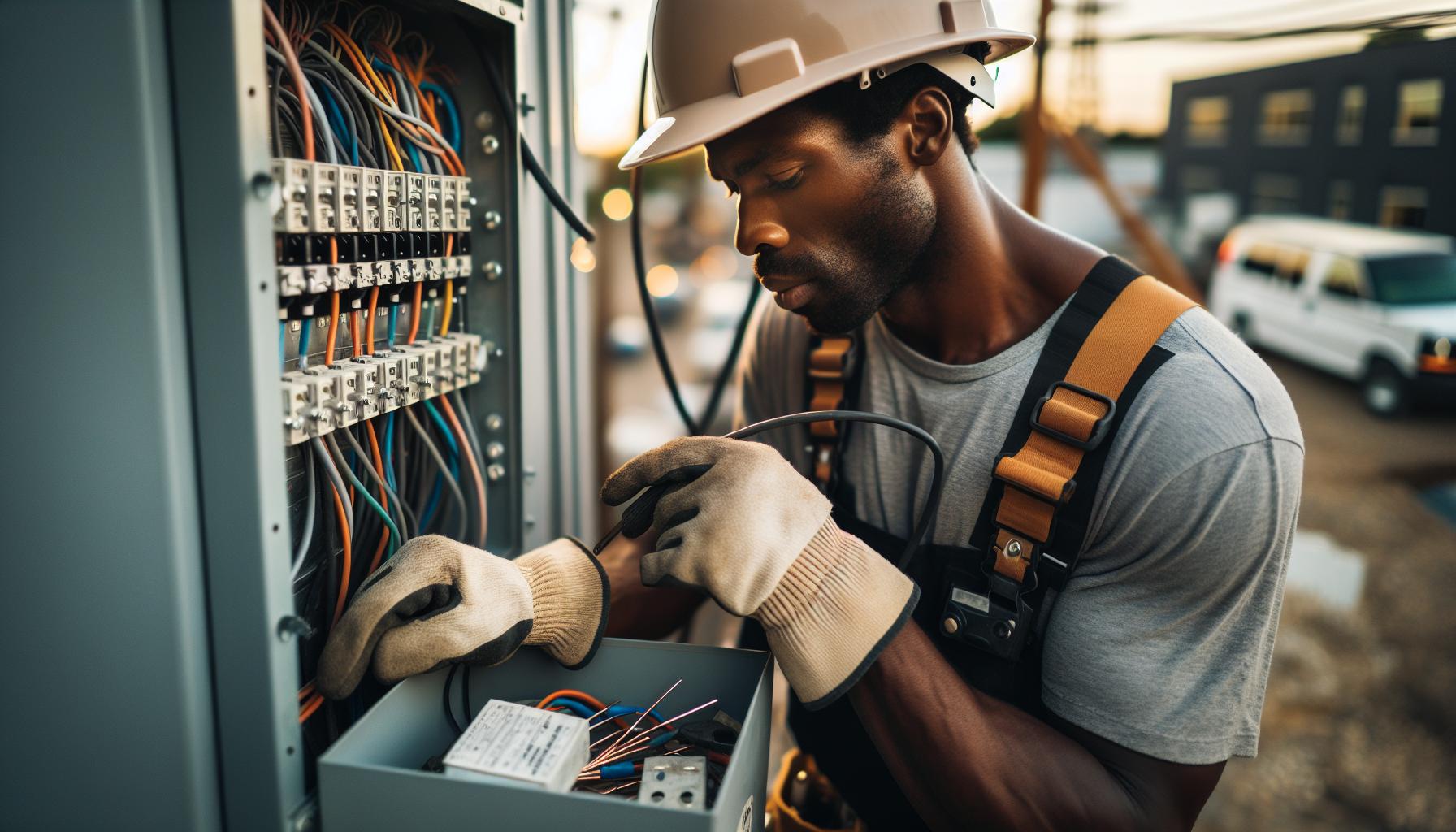
What Is a CW Electrician? Understanding the Role
As the backbone of numerous construction projects, a Construction Wireman (CW Electrician) plays a vital role in the electrical installation process. These professionals are responsible for executing the foundational electrical work necessary to power homes, businesses, and infrastructure. They typically work under the supervision of licensed electricians, performing tasks that range from basic wiring and installation of electrical devices to assisting in the setup of larger electrical systems. Their knowledge of electrical blueprints and codes ensures that projects adhere to safety regulations while being functional and efficient.
CW Electricians are often involved in a diverse array of environments, from residential construction sites to commercial projects and industrial settings. Some common responsibilities include interpreting electrical schematics, installing conduits, pulling wires, and ensuring that all materials meet project specifications. They must possess a solid understanding of basic electrical principles, which allows them to troubleshoot issues under guidance and ensure that installations comply with local codes. This foundational work is critical, as it sets the stage for more advanced electrical tasks handled by licensed electricians.
In addition to technical skills, successful CW Electricians need strong communication and teamwork abilities since they frequently collaborate with other tradespeople. This collaboration is essential for keeping projects on schedule and for ensuring safety on-site. Furthermore, as technological advancements become more prevalent in the electrical trade, CW Electricians must remain adaptable, embracing new tools and techniques, such as smart home technology and renewable energy systems. This adaptability not only enhances their skill set but also prepares them for the evolving job market in the construction and electrical sectors.
Key Skills and Responsibilities of a CW Electrician
The role of a Construction Wireman (CW Electrician) demands a diverse set of skills and a strong commitment to safety and efficiency on the job site. CW Electricians are often the first line of action in electrical installations, where they lay the groundwork that licensed electricians build upon. Their responsibilities encompass a wide array of tasks that require both technical knowledge and practical application, ensuring that every project progresses smoothly from electrical design to implementation.
Essential Skills
To excel in this role, CW Electricians must be proficient in reading and interpreting blueprints and electrical schematics. This ability is crucial for understanding the layout of the electrical systems they are working on, enabling them to perform their tasks accurately. They also must possess a solid grasp of basic electrical concepts, such as voltage, amperage, and circuit load calculations, which are fundamental for ensuring safe and effective installations. Strong problem-solving skills are essential, as CW Electricians often encounter unexpected challenges that necessitate quick thinking and resourcefulness.
Moreover, effective communication and collaboration skills play a vital role in the successful execution of projects. CW Electricians frequently work alongside other trades such as plumbers, carpenters, and general contractors. This teamwork is essential not only for efficiency but also for maintaining safety standards across the job site. Additionally, as the field continues to evolve with the introduction of new technologies-like electric vehicle (EV) chargers and smart home systems-CW Electricians must be willing to adapt and learn. Embracing these advancements not only broadens their skill set but also increases their marketability in a competitive landscape.
Key Responsibilities
In their day-to-day roles, CW Electricians undertake several critical tasks, including:
- Installing conduits and electrical systems in residential, commercial, and industrial settings
- Pulling wiring and troubleshooting simple electrical problems under supervision
- Assisting licensed electricians with the installation of larger electrical systems
- Adhering to local and national safety standards and codes to ensure compliance on the job
- Maintaining tools and equipment in good working condition to maximize efficiency
These responsibilities require not only hands-on skills but also a proactive approach to safety. CW Electricians are expected to follow best practices in electrical work, wear appropriate personal protective equipment (PPE), and remain vigilant about potential hazards in their work environment.
By cultivating these skills and adhering to these responsibilities, CW Electricians can establish a solid foundation for a successful and rewarding career in the electrical field, with opportunities for advancement and specialization in the future.
Career Path: Steps to Becoming a CW Electrician
To embark on a career as a Construction Wireman (CW Electrician), one must navigate a systematic pathway that blends education, hands-on experience, and adherence to industry regulations. The journey typically begins with foundational education; aspiring CW Electricians often start by obtaining a high school diploma or GED, focusing on subjects such as mathematics, physics, and electronics. This academic background provides essential skills needed for reading blueprints, understanding electrical code compliance, and performing basic calculations related to voltage and amperage.
Following the completion of educational requirements, enrolling in an apprenticeship program is a vital next step. These programs, which can last anywhere from one to four years, combine classroom instruction with practical on-the-job training under the supervision of licensed electricians. This real-world experience is invaluable, allowing apprentices to learn everything from wiring techniques to safety protocols. Many apprenticeships also facilitate networking opportunities with seasoned professionals in the field, which can aid in securing future employment.
Once the apprenticeship is complete, the path to becoming a CW Electrician often involves obtaining a relevant license. Licensing requirements can vary by state but generally necessitate passing an examination that tests knowledge of electrical codes and standards. Some states also allow for reciprocity, meaning that if you’ve obtained your license in one state, you may be eligible to transfer it if you move to another state, provided that the licensing standards align. This aspect is crucial for maintaining mobility in a fluctuating job market.
In terms of employment prospects, CW Electricians can expect a favorable job outlook, particularly as advancements in electrical technology-such as solar energy solutions, electric vehicle (EV) infrastructure, and smart home innovations-continue to drive demand for skilled labor. According to industry reports, initial salaries can range significantly depending on geographic location, level of experience, and the complexity of the projects. Those starting out may earn an average of $30,000 to $40,000 annually, with the potential to increase significantly as one acquires experience and expertise.
Ultimately, the journey to becoming a CW Electrician is characterized by continuous learning and adaptation to technological advancements. Engaging in ongoing training and obtaining additional certifications can not only enhance job prospects but also open avenues for specialization in emerging fields, ensuring a rewarding and sustainable career in the electrical industry.
Licensing and Certification Requirements Explained
Aspiring Construction Wiremen (CW Electricians) must navigate a complex landscape of licensing and certification to establish their careers successfully. Understanding these requirements is critical, as they not only validate a professional’s skill set but also ensure compliance with local and national electrical codes. In general, licensing requirements vary significantly from state to state. However, a common path involves completing a designated apprenticeship, followed by passing a licensing examination tailored to evaluate knowledge of electrical theory, codes, and safety practices.
Licensing Requirements
Each state has its own electrical licensing board, which sets forth specific criteria that must be met to obtain a CW electrician license. The typical requirements include:
- Completion of an apprenticeship program or equivalent experience.
- Successful completion of a state-specific examination covering local and national electrical codes.
- Passing a background check, which may include criminal history and previous licensing investigations.
For example, in California, prospective CW Electricians must complete a minimum number of hours in both classroom instruction and hands-on work experience before taking the exam. Once passed, they will receive a license that allows them to work legally in the state.
Certification Options
Beyond licensing, there are various certifications available that can enhance a CW Electrician’s credibility and employment opportunities. Certifications may cover specialized areas such as renewable energy systems, energy efficiency, or advanced wiring systems. Organizations such as the National Center for Construction Education and Research (NCCER) offer credentials that can demonstrate proficiency in specific skills relevant to modern electrical jobs.
Reciprocity Explained
Reciprocity can play a significant role in a CW Electrician’s career, especially for those who relocate. Many states have established agreements allowing for the transfer of licenses between jurisdictions. However, engineers should verify with each state’s licensing board, as some local laws may have specific criteria or additional testing requirements. This ensures that your qualifications remain valid no matter where your career takes you.
In terms of financial investment, maintaining a license often entails additional costs, such as renewal fees and continuing education, which may vary by state. On average, CW Electricians can expect to spend anywhere from $100 to $400 annually to keep their licenses active, not including any certification course fees.
The commitment to obtaining and maintaining licensing and certifications demonstrates professionalism and dedication to the craft, ultimately opening doors to higher wages and better job opportunities within the electrical industry. Understanding these well-defined pathways is essential for aspiring CW Electricians to position themselves for a successful future.
Understanding Reciprocity in Electrician Licenses
Navigating the landscape of electrician licensing can be daunting, especially for those who find themselves relocating frequently for work opportunities. Reciprocity agreements between states allow CW Electricians to streamline the transition process by recognizing licenses obtained in other jurisdictions. This means that if you hold a valid electrician license in one state, you may be eligible to obtain a license in another state without having to start from scratch, which can save you considerable time and effort.
However, not all states offer identical reciprocity agreements, and it’s crucial to understand the specifics. Each state’s licensing board has its own requirements, which can include differences in application processes, additional testing, or even different continuing education requirements. For instance, some states may require you to demonstrate your knowledge of local electrical codes or pass an exam tailored to their regulations. Before making a move, it’s advisable to contact the regulatory board in the state you’re considering to clarify what you need to do to maintain your licensing status.
In addition to easing the transition for workers, reciprocity can also have broader implications on career progression and job availability. By holding a license that is recognized across state lines, CW Electricians can tap into a wider job market, ultimately enhancing their employment prospects. Many workers report that this flexibility has allowed them to pursue positions in areas with higher demand for electrical services, or to follow job opportunities that align better with their career goals.
To ensure compliance and maintain your competitive edge, it’s also essential to stay informed about any changes in regulations that could affect your license. State boards typically provide resources and guidelines online, making it easier to track updates. By taking proactive steps and understanding the landscape of electrician reciprocity, CW Electricians can maximize their career opportunities while remaining compliant and proficient in their profession.
Average Salary and Job Outlook for CW Electricians
The demand for CW Electricians is on the rise, significantly influenced by factors such as technological advancements and a growing emphasis on renewable energy solutions. This trend offers not just job stability but also opportunities for higher earnings. According to recent data, CW Electricians can expect to earn an average salary ranging from $45,000 to $70,000 annually, depending on factors like location, experience, and specialization. For instance, entry-level positions may start around $40,000, while experienced electricians in high-demand areas can command salaries well over $75,000.
Regional Salary Variances
Location plays a critical role in salary potential for CW Electricians. States with booming construction markets or significant investments in infrastructure tend to offer higher wages. Below is a brief overview of average salaries across various regions:
| Region | Average Salary |
|---|---|
| West Coast | $60,000 – $80,000 |
| Midwest | $50,000 – $70,000 |
| South | $45,000 – $65,000 |
| Northeast | $55,000 – $75,000 |
With projected job growth in the electrical trades expected to rise by 8% over the next decade, aspiring CW Electricians can leverage this demand to find rewarding positions. The ongoing shift towards sustainable practices, such as the installation of electric vehicle (EV) chargers and smart home technologies, also creates an evolving landscape rich with opportunities.
Job security in this field is further bolstered by an increasing need for skilled workers to meet building codes and safety regulations in light of more complex electrical systems. Continuous education and training in emerging technologies will not only enhance professional skills but also potentially lead to higher wages. By staying informed on industry trends, CW Electricians can navigate their careers to achieve both job satisfaction and financial stability.
Tools and Equipment Every CW Electrician Needs
Equipped with the right tools and equipment, a CW Electrician is empowered to tackle a variety of electrical tasks efficiently and safely. The toolkit of a competent electrician is not just about having the right tools at hand; it’s also about being prepared to handle diverse challenges. Each tool serves a specific purpose, enhances productivity, and ensures compliance with safety standards.
Essential tools that every CW Electrician should have include:
- Multimeter: This device is crucial for measuring voltage, current, and resistance. It allows electricians to troubleshoot problems, ensuring circuits are performing correctly.
- Wire Strippers: Necessary for stripping insulation from wires, these tools help electricians prepare conductors for connections while preventing damage to the wire itself.
- Screwdrivers: A set of various sizes, including Phillips and flathead screwdrivers, is essential for tightening or loosening screws in electrical boxes and outlets.
- Pliers: Needle-nose pliers are particularly useful for working in tight spaces, while lineman’s pliers help with gripping, twisting, and cutting wire.
- Cable Cutters: These provide the strength needed to cut through thick electrical cables without straining the worker’s hands.
- Tape Measure: Accurate measurements are vital in any electrical installation. A good quality tape measure helps ensure precision.
- Safety Equipment: Personal protective equipment, including gloves, safety glasses, and hard hats, is crucial to protect electricians from potential hazards on the job site.
In addition to manual tools, modern CW Electricians benefit from technology, such as electrical design software and apps that aid in load calculations and circuit analysis. Understanding how to use these technologies can significantly enhance an electrician’s efficiency and accuracy on the job, particularly as systems evolve to include features like EV chargers and smart home technologies. Treating tools not simply as equipment but as integral components of a professional’s capabilities is essential for anyone aspiring to excel in the electrical field. By investing in quality tools and continuously updating their arsenal, CW Electricians can enhance their craftsmanship and responsiveness to ever-growing electrical demands.
Essential Electrical Fundamentals for CW Electricians
Understanding key electrical fundamentals is critical for CW Electricians, as it equips them to handle complex electrical tasks with confidence and precision. At the core of all electrical work are three primary concepts: voltage, amperage, and resistance, defined by Ohm’s Law, which states that Voltage (V) = Current (I) x Resistance (R). Mastering these principles allows electricians to design and troubleshoot electrical circuits effectively.
Electricians must also be adept at load calculations, which are essential for determining the appropriate circuit size and ensuring that systems operate safely under maximum load conditions. To compute the total load, they sum the wattage of all devices expected to be connected to a circuit. This knowledge helps them prevent overload situations, which can lead to circuit failures or, worse, electrical fires. For instance, a household circuit might be rated for 15 amps; thus, knowing how to calculate the total wattage of appliances allows electricians to ensure they do not exceed this rating.
With the rapid advancement of technology, CW Electricians are increasingly required to understand modern electrical systems, such as those found in smart homes and electric vehicle (EV) charging stations. Knowledge of these emerging technologies not only enhances service efficiency but also positions electricians as valuable assets in a job market that continues to evolve. Understanding how to integrate smart technologies with existing electrical systems can open new avenues for electricians, allowing them to cater to more sophisticated clientele who demand energy-efficient and technologically advanced electrical solutions.
In summary, a strong foundation in electrical principles, combined with an understanding of modern technologies and load calculations, empowers CW Electricians to excel in their field. Continuous learning and application of these fundamentals ensure that they provide safe, effective, and modern electrical solutions that meet the needs of today’s consumers.
Emerging Technologies: EV Chargers and Smart Homes
The shift towards renewable energy and smart technology is fundamentally redefining the role of CW Electricians. With the increasing adoption of electric vehicles (EVs) and the proliferation of smart homes, electricians must not only be familiar with traditional electrical systems but also embrace new technologies that enhance energy efficiency and convenience for homeowners. In fact, by 2030, it is estimated that as many as 26 million EVs will be on the road in the United States, which will significantly increase the demand for knowledgeable professionals who can safely install and maintain EV charging stations.
Understanding how to install Level 2 EV chargers is essential for CW Electricians. These chargers require a dedicated 240-volt circuit, which means electricians must correctly assess the existing electrical infrastructure to ensure compatibility and safety. This involves calculating the load to prevent overcurrents that can lead to serious hazards. Moreover, electricians should familiarize themselves with the varying requirements for different EV models, as they may need to adapt installations based on the specific needs of the vehicle, such as power levels and charging times.
The smart home revolution adds another layer of complexity and opportunity. Smart devices-from lighting and HVAC systems to security and entertainment-are becoming increasingly integrated into residential settings. CW Electricians are now expected to work with advanced technologies such as Wi-Fi-enabled devices, smart thermostats, and home automation systems. This requires not only technical skills but also a keen understanding of network configurations to ensure seamless communication between devices. Electricians must be adept at integrating these systems while maintaining compliance with electrical codes and safety standards.
In addition to installation, ongoing maintenance and troubleshooting of smart home systems are essential skills. Electricians should be prepared to assist homeowners in navigating connectivity issues and ensuring that all components function efficiently. By developing expertise in these emerging technologies, CW Electricians can position themselves as valuable service providers in a competitive market, ultimately opening new avenues for growth and specialization in their careers.
Safety Protocols and Best Practices in Electrical Work
Ensuring safety in electrical work is paramount, not only for CW Electricians but also for the clients they serve. With the vast array of tools and technologies used in the field, following strict safety protocols can prevent accidents, injuries, and costly mistakes. One of the fundamental principles is to always treat electrical lines as if they are live. This means using appropriate personal protective equipment (PPE), such as insulated gloves, safety goggles, and hard hats, to reduce the risk of shock or injury.
To further enhance safety, CW Electricians should adopt a routine of regular inspections and maintenance of tools and equipment. Ensuring that all tools are functioning correctly and are in good condition minimizes the risk of failure during operation. Additionally, adhering to the National Electrical Code (NEC) is crucial for compliance and safety in all electrical installations. Understanding the latest NEC updates equips electricians with knowledge about safe practices regarding wiring, circuit configurations, and device installation.
Key Safety Procedures
- Lockout/Tagout (LOTO): Always use LOTO procedures when servicing or maintaining electrical systems to prevent accidental energization.
- Proper Circuit Management: Ensure circuit breakers or fuses are adequately rated for the load, and always verify circuit status before beginning work.
- Use of Ground Fault Circuit Interrupters (GFCIs): Employ GFCIs in wet or damp locations to reduce the chance of electric shock.
- Two-Person Rule: When working on high-voltage systems, use the buddy system to enhance safety and provide immediate assistance if necessary.
In the ever-evolving landscape of electrical work, particularly with the rise of smart technology and electric vehicle installations, CW Electricians must continually educate themselves on best practices. Taking courses on new technologies, staying updated with safety protocols, and participating in workshops can reinforce a safety-first mindset and prepare electricians for the diverse challenges of modern electrical systems. By prioritizing safety, CW Electricians can protect themselves, their coworkers, and their clients, thus fostering a professional reputation built on reliability and expertise.
Continuing Education and Professional Development Options
Continuing education is crucial for CW Electricians as the electrical industry undergoes rapid changes due to new technologies, regulations, and safety standards. Engaging in ongoing training not only enhances technical skills but also opens doors for career advancement and specialization within the field. For instance, electricians who pursue certifications in emerging technologies such as solar energy systems or electric vehicle (EV) charging installations can significantly broaden their job prospects and stay competitive in the job market.
Many professional organizations offer workshops, seminars, and online courses focused on various aspects of electrical work. Some highly recommended certifications include the National Institute for Certification in Engineering Technologies (NICET), which provides credentials for specialized electrical practitioners, and the Institute of Electrical and Electronics Engineers (IEEE), which offers resources on current advancements and practices in the industry. Moreover, local community colleges often provide courses that may lead to certificates in specific electrical technologies, which can add significant value to a CW Electrician’s skill set.
Networking with other professionals in the field through industry associations can also be invaluable. Attending conventions such as the National Electrical Contractors Association (NECA) conference not only provides access to cutting-edge information and technologies but also fosters relationships that can lead to job opportunities and mentorships. Many electricians find that sharing best practices and gaining insights from peers can greatly enhance their proficiency and approach to the trade.
Moreover, state and local regulations often require continuing education to maintain licensing. Electricians should stay informed about their state’s requirements and ensure that they complete the necessary training to not only renew their licenses but also keep their knowledge current. With the increasing integration of smart technology and renewable energy solutions, investing time in education is not just beneficial; it is vital for long-term success and safety in the electrical profession.
Navigating Job Opportunities as a CW Electrician
Navigating the job market as a Construction Wireman (CW Electrician) can be both exciting and challenging, particularly in an industry that is constantly evolving due to technological advancements and regulatory changes. With the growing demand for skilled technicians in sectors such as residential, commercial, and industrial electrical work, understanding how to effectively seek out and secure opportunities is vital for career success.
One effective strategy for finding job opportunities is to leverage online job boards and networking platforms. Websites such as Indeed, Glassdoor, and LinkedIn regularly post openings specifically tailored for electricians. Setting up job alerts based on keywords such as “CW Electrician” or “Construction Wireman” can help you be among the first to apply. Additionally, participating in online forums, trade associations, and local electrician groups can expand your network and expose you to potential job leads through industry connections.
Building Experience and Credentials
Gaining hands-on experience through apprenticeships or entry-level positions is crucial for CW Electricians. These opportunities tend not only to sharpen your technical skills but also provide valuable insights into the workplace environment and industry standards. Consider reaching out to local electrical contractors to inquire about training programs or openings that could provide essential on-the-job experience.
Obtaining relevant certifications can significantly enhance your employability. Credentials from bodies such as the National Institute for Certification in Engineering Technologies (NICET) or specialized training in solar energy and EV charging systems can set you apart from other candidates in a competitive job market.
Salary Expectations
Understanding salary expectations in your region can also guide your job search. Entry-level CW Electricians typically earn a salary around $40,000 to $50,000 per year, while those with several years of experience can earn upwards of $70,000, especially in metropolitan areas where the demand for electricians is higher.
Overall, building relationships within the industry, pursuing ongoing education, and staying informed about job openings will equip you with the tools needed to carve out a successful career as a CW Electrician. Being proactive in these areas not only increases your chances of finding lucrative job opportunities but also fosters long-term career growth.
Frequently asked questions
Q: What are the main responsibilities of a CW Electrician?
A: CW Electricians primarily handle the installation, maintenance, and repair of electrical systems in construction settings. This includes reading blueprints, troubleshooting electrical issues, and ensuring compliance with safety codes. Their role is crucial in providing safe and reliable electrical infrastructure.
Q: How does a CW Electrician differ from other electricians?
A: A CW Electrician, or Construction Wireman, specifically focuses on electrical work in construction. Unlike other electricians, who may specialize in residential, commercial, or industrial sectors, CW Electricians typically work on new builds and renovations, providing essential support throughout the construction process.
Q: What skills do you need to become a successful CW Electrician?
A: To succeed as a CW Electrician, one must have strong technical skills, a solid understanding of electrical codes, and problem-solving abilities. Additionally, effective communication and teamwork skills are essential for collaboration with other construction professionals on-site.
Q: What is the typical salary range for a CW Electrician?
A: The salary for a CW Electrician typically ranges from $40,000 to $75,000 annually, depending on experience, certification, and location. Those in metropolitan areas or with advanced certifications may earn higher salaries. [Find more on salary expectations in the article’s salary section.]
Q: Are there specific certifications I need as a CW Electrician?
A: Yes, to work as a CW Electrician, obtaining an electrical license is usually required, which varies by state. Many CW Electricians also pursue certifications in specialized areas, such as renewable energy systems or smart home technologies, to enhance career prospects.
Q: How can continuing education benefit a CW Electrician?
A: Continuing education allows CW Electricians to stay updated with the latest industry trends, technologies, and safety protocols. It can significantly enhance job performance, offer advancement opportunities, and ensure compliance with changing electrical regulations.
Q: What tools are essential for a CW Electrician’s daily work?
A: Essential tools for a CW Electrician include wire strippers, multimeters, circuit testers, and power drills. Having a comprehensive toolkit can increase efficiency and ensure that the electrician is prepared for various tasks on job sites. [Check the tools and equipment section for a full list.]
Q: How do CW Electricians ensure safety on construction sites?
A: CW Electricians ensure safety by following strict protocols, wearing personal protective equipment (PPE), and adhering to local electrical codes. Regular training on safety practices and awareness of site hazards are also vital to prevent accidents and ensure a safe working environment.
The Way Forward
As you consider a career as a CW Electrician, remember that this role not only opens up opportunities for advancement in licensing and specialization but also pays well across various regions, with potential salaries increasing with experience. Stay ahead by exploring essential tools, gaining certifications, and familiarizing yourself with modern technologies like EV chargers and smart home systems. For in-depth guides on electrical fundamentals, such as voltage and load calculations, or to review the best equipment for your toolkit, check out our resources.
Don’t miss out on enhancing your skills and ensuring a successful career in this thriving industry. Subscribe to our newsletter for the latest updates, or dive deeper into related topics like electrician salary trends or advanced electrical training. Engage with us by leaving questions or comments below; your journey in the electrical field starts now, and we’re here to support every step!