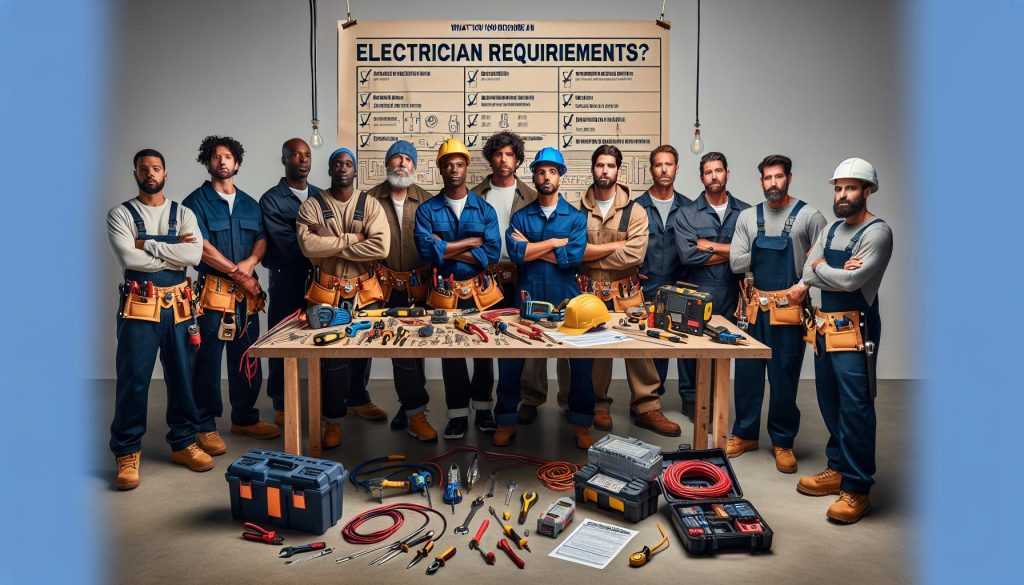
Becoming an electrician is not just about wiring and circuits; it’s a vital profession that powers our homes, businesses, and increasingly, our modern technologies. In a world where energy demands are on the rise, the need for skilled electricians has never been greater. Whether you’re drawn by the potential for a stable income or the opportunity to work on innovative projects like smart homes and electric vehicle chargers, understanding the requirements to enter this field is crucial. This guide will walk you through the essential steps, from educational prerequisites and licensing to crucial certifications and industry standards. Equip yourself with the knowledge to embark on a rewarding career that combines technical skills with safety and innovation-let’s explore what it takes to become an electrician!
What Qualifications Are Required to Become an Electrician?
Becoming an electrician is an excellent career choice, given the ongoing demand for skilled labor in the electrical field. To embark on this path, aspiring electricians must meet several key qualifications, which typically include a combination of education, training, and practical experience. A high school diploma or equivalent is the foundational requirement, as it provides essential knowledge in mathematics, physics, and technical subjects that are crucial for understanding electrical systems.
After obtaining a high school diploma, individuals typically enter an apprenticeship program, which is a vital step in acquiring hands-on training and classroom instruction. These programs, often lasting four to five years, are usually facilitated by trade unions or contractor associations and offer a comprehensive curriculum covering various electrical systems, safety protocols, and local building codes. During this period, apprentices work under the supervision of experienced electricians, gaining valuable experience in real-world applications.
In addition to completing an apprenticeship, becoming a licensed electrician requires passing a state examination that covers a range of topics, including electrical theory, the National Electrical Code (NEC), and local regulations. Licensing is not only a legal requirement in many areas, but it also serves as a testament to the electrician’s professional competence. Each state has its specific criteria, so it’s essential to research the requirements applicable in your locality.
It’s also beneficial for electricians to pursue additional certifications. These can demonstrate specialization in certain areas, such as renewable energy systems, home automation, or electrical safety. Such credentials can significantly enhance job prospects and advancement opportunities within the field.
In summary, to qualify as an electrician, one must start with a solid educational foundation, undergo rigorous hands-on training via an apprenticeship, obtain state licensing, and consider additional certifications to stand out in a competitive job market. The commitment to learning and adhering to safety and quality standards ultimately shapes a successful career in this critical trade.
Essential Certifications and Licensing for Electricians
To navigate the electrical trade effectively, obtaining the right certifications and licenses is not just a regulatory requirement; it’s a crucial element that enhances an electrician’s credibility and ensures public safety. Each state in the U.S. has its own set of licensing requirements, typically involving a combination of education, experience, and examination. Most electricians must pass a state exam that covers essential topics such as the National Electrical Code (NEC), local building codes, and electrical theory. This examination not only measures proficiency in essential concepts but also evaluates knowledge of safety standards, which is paramount given the potentially hazardous nature of electrical work.
Key Certifications to Consider
In addition to state licensing, electricians have the opportunity to pursue various specialized certifications that can distinguish them in a competitive job market. These certifications may include:
- National Institute for Certification in Engineering Technologies (NICET): This certification focuses on different engineering technologies, including electrical systems.
- Renewable Energy Certifications: As the demand for sustainable energy sources rises, certifications for solar panel installation and wind energy systems can be invaluable.
- Electrical Safety Compliance: Training in safety practices ensures compliance with OSHA (Occupational Safety and Health Administration) regulations, significantly reducing workplace risks.
Moreover, pursuing certifications in emerging technologies such as smart home systems and electric vehicle (EV) charger installations can enhance job prospects and potentially increase earning potential. For example, electricians specializing in EV chargers may find themselves in high demand as electric vehicle ownership continues to grow.
Maintaining Licensure and Understanding Reciprocity
It’s important for electricians to stay current with state licensing requirements, which often involve completing continuing education courses. These courses not only reinforce existing knowledge but also keep electricians informed about changes in codes and emerging technologies.
Reciprocity agreements between states can also open up career opportunities, allowing electricians licensed in one state to work in another without redundant testing or training. This is especially beneficial for those looking to move or work as traveling electricians.
In summary, navigating the required certifications and licenses is essential for any aspiring electrician. By investing time in obtaining relevant credentials and maintaining compliance with safety standards, electricians can enhance their career advancements, ensuring a stable and rewarding future in this essential field.
Understanding the Role of Apprenticeships in Electrician Training
To succeed in the electrical trade, engaging in an apprenticeship is not just beneficial; it’s essential. Apprenticeships offer a structured pathway where aspiring electricians can gain hands-on experience while learning from seasoned professionals. Typically lasting four to five years, these programs combine practical training with classroom instruction, covering critical topics such as electrical theory, systems, and safety protocols. For instance, in Massachusetts, apprentices are required to complete 150 hours of related technical instruction each year alongside their on-the-job training, ensuring a well-rounded educational experience [[2]].
During the apprenticeship, individuals work under the supervision of licensed electricians, allowing them to apply their classroom knowledge in real-world scenarios. This mentorship not only enhances their technical skills but also fosters professional relationships that can lead to job opportunities after completion. Additionally, apprentices receive a wage that increases progressively as they gain skill and experience, making this option financially viable while still pursuing a career in a field that is always in high demand.
Moreover, completing an apprenticeship is often a prerequisite for obtaining a journeyman electrician license, a requirement in many states. This license further opens up pathways for specialization and advancement within the trade. Notably, states may have different licensing requirements and sometimes offer reciprocity agreements, allowing licensed electricians to work in multiple states without needing to re-certify, thereby enhancing job mobility [[1]].
In summary, an apprenticeship is a crucial stepping stone for those aspiring to become electricians. It provides invaluable experience, financial support during training, and a clear route to professional licensure and advancement, preparing individuals for a rewarding career in the electrical industry.
Navigating State-Specific Licensing Requirements
Navigating the licensing landscape as an aspiring electrician can be daunting, given the varying requirements across different states. Each state sets its regulations, which can include specific education prerequisites, examination requirements, and work experience mandates. Understanding these state-specific licensing requirements is crucial for anyone looking to establish a successful career in the electrical trade.
For instance, some states allow individuals with a high school diploma to become apprentices, while others may require a certificate from an accredited electrical program. After completing an apprenticeship, most states mandate passing a state-administered exam to earn a journeyman or master electrician license. This exam typically covers various topics, including local electrical codes, safety regulations, and electrical theory. Staying informed about the specific requirements of your state is essential; resources such as state licensing boards provide detailed information on the necessary steps and provide updates on any changes in legislation.
It’s worth noting that reciprocity agreements exist between certain states, allowing electricians to transfer their licenses without having to re-take exams or meet additional requirements. This can significantly affect your job mobility and opportunities, particularly if you plan to relocate or work in multiple states. Be proactive in researching whether your state has such agreements in place, as this can help streamline your career advancement.
Furthermore, understanding the continuing education requirements imposed by your state is vital, as these ensure that licensed electricians stay updated on the latest technologies and safety practices. Many states require electricians to complete a certain number of continuing education hours every few years to maintain their licenses. This not only keeps your skills sharp but also positions you favorably in an evolving market characterized by advancements such as smart home technology and energy-efficient systems.
Exploring Reciprocity Agreements Between States
Understanding reciprocity agreements between states can be a game-changer for electricians looking to expand their career opportunities. These agreements allow electricians licensed in one state to obtain licensing in another without re-taking exams or meeting additional requirements, greatly enhancing job mobility-especially for those who frequently relocate or desire to work in multiple states.
Reciprocity varies across states; some states recognize licenses issued by others based on mutual agreements, while others may have more stringent criteria. It’s essential for electricians to actively research and stay updated on which states have reciprocity arrangements in place. For instance, states like Colorado and Utah have established agreements that can significantly ease the transition for those moving from one to the other.
To navigate this landscape effectively, electricians should:
- Visit state licensing boards’ websites to determine which states honor reciprocity.
- Verify if additional fees or minimal paperwork are required to transfer your license.
- Understand the continuing education requirements that might differ from state to state.
Taking these proactive steps not only facilitates smoother relocations but also expands career horizons, enabling electricians to tap into diverse markets with varying demand for electrical services. As the electrical field continues to evolve, being equipped with the right licensure can open doors to higher salaries and diverse job opportunities across regions.
Salary Expectations for Electricians at Different Experience Levels
Entering the electrical profession can be a lucrative career choice, but salary expectations can vary significantly based on experience, location, and industry specialization. In general, electricians can expect to earn a competitive salary that increases with skill and knowledge over time. For instance, according to industry data, entry-level electricians, often termed as “apprentices,” can earn a starting wage between $30,000 and $45,000 annually, depending on their geographical area and the demand for skilled labor.
Salary Progression by Experience Level
Typically, as electricians become more experienced, their potential earnings can substantially increase. Here’s a breakdown of salaries based on experience:
| Experience Level | Average Annual Salary |
|---|---|
| Apprentice Electrician (0-4 years) | $30,000 – $45,000 |
| Journeyman Electrician (4-10 years) | $45,000 – $65,000 |
| Master Electrician (10+ years) | $65,000 – $90,000+ |
In addition to experience, location plays a crucial role in salary expectations. For example, electricians working in metropolitan areas or states with a high cost of living, such as California or New York, often see higher wages compared to those in rural or lower-cost areas. Furthermore, those who specialize in specific fields, such as renewable energy systems or industrial electrical systems, may also command premium salaries due to the specialized knowledge required.
Additional Factors Influencing Salary
Certifications and ongoing education can also enhance earning potential. Electricians who pursue additional certifications in areas like solar energy installation, electrical safety, or building codes may find that these credentials not only make them more marketable but can also lead to higher-paying positions or promotions within their organizations. Moreover, moving into supervisory or project management roles can further increase income, allowing seasoned electricians to leverage their extensive experience for greater financial rewards.
With the electrical field evolving and new technologies emerging, such as electric vehicle (EV) infrastructure and smart home systems, electricians who adapt and gain expertise in these areas can significantly boost their earning potential, ensuring a future-proof career in a dynamic industry.
Tools and Equipment Every Electrician Should Know About
Electricians rely on a variety of specialized tools and equipment to ensure their work is both efficient and safe. Mastery of these tools not only enhances productivity but also upholds the high safety standards essential in the electrical profession. Familiarity with essential equipment streamlines tasks, whether installations, repairs, or maintenance, and demonstrates professionalism that can lead to career advancement.
Among the most critical tools are the following:
- Multimeter: This versatile tool measures voltage, current, and resistance, allowing electricians to troubleshoot electrical issues effectively.
- Pliers: Including needle-nose and diagonal-cutting pliers, these are vital for gripping, twisting, and cutting wire during installations.
- Wire Strippers: These tools are essential for safely removing insulation from electrical wires, ensuring clean connections.
- Drills: Cordless drills are indispensable for boring holes and installing fixtures, offering portability and convenience.
- Screwdrivers: A set of insulated screwdrivers protects electricians from electric shocks when working near live circuits.
- Fish Tape: Vital for pulling wires through walls and conduits, this tool helps electricians manage complex wiring tasks.
- Voltage Tester: A non-contact voltage tester assists in identifying live wires without making direct contact, enhancing safety.
- Box Cutter: This is useful for opening boxes and packages but can also be handy for quickly stripping insulation on less delicate tasks.
Safety gear is equally important. Electricians should always use insulated gloves, safety glasses, and hard hats when necessary to protect against hazards on the job. Additionally, keeping the workspace organized with tool belts and boxes helps maintain efficiency and safety.
Staying updated on industry standards and new technologies, such as smart home installations and electric vehicle (EV) charging systems, is crucial. By integrating modern tools designed for these technologies, electricians can broaden their service offerings and appeal to a growing market, ensuring they remain relevant and competitive in an evolving industry.
Key Electrical Concepts: Voltage, Amperage, and Load Calculations
Understanding the fundamental concepts of voltage, amperage, and load calculations is essential for anyone pursuing a career as an electrician. These three elements form the backbone of electrical theory and directly influence the design, safety, and effectiveness of electrical systems. Mastering these concepts not only empowers electricians to troubleshoot and optimize performance but also ensures compliance with safety standards, adding a layer of professionalism to their skill set.
Voltage
Voltage, also known as electric potential difference, is the driving force that pushes electrical current through a circuit. Measured in volts (V), it represents the potential energy per unit charge between two points in a circuit. Understanding voltage is crucial when selecting power sources for installations, as different devices require specific voltage levels to operate effectively. For example, residential lighting typically operates at 120V, while larger appliances may require 240V. Recognizing these requirements helps electricians avoid overloading systems and ensures safe operations.
Amperage
Amperage, measured in amperes (A), quantifies the flow of electric current in a circuit. It’s important for electricians to grasp how to calculate the needed amperage for various applications to prevent overheating and potential electrical fires. The relationship between voltage and amperage is encapsulated in Ohm’s Law, which states that the current (I) in a circuit is equal to the voltage (V) divided by the resistance (R). For example, if a device has a voltage of 120V and a resistance of 60 ohms, the current draw would be 2A. Accurately estimating amperage requirements during installations not only enhances operational efficiency but also safeguards against electrical failures.
Load Calculations
Load calculations are essential for determining the total electrical load that a system must support, ensuring that circuits are not overloaded. Electricians calculate the load by summing the wattage of all devices on a circuit. This total is then used to select appropriate circuit breakers, wiring sizes, and transformers, ensuring that each component can handle the load without risk of failure. A common formula used in load calculations is:
- Total Load (W) = Voltage (V) x Amperage (A)
It’s beneficial for electricians to understand how to calculate both steady and surge loads to provide accurate assessments and recommendations for customers. For instance, while a refrigerator may have a steady draw of 300W, its startup surge can be significantly higher, necessitating careful consideration during the design phase.
By mastering these core electrical concepts, electricians not only bolster their technical expertise but also enhance their ability to provide safe, efficient, and effective electrical solutions. This knowledge lays the groundwork for advanced skills and technologies, keeping electricians competitive in a rapidly evolving industry.
Emerging Technologies in the Electrical Field
As the electrical industry evolves, emerging technologies are shaping the future of what it means to be an electrician. Innovations in energy efficiency, smart home devices, and renewable energy systems are not only transforming how electricians perform their jobs, but they also create opportunities for specialization and advancement in the field. Staying abreast of these technological developments is increasingly essential for electricians aiming to enhance their skill sets and career prospects.
One significant advancement is the rise of smart home technology, including smart lighting, thermostats, and security systems. Electricians are now required to understand network systems and how to integrate these smart devices into existing electrical frameworks. This involves knowledge of Wi-Fi networks, as well as compatibility issues between different devices. Electricians can gain a competitive edge by obtaining additional certifications related to home automation and smart systems, enabling them to offer integrated solutions that meet modern consumer demands.
Additionally, the focus on renewable energy sources has surged, especially with the growing adoption of solar photovoltaic (PV) systems. Electricians who are knowledgeable in solar technology will find increasing job opportunities, as more homeowners and businesses look to reduce their carbon footprint and energy costs. Understanding how to install and maintain solar systems, including connecting them to the electrical grid while adhering to safety standards, is crucial. Continuing education in this area can position electricians as leaders in this essential aspect of electrical work.
Another important area of growth is the installation and maintenance of electric vehicle (EV) charging stations. As electric vehicle usage rises, so does the demand for electricians who can provide safe and efficient charging solutions for residential and commercial applications. Familiarity with local codes, installation practices, and the different types of EV chargers will be valuable assets for electricians moving forward.
By investing time in learning these emerging technologies and obtaining relevant certifications, electricians can not only enhance their proficiency but also increase their marketability in a rapidly changing industry. The electrician profession is no longer just about wiring and repairs; it is increasingly tied to cutting-edge innovations that redefine how electricity is generated, distributed, and consumed in today’s society.
Career Advancement Opportunities for Electricians
The electrical field offers an array of exciting career advancement opportunities that can significantly enhance an electrician’s professional journey. With the industry evolving due to technological advancements, electricians can specialize and adapt to meet emerging demands, leading to greater responsibilities and higher income potential. For example, as renewable energy sources gain traction, electricians skilled in installing and maintaining solar photovoltaic systems are finding themselves in high demand. This new focus on sustainable practices not only contributes positively to the environment but also allows electricians to differentiate themselves in a crowded market.
Specialization Areas
One of the most effective ways for electricians to advance their careers is through specialization in high-demand areas. This includes expertise in:
- Smart Home Technologies: Understanding smart devices and integrating them into existing systems can open doors to new rehabilitation and retrofitting projects.
- Electric Vehicle Charging Stations: With the rise of electric vehicles, electricians who can install and maintain EV charging stations will see increased job opportunities.
- Renewable Energy Systems: Knowledge of solar energy systems and other renewable technologies is critical for staying relevant and competitive.
Licensing and Certifications
Furthermore, pursuing advanced certifications and maintaining an up-to-date license is essential for career progression. Electricians can enhance their qualifications by obtaining certifications such as:
- National Institute for Certification in Engineering Technologies (NICET): Providing credentials that increase credibility in specialized electrical work.
- LEED (Leadership in Energy and Environmental Design): Focusing on sustainable building practices, which are increasingly embraced by the industry.
- PV Installer Certification: Specifically for those working in solar energy systems.
The advancement doesn’t stop at educational qualifications; participating in continuing education programs and attending trade shows or workshops can keep electricians informed about the latest technologies and best practices in the industry.
Salary Expectations
Career advancement is also reflected in salary increases. The following table outlines expected salary ranges based on experience and specialization:
| Experience Level | General Electricians | Specialized Electricians (e.g., Solar, Smart Home) |
|---|---|---|
| Entry-level (0-2 years) | $35,000 – $50,000 | $40,000 – $55,000 |
| Mid-level (3-5 years) | $50,000 – $70,000 | $55,000 – $80,000 |
| Senior-level (5+ years) | $70,000 – $100,000 | $80,000 – $120,000 |
By strategically building expertise through specialization and ongoing education, electricians can significantly enhance their career trajectories-transitioning not only into higher salaries but also into roles that allow them to influence the future of electrical work in their communities.
Safety Standards and Best Practices for Electricians
Safety is paramount in the electrical profession; electricians must adhere to strict safety standards to protect themselves and others while performing their duties. According to the Occupational Safety and Health Administration (OSHA), electrical work ranks among the most hazardous professions, with risks including electric shock, burns, falls, and other injuries. To mitigate these hazards, electricians should establish a comprehensive understanding of safety protocols and best practices that guide their work in various environments, from residential to commercial settings.
One essential component of electrical safety is understanding the National Electrical Code (NEC), which sets the baseline for safe electrical installations across the United States. Familiarity with the NEC empowers electricians to install systems that minimize risks associated with electrical shocks and fires. Additionally, electricians should always utilize personal protective equipment (PPE), including insulated gloves, safety glasses, hard hats, and flame-resistant clothing. Proper PPE can significantly reduce injury risk when working with energized circuits or performing installations in potentially hazardous conditions.
To ensure ongoing safety, regular training and drills are crucial for staying updated on emergency response procedures and the latest safety protocols. Electricians should make it a habit to engage in refresher courses that cover topics such as hazard identification, proper handling of electrical equipment, and safe power disconnection practices. Moreover, maintaining an organized work environment contributes to reducing accidents; tools and materials should be stored properly, and work areas kept clear of clutter to enhance safety.
The importance of a safety-first mindset cannot be overstated. Electricians should perform routine checks and maintenance on tools and equipment, ensuring they are in good working order before use. Additionally, implementing lockout/tagout (LOTO) procedures during maintenance work is crucial to prevent accidental energization of devices, safeguarding both electricians and others working on or near electrical systems. By prioritizing safety and adhering to industry regulations and guidelines, electricians not only safeguard their own well-being but also promote a culture of safety within the trades.
The Future of the Electrician Profession: Trends and Innovations
As the demand for skilled electricians continues to grow, the profession is transforming in response to emerging technologies and changing societal needs. One of the most significant trends shaping the future of the electrical trade is the rapid adoption of renewable energy sources. With the increasing focus on sustainability, electricians are frequently called upon to install and maintain solar panels, wind turbines, and energy-efficient systems in residential and commercial buildings. This shift not only requires electricians to acquire new skills but also presents opportunities for specialization in green technologies.
Another trend influencing the future of electricians is the rise of smart home technology. As more homeowners embrace automation systems that manage lighting, heating, and electrical loads remotely, electricians must be well-versed in smart technologies and the Internet of Things (IoT). Familiarity with devices such as programmable thermostats, smart outlets, and energy management systems will be vital for electricians looking to remain competitive. Furthermore, understanding how to integrate these technologies into existing electrical systems will enhance their service offerings and appeal to tech-savvy clients.
In addition to technological advancements, the electrical trade is witnessing a redefined emphasis on safety and efficiency. The integration of advanced tools and equipment, such as augmented reality (AR) for training and virtual simulations for troubleshooting, is revolutionizing how electricians approach their work. These innovations not only enhance the accuracy of installations but also improve safety by allowing electricians to visualize complex systems before engaging physically. Moreover, staying current with industry standards, such as the National Electrical Code (NEC) updates and energy efficiency regulations, is critical for maintaining compliance and ensuring quality workmanship.
Electricians can proactively prepare for these trends by pursuing ongoing education and specialized certifications that align with future demands. Engaging in training programs focused on renewable energy solutions, smart home installations, and safety innovations will equip electricians with the necessary skills to thrive in an evolving job market. By embracing these changes, electricians can position themselves as leaders in their field, ensuring that they remain relevant and in demand as the industry advances.
FAQ
Q: What are the educational requirements to become an electrician?
A: To become an electrician, you typically need a high school diploma or equivalent. Courses in mathematics, physics, and electrical science are beneficial. Additionally, completing a vocational training program in electrical work can provide foundational knowledge.
Q: How long does it take to complete electrician training?
A: Electrician training usually takes about four to five years, including a combination of classroom instruction and hands-on apprenticeship experience. This structure ensures that trainees acquire both theoretical knowledge and practical skills.
Q: What apprenticeship opportunities are available for aspiring electricians?
A: Aspiring electricians can find apprenticeship programs through trade unions, contractor associations, or local employers. These programs combine on-the-job training with classroom education, helping students learn essential skills under the supervision of experienced electricians.
Q: Are there specific certifications required to work as an electrician?
A: Yes, electricians often need to obtain a state license and complete specific certifications, such as those in CPR and first aid. Additional certifications may be required based on specialization, such as industrial or residential electrical work.
Q: What is the process for obtaining an electrician’s license?
A: To obtain an electrician’s license, you must complete an accredited training program, gain apprenticeship experience, and pass a licensing examination. The requirements can vary by state, so it’s essential to review local regulations before applying.
Q: How does continuing education impact an electrician’s career?
A: Continuing education is vital for electricians to stay updated on the latest technologies, regulations, and safety standards. Many states require ongoing education credits to maintain a license, helping professionals enhance their skills and knowledge throughout their careers.
Q: What types of specializations exist within the electrician field?
A: Electricians can specialize in various areas, including residential, commercial, industrial, and low-voltage electrical work. Specialization can lead to further certifications and diverse job opportunities tailored to specific electrical needs.
Q: What skills are essential for a successful career as an electrician?
A: Essential skills for electricians include problem-solving, attention to detail, mechanical aptitude, and strong math and physics knowledge. Effective communication and critical thinking skills are also crucial for interpreting blueprints and collaborating with other trades.
Concluding Remarks
Now that you have a comprehensive understanding of what it takes to become an electrician, it’s time to take the next steps toward building a rewarding career in this dynamic field. Whether you’re interested in the specifics of obtaining crucial certifications, exploring different electrician specialties, or discovering salary potential across various regions, we have a wealth of information ready for you. Don’t forget to check out our guide on the best tools for electricians and essential electrical fundamentals to enhance your skills even further.
Ready to dive deeper? Subscribe to our newsletter for the latest industry insights and success stories, or explore our resource center for detailed articles on modern technologies like EV chargers and smart home systems. Your future as an adept electrician begins now-don’t miss out on the opportunities awaiting you. If you have questions or need guidance, feel free to leave a comment below or contact us directly. Join us on this journey toward expertise and excellence in the electrical profession!