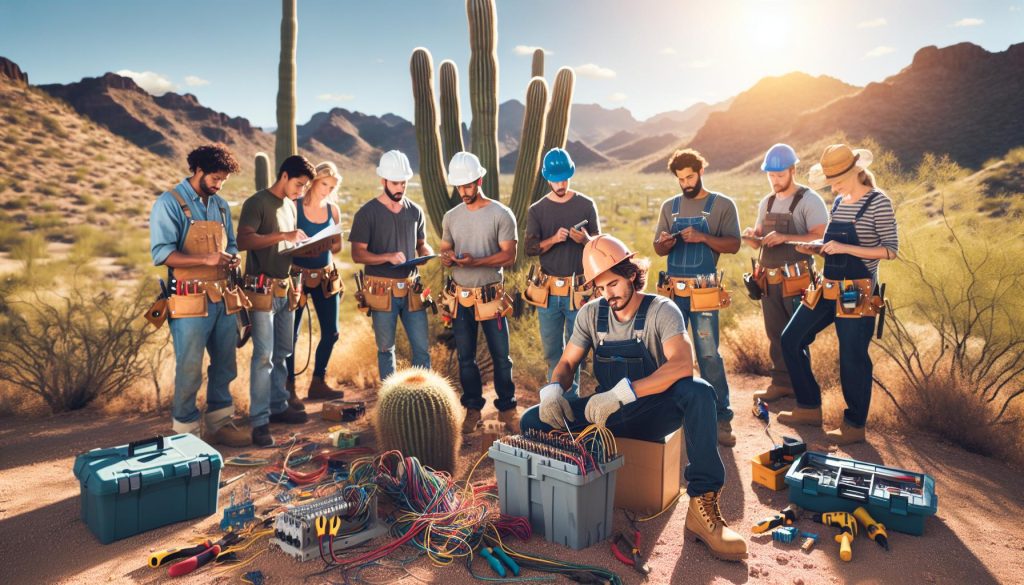
Embarking on a career as an electrician in Arizona can be a transformative decision, given the state’s booming construction industry and increasing demand for skilled labor. With advancements in technology and a growing focus on energy efficiency, electricians are more essential than ever. This comprehensive guide will walk you through the vital steps to becoming a licensed electrician, from understanding the educational requirements to obtaining necessary certifications and navigating the licensing process. Whether your goal is to work with cutting-edge technologies like smart home systems and electric vehicle chargers or to ensure electrical safety standards, this resource will empower you with the knowledge you need to succeed in a rewarding and lucrative career. Dive in to discover how you can light your path to success in the desert state!
How to Choose the Right Electrician Training Program in Arizona

Choosing the right training program is crucial for anyone aspiring to become an electrician in Arizona. A well-structured program provides not only the foundational knowledge but also the hands-on experience essential for a successful career. When researching programs, consider factors such as accreditation, curriculum, duration, and the balance between classroom instruction and practical training. Accredited institutions are typically recognized by industry professionals and can provide better job placement opportunities post-graduation.
Seek programs that offer comprehensive training in critical areas such as electrical theory, safety protocols, and hands-on wiring techniques. Look for those that cover both residential and commercial electrical work, as well as newer technologies such as smart home systems and EV chargers, which are becoming increasingly prevalent in the market. Additionally, programs should prepare students for licensing exams and include vital certifications, such as OSHA safety training.
Another aspect to examine is the availability of apprenticeship opportunities. Some programs partner with local electricians for apprenticeships, allowing students to gain valuable on-the-job experience while still in training. This can significantly enhance a graduate’s employability by providing a strong reference and the opportunity to apply theoretical knowledge in real-world situations.
Lastly, consider the program’s reputation and the experiences of past students. Online reviews, alumni testimonials, and graduate placement rates can provide insights into the quality of education offered. By prioritizing these elements, prospective electricians in Arizona can ensure they choose a training program that equips them with the skills and knowledge needed for a thriving career in the electrical trade.
Understanding Arizona’s Electrician Licensing Requirements

To succeed as an electrician in Arizona, understanding the licensing requirements is paramount. Arizona offers several levels of electrician licenses, each with distinct qualifications and prerequisites that ensure professionals are well-equipped to handle the complexities of electrical work. These requirements align with national safety standards, emphasizing the significance of proper training and knowledge in the field.
In Arizona, the primary electrician licenses include the Apprentice Electrician, Journeyman Electrician, and the Electrical Contractor License. Apprentice Electricians usually start their careers through a formal apprenticeship program that combines classroom learning with hands-on training. To progress, they must accumulate a certain number of work hours and, after completing their apprenticeships, can apply to take the Journeyman exam.
License Types and Requirements
- Apprentice Electrician: No formal licensing is required, but registration with the Arizona Department of Economic Security (DES) is essential.
- Journeyman Electrician: Requires at least 8,000 hours (approximately 4 years) of experience under a licensed electrician and passing a state exam.
- Electrical Contractor License: Journeyman status is a prerequisite, along with business management experience and a passing score on the contractor’s exam. This license allows the holder to operate a contracting business and supervise other electricians.
An essential aspect of becoming an electrician in Arizona is maintaining compliance with state regulations, which may involve continuing education and re-certification. Many electricians choose to pursue additional certifications, such as those offered by the National Electrical Contractors Association (NECA) or the International Brotherhood of Electrical Workers (IBEW), to demonstrate their expertise in specialized fields, like renewable energy systems or smart technology installations.
With a combination of structured education, practical experience, and rigorous licensing processes, Arizona aims to ensure that electricians possess the skills necessary to safely and effectively manage electrical systems, ultimately benefiting both the professionals and the communities they serve.
Essential Certifications for Electricians in Arizona
To excel as an electrician in Arizona, acquiring essential certifications is a pivotal step that enhances your skills and marketability. Certifications not only demonstrate proficiency but also open doors to specialized job opportunities and higher earning potential. While the primary licensing routes-such as the Apprentice, Journeyman, and Electrical Contractor licenses-are mandatory, pursuing additional certifications can set you apart in a competitive field.
Several respected organizations offer certifications that cater to different aspects of electrical work. The National Joint Apprenticeship and Training Committee (NJATC) provides training that prepares electricians for various challenges in the field, focusing on both traditional practices and modern techniques. Additionally, certifications from the National Electrical Contractors Association (NECA) and the International Brotherhood of Electrical Workers (IBEW) are valuable for professionals who wish to specialize in areas like energy efficiency or advanced technology installations. In a state that is rapidly adopting renewable energy solutions, certifications in solar panel installation or sustainability practices can significantly enhance your career prospects.
Moreover, the emergence of smart technologies and electric vehicle (EV) charging stations has created a need for electricians who are specifically trained in these areas. Certification programs focused on smart home systems, energy management, and EV infrastructure can provide you with the skills necessary to meet the demands of modern electrical applications. As technology evolves, electricians who invest in ongoing education and certification are better positioned to capitalize on new opportunities, ensuring that their skills remain relevant and in demand.
In summary, actively pursuing certifications beyond the basic licensing requirements is not just beneficial; it is essential for anyone aiming for a successful career in the evolving field of electrical work in Arizona. By obtaining specialized certifications, electricians can enhance their expertise, increase their job prospects, and ultimately boost their earning potential in an industry that increasingly values continuous learning and adaptation to new technologies.
Average Electrician Salaries in Arizona by Experience
Electricians in Arizona can expect their salaries to reflect the level of experience they possess, with pay scales varying widely based on qualifications, specific job roles, and geographical location throughout the state. For those starting their journey as an apprentice, typically earning between $15 to $20 per hour, the training is hands-on and crucial for gaining practical skills while working under seasoned professionals. As individuals advance to the journeyman level-usually after a few years of experience-salaries typically rise to an hourly range of $25 to $35, reflecting a higher degree of responsibility and skill.
Salary Growth with Experience
As electricians progress further into their careers and potentially attain master electrician status, rates can soar. Master electricians in Arizona can command wages of $35 to $50 per hour or more, especially in urban areas where demand is high. Factors such as specialization in renewable energy, smart home technology, and electric vehicle (EV) charging stations can significantly impact earning potential.
For perspective, here’s a breakdown of average electrician salaries in Arizona based on experience levels:
| Experience Level | Hourly Wage | Annual Salary |
|---|---|---|
| Apprentice | $15 – $20 | $31,200 – $41,600 |
| Journeyman | $25 – $35 | $52,000 – $72,800 |
| Master Electrician | $35 – $50+ | $72,800 – $104,000+ |
Regional Variations
It’s essential to consider that salaries can also vary based on the region within Arizona. Urban centers like Phoenix and Tucson offer more opportunities and often higher wages due to larger markets, while rural areas might have lower pay but could also present less competition for jobs, potentially leading to quicker advancement.
To maximize earning potential in Arizona, electricians are encouraged to pursue continuing education and certifications that align with emerging technologies in the electrical field. Areas like solar energy installation and smart home systems are rapidly growing and can lead to increased job security and higher salaries as the market demands skilled professionals in these sectors.
Tools and Equipment Every Arizona Electrician Should Own
To excel as an electrician in Arizona, having the right tools and equipment is crucial for safety, efficiency, and precision in work. The electrical field is diverse and often requires a range of high-quality tools that can tackle various tasks, from simple repairs to complex installations. Ensuring you’re well-equipped not only enhances your skill set but can significantly impact your overall success and reputation.
Investing in essential tools is a must, beginning with hand tools such as wire strippers, pliers, screwdrivers, and a sturdy tape measure. Specifically, lineman’s pliers and needle-nose pliers are invaluable for gripping wires and making precise cuts. Additionally, having a good-quality multimeter is critical for measuring voltage, current, and resistance, allowing electricians to troubleshoot problems effectively. Furthermore, portable toolkits that include a range of nut drivers and sockets can streamline the process of working with outlets and fixtures.
Another aspect to consider is safety gear. Electricians in Arizona should always prioritize safety by using insulated gloves and eye protection, particularly when working with live wires. Wearing hard hats and non-slip footwear can also prevent accidents on job sites. It’s equally important to have sturdy work belts or tool bags for easy access to tools while on the go. Investing in personal protective equipment (PPE) is not just a regulatory requirement; it protects the most valuable asset in any profession-yourself.
In today’s rapidly evolving electrical landscape, keeping up with new technologies is critical. Tools that accommodate smart home installations, such as programming devices or specialized testers for EV chargers, are becoming increasingly important. Familiarity with modern tools such as thermal imaging cameras for identifying electrical faults can set you apart from competitors. Always remember to periodically assess and upgrade your tools, as worn-out equipment can hinder performance and safety. By assembling a comprehensive toolkit tailored to your specific needs, you will not only become a more efficient electrician but will also enhance your career opportunities in Arizona’s growing electrical market.
Fundamentals of Electricity: Key Concepts for Beginners

Understanding the fundamentals of electricity is essential for anyone wishing to establish a successful career as an electrician in Arizona. Mastering basic concepts not only enhances your technical expertise but also ensures you can navigate the complexities of electrical systems safely and efficiently. Among the core concepts, voltage, current, and resistance serve as the foundation of electrical theory, and grasping these principles will empower you to troubleshoot issues and perform installations confidently.
Voltage, measured in volts (V), can be thought of as the electrical pressure that pushes electric charges through a circuit. It’s crucial to understand the difference between alternating current (AC) and direct current (DC), as each has specific applications within residential and commercial settings. AC is typically used in home wiring systems, powering everything from outlets to lights, while DC is primarily used in battery-operated devices. This knowledge will guide you in selecting the right systems for various projects while adhering to local codes and standards.
Current, measured in amperes (A), refers to the flow of electric charge in a circuit. Understanding how to calculate the load, which is the total amount of current consumed by devices in a circuit, is pivotal. Load calculations are essential to ensure that circuits are not overloaded, which can lead to dangerous situations such as overheating and fires. Electricians must be proficient in using formulas to determine the required amperage for different setups-this includes knowing how to balance the load effectively across multiple circuits.
Key Electrical Concepts:
- Voltage (V): The electrical potential difference.
- Current (A): The flow of electricity in the circuit.
- Resistance (Ω): The opposition to current flow, influencing how much current will flow at a given voltage.
- Power (W): Calculated as voltage multiplied by current (P = V x I), showcasing how much energy is consumed.
Familiarizing yourself with these fundamentals not only aids in performing electrical tasks but also ensures compliance with safety regulations. Electricians must always prioritize safety, employing appropriate personal protective equipment (PPE) and following best practices in electrical installations to mitigate the risk of electrical hazards. Moreover, as technology evolves with innovations such as smart homes and electric vehicle (EV) charging stations, understanding these basic principles allows electricians to adapt and incorporate modern technologies into their skill set, further enhancing career opportunities within the industry.
Exploring Modern Electrical Technologies: EV Chargers and Smart Homes
The rise of modern technologies, particularly electric vehicle (EV) chargers and smart home systems, is transforming the landscape for electricians in Arizona. As these innovations become more prevalent, electricians must not only understand how to install and maintain these systems but also how to integrate them into existing electrical frameworks. This dual focus on new technology and traditional electrical practices provides electricians with opportunities to enhance their skills and expand their service offerings to meet the evolving demands of consumers.
Electric vehicle chargers are at the forefront of this shift, reflecting a growing trend towards sustainability and energy efficiency. Installing a Level 2 EV charger in a residential setting requires a solid understanding of electrical load calculations, as these chargers typically draw significantly more power than standard outlets. Electricians must assess the home’s infrastructure to determine if it can handle the additional load and ensure that installation complies with local codes. Furthermore, electricians can offer advice on various charging options, including home installation of solar-powered chargers, enticing eco-conscious clients who wish to reduce their carbon footprint.
Similarly, the integration of smart home technologies is rapidly gaining traction. From smart thermostats to fully automated lighting systems, the demand for skilled electricians to install and configure these devices is surging. Electricians should be familiar with a range of smart home protocols, such as Zigbee and Z-Wave, to effectively communicate with various devices and ensure seamless integration into home networks. This knowledge not only enhances an electrician’s qualifications but also positions them as a go-to expert in the field of modern electrical services.
By embracing these modern technologies, electricians in Arizona can position themselves as valuable resources in a competitive market. This involves continuous education and training to stay updated on the latest advancements in technology and best practices in installation. As smart homes become more complex and EV infrastructure expands, electricians who are adept at these technologies will find themselves at the forefront of the industry, enjoying both job security and the potential for higher earnings.
Navigating Job Opportunities: Where to Find Electrician Positions in Arizona
Finding the right job as an electrician in Arizona requires more than just technical expertise; it involves understanding where to locate opportunities and how to position oneself effectively in a competitive job market. As the demand for qualified electricians continues to rise, driven by new technologies and a growing focus on sustainability, being proactive in your job search can set you apart from the competition.
Utilizing Online Resources
One of the most effective ways to find electrician positions is through various online job platforms. Websites such as Indeed, Monster, and LinkedIn frequently list openings for electricians across Arizona. Additionally, specialized sites like Angie’s List and Thumbtack can connect electricians directly with homeowners and businesses seeking electrical services. Using these platforms allows prospective electricians to filter jobs by location, experience level, and even by the type of work, whether residential, commercial, or industrial.
Networking Within The Industry
Another vital aspect of navigating job opportunities is building a strong professional network. Joining local electrician unions or associations, such as the National Electrical Contractors Association (NECA) or the International Brotherhood of Electrical Workers (IBEW), can provide valuable resources, ongoing training, and job listings exclusive to members. Additionally, attending industry trade shows and local workshops allows electricians to connect with employers and learn about the latest developments in technology and safety standards, which can enhance their employability.
Leveraging Apprenticeship Programs
Many electricians begin their careers through apprenticeship programs, which not only provide hands-on experience but also often lead to job placements upon completion. Arizona has several apprenticeship programs registered with the Department of Labor that can assist new electricians in acquiring the necessary skills while forming connections in the industry. These programs frequently collaborate with local contractors, making them a prime avenue for job placement after graduation.
Staying Updated on Employer Needs
To be successful, electricians must also stay in tune with the evolving needs of employers in Arizona. As smart home technologies and EV infrastructure become more mainstream, electricians who can demonstrate knowledge and experience in these areas will be more attractive to potential employers. Regularly updating one’s skillset through certifications in areas such as photovoltaic systems or home automation can give electricians a competitive edge when applying for positions.
By utilizing a combination of online job boards, professional networking, apprenticeship programs, and ongoing education, electricians can effectively navigate the job market in Arizona and secure positions that align with their skills and career goals. Being proactive and wellinformed will pave the way for lasting success in this essential trade.
Reciprocity Agreements for Electricians: Working in Other States
Electricians seeking to expand their career horizons beyond Arizona will find that understanding reciprocity agreements can significantly ease the transition into new states. Reciprocity agreements allow licensed electricians from one state to obtain licensure in another state more easily, typically by meeting specific requirements rather than undergoing the complete licensing process from scratch. In many cases, if you hold a valid electrician license in Arizona, you may be able to leverage it in other states that recognize Arizona’s licensure criteria.
When considering a move, it’s essential to research which states have reciprocity agreements with Arizona. While not every state has such arrangements, many neighboring and some far-off states do, particularly those with similar educational and examination standards. For instance, states like Nevada and Utah have mutual recognition policies that can make the transfer smoother. Always check the specific licensing board of the state you’re interested in; they will outline the process for applying under reciprocity, including the documentation required and any fees involved.
Maintaining certifications is vital, as some states may require additional continuing education or specialty certifications to align with their local regulations. This could include knowledge of local electrical codes or additional safety standards, especially in states with unique geographical or infrastructural challenges. Before making the leap, consider reaching out to local electrical unions, contractors, or associations in the target state; they can provide insights on the best pathways and may even offer resources that ease the transition.
Being informed about these reciprocity agreements not only saves time and effort during job searches but can also provide a significant competitive edge-especially in a labor market that is increasingly interconnected. By utilizing these agreements, electricians can enhance their adaptability, find work across state lines, and remain at the forefront of a growing industry that values skilled laborers ready to meet diverse challenges in any geographical setting.
Tips for Advancing Your Electrician Career in Arizona
To achieve success as an electrician in Arizona, it’s critical to proactively seek opportunities for professional growth and development. The rapidly evolving electrical industry demands a commitment to lifelong learning and adaptation, especially as new technologies like smart home devices and electric vehicle (EV) chargers become prevalent. By embracing these changes, you can significantly enhance your skills and marketability.
Participating in specialized training programs and obtaining certifications can set you apart from the competition. For instance, certifications in energy efficiency, renewable energy technology, or smart grid systems not only broaden your expertise but also allow you to tap into emerging market trends. If you haven’t done so already, consider enrolling in continuing education courses focused on the latest electrical codes and standards, which can enhance your knowledge base and keep you compliant with state regulations.
Networking is another essential strategy for career advancement. Engage with local electrical trade associations, attend industry conferences, and participate in community events. These interactions can lead to valuable mentorships, partnerships, and job leads that may not be publicly advertised. Establishing a robust professional network enables you to stay informed about job opportunities and industry advancements, ensuring you can pivot your career as needed.
Finally, don’t underestimate the value of practical experience. Seek apprenticeships or volunteer opportunities that can provide hands-on training in diverse environments. This real-world knowledge is invaluable and often preferred by employers. As you gain more experience, document your achievements and skills to construct an impressive portfolio that underscores your qualifications and commitment to the electrical trade. Embracing these strategies will help you navigate your career path effectively and position you for long-term success in Arizona’s dynamic electrical industry.
Health and Safety Standards for Electricians: Staying Compliant
Electricians operate in a field where safety is paramount, and understanding health and safety standards is crucial not only for compliance but also for the well-being of both the electrician and their clients. In Arizona, the Occupational Safety and Health Administration (OSHA) sets the baseline for safety regulations that electricians must adhere to, encompassing guidelines on electrical installations, maintenance, and repairs. Adopting safe practices helps prevent workplace injuries related to electrical shocks, falls, and exposure to hazardous materials.
One of the essential standards involves the use of Personal Protective Equipment (PPE). Electricians should be equipped with insulated gloves, safety glasses, hard hats, and flame-resistant clothing to mitigate risks while performing their work. Additionally, familiarity with the National Electrical Code (NEC) is vital, as it outlines safety practices regarding wiring, grounding, and circuit protection. This not only safeguards the electrician but also ensures that installations meet local building codes, preventing legal complications and enhancing client trust.
Training plays a foundational role in ensuring compliance with health and safety standards. It is advisable for electricians in Arizona to participate in regular safety courses that cover first aid, emergency response, and equipment handling. For example, knowing how to use a lockout/tagout procedure effectively can prevent accidental electrocution during maintenance work. Furthermore, staying updated on local laws and regulations regarding safety can be advantageous for career advancement, as it showcases a commitment to professionalism and diligence.
Incorporating a culture of safety within their work habits can also enhance an electrician’s reputation and client base. When electricians demonstrate adherence to safety protocols, they not only protect themselves but also build trust with their clients by ensuring reliability and professionalism. Thus, embracing health and safety standards is not merely a regulatory requirement but a stepping stone toward a successful and reputable career in Arizona’s electrical industry.
Continuing Education for Electricians: Keeping Skills Updated
Staying current in the ever-evolving electrical field is not just a recommendation; it’s crucial for success and professional longevity. Electricians in Arizona must continuously update their skills to keep up with new technologies, industry standards, and regulatory changes. This necessity for ongoing education can be met through various avenues including formal training programs, online courses, workshops, and industry conferences. Engaging in these learning opportunities ensures electricians remain competitive in a job market that is increasingly influenced by advancements like smart home technology and renewable energy solutions.
Regularly participating in continuing education can also lead to enhanced job security and higher earning potential. For example, electricians who are proficient in installing and maintaining electric vehicle (EV) chargers or smart home systems can position themselves as valuable players in a growing market. As cities across Arizona seek to expand their EV infrastructure and residential energy efficiencies, electricians with current certifications in these areas will be in high demand. It’s important to look for accredited programs that offer certifications recognized by the Arizona Registrar of Contractors, ensuring that your skillset is not only relevant but also compliant with state regulations.
Taking advantage of local resources can facilitate this ongoing learning journey. Arizona offers various programs through community colleges and trade schools specifically designed for electricians. These programs might cover updates to the National Electrical Code (NEC), advancements in renewable energy technologies, and specialized training in areas such as energy efficiency. Furthermore, immersive experiences like internships or apprenticeships can provide real-world applications of new techniques and technologies, reinforcing classroom knowledge with practical expertise.
In summary, continuing education is an essential component of an electrician’s career in Arizona, enabling professionals to adapt to industry changes and enhance their qualifications. By actively pursuing further training, electricians will not only improve their immediate job prospects but also contribute to their long-term success in a dynamic and exciting field.
Frequently Asked Questions
Q: What steps should I take to start an electrician apprenticeship in Arizona?
A: To start an electrician apprenticeship in Arizona, research and select a qualifying program or local union, apply for an apprenticeship, and meet application requirements. This typically includes a high school diploma or GED, passing an aptitude test, and undergoing an interview process. For detailed guidance, refer to the section on “Understanding Arizona’s Electrician Licensing Requirements.”
Q: Are there online electrician training programs available in Arizona?
A: Yes, several accredited online electrician training programs are available in Arizona. These programs cover theoretical coursework, which complements practical hands-on training through local partnerships. Ensure the program is recognized by the Arizona Registrar of Contractors for licensing purposes.
Q: How long does it take to become a licensed electrician in Arizona?
A: Becoming a licensed electrician in Arizona typically requires 4-5 years of combined classroom instruction and hands-on training during an apprenticeship. Following successful completion, you must pass the licensing examination to obtain your journeyman or contractor license.
Q: What is the cost of electrician training in Arizona?
A: The cost of electrician training in Arizona varies widely depending on the program. Community colleges may charge a few thousand dollars for certification, while extensive apprenticeship programs can range from $5,000 to $10,000 or more. Check local institutions for specific pricing and financial aid options.
Q: What are the continuing education requirements for electricians in Arizona?
A: Electricians in Arizona must complete 24 hours of continuing education every two years to maintain their license. Courses should cover safety, code changes, and advancements in electrical technology. Staying updated is crucial for professional growth and compliance.
Q: How to find electrician job opportunities in Arizona?
A: To find job opportunities as an electrician in Arizona, utilize job boards, local union websites, and networking events. Additionally, consider reaching out directly to construction companies. For more strategies on job hunting, refer to the section on “Navigating Job Opportunities: Where to Find Electrician Positions in Arizona.”
Q: What are common electrical certifications recognized in Arizona?
A: In Arizona, common certifications include the National Electrical Code (NEC) certification, OSHA safety training, and specialized electric vehicle (EV) charging installation certifications. These credentials can enhance job prospects and demonstrate advanced skills to potential employers.
Q: What is the average salary for electricians in Arizona?
A: The average salary for electricians in Arizona typically ranges from $40,000 to $75,000 annually, depending on experience, specialization, and location. Entry-level electricians earn less, while those with several years of experience and specialized skills can earn higher salaries. For specific breakdowns, see the section on “Average Electrician Salaries in Arizona by Experience.”
Closing Remarks
As you embark on your journey to become an electrician in Arizona, remember that success hinges on gaining the right skills, certifications, and hands-on experience. By understanding key aspects such as licensing requirements, average salaries across experience levels, and staying updated on modern technologies like EV chargers and smart home systems, you’ll position yourself for a rewarding career in this vital industry.
Don’t hesitate to explore our essential guides on electrical fundamentals, including voltage and amperage basics, to fortify your knowledge. Take the next step now by subscribing to our newsletter for industry insights and opportunities tailored specifically for aspiring electricians. Engage with us by sharing your thoughts or questions below, and don’t miss our articles on advanced tools and certifications that can further enhance your career trajectory. Empower yourself with the information needed to thrive in Arizona’s evolving electrical landscape!