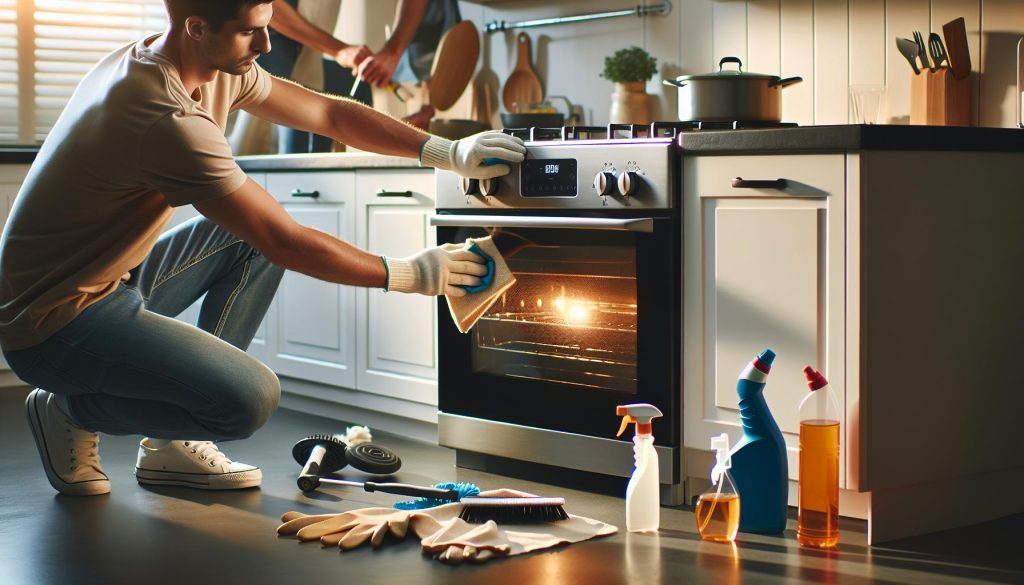
Cleaning electric stove burners can be a daunting task, but it’s essential for maintaining both the appearance and functionality of your kitchen. Did you know that regular cleaning can prolong the life of your burners and improve cooking efficiency? Cooking spills and residues not only affect your food’s taste but can also pose safety risks. For many home cooks, a clean, well-maintained stove is key to a seamless cooking experience. This guide will provide you with effective maintenance tips that make stove cleaning manageable and prevent the buildup of grime, ensuring your kitchen remains a safe and inviting space. Dive into the practical solutions that will keep your electric stove burners sparkling clean and ready for your next culinary adventure.
How Electric Stove Burners Work: Understanding the Basics
Electric stove burners are a vital component in modern kitchens, providing a reliable and efficient means of cooking. Understanding how these burners work is essential not only for using them effectively but also for maintaining them. Electric stove burners operate through the principle of electrical resistance. Once you turn the burner on, electricity flows through a coil or ribbon element, converting electrical energy into heat through resistance. This heat then transfers to the cookware placed on the burner, allowing for even cooking.
There are two primary types of electric burners: coil burners and smooth-top (flat) burners. Coil burners are the traditional format, featuring metal coils that glow red when hot. They may take longer to heat up but are often easier to replace and repair compared to their smooth-top counterparts. Smooth-top burners, on the other hand, have a glass-ceramic surface with radiant heat elements underneath. These types of burners provide a sleek appearance and easier cleaning surfaces, as spills are less likely to get trapped in the coils. Additionally, induction cooktops have recently gained popularity, using electromagnetic energy to heat pots and pans directly, providing even more efficiency and faster cooking times.
To keep electric stove burners functioning optimally, regular maintenance is crucial. This includes cleaning the burners and ensuring that no food particles or spills obstruct the heating elements. Neglect can lead to uneven heating or even permanent damage to the burner. Understanding these principles not only enhances your experience in the kitchen but also empowers you to maintain and prolong the life of your electric stove burners effectively.
Essential Cleaning Supplies for Electric Stove Burners
To maintain the performance and appearance of electric stove burners, having the right cleaning supplies on hand is crucial. A well-equipped cleaning kit not only simplifies the process but also enhances safety by ensuring that your cooking surface remains free from harmful residues. Here’s a practical guide to the essential cleaning supplies that you should utilize:
Key Cleaning Supplies
- Non-Abrasive Sponges: Soft sponges are ideal for gentle scrubbing without causing scratches on smooth-top surfaces.
- Microfiber Cloths: These are perfect for wiping down burners and surfaces, attracting dirt without scratching and leaving lint behind.
- Cleaning Solutions: Use an appropriate pH-balanced cleaner specifically formulated for electric stoves. Avoid harsh chemicals that could damage the burners.
- Baking Soda: This versatile ingredient can be used as a gentle abrasive to tackle stubborn stains and residues.
- Vinegar: A natural deodorizer and cleaner that can help dissolve grease and food particles.
- Scraper Tool: A plastic scraper is invaluable for removing burnt-on food without damaging the surfaces.
- Dish Soap: Mild dish soap can be effective in cutting through grease and grime, especially when combined with warm water.
When stocking your cleaning supplies, consider the type of electric stove you have. Smooth-top burners may require different products compared to traditional coil burners. For instance, while using baking soda and vinegar can safely clean smooth surfaces, they may not be necessary for coil burners, which often require less delicate treatment. Additionally, keep in mind the importance of safety; always ensure the burners are cool before you start cleaning to prevent burns and injuries.
Equipped with the right tools, you will make cleaning electric stove burners a straightforward and efficient task, enhancing their longevity and maintaining a safe cooking environment.
Step-by-Step Cleaning Process for Electric Stove Burners
To achieve a clean and safe cooking surface, the cleaning process for electric stove burners should be both systematic and careful. A regular cleaning routine not only removes food particles and stains but also helps maintain the efficient performance of your burners. Here’s a step-by-step approach to ensure your electric stove burners are immaculate and functional:
Start by turning off the stove and allowing all burners to cool completely. Safety is paramount, and cleaning hot burners can cause burns or injuries. Once cool, remove any removable parts, such as drip pans or coil burners, if applicable. This accessibility will make the cleaning process more thorough.
Next, prepare a cleaning solution using warm water and a few drops of mild dish soap. For smooth-top stoves, utilize a non-abrasive sponge or cloth to gently wipe down the surfaces, avoiding any aggressive scrubbing that could scratch the glass. For coil burners, you can soak the removable parts in the soapy water for a few minutes to help loosen any stuck-on food. After soaking, use a soft sponge to scrub away grime.
Once you’ve cleaned the surfaces, it’s time to tackle tough stains. For stubborn residues, sprinkle a bit of baking soda on the affected area, then spray a small amount of vinegar over it. The chemical reaction will help lift the stains without scratching the surface. Let it sit for 10-15 minutes before gently scrubbing with your sponge. Afterward, wipe down with a clean, damp cloth to remove any cleaning solution and food particles.
Lastly, dry all components thoroughly before reassembling your stove. If your stove has a glass surface, use a clean microfiber cloth to give it a final buff, leaving a streak-free shine. Make it a habit to clean your stove after each use to prevent buildup and maintain its longevity. This process not only promotes a healthier cooking environment but also enhances the efficiency and lifespan of your electric stove burners.
Effective Techniques for Tough Stains and Residue
Tough stains on electric stove burners can be particularly frustrating, especially when standard cleaning methods fall short. However, armed with the right techniques and household items, you can effectively restore your cooktop’s shine and functionality. One of the most effective combinations for tackling stubborn residue is the classic baking soda and vinegar duo. Baking soda, a mild abrasive, works wonders for lifting grime while vinegar acts as a natural degreaser. Together, they create a fizzing reaction that can penetrate deep into stains, making them easier to scrub off.
To use this technique, start by sprinkling a generous amount of baking soda directly on the stain. Then, lightly spray white vinegar over the baking soda to activate the reaction. Allow this mixture to sit for 10 to 15 minutes; this waiting period is crucial as it allows the bubbling action to break down the residue. After the bubbles settle, grab a non-abrasive sponge or cloth and gently scrub the area in circular motions. For particularly tricky spots, you might need to repeat the process or let the baking soda sit longer before scrubbing.
Here are a few additional methods to consider for tackling tough stains:
- Dish Soap and Hot Water: For regular spills, a solution of hot water mixed with dish soap can work effectively. Use a sponge to wipe down the surfaces, ensuring you rinse the sponge frequently to avoid spreading dirt around.
- Commercial Cleaners: If home remedies don’t suffice, consider specialized electric stove cleaners that are designed for your stove’s surface type. Always follow the manufacturer’s recommendations and avoid harsh abrasives that could scratch the surface.
- Steel Wool Pads: For very tough, burnt-on stains, fine-grade steel wool can be used sparingly. While effective, it’s crucial to test it on a small area first, especially on smooth-top stoves, to avoid scratching.
Regular maintenance and prompt cleaning after spills are vital to prevent tough stains from forming in the first place. However, should the inevitable stubborn residue occur, these techniques will help you restore your electric stove burners to their original glory, ensuring that your kitchen remains clean and functional.
Preventative Maintenance Tips for Longevity
To extend the lifespan and maintain the functionality of electric stove burners, adopting a few preventative maintenance practices is essential. Regular upkeep not only preserves the appearance of your burners but also enhances their performance, leading to improved cooking efficiency. One of the simplest yet most effective practices is to clean the burners after each use. Allow them to cool first, then wipe down any spills or splatters with a damp cloth to prevent food residue from baking onto the surface during subsequent uses.
Another crucial aspect of preventative maintenance is avoiding the use of heavy cookware that can scratch or damage the surface of the burners. Whenever possible, select pots and pans with smooth bottoms to maintain the sleek surface of your stove. Additionally, using burner liners can help catch drips and spills, reducing the amount of scrubbing needed later. These liners are easy to install and can be replaced as needed, providing a convenient barrier against grime.
Moreover, keeping the burner contacts clean is vital for optimal performance. Periodically, check the contacts for signs of corrosion or wear, and clean them with a soft cloth dampened with a mild cleaning solution. This will help maintain good electrical conductivity and reduce the risk of uneven heating. If you notice that the burners are beginning to lose their heating efficiency, it may indicate a need for replacement.
Lastly, be mindful of the temperature settings. Running burners at excessively high temperatures can lead to damage over time. Use the lowest effective temperature for cooking, which not only saves energy but also minimizes wear and tear on the burners. By incorporating these practices into your routine, you can ensure that your electric stove burners remain in optimal condition, extending their life and maintaining your kitchen’s efficiency.
Common Mistakes to Avoid When Cleaning
Cleaning electric stove burners can be deceptively simple, yet many fall prey to common missteps that can compromise the lifespan and performance of their appliance. One prevalent error is using abrasive cleaners or scouring pads on the surface of the burners. These materials can scratch and damage the protective coating, leading to further maintenance issues down the line. Instead, opting for a soft cloth or sponge with a gentle detergent solution ensures a thorough clean without jeopardizing the surface integrity.
Another mistake is neglecting to wait for burners to cool down before cleaning. Cleaning while the burners are still hot not only poses a significant burn risk but can also cause cleaning solutions to evaporate too quickly, leaving residue behind. Always allow burners to reach a safe temperature before attempting any cleaning. Furthermore, overlooking the burner contacts is a common oversight. Residue can accumulate in these areas, leading to poor electrical connectivity. Cleaning them gently with a damp cloth can enhance heating efficiency and extend the burner’s life.
Failing to follow the manufacturer’s instructions is yet another pitfall many users encounter. Each electric stove may have specific guidelines regarding cleaning agents and methods suited for their surfaces. Skipping this critical step can void warranties or result in unintended damage. Therefore, investing a few moments to consult the owner’s manual can save considerable trouble later. Lastly, not establishing a regular cleaning routine is a common error. Waiting until stains are baked on can turn a simple clean into an arduous task. A consistent habit of light cleaning after each use significantly lessens the burden of deeper cleanings in the future. By avoiding these typical mistakes, you can maintain your electric stove burners more effectively and ensure optimal performance in your kitchen.
How to Maintain Electric Stove Burners Over Time
Maintaining electric stove burners not only enhances their longevity but also optimizes cooking performance and ensures safety in the kitchen. Regular attention to these components allows for consistent heat distribution, reducing cooking times and improving the evenness of meals. By adhering to a routine maintenance schedule, you can avoid common issues that lead to burner malfunction or inefficiency.
To start, always ensure that the surface around the burners is kept clean and free from debris. This helps prevent crumbs and spills from becoming baked on, which can make cleaning far more difficult in the long run. After every cooking session, take a moment to wipe down the burners with a soft cloth or sponge and a gentle detergent solution. This simple step not only maintains appearance but also helps detect any initial signs of wear or damage early on.
Periodic Inspections
Inspect the burners and surrounding components regularly for signs of wear, such as discoloration or deterioration of the burners themselves. Pay particular attention to the electrical contacts; these should be clean and free from residue to ensure optimal electric flow. In case of any buildup, gently clean the contacts with a damp cloth to maintain their functionality. Additionally, your stove’s manual will often provide specific guidance on the best practices for maintenance and cleaning, so consulting this document is beneficial.
Replacement Considerations
Understanding when to replace your electric stove burners is equally crucial for maintenance. If the burners fail to heat evenly or show visible signs of damage, replacement might be necessary. Keeping spare burners on hand can save time and ensure you are not left without essential cooking capabilities.
Combining regular cleaning, thorough inspections, and proactive replacements will not only enhance the cooking experience but also ensure safety standards are met in your kitchen. By being diligent about these maintenance practices, you can significantly extend the life of your electric stove burners while keeping your culinary adventures hassle-free.
Safety Tips for Cleaning Electric Stove Burners
Cleaning electric stove burners may seem straightforward, but it requires careful attention to safety to prevent accidents. Accidental burns and electrical hazards can occur if the appropriate precautions are not taken. It’s essential to prioritize safety before, during, and after the cleaning process to ensure a safe and pleasant cooking environment.
Before you begin cleaning, ensure the burners are completely cool. Attempting to clean them while they are still hot can lead to severe burns. Once cooled, unplug the stove or turn off the circuit breaker to eliminate any risk of electrical shock. This precaution is particularly important for stoves with removable burners. Keep your workspace organized, removing any other items that might obstruct your movements or create trip hazards.
When using cleaning products, always check that they are compatible with your stove type and follow the manufacturer’s instructions. Avoid harsh chemicals that could damage the surface of the burners or create toxic fumes. Opt for products labeled as safe for electric stove use or consider DIY cleaners made from natural ingredients like baking soda and vinegar. Wearing gloves can protect your skin from irritation, and using a soft cloth or sponge minimizes the risk of scratching the surface.
After cleaning, thoroughly rinse any residues from the burners and the surrounding areas. This not only helps prevent any unpleasant odors from lingering but also reduces the chances of flammable residue building up. Once everything is cleaned and dried, reassemble any removed components and ensure that everything is securely in place before plugging the appliance back in. Regular adherence to these safety tips not only protects you but also extends the life of your stove burners, allowing you to cook with confidence.
Comparing Cleaning Products: What’s Most Effective?
Using the right cleaning products can make a significant difference in the maintenance of electric stove burners. Selecting the most effective cleaning solutions not only enhances the appearance of your stove but also extends its lifespan by preventing damage from corrosive substances. Whether you’re facing stubborn stains or daily grime, knowing which products to use can save you time and effort.
When comparing cleaning products, consider both commercially available options and DIY alternatives. Commercial cleaners specifically designed for electric stoves often contain formulas that tackle grease and burnt-on food efficiently. Look for products that are labeled safe for electric appliances and avoid those with harsh chemicals like ammonia, which can cause damage or toxicity. Brands that are widely recommended include Cerama Bryte and Weiman, known for their effective grease-cutting properties without harsh abrasives.
On the other hand, DIY cleaners can be just as effective and are often more sustainable. A simple mixture of baking soda and water can create a powerful paste that effectively lifts stains when allowed to sit on the surface before scrubbing. Vinegar is another great option; its acidity can help break down tough residues. Applying vinegar after using the baking soda creates a foaming action that enhances cleaning capabilities. Remember to always rinse thoroughly after using any cleaner to remove any remaining product or residue.
As you weigh your options, keep in mind the specific cleaning challenges you face. For instance, if you regularly cook with oily foods, selecting a product with strong degreasing properties will serve you better than a general-purpose cleaner. Experimenting with several methods can help you identify what works best for your stove, ensuring a cleaner cooking surface and ultimately improving your cooking experience.
When to Replace Electric Stove Burners
Electric stove burners are designed to last, but they do require attention and sometimes replacement. Knowing exactly when to replace them can save you from frustrating cooking experiences and potential hazards. Generally, you should consider replacing your electric stove burners if you notice any of the following signs:
Firstly, burner malfunctions are a clear red flag. If a burner doesn’t heat up, heats unevenly, or does not operate at the intended power level, it may need replacement. This could be due to internal electrical issues or damage to the heating element, which can impede safety and efficiency.
Additionally, inspect for physical damage such as cracks, blisters, or severe discoloration. These marks can indicate that the burner has been subjected to excessive heat or wear, potentially compromising its heat distribution capabilities. A damaged burner not only performs poorly but can also pose a safety risk, as it might lead to electric sparks or even fires if not addressed promptly.
Corrosion and degraded connectors are other signs that your burners might need an update. Over time, the connectors can corrode, which not only affects the performance but also creates risks of electrical failure or hazards. If you notice any sign of corrosion or if the connections appear burnt, it’s wise to replace the burner to ensure safe operation.
In terms of maintenance, routine checks and replacements can significantly enhance your cooking experience. Consider marking your calendar for annual inspections to evaluate your stove’s condition. Regular maintenance is easier and more cost-effective than dealing with the fallout from a malfunction or an accident caused by faulty equipment.
Ultimately, being proactive and replacing burners at the first sign of trouble not only keeps your cooking appliances running efficiently but also contributes to a safer kitchen environment. If you’re ever in doubt, consulting with an electrician for a professional assessment can provide clarity and save you from unexpected repair costs later on.
Eco-Friendly Cleaning Alternatives You Can Try
Switching to eco-friendly cleaning alternatives not only helps you maintain your electric stove burners with minimal environmental impact but can also be surprisingly effective. Many common household ingredients can help you tackle grease, stains, and burnt-on residue without the harsh chemicals found in commercial cleaners.
One of the most versatile and powerful alternatives is white vinegar. Its acidity makes it an excellent natural degreaser. To use, mix equal parts of water and vinegar in a spray bottle and generously mist the affected areas of your stove burners. Let it sit for a few minutes to break down the grime before wiping it away with a soft cloth. This method not only cleans effectively but also leaves your kitchen smelling fresh.
Baking soda is another fantastic option, especially for tougher stains. Create a paste by mixing baking soda with a small amount of water. Apply this paste to the stained burners and allow it to sit for 15-20 minutes. Afterward, a gentle scrub with a sponge or cloth will often lift even the most stubborn of residues. For added power, you can pair baking soda with vinegar; sprinkling baking soda on your stove and then spraying vinegar will create a fizzing action that helps loosen gunk.
Lemon juice is not only a powerful natural bleach but also leaves a delightful fragrance. To utilize lemon, simply cut a lemon in half and rub it directly over the dirty areas of your burners. The natural oils and acidity in the lemon help lift stains, while its antibacterial properties ensure a thorough clean. After scrubbing, you can wipe the area with a damp cloth for a sparkling finish.
Benefits of Eco-Friendly Options
Using these eco-friendly alternatives not only contributes to a healthier home environment by reducing chemical exposure but also promotes sustainable cleaning practices. Here are a few key benefits:
- Cost-effective: Most ingredients like vinegar, baking soda, and lemon juice are inexpensive, reducing your overall cleaning costs.
- Less harmful chemicals: Eco-friendly cleaners limit your exposure to harsh and potentially harmful substances, making your kitchen a safer place.
- Biodegradable: Natural cleaning solutions are generally biodegradable, benefiting the environment when disposed of properly.
- Versatility: Many of these ingredients can be used for various cleaning tasks beyond just the stove, making them valuable additions to your cleaning routine.
Incorporating these eco-friendly cleaning methods can not only keep your electric stove burners looking great but also ensure your kitchen remains a clean and safe haven for your family.
Troubleshooting: What to Do If Burners Don’t Work
If your electric stove burners aren’t working, it can be both inconvenient and frustrating, but several troubleshooting steps can help identify and resolve the issue. First and foremost, ensure that the stove is correctly plugged in and the outlet is functioning. Testing the outlet with another appliance can quickly confirm if it’s delivering power. If the outlet is working but the burners still don’t heat up, the problem may lie with the burners themselves, the wiring, or the internal components of the stove.
A common issue that leads to non-functional burners is a faulty connection. Remove the burner and inspect the prongs for any signs of damage or corrosion. Clean the prongs with a fine grit sandpaper or a metal cleaner to ensure a good connection. Additionally, check the burner socket for dirt or debris, which could also impede electrical contact. If the burner element is cracked or visibly damaged, it is vital to replace it for safety reasons.
For electronic stoves, sometimes issues can arise from faulty controls or internal electronics. Resetting the stove by unplugging it for a few minutes may restore functionality in some cases. If the problem persists, consult the stove’s user manual for specific troubleshooting codes and procedures. In cases where internal components like relays or switches are suspected to be defective, it may be beneficial to call a qualified electrician for an evaluation. Addressing these problems quickly can prevent bigger issues, ensuring the longevity and efficiency of your electric stove.
In summary, while troubleshooting non-working electric stove burners, remember to check power connections, clean prongs and sockets, consider resetting the appliance, and seek professional help if needed. Keeping these pointers in mind can help restore your stove’s functionality while maintaining safety standards in your kitchen.
FAQ
Q: What are the best homemade solutions to clean electric stove burners?
A: Homemade solutions for cleaning electric stove burners include a mixture of baking soda and vinegar. Apply the paste to the burners, let it sit for 15-20 minutes, then scrub gently with a soft cloth. This method effectively removes grease and grime without harsh chemicals. For more tips, see the “Eco-Friendly Cleaning Alternatives” section in the main article.
Q: How often should I clean my electric stove burners for optimal maintenance?
A: Clean your electric stove burners after each use to prevent buildup of food residue and stains. Additionally, perform a deep cleaning every month for optimal maintenance, ensuring their longevity and performance are not compromised. For a comprehensive cleaning guide, refer to the “Step-by-Step Cleaning Process” section of the article.
Q: Can you use abrasive cleaners on electric stove burners?
A: No, abrasive cleaners can scratch and damage the protective coatings of electric stove burners. Instead, use non-abrasive cleaners or homemade solutions that are safe for the surfaces. Check the “Comparison of Cleaning Products” section for detailed recommendations on effective and safe cleaning agents.
Q: What should I do if my electric stove burners are not heating properly?
A: If your electric stove burners are not heating properly, first check the power supply and make sure the burners are securely connected. Then clean the burners to remove any debris that may block contact. If issues persist, refer to the “Troubleshooting: What to Do If Burners Don’t Work” section for further steps.
Q: Are there special techniques for cleaning glass electric stove burners?
A: Yes, glass electric stove burners require gentle cleaning to avoid scratches. Use a soft sponge with a specialized glass cleaner, or a mixture of baking soda and water as a safe scrub. For tips on handling tough stains, see the “Effective Techniques for Tough Stains and Residue” section of the article.
Q: What cleaning tools are recommended for electric stove burners?
A: Recommended cleaning tools for electric stove burners include microfiber cloths, soft sponges, and non-scratch scrubbers. Avoid steel wool and abrasive pads that can damage the surface. For a full list of essential cleaning supplies, refer to the “Essential Cleaning Supplies for Electric Stove Burners” section.
Q: Is it safe to clean electric stove burners while they are still warm?
A: Cleaning electric stove burners while they are still warm can be dangerous; there is a risk of burns and inhaling fumes from cleaning products. Always allow the burners to cool completely before cleaning for safety. Refer to the “Safety Tips for Cleaning Electric Stove Burners” section for more precautions.
Q: What are some preventative measures for keeping electric stove burners clean?
A: Preventative measures include using burner covers to minimize spills and avoid cooking overly messy foods. Additionally, wipe up spills immediately after cooking and routinely check for residue buildup. For additional maintenance tips, look into the “Preventative Maintenance Tips for Longevity” section of the article.
In Summary
Thank you for watching our guide on cleaning electric stove burners! You now have the essential maintenance tips to keep your stove looking brand new and functioning efficiently. Remember, regular cleaning not only enhances the appearance of your kitchen but also extends the life of your appliance. Don’t wait-start implementing these tips today to make your cooking experience more enjoyable.
For more great content, check out our articles on “Essential Kitchen Maintenance Tips” and “Best Cleaning Products for Your Kitchen,” linked below. Curious about common cooking mistakes and how to avoid them? Explore our related guides for even more insights! If you found value in this video, please subscribe to our channel for more helpful tips, and don’t hesitate to share your cleaning successes in the comments! Keep your kitchen shining, and we’ll see you in the next video!