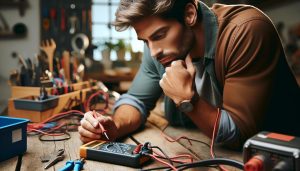
Did you know that the simple act of boiling water can teach you a lot about electrical systems? Electric kettles are not just convenient kitchen appliances; they embody essential electrical principles that every aspiring electrician should understand. In this breakdown, we’ll explore the intricate workings of an electric kettle’s circuit. By examining components like the heating element, thermostat, and safety features, you’ll gain insights into how these elements interact to create a safe and efficient device. Understanding these fundamentals is crucial for both practical applications and advancing your knowledge in the electrical field. Join us as we unravel the circuit design of this everyday essential, empowering you with the expertise needed for career progression and increased safety in your electrical endeavors.
How an Electric Kettle Works: A Step-by-Step Breakdown
Electric kettles are remarkable devices that blend convenience with advanced technology to boil water rapidly and safely. Understanding how these appliances work not only enhances user experience but also equips you with the knowledge for troubleshooting and maintenance. At the core of an electric kettle’s operation lies a combination of electrical components that work seamlessly to deliver hot water at your command.
When an electric kettle is plugged in and activated, electricity flows from the power source through a circuit, powering the kettle’s heating element. This heating element is typically a coil or plate located at the bottom of the kettle, designed to convert electrical energy into heat. As the element heats up, it warms the water inside the kettle through conduction. The water molecules gain kinetic energy, increasing their temperature until they reach the boiling point.
The thermostat, another vital component, plays a crucial role in temperature regulation. It monitors the water’s temperature and switches off the heating element once the desired temperature is attained, preventing overheating and potential damage to the kettle. Safety features, such as automatic shut-off and boil-dry protection, further enhance user protection by ensuring that the kettle operates only within safe parameters.
In summary, the seamless interaction between electrical components in an electric kettle makes it a powerful tool in our kitchens. Understanding this mechanism not only helps in appreciating its efficiency but also guides users in maintaining and troubleshooting the device effectively, ultimately ensuring a long lifespan and optimal performance.
The Essential Components of an Electric Kettle
Electric kettles are sophisticated appliances that depend on a few crucial components to function effectively and efficiently. Each part contributes to the overall performance, ensuring that boiling water is a quick and safe process. By understanding these essential components, users can make informed choices about their kettles and maintain them properly for long-term use.
The primary component of an electric kettle is the heating element, typically made of metal, which converts electrical energy into heat. Located at the bottom of the kettle, this element can be in the form of a coil or a flat plate. As electricity flows through it, the heating element gets hot, and this heat is transferred to the water through conduction. This process is highly efficient, allowing the kettle to boil water significantly faster than traditional stovetop methods. Choosing a kettle with a powerful heating element can reduce waiting times for boiling water, which is essential for busy kitchens.
Another essential component is the thermostat, which plays a vital role in maintaining the desired temperature. The thermostat monitors the water’s heat and automatically shuts off the heating element once it reaches the set boiling point. This feature not only ensures that the water does not overheat but also protects the kettle from potential damage caused by excessive heat. Users should look for kettles with reliable thermostats to avoid issues related to overheating and energy waste.
In an electric kettle, safety features are paramount. Automatic shut-off and boil-dry protection prevent the kettle from operating when there is insufficient water, thereby avoiding damage to the heating element. These features are crucial for user safety, providing peace of mind especially in households with children. Modern electric kettles also include additional features such as programmable settings and digital displays to enhance user experience.
Lastly, understanding the electrical circuit powering the kettle can be beneficial, especially for those interested in the technical aspects. The kettle is connected to a power source through a wiring system that allows electricity to flow to the heating element and thermostat. Having adequate knowledge about voltage and amperage can help users choose the right kettle for their needs and ensure safe operation within household circuits.
By familiarizing themselves with these essential components and their functions, users can better appreciate the technology behind electric kettles and make smarter decisions when purchasing, using, or maintaining these indispensable kitchen appliances.
Understanding the Heating Element Mechanism

The heating element is the heart of an electric kettle, responsible for transforming electrical energy into thermal energy to heat water quickly and efficiently. Typically constructed from highly conductive materials such as stainless steel or metal alloys, these elements are designed to maximize heat transfer to the water while minimizing energy loss. When a kettle is plugged in and switched on, electrical current flows through the heating element, generating heat through the resistive properties of the material. This phenomenon, known as Joule heating, allows the heating element to raise the temperature of the water rapidly, making electric kettles much faster than traditional stovetop methods.
Types of Heating Elements
There are generally two types of heating elements found in electric kettles: coil and flat plate.
- Coiled Elements: These elements resemble a spiral and are typically situated at the bottom of the kettle. They can provide direct heat and conduct it efficiently to the water.
- Flat Plate Elements: This type of heating element offers a larger surface area, ensuring even heat distribution and quicker boiling times. They are also easier to clean due to their smooth design.
Understanding the advantages and drawbacks of each type helps consumers make informed choices based on their needs and preferences.
Efficiency and Energy Consumption
When choosing a kettle, keep in mind the wattage of the heating element. Common residential kettles range between 1,500 to 3,000 watts. Higher wattage typically means faster heating times; however, it can also lead to higher energy consumption. If energy efficiency is a priority, consider kettles equipped with thermostatic controls or smart technology that minimize power use when the water is heated to the desired temperature.
Additionally, maintaining the heating element is crucial for optimal performance. Regular cleaning, especially in hard water areas where scale build-up can occur, helps ensure that the heating element functions efficiently. Scale not only diminishes the kettle’s heating efficiency but can lead to higher energy costs over time.
By understanding the mechanism of the heating element, users can appreciate the technology behind their electric kettles and identify features that contribute to energy efficiency, reliability, and overall performance in their kitchen.
The Role of the Thermostat in Kettle Operation

The thermostat in an electric kettle plays an essential role in ensuring that the water reaches the desired temperature while also preventing it from overheating. Often perceived as just another component, the thermostat is a critical safety feature that cleverly integrates thermal sensing and electrical control to regulate the operation of the kettle. When water is heated, steam is generated; the thermostat is designed to detect this change in temperature through a thermistor, which reliably senses the thermal threshold at which water begins to boil.
As the water temperature approaches 100 degrees Celsius, the steam produced travels through a vent that leads to the thermostat, causing it to switch off the heating element. This “auto shut-off” mechanism not only enhances energy efficiency but also prevents potential hazards associated with overheating, such as scalding or damage to the kettle itself. This function exemplifies how modern technology prioritizes user safety and convenience, allowing consumers to engage in multitasking without constant monitoring of their kettle.
Moreover, utilizing a thermostat can greatly enhance the lifespan of your kettle. Regularly exposing heating components to excessive temperatures can lead to quicker wear and tear, thus understanding the thermostat’s operation can empower consumers to make informed choices about their kettle’s use and care. It’s important to note that in high-quality kettles, advanced thermostatic controls may even allow users to select different temperature settings for various beverages, offering versatility alongside safety.
In addition to practical benefits, understanding the functionality of the thermostat also sparks curiosity and appreciation for the engineering behind everyday appliances. As technology advances, features such as smart thermostats that connect to smartphones are setting new benchmarks in user-controlled heating, emphasizing the shift towards more intelligent home appliances. The thermostat is not just a passive component; it’s a pivotal player that underpins both functionality and safety in the world of electric kettles.
Electrical Circuits: Powering Your Electric Kettle
To understand how electric kettles function, it’s essential to grasp the underlying electrical circuits that power these convenient appliances. Electric kettles typically operate on a standard AC power supply, utilizing a straightforward yet efficient design that incorporates components requiring careful attention to safety and energy management.
The primary element of an electric kettle’s electrical circuit is the heating element, which is generally designed as a resistive wire or coil. This heating element is submerged in water and is responsible for converting electrical energy into heat through *Joule heating*. When the kettle is switched on, current flows through the heating element, raising its temperature and, subsequently, the temperature of the water. Generally, these heating elements are designed for high wattage-often around 1500 watts-allowing for rapid boiling.
Electric kettles also incorporate a series of safety mechanisms within their electrical circuits to prevent hazards. The thermostat plays a crucial role here, providing a feedback loop that responds to temperature changes by turning the heating element on or off at predetermined temperatures. Additionally, an automatic shut-off feature ensures that when the water reaches its boiling point, the circuit is interrupted to prevent overheating and damage to the kettle.
Key Components in the Circuit
- Power Switch: Engages the flow of electricity to the kettle.
- Heating Element: Converts electrical energy into heat.
- Thermostat: Monitors temperature and controls the heating element.
- Power Indicator Light: Signals when the kettle is operational.
- Boil-Dry Protection: Automatically turns off the kettle if operated without water.
For electricians navigating the landscape of electric kettle repair or assembly, understanding these electrical fundamentals is vital. Factors such as voltage ratings, amperage, and load calculations should always be considered, especially when replacing components or troubleshooting issues. In addition, modern electric kettles often include features such as *smart controls*, allowing for more intricate regulation of heat and even remote operation via smartphone apps. These innovations reflect the increasing trend towards more user-friendly and energy-efficient appliances that resonate with consumers’ needs today.
By mastering the electrical circuits that power electric kettles, professionals can ensure safety, efficiency, and enhanced performance, thus meeting industry standards and exceeding customer expectations.
Safety Features of Electric Kettles Explained
Safety is paramount when using electric kettles, and understanding their safety features can prevent accidents while ensuring efficient operation. One of the most critical features is the automatic shut-off mechanism, which activates when the water reaches boiling point. This not only helps prevent overheating but also protects the kettle from damage caused by prolonged heating without water. The incorporation of a boil-dry protection feature further enhances safety; it automatically turns the kettle off if it is operated without sufficient water, significantly reducing the risk of fire or damage to the heating element.
Another vital component is the thermostat, which monitors and regulates the temperature of the water. When the desired temperature is achieved, the thermostat interrupts the power supply to the heating element, effectively controlling the cooking process. This feedback loop ensures that the kettle operates within safe temperature limits, which is crucial for user safety.
Electric kettles frequently come with robust power cord management systems to ensure that cords are out of the way to prevent tripping hazards or accidental disconnections. Additionally, many models feature heat-resistant handles and body materials that minimize the risk of burns during operation. Certain advanced kettles also incorporate indicator lights that provide visual cues about the device’s operational status, alerting users when the kettle is in use and when it has completed the boiling cycle.
For electricians and those involved in appliance repair, being thoroughly familiar with these safety features is essential. This knowledge assists in diagnosing malfunctions and ensuring that kettles not only meet customer needs but also comply with strict safety standards. Regular checks of these systems can prevent accidents and extend the life of the kettle, ultimately contributing to a safer kitchen environment.
Common Troubleshooting for Electric Kettle Issues
Troubleshooting electric kettles can be a straightforward task when you’re equipped with essential knowledge and troubleshooting techniques. When faced with common issues such as a kettle not turning on, it’s helpful to perform a few preliminary checks. Start by ensuring that the kettle is plugged in and the outlet is functioning. A quick test can include attempting to power another device from the same outlet. If the kettle has a detachable base, confirm that it is securely connected to the kettle and that the power cord is in good condition-no visible damage or fraying.
Another frequent problem arises when the kettle does not boil water despite being powered. To address this, check the water level; if the kettle is too low, it may not heat efficiently. Additionally, examine whether the lid is securely closed, as many kettles are designed with safety features that prevent operation unless the lid is in place. If you’re still encountering issues, the thermostat might be malfunctioning, which would interrupt the heating process. Consult the manufacturer’s troubleshooting guide for instructions on resetting or replacing faulty components.
One tip for maintaining optimal performance is to periodically descale the kettle, especially in areas with hard water. Mineral buildup can significantly impede heating efficiency and longevity. If your kettle features an indicator light, verify that it functions as this is a key visual cue that not only confirms power but also indicates operational status. If the kettle is still unresponsive after trying these steps, it may be time to consult professional service or the manufacturer for further guidance on repairs or replacements.
Ultimately, knowing how to troubleshoot electric kettles empowers users to resolve issues independently, enhancing both safety and convenience in modern kitchens. Staying familiar with both the mechanical and electrical components will streamline the troubleshooting process, allowing for quick resolutions and a better understanding of kettle operation.
Comparing Electric Kettles: Features That Matter
Understanding the array of features available in electric kettles can significantly enhance your brewing experience. When comparing electric kettles, it’s essential to evaluate specifications that affect performance, usability, and safety. Not every kettle is created equal, and knowing what to look for can save you time and money while ensuring you select the perfect model for your needs.
One of the first aspects to consider is the heating element. Electric kettles typically come with either an exposed or concealed heating element. Exposed elements may offer faster heating but can be more challenging to clean, while concealed elements are generally safer and easier to maintain. Additionally, wattage plays a crucial role; kettles with 1,500 watts or more can boil water much faster, which can be a major time saver.
Another critical feature is temperature control. For tea enthusiasts or coffee aficionados, the ability to set precise temperatures is invaluable, as different beverages often require different brewing temperatures. Models like the Stagg EKG, for instance, provide temperature settings and a gooseneck spout for accurate pouring, catering specifically to pour-over enthusiasts. Moreover, consider a kettle with a keep-warm function; it maintains the water temperature for a certain duration, which is handy when you’re preparing multiple servings.
Safety features are also paramount. Look for kettles with auto shut-off and boil-dry protection. These features help prevent accidents by automatically shutting down the kettle if it reaches boiling or if insufficient water is detected. Cool-touch exteriors and locking lids not only enhance safety but also offer convenience when pouring.
Additionally, pay attention to the design and ergonomics. A kettle with a comfortable grip and a lightweight body will be crucial, especially if you frequently make several cups of tea or coffee. Finally, don’t overlook the ease of cleaning; kettles with removable filters and wide openings can save significant time in maintenance.
Investing time in comparing these features not only enriches your understanding but also ensures you choose an electric kettle that seamlessly fits into your lifestyle. Prioritizing what matters most to you-whether it’s speed, temperature precision, or safety-will lead to a more enjoyable brewing experience.
Energy Efficiency: How to Use Electric Kettles Wisely
Using electric kettles wisely can transform a simple task like boiling water into an efficient and sustainable practice. Since electric kettles can reach efficiency levels of around 80%, significantly more than various stovetop methods, understanding how to maximize this efficiency is essential for both convenience and energy conservation. Here are practical strategies to ensure you make the most of your electric kettle.
Start by only boiling the water you need. Utilizing the kettle’s capacity efficiently not only saves energy but also time. Many use the kettle to prepare more water than necessary, which leads to unnecessary electricity consumption. If you’re only making a cup of tea or coffee, fill the kettle just to the minimum required level. This small action can make a significant difference in overall energy use.
Another key factor is choosing a kettle with an adjustable temperature setting and an auto shut-off feature. The temperature control allows you to heat water to the exact degree required for your beverage, which is especially beneficial for teas or coffee that need specific brewing temperatures. This precise heating reduces wasted energy compared to boiling water to a full boil every time. Additionally, an auto shut-off feature ensures that power isn’t wasted when the water has reached its optimal temperature.
For maintenance, keep the kettle clean and free from limescale build-up. Regularly descaling your kettle enhances its performance and efficiency. The accumulation of minerals can hinder the heating element’s effectiveness and prolong boiling times, increasing energy usage. Following the manufacturer’s guidelines for cleaning and maintenance will ensure your kettle operates at peak efficiency.
Finally, consider the kettle’s insulation features. A well-insulated kettle retains heat longer, which can help maintain water temperature for future use without needing a second boil. By implementing these strategies, users can enjoy their hot beverages while making informed choices that favor energy efficiency and lower electricity bills.
Maintenance Tips for Long-lasting Electric Kettles
Electric kettles are a staple in many kitchens, known for their speed and efficiency in boiling water. However, the longevity and performance of your kettle heavily rely on regular maintenance practices. Understanding the proper care and upkeep of your electric kettle can save you from costly replacements and ensure each cup of tea or coffee tastes as good as the first.
To maintain the integrity of the internal components, it’s crucial to keep the kettle clean. One effective method involves descaling using natural acids like vinegar or lemon juice. Simply fill the kettle with a solution of equal parts water and vinegar, bring it to a boil, and let it sit for 15-30 minutes before rinsing thoroughly. This process removes limescale buildup that can significantly hinder the heating element’s performance and efficiency. Regular descaling-about once a month, depending on your water hardness-will keep your kettle operating at its best.
Regular exterior cleaning is just as important. Wipe the kettle’s surface with a damp cloth to remove spills and dust, and avoid using harsh chemicals that may damage the finish. Ensure you never submerge the kettle in water; instead, focus on cleaning the spout and base gently with a soft sponge. Maintaining the aesthetic and functionality of the kettle helps prolong its life and retain its original performance.
Lastly, be mindful of how you use the kettle. Avoid overfilling it and only boil the amount of water you truly need. This practice not only conserves energy but also minimizes wear on the heating element. Additionally, ensure the kettle is used on a stable, flat surface and that the electrical cord isn’t kinked or frayed, which can pose safety hazards and impact device longevity. By integrating these habits into your routine, you’ll ensure your electric kettle serves you well for years to come.
Innovative Technologies in Modern Electric Kettles
With the rise of smart home technology, electric kettles have evolved beyond their basic function of boiling water-they now offer a range of innovative features that enhance user experience and improve efficiency. Modern electric kettles often incorporate advanced technology that not only brings convenience but also aligns with energy conscientiousness, making them a valuable addition to contemporary kitchens.
One of the most significant advancements is the integration of smart technology. Many electric kettles now feature Bluetooth or Wi-Fi connectivity, allowing users to control boiling settings through a smartphone app. This capability means you can set the kettle to boil while you’re in another room, helping to streamline your kitchen workflow. Additionally, some models offer programmable temperature settings, ensuring water is heated to the precise temperature required for different beverages, such as green tea or French press coffee. This precision directly impacts the flavor and aroma, elevating the brewing experience.
Another noteworthy innovation is the energy efficiency improvements integrated into modern kettles. Many now include fast boil features that utilize high-performance heating elements, drastically reducing the time it takes to reach boiling point. Some brands have designed kettles with double-walled construction, which not only maintains water temperature longer but also keeps the outer surface cool to the touch, enhancing safety.
Materials and Design Innovations
The materials used in making these kettles have also progressed. Stainless steel and glass options provide not only aesthetic appeal but also durability and safety. These materials resist buildup and corrosion, ensuring a longer lifespan of the kettle. Moreover, advanced manufacturers are increasingly focusing on eco-friendly designs that use sustainable materials, catering to the growing consumer demand for environmentally responsible products.
Finally, modern electric kettles often come equipped with built-in safety features. Auto shut-off mechanisms prevent overheating, while dry boil protection ensures the kettle doesn’t function without water. These features not only enhance user safety but also prolong the kettle’s lifespan, making them a smart investment for any household.
In summary, the continuing innovation in electric kettles reflects wider trends in technology and environmental awareness. As features evolve, they not only improve functionality and safety but also empower users to make informed decisions about their energy consumption, demonstrating that even simple kitchen appliances can embody advanced technology and design principles.
Exploring Electric Kettle Brands: What to Consider
When selecting an electric kettle, brand reputation and product features can significantly influence your decision. With a wide array of options available, you’ll want to consider a few essential criteria to ensure that your investment pays off. Reliable brands typically prioritize not just functionality but also safety, durability, and energy efficiency, all crucial aspects in the long-term use of your kettle.
Essential Features to Consider:
- Heating Element: Look for kettles with high-quality, stainless steel or glass construction that provide even heat distribution and quick boiling times.
- Temperature Control: Some models allow you to set specific temperatures, which is particularly useful for brewing different types of tea or coffee.
- Safety Features: Auto shut-off, boil-dry protection, and heat-resistant handles are vital for preventing accidents and ensuring user safety.
- Capacity: Depending on your household needs, choose between compact models for personal use or larger kettles that cater to families.
Different brands often incorporate unique technologies. For example, Cuisinart kettles are known for their precise temperature controls and sleek designs, making them a favorite among tea enthusiasts. Conversely, brands like Hamilton Beach may emphasize affordability and practical features, offering great value for budget-conscious consumers.
Moreover, reading reviews and testimonials can provide insights into real-world performance, helping you gauge user satisfaction and reliability. Many reputable retailers, such as Target, offer ample information and customer feedback, allowing you to compare models effectively before purchasing.
Ultimately, the right electric kettle brand for you will depend on specific needs, preferences, and cooking habits. By researching trusted brands and considering key features, you can make an informed choice that enhances your kitchen experience, boils efficiently, and aligns with modern cooking standards.
FAQ
Q: How does the heating element in an electric kettle work?
A: The heating element in an electric kettle operates by converting electrical energy into heat via resistance. When the kettle is powered on, electricity flows through the element, causing it to heat up rapidly, which then heats the water in contact with it.
Q: What safety features should I look for in an electric kettle?
A: Key safety features to consider in an electric kettle include automatic shut-off, boil-dry protection, and heat-resistant handles. These features help prevent overheating and reduce the risk of burns or accidents during use.
Q: Why does my electric kettle take longer to boil water than before?
A: If your electric kettle is taking longer to boil water, it may be due to mineral build-up or limescale in the kettle. Regular descaling can improve efficiency. Ensure you also check that the heating element is functioning properly.
Q: Can I use an electric kettle for purposes other than boiling water?
A: Yes, electric kettles can be used for various purposes beyond boiling water, such as making tea, coffee, or instant soups. Some models also offer temperature settings for specific beverages, enhancing versatility.
Q: How do the internal circuits of an electric kettle power its components?
A: The internal circuits in an electric kettle connect the power source to the heating element and control mechanisms, enabling the kettle to function. When switched on, the circuit allows electricity to flow, activating the heating element and thermostat.
Q: What should I do if my electric kettle doesn’t turn on?
A: If your electric kettle doesn’t turn on, first check the power outlet and ensure it’s functional. Inspect the kettle for any visible damage, and check the switch and power cord. If the kettle still doesn’t work, it may require professional repair.
Q: How can I improve the energy efficiency of my electric kettle?
A: To improve energy efficiency, only boil the amount of water you need and keep the kettle clean to prevent limescale build-up. Using freshly drawn water can also help since cold water takes longer to boil.
Q: What innovative technologies are in modern electric kettles?
A: Modern electric kettles feature technologies like precise temperature control, programmable settings, and smart connectivity with home networks. These enhancements allow for greater user customization and convenience, particularly for tea enthusiasts.
In Conclusion
Understanding how an electric kettle operates not only enhances your knowledge but also empowers your day-to-day brewing tasks with efficiency and safety. With the insights gathered here, you can confidently select the right kettle for your needs, ensuring you enjoy perfectly boiled water for tea, coffee, or culinary delights each time.
Ready to explore more about kitchen innovations? Discover our detailed guides on selecting the best kitchen gadgets 90548905461115307_2211902″>here. Don’t hesitate to leave your thoughts or questions in the comments below; your engagement fuels our passion for providing valuable content! Remember, each perfect cup starts with a reliable kettle, so make your next purchase informed and intentional.